How we built this comparison
This page combines traveler discussion patterns, published price ranges, flight schedules, and seasonal data to help you decide between Slovakia and Slovenia.
- Reviewed 50+ Reddit threads from r/travel, r/solotravel, r/Slovakia, r/Slovenia
- Verified costs and logistics against current booking platforms like Booking.com, Skyscanner, and local transport sites
- Cross-referenced seasonal patterns and weather data from meteorological sources
⚡ Quick Answers
⚡ The TL;DR Verdict
For most travelers prioritizing budget and a less-trodden path with rugged mountain escapes, Slovakia is the stronger contender. If you seek more polished infrastructure, easier mountain access, and a more developed tourism scene, Slovenia is a worthwhile splurge. Slovakia generally offers better value for money.
- Choose Slovakia: You prioritize lower daily costs, find appeal in Soviet-era history alongside medieval towns, and seek less crowded mountain trails in the High Tatras.
- Choose Slovenia: You want polished infrastructure, have a slightly higher budget, prefer easier access to Julian Alps lakes, and enjoy a more developed foodie scene.
- Choose Both: If you have 10+ days and want a comprehensive central European road trip. Start in Bratislava, drive through Austria, then explore Slovenia. Or fly into Vienna and out of Ljubljana.
Choose Slovakia
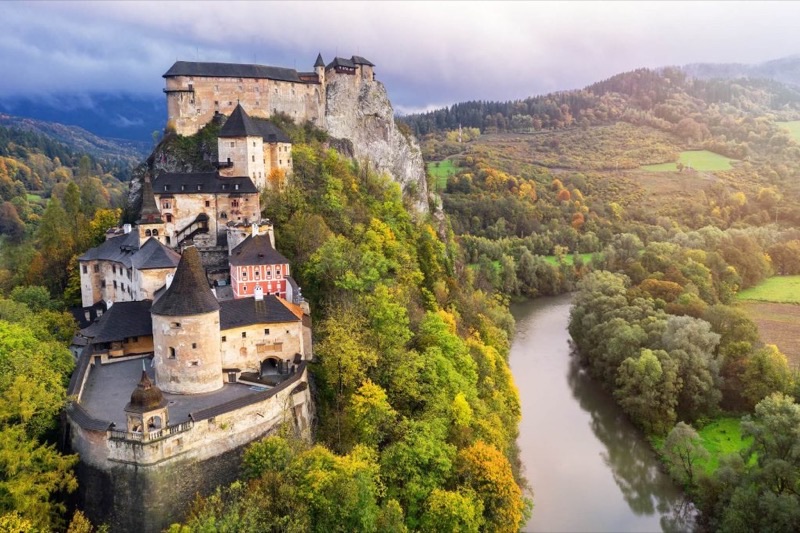
Choose Slovakia if you're a budget-conscious adventurer yearning for raw natural beauty and a journey off the well-trodden path. It's best for hikers wanting to conquer the majestic High Tatras without the crowds, and for history enthusiasts exploring medieval gems like Spiš Castle or the charming streets of Košice, all while enjoying excellent value for money.
Choose Slovenia
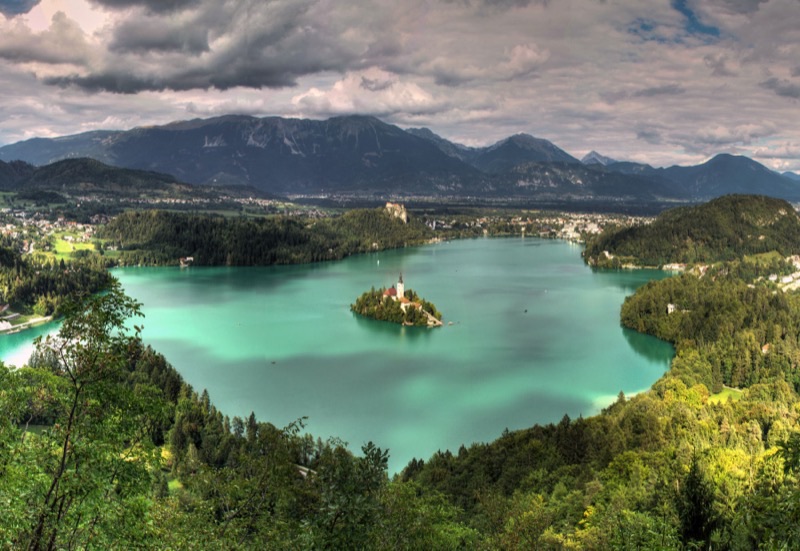
Opt for Slovenia if you appreciate well-maintained infrastructure and have a slightly higher budget for a more polished experience. It's ideal for those who crave stunning alpine scenery with easy access, like kayaking on Lake Bled or hiking in the Julian Alps, complemented by Ljubljana's vibrant culinary scene and charming pedestrian zones.
📊 Visual Scorecard
🌤 When to Visit
Average high temperatures (°C). Green = best months, orange = avoid.
Quick Comparison
| Category | Slovakia | Slovenia | Winner |
|---|---|---|---|
| Costs & Budget | Significantly more budget-friendly across accommodation, food, and activities. Expect good value. | Generally more expensive, closer to Western European prices, especially in popular areas. | Slovakia |
| Nature & Outdoors | Home to the rugged High Tatras with extensive hiking, caves, and less developed ski resorts. | Julian Alps with iconic lakes (Bled, Bohinj), Postojna Cave, Soca River Valley, and a shorter coast. | Slovenia |
| Culture & History | Many castles, medieval towns, strong folk traditions, and distinct post-communist influences. | Habsburg legacy, Roman ruins, medieval towns, and a unique Slavic Alpine identity. | Tie |
| Food & Drink | Hearty, meat-and-potato focused cuisine with strong Hungarian and Austrian influences. Good beer. | More diverse, drawing from Italian, Austrian, and Balkan traditions. Better wine and evolving culinary scene. | Slovenia |
| Getting There | Bratislava (BTS) is a smaller airport, often cheaper via nearby Vienna (VIE). | Ljubljana (LJU) is the main airport, also accessible from Trieste (TRS) or Venice (VCE). | Tie |
| Getting Around | Extensive bus and train networks, often less frequent outside major cities. Roads are improving. | Good public transport, efficient train network, excellent roads for driving. Smaller distances. | Slovenia |
| Accommodation | Wide range of budget-friendly hostels, guesthouses, and hotels. More traditional options in rural areas. | Good variety, but generally higher prices, especially in popular tourist areas like Ljubljana and Lake Bled. | Slovakia |
| Nightlife | Bratislava has a compact but active nightlife, particularly around the Old Town. Pubs, clubs, bars. | Ljubljana offers a relaxed bar scene and some clubs, generally more mellow than other capitals. | Slovakia |
| Day Trips | Devín Castle, Small Carpathian Wine Region, Vienna/Budapest are easy from Bratislava. High Tatras from Poprad. | Lake Bled, Postojna Cave, Piran, Julian Alps are all close to Ljubljana. | Slovenia |
| Solo Travel | Affordable, easy to meet people in hostels, less English in rural areas. Safe. | Very safe, good hostel scene, easy navigation, but slightly higher costs for solo travelers. | Slovenia |
💰 Costs & Budget
Slovakia offers a tangible advantage for budget-conscious travelers. A typical daily budget for a mid-range traveler, including hostel or budget hotel, local meals, public…
Slovakia
Slovenia
Slovakia offers a tangible advantage for budget-conscious travelers. A typical daily budget for a mid-range traveler, including hostel or budget hotel, local meals, public transport, and some activities, sits around €55-95 ($60-105). A local beer (pivo) costs €2.50-3.50 ($2.70-3.80), a main dish in a casual restaurant is €8-14 ($8.70-15), and a ride on Bratislava's public transport costs €0.90 ($0.98). For example, a night at Hostel Folk in Bratislava or Penzión Plesnivec near the High Tatras can be €20-35 ($22-38) for a private room or €15-25 ($16-27) for a dorm bed. Entry to Bratislava Castle is €12 ($13).
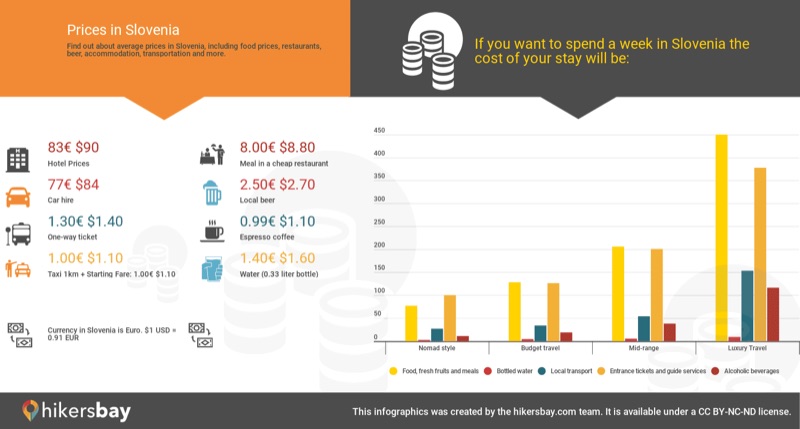
Slovenia's costs are noticeably higher, often comparable to neighboring Austria or Italy. A similar mid-range daily budget often lands between €80-130 ($87-142). Beer in Ljubljana is €3.50-5 ($3.80-5.50), a casual main dish €12-20 ($13-22), and a bus ride €1.30 ($1.40). Accommodation in popular spots like Lake Bled or Ljubljana is pricier; a hostel dorm is €25-40 ($27-44) at Most Hostel, and a basic hotel room is €60-100 ($65-109) or more. Entry to Bled Castle is €18 ($20). Slovakia wins this category decisively due to its consistently lower prices for nearly all travel expenses.
- Winner: Slovakia
- Why: Slovakia offers consistently lower prices for food, accommodation, transport, and activities, making travel funds extend further.
- Who this matters for: Budget travelers, backpackers, long-term travelers
🏞️ Nature & Outdoors
Slovakia's outdoor offerings are centered on the High Tatras, a dramatic mountain range shared with Poland. Here, hikers find challenging trails, glacial lakes like Popradské…
Slovakia
Slovenia
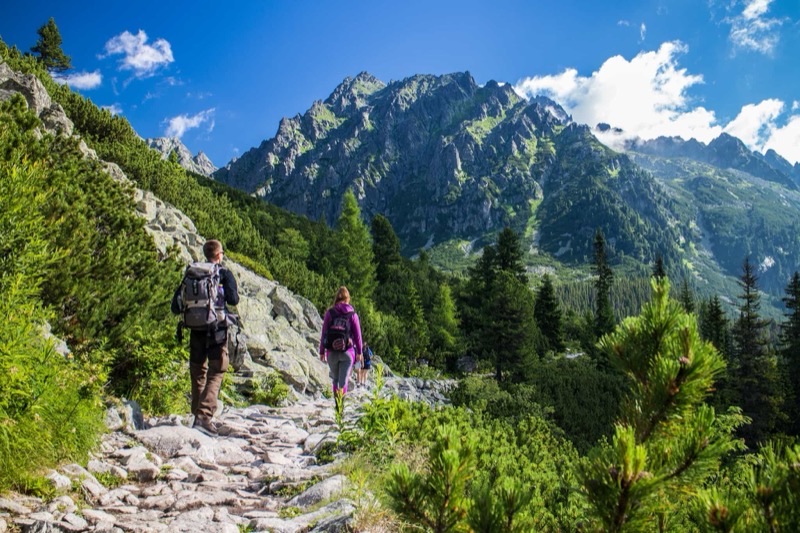
Slovakia's outdoor offerings are centered on the High Tatras, a dramatic mountain range shared with Poland. Here, hikers find challenging trails, glacial lakes like Popradské pleso, and a sense of untamed wilderness. The Low Tatras also offer good hiking. You can explore a substantial cave system, Demänovská Cave of Liberty, for €10 ($11). Skiing is present at Jasná, but the infrastructure is not as modern as in the Alps. The Slovak Paradise National Park provides unique canyon hiking with ladders and chains. Slovakia offers raw, often solitary, outdoor experiences for those prepared for less tourist-centric services.
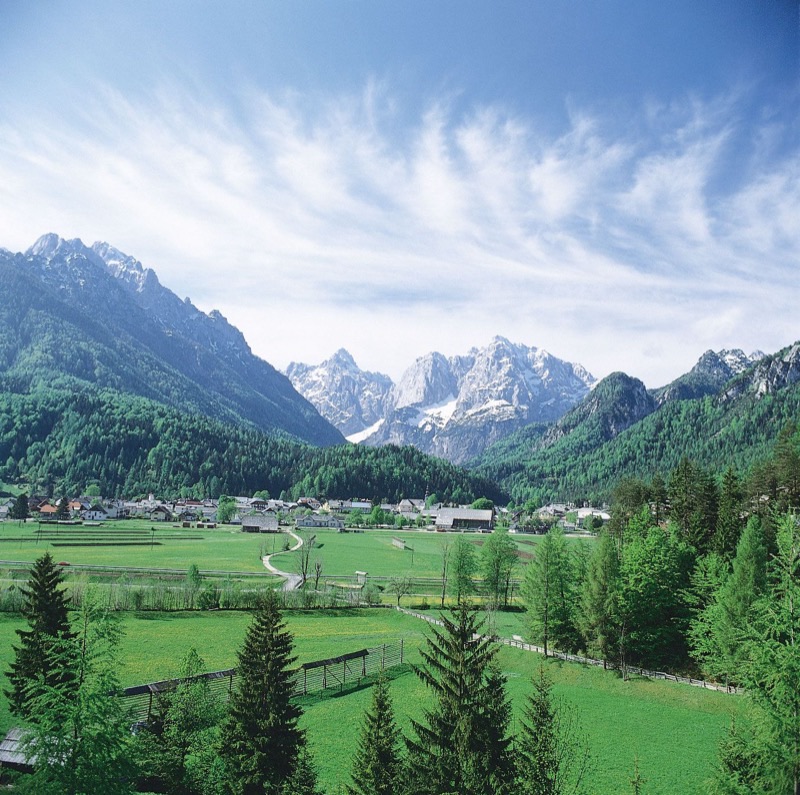
Slovenia's nature is its main attraction, renowned for its accessibility and variety. The Julian Alps are postcard-ready with Lake Bled and its island church, Lake Bohinj, and the emerald Soca River Valley, popular for rafting and kayaking. Triglav National Park offers extensive hiking, from easy lakeside strolls to challenging climbs up Mount Triglav. The Škocjan Caves, a UNESCO site, are a system of underground canyons and vast caverns with tours costing €22 ($24). Slovenia's small Adriatic coast, centered around Piran, offers a different experience. Its natural areas are more polished, with better signposted trails and more facilities. Slovenia edges out for its sheer density of iconic natural landmarks and the ease of accessing them, alongside its diverse landscape.
- Winner: Slovenia
- Why: Slovenia presents a greater diversity of easily accessible, iconic natural landscapes, from alpine lakes to extensive caves and a small coastline.
- Who this matters for: Hikers, nature photographers, those seeking accessible outdoor activities
🏰 Culture & History
Slovakia offers a profound historical journey, especially with its numerous castles. Spiš Castle, a UNESCO site, is one of Central Europe's largest castle complexes, with entry…
Slovakia
Slovenia
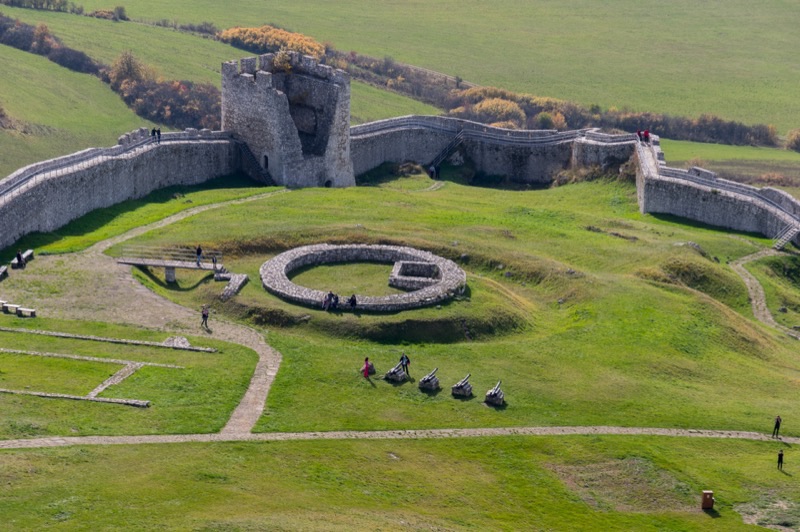
Slovakia offers a profound historical journey, especially with its numerous castles. Spiš Castle, a UNESCO site, is one of Central Europe's largest castle complexes, with entry around €8 ($8.70). Bratislava's Old Town has a rich history from its time as a Hungarian coronation city, visible in St. Martin's Cathedral (€3-4 / $3.30-4.40). Beyond the capital, towns like Košice boast a Gothic cathedral and a vibrant pedestrian zone. Rural Slovakia maintains strong folk traditions, visible in wooden churches in the east. The country also provides insights into its communist past, with many brutalist architecture examples and Soviet-era monuments. Slovakia presents a layered history from medieval times through socialist realism.
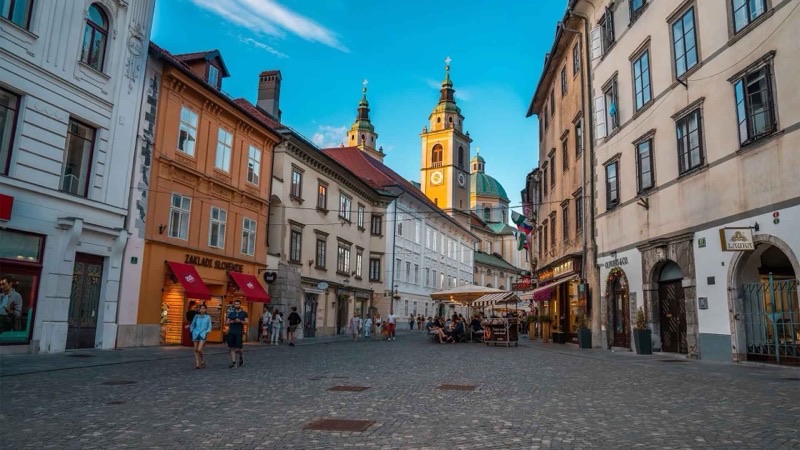
Slovenia's historical narrative is influenced by its position between empires. Ljubljana Castle, reached by funicular for €4 ($4.40) or a walk, offers city views and exhibitions. Roman Emona remnants are visible in Ljubljana. Piran, on the coast, is a well-preserved Venetian Gothic town. The country has a strong alpine cultural heritage, with traditional architecture in villages like Radovljica. Its history often feels gentler, less focused on dramatic conflicts and more on gradual integration into various empires. Both countries offer distinct and compelling historical narratives. Slovakia leans into its medieval and communist past more directly, while Slovenia highlights its Roman, Venetian, and Habsburg influences. It's a tie because the appeal depends entirely on which specific historical threads a traveler finds more compelling.
- Winner: Tie
- Why: Both countries offer distinct historical narratives and cultural experiences, appealing to different interests without one clearly surpassing the other.
- Who this matters for: History buffs, architecture enthusiasts, cultural explorers
🍽️ Food & Drink
Slovak cuisine is robust and filling, often featuring potatoes, cabbage, and meat. Bryndzové halušky (potato dumplings with sheep cheese and bacon) is the national dish, found…
Slovakia
Slovenia
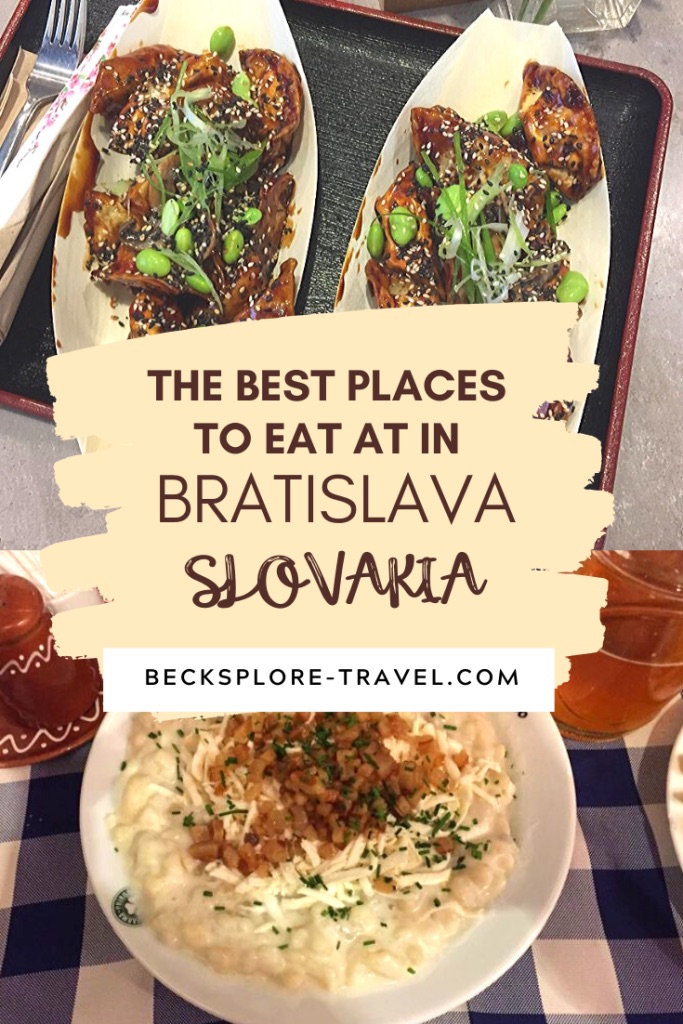
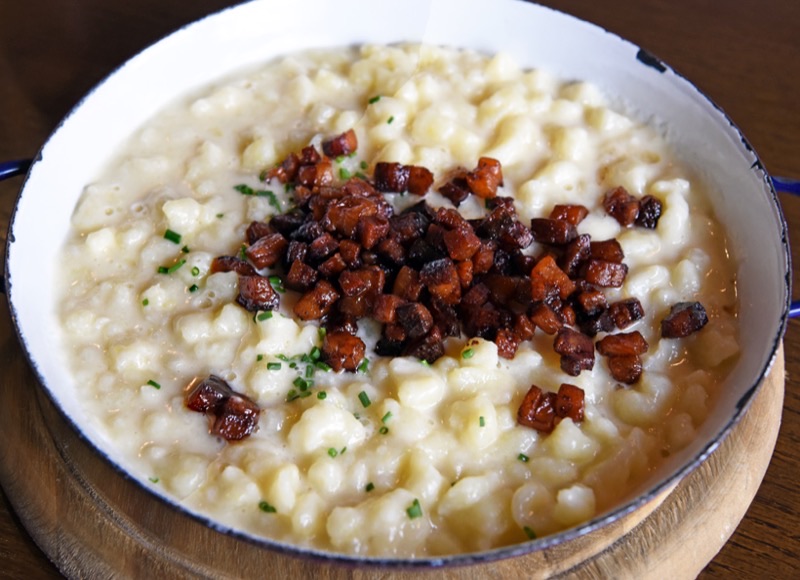
Slovak cuisine is robust and filling, often featuring potatoes, cabbage, and meat. Bryndzové halušky (potato dumplings with sheep cheese and bacon) is the national dish, found everywhere for €6-10 ($6.50-11). Soups like kapustnica (cabbage soup) are common. While not pushing culinary boundaries, Slovak food is comforting and provides energy for hiking. Bratislava has some modern restaurants, but the general dining scene leans traditional. Craft beer is gaining traction, but mainstream options are dominant. Wines from the Small Carpathian region are decent but less known internationally. For a traditional experience, try Špulka in Bratislava for local dishes.
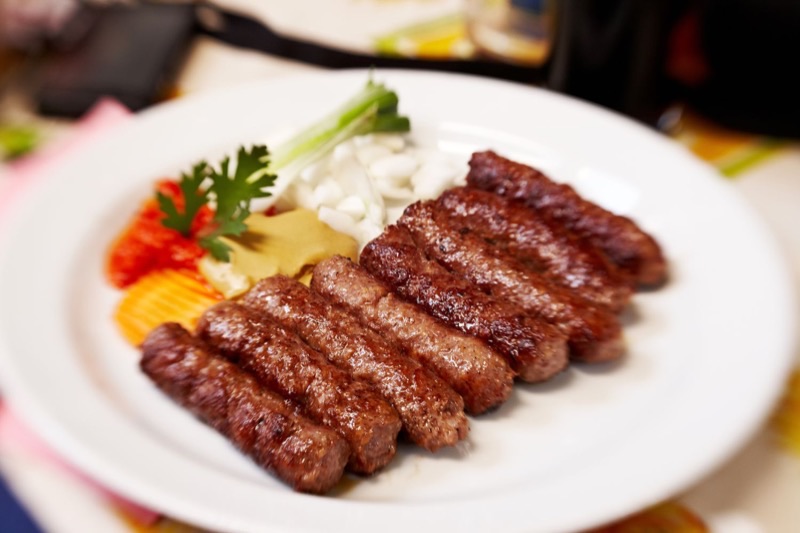
Slovenian food is more varied and often lighter, reflecting its geographic position. You'll find influences from Italy (pasta, risottos), Austria (sausages, strudels), and the Balkans (grilled meats). Kranjska klobasa (Carniolan sausage) is a national specialty, available for €5-8 ($5.50-8.70) at street vendors or restaurants like Klobasarna in Ljubljana. Slovenia also has a burgeoning farm-to-table movement and a growing number of Michelin-starred restaurants. Slovenian wine, particularly from the Primorska region, is well-regarded. The Ljubljana Central Market offers fresh local produce and street food. Slovenia offers a more refined and diverse culinary experience, making it the preferred choice for food enthusiasts.
- Winner: Slovenia
- Why: Slovenia offers a more diverse and refined culinary experience, incorporating various regional influences and a stronger focus on local, high-quality ingredients.
- Who this matters for: Foodies, gourmands, wine lovers
✈️ Getting There
Flying into Slovakia usually means landing at Bratislava's M. R. Štefánik Airport (BTS), which handles many low-cost carriers like Ryanair. A more common and often cheaper…
Slovakia
Slovenia
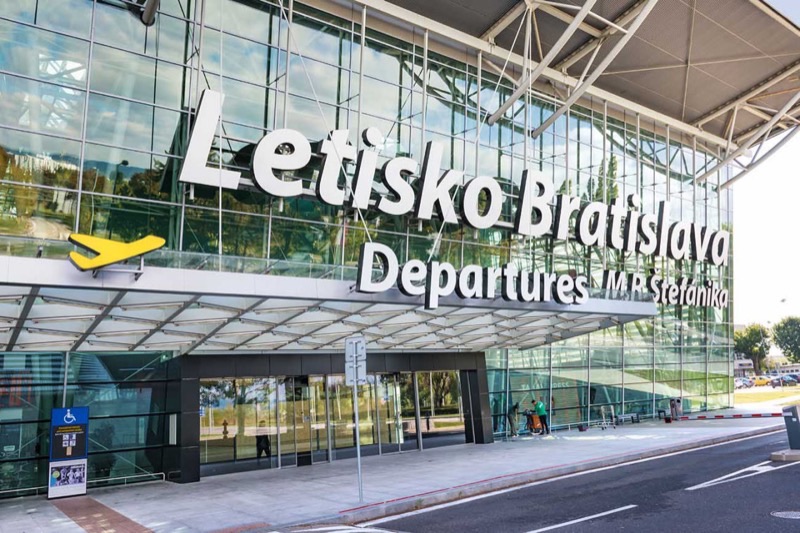
Flying into Slovakia usually means landing at Bratislava's M. R. Štefánik Airport (BTS), which handles many low-cost carriers like Ryanair. A more common and often cheaper strategy is to fly into Vienna International Airport (VIE), which is only about 45 minutes by bus (€7-10 / $7.60-11) from Bratislava city center. A direct flight from London to Vienna typically takes around 2 hours and 15 minutes, with prices varying from €50-150 ($55-165) return depending on the season and airline. From major US cities, flights usually involve one layover and take 9-12 hours, costing $600-1000+.
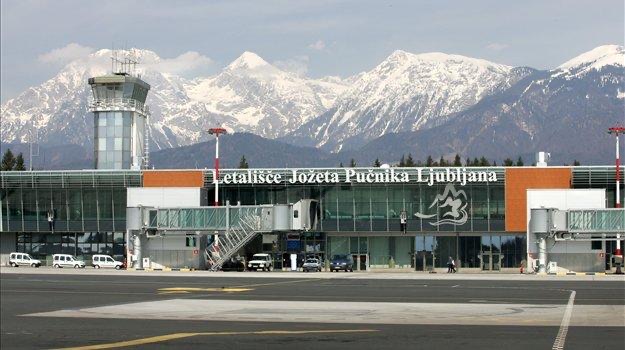
For Slovenia, Ljubljana Jože Pučnik Airport (LJU) is the primary international gateway, served by a mix of budget and national carriers. Another option is flying into Trieste Airport (TRS) in Italy, about an hour away, or even Venice Marco Polo Airport (VCE), which is 2-3 hours by bus or shuttle. A direct flight from London to Ljubljana typically takes around 2 hours and 5 minutes, with prices similar to Vienna at €60-180 ($65-195) return. US flights also involve layovers, taking 9-12 hours and costing $650-1100+. Both destinations are easily reachable from major European hubs, and for intercontinental travelers, layovers are standard. The ease of access from Vienna for Slovakia and various Italian airports for Slovenia balances out, making this category a tie.
- Winner: Tie
- Why: Both countries offer convenient access through their primary airports or well-connected nearby international hubs, providing similar travel times and cost options from major departure points.
- Who this matters for: International travelers, those looking for flight deals
🚌 Getting Around
Slovakia's public transport system relies heavily on buses, which connect most towns and villages. Trains are also available, particularly for longer distances between major…
Slovakia's public transport system relies heavily on buses, which connect most towns and villages. Trains are also available, particularly for longer distances between major cities like Bratislava, Žilina, and Košice. Frequencies can be less robust in rural areas, requiring planning. A train from Bratislava to Košice takes about 5 hours and costs €15-25 ($16-27). Roads are generally decent, but some smaller roads in the east or mountain regions can be rough. Renting a car provides flexibility, with daily rates around €30-50 ($33-55) for an economy car. Bratislava's city transport is efficient with trams and buses.
Slovenia's smaller size makes getting around quicker. The train network is efficient, connecting Ljubljana to most major towns. Buses fill the gaps, especially for destinations like Lake Bled or Postojna Cave. A bus from Ljubljana to Lake Bled takes about an hour and costs €6-8 ($6.50-8.70). The road infrastructure is excellent, with well-maintained highways, making self-driving a popular and convenient option. Car rentals are similar in price to Slovakia, €35-55 ($38-60) per day. Distances are shorter overall, meaning less time spent in transit. Slovenia wins here for its more compact geography and superior overall road and public transport efficiency, making exploration less time-consuming.
- Winner: Slovenia
- Why: Slovenia's smaller size and superior road infrastructure, combined with efficient public transport, make internal travel significantly quicker and more convenient.
- Who this matters for: Travelers who prefer self-driving, those with limited travel time, public transport users
🏨 Accommodation
Slovakia offers excellent value in accommodation. Hostels in major cities like Bratislava or Košice start at €15-25 ($16-27) for a dorm bed. Budget hotels or guesthouses…
Slovakia offers excellent value in accommodation. Hostels in major cities like Bratislava or Košice start at €15-25 ($16-27) for a dorm bed. Budget hotels or guesthouses (penzióny) offer private rooms for €40-70 ($44-76). For example, the Patio Hostel in Bratislava is popular and well-located. In mountain regions, chalets and family-run guesthouses are common, providing a local experience at reasonable prices. Airbnb options are plentiful and generally cheaper than in Western Europe. Luxury options are available but do not command the same high prices as in more developed European capitals. Finding suitable accommodation on a budget is rarely an issue.
Slovenia's accommodation options are generally of a high standard but come with a higher price tag. Hostels in Ljubljana or Bled can be €25-45 ($27-49) for a dorm, and budget hotels typically start from €70-120 ($76-130). For example, AdHoc Hostel in Ljubljana is a good option, or Garden Village Bled for a glamping experience (though pricier). In popular areas, booking in advance, especially during peak season, is essential to secure reasonable rates. While the quality is often higher, the value for money is not as strong as in Slovakia. Slovakia wins due to its consistently lower prices across all accommodation types, making it easier for travelers to find comfortable and affordable stays.
- Winner: Slovakia
- Why: Slovakia provides a wider array of affordable accommodation options, from hostels to guesthouses and hotels, offering better value for money across the board.
- Who this matters for: Budget-conscious travelers, backpackers, long-term stays
🍻 Nightlife
Bratislava's Old Town core is compact, making its nightlife easily walkable. There are numerous pubs, bars, and clubs catering to various tastes, often staying open late. Street…
Bratislava's Old Town core is compact, making its nightlife easily walkable. There are numerous pubs, bars, and clubs catering to various tastes, often staying open late. Street bars, like those around SNP Square, become lively in warmer months. For clubs, try Channels or Trafo Music Bar. Prices for drinks are very reasonable; a cocktail typically costs €6-9 ($6.50-9.80). The city attracts a younger crowd, including many students and stag parties, contributing to a consistently active atmosphere, particularly on weekends. Beyond Bratislava, Košice also has a respectable student-driven nightlife scene, though smaller.
Ljubljana's nightlife is generally more laid-back and centered around its riverside bars and pubs. It has a student population, which ensures some late-night options, but it doesn't have the same high-energy club scene as Bratislava. Popular spots include the Metelkova Mesto alternative culture center, which has bars and clubs within its converted barracks. A cocktail generally costs €8-12 ($8.70-13). While there are options for a good night out, the overall intensity is lower. If you seek a more energetic and consistently active party atmosphere with more affordable drinks, Bratislava provides a better experience. Slovakia takes this category for its more concentrated and lively scene.
- Winner: Slovakia
- Why: Bratislava offers a more concentrated, energetic, and affordable nightlife scene with numerous pubs and clubs, surpassing Ljubljana's more relaxed offerings.
- Who this matters for: Party-goers, young travelers, those seeking late-night entertainment
🗺️ Day Trips
From Bratislava, excellent day trips are available. Devín Castle, a significant ruin at the confluence of the Danube and Morava rivers, is a short bus ride away (€1.50 / $1.60…
From Bratislava, excellent day trips are available. Devín Castle, a significant ruin at the confluence of the Danube and Morava rivers, is a short bus ride away (€1.50 / $1.60 return). The Small Carpathian Wine Region offers wine tasting tours, often arranged through local operators for €40-60 ($44-65). Due to Bratislava's proximity to two other capitals, Vienna (1 hour) and Budapest (2 hours), cross-country day trips are very feasible and popular. For nature, the High Tatras are accessible from Poprad, though this is a longer day trip or better as an overnight stay. Slovakia provides a mix of historical, natural, and international day trip options.
Slovenia excels in day trips, largely due to its smaller size and the close proximity of its main attractions. From Ljubljana, Lake Bled and Lake Bohinj are easily reachable by bus within an hour or two (€6-8 / $6.50-8.70 each way). The famous Postojna Cave and Predjama Castle are also a straightforward trip (€43.50 / $47.50 for combined entry, often with a shuttle). The Adriatic coast, particularly Piran, can be visited in a day, about a 1.5-hour drive or bus ride. The Soca River Valley and Triglav National Park are also within easy reach. The density of high-quality, distinct attractions close to the capital gives Slovenia a clear advantage for varied and convenient day trips. Slovenia wins for its highly accessible and diverse array of popular attractions for day excursions.
- Winner: Slovenia
- Why: Slovenia offers a higher density of iconic and diverse day trip destinations, all within easy reach of Ljubljana, making exploration convenient and efficient.
- Who this matters for: Travelers with limited time, those who prefer hub-and-spoke travel
🚶 Solo Travel
Slovakia is a solid choice for solo travelers, especially those on a budget. Hostels in Bratislava and Košice facilitate meeting other travelers. The costs for accommodation,…
Slovakia is a solid choice for solo travelers, especially those on a budget. Hostels in Bratislava and Košice facilitate meeting other travelers. The costs for accommodation, food, and transport are lower, which helps solo travelers manage expenses. While English is spoken in tourist areas, venturing into smaller towns might present language barriers. Public transport is reliable. Safety is generally high, even at night in major cities. The less-trodden nature of Slovakia can appeal to solo travelers seeking a more independent and less tourist-saturated experience. Solo hikers in the Tatras need to be prepared for potentially fewer people on trails.
Slovenia is exceptionally welcoming for solo travelers. Its reputation for safety is among the best in Europe. Hostels in Ljubljana and Bled are numerous and have active social scenes. The compact size of the country and efficient public transport make independent navigation simple. English is widely spoken in tourist areas and among younger generations. While solo travel costs are higher than in Slovakia, the ease of logistics and high level of safety often offset this. It feels very comfortable to explore alone, whether in cities or nature. Slovenia wins here for its overall ease of navigation, widespread English proficiency, and very high perceived safety, which creates a low-stress environment for solo explorers.
- Winner: Slovenia
- Why: Slovenia offers a slightly higher level of ease, safety, and widespread English proficiency, making it a more comfortable and less stressful experience for solo travelers overall.
- Who this matters for: First-time solo travelers, women solo travelers, those prioritizing ease and comfort
🎯 The Decision Framework
Choose Slovakia If…
- You want to spend less than $100 per day comfortably.
- You appreciate castles and medieval history without crowds.
- You seek rugged, less-developed mountain hiking in the High Tatras.
- You enjoy hearty, traditional Central European food at good prices.
- You desire a lively, affordable nightlife in a compact city.
- You like exploring post-communist architecture and history.
- You prefer fewer tourists and a more 'authentic' experience.
- You want to visit Vienna or Budapest on a budget day trip.
Choose Slovenia If…
- You want picture-perfect alpine lakes like Bled and Bohinj.
- You prioritize safety and ease of travel above budget.
- You seek diverse outdoor activities: hiking, rafting, caving, coastal exploration.
- You appreciate a more refined and varied culinary scene.
- You prefer excellent road infrastructure and shorter travel distances.
- You enjoy well-maintained trails and tourist facilities in natural areas.
- You value widespread English proficiency in tourist zones.
- You are interested in charming, smaller-scale cities like Ljubljana and Piran.
📅 Sample Itineraries
Weekend in Slovakia (3 Days)
💡 Purchase a Bratislava Card for free public transport and discounts on museum entries and attractions, potentially saving €5-10 daily on a 24-hour pass.
Weekend in Slovenia (3 Days)
💡 Opt for the Ljubljana Card for unlimited city bus rides and complimentary access to many museums and attractions, saving €10-15 on a 72-hour pass.
One Week in Slovakia (7 Days)
💡 For travelers planning extensive activities in the High Tatras, acquiring a regional Tatra Card can provide discounts on cable cars, trains, and select attractions, often saving 10-20%.
One Week in Slovenia (7 Days)
💡 Booking tickets for popular attractions like Postojna Cave and Predjama Castle online and in advance can save you time and sometimes a few euros on combined entry passes.
❓ Frequently Asked Questions
What are the typical flight times and costs to each country from a major hub like London?
From London, direct flights to Bratislava (via Vienna, 2h 15m) or Ljubljana (2h 5m) are common. Expect return costs between €50-180 ($55-195), depending on the season and airline. Booking 2-3 months in advance usually secures better prices.
Which country is better for a family trip with young children?
Slovenia is generally better for families with young children due to its higher safety ratings, well-maintained parks and attractions (like Postojna Cave), and shorter travel distances between points of interest. Slovakia also works, but some rural areas might be less equipped for very young travelers.
Is it easy to communicate in English in both Slovakia and Slovenia?
In major tourist areas and among younger generations, English is widely spoken in both countries. Slovenia generally has a higher prevalence of English speakers, making communication slightly easier. In rural Slovakia, knowing a few basic Slovak phrases is helpful.
What are the best times of year to visit Slovakia vs Slovenia?
For both, late spring (May-June) and early autumn (September-October) are ideal, offering mild weather and fewer crowds. Summer (July-August) is peak season, bringing warmer weather but also more tourists and higher prices. Winter is good for skiing in both.
Which country offers better options for adventure sports like rafting or paragliding?
Slovenia is the winner for adventure sports, particularly in the Soca River Valley where white-water rafting, kayaking, and canyoning are very popular. Paragliding is also common in various alpine regions. Slovakia offers some options in the Tatras but not with the same breadth or infrastructure.
How do the main capitals, Bratislava and Ljubljana, compare for a short city break?
Bratislava offers a slightly larger historical center with a more active, affordable nightlife and direct access to Vienna. Ljubljana is smaller, more pedestrian-friendly, with a relaxed riverside atmosphere and a generally higher standard of living visible in its urban planning. Both are good for 2-3 days.
What are the key differences in their mountain experiences?
Slovakia's High Tatras offer rugged, less commercialized hiking with dramatic peaks and extensive trails, often requiring good fitness. Slovenia's Julian Alps (Triglav National Park) are more polished, with iconic lakes and easier access to trails, suitable for a wider range of fitness levels, but also more crowded.
Are there any significant safety concerns for travelers in either country?
Both Slovakia and Slovenia are considered very safe countries with low crime rates. Standard precautions against petty theft, especially in crowded tourist areas, are advised. Solo female travelers generally report feeling secure in both destinations. Slovenia consistently ranks among the safest countries in Europe.
Ready to plan your Central Europe trip?
Get a free custom itinerary for Slovakia, Slovenia, or both — built from real traveler insights.
👥 Travelers Also Compared
🎟️ Book Tours & Experiences
Hand-picked tours and activities for both destinations — book with free cancellation
Experiences via Viator — free cancellation on most tours