How we built this comparison
This page combines traveler discussion patterns, published price ranges, flight schedules, and seasonal data to help you decide between Slovenia and Austria.
- Reviewed 50+ Reddit threads from r/travel, r/solotravel, r/slovenia, r/Austria, etc.
- Verified costs and logistics against current booking platforms (Booking.com, Trainline, local attraction websites).
- Cross-referenced seasonal patterns, weather data, and major event calendars to ensure relevant timing advice.
⚡ The TL;DR Verdict
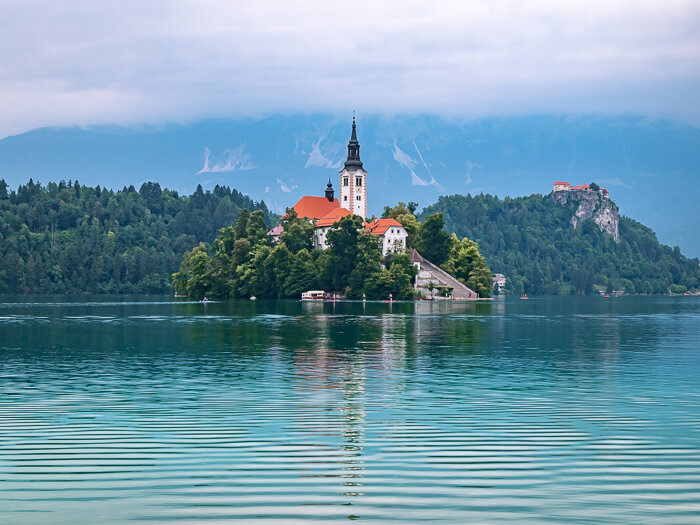
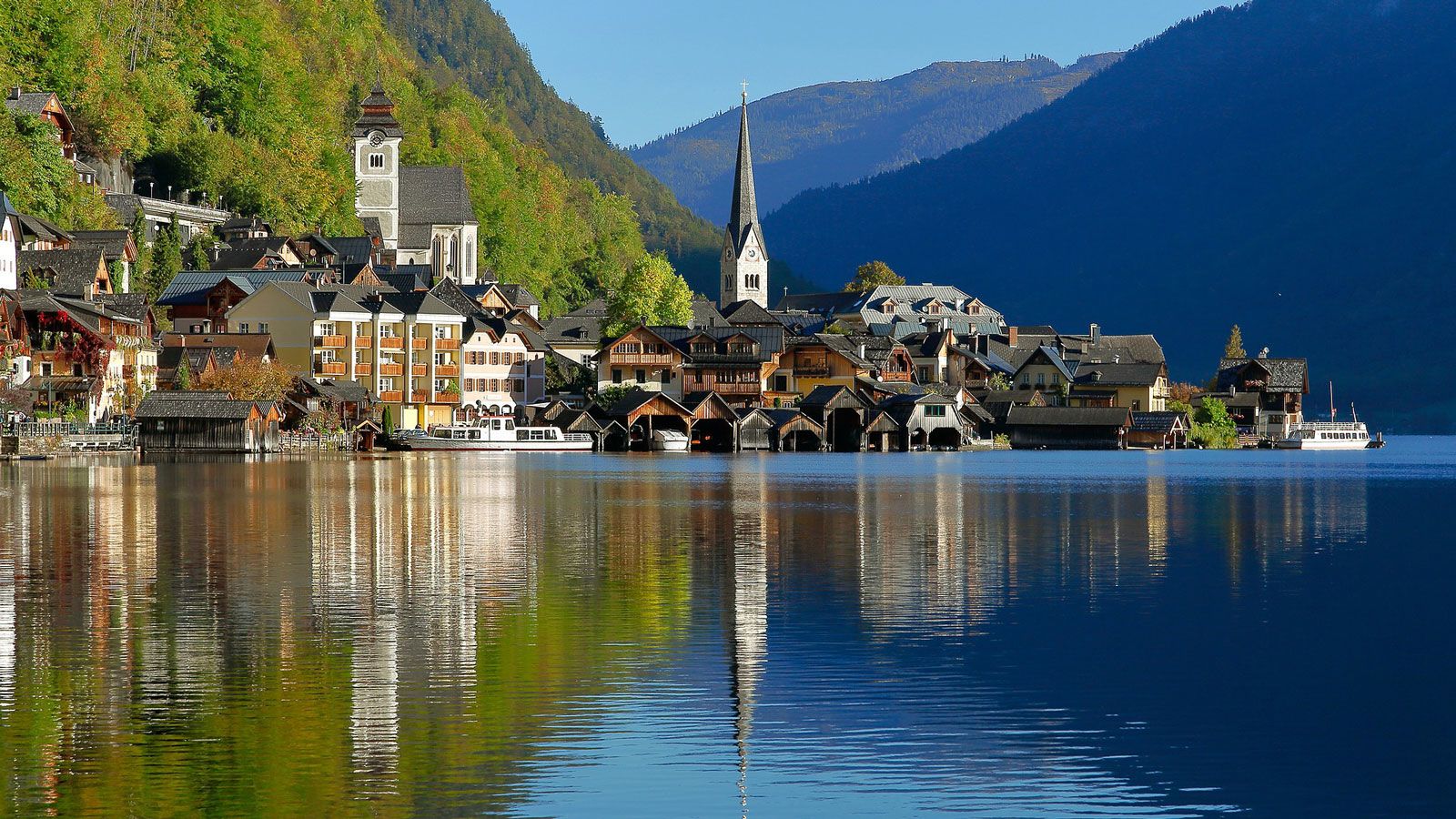
If you're after incredible natural beauty, outdoor adventure, and fantastic value, Slovenia is your clear winner, ideal for a budget of €60-€100 ($65-$110) a day. For those craving imperial history, world-class arts, sophisticated cities, and don't mind a slightly higher spend of €80-€150+ ($88-$165+) daily, Austria's charm is undeniable. Pick Slovenia for an active, nature-focused trip, or Austria for cultural immersion and grand experiences.
- Choose Slovenia: For nature lovers, hikers, budget travelers, and those seeking charming, less crowded towns with a strong focus on sustainability and outdoor activities like kayaking, canyoning, or caving. It's perfect for a 4-7 day trip.
- Choose Austria: Ideal for culture vultures, history buffs, classical music enthusiasts, and anyone who appreciates grand architecture, world-class museums, and sophisticated city breaks. Great for a 5-10 day trip, especially if you want to ski.
- Choose Both: An excellent combination for a longer trip (10-14+ days) if you want the best of both worlds. Start in Slovenia for nature and then transition to Austria for culture, or vice versa. They share a border and are easily connected by train or car.
Quick Comparison
| Category | Slovenia | Austria | Winner |
|---|---|---|---|
| Nature & Outdoors | Unspoiled alpine lakes, dramatic mountains, extensive caves, and lush forests – a paradise for active travelers. | Stunning Alps, picturesque valleys, and serene lakes, particularly famous for skiing and scenic drives. | Slovenia |
| Costs & Budget | Significantly more affordable across the board, from accommodation to food and activities, offering excellent value. | Generally more expensive, especially in major cities and popular tourist areas, requiring a larger budget. | Slovenia |
| Food & Drink | Hearty, Central European comfort food with influences from Italy and the Balkans, often farm-to-table focused. | Refined imperial cuisine, famous pastries, coffee house culture, and diverse regional specialties including schnitzel and strudel. | Austria |
| Culture & History | Rich history from Roman times to Habsburg rule, distinct Slavic identity, and folk traditions, with charming castles and towns. | Epicenter of the Habsburg Empire, grand imperial palaces, world-class museums, classical music heritage, and Baroque architecture. | Austria |
| Getting Around | Excellent public transport (buses, trains) connecting main towns; very compact and easy to navigate by car. | Extensive, efficient rail network (ÖBB) connecting major cities and regions; good road infrastructure. | Tie |
| Accommodation | Offers a range from charming boutique hotels and guesthouses to unique glamping and farm stays, often with great value. | Wide selection of luxury hotels, elegant city apartments, and cozy alpine chalets, but generally at higher price points. | Slovenia |
| Nightlife & Entertainment | Lively but smaller-scale nightlife, mostly centered in Ljubljana with cozy bars, pubs, and occasional live music. | Sophisticated urban nightlife in Vienna and Salzburg, with opera, classical concerts, trendy bars, and bustling pubs. | Austria |
| Family Travel | Excellent for active families with safe, accessible nature, outdoor adventures, and charming, child-friendly towns. | Great for families interested in history, culture, and outdoor activities like skiing, with many family-focused attractions. | Tie |
| Safety | Extremely safe with very low crime rates, making it ideal for solo travelers and families. | One of the safest countries in Europe, with low crime rates in both cities and rural areas. | Tie |
| Day Trips | Compact country with easy access to incredible natural sites and charming towns from Ljubljana. | Numerous iconic day trip options from major cities, including charming towns, lakes, and historical sites. | Austria |
🏞️ Nature & Outdoors
Slovenia is an undisputed champion for nature. It's truly a green country, with Triglav National Park offering breathtaking hikes to peaks like Mount Triglav, glacial lakes like Bled and Bohinj, and emerald rivers in the Soča Valley perfect for white-water rafting (around €50-€70 / $55-$78). The Škocjan Caves (UNESCO World Heritage, tickets ~€18-€25 / $20-$28) are mind-blowing. Lake Bled is postcard-perfect, but for a more serene experience, head to Lake Bohinj. Austria's Alps, particularly in Tyrol and Salzburg, are magnificent, offering world-class skiing in places like St. Anton or Kitzbühel (day pass ~€60-€70 / $65-$78). However, Slovenia's sheer diversity and accessibility of natural wonders in such a compact area give it an edge. "Honestly, Bled was way more crowded than I expected, but Bohinj felt like a hidden gem. Soča Valley rafting was epic, way better value than anything I found in Austria for similar adventure activities." You feel truly immersed in nature in Slovenia, even near popular spots.
Winner takeaway
- Winner: Slovenia
- Why: Slovenia offers a more diverse range of accessible, pristine natural landscapes and outdoor activities in a smaller, more concentrated area.
- Who this matters for: Hikers, adventure seekers, nature photographers, and those who prioritize outdoor activities over city life.
💰 Costs & Budget
Slovenia offers a considerably better bang for your buck. A decent meal in a local 'gostilna' (traditional restaurant) might cost €10-€18 ($11-$20), while a similar experience in Vienna or Salzburg could easily run €20-€35 ($22-$39). Mid-range hotel rooms in Ljubljana can be found for €80-€120 ($88-$132) per night, whereas in Austria's popular cities, you're looking at €120-€200+ ($132-$220+) for similar quality. Public transport within cities like Ljubljana is cheap (Ljubljana Card for 24h ~€27.50 / $30 includes bus and attractions), and intercity buses/trains are affordable. Austria's major cities, while offering excellent services, come with a higher price tag. Even groceries and basic amenities are noticeably cheaper in Slovenia. "We saved so much money in Slovenia compared to our week in Austria. My daily budget went way further, especially for food and activities. It felt like a steal." This allows for more experiences or a longer trip for the same amount of money.
Winner takeaway
- Winner: Slovenia
- Why: Slovenia consistently offers lower prices for accommodation, food, activities, and transport, making it a better choice for budget-conscious travelers.
- Who this matters for: Budget travelers, backpackers, families on a tighter budget, and anyone looking to maximize their travel experiences without overspending.
🍽️ Food & Drink
While Slovenia offers delicious, hearty fare like 'kranjska klobasa' (sausage) and 'štruklji' (dumplings), and a growing fine-dining scene (e.g., Hiša Franko, though pricey), Austria's culinary heritage is richer and more globally renowned. Vienna's coffeehouse culture (e.g., Café Central, Demel) is legendary, offering exquisite pastries like Sachertorte (slice ~€6-€8 / $7-$9) and Apfelstrudel. Classic dishes like Wiener Schnitzel (expect €15-€25 / $17-$28), Tafelspitz, and Goulash are staples across the country. Austrian wines, especially Grüner Veltliner, are excellent. Slovenian cuisine is delicious and authentic, often with fresh local ingredients, but it doesn't have the same level of international recognition or variety as Austria's. "You can't beat a proper Wiener Schnitzel and a slice of Sachertorte from a real Viennese cafe. Slovenia's food was good, but Austria's was next level for me." The sophistication and depth of Austrian culinary traditions, from casual 'heuriger' (wine taverns) to Michelin-starred restaurants, is truly impressive.
Winner takeaway
- Winner: Austria
- Why: Austria boasts a more established, diverse, and internationally celebrated culinary scene, particularly its pastries, coffee culture, and refined traditional dishes.
- Who this matters for: Foodies, dessert lovers, coffee enthusiasts, and those seeking sophisticated dining experiences and iconic national dishes.
🏛️ Culture & History
Austria is an absolute powerhouse of culture and history, particularly in Vienna. The legacy of the Habsburg Empire is palpable everywhere, from the Schönbrunn Palace (tickets ~€22 / $24) and Hofburg Imperial Palace to the numerous world-class museums like the Kunsthistorisches Museum (tickets ~€21 / $23). Austria is the birthplace or home of countless classical music legends like Mozart, Strauss, and Beethoven, with opera and concert halls abundant. Salzburg, too, is a Baroque masterpiece. Slovenia has its own fascinating history, from Roman Emona (Ljubljana) to its distinct Slavic roots and independence, with beautiful castles like Predjama Castle (combined ticket with Postojna Cave ~€40 / $44) and Ljubljana Castle. However, the sheer scale, grandeur, and global impact of Austrian history and culture, especially in its imperial cities, far outstrip Slovenia's. "Vienna's museums are mind-blowing; you could spend a week just there. Slovenia's castles are cool, but it's not the same scale as seeing Schönbrunn or the Hofburg." The depth of artistic and historical offerings in Austria is unparalleled in the region.
Winner takeaway
- Winner: Austria
- Why: Austria offers an incredibly rich, grand, and globally significant cultural and historical experience, dominated by its imperial past and classical arts.
- Who this matters for: History buffs, art lovers, classical music enthusiasts, and those fascinated by imperial grandeur and sophisticated urban culture.
🚆 Getting Around
Both countries excel in getting around, albeit with different scales. Slovenia is incredibly compact, making driving a joy, and distances are short. You can drive from Ljubljana to Lake Bled in under an hour. Public buses are comprehensive and reliable for reaching most tourist spots, and trains connect larger towns. A bus from Ljubljana to Bled costs around €7-€8 ($8-$9). Austria boasts a superb, highly efficient national rail network (ÖBB) that connects all major cities and many smaller towns with speed and comfort. A train from Vienna to Salzburg can cost €25-€60 ($28-$66) depending on booking in advance. Both have excellent road networks. The choice depends on your travel style: Slovenia is perfect for renting a car for flexibility to explore remote nature, while Austria's train network is so good you barely need a car unless you're exploring very specific alpine regions. "Driving in Slovenia was a breeze; everything was so close! Austria's trains are fantastic though, never had a single issue, always on time." For pure urban and intercity travel, Austria's trains might have a slight edge in speed and frequency, but Slovenia's small size makes self-driving incredibly practical and rewarding.
Winner takeaway
- Winner: Tie
- Why: Both countries offer highly efficient and reliable transportation options, with Slovenia excelling in car travel due to its compactness and Austria dominating with its extensive rail network.
- Who this matters for: Travelers who prioritize efficient transit, whether by car for scenic drives (Slovenia) or by train for seamless city-hopping (Austria).
🏨 Accommodation
Slovenia wins here for its unique blend of charm, variety, and excellent value. Beyond standard hotels (mid-range €80-€120 / $88-$132 in Ljubljana), you'll find incredible glamping sites near Lake Bled (e.g., Garden Village Bled, €150-€300 / $165-$330), agritourism farm stays in the countryside for an authentic experience (€60-€100 / $66-$110), and charming guesthouses in alpine villages. The focus is often on sustainable, locally-sourced experiences. Austria certainly has its share of luxurious hotels (e.g., Hotel Sacher Wien, €400+ / $440+) and beautiful alpine chalets, but these come with a premium price tag. For a similar budget, you can often get a more unique or higher-quality experience in Slovenia. "We stayed in this amazing glamping tent near Bled for less than a basic hotel room in Vienna. The experience was so much more memorable and authentic." Slovenia delivers on distinctive stays without breaking the bank, offering more character and local flavor for your money.
Winner takeaway
- Winner: Slovenia
- Why: Slovenia offers a wider range of unique, charming, and value-for-money accommodation options, including glamping and authentic farm stays.
- Who this matters for: Travelers seeking unique stays, glamping experiences, authentic local guesthouses, and excellent value for their accommodation budget.
🎉 Nightlife & Entertainment
For vibrant nightlife and sophisticated entertainment, Austria, particularly Vienna, takes the crown. Vienna boasts a world-class opera scene (Staatsoper tickets can range from €10 for standing room to €200+ for seats / $11-$220+), numerous classical concerts, trendy cocktail bars in the Bermuda Triangle district, and a bustling club scene. Salzburg also offers a refined evening experience, especially during the festival season. Slovenia's nightlife is more concentrated in Ljubljana, which has a lively student population, resulting in plenty of cozy bars (e.g., Metelkova Mesto for alternative scene) and pubs, and occasional live music. However, it's on a much smaller scale and offers less variety than Austria's major cities. "Vienna's opera and jazz clubs were incredible. Ljubljana had some cool bars, but it's not even close to the scale of options in Austria." If you're looking for high-culture evenings, diverse clubbing, or a wide array of sophisticated bars, Austria is the clear choice. Slovenia's evening scene is more about relaxed socialising in charming settings.
Winner takeaway
- Winner: Austria
- Why: Austria, particularly Vienna, offers a more diverse, sophisticated, and grand nightlife and entertainment scene, from classical music to trendy clubs.
- Who this matters for: Party-goers, classical music enthusiasts, opera lovers, and those seeking a wide variety of evening entertainment options.
👨👩👧👦 Family Travel
Both countries are fantastic for families, each offering unique strengths. Slovenia excels with its outdoor focus: easy hikes around Lake Bled and Bohinj, swimming, rafting in Soča Valley, and exploring Postojna Cave (kids love the train ride inside!). Ljubljana is incredibly pedestrian-friendly with parks and a dragon-themed castle. "My kids absolutely loved the dragon bridge in Ljubljana and exploring Bled Castle. The outdoor stuff kept them busy all day!" Austria, on the other hand, combines natural beauty with a wealth of cultural attractions. Vienna has the Prater amusement park (entrance free, rides €2-€5 / $2-$5 each) and Schönbrunn Zoo (tickets ~€26 / $29), while Salzburg offers Sound of Music tours. The Alps are great for family skiing in winter or gentle hikes in summer. Both countries are very safe and offer good infrastructure for families. The choice depends on whether your family prefers active outdoor adventures (Slovenia) or a mix of culture, history, and outdoor fun (Austria).
Winner takeaway
- Winner: Tie
- Why: Both destinations offer safe, diverse, and engaging experiences for families, catering to different preferences for active outdoor adventures versus cultural exploration.
- Who this matters for: Families with children of all ages, looking for either active outdoor holidays (Slovenia) or a blend of culture and nature (Austria).
🔒 Safety
Both Slovenia and Austria consistently rank among the safest countries in the world, making them excellent choices for any traveler, including solo female travelers or families. Violent crime is extremely rare in both. In cities like Ljubljana, Vienna, or Salzburg, you can comfortably walk around at night with very little concern. Pickpocketing can occur in crowded tourist areas, as with any popular destination, but it's not a prevalent issue. Rural areas in both countries are exceptionally safe and welcoming. "I felt completely safe walking alone in Ljubljana even late at night, and same in Salzburg. It's refreshing not to constantly worry about your belongings." Both countries have very reliable emergency services and a general sense of public order. There's no significant difference in safety levels between the two; you'll feel secure and comfortable in either destination.
Winner takeaway
- Winner: Tie
- Why: Both Slovenia and Austria are among the safest countries in Europe with consistently low crime rates, offering peace of mind to all travelers.
- Who this matters for: Solo travelers, families with young children, and anyone prioritizing a worry-free travel experience regarding personal safety.
🚗 Day Trips
While Slovenia offers fantastic day trips (Lake Bled and Bohinj, Postojna Cave, Piran on the coast – all easily reachable from Ljubljana within 1-1.5 hours), Austria's array of iconic and diverse day trip options gives it the edge. From Vienna, you can easily visit the stunning Wachau Valley for wine tasting (day tour ~€80-€120 / $88-$132), the Baroque masterpiece of Melk Abbey, or even Bratislava, Slovakia, in an hour. From Salzburg, the fairytale village of Hallstatt, the 'Sound of Music' lakes region, or the Eagles' Nest are popular choices. The sheer variety of experiences – from imperial towns to stunning alpine villages – available within a few hours' reach from Austria's main hubs is exceptional. "From Salzburg, getting to Hallstatt felt like stepping into a postcard, and the Sound of Music tour was cheesy but fun. Vienna had so many options too, like the Wachau Valley which was gorgeous." While Slovenia's day trips are impressive for nature, Austria offers a broader spectrum of cultural, historical, and scenic destinations for diverse interests.
Winner takeaway
- Winner: Austria
- Why: Austria offers a wider and more iconic range of day trip destinations, encompassing diverse cultural, historical, and natural attractions from its major cities.
- Who this matters for: Travelers based in a city who enjoy exploring surrounding regions, history buffs, and those seeking varied scenic and cultural excursions.
❓ Frequently Asked Questions
Which country is better for a honeymoon?
Slovenia offers a romantic, intimate escape with stunning natural backdrops like Lake Bled and Bohinj, perfect for adventurous couples. Austria provides a more luxurious, grand honeymoon with imperial charm, romantic dinners, and world-class cultural experiences in cities like Vienna and Salzburg. The choice depends on your preferred style: active and cozy (Slovenia) vs. elegant and cultural (Austria).
Can I visit both Slovenia and Austria on one trip?
Absolutely! They share a border and are easily connected by train or car. You could fly into Ljubljana, spend a week exploring Slovenia's nature, then take a scenic train or drive to Salzburg or Vienna for a week of Austrian culture and imperial history. This combination offers a fantastic blend of Central European experiences.
What's the best time of year to visit each?
Both shine in late spring (May-June) and early autumn (September-October) for pleasant weather, fewer crowds, and lush landscapes/fall foliage. Summer (July-August) is popular but can be crowded and hot. Winter is excellent for skiing in both, with Austria having more renowned ski resorts and charming Christmas markets.
Which has better hiking trails?
While both offer incredible hiking, Slovenia arguably has a slight edge due to the sheer accessibility and diversity of trails within its compact Triglav National Park and Julian Alps, from gentle lakeside strolls to challenging mountain ascents. Austria's Alps are vast and spectacular, especially in Tyrol, but Slovenia's natural beauty feels more concentrated and easily explored for hikers of all levels.
Is English widely spoken in both countries?
Yes, English is widely spoken in tourist areas, hotels, restaurants, and by younger generations in both Slovenia and Austria. You will generally have no trouble communicating. Learning a few basic phrases in Slovene or German (Austrian German) is always appreciated, but not essential for travel.
Which is better for solo female travelers?
Both are exceptionally safe and welcoming for solo female travelers. Slovenia's compact size and focus on nature can feel very comforting, while Austria's efficient public transport and vibrant city life make it easy to navigate. The choice comes down to personal preference for a nature-focused (Slovenia) or culture-focused (Austria) solo adventure, as safety is equally high in both.
What souvenirs should I look for in each country?
In Slovenia, look for honey products, traditional wooden items, local wines (especially orange wine), salt from Piran, and unique crafts. In Austria, famous souvenirs include Mozartkugeln (chocolate balls), Sachertorte, traditional dirndls/lederhosen, Swarovski crystal, and Austrian wine or schnapps. Both offer regional cheeses and cured meats.
Are there any notable differences in local customs?
Both countries value politeness and punctuality. Austrians tend to be more formal in initial interactions and appreciate direct eye contact, especially in service settings. Slovenians are generally very friendly and approachable, often with a slightly more relaxed demeanor. Tipping is customary in both for good service, usually 5-10% or rounding up the bill.
Ready to plan your Central European trip?
Get a free custom itinerary for Slovenia, Austria, or both — built from real traveler insights.
🎟️ Book Tours & Experiences
Hand-picked tours and activities for both destinations — book with free cancellation
Experiences via Viator — free cancellation on most tours