How we built this comparison
This page combines traveler discussion patterns, published price ranges, flight schedules, and seasonal data to help you decide between Slovenia and Croatia.
- Reviewed 100+ Reddit threads from r/travel, r/solotravel, r/SloveniaTravel, r/CroatiaTravel, and r/EuropeTravel.
- Verified costs and logistics against current booking platforms like Booking.com, Skyscanner, Rome2Rio, and local transportation providers.
- Cross-referenced seasonal patterns, weather data, and local event calendars to ensure relevant timing advice.
⚡ The TL;DR Verdict
Choose Slovenia for pristine alpine landscapes, charming cities, and a more intimate, laid-back experience, ideal for budgets of $70-120/day. Opt for Croatia if you dream of stunning beaches, island hopping, and a vibrant coastal atmosphere, with daily budgets typically ranging from $80-150/day (more for island luxury).
- Choose Slovenia: Perfect for nature lovers, hikers, and those seeking a less crowded, fairy-tale European experience focused on mountains, lakes, and caves. Ideal for road trips and outdoorsy adventurers.
- Choose Croatia: Best for beach enthusiasts, island hoppers, history buffs interested in Roman ruins, and those who enjoy a lively coastal scene with plenty of sunshine and seafood. Great for sailing and nightlife.
- Choose Both: If you have 10-14 days, combine them! Start in Slovenia (Ljubljana, Lake Bled) and drive south to Croatia (Istria, Plitvice Lakes, Split). They're geographically close enough for a fantastic multi-country road trip, offering a diverse blend of mountains and sea.
Quick Comparison
| Category | Slovenia | Croatia | Winner |
|---|---|---|---|
| Nature & Outdoors | Alpine lakes, dramatic peaks, lush forests, karst caves. Pristine and easily accessible. | Stunning coastline, thousands of islands, national parks with waterfalls, ancient forests. | Tie |
| Costs & Budget | Generally more affordable, especially outside Ljubljana. Good value for food, accommodation, and activities. | Can be expensive on the coast and islands, especially in peak season. Inland Croatia is more budget-friendly. | Slovenia |
| Beaches & Coastline | Tiny coastline, only 47km. Small, charming towns like Piran. No major beach destination focus. | Thousands of kilometers of stunning Adriatic coastline, crystal-clear waters, endless islands, pebble beaches. | Croatia |
| Food & Drink | Hearty Central European influences, fresh ingredients, good wine. Traditional stews, dumplings, excellent pastries. | Mediterranean cuisine, fresh seafood, Italian influences, delicious olive oil and wine. Dalmatian peka, truffles in Istria. | Croatia |
| Culture & History | Habsburg, Slavic, and Venetian influences. Charming medieval towns, castles, vibrant capital Ljubljana. | Rich history from Roman, Venetian, Austro-Hungarian, and Ottoman empires. Impressive ruins, well-preserved old towns. | Croatia |
| Getting There & Around | Ljubljana (LJU) is main airport. Excellent bus network, compact country ideal for road trips. | Multiple international airports (Zagreb, Split, Dubrovnik, Pula). Extensive ferry network, good roads, but larger distances. | Slovenia |
| Accommodation | Good range from hostels to boutique hotels, glamping, and farm stays. Generally good value. | Wide variety from budget hostels to luxury resorts and private apartments. Prices vary wildly by season and location. | Slovenia |
| Nightlife & Entertainment | Ljubljana has a good student-driven scene. More laid-back pubs and jazz bars. Limited outside capital. | Vibrant and diverse, especially on the coast and islands. Famous party islands, lively beach clubs, major festivals. | Croatia |
| Safety & Travel Experience | Extremely safe, low crime rates, very welcoming. Relaxed and stress-free travel. | Generally very safe, but common tourist scams in major hubs. Can feel more crowded and touristy in peak season. | Slovenia |
| Family Travel | Excellent for active families. Lakes, mountains, caves, outdoor activities. Smaller distances. | Great for families who love beaches and water activities. Historical sites can be engaging, but some areas very busy. | Slovenia |
🏞️ Nature & Outdoors
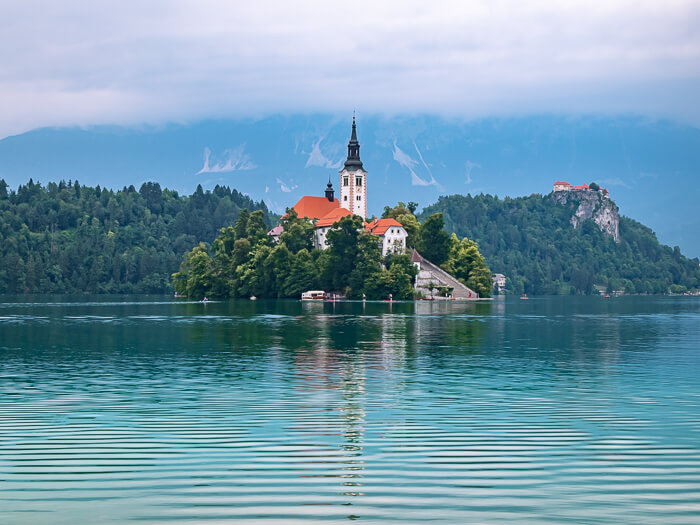
This is genuinely a tough one because both offer world-class natural beauty, just different types. Slovenia shines with its Julian Alps, featuring iconic Lake Bled and Lake Bohinj – picture emerald green waters, medieval castles, and charming churches. Hiking in Triglav National Park is epic, with multi-day hut-to-hut options or easier trails around waterfalls like Slap Savica. Don't miss the Škocjan Caves, a UNESCO site, or the stunning Soča River Valley for rafting. You can rent a car for about €30-50 ($32-54) per day and reach most major natural sites within 1-2 hours of Ljubljana. Croatia, on the other hand, boasts the dazzling Adriatic coastline, over 1,200 islands, and the iconic Plitvice Lakes National Park with its cascading turquoise waterfalls (entrance ~€25-40 / $27-43 depending on season). Krka National Park offers similar beauty but with swimming opportunities. For coastal views, the Dinaric Alps meet the sea dramatically, especially along the Makarska Riviera. Island hopping in the Kornati National Park or just exploring Hvar, Brac, or Korčula by ferry (fares €5-20 / $5-22) is unparalleled. "Honestly, Slovenia's mountains felt like something out of a fairy tale, but Croatia's sea just hits different on a hot day. Can't pick, both are amazing for different vibes."
Winner takeaway
- Winner: Tie
- Why: Both offer distinct but equally breathtaking natural landscapes, catering to different types of outdoor enthusiasts.
- Who this matters for: Everyone, as natural beauty is a core draw for both countries.
💰 Costs & Budget
Slovenia generally offers better value for money, making your budget stretch further. A good hostel bed in Ljubljana might cost €20-35 ($22-38), whereas in Split or Dubrovnik, it's more like €30-50 ($32-54) in peak season. A casual restaurant meal in Slovenia is often €10-15 ($11-16), while in Croatia's popular coastal towns, you're looking at €15-25 ($16-27) for similar fare, especially for seafood. Groceries are comparable, but local markets in Slovenia can be a bit cheaper. Transportation costs, like bus tickets (e.g., Ljubljana to Lake Bled for €6-8 / $6.50-8.50), are also slightly lower. For a mid-range traveler, a daily budget of €70-120 ($75-130) is comfortable in Slovenia, covering accommodation, food, and some activities. In Croatia, especially if you're hitting the islands or staying in popular spots like Dubrovnik, that budget needs to be closer to €90-150 ($97-162) to truly enjoy it without constant penny-pinching. "Croatia's gorgeous but wow, Dubrovnik felt like a luxury destination. Slovenia just felt more chill on the wallet, especially for beers and basic food."
Winner takeaway
- Winner: Slovenia
- Why: Slovenia consistently offers a more budget-friendly experience across accommodation, food, and activities, particularly in comparison to Croatia's popular coastal regions.
- Who this matters for: Budget travelers, backpackers, and those looking for good value for their money.
🏖️ Beaches & Coastline
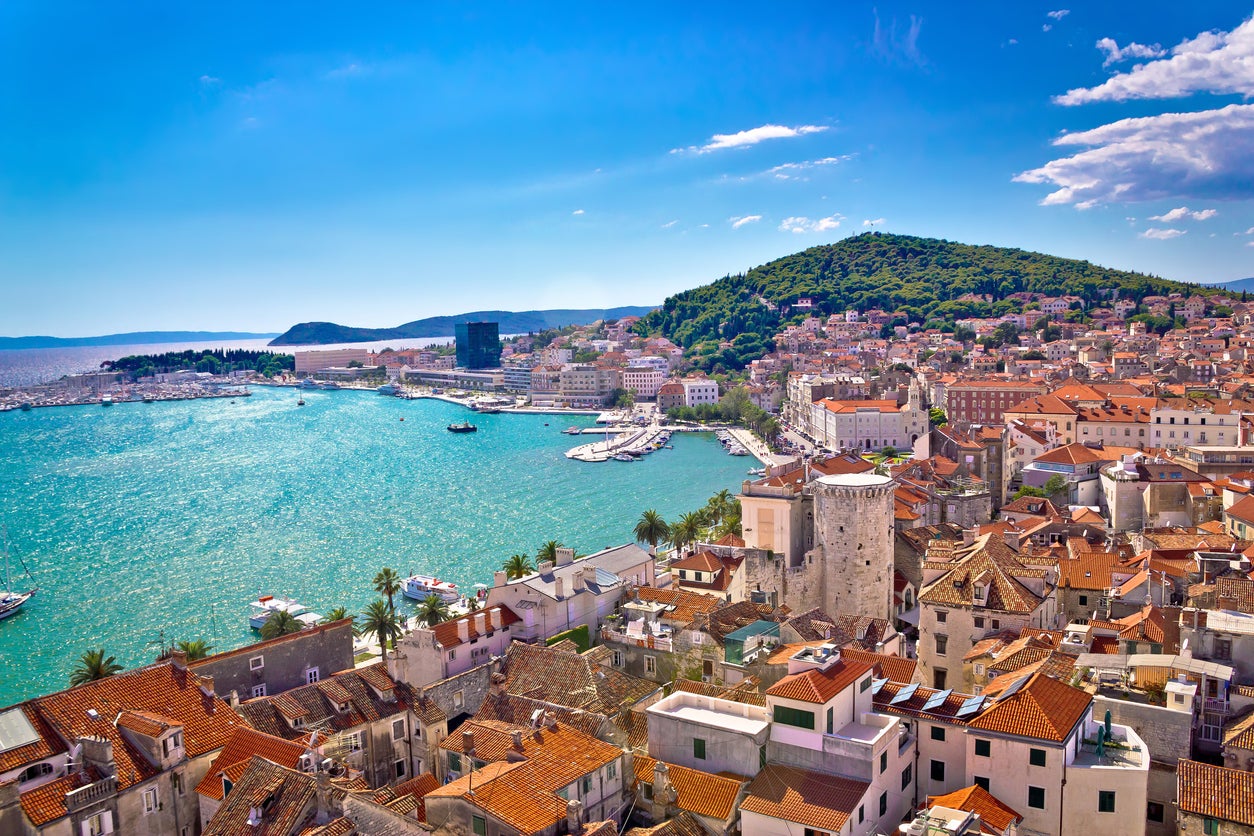
This isn't even a contest. Croatia is a beach and island paradise. With over 1,200 islands and islets, its Adriatic coastline is world-renowned for its incredibly clear, azure waters and stunning pebble beaches. From the iconic Zlatni Rat beach on Brač, which changes shape with the wind, to the hidden coves of Vis, there's an endless array of sunbathing and swimming spots. Major hubs like Split and Dubrovnik offer vibrant city beaches, while places like Hvar and Korčula blend history with luxurious swimming opportunities. The opportunities for sailing, kayaking, and snorkeling are unparalleled. Slovenia has a mere 47km of coastline, featuring picturesque Venetian-style towns like Piran and Portorož, which are lovely for a day trip but not known for vast, sandy beaches. The beaches are small, often concrete or pebbly, and primarily serve local visitors. While charming, Slovenia simply cannot compete with the sheer scale, variety, and beauty of Croatia's Adriatic offerings. "If you're going for beaches, it's Croatia, full stop. Slovenia's coast is cute, but it's not a beach holiday destination. I spent a week just hopping islands in Croatia and barely scratched the surface."
Winner takeaway
- Winner: Croatia
- Why: Croatia's extensive, stunning Adriatic coastline, thousands of islands, and crystal-clear waters are unparalleled for beach and sea-focused travel.
- Who this matters for: Beach lovers, island hoppers, sailors, and anyone prioritizing a coastal or sun-and-sea vacation.
🍽️ Food & Drink
Both countries offer delicious regional cuisine, but Croatia takes the edge due to its incredible diversity and world-class seafood. Along the coast, you'll feast on fresh fish, grilled calamari, and shellfish, often prepared simply with olive oil and garlic. Dalmatian Peka, slow-cooked meat or seafood under a bell-like lid, is a must-try (expect to pay €25-40 / $27-43 per person, often requires advance ordering). Istria offers renowned truffles, olive oil, and fantastic wines. Every region has its specialty, from Pag cheese to Slavonian kulen sausage. A good meal with wine can range from €20-40 ($22-43) in a mid-range coastal restaurant. Slovenia's cuisine, while excellent, leans more towards Central European and Alpine influences – think hearty stews like Jota, Carniolan sausage (Kranjska klobasa, around €5-8 / $5.50-8.50), and delicious pastries like Prekmurska gibanica. Their wines, particularly from the Vipava Valley, are gaining international recognition. Ljubljana has a vibrant food scene with several Michelin-starred restaurants, but overall, Croatia's coastal bounty and regional variety give it the win. "Croatia's seafood game is just next level, especially on the islands. Slovenia had great food, don't get me wrong, but nothing beat a fresh grilled fish with a view of the Adriatic."
Winner takeaway
- Winner: Croatia
- Why: Croatia's diverse regional cuisine, especially its exceptional fresh seafood and strong Mediterranean influences, offers a wider and more acclaimed culinary experience.
- Who this matters for: Foodies, gourmands, and anyone who makes dining a central part of their travel experience.
🏛️ Culture & History
Croatia boasts an incredibly rich and diverse historical tapestry that's hard to beat. From the remarkably preserved Roman Diocletian's Palace in Split (a living museum, free to enter main areas) and the stunning Roman amphitheater in Pula (entrance ~€10-15 / $11-16) to the medieval walls of Dubrovnik (walk the walls for ~€35 / $38), its past is vividly present. Cities like Zagreb showcase Austro-Hungarian grandeur, while coastal towns like Rovinj retain strong Venetian influences. The blend of empires and cultures over millennia has left an indelible mark visible in every corner. Slovenia, while historically significant, offers a more concentrated and perhaps less grand scale of historical sites. Ljubljana's old town is picturesque with its Triple Bridge and Dragon Bridge, and Ljubljana Castle offers great views (funicular + entrance ~€13 / $14). Predjama Castle, built into a cave, is unique and captivating (entrance ~€18 / $19). However, the sheer breadth and monumental scale of Croatia's historical sites, particularly its Roman and medieval legacies, give it the edge for history buffs. "Dubrovnik's walls felt like stepping into a different century. Slovenia's castles are cool, but Croatia just has so much more ancient history woven into everyday life."
Winner takeaway
- Winner: Croatia
- Why: Croatia's extensive Roman, Venetian, and medieval historical sites, including world-famous UNESCO heritage cities, offer a more profound and varied cultural journey.
- Who this matters for: History buffs, architecture enthusiasts, and those who appreciate ancient ruins and well-preserved old towns.
✈️ Getting There & Around
Slovenia wins for sheer ease of internal travel. It's a small, compact country (roughly the size of New Jersey), making distances short and travel times minimal. You can drive from Ljubljana to Lake Bled in under an hour, or to the coast in just over an hour. The bus network is efficient and affordable, connecting all major towns and attractions. Renting a car (around €30-50 / $32-54 per day) is highly recommended for flexibility and exploring remote areas, and navigating is straightforward. Ljubljana Jože Pučnik Airport (LJU) serves as the main international gateway, with direct flights from major European cities (e.g., London to Ljubljana ~2 hours, ~€100-200 / $108-216). Croatia is much larger and more spread out. While it has more international airports (Zagreb ZAG, Split SPU, Dubrovnik DBV, Pula PUY), meaning more direct flight options, getting around requires more planning. Driving distances are longer (e.g., Zagreb to Split is 4-5 hours), and island hopping necessitates relying on ferry schedules (Jadrolinija is the main operator, prices vary greatly by route and season). While the coastal roads are scenic, they can be slow and winding. "Slovenia was a dream for driving. Everything was so close, and the roads were great. Croatia felt like a lot more logistics with all the ferries and longer drives."
Winner takeaway
- Winner: Slovenia
- Why: Slovenia's compact size and efficient public transport, combined with short driving distances, make it significantly easier and quicker to navigate for travelers.
- Who this matters for: Road trippers, those with limited time, and travelers who prefer minimal transit hassle.
🏨 Accommodation
Slovenia offers a consistently good standard of accommodation for its price point. You can find excellent hostels in Ljubljana (e.g., Hostel Celica, ~€25-40 / $27-43 per night) and Bled (e.g., Hostel Bledec, ~€30-45 / $32-49) that are clean and well-located. Mid-range hotels typically run €80-150 ($86-162), and there's a growing trend of charming boutique hotels and unique 'glamping' options in nature, like Garden Village Bled, for around €150-250 ($162-270). Farm stays (Turistične kmetije) are also a fantastic, authentic, and affordable option. Croatia, especially on the popular coast and islands, can see accommodation prices skyrocket in peak season (July-August). A basic hostel bed in Split or Dubrovnik can be €40-60 ($43-65), and a decent hotel often starts at €150-250 ($162-270) or more. While there's a huge selection of private apartments (sobe, apartmani), finding good value requires booking far in advance or visiting off-season. Zagreb and inland areas offer more competitive pricing. Overall, Slovenia provides more consistent value and unique, nature-focused accommodation options without the extreme price fluctuations. "I snagged an amazing glamping tent near Lake Bohinj for less than a standard hotel room in Split. Slovenia just felt like you got more for your money in terms of unique stays."
Winner takeaway
- Winner: Slovenia
- Why: Slovenia offers more consistent value and a wider array of unique, nature-integrated accommodation options, often at more accessible price points.
- Who this matters for: Value-conscious travelers, those seeking unique stays (glamping, farm stays), and those who dislike peak-season price gouging.
🕺 Nightlife & Entertainment
If you're looking for a lively nightlife scene, Croatia is the clear winner. Islands like Hvar are legendary for their beach clubs and late-night parties, with venues like Carpe Diem drawing international crowds (cocktails €10-15 / $11-16). Split and Zagreb also boast robust club scenes, rooftop bars, and lively pub areas. Festivals like Ultra Europe in Split attract huge numbers, making Croatia a major summer party destination. Even smaller coastal towns often have charming waterfront bars that stay open late. Slovenia's nightlife is more concentrated in Ljubljana, which has a vibrant student scene with numerous bars, pubs, and a few clubs (e.g., Metelkova Mesto, a unique autonomous cultural center with various clubs). You can grab a local craft beer for €4-6 ($4.30-6.50). Outside the capital, the scene is much quieter, focusing on relaxed evening strolls and dinners. While Ljubljana is fun, it doesn't match the scale or intensity of Croatia's coastal party atmosphere. "Croatia definitely knows how to party. Hvar was insane! Slovenia was more about a chill beer by the river, which is cool, but not a 'rave until dawn' kind of vibe."
Winner takeaway
- Winner: Croatia
- Why: Croatia offers a significantly more vibrant and extensive nightlife, particularly with its famous island party scenes and beach clubs, appealing to those seeking lively entertainment.
- Who this matters for: Younger travelers, party-goers, and those who prioritize lively evenings and late-night entertainment.
✅ Safety & Travel Experience
Slovenia consistently ranks as one of the safest countries in the world, and this translates directly into a wonderfully relaxed and stress-free travel experience. Crime rates are exceptionally low, and even solo female travelers report feeling completely secure walking alone at night in cities like Ljubljana. The locals are generally friendly and helpful, and English is widely spoken, especially among younger generations. This creates an atmosphere where you can genuinely unwind and immerse yourself. Croatia is also very safe overall, with serious crime against tourists being rare. However, in popular coastal cities like Dubrovnik and Split, especially in peak summer, you might encounter more petty theft (pickpocketing) and occasional tourist scams (e.g., inflated taxi prices, restaurant overcharges). The sheer volume of tourists can also make the experience feel a bit more hectic and less intimate compared to Slovenia's tranquil vibe. "Slovenia felt so incredibly safe and peaceful, it was a breath of fresh air. Croatia was fine too, but I definitely felt more like a 'tourist' in the crowds, and had to be a bit more aware of my belongings in Split."
Winner takeaway
- Winner: Slovenia
- Why: Slovenia offers an exceptionally safe, serene, and consistently welcoming travel environment, making for a truly relaxing and worry-free trip.
- Who this matters for: Solo travelers, families, first-time European travelers, and those prioritizing peace of mind and a relaxed atmosphere.
👨👩👧👦 Family Travel
Slovenia is an absolute gem for families with active children. Its compact size means less time in the car and more time exploring. Activities like rowing on Lake Bled, exploring Predjama Castle, visiting Postojna Cave (and its baby dragons!), hiking easy trails in Triglav National Park, or cycling along scenic routes offer a perfect blend of adventure and accessibility. Many farms offer stays with animals, and the overall peaceful environment is very kid-friendly. Costs are also generally lower for family-sized accommodation and meals. Croatia is fantastic for families who primarily want a beach vacation. The warm, clear Adriatic Sea is perfect for swimming, snorkeling, and building pebble castles. Older kids might enjoy island hopping or exploring Roman ruins in Pula or Split. However, in peak season, popular spots can be extremely crowded, making stroller navigation difficult, and prices for family accommodation and meals can add up quickly. Some of the party islands might not be suitable. Slovenia's focus on pristine nature and manageable activities gives it a slight edge for a diverse family adventure. "My kids absolutely loved Slovenia. They still talk about the dragon at Postojna Cave and rowing on Bled. Croatia was fun for the beach, but Slovenia had more variety for family adventures without endless driving."
Winner takeaway
- Winner: Slovenia
- Why: Slovenia's focus on accessible outdoor adventures, shorter travel distances, and a generally calmer atmosphere makes it ideal for diverse family experiences.
- Who this matters for: Families with young children, active families, and those seeking nature-based activities over beach-only vacations.
❓ Frequently Asked Questions
Which country is better for a honeymoon?
Both offer romantic experiences. Slovenia provides a more intimate, fairy-tale setting with boutique hotels, charming lakes, and gourmet dining for a peaceful honeymoon. Croatia, especially on islands like Hvar or Korčula, offers luxury resorts, stunning sea views, and a livelier atmosphere for couples who enjoy coastal beauty and evening strolls.
Is English widely spoken in Slovenia and Croatia?
Yes, English is widely spoken in both countries, especially in tourist areas, hotels, restaurants, and by younger generations. You'll have no trouble communicating in either destination. Learning a few basic phrases in Slovene or Croatian is always appreciated by locals, though!
What's the best time of year to visit both countries?
For Slovenia, late spring (May-June) and early autumn (September-October) offer pleasant weather, fewer crowds, and lush landscapes. Croatia is best in late spring/early summer (May-June) or early autumn (September), when the weather is warm for swimming but the intense summer crowds and heat have subsided.
Are Slovenia and Croatia good for solo travelers?
Absolutely! Both are very safe and welcoming to solo travelers. Slovenia is exceptionally safe and easy to navigate independently, with a good hostel culture. Croatia's coastal cities and islands have a lively social scene, making it easy to meet other travelers, especially in hostels or on boat tours.
Can I combine Slovenia and Croatia in one trip?
Yes, and it's highly recommended if you have 10-14 days! You can start in Ljubljana, explore Lake Bled, then drive south into Croatia's Istrian peninsula (Poreč, Rovinj), continue to Plitvice Lakes, and finish along the Dalmatian coast in Split or Dubrovnik. They are well-connected by road.
Which country has better hiking opportunities?
Slovenia is generally considered superior for hiking, particularly in its Julian Alps and Triglav National Park, offering diverse trails from leisurely lakeside walks to challenging multi-day treks. Croatia has some great hiking, especially in its national parks like Paklenica or along the coast, but it's not as central to its identity as it is in Slovenia.
What kind of public transportation is available?
Slovenia relies heavily on an efficient bus network connecting cities and major attractions. Trains are less comprehensive but cover some routes. Croatia has a good intercity bus system, especially on the mainland, and an extensive ferry network crucial for island hopping. Renting a car is often the best way to explore both at your own pace.
Are both countries expensive, similar to Western Europe?
Generally, both Slovenia and Croatia are more affordable than Western European counterparts like France, Italy, or Switzerland. Slovenia offers consistent value, while Croatia's coastal regions, especially Dubrovnik and popular islands in peak season, can approach Western European prices for accommodation and dining, but still offer better value inland.
Ready to plan your Balkan trip?
Get a free custom itinerary for Slovenia, Croatia, or both — built from real traveler insights.
🎟️ Book Tours & Experiences
Hand-picked tours and activities for both destinations — book with free cancellation
Experiences via Viator — free cancellation on most tours