How we built this comparison
This page combines traveler discussion patterns, published price ranges, flight schedules, and seasonal data to help you decide between Slovenia and Switzerland.
- Reviewed 500+ Reddit threads from r/travel, r/solotravel, r/Slovenia, r/Switzerland, etc.
- Verified costs and logistics against current booking platforms for flights, accommodation, and activities.
- Cross-referenced seasonal patterns and weather data for optimal travel planning.
⚡ Quick Answers
⚡ The TL;DR Verdict
For most travelers seeking natural beauty without breaking the bank, Slovenia is the smarter choice, offering comparable landscapes for significantly less money. Switzerland is for those prioritizing ultimate efficiency, extensive high-altitude infrastructure, and dont mind a daily budget exceeding $200 per person.
- Choose Slovenia: Travelers on a moderate budget wanting access to alps, lakes, and a charming capital without the luxury price tag. Good for active travelers, families, and solo adventurers.
- Choose Switzerland: Travelers with a generous budget prioritizing flawless infrastructure, dramatic high-alpine experiences, and sophisticated city amenities. Ideal for honeymooners, luxury seekers, or those desiring peak efficiency.
- Choose Both: If you have 10-14 days and a flexible budget, combine a driving trip through Slovenias Julian Alps with a train journey through Switzerlands Jungfrau region for a comprehensive alpine experience.
Choose Slovenia
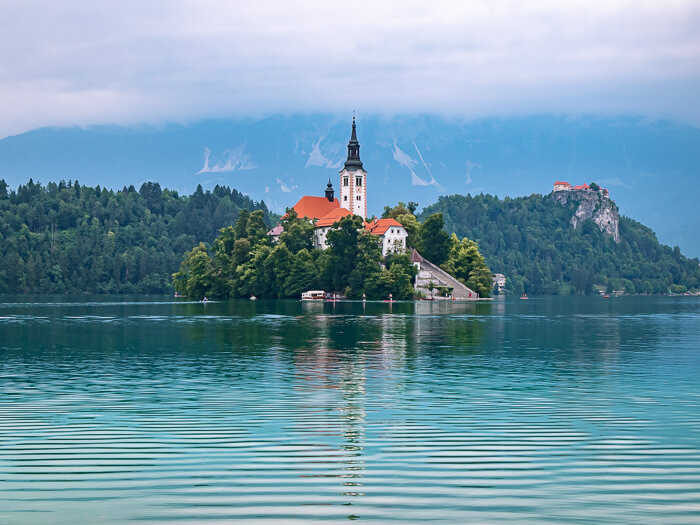
Choose Slovenia if you're an active traveler or family seeking stunning alpine scenery, emerald lakes like Bled and Bohinj, and a vibrant capital in Ljubljana without the Swiss price tag. It's best for those wanting to hike, kayak, and explore charming towns on a moderate budget, offering incredible value for its natural wonders and cultural charm.
Choose Switzerland
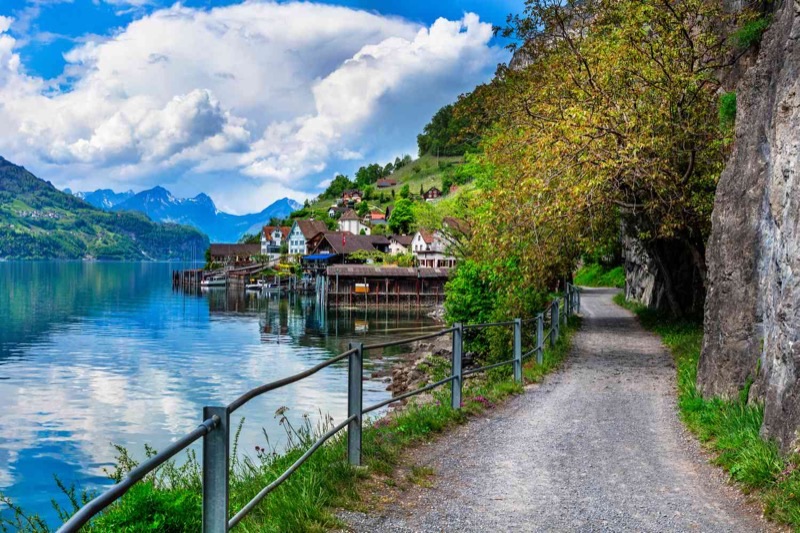
Opt for Switzerland when your budget allows for unparalleled efficiency and breathtaking high-alpine experiences in regions like Jungfrau or around the iconic Matterhorn. It's best for luxury seekers, honeymooners, or efficiency-driven travelers who prioritize world-class infrastructure, sophisticated mountain resorts, and dramatic, accessible peaks over cost.
📊 Visual Scorecard
🌤 When to Visit
Average high temperatures (°C). Green = best months, orange = avoid.
Quick Comparison
| Category | Slovenia | Switzerland | Winner |
|---|---|---|---|
| Costs & Budget | Significantly more affordable across all categories: accommodation, food, transport, activities. | Among Europes most expensive destinations; expect high prices for everything. | Slovenia |
| Nature & Outdoors | Diverse landscapes from alpine peaks to Adriatic coastline, with accessible hiking and water sports. | Iconic high-alpine scenery, glaciers, and extensive infrastructure for mountain exploration. | Switzerland |
| Food & Drink | Hearty Central European fare, Italian influences, local wines, and craft beers. Affordable. | Hearty mountain food like cheese fondue, raclette, and rosti, plus fine chocolates and wines. | Slovenia |
| Culture & History | Rich history from Roman to Habsburg, medieval castles, and a strong folk tradition. Less crowded sites. | Long history of neutrality, strong regional identities, medieval towns, and a tradition of precision. | Slovenia |
| Getting Around | Compact country, easy to drive, good bus network. Some train routes. | Exceptional train network, efficient and extensive, connects almost everywhere. Driving is also good. | Switzerland |
| Accommodation | Wide range of affordable options: hostels, guesthouses, boutique hotels, farm stays. | High-quality, often luxurious hotels and chalets, but prices are significantly elevated. | Slovenia |
| Safety | One of the safest countries in Europe, low crime rates, safe for solo travelers. | Extremely low crime rates, very safe in cities and mountains, highly secure. | Tie |
| City Life | Ljubljana is a charming, pedestrian-friendly capital; smaller towns offer a relaxed pace. | Zurich and Geneva are finance hubs, Bern is historic, Lucerne is scenic. All are efficient. | Slovenia |
| Accessibility (Getting There) | Ljubljana airport has fewer direct long-haul flights, often requiring a connection. | Major international hubs in Zurich and Geneva with numerous direct flights globally. | Switzerland |
| Solo Travel & Ease of Planning | Friendly for solo travelers, easy to navigate, good hostel scene, affordable. | Very safe, efficient public transport, but solo expenses add up quickly. | Slovenia |
💰 Costs & Budget
Slovenia consistently offers a more budget-friendly experience. A mid-range hotel in Ljubljana or Lake Bled might cost €80-120 ($88-132) per night, while a sit-down meal at a good…
Slovenia
Switzerland
Slovenia consistently offers a more budget-friendly experience. A mid-range hotel in Ljubljana or Lake Bled might cost €80-120 ($88-132) per night, while a sit-down meal at a good restaurant averages €15-25 ($16-27). Public transport is inexpensive, and activities like canyoning in Soca Valley are around €50-80 ($55-88). Daily spending for a mid-range traveler often falls between €70-120 ($77-132), excluding major tours.
Switzerland is notoriously expensive. A similar mid-range hotel in Lucerne or Interlaken can easily cost CHF180-300 ($198-330) per night. A simple restaurant meal often starts at CHF30-50 ($33-55), and a cup of coffee is CHF5-7 ($5.50-7.70). Mountain excursions, like a trip to Jungfraujoch, can cost CHF200 ($220) per person. A budget of CHF180-300 ($198-330) per day is a realistic minimum for a comfortable, non-luxury trip. Slovenia is the clear winner for anyone considering travel costs.
- Winner: Slovenia
- Why: Slovenia delivers a high-quality travel experience at a fraction of Switzerlands prices for essentials and activities.
- Who this matters for: Budget-conscious travelers, families, long-term travelers
⛰️ Nature & Outdoors
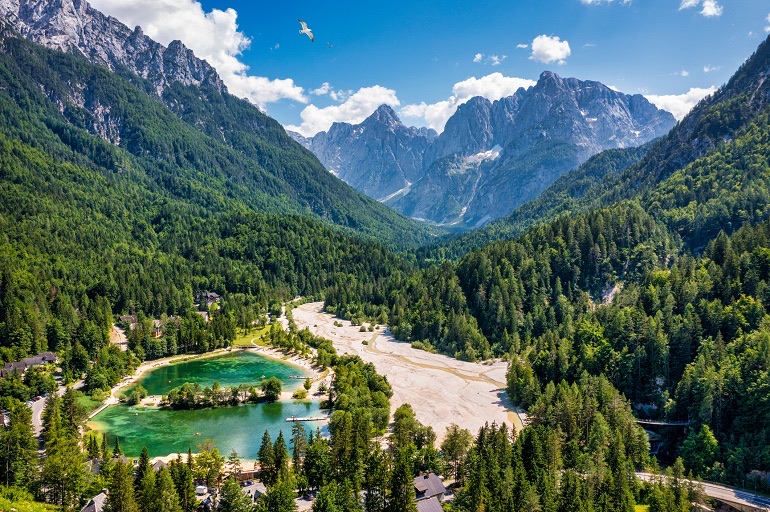
Slovenia offers incredible natural environments, particularly within Triglav National Park. Lake Bled and Lake Bohinj provide opportunities for swimming, paddleboarding, and…
Slovenia
Switzerland
Slovenia offers incredible natural environments, particularly within Triglav National Park. Lake Bled and Lake Bohinj provide opportunities for swimming, paddleboarding, and kayaking, with equipment rentals around €15-20 ($16-22) for an hour. The Soca Valley is known for river activities like rafting and canyoning. Hiking trails are plentiful and well-marked, from easy walks around lakes to challenging ascents of peaks like Mount Triglav. The Postojna Cave system is a significant underground natural attraction.
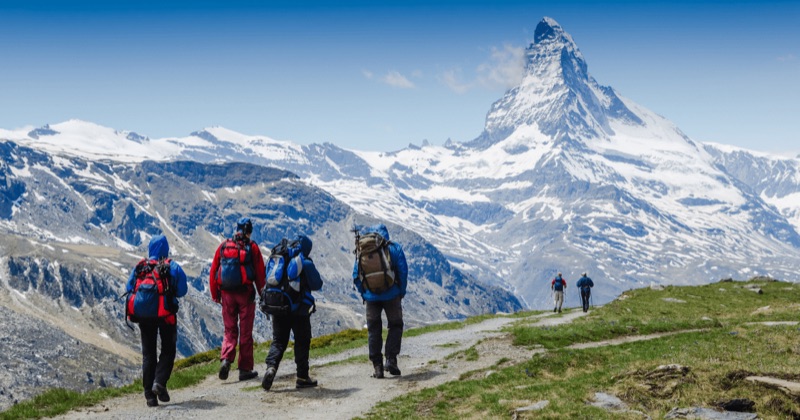
Switzerland presents a grander scale of alpine scenery. The Matterhorn, Eiger, and Jungfrau are globally recognized peaks. The countrys infrastructure, including cogwheel trains and cable cars to places like Gornergrat or Grindelwald First, provides unparalleled access to high-altitude environments for non-hikers. Skiing and snowboarding are major drawcards in winter, with resorts like Zermatt or Verbier offering extensive terrain. While Slovenia is excellent, Switzerlands sheer scale of mountains and glacier systems, combined with seamless access, gives it the edge. Switzerland provides a more dramatic and extensive high-alpine experience.
- Winner: Switzerland
- Why: Switzerland offers a more dramatic, extensive, and accessible high-alpine landscape with iconic peaks and glaciers.
- Who this matters for: Mountain enthusiasts, skiers, those seeking iconic alpine views
🍽️ Food & Drink
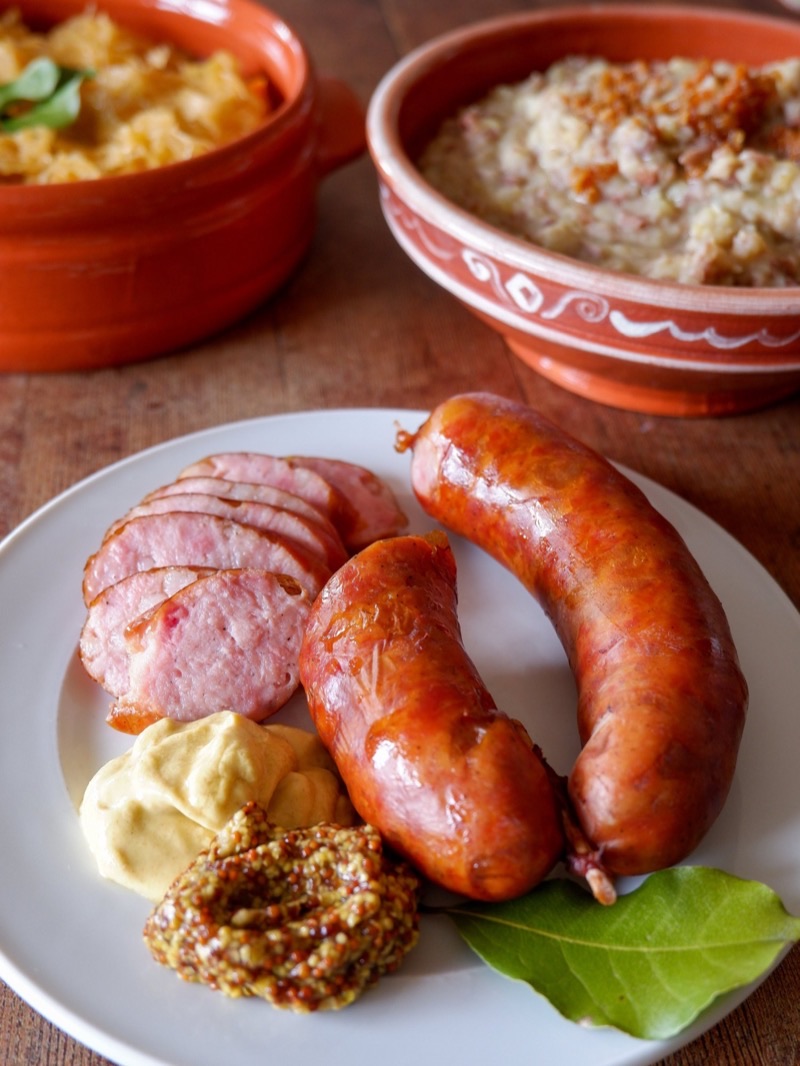
Slovenian cuisine is a pleasant fusion, borrowing from its neighbors. You will find Italian-influenced pasta and pizzas, Austrian-style schnitzel, and Hungarian goulash, alongside…
Slovenia
Switzerland
Slovenian cuisine is a pleasant fusion, borrowing from its neighbors. You will find Italian-influenced pasta and pizzas, Austrian-style schnitzel, and Hungarian goulash, alongside traditional dishes like Carniolan sausage (kranjska klobasa) and potica (nut roll). Restaurants in Ljubljana, like Druga Violina, offer local fare for €15-20 ($16-22) per main course. Local wines from the Vipava Valley are good and inexpensive, often €3-5 ($3.30-5.50) per glass. Craft beer scenes are growing, with breweries like Lasko and Union being national staples. Farmers markets provide fresh local produce at low costs.
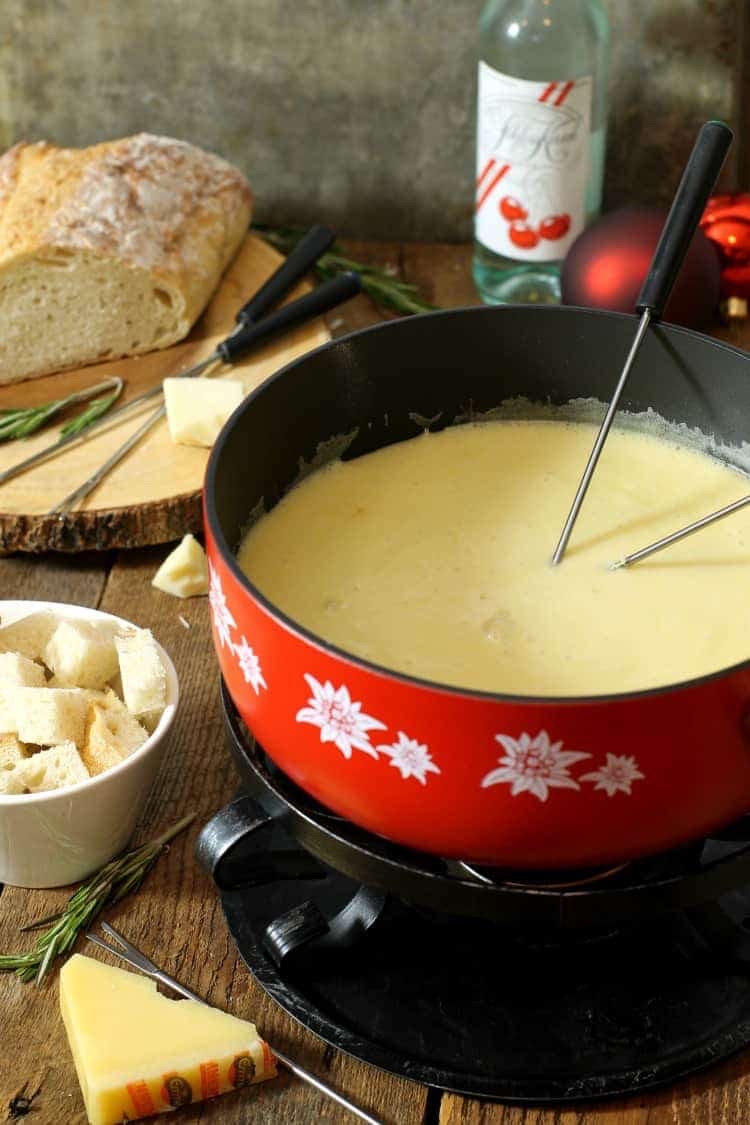
Swiss food is hearty and satisfying, built for cold mountain climates. Cheese fondue and raclette are quintessential experiences, though they can be expensive; a fondue meal for two can be CHF50-80 ($55-88). Rosti (fried grated potatoes) is a common side or main. Swiss chocolate and pastries are exceptional, with bakeries and shops everywhere. While high-quality, the culinary scene is less diverse and significantly pricier. For instance, a simple lunch might be CHF25-35 ($27-38). Slovenia wins for its variety, value, and approachable flavors. Slovenia offers better food value and diversity.
- Winner: Slovenia
- Why: Slovenia offers a wider range of culinary influences and excellent quality for significantly lower prices.
- Who this matters for: Foodies, budget travelers, those who appreciate diverse local ingredients
🏛️ Culture & History
Slovenia has a complex and compelling history, from Roman settlements visible in Emona (Ljubljana) to the influence of the Habsburg Empire. Ljubljana Castle (entrance €16/~$17.50)…
Slovenia
Switzerland
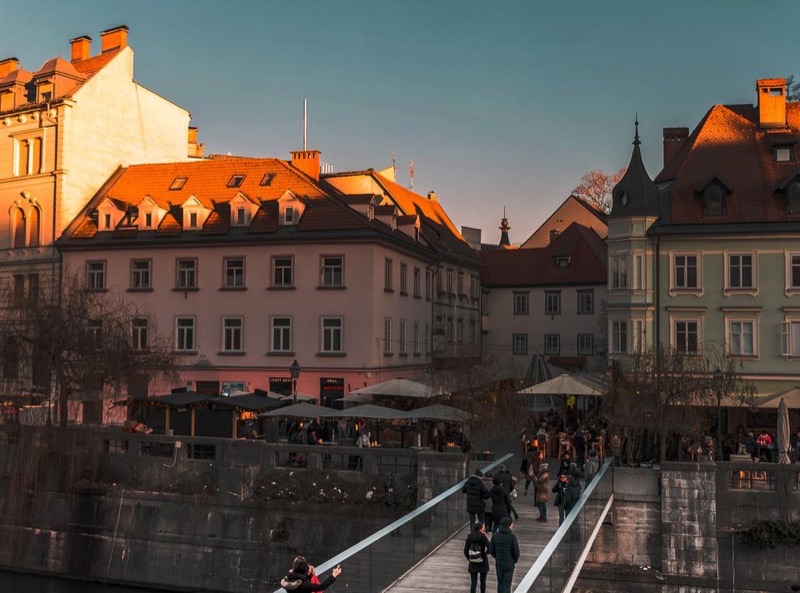
Slovenia has a complex and compelling history, from Roman settlements visible in Emona (Ljubljana) to the influence of the Habsburg Empire. Ljubljana Castle (entrance €16/~$17.50) provides views and historical exhibits. Predjama Castle, built into a cave, is an architectural marvel. The country has a strong folk heritage, evident in its music, crafts, and traditions. The Lipica Stud Farm, home to the Lipizzaner horses, reflects a specific cultural legacy. Its smaller scale makes historical sites feel more intimate and less commercialized. The National Museum of Slovenia in Ljubljana offers an overview for €8 (~$9).
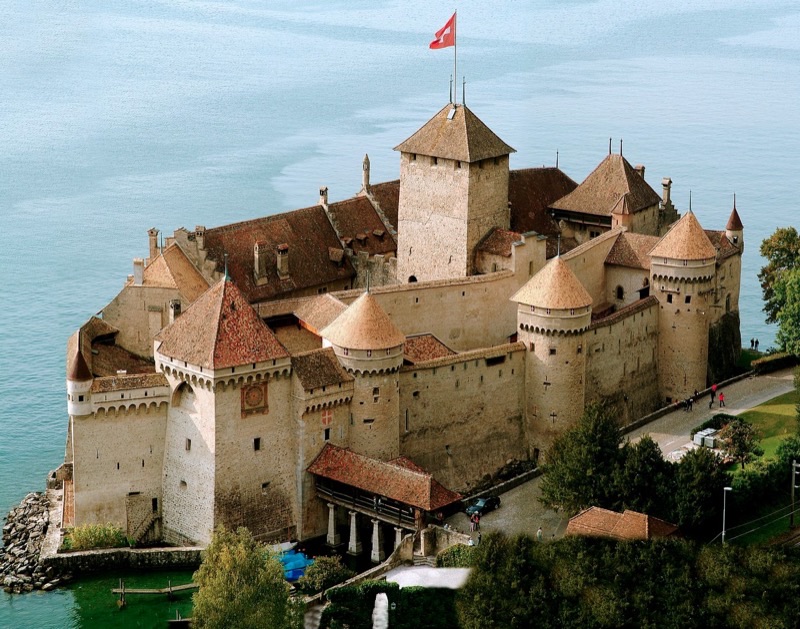
Switzerland's history is characterized by its cantonal system, neutrality, and the development of its watchmaking and banking industries. Cities like Bern, a UNESCO World Heritage site, boast well-preserved medieval old towns. Castles like Chillon Castle on Lake Geneva (entrance CHF15/~$16.50) offer insights into feudal times. Museums, such as the Swiss National Museum in Zurich (entrance CHF10/~$11), cover various aspects of its past. While Switzerland has solid cultural offerings, Slovenias sites often feel more authentic and less visited, providing a deeper connection to the past. Slovenia offers a more accessible and varied historical experience.
- Winner: Slovenia
- Why: Slovenia provides a greater sense of historical depth and cultural authenticity at its sites, without the crowds.
- Who this matters for: History buffs, those seeking less commercialized cultural experiences
🚗 Getting Around
Slovenia is a small country, making self-driving an excellent option. Car rentals average €30-50 ($33-55) per day. Distances between major attractions are short; for example,…
Slovenia
Switzerland
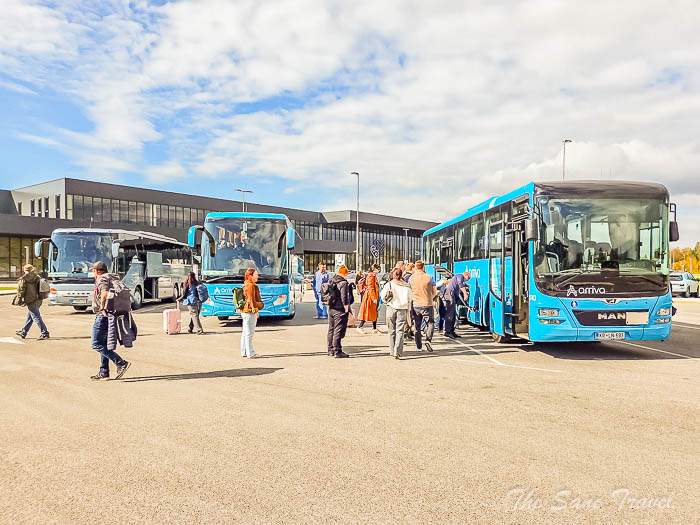
Slovenia is a small country, making self-driving an excellent option. Car rentals average €30-50 ($33-55) per day. Distances between major attractions are short; for example, Ljubljana to Lake Bled is about 45 minutes by car. The bus system is comprehensive and affordable, connecting most towns. A bus ticket from Ljubljana to Lake Bled costs around €6-7 ($6.50-7.70). Trains cover some routes but are less frequent than buses outside the main corridor. For flexibility and reaching remote trailheads, a car is often preferred, but public transport covers the basics.
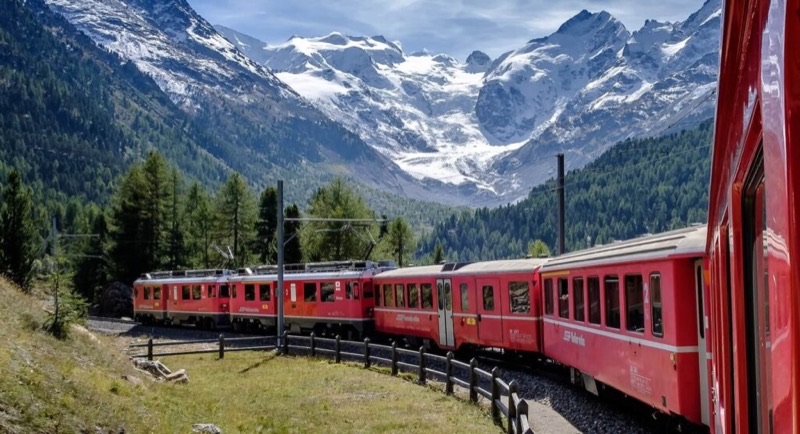
Switzerland boasts one of the worlds most efficient and extensive public transport systems, primarily trains. The Swiss Travel Pass offers excellent value for visitors, covering trains, buses, and boats, plus discounts on mountain railways and museums (e.g., a 4-day pass is CHF281/~$309). Trains run frequently and are almost always on time, connecting even small villages. Driving is also straightforward, with well-maintained roads, but parking can be difficult and expensive in cities. The sheer reliability, comfort, and reach of the Swiss train network are unmatched. Switzerland wins for its superior and extensive public transport network.
- Winner: Switzerland
- Why: Switzerlands train system is globally recognized for its efficiency, punctuality, and comprehensive coverage.
- Who this matters for: Travelers without a car, those prioritizing efficiency, scenic rail journey fans
🏨 Accommodation
Slovenia offers a diverse and affordable range of accommodation. Hostels in Ljubljana can be found for €25-40 ($27-44) per night for a dorm bed. Mid-range guesthouses or…
Slovenia offers a diverse and affordable range of accommodation. Hostels in Ljubljana can be found for €25-40 ($27-44) per night for a dorm bed. Mid-range guesthouses or apartments average €70-120 ($77-132) per night. Farm stays (turizem na kmetiji) are a popular and charming option, often including meals, for around €50-80 ($55-88) per person. You can find well-rated boutique hotels for less than €150 ($165) a night in prime locations like Lake Bled or downtown Ljubljana. Quality for price is consistently high.
Switzerlands accommodation is primarily high-end. Even basic hostels can cost CHF50-80 ($55-88) for a dorm bed in popular areas. Mid-range hotels in cities or mountain towns frequently start at CHF180-250 ($198-275) per night, and often higher for locations with views or amenities. Chalets and luxury hotels quickly exceed CHF300 ($330) per night. While the quality and service are generally excellent, the value for money is much lower. Finding budget accommodation requires significant searching or booking far in advance. Slovenia provides better value and more varied options across price points.
- Winner: Slovenia
- Why: Slovenia provides excellent quality accommodation options at significantly more accessible price points.
- Who this matters for: Budget travelers, families, those seeking good value
🛡️ Safety
Slovenia consistently ranks among the safest countries in the world. Violent crime is rare, and petty crime like pickpocketing is minimal, mostly confined to crowded tourist areas…
Slovenia consistently ranks among the safest countries in the world. Violent crime is rare, and petty crime like pickpocketing is minimal, mostly confined to crowded tourist areas in Ljubljana. Solo travelers, including women, report feeling very secure exploring cities, hiking trails, and even enjoying nightlife. Common sense precautions are always advised, but generally, travelers encounter no issues. Emergency services are reliable, and local people are often willing to assist.
Switzerland is also exceptionally safe, with one of the lowest crime rates globally. Whether in bustling cities like Zurich or remote mountain villages, personal safety is not a primary concern. Public transport is secure, and walking alone at night is generally not an issue. The main safety concerns in Switzerland relate to outdoor activities, such as hiking or skiing, where weather conditions or lack of preparation can pose risks. However, trail markings and mountain rescue services are top-notch. Both countries provide a very secure environment for travelers. Both countries offer extremely high levels of safety for travelers.
- Winner: Tie
- Why: Both Slovenia and Switzerland maintain incredibly low crime rates, providing an equally secure environment for visitors.
- Who this matters for: Solo travelers, families, first-time international travelers
🏙️ City Life
Slovenias city life is centered around Ljubljana, a compact and pedestrian-focused capital. Its Old Town, with the Ljubljanica River flowing through it, is lined with cafes and…
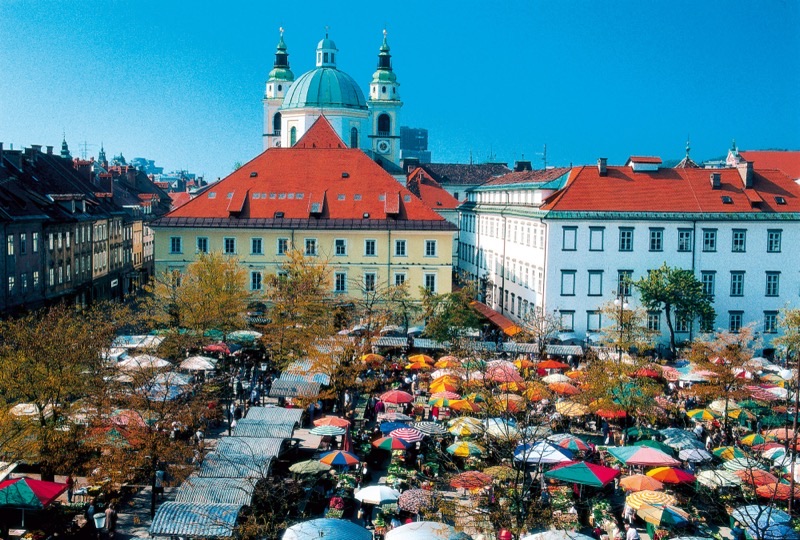
Slovenias city life is centered around Ljubljana, a compact and pedestrian-focused capital. Its Old Town, with the Ljubljanica River flowing through it, is lined with cafes and bars that become lively in the evenings. The Triple Bridge and Dragon Bridge are architectural points. While not a massive metropolis, Ljubljana offers a good selection of museums, galleries, and events, particularly during summer. Maribor and Piran offer smaller-scale city experiences with their own character, but the countrys focus is more on its natural environments. A beer in a Ljubljana pub might cost €4-6 ($4.40-6.60).
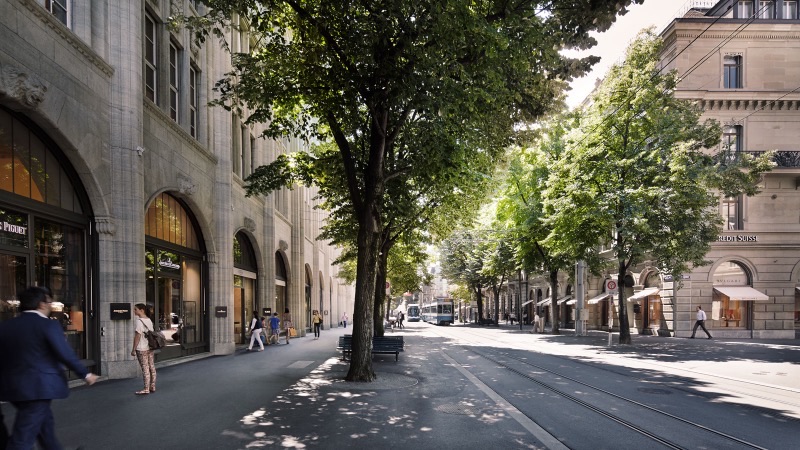
Switzerland has several prominent cities, each with distinct personalities. Zurich and Geneva are international financial and cultural centers with museums, high-end shopping, and a sophisticated dining scene. Bern, the capital, has a well-preserved medieval core. Lucerne is known for its scenic lake and mountain backdrop, featuring the Chapel Bridge. While clean and efficient, Swiss cities can sometimes feel formal and are expensive for nightlife or casual dining. A cocktail in Zurich could easily be CHF18-25 ($20-27). Slovenia wins for a more relaxed, approachable, and budget-friendly urban experience. Slovenia provides a more inviting and less commercial city experience.
- Winner: Slovenia
- Why: Slovenia's capital, Ljubljana, offers a more relaxed, personal, and affordable urban experience without feeling overly commercial.
- Who this matters for: Travelers who prefer charming, walkable cities over large metropolises
✈️ Accessibility (Getting There)
Getting to Slovenia often involves a connecting flight. Ljubljana Joze Pucnik Airport (LJU) has direct flights from major European cities like London, Frankfurt, or Vienna.…
Getting to Slovenia often involves a connecting flight. Ljubljana Joze Pucnik Airport (LJU) has direct flights from major European cities like London, Frankfurt, or Vienna. Travelers from North America typically fly into a larger European hub and then connect to LJU, making total travel time from New York about 9-12 hours. Airfare can vary widely but might be slightly cheaper than direct flights to Switzerland due to the connection. Overland travel from neighboring countries like Italy or Austria is straightforward.
Switzerland benefits from two major international airports: Zurich Airport (ZRH) and Geneva Airport (GVA). Both have extensive networks of direct long-haul flights from North America, Asia, and other continents. A direct flight from New York to Zurich takes approximately 7-8 hours. Airfare, while potentially higher for direct routes, offers convenience and time savings. Its central location in Europe also makes it easily accessible by high-speed train from France, Germany, and Italy. Switzerland wins for superior international flight connectivity. Switzerland offers more direct and convenient international access.
- Winner: Switzerland
- Why: Switzerland has more international airports with direct long-haul flights, making it easier and quicker to reach from global origins.
- Who this matters for: International travelers, those prioritizing convenience and direct flight options
🚶♀️ Solo Travel & Ease of Planning
Slovenia is an excellent choice for solo travelers. Its small size, high safety ratings, and friendly locals make it easy to navigate independently. The hostel scene in Ljubljana…
Slovenia is an excellent choice for solo travelers. Its small size, high safety ratings, and friendly locals make it easy to navigate independently. The hostel scene in Ljubljana and popular spots like Lake Bled is active, making it easy to meet other travelers. Activities like hiking and kayaking are suitable for individuals, and group tours are readily available. Planning is straightforward, as most information is available in English, and the country is compact enough for self-guided trips. The affordability allows solo travelers to extend their trips or indulge in more activities without a significant budget strain.
Switzerland is also very safe and easy to navigate for solo travelers, thanks to its exceptional public transport system. However, the high costs are a major deterrent for many solo adventurers. Single supplements for accommodation can be substantial, and meals out quickly become expensive for one person. While it is certainly possible to travel alone here, the financial burden makes it less appealing for many. The lack of a strong budget-friendly social hostel culture outside of major cities also makes meeting others more challenging. Slovenia offers a more inviting and affordable solo travel experience. Slovenia is better for solo travelers due to its affordability and social environment.
- Winner: Slovenia
- Why: Slovenia provides a more budget-friendly and socially engaging environment for solo travelers, making independent exploration more accessible.
- Who this matters for: Solo adventurers, budget-conscious travelers, those seeking social interaction
🎯 The Decision Framework
Choose Slovenia If…
- You want mountains, lakes, and caves without breaking your budget.
- You prefer charming, pedestrian-friendly cities over massive metropolises.
- You value diverse food options that are delicious and affordable.
- You enjoy active travel like hiking, rafting, and cycling at accessible prices.
- You want to rent a car and drive around a compact country easily.
- You are a solo traveler seeking a friendly and inexpensive experience.
- You appreciate historical sites that feel less commercialized and crowded.
- You seek excellent value for money on accommodation and activities.
Choose Switzerland If…
- You prioritize iconic high-alpine landscapes with world-class infrastructure.
- You have a generous budget and dont mind paying a premium for quality.
- You desire an exceptionally efficient and punctual public transport system.
- You love traditional mountain cuisine like fondue and high-quality chocolate.
- You want direct, convenient flights from major international hubs.
- You are planning a luxury trip, honeymoon, or special occasion.
- You enjoy precision, cleanliness, and order in travel experiences.
- You seek extensive opportunities for skiing or high-altitude cable car rides.
📅 Sample Itineraries
Weekend in Slovenia (3 Days)
💡 Purchase a Ljubljana Card for €30 (24 hours) for free public transport and museum entries, saving money if you plan multiple urban activities.
Weekend in Switzerland (3 Days)
💡 Consider a Swiss Travel Pass if you plan extensive train travel; a 3-day pass can save €100+ compared to individual tickets for popular routes like Zurich-Lucerne-Pilatus.
One Week in Slovenia (7 Days)
💡 Renting a car for €30-€50 per day offers flexibility for exploring Triglav National Park and coastal areas beyond public transport routes.
One Week in Switzerland (7 Days)
💡 Book popular mountain excursions like Jungfraujoch or Gornergrat online in advance to secure tickets and potentially save a small percentage.
❓ Frequently Asked Questions
What is the best time of year to visit Slovenia vs Switzerland?
For both countries, late spring (May-June) and early autumn (September-October) offer pleasant weather, fewer crowds, and open hiking trails. Summer (July-August) is peak season, meaning higher prices and more people, especially in popular spots. Winter (December-March) is ideal for skiing in both nations, with Swiss resorts generally having more extensive options.
Is one country significantly safer than the other?
Both Slovenia and Switzerland are exceptionally safe countries with very low crime rates. Travelers can generally feel secure exploring cities and natural areas in either nation. The primary safety considerations for both relate to outdoor activities like hiking, where proper preparation for mountain conditions is important.
What are the language considerations for travelers?
In Slovenia, the official language is Slovene, but English is widely spoken in tourist areas, hotels, and restaurants. Many younger people also speak English. In Switzerland, there are four official languages (German, French, Italian, Romansh) depending on the region, but English is also commonly understood in tourist-heavy areas and larger cities, particularly among service staff.
What currencies are used in Slovenia and Switzerland?
Slovenia uses the Euro (€). Switzerland uses the Swiss Franc (CHF). While some places in Switzerland might accept Euros, it is usually at an unfavorable exchange rate, so it is always better to use Swiss Francs or a credit card.
Which country is better for driving vs public transport?
Slovenia is excellent for driving due to its compact size and good road network; renting a car offers flexibility. Switzerland has a world-class train system that is incredibly efficient and reaches most places, making public transport often the preferred and most scenic option, though driving is also possible.
How many days are needed to experience each country?
For Slovenia, 5-7 days allows you to cover Ljubljana, Lake Bled, and some of the Julian Alps. For a more comprehensive trip including the Soca Valley and perhaps the coast, 10 days is better. For Switzerland, 7-10 days is a good starting point to explore one or two regions like the Bernese Oberland and a major city. A more extensive trip would require 14 days.
Is one country better for family travel?
Slovenia is often better for families on a budget, offering affordable activities like cave tours, easy hikes, and lake activities. Switzerland is also family-friendly with many attractions (mountain playgrounds, scenic trains) but the cost for a family of four can quickly become prohibitive, particularly for longer trips or multiple activities.
Can I combine a trip to Slovenia and Switzerland?
Yes, it is possible but requires at least 10-14 days due to the distance. You could fly into Ljubljana, explore Slovenia for 5-7 days, then take a train or a short flight (e.g., from Ljubljana to Zurich) to Switzerland for another 5-7 days. This combination would be more expensive due to travel time and Swiss costs.
Ready to plan your Central Europe trip?
Get a free custom itinerary for Slovenia, Switzerland, or both — built from real traveler insights.
👥 Travelers Also Compared
🎟️ Book Tours & Experiences
Hand-picked tours and activities for both destinations — book with free cancellation
Experiences via Viator — free cancellation on most tours