How we built this comparison
This page combines traveler discussion patterns, published price ranges, flight schedules, and seasonal data to help you decide between Sofia and Budapest.
- Reviewed 50+ Reddit threads from r/travel, r/solotravel, r/bulgaria, r/hungary, and r/europe for real traveler perspectives and tips.
- Verified costs and logistics against current booking platforms (e.g., Booking.com, Skyscanner, local transport sites) and recent traveler blogs.
- Cross-referenced seasonal patterns and weather data from meteorological sources to provide accurate best-time-to-visit recommendations.
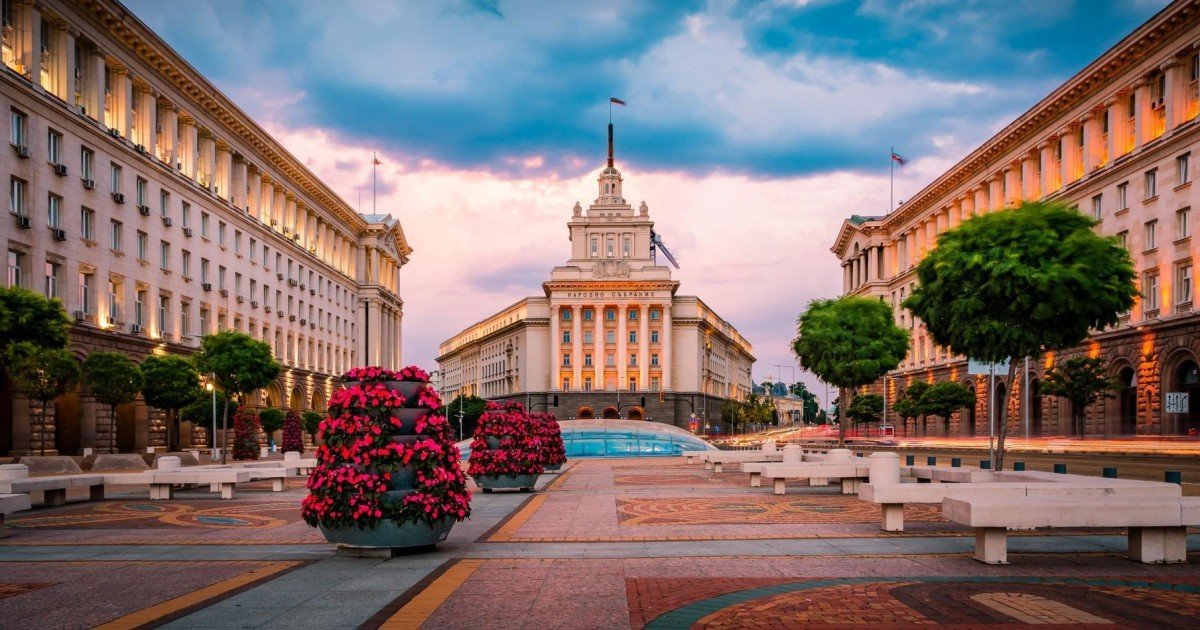
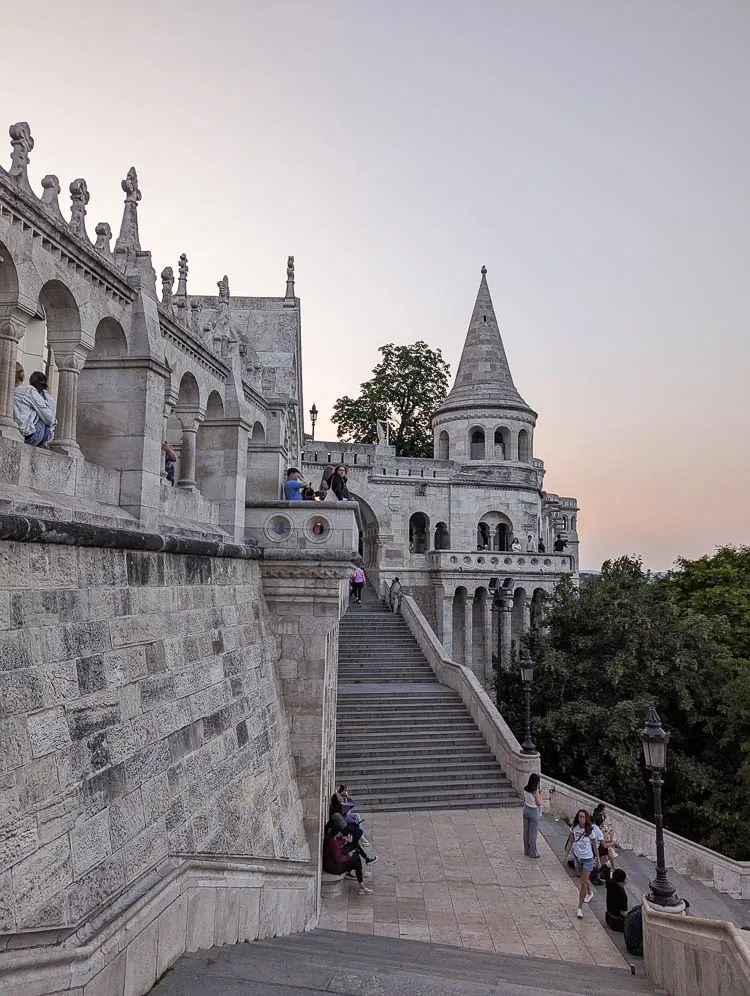
⚡ The TL;DR Verdict
For the budget-conscious traveler seeking authentic, unpretentious charm and stunning nature, Sofia is your pick, with a daily budget around $40-60. If you crave grand architecture, bustling nightlife, and a more polished, iconic European city experience, Budapest, at $70-100/day, will exceed expectations.
- Choose Sofia: Perfect for budget travelers, nature lovers (Vitosha is right there!), and those who appreciate a city with a raw, authentic, and less touristy feel. Great for an off-the-beaten-path adventure.
- Choose Budapest: Ideal for first-time Eastern/Central European visitors, history buffs, nightlife enthusiasts, and anyone looking for a city with iconic sights, thermal baths, and a more developed tourist infrastructure.
- Choose Both: If you have 7-10 days and want a comprehensive Central/Eastern European experience, combining them is highly recommended. A quick 1.5-hour flight connects these two distinct capitals, offering a perfect contrast.
Quick Comparison
| Category | Sofia | Budapest | Winner |
|---|---|---|---|
| Costs & Budget | Significantly cheaper across the board: food, transport, accommodation, and activities. Excellent value. | Still affordable compared to Western Europe, but noticeably more expensive than Sofia, especially for popular attractions and dining. | Sofia |
| Culture & History | A fascinating blend of Roman, Ottoman, and Soviet influences, with impressive Orthodox cathedrals and ancient ruins. | Grand Austro-Hungarian architecture, iconic thermal baths, and poignant history from both world wars and communism. | Budapest |
| Nightlife | Lively but more local, with cozy bars, traditional taverns, and a growing club scene concentrated in specific areas. | World-famous ruin bars, diverse clubs, boat parties on the Danube, and a buzzing, international atmosphere. | Budapest |
| Food Scene | Hearty, traditional Balkan cuisine with fresh salads, grilled meats, and delicious pastries. Authentic and satisfying. | Robust Hungarian dishes like goulash and lángos, complemented by a sophisticated modern dining scene and vibrant street food. | Budapest |
| Accommodation | Excellent value for money, with clean and modern hostels, boutique hotels, and spacious apartments at budget-friendly prices. | Wide range of options from luxury hotels to stylish hostels, but prices are generally higher than Sofia for similar quality. | Sofia |
| Getting There | Served by Sofia Airport (SOF), a major hub for low-cost carriers, with good connections but fewer direct long-haul flights. | Served by Ferenc Liszt International (BUD), a larger and better-connected airport with more direct flights from major international hubs. | Budapest |
| Getting Around | Compact city center, easily walkable, excellent modern metro system and trams covering key areas. | Extensive and efficient public transport network (metro, trams, buses), very walkable core, with historic tram lines. | Budapest |
| Day Trips | Home to the stunning Rila Monastery, Boyana Church, and the hiking opportunities of Vitosha Mountain right on the city's doorstep. | Picturesque Danube Bend towns like Szentendre, the historic city of Eger, and relaxing Lake Balaton. | Sofia |
| Weather & Seasons | Continental climate with hot, dry summers and cold, snowy winters. Pleasant shoulder seasons (spring/autumn). | Similar continental climate, with hot and often humid summers, and cold, sometimes snowy winters. Spring and autumn are ideal. | Tie |
| Overall Vibe & Friendliness | Authentic, grittier, and less touristy, offering a feeling of discovery. Locals are genuinely friendly once you break the ice. | More polished, grand, and bustling, with a vibrant energy. Can feel more touristy but still welcoming and lively. | Sofia |
💸 Costs & Budget
When it comes to stretching your travel dollar, Sofia is the clear winner. You'll find a single metro ticket for just BGN 1.60 (~$0.90) compared to HUF 350 (~$1.00) in Budapest, but the difference really adds up for meals and drinks. A hearty traditional Bulgarian meal with a beer at a local restaurant like Hadjidraganov's Cellars might set you back BGN 20-30 (~$11-17), while a comparable experience in Budapest at a mid-range Hungarian place like Gettó Gulyás could easily be HUF 5000-8000 (~$14-23). Hostels in Sofia average BGN 20-35 (~$11-20) for a dorm, while Budapest hostels like Wombats City Hostel are more like HUF 5000-8000 (~$14-23). Even a craft beer in Sofia is often BGN 5-7 (~$3-4), whereas in Budapest, it’s closer to HUF 900-1200 (~$2.50-3.50), slightly more expensive. The overall feeling in Sofia is one of incredible value, making luxury experiences like spa treatments or fine dining surprisingly accessible. "Sofia felt like I was cheating, everything was so cheap, especially the food and drinks!" remarked one Redditor on r/travel.
Winner takeaway
- Winner: Sofia
- Why: Sofia offers exceptional value for money, allowing travelers to enjoy more experiences for less.
- Who this matters for: Budget-conscious travelers, backpackers, and anyone seeking maximum value.
🏛️ Culture & History
Budapest truly shines with its architectural grandeur and layers of history. From the neo-Gothic splendor of the Parliament Building and the medieval charm of Buda Castle to the Chain Bridge and the opulence of the Széchenyi Thermal Bath, the city is packed with iconic sights that are instantly recognizable. Its rich Austro-Hungarian past is evident everywhere, contrasting with its more recent communist history visible at Memento Park. Sofia, while historically profound, presents its history in a more understated, sometimes even chaotic way. You'll find ancient Roman ruins (like the Serdica Amphitheatre) nestled between modern buildings, the majestic Alexander Nevsky Cathedral, and the unique Boyana Church. However, the sheer scale and concentration of 'wow factor' historical sites and cultural institutions like the Hungarian State Opera House give Budapest the edge. Sofia's Ottoman and Soviet past is palpable, but it doesn't boast the same immediate visual impact. "Budapest's architecture just hits different, every corner is a postcard, way more grand than Sofia, in my opinion," a traveler shared on r/europe.
Winner takeaway
- Winner: Budapest
- Why: Budapest offers a greater concentration of grand, iconic historical landmarks and a more immediately captivating cultural experience.
- Who this matters for: History buffs, architecture enthusiasts, and those seeking 'postcard-perfect' European grandeur.
🎉 Nightlife
Budapest is hands-down one of Europe's top nightlife destinations, largely thanks to its unique ruin bars. Places like Szimpla Kert, Instant & Fogas, and Anker't are institutions, offering multi-room complexes with eclectic decor, cheap drinks, and a truly unforgettable atmosphere. Beyond the ruin bars, there's a thriving club scene, jazz clubs, and countless pubs. Sofia's nightlife is vibrant and fun but feels more localized and less overwhelming for first-timers. Vitosha Boulevard has many trendy bars and cafes, and the Studentski Grad (Student City) area is packed with clubs. However, it lacks the unique, world-renowned concept of Budapest's ruin bars. You'll find great spots like 'The Corner' or 'Bar Flip' for cocktails, and numerous rakia bars for a traditional Bulgarian experience, but the variety and sheer scale of Budapest's offerings are unmatched. Expect to pay around BGN 5-8 (~$3-4.50) for a standard drink in Sofia, while in Budapest it's more like HUF 1000-1500 (~$2.80-4.20). "You can't go to Budapest and not get lost in a ruin bar, it's an experience you just don't get anywhere else," a Redditor from r/solotravel advised.
Winner takeaway
- Winner: Budapest
- Why: Budapest's unique ruin bar scene and broader variety of venues offer a more iconic and diverse nightlife experience.
- Who this matters for: Party-goers, social travelers, and those looking for unique and famous nightlife experiences.
🍽️ Food Scene
While Sofia offers incredibly satisfying and affordable traditional Bulgarian fare, Budapest presents a more diverse and, arguably, more refined food scene. In Sofia, you'll fall in love with Shopska Salata (a fresh salad), Banitsa (cheese pastry, often BGN 2-4 / ~$1-2), and various grilled meats (kebapche, kyufte). Places like Moma Bulgarian Food & Wine or Shtastliveca offer excellent modern takes on classics. However, Budapest's culinary landscape is broader. Beyond iconic dishes like Goulash (HUF 3000-5000 / ~$8-14), Lángos (fried dough, HUF 1000-2000 / ~$3-6), and Chimney Cake (Kürtőskalács, HUF 1500-2500 / ~$4-7), you'll find a thriving fine dining scene, excellent international restaurants, and bustling food markets like the Central Market Hall. The city embraces street food trends and offers more options for different dietary needs and tastes. "Bulgarian food is surprisingly underrated, especially the grilled meats and salads, but Budapest just has so much more variety and some truly world-class restaurants," commented a food enthusiast on r/travel.
Winner takeaway
- Winner: Budapest
- Why: Budapest boasts a more diverse and sophisticated culinary scene, combining traditional favorites with modern gastronomy and international options.
- Who this matters for: Foodies, gourmands, and travelers seeking diverse dining experiences beyond traditional fare.
🏨 Accommodation
Sofia truly shines when it comes to accommodation value. You can find incredibly stylish and well-located boutique hotels for prices that would barely get you a basic room in many other European capitals. For example, a charming mid-range hotel like Hotel Leda or HYATT REGENCY SOFIA can be booked for BGN 120-200 (~$65-110) a night, offering excellent amenities. Hostels like Art Hostel or Hostel Mostel provide clean, comfortable dorms for BGN 20-35 (~$11-20). In Budapest, while there's a fantastic selection from luxurious options like the Four Seasons Gresham Palace to popular hostels like Wombats City Hostel, the prices are notably higher. A mid-range hotel like Hotel Rum or Hotel Clark might run HUF 30,000-50,000 (~$85-140) per night, and a hostel dorm is typically HUF 5000-8000 (~$14-23). While Budapest offers more high-end luxury, Sofia delivers superior comfort and quality at a fraction of the cost across all categories. "I got a really nice private room with a balcony in Sofia for less than a dorm bed in some Western European cities, it was insane value," an r/solotravel user recounted.
Winner takeaway
- Winner: Sofia
- Why: Sofia offers significantly better value for accommodation, providing higher quality and comfort at lower prices.
- Who this matters for: Budget travelers, anyone who appreciates getting more for their money, and those seeking excellent value boutique stays.
✈️ Getting There
Budapest's Ferenc Liszt International Airport (BUD) is a significantly larger and better-connected hub than Sofia Airport (SOF). From major European cities like London, Frankfurt, or Amsterdam, you'll generally find more frequent and often cheaper direct flights to Budapest. For example, a flight from London to Budapest might take around 2.5 hours, while to Sofia it's similar, but Budapest has more carrier options. For travelers coming from North America, Budapest often has more direct or single-stop routes, making it an easier entry point into the region. Sofia Airport is a major base for low-cost carriers like Wizz Air and Ryanair, meaning cheap flights are plentiful from specific European cities, but direct long-haul connections are rare. If you're planning a trip from outside Europe, Budapest's accessibility usually wins. "Found a cheap flight to Budapest from almost everywhere in Europe, Sofia was a bit trickier sometimes, especially from the US," noted a traveler on r/travel.
Winner takeaway
- Winner: Budapest
- Why: Budapest's airport is a larger hub with more direct flight options and better international connectivity.
- Who this matters for: International travelers, those prioritizing direct flights, and visitors from outside Europe.
🚇 Getting Around
Both cities boast excellent public transport, but Budapest's network feels slightly more comprehensive and iconic. Budapest's metro, trams, and buses are incredibly efficient, connecting all major sights seamlessly. The Millennium Underground Railway (M1 line) is a UNESCO World Heritage site and a charming way to get around. A 24-hour travelcard costs HUF 2,500 (~$7). You can easily walk between many districts, and the trams (especially Tram 2 along the Danube) offer scenic rides. Sofia's public transport is also very good, with a modern and expanding metro system (single ticket BGN 1.60 / ~$0.90) that connects the airport and major attractions. The city center is highly walkable, making it easy to explore on foot. However, Budapest's network, with its greater historical significance and slightly more extensive reach, just edges it out for sheer convenience and unique experience. "Budapest's metro is so efficient, you can get everywhere without breaking a sweat, and those old yellow trams are just charming," a Redditor from r/hungary mentioned.
Winner takeaway
- Winner: Budapest
- Why: Budapest's public transport network is more extensive, iconic, and offers slightly better coverage for tourists.
- Who this matters for: Travelers who rely heavily on public transport and appreciate efficient, well-connected systems.
⛰️ Day Trips
Sofia takes the crown for day trips, primarily due to the awe-inspiring Rila Monastery. This UNESCO World Heritage site, with its vibrant frescoes and stunning mountain backdrop, is a truly world-class attraction and an absolute must-see, easily reachable by organized tour or rented car (about a 2-hour drive). The Boyana Church, another UNESCO site with incredible medieval frescoes, is also just a short bus ride away from the city center. Additionally, Vitosha Mountain offers fantastic hiking, skiing (in winter), and panoramic views of the city, literally accessible by public transport and cable car from Sofia itself. Budapest's day trips, while charming, don't quite reach the same level of unique grandeur. The Danube Bend towns like Szentendre (a picturesque artist village) are lovely, and Eger offers history and wine, but they don't have the same 'wow' factor as Rila. Lake Balaton is a beautiful destination but requires more time. "Rila Monastery is absolutely breathtaking, pictures don't do it justice; it was the highlight of my whole Bulgaria trip," an r/traveler exclaimed.
Winner takeaway
- Winner: Sofia
- Why: Sofia offers world-class, unique day trip destinations with significant cultural and natural beauty, including a mountain right on its doorstep.
- Who this matters for: Culture vultures, nature lovers, and those seeking truly memorable excursions outside the city.
☀️ Weather & Seasons
Both Sofia and Budapest experience very similar continental climates, meaning they both have distinct seasons. Summers (June-August) in both cities can be hot, often reaching 30-35°C (86-95°F), with Budapest sometimes feeling more humid due to the Danube. Winters (December-February) are cold, with temperatures often hovering around or below freezing, and snowfall is common in both. This makes the thermal baths in Budapest particularly appealing in winter, and Vitosha Mountain outside Sofia perfect for winter sports. Spring (April-May) and autumn (September-October) are generally considered the best times to visit either city, offering mild temperatures, fewer crowds, and beautiful scenery (blossoms in spring, colorful foliage in autumn). There isn't a significant climatic advantage of one over the other; the best time to visit depends entirely on your preferences for activities and tolerance for heat or cold. "Visited Budapest in December, freezing but the Christmas markets and thermal baths were magical. Sofia was similar cold but beautiful for skiing on Vitosha," a winter traveler shared on r/europe.
Winner takeaway
- Winner: Tie
- Why: Both cities share very similar continental climates, with ideal shoulder seasons and distinct summer/winter experiences.
- Who this matters for: Travelers planning trips around specific seasonal activities or those with a preference for certain temperatures.
🤗 Overall Vibe & Friendliness
Sofia has a unique, raw charm that many travelers find incredibly appealing. It feels less 'curated' for tourists than Budapest, offering a more authentic glimpse into local life. The city blends communist-era architecture with ancient ruins and modern street art, creating a unique urban tapestry. While initial interactions might seem reserved, Bulgarians are genuinely warm and helpful once you engage. You get a real sense of a city finding its identity. Budapest, on the other hand, is undeniably grand and elegant. Its bustling boulevards, vibrant squares, and iconic Danube views exude a more traditional European city vibe. It's lively and welcoming, but you'll encounter far more tourist crowds and infrastructure geared towards them. If you prefer feeling like an explorer rather than just another visitor, Sofia's unpretentious authenticity is a major draw. "Sofia felt more 'real' to me, less curated for tourists. People were genuinely helpful even with the language barrier, it was refreshing," an r/solotraveler noted.
Winner takeaway
- Winner: Sofia
- Why: Sofia offers a more authentic, less touristy, and 'real' experience, allowing for a deeper sense of discovery and local connection.
- Who this matters for: Adventure seekers, those who prefer off-the-beaten-path destinations, and travelers looking for genuine local interaction.
❓ Frequently Asked Questions
Is Sofia safe for solo female travelers?
Yes, Sofia is generally considered very safe for solo female travelers, even at night. Like any city, exercise common sense: be aware of your surroundings, avoid poorly lit areas, and don't flash valuables. The city center is well-lit and usually bustling.
What is the best time of year to visit Sofia or Budapest?
The shoulder seasons (April-May and September-October) are ideal for both cities, offering pleasant temperatures, fewer crowds, and vibrant scenery. Summers can be hot and humid, while winters are cold but magical with Christmas markets and thermal baths.
Can I drink tap water in Sofia and Budapest?
Yes, tap water is generally safe to drink in both Sofia and Budapest. While some locals might prefer bottled water, there are no widespread safety concerns. It's always a good idea to bring a reusable water bottle.
Is English widely spoken in Sofia and Budapest?
In Budapest, English is widely spoken, especially in tourist areas, hotels, and restaurants. In Sofia, English proficiency is good among younger generations and those in the tourism sector, but less common with older locals. Learning a few basic Bulgarian phrases is always appreciated.
What currencies are used in Sofia and Budapest?
Sofia uses the Bulgarian Lev (BGN), which is pegged to the Euro. Budapest uses the Hungarian Forint (HUF). It's always a good idea to have some local currency, though card payments are widely accepted in both cities.
How many days should I spend in each city?
For Sofia, 3 full days is usually enough to see the main sights and soak in the vibe, plus an extra day if you plan a day trip to Rila Monastery. For Budapest, 4-5 full days are recommended to explore its grand attractions, relax in a thermal bath, and experience its vibrant nightlife without feeling rushed.
Can I combine Sofia and Budapest in one trip?
Absolutely! Combining them offers a fantastic contrast. Direct flights between Sofia (SOF) and Budapest (BUD) are available and take approximately 1.5 hours. It's an efficient way to experience two distinct Eastern European capitals if you have 7-10 days.
What are the main architectural differences between the two cities?
Budapest showcases grand Austro-Hungarian Empire architecture, with ornate Parliament buildings, castles, and Art Nouveau influences. Sofia displays a fascinating mix of Roman ruins, Byzantine churches, Ottoman mosques, and prominent Soviet-era brutalist structures juxtaposed with modern developments, reflecting its more varied historical layers.
Ready to plan your Eastern Europe adventure?
Get a free custom itinerary for Sofia, Budapest, or both — built from real traveler insights and tailored to your preferences.
🎟️ Book Tours & Experiences
Hand-picked tours and activities for both destinations — book with free cancellation
Experiences via Viator — free cancellation on most tours