How we built this comparison
This page combines traveler discussion patterns, published price ranges, flight schedules, and seasonal data to help you decide between Sofia and Tbilisi.
- Reviewed 50+ Reddit threads from r/travel, r/solotravel, r/bulgaria, r/georgia, and r/digitalnomad for authentic traveler experiences and tips.
- Verified costs and logistics against current booking platforms (Booking.com, Skyscanner, Numbeo) to ensure realistic price ranges and travel times.
- Cross-referenced seasonal patterns and weather data from reliable sources to provide accurate best-time-to-visit recommendations.
⚡ The TL;DR Verdict
For budget-conscious travelers seeking a classic European city experience with easy day trips and vibrant nightlife, Sofia is your pick (budget ~$40-60/day). If you crave a more exotic, ancient, and gastronomic journey with stunning mountain escapes, Tbilisi (budget ~$50-75/day) will captivate you, though it requires a slightly higher daily spend.
- Choose Sofia: You're looking for a very affordable European capital with a laid-back vibe, easy access to nature and history, and direct flights from many European hubs. Great for first-time solo travelers or those on a tighter budget.
- Choose Tbilisi: You want an adventurous, culturally rich experience with incredible food, unique wine, dramatic landscapes, and a lively, welcoming atmosphere. Perfect for foodies, culture seekers, and those ready for a more 'exotic' European journey.
- Choose Both: If you have at least 10-14 days, connecting these two cities can be a fantastic two-country trip, offering a diverse blend of Balkan and Caucasian cultures. Consider a budget flight connection via Istanbul or Warsaw for efficiency, spending 4-5 days in each city.
Quick Comparison
| Category | Sofia | Tbilisi | Winner |
|---|---|---|---|
| Costs & Budget | One of Europe's cheapest capitals; food, transport, and accommodation are very budget-friendly. | Still affordable by Western standards, but prices have risen, especially for accommodation; food is excellent value. | Sofia |
| Food & Drink | Hearty Balkan cuisine with influences from Ottoman and Slavic traditions; good local wine and rakia. | World-renowned cuisine known for khachapuri, khinkali, and unique qvevri wine; a foodie paradise. | Tbilisi |
| Culture & History | Rich Roman, Ottoman, and Soviet history; ancient churches, thermal baths, and communist-era architecture. | Ancient Silk Road city with a captivating blend of Persian, Byzantine, Ottoman, and Soviet influences; unique architecture and religious sites. | Tbilisi |
| Nightlife | Lively bar scene concentrated around Vitosha Boulevard; diverse clubs and cheap drinks. | Booming electronic music scene, hidden bars in Old Town, and late-night wine bars. | Tbilisi |
| Nature & Day Trips | Mount Vitosha on the doorstep, easy access to Rila Monastery and Plovdiv. | Stunning Caucasus Mountains, ancient cave cities, and wine regions are easily accessible. | Tbilisi |
| Getting There & Around | Well-connected by low-cost airlines to Europe; efficient metro and public transport. | Fewer direct flights from Western Europe; public transport is good, but marshrutkas (vans) are common for intercity. | Sofia |
| Accommodation | Wide range of budget-friendly hostels and boutique hotels, good value for money. | Unique boutique hotels in Old Town, but prices have increased; excellent hostels. | Sofia |
| Safety & Vibe | Generally safe and relaxed European capital; friendly locals, less tourist hustle. | Very hospitable and safe; energetic, bustling atmosphere, some tourist scams possible. | Tie |
| Digital Nomad Friendliness | Affordable cost of living, good internet, growing co-working scene, easy EU access. | Very popular DN hub, special visa rules, strong community, good internet, rising costs. | Tbilisi |
| Weather & Seasons | Hot summers, cold winters with snow, pleasant spring/autumn. Continental climate. | Hot and humid summers, mild winters (less snow), pleasant spring/autumn. Subtropical/continental. | Sofia |
💰 Costs & Budget
Sofia consistently ranks as one of Europe's most affordable capitals, making your money stretch significantly further. A decent hostel bed can be found for 25-40 BGN (~$14-22), while a mid-range hotel room averages 80-120 BGN (~$45-65). A delicious meal at a casual restaurant like Happy Bar & Grill or a local eatery costs around 15-25 BGN (~$8-14), and public transport is a steal at 1.60 BGN (~$0.90) for a single ride. Tbilisi, while still cheaper than Western Europe, has seen prices climb in recent years due to its growing popularity. A hostel bed typically runs 35-60 GEL (~$13-22), with mid-range hotels like Hotel Sololaki starting from 150-250 GEL (~$55-90). A meal at a favorite like Shavi Lomi might be 30-50 GEL (~$11-18), and metro rides are 1 GEL (~$0.37). For a similar experience, Tbilisi often requires a 20-30% higher budget. As one Redditor put it, 'Sofia is ridiculously cheap, I ate out every meal and still barely spent anything. Tbilisi was good too, but you definitely feel the difference now.'
Winner takeaway
- Winner: Sofia
- Why: Sofia offers a noticeably lower overall cost of travel, from accommodation to dining and transport, making it the clear winner for budget-conscious travelers.
- Who this matters for: Budget travelers, long-term backpackers, and anyone looking to maximize their travel funds without sacrificing experience.
🍽️ Food & Drink
Tbilisi is an absolute culinary powerhouse, and arguably one of the best food cities in Europe. Georgian cuisine is a feast for the senses, famed for its diverse flavors and unique dishes. You'll find yourself indulging in perfectly spiced khinkali (dumplings), cheesy khachapuri (bread boat), flavorful shkmeruli (chicken in garlic sauce), and rich stews at places like Shavi Lomi or Puri Guliani. The wine scene is ancient and vibrant, with unique amber wines made in qvevri (clay amphorae) – try a tasting at Vino Underground. Sofia's food scene is robust with delicious Balkan staples like banitsa (cheese pastry), kyufte (meatballs), and shopska salad. Restaurants like Skapto Burger or Moma Bulgarian Food & Wine offer excellent modern takes on traditional dishes. Bulgarian rakia (fruit brandy) and local wines are also excellent. However, while Sofia's food is comforting and delicious, it doesn't quite reach the diverse, globally recognized heights of Georgian gastronomy. 'Tbilisi food just hits different. Every meal was an experience, especially the wine. Sofia was good, but honestly, I still dream about Georgian khachapuri,' a traveler shared on Reddit.
Winner takeaway
- Winner: Tbilisi
- Why: Tbilisi offers a more diverse, distinct, and globally celebrated culinary experience, particularly with its unique wine culture and iconic dishes.
- Who this matters for: Foodies, gastronomes, wine enthusiasts, and those looking for a unique culinary journey.
🏛️ Culture & History
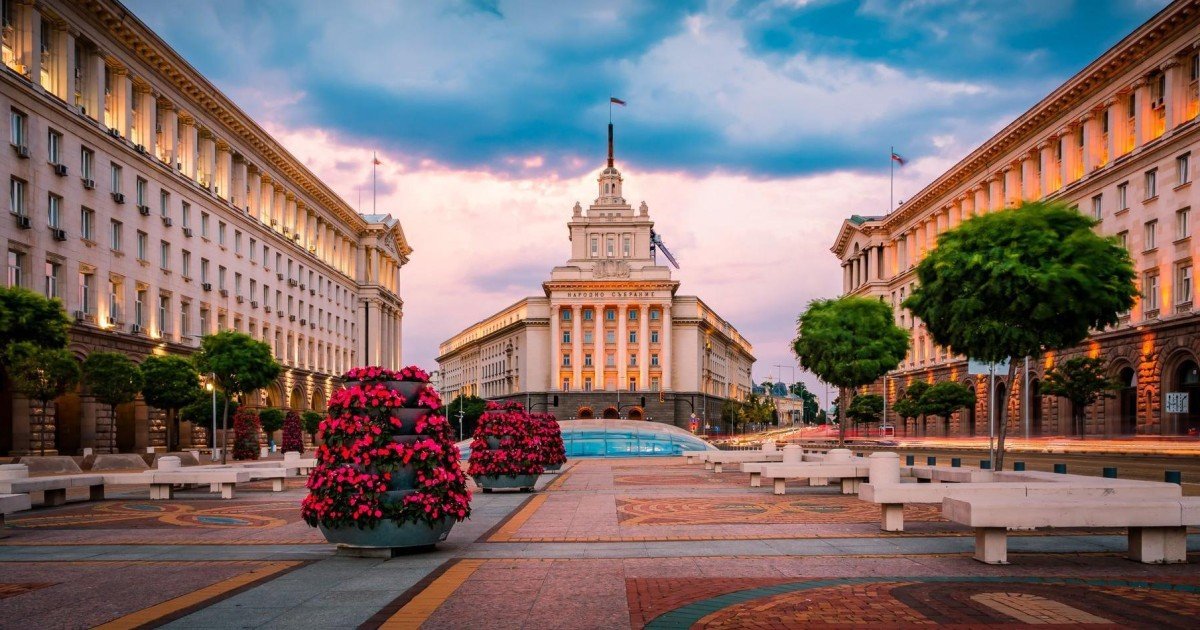
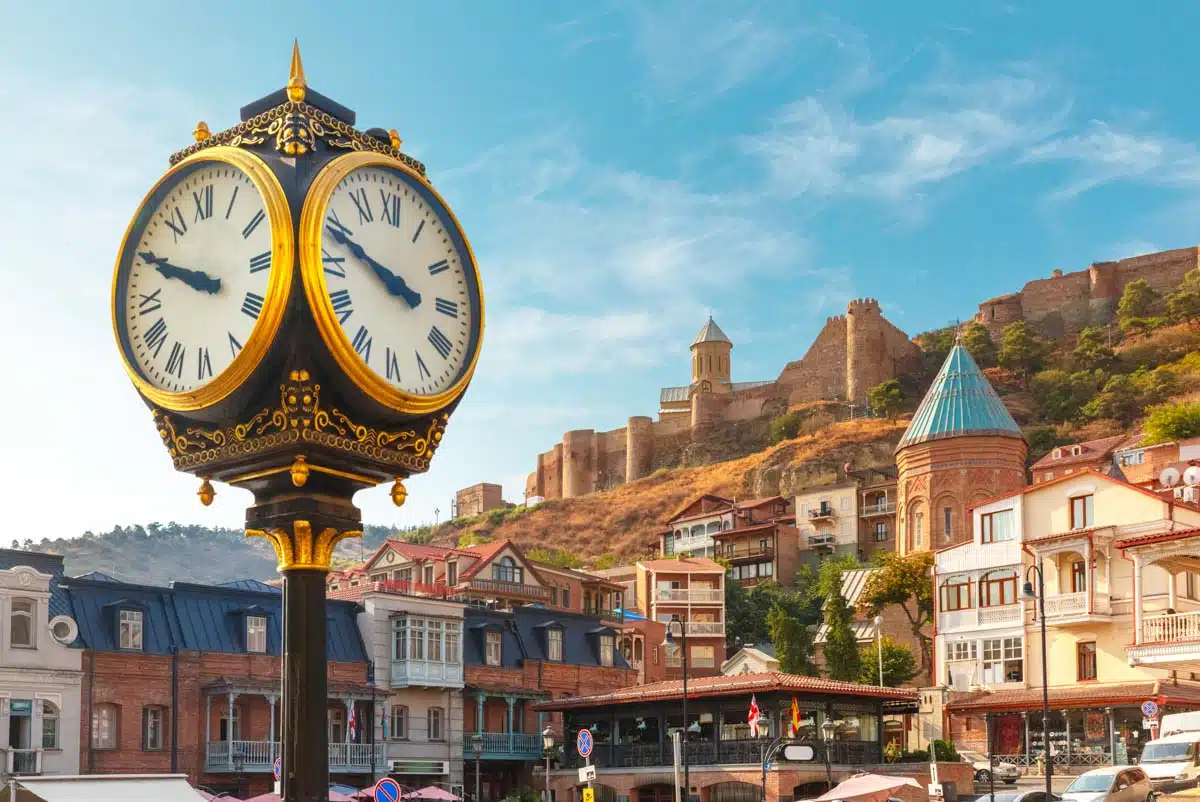
Tbilisi's cultural tapestry is incredibly rich and layered, reflecting centuries as a crossroads of empires. Its Old Town, nestled below the Narikala Fortress, is a maze of narrow streets, traditional wooden balconies, and ancient churches like Sioni Cathedral. The unique sulphur bathhouses in the Abanotubani district offer a glimpse into an age-old tradition. The city seamlessly blends ancient history with modern art and Soviet-era remnants, creating a truly distinct atmosphere. Sofia boasts its own impressive historical depth, evident in the St. George Rotunda, a 4th-century Roman brick church, and the majestic Alexander Nevsky Cathedral. The city also has Ottoman mosques and a fascinating communist past, visible in buildings around Largo Square. The National Museum of History is excellent, and the Vitosha Boulevard provides a modern contrast. While Sofia's history is profound, Tbilisi's exotic blend of cultures, dramatic setting, and visible layers of history, from its distinct architecture to its ancient religious sites, feel more profoundly unique and captivating. 'Tbilisi just *feels* older and more stories are hidden in every corner. Sofia is cool, but Tbilisi's history is more in-your-face amazing,' commented a Reddit user.
Winner takeaway
- Winner: Tbilisi
- Why: Tbilisi's ancient Silk Road heritage and unique blend of architectural and cultural influences create a more visually stunning and historically immersive experience.
- Who this matters for: History buffs, architecture enthusiasts, and those seeking a truly unique cultural immersion.
nightlife Nightlife
Tbilisi has emerged as a major player in the European electronic music scene, rivaling Berlin with its world-class clubs like Bassiani and Khidi. These venues are known for their raw, industrial vibe and draw international DJs. Beyond the techno, the city's Old Town is dotted with cozy wine bars like Vino Underground, speakeasies, and lively pubs, offering something for every taste until the early hours. Sofia's nightlife is also vibrant and budget-friendly, primarily centered around Vitosha Boulevard and the Student City district. You'll find a range of pubs, cocktail bars, and clubs like PM Club or Bedroom. Drinks are cheap, and the atmosphere is generally energetic. However, while Sofia offers a great night out, Tbilisi's unique underground club culture and the sheer variety of its nightlife, from ancient wine cellars to cutting-edge techno, gives it an edge. 'Tbilisi's club scene blew my mind, felt like I was in Berlin but way more chill. Sofia was fun, but not on that level,' a traveler noted.
Winner takeaway
- Winner: Tbilisi
- Why: Tbilisi boasts a more globally recognized and diverse nightlife, particularly its acclaimed electronic music scene and unique wine bar culture.
- Who this matters for: Party-goers, electronic music fans, and those who enjoy late-night cultural experiences.
🏞️ Nature & Day Trips
Tbilisi is your gateway to the breathtaking Caucasus Mountains, offering dramatic landscapes and unforgettable day trips. A trip to Kazbegi (Stepantsminda) to see Gergeti Trinity Church against the backdrop of Mount Kazbek is iconic. You can also explore the ancient cave city of Uplistsikhe, the UNESCO World Heritage site of Mtskheta, or the wine region of Kakheti. These destinations offer incredible scenery and deep historical insights, often just a few hours' drive. Sofia has Mount Vitosha right on its periphery, perfect for a quick hike or ski trip, and the city offers excellent day trips to the Rila Monastery, a stunning UNESCO site, and Plovdiv, one of Europe's oldest continuously inhabited cities with a charming Old Town. While both offer fantastic options, Tbilisi's access to the sheer grandeur of the Caucasus, with its rugged beauty and unique cultural sites, feels more awe-inspiring and adventurous. 'The drive to Kazbegi from Tbilisi was probably the most beautiful thing I've ever seen. Sofia's day trips are good, but Georgia's nature is just next level,' a traveler remarked.
Winner takeaway
- Winner: Tbilisi
- Why: Tbilisi provides access to the more dramatic and diverse natural landscapes of the Caucasus Mountains, alongside unique historical sites like cave cities.
- Who this matters for: Outdoor enthusiasts, photographers, and those seeking epic natural beauty and ancient sites.
✈️ Getting There & Around
Sofia enjoys excellent connectivity, especially with budget airlines like Wizz Air and Ryanair, making it incredibly easy and cheap to reach from numerous European cities (e.g., London to Sofia ~3 hours, often <$50). Sofia Airport (SOF) is just 20 minutes from the city center by metro. Once in the city, the metro, trams, and buses are efficient, modern, and cheap (1.60 BGN / ~$0.90 per ride). Tbilisi's Shota Rustaveli International Airport (TBS) has fewer direct budget connections from Western Europe, often requiring a layover in Istanbul, Warsaw, or similar hubs (e.g., London to Tbilisi ~4.5-5 hours, typically >$150). From the airport, a bus or taxi is needed to reach the city. Within Tbilisi, the metro is good, and taxis via apps like Bolt are very affordable. However, for intercity travel, marshrutkas (minivans) are the primary mode, which can be an experience but aren't always comfortable or clearly signposted for tourists. 'Sofia was ridiculously easy to get to and around. Tbilisi took a bit more planning for flights and the marshrutkas were an adventure, but not for everyone,' a seasoned traveler commented.
Winner takeaway
- Winner: Sofia
- Why: Sofia offers superior air connectivity from Europe and a more straightforward, comfortable, and modern public transport system both within the city and for day trips.
- Who this matters for: Travelers prioritizing convenience, direct flights, and easy urban navigation; those averse to less structured public transport.
🏨 Accommodation
Sofia offers exceptional value for accommodation. You can find well-regarded hostels like Hostel Mostel for as little as 25 BGN (~$14) a night for a dorm, or charming boutique hotels like Sense Hotel Sofia for 150-250 BGN (~$85-140) in prime locations. The quality-to-price ratio is outstanding, with clean, modern, and centrally located options widely available. Tbilisi's accommodation scene has boomed, offering unique stays in beautifully restored traditional buildings in the Old Town, alongside modern options. Hostels like Fabrika Hostel & Suites are popular, with dorms around 35-60 GEL (~$13-22). Mid-range hotels like Hotel Sololaki or Rooms Hotel Tbilisi can range from 180-350 GEL (~$65-130) or even higher for popular dates. While Tbilisi offers unique aesthetics, the price point for comparable quality is generally higher than in Sofia. Finding cheap, well-located private rooms in Tbilisi can be trickier, especially during peak season. 'I snagged a private room in Sofia for what I paid for a dorm in Tbilisi. Value-wise, Sofia crushes it for accommodation,' a Reddit user shared.
Winner takeaway
- Winner: Sofia
- Why: Sofia provides better value for money across all accommodation types, offering high-quality options at significantly lower prices than Tbilisi.
- Who this matters for: Budget travelers, those seeking excellent value, and anyone prioritizing saving on lodging without compromising quality.
🛡️ Safety & Vibe
Both Sofia and Tbilisi are generally considered very safe cities for tourists, even for solo female travelers, though standard precautions should always be observed. Sofia has a more laid-back, relaxed European capital vibe. Locals are friendly, but less overtly expressive than Georgians. There's less tourist hustle, making it feel very comfortable and easy to navigate. Petty crime like pickpocketing can occur in crowded areas, but violent crime is rare. Tbilisi, on the other hand, exudes an incredibly hospitable and welcoming atmosphere. Georgians are renowned for their warmth and generosity towards guests, often going out of their way to help. The city itself feels more energetic and bustling, with a captivating blend of ancient charm and modern buzz. While generally safe, some tourists report minor scams (e.g., inflated taxi fares before ride-sharing apps became prevalent) or persistent beggars, though these are not widespread issues. 'Both felt super safe, but Tbilisi had this buzzing energy and the locals were incredibly warm. Sofia was chill, but less interactive,' a traveler shared. It's a tie, as both excel in different aspects of 'vibe' and safety is high in both.
Winner takeaway
- Winner: Tie
- Why: Both cities offer high levels of safety and distinct but equally appealing vibes; Sofia is more relaxed, while Tbilisi is more energetic and overtly hospitable.
- Who this matters for: All travelers, as both cities provide a secure and welcoming environment, catering to different preferences for urban atmosphere.
💻 Digital Nomad Friendliness
Tbilisi has firmly established itself as a premier destination for digital nomads, largely due to Georgia's liberal visa policy (many nationalities can stay for a year without a visa) and its 'Remotely From Georgia' program. The city boasts a thriving international nomad community, numerous co-working spaces like Fabrika and Terminal, excellent internet speeds, and a vibrant social scene. While costs have risen, it's still very manageable for a good quality of life. Sofia is also a strong contender, offering an even lower cost of living, good internet infrastructure, and a growing number of co-working spaces like Coworking by Campus X. As an EU member, it provides easy access to Schengen Area travel. However, the nomad community isn't as large or as established as Tbilisi's, and visa rules are standard Schengen for non-EU citizens. The overall 'vibe' and specific government initiatives in Tbilisi create a more tailored and attractive environment for long-term remote workers. 'Tbilisi just gets it for nomads. The visa, the community, the cafes you can work from everywhere. Sofia is good, but it's not the same level of nomad focus,' a digital nomad posted.
Winner takeaway
- Winner: Tbilisi
- Why: Tbilisi offers more favorable long-term visa policies, a larger and more established digital nomad community, and a city infrastructure more geared towards remote workers.
- Who this matters for: Digital nomads, remote workers, and long-term travelers seeking a base with a strong expat community and favorable living conditions.
☀️ Weather & Seasons
Sofia experiences a continental climate with four distinct seasons. Summers (June-August) can be hot, with temperatures often reaching 30-35°C (86-95°F), making early mornings and evenings best for sightseeing. Winters (December-February) are cold and snowy, often dropping below 0°C (32°F), perfect for skiing on nearby Vitosha. Spring (April-May) and autumn (September-October) are generally mild and pleasant, with comfortable temperatures and beautiful foliage. Tbilisi also has hot summers, often more humid than Sofia, with temperatures frequently above 30°C (86°F). Its winters are generally milder and less snowy than Sofia's, though it can still get cold. The city sits in a valley, which can trap heat in summer and lead to less wind. Spring (late April-June) and autumn (September-November) are ideal for visiting Tbilisi, offering delightful weather for exploring. While both have similar 'best times to visit,' Sofia's proximity to mountains offers more reliable snow for winter sports and a slightly less humid summer experience due to its higher elevation. 'I loved Tbilisi in October, perfect weather. But Sofia in February for skiing and then exploring the city was really unique. Better winter vibe there,' a Reddit user mentioned.
Winner takeaway
- Winner: Sofia
- Why: Sofia offers a more predictable continental climate with clearer seasonal distinctions, better access to winter sports, and less intense summer humidity.
- Who this matters for: Travelers seeking distinct seasonal experiences, winter sports enthusiasts, and those sensitive to high summer humidity.
❓ Frequently Asked Questions
Is Sofia or Tbilisi better for solo female travelers?
Both cities are considered very safe for solo female travelers. Sofia offers a relaxed, easy-to-navigate experience, while Tbilisi is known for its incredible hospitality and a strong sense of community. Basic precautions against petty crime are always advised, but you'll generally feel secure in either destination.
Which city has better English speakers?
You'll find more English speakers in both cities among younger generations and in tourist-focused areas like hotels, major attractions, and modern restaurants. Sofia, being in the EU, might have a slight edge in general English proficiency, but Tbilisi's growing tourism and digital nomad scene means many locals are very comfortable with English too. Google Translate and basic phrases will help in both.
Are there good options for vegetarian/vegan food in Sofia and Tbilisi?
Yes, both cities have increasingly good options for vegetarians and vegans. In Sofia, you'll find dedicated vegan restaurants and many traditional dishes that are naturally vegetarian or can be adapted. Tbilisi, while meat-heavy in some traditional cuisine, has numerous vegetable-based dishes like lobio (bean stew), pkhali (vegetable paste), and, of course, many khachapuri variations. Modern cafes and international restaurants in both cities cater well to these diets.
How many days should I spend in each city?
For Sofia, 3-4 full days are usually sufficient to explore the main sights and enjoy the city's atmosphere, with an extra day for a trip to Rila Monastery or Plovdiv. For Tbilisi, you'll want at least 4-5 full days to truly soak in its unique vibe, explore the Old Town, and enjoy the food scene, plus additional days for excursions to Kazbegi or Kakheti wine region.
What's the best way to get from Sofia to Tbilisi?
There are no direct train or bus connections. The most practical way is to fly. You'll likely need a layover in a major hub like Istanbul (Turkish Airlines), Warsaw (LOT Polish Airlines), or Athens. Flight times can range from 5-8 hours depending on the layover, and costs vary significantly.
Do I need a visa for Bulgaria or Georgia?
For Bulgaria (EU member), standard Schengen visa rules apply. Many nationalities (US, Canada, UK, Australia, EU) can enter visa-free for up to 90 days within a 180-day period. For Georgia, visa requirements are very liberal; citizens of over 90 countries (including US, Canada, UK, EU, Australia) can enter and stay for up to one full year without a visa, making it particularly attractive for long-term travelers and digital nomads.
Are taxis reliable and affordable in both cities?
Yes, taxis are generally affordable in both cities. In Sofia, it's best to use apps like Yellow! or check with your accommodation for reputable companies to avoid overcharging. In Tbilisi, Bolt (similar to Uber) is widely used, reliable, and very cheap, making it the preferred method for getting around for tourists. Always confirm the price or ensure the meter is running.
Which city is better for art and street art?
Tbilisi definitely takes the lead for street art and a thriving contemporary art scene, especially around areas like Fabrika, which is a hub for artists and creatives. Its unique blend of old and new provides a fantastic canvas. Sofia has some interesting street art and galleries, but it doesn't have the same pervasive, vibrant, and celebrated artistic energy as Tbilisi.
Ready to plan your Balkan or Caucasus adventure?
Get a free custom itinerary for Sofia, Tbilisi, or both — built from real traveler insights.
🎟️ Book Tours & Experiences
Hand-picked tours and activities for both destinations — book with free cancellation
Experiences via Viator — free cancellation on most tours