How we built this comparison
This page combines traveler discussion patterns, published price ranges, flight schedules, and seasonal data to help you decide between South Africa and South Korea.
- Reviewed 500+ Reddit threads from r/travel, r/solotravel, r/SouthAfricaTravel, r/koreatravel, and related subreddits.
- Verified costs and logistics against current booking platforms (Booking.com, Skyscanner, Google Flights, local tour operators).
- Cross-referenced seasonal patterns and weather data from meteorological sources for optimal travel timing.
- Consulted official tourism board information and recent traveler blogs for practical insights.
⚡ Quick Answers
⚡ The TL;DR Verdict
South Africa is the pick for travelers prioritizing expansive natural experiences, wildlife encounters, and a more rugged adventure, generally costing $80-120 per day. South Korea suits those who value efficiency, cutting-edge urban environments, and well-preserved historical sites, with daily expenses closer to $100-150. For a traveler seeking a more predictable and streamlined journey, South Korea holds a slight edge.
- Choose South Africa: You want safari experiences in Kruger National Park, wine tasting in Stellenbosch, or coastal drives along the Garden Route. You are comfortable with varying infrastructure and want a higher adventure quotient.
- Choose South Korea: You prioritize efficient public transportation, high-speed internet, organized cultural sites like Gyeongbokgung Palace, and vibrant city life in Seoul or Busan. You appreciate order and ease of navigation.
- Choose Both: Consider a longer, multi-month trip to experience diverse continents. Start with South Korea for urban exploration and cultural immersion, then head to South Africa for wildlife and outdoor activities. This would require at least 3-4 weeks for each country.
Choose South Africa
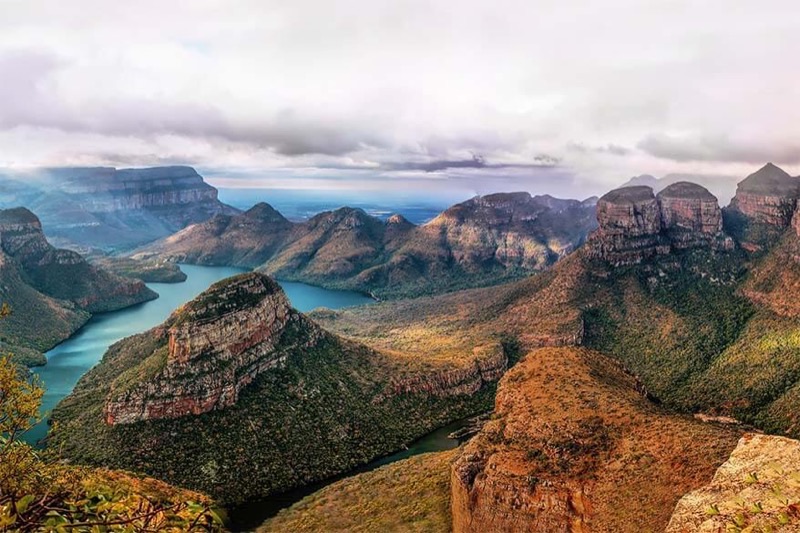
Choose South Africa if you crave expansive natural beauty and thrilling wildlife encounters, from a safari in Kruger National Park to exploring the dramatic Drakensberg Mountains or enjoying world-class wines in Stellenbosch. It's best for adventurous travelers and nature enthusiasts seeking authentic, immersive outdoor experiences at a daily budget typically ranging from $80-120.
Choose South Korea
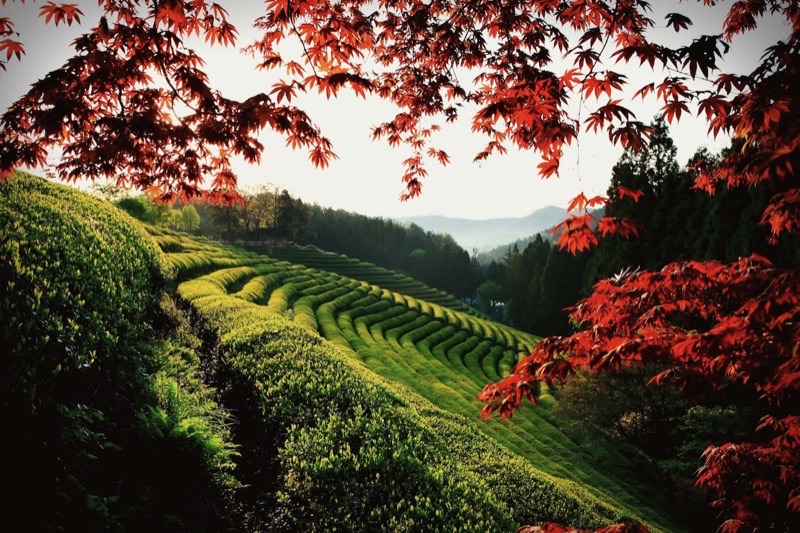
Opt for South Korea if you're drawn to cutting-edge urban environments, ancient traditions, and unparalleled efficiency. It's best for modern culture buffs and foodies eager to navigate Seoul's vibrant Myeongdong, discover serene temples, or visit historical sites like Gyeongbokgung Palace, all within a well-organized and safe setting, usually costing $100-150 per day.
📊 Visual Scorecard
🌤 When to Visit
Average high temperatures (°C). Green = best months, orange = avoid.
Quick Comparison
| Category | South Africa | South Korea | Winner |
|---|---|---|---|
| Costs & Budget | Generally more affordable for accommodation, food, and activities once internal transport is sorted. Safaris are the main budget driver. | Higher baseline costs for lodging and food, but excellent value for public transport and many cultural experiences. | South Africa |
| Safety & Security | Requires vigilance, particularly in urban areas. High crime rates are a concern, but tourist areas are generally safer with precautions. | Among the safest countries globally, with low crime rates and a strong sense of public order. | South Korea |
| Nature & Wildlife | Renowned for diverse wildlife (Big Five safaris) and dramatic landscapes from mountains to coastlines. | Mountainous terrain, national parks, and coastal areas offer beauty, but without large-scale megafauna. | South Africa |
| Culture & History | Complex history of apartheid and colonial past, diverse indigenous cultures, and vibrant arts scenes. | Thousands of years of dynastic history, Confucian traditions, and modern cultural exports. | South Korea |
| Food & Drink | Meat-centric cuisine with influences from various cultures; excellent wine regions. | Diverse, often spicy, and savory cuisine with a strong emphasis on communal dining and fermentation. | South Korea |
| Getting Around | Best with a rental car for flexibility, limited reliable public transport between cities. | Excellent, highly efficient public transportation system (subways, trains, buses) covering the entire country. | South Korea |
| Accommodation | Wide range from budget hostels to luxury safari lodges and guesthouses. Good value at mid-range. | Modern hotels, guesthouses, and unique traditional hanok stays. Generally higher priced. | South Africa |
| Nightlife & Entertainment | Lively bar and club scenes in major cities, live music, and diverse cultural performances. | Dynamic nightlife in Seoul and Busan with K-Pop clubs, themed bars, and unique cultural experiences. | South Korea |
| Beaches & Coastlines | Extensive, diverse coastlines with cold Atlantic and warmer Indian Ocean beaches, dramatic cliffs, and marine life. | Popular sandy beaches along the East and South Seas, volcanic coastlines on Jeju Island. | South Africa |
| Solo Travel Experience | Requires careful planning due to safety concerns and transport; rewarding for independent adventurers. | Extremely well-suited for solo travelers due to safety, efficient transport, and ease of navigation. | South Korea |
💸 Costs & Budget
South Africa offers a more budget-friendly experience, especially outside of high-end safaris. A mid-range daily budget for a solo traveler can be around ZAR 1500-2200 ($80-120…
South Africa
South Korea
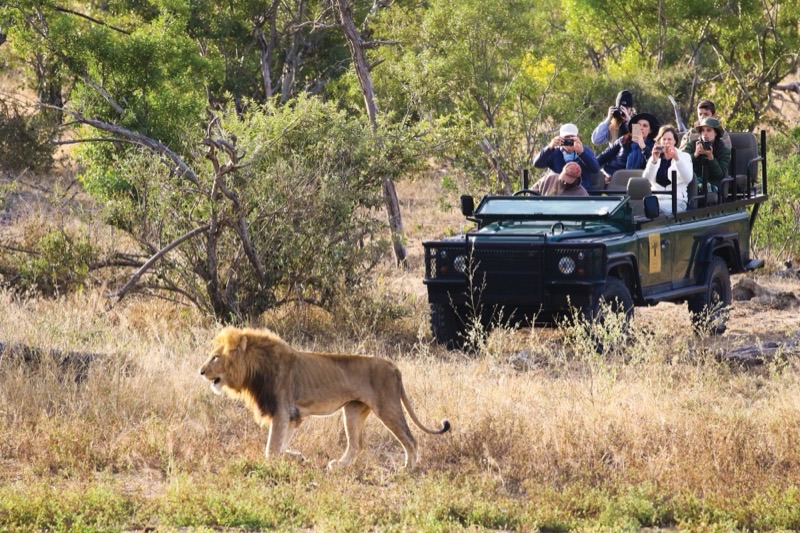
South Africa offers a more budget-friendly experience, especially outside of high-end safaris. A mid-range daily budget for a solo traveler can be around ZAR 1500-2200 ($80-120 USD), covering a comfortable guesthouse (ZAR 700-1000/$40-55 USD), local meals (ZAR 150-300/$8-16 USD per meal), and activities like museum entries or a modest guided tour. Self-driving and cooking in self-catering units further reduces costs. Safari packages, however, can quickly elevate this, with budget options starting around ZAR 3000-5000 ($160-270 USD) per day for a Kruger tour including accommodation and game drives, and luxury options significantly higher.
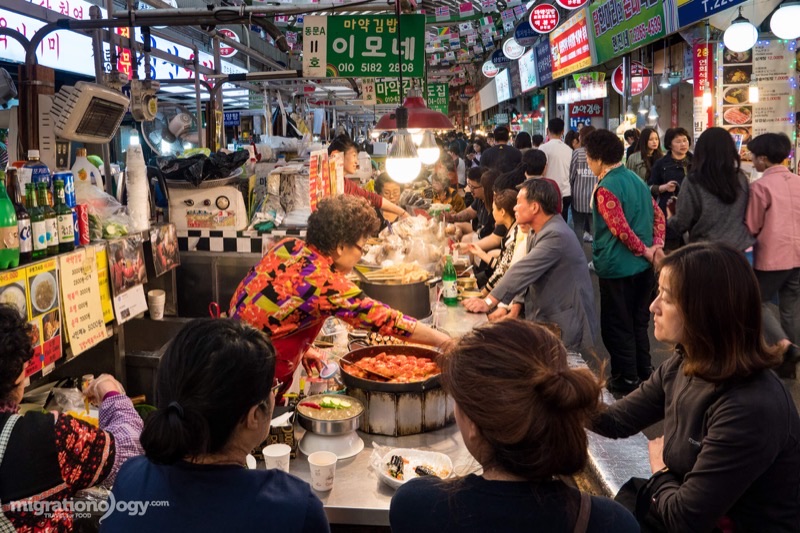
South Korea's costs are higher across the board, particularly in Seoul. A mid-range daily budget for a solo traveler is typically KRW 130,000-190,000 ($100-150 USD). This includes a decent hotel room (KRW 70,000-100,000/$55-80 USD), restaurant meals (KRW 10,000-20,000/$8-16 USD per meal), and public transport (KRW 1,500-2,500/$1.20-2 USD per ride). Activities like entry to Gyeongbokgung Palace are modest (KRW 3,000/$2.50 USD), but shopping and nightlife can add up quickly. Transportation via KTX high-speed rail is efficient but not cheap, e.g., Seoul to Busan is around KRW 60,000 ($45 USD). South Africa wins for overall affordability, provided you manage safari expenses.
- Winner: South Africa
- Why: South Africa offers more opportunities for significant cost savings on daily expenses outside of high-end experiences.
- Who this matters for: Budget-conscious travelers and those looking to extend their trip duration without breaking the bank.
🛡️ Safety & Security
South Africa has a reputation for high crime rates, which means travelers need to be aware of their surroundings and take precautions. This includes avoiding walking alone at…
South Africa

South Korea
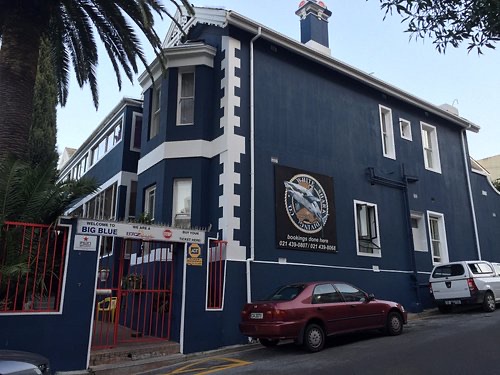
South Africa has a reputation for high crime rates, which means travelers need to be aware of their surroundings and take precautions. This includes avoiding walking alone at night, being cautious with visible valuables, and researching safe neighborhoods in cities like Johannesburg or Cape Town. Carjackings and petty theft are concerns, particularly for self-driving tourists. However, popular tourist areas like the V&A Waterfront in Cape Town, parts of the Garden Route, and private game reserves are generally secure due to concentrated security efforts. Travelers often use services like Uber or reputable tour operators rather than relying on public transport in some areas.
South Korea is widely considered one of the safest countries in the world. Crime rates are exceptionally low, even in major cities like Seoul. Travelers often feel comfortable walking alone at night, using public transport at all hours, and carrying their belongings without constant worry. Pickpocketing is rare, and violent crime is almost non-existent for tourists. The general public is helpful, and there's a strong respect for order. This allows for a relaxed and worry-free exploration experience. South Korea is the clear choice for travelers prioritizing a worry-free environment.
- Winner: South Korea
- Why: South Korea offers an exceptionally safe environment, allowing travelers to explore without constant vigilance.
- Who this matters for: Solo travelers, families with children, and anyone prioritizing peace of mind and low-stress exploration.
🦒 Nature & Wildlife
South Africa is a premier destination for wildlife and natural landscapes. Kruger National Park offers some of the best safari experiences globally, with reliable sightings of…
South Africa
South Korea
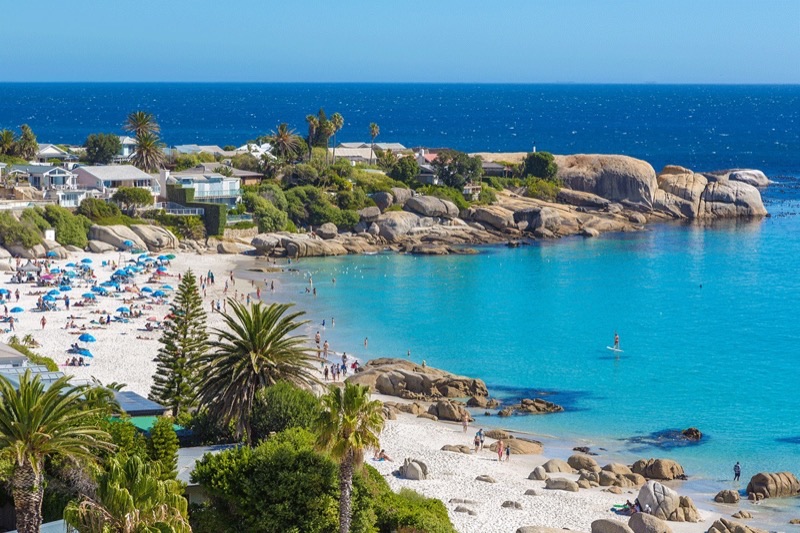
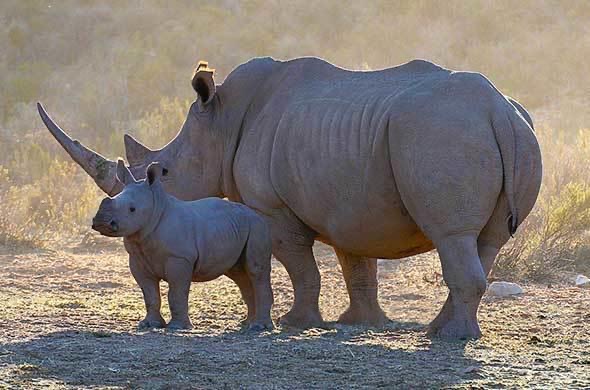
South Africa is a premier destination for wildlife and natural landscapes. Kruger National Park offers some of the best safari experiences globally, with reliable sightings of elephants, lions, rhinos, leopards, and buffalo. Beyond Kruger, there's the Drakensberg Mountains for hiking, the rugged Cederberg Wilderness Area, and the scenic Garden Route along the southern coast with its indigenous forests and whale watching opportunities in Hermanus. The Cape Peninsula, including Table Mountain and Cape Point, provides dramatic ocean views and diverse Fynbos vegetation. Activities range from game drives and shark cage diving to hiking and exploring caves.
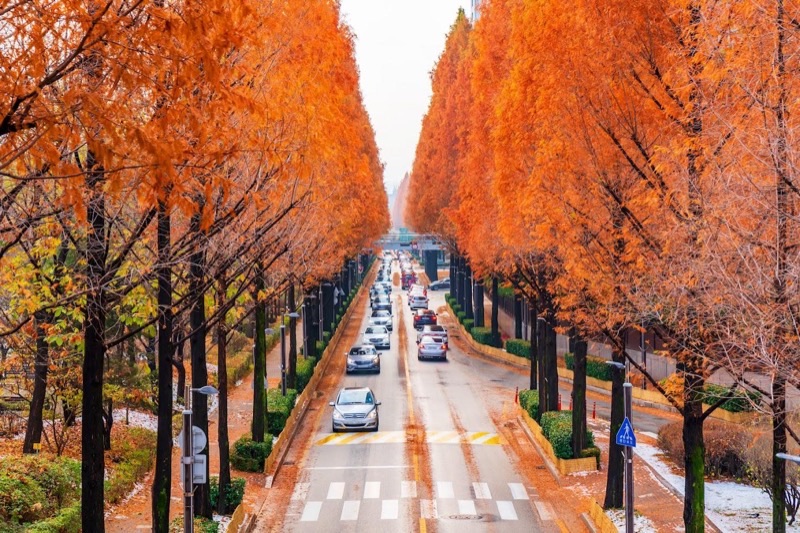
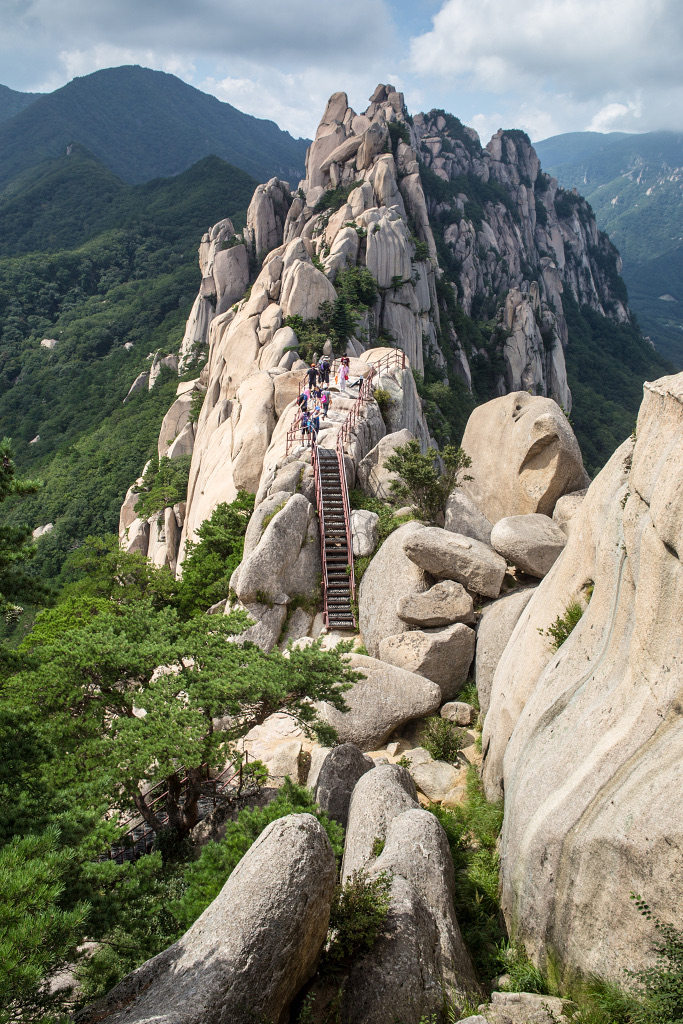
South Korea's nature is characterized by its mountainous terrain, with numerous national parks like Seoraksan and Jirisan offering extensive hiking trails, particularly popular in autumn for fall foliage. The coastline along the East Sea provides beaches and fishing villages, while Jeju Island offers volcanic landscapes, lava tubes (Manjanggul Cave), and unique coastal formations. While beautiful, South Korea does not have the large-scale megafauna or savanna environments found in Africa. Wildlife primarily consists of smaller mammals, birds, and marine life. South Africa is the obvious winner for sheer scale of wildlife and diverse natural offerings.
- Winner: South Africa
- Why: South Africa offers unparalleled opportunities for safari experiences and a broader range of significant natural landscapes.
- Who this matters for: Wildlife enthusiasts, adventure seekers, and travelers who prioritize vast natural environments and iconic animal encounters.
🏛️ Culture & History
South Africa's culture and history are defined by its complex past, particularly the struggle against apartheid. Sites like Robben Island (where Nelson Mandela was imprisoned) and…
South Africa
South Korea
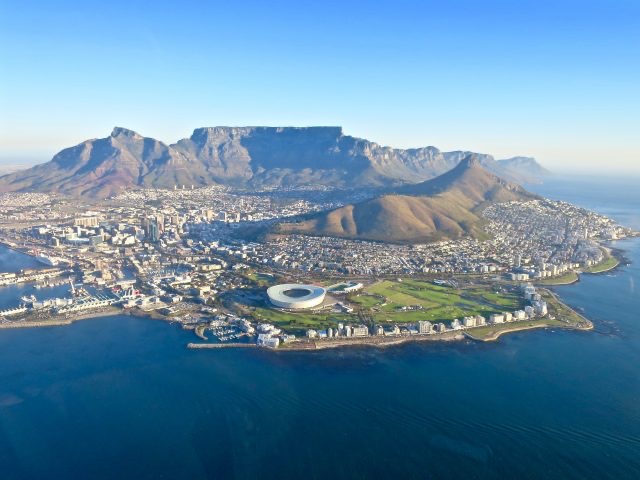
South Africa's culture and history are defined by its complex past, particularly the struggle against apartheid. Sites like Robben Island (where Nelson Mandela was imprisoned) and the Apartheid Museum in Johannesburg provide profound insights. The country also boasts a rich blend of indigenous cultures, reflected in languages, music, and traditional arts. Cape Town's Bo-Kaap district with its colorful houses and the District Six Museum narrate stories of displacement and resilience. The San rock art in the Drakensberg offers glimpses into ancient practices. The country is still navigating its post-apartheid identity, making for a nuanced and often challenging cultural exploration.
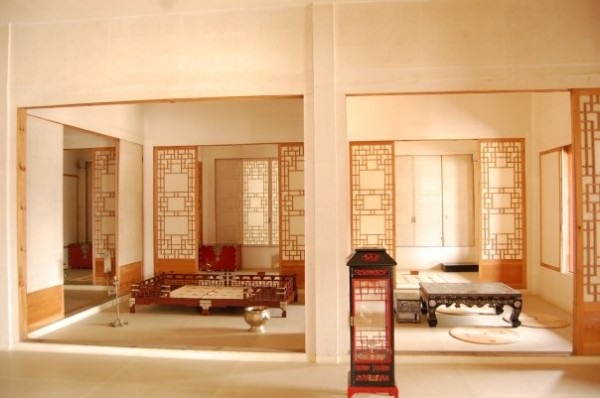
South Korea presents a deep history rooted in various dynasties, evident in its well-preserved palaces, temples, and traditional villages. Gyeongbokgung Palace in Seoul, Bulguksa Temple in Gyeongju, and the Hahoe Folk Village offer immersive experiences into ancient Korea. The Demilitarized Zone (DMZ) provides a powerful look at contemporary history and the division with North Korea. Modern Korean culture, driven by K-Pop, K-Dramas, and technological innovation, offers a stark contrast and a dynamic cultural experience. The efficiency of cultural preservation and accessibility to historical sites is very high. South Korea edges out South Africa for its more easily accessible and consistently preserved historical and cultural narratives.
- Winner: South Korea
- Why: South Korea's historical sites are exceptionally well-preserved and accessible, offering a cohesive journey through millennia of dynastic and modern culture.
- Who this matters for: History buffs, those interested in ancient Asian dynasties, and travelers keen on modern cultural phenomena like K-Pop.
🍜 Food & Drink
South African cuisine is known for its meat dishes, particularly braai (barbecue), biltong (dried meat), and boerewors (sausage). Malay influences are prominent in Cape Town,…
South Africa
South Korea
South African cuisine is known for its meat dishes, particularly braai (barbecue), biltong (dried meat), and boerewors (sausage). Malay influences are prominent in Cape Town, offering dishes like bobotie and bunny chow (a hollowed-out bread loaf filled with curry). The Western Cape is also a globally recognized wine region, with Stellenbosch and Franschhoek offering numerous vineyards for tastings and tours. Seafood is fresh along the coast. While there are specific highlights, the general food scene can be less consistently diverse or adventurous than in some other global destinations, with a focus on hearty, comforting meals. Street food is less prevalent than in Asia.
South Korea's food scene is dynamic, innovative, and deeply integrated into daily life. From savory Korean barbecue (samgyeopsal) and spicy stews (kimchi jjigae, sundubu jjigae) to comforting bibimbap and endless varieties of street food like tteokbokki (spicy rice cakes) and hotteok (sweet pancakes), there is constant culinary discovery. Kimchi, a fermented cabbage dish, is a staple. Soju and makgeolli are popular traditional alcoholic beverages. The focus on fresh ingredients, communal dining, and distinct flavor profiles makes it a standout. South Korea provides a more consistently exciting and accessible food experience for exploration.
- Winner: South Korea
- Why: South Korea offers a more diverse, consistently engaging, and widely accessible food culture, from street food to Michelin-starred restaurants.
- Who this matters for: Foodies, adventurous eaters, and travelers who want food to be a central part of their daily exploration.
🚆 Getting Around
Getting around South Africa often requires a rental car for flexibility, especially if you plan to explore regions like the Garden Route, Drakensberg, or smaller towns. Major…
Getting around South Africa often requires a rental car for flexibility, especially if you plan to explore regions like the Garden Route, Drakensberg, or smaller towns. Major cities like Cape Town and Johannesburg have ride-sharing services (Uber) and metered taxis. The MyCiTi bus network in Cape Town is useful within the city. However, intercity public transport is less developed for tourists; long-distance buses like Intercape exist but are not always convenient or preferred for security reasons. Domestic flights are common for covering long distances between major hubs (e.g., Johannesburg to Cape Town, 2 hours). Distances are large, so internal flights are often necessary to maximize time.
South Korea boasts an incredibly efficient and comprehensive public transportation system. Seoul's subway system is extensive, clean, and easy to navigate with English signs. The KTX high-speed rail connects major cities like Seoul, Busan, and Gyeongju rapidly and comfortably. Intercity buses are also reliable and economical, reaching nearly every corner of the country. T-Money cards simplify payments across all modes of transport. Walking is also pleasant in many urban areas, and ride-sharing apps are available but often unnecessary. The ease of getting around without a rental car is a major advantage. South Korea is the definite winner for seamless and stress-free travel between and within destinations.
- Winner: South Korea
- Why: South Korea's public transportation system is one of the best in the world, making travel effortless and efficient.
- Who this matters for: Solo travelers, those who prefer not to drive abroad, and anyone prioritizing efficiency and ease of transit.
🏨 Accommodation
South Africa offers a diverse array of accommodation options across all budget points, often providing excellent value for money. Hostels in cities like Cape Town or Durban can be…
South Africa offers a diverse array of accommodation options across all budget points, often providing excellent value for money. Hostels in cities like Cape Town or Durban can be found for ZAR 200-400 ($10-22 USD) per night. Mid-range guesthouses and boutique hotels often include breakfast and good amenities for ZAR 800-1500 ($45-80 USD). Luxury safari lodges are a significant expense, starting from ZAR 7000-15000 ($380-800 USD) per person per night, but include all meals, drinks, and game drives. Self-catering apartments are also readily available and popular, especially along the Garden Route. The variety and quality-to-price ratio in the mid-range are particularly strong.
South Korea's accommodation landscape is dominated by modern hotels, from budget chains like Lotte City Hotel or Shilla Stay (KRW 80,000-150,000/$60-110 USD) to luxury options. Guesthouses (hanoks) offer a traditional experience in cities like Seoul or Gyeongju, costing KRW 50,000-100,000 ($40-80 USD) and often including breakfast. Hostels are available, usually starting around KRW 25,000-40,000 ($20-30 USD). While quality is consistently high, prices are generally higher than in South Africa for equivalent levels of comfort and amenities, especially in Seoul. South Africa provides better value and more unique, spacious options at the mid-range.
- Winner: South Africa
- Why: South Africa offers more diverse accommodation at a better value, especially for mid-range travelers seeking unique stays like guesthouses and self-catering units.
- Who this matters for: Budget-conscious travelers, families, and those seeking spacious or unique accommodation experiences without premium pricing.
🎉 Nightlife & Entertainment
South Africa's major cities, particularly Cape Town and Johannesburg, offer lively nightlife. Long Street in Cape Town is known for its array of bars, clubs, and live music…
South Africa's major cities, particularly Cape Town and Johannesburg, offer lively nightlife. Long Street in Cape Town is known for its array of bars, clubs, and live music venues. Johannesburg's Maboneng Precinct has art galleries, rooftop bars, and jazz clubs. Durban also has beachfront entertainment. There's a strong culture of local music and dance. However, safety considerations mean travelers often stick to known areas or use ride-sharing services to get around at night. The options are spread out, and certain areas can be less accessible after dark.
South Korea's nightlife, especially in Seoul (Hongdae, Gangnam, Itaewon), is consistently active and diverse. From high-energy K-Pop clubs and EDM venues that stay open until the early morning to themed bars, craft beer spots, and noraebangs (karaoke rooms), there's a constant stream of entertainment. Drinking culture is prominent, with soju and makgeolli flowing freely. Busan also offers a thriving nightlife scene along Haeundae Beach. The ease of safe public transport at night and the concentrated nature of entertainment districts make for a convenient experience. South Korea wins for its sheer energy, variety, and accessibility of nightlife.
- Winner: South Korea
- Why: South Korea offers a more concentrated, energetic, and safe nightlife experience with diverse options for all tastes.
- Who this matters for: Younger travelers, party-goers, and anyone looking for accessible, late-night entertainment without safety concerns.
🏖️ Beaches & Coastlines
South Africa's coastline is extensive and geographically diverse, offering a range of beach experiences. The Western Cape, particularly around Cape Town, has colder Atlantic…
South Africa's coastline is extensive and geographically diverse, offering a range of beach experiences. The Western Cape, particularly around Cape Town, has colder Atlantic waters but delivers dramatic scenery like Camps Bay and Clifton Beaches, and the penguin colony at Boulders Beach. Along the Garden Route and further east towards the Indian Ocean, waters become warmer, with popular spots like Jeffrey's Bay (known for surfing) and the Wild Coast's rugged, undeveloped shores. KwaZulu-Natal province offers subtropical beaches and coral reefs. Marine life is abundant, including whales and sharks. The sheer scale and variety of coastal environments are a major draw.
South Korea has popular beaches, particularly along its East Sea coast (e.g., Haeundae Beach in Busan, Gyeongpo Beach in Gangneung) and on Jeju Island. These are generally well-maintained, offer calm waters, and are popular for swimming and summer holidays. Jeju Island provides unique volcanic rock formations and black sand beaches. However, Korean beaches do not offer the same dramatic scale, wildness, or diverse marine biodiversity as South Africa's multi-ocean coastlines. They are more geared towards organized leisure. South Africa provides a more impressive and varied coastal experience overall.
- Winner: South Africa
- Why: South Africa features a more expansive, dramatic, and biologically diverse coastline, offering varied experiences from cold Atlantic beauty to warm Indian Ocean shores.
- Who this matters for: Beach lovers seeking dramatic scenery, surfing, marine wildlife, and less developed coastal environments.
🚶♀️ Solo Travel Experience
Solo travel in South Africa can be rewarding but requires more planning and caution. While hostels are common in major cities, and tour groups are readily available for safaris…
Solo travel in South Africa can be rewarding but requires more planning and caution. While hostels are common in major cities, and tour groups are readily available for safaris and specific routes like the Garden Route, navigating independently can be challenging due to safety concerns and the need for a rental car in many areas. Women solo travelers, in particular, need to be vigilant and adhere to local advice regarding safe areas and activities. It offers a more adventurous and less structured solo journey, appealing to those comfortable with higher levels of self-reliance and risk management. Socializing is easy in hostels and on tours.
South Korea is exceptionally conducive to solo travel. Its low crime rates mean walking alone at night is safe, and public transport is so efficient that navigating the country is stress-free. English signage is prevalent in tourist areas, and translation apps work well for communication. There is a strong hostel culture, particularly in Seoul, making it easy to meet other travelers. Dining alone is common and accepted, with many restaurants catering to single diners. The overall ease, safety, and technological infrastructure make it a very accessible and comfortable destination for individuals. South Korea is the superior choice for solo travelers seeking comfort and ease.
- Winner: South Korea
- Why: South Korea offers an unparalleled level of safety, efficiency, and ease of navigation, making it ideal for solo travelers.
- Who this matters for: Solo travelers, particularly first-timers or those prioritizing a hassle-free, secure, and easily navigable experience.
🎯 The Decision Framework
Choose South Africa If…
- You want to see the 'Big Five' on safari in Kruger National Park.
- You dream of driving scenic coastal routes like the Garden Route.
- You enjoy wine tasting in regions like Stellenbosch and Franschhoek.
- You are comfortable with self-driving and a more independent travel style.
- Your budget leans towards more affordable daily expenses outside of specific tours.
- You seek a travel experience with dramatic natural contrasts, from mountains to semi-deserts.
- You are interested in deeply engaging with post-apartheid history and diverse indigenous cultures.
- You want to experience adrenaline activities like shark cage diving or bungee jumping.
Choose South Korea If…
- You prefer highly efficient and safe public transportation for all your movements.
- You are fascinated by ancient dynastic palaces and Confucian temples.
- You want to immerse yourself in a technologically advanced, hyper-modern urban environment like Seoul.
- You are a foodie keen on exploring a diverse and accessible street food culture.
- You are interested in K-Pop, K-Dramas, and other contemporary Korean cultural exports.
- You prioritize a worry-free travel experience with exceptionally low crime rates.
- You enjoy hiking in national parks with well-maintained trails and dramatic seasonal foliage.
- You seek a travel experience that balances tradition with cutting-edge innovation.
📅 Sample Itineraries
Weekend in South Africa (3 Days)
💡 Book your Table Mountain cable car tickets online in advance to skip lines, especially during peak season, and save 10%.
Weekend in South Korea (3 Days)
💡 Purchase a T-Money card upon arrival for easy and discounted access to Seoul's extensive public transport system; load it with about $20 for a 3-day trip.
One Week in South Africa (7 Days)
💡 When planning your safari, research options for private game reserves that offer day trips or shorter stays if you have limited time, as they are more accessible from major cities than Kruger National Park.
One Week in South Korea (7 Days)
💡 For efficient travel between cities like Seoul and Gyeongju, purchase a Korea Rail Pass (KORAIL Pass) if you plan multiple train journeys; it can offer significant savings compared to individual tickets.
❓ Frequently Asked Questions
What is the typical flight time and cost to each country from North America?
Flights from major North American hubs (e.g., New York, Toronto) to South Africa (JNB/CPT) typically involve 1-2 layovers and take 16-20 hours, costing $1000-1800 USD. Flights to South Korea (ICN) are often direct or one-stop, taking 13-16 hours and costing $800-1500 USD, making Korea slightly shorter and often more affordable for airfare.
What are the best times to visit South Africa vs South Korea?
For South Africa, May to September (winter) is prime for safaris in Kruger due to dry conditions and sparse vegetation, while November to February (summer) is ideal for Cape Town and coastal areas. South Korea is beautiful in spring (April-May) for cherry blossoms and autumn (September-October) for fall foliage, with mild temperatures. Summers are hot and humid, winters are cold.
Do I need a visa for South Africa or South Korea?
Visa requirements vary by nationality. Many common nationalities (e.g., US, UK, EU, Canada, Australia) can enter South Africa for up to 90 days without a visa. For South Korea, many nationalities can enter visa-free for up to 90 days, but always check specific requirements with your country's embassy or consulate before travel.
How easy is it to communicate in English in each country?
In South Africa, English is one of the 11 official languages and is widely spoken, especially in tourist areas, major cities, and among younger populations. In South Korea, English proficiency is lower; while you'll find English speakers in tourist centers, major hotels, and younger generations, learning a few basic Korean phrases and using translation apps will greatly assist communication, especially outside Seoul.
What kind of budget should I expect for a 10-day trip to each country?
For a 10-day trip (excluding international flights), a mid-range budget for South Africa could be $800-1200 USD if self-driving and staying in guesthouses, but adding a 3-4 day safari can push this to $1500-2500 USD. For South Korea, expect $1000-1500 USD for a comfortable 10-day trip, covering hotels, food, and extensive use of public transport.
Are there any health considerations for these destinations?
For South Africa, certain areas (like Kruger National Park) are malaria risk zones, so prophylaxis might be recommended. Consult a travel doctor for required vaccinations (e.g., Hepatitis A, Typhoid) and general health advice. South Korea has high sanitation standards and minimal specific health risks for travelers, though routine vaccinations are always advisable. Drink bottled water in both, although tap water is generally safe in South Korea.
What are the internet and mobile connectivity like?
South Africa's internet can be good in major cities and hotels, but less consistent in rural areas or smaller towns. SIM cards are readily available. South Korea boasts some of the fastest internet speeds globally, with widespread Wi-Fi and excellent 5G mobile coverage throughout the country. Purchasing a local SIM card or renting a pocket Wi-Fi device is easy and affordable, providing constant high-speed access.
Which destination is better for families with young children?
South Korea generally offers a more child-friendly and stress-free experience for families with young children due to its exceptional safety, efficient infrastructure, and numerous family-oriented attractions (amusement parks, interactive museums, clean public spaces). South Africa can be suitable for families interested in safaris, but requires more planning around safety and longer travel distances, and some activities may not be suitable for very young children.
Ready to plan your next adventure?
Get a free custom itinerary for South Africa, South Korea, or both — built from real traveler insights.
👥 Travelers Also Compared
🎟️ Book Tours & Experiences
Hand-picked tours and activities for both destinations — book with free cancellation
Experiences via Viator — free cancellation on most tours