How we built this comparison
This page combines traveler discussion patterns, published price ranges, flight schedules, and seasonal data to help you decide between South Africa and Tanzania.
- Reviewed 100+ Reddit threads from r/travel, r/solotravel, r/southafrica, r/tanzania, and related subreddits for authentic traveler experiences and advice.
- Verified average costs, flight routes, and logistics against current booking platforms (e.g., Skyscanner, booking.com, local tour operators) and recent traveler blogs.
- Cross-referenced seasonal patterns, weather data, and major event calendars to ensure accurate 'best time to visit' recommendations for key activities like safaris and beach trips.
⚡ The TL;DR Verdict
South Africa is the clear choice for adventurous self-drivers, foodies, and those seeking diverse experiences beyond just safari, with a daily budget potentially lower at $150-300 excluding flights. Tanzania wins for classic, high-density wildlife viewing and idyllic tropical beaches, generally requiring a higher daily budget of $350-700+ due to safari logistics and park fees.
- Choose South Africa: Opt for South Africa if you crave a multi-faceted trip combining epic road trips (Garden Route), world-class food & wine, vibrant city life, and accessible safari (Kruger). It's also generally more budget-friendly for independent travel, and offers better infrastructure for self-driving.
- Choose Tanzania: Tanzania is your destination for the ultimate 'classic' African safari experience, especially if the Great Migration is on your bucket list. Pair this with the breathtaking, warm turquoise waters of Zanzibar for a perfect safari-and-beach combo. Expect to pay more for this premium, guided experience.
- Choose Both: If you have 3+ weeks and a generous budget, combining both offers an unparalleled African adventure. Fly into Johannesburg (JNB), explore SA for ~10-14 days, then fly JNB to Kilimanjaro (JRO) or Dar es Salaam (DAR) for a 7-10 day Tanzanian safari/beach experience. It’s ambitious but incredibly rewarding.
Quick Comparison
| Category | South Africa | Tanzania | Winner |
|---|---|---|---|
| Costs & Budget | More budget-friendly for independent travelers. Self-drive saves significantly. Food, wine, and accommodation outside high-end safaris offer great value. | Generally more expensive due to high safari park fees, guided tour requirements, and logistics. Flights to safari camps add up. Less room for 'budget' options on safari. | South Africa |
| Wildlife & Safari | Kruger National Park is world-class for Big 5 viewing; accessible, self-drive friendly. Diverse biomes, great birding. Private reserves offer luxury. Less 'crowded' feel if you pick your routes. | Serengeti & Ngorongoro Crater offer unparalleled animal density, Great Migration spectacle. Premium, guided experiences with open-top vehicles. More focused on big game viewing. | Tanzania |
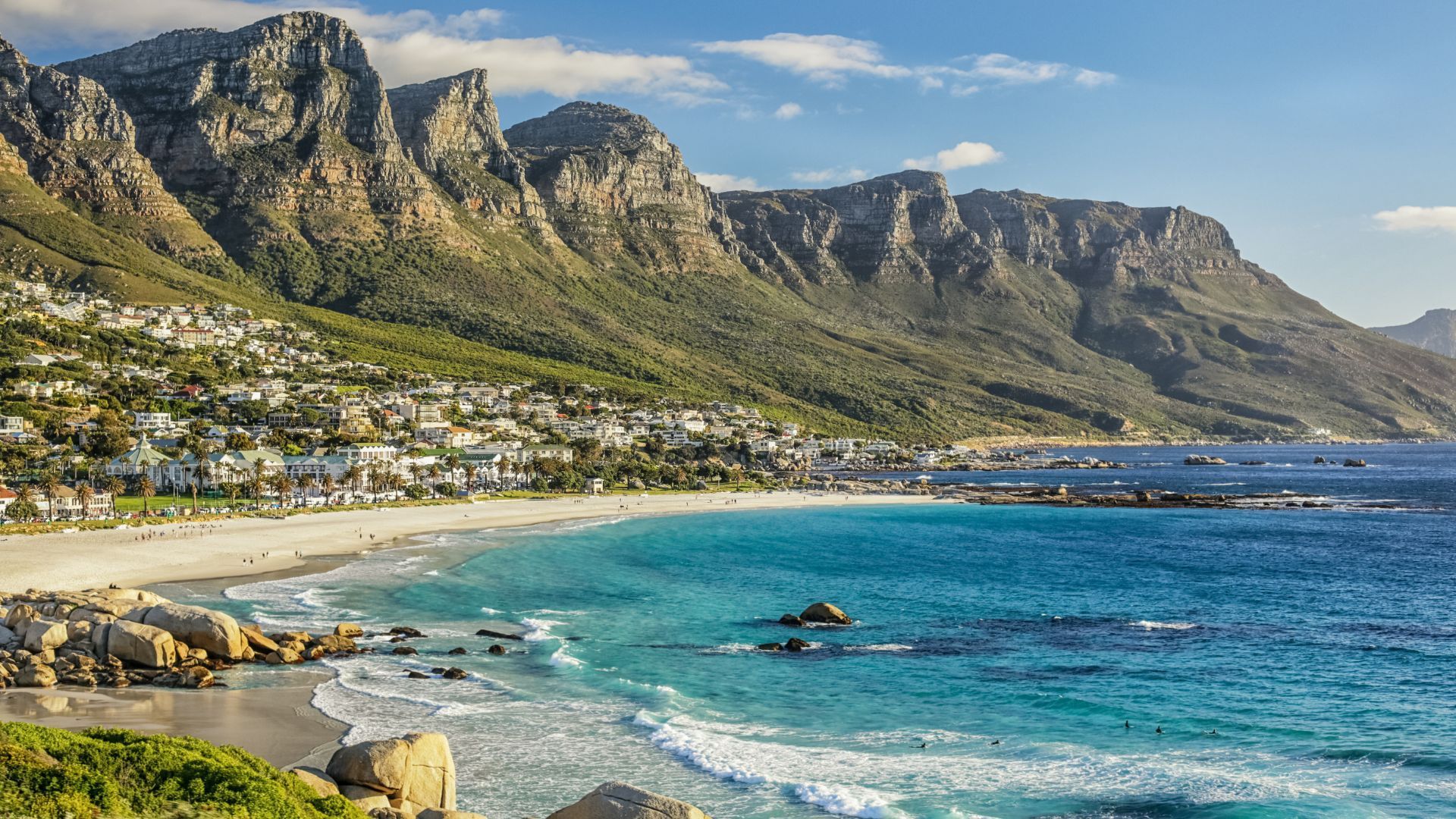
| Beaches & Ocean | Beautiful coastlines like Cape Town's Camps Bay, Garden Route's Plettenberg Bay. Cooler Atlantic/Indian waters. Great for surfing, scenery, shark cage diving. Less 'tropical paradise' feel. | Zanzibar offers pristine, warm turquoise waters and white sand beaches (Nungwi, Kendwa, Paje). Ideal for snorkeling, diving, kitesurfing, and pure relaxation. Mafia Island for whale sharks. | Tanzania |
| Safety & Security | Higher reported crime rates in urban areas (Johannesburg, Cape Town), especially outside tourist zones. Requires vigilance, awareness, and common-sense precautions. Self-driving needs careful planning. | Generally perceived as safer, especially in tourist areas and on safari. Petty crime exists, but violent crime is less prevalent against tourists. Guides and organized tours add a layer of security. | Tanzania |
| Getting Around | Excellent road infrastructure, perfect for self-driving and road trips (e.g., Garden Route). Domestic flights connect major cities. Public transport limited outside major cities. | Roads can be poor; mostly rely on organized safari vehicles or domestic flights. Public transport (daladalas) are local but not recommended for tourists for inter-city travel. | South Africa |
| Food & Drink | A foodie paradise! Diverse 'Rainbow Nation' cuisine, world-class wine regions (Stellenbosch, Franschhoek), vibrant restaurant scene, excellent seafood, and local delicacies like braai and biltong. | Swahili cuisine, fresh seafood (especially in Zanzibar), chapati, ugali, nyama choma (grilled meat). Less diversity and fine dining outside major cities/luxury lodges. Alcohol can be restricted in some areas. | South Africa |
| Culture & History | Rich and complex history (Apartheid Museum in Joburg, Robben Island in Cape Town). Vibrant urban arts, diverse ethnic groups (Zulu, Xhosa, Afrikaaner). Township tours offer deep insights. | Ancient Swahili trade history (Stone Town, Kilwa Kisiwani UNESCO sites). Strong tribal presence (Maasai villages). Less focused on contemporary art/urban culture, more on traditional heritage. | South Africa |
| Nightlife & Entertainment | Vibrant and diverse nightlife, especially in Cape Town and Johannesburg. Live music venues, trendy bars, clubs, and cultural performances. Lots of options for a lively evening. | More relaxed nightlife, mainly in Dar es Salaam and Zanzibar Stone Town. Beach bars, local music (taarab, reggae), and hotel entertainment. Less focused on large clubs or late-night party scenes. | South Africa |
| Accommodation | Wide range from budget hostels to boutique hotels, guesthouses, and luxury safari lodges. Excellent value across all tiers. Unique options like B&Bs along the Garden Route. | Safari accommodation tends to be high-end, all-inclusive lodges and tented camps (luxury to mid-range). Zanzibar offers resorts and guesthouses. Fewer true budget options outside major cities. | South Africa |
| Family Travel vs. Solo/Adventure | Excellent for families with older kids (road trips, accessible safaris). Solo travel is popular but requires vigilance in cities. Great for active adventures (hiking, surfing). | Fantastic for families on safari (guides, safe lodges). Solo travel on safari is common but can incur single supplements. Less independent adventure outside guided tours/Kilimanjaro treks. | South Africa |
💸 Costs & Budget
South Africa offers far greater flexibility for budget travelers, especially if you're comfortable with self-driving. A basic self-drive Kruger safari can run around ZAR 2,000-4,000 (~$100-200) per person per day including accommodation, park fees, and food if self-catering. Outside safari, a good meal in Cape Town is ZAR 200-400 (~$10-20), and a decent hotel ZAR 1,000-2,000 (~$50-100) per night. Tanzania, conversely, has high fixed costs for safari. Serengeti park fees alone are $70 per person per day, plus vehicle fees, guide fees, and typically all-inclusive lodge costs. A 5-day budget-to-mid-range safari often starts at $2,000-3,000 per person. Even a basic 'local' meal in Zanzibar might be TZS 15,000-30,000 (~$6-12), but overall, travel is less independent. "Honestly, for my solo trip, SA was way easier to manage budget-wise, especially renting a car and doing Kruger myself. Tanzania felt like everything was bundled and non-negotiable." This makes SA a clear winner for value-conscious explorers.
Winner takeaway
- Winner: South Africa
- Why: South Africa provides significantly more options for independent travel and budget control, especially with self-drive safaris and diverse accommodation choices.
- Who this matters for: Budget-conscious travelers, solo adventurers, and those preferring independent exploration.
🦒 Wildlife & Safari
While Kruger National Park in South Africa is phenomenal for wildlife, offering fantastic Big 5 sightings and the unique flexibility of self-driving, Tanzania takes the crown for sheer scale and iconic experiences. The Serengeti National Park, particularly during the Great Migration (June-October is peak river crossings), is an unmatched spectacle. Pair that with the Ngorongoro Crater, a natural amphitheater teeming with animals, and you have a wildlife concentration that feels almost surreal. In Tanzania, game drives are typically in closed 4x4 vehicles with pop-up roofs, guided by expert drivers who communicate with each other to track animals, ensuring high-quality sightings. While South Africa's private reserves like Sabi Sand offer luxury and off-road tracking, the public parks in Tanzania deliver incredible density. "I loved Kruger, don't get me wrong, but seeing the wildebeest cross the Mara River in Serengeti? That's a once-in-a-lifetime, jaw-dropping experience you just can't get anywhere else." For that quintessential, epic African safari, Tanzania just edges it out.
Winner takeaway
- Winner: Tanzania
- Why: Tanzania offers the ultimate 'classic' safari experience with unparalleled animal density and the iconic Great Migration in the Serengeti and Ngorongoro Crater.
- Who this matters for: First-time safari-goers, wildlife photography enthusiasts, and those prioritizing the Great Migration.
🏖️ Beaches & Ocean
When it comes to picture-perfect, warm water, tropical beaches, Tanzania's Zanzibar archipelago is simply unbeatable. Destinations like Nungwi and Kendwa on Zanzibar offer soft white sands, swaying palm trees, and the inviting, bath-warm waters of the Indian Ocean, perfect for swimming, snorkeling, and diving amongst vibrant coral reefs. Mafia Island further south is a quieter gem, famous for whale shark encounters (seasonal). In South Africa, while the coastline is stunningly beautiful, particularly around Cape Town (Clifton, Camps Bay) and along the Garden Route (e.g., Wilderness, Plettenberg Bay), the water temperatures are significantly colder, especially on the Atlantic side. Surfing is excellent, and the dramatic scenery is breathtaking, but it's less about lounging in warm waters. "Zanzibar's beaches were exactly what I pictured when I thought 'tropical paradise.' The water in Cape Town was gorgeous but way too cold for me to actually swim in comfortably for long." For that quintessential, warm-water beach escape, Tanzania is the clear winner.
Winner takeaway
- Winner: Tanzania
- Why: Zanzibar's warm, turquoise waters and pristine white-sand beaches offer the quintessential tropical paradise experience, ideal for swimming and water sports.
- Who this matters for: Beach lovers, snorkelers/divers, honeymooners, and those seeking warm-water relaxation.
🛡️ Safety & Security
Safety is a significant consideration, and Tanzania generally feels safer for tourists, especially when on an organized safari or staying in popular areas like Zanzibar. While petty crime like pickpocketing exists, violent crime targeting tourists is less common. On safari, you're almost always with a guide, minimizing risks. South Africa, however, has a much higher crime rate, particularly in major cities like Johannesburg and parts of Cape Town. While tourist areas are generally well-policed, visitors need to be constantly vigilant, avoid walking alone at night, and be careful with valuables. Self-driving requires careful route planning and awareness of 'no-go' zones. For example, leaving bags visible in a parked car in parts of Cape Town is an invitation for smash-and-grab. "I felt incredibly safe on my safari in Tanzania, even walking around Stone Town during the day. In Joburg, I was constantly looking over my shoulder, which definitely impacted my relaxation." For peace of mind and less constant vigilance, Tanzania takes the lead.
Winner takeaway
- Winner: Tanzania
- Why: Tanzania generally offers a more relaxed and secure travel environment, particularly for those on organized tours.
- Who this matters for: Solo female travelers, first-time Africa visitors, and those prioritizing a sense of security.
🚗 Getting Around
South Africa offers vastly superior infrastructure for independent travel, making it the clear winner for getting around. The country boasts an extensive, well-maintained road network, making self-driving incredibly popular and efficient, especially for scenic routes like the Garden Route or exploring Kruger National Park. Renting a car from major airports like Cape Town (CPT) or Johannesburg (JNB) is straightforward, with prices ranging from ZAR 400-800 (~$20-40) per day for a standard sedan. Domestic flights are also plentiful and relatively affordable, connecting cities like Cape Town, Durban, and Kruger Mpumalanga International Airport (MQP). In contrast, Tanzania's road infrastructure outside major cities is often poor, making self-driving for tourists less common and often impractical, especially for safari. Most travel involves organized safari vehicles or expensive domestic flights between hubs like Arusha (JRO) and Zanzibar (ZNZ). "Driving the Garden Route was a highlight of my SA trip – total freedom, amazing scenery. In Tanzania, I was always in a safari truck or a puddle jumper, which was cool but less flexible." The freedom and quality of independent travel infrastructure in South Africa are unmatched.
Winner takeaway
- Winner: South Africa
- Why: South Africa's excellent road network and car rental options make self-driving easy, affordable, and the best way to explore its diverse regions.
- Who this matters for: Independent travelers, road trip enthusiasts, and those who value flexibility.
🍽️ Food & Drink
South Africa is undeniably a culinary hotspot, offering an incredible diversity of flavors and experiences that cater to every palate. From the vibrant street food and traditional braai (barbecue) culture to world-class fine dining in Cape Town and the unparalleled wine regions of Stellenbosch and Franschhoek, it's a gastronomic adventure. You can enjoy a gourmet meal at a place like The Pot Luck Club for ZAR 800-1,500 (~$40-75) per person with wine, or a delicious local bunny chow for ZAR 80-150 (~$4-8). The fresh seafood along the coast is exceptional. Tanzania's food scene, while authentic and tasty, is more focused on Swahili cuisine: hearty stews, pilau rice, ugali (cornmeal porridge), and fresh grilled seafood (nyama choma), particularly on Zanzibar. Options for diverse international cuisine or fine dining are far more limited outside of upscale safari lodges or major hotels in Dar es Salaam. "South Africa blew me away with its food and wine. Every meal was an experience, from a fancy tasting menu to a casual braai. In Tanzania, the food was good, but it wasn't the highlight of the trip, more just fuel." South Africa's vibrant and diverse culinary landscape easily wins this category.
Winner takeaway
- Winner: South Africa
- Why: South Africa boasts a diverse, world-class culinary scene, including acclaimed wine regions, vibrant city restaurants, and unique local flavors.
- Who this matters for: Foodies, wine enthusiasts, and those looking for a sophisticated dining experience.
🏛️ Culture & History
South Africa offers a uniquely profound and accessible cultural and historical journey. The legacy of Apartheid is powerfully conveyed through sites like the Apartheid Museum in Johannesburg (entrance ZAR 150 / ~$8) and Robben Island in Cape Town (ferry & tour ZAR 400 / ~$20), providing essential context to the nation's struggle and triumph. Beyond this, there's a vibrant contemporary art scene, dynamic township experiences (e.g., Soweto tours), and a blend of indigenous, European, and Asian influences reflected in its 'Rainbow Nation' identity. Tanzania's cultural heritage is also rich, primarily focused on the ancient Swahili civilization of the coast, exemplified by the UNESCO World Heritage Site of Stone Town in Zanzibar, with its labyrinthine alleys and intricate architecture, and the ruins of Kilwa Kisiwani. The Maasai culture is also prominent, with opportunities for cultural visits. "Visiting Robben Island and the Apartheid Museum was incredibly moving and eye-opening. It felt like I was really understanding the country, not just seeing pretty sights. Zanzibar's history was cool, but it didn't hit as deep." For a truly comprehensive and thought-provoking cultural and historical experience, South Africa stands out.
Winner takeaway
- Winner: South Africa
- Why: South Africa offers a deeply impactful and accessible historical narrative, particularly around its Apartheid past, alongside a vibrant contemporary cultural scene.
- Who this matters for: History buffs, those interested in socio-political history, and urban explorers.
🌃 Nightlife & Entertainment
If you're looking for a vibrant, diverse, and late-night entertainment scene, South Africa is the undisputed champion. Cape Town, in particular, boasts a thriving nightlife with everything from chic cocktail bars on Bree Street to pulsing clubs in the CBD and live music venues like The Waiting Room. Johannesburg also offers a dynamic scene, especially in areas like Maboneng Precinct or Rosebank. You can find anything from jazz clubs to major international DJ events. A craft beer might cost ZAR 50-80 (~$2.50-4) and a cocktail ZAR 90-150 (~$4.50-7.50). Tanzania's nightlife is much more subdued. In Dar es Salaam, there are a few clubs and bars, but it's not a primary draw. Zanzibar Stone Town offers some atmospheric rooftop bars and a few local spots with live music (e.g., Africa House Hotel for sunset drinks), and beach bars in places like Nungwi or Paje provide a relaxed vibe, but it's far from a clubbing destination. "After a safari day, I loved the relaxed beach bars in Zanzibar, but for a real night out with options, Cape Town was just incredible – world-class bars and clubs." For serious night owls and those who enjoy varied evening entertainment, South Africa delivers.
Winner takeaway
- Winner: South Africa
- Why: South Africa's major cities, especially Cape Town, offer a diverse, vibrant, and sophisticated nightlife scene with numerous bars, clubs, and live music venues.
- Who this matters for: Party-goers, urban explorers, and those who enjoy active evenings.
🏨 Accommodation
South Africa offers an incredibly diverse and value-for-money accommodation landscape, making it the winner here. You can find everything from charming, affordable hostels in Cape Town (e.g., Once in Cape Town) for ZAR 250-400 (~$12-20) per night, to elegant guesthouses along the Garden Route for ZAR 800-1,500 (~$40-75), and luxurious private safari lodges (e.g., Sabi Sand reserves) that can rival Tanzania's best, albeit at a similar high price point. The sheer breadth of options and price points allows travelers to tailor their stay precisely to their budget and style. Tanzania's accommodation, particularly on safari, is often bundled into tour packages and tends to be mid-range to high-end lodges or tented camps (e.g., Serena, Sopa, Four Seasons). While these are fantastic experiences, they leave less room for budget-conscious independent travelers. Zanzibar offers a good mix of resorts (e.g., Z Hotel Nungwi) and guesthouses, but fewer true backpacker hostels outside Stone Town. "In South Africa, I could find a perfect little guesthouse for $60 a night with a pool and a great breakfast, then splurge on a safari. In Tanzania, it felt like the choice was just 'expensive' or 'very expensive' for safari lodges." The variety and affordability across tiers in South Africa is superior.
Winner takeaway
- Winner: South Africa
- Why: South Africa offers an extensive range of accommodation options across all budget types, providing excellent value and choice for diverse travelers.
- Who this matters for: All travelers, but particularly budget-conscious individuals and those seeking varied lodging experiences.
👨👩👧👦 Family Travel vs. Solo/Adventure
South Africa caters exceptionally well to both family adventures and solo travelers seeking independence and diverse activities. For families, the self-drive model along routes like the Garden Route or within Kruger is incredibly flexible and allows families to control their pace and budget. Activities like hiking Table Mountain, visiting Boulders Beach penguins, or exploring Robben Island are engaging for various ages. Solo travelers, while needing to be more vigilant in urban areas, can thrive with the extensive hostel network, car rentals, and group tours. It's a fantastic destination for active adventures like surfing in Jeffreys Bay, hiking the Drakensberg, or even canyoning. Tanzania is superb for families on a classic safari – kids love the animal sightings, and lodges are often very accommodating and safe. Solo travelers often join group safaris, which is a great way to meet people but offers less personal flexibility. "My family absolutely loved the freedom of our SA road trip, and when I went solo, I felt like I could really explore. Tanzania was great with a group for safari, but I wouldn't have felt as comfortable solo outside that specific bubble." The sheer breadth of independent adventure and flexible family options gives South Africa the edge.
Winner takeaway
- Winner: South Africa
- Why: South Africa's excellent infrastructure and diverse activities make it highly adaptable for both independent family road trips and adventurous solo exploration.
- Who this matters for: Families with older children, solo travelers seeking independence, and adventure sports enthusiasts.
❓ Frequently Asked Questions
What's the best time of year to visit South Africa vs Tanzania?
For South Africa, May to September (winter) is ideal for Kruger safaris due to sparse vegetation and less water. Cape Town and the Garden Route are best in shoulder seasons (April-May, Sep-Nov) or summer (Dec-Feb). Tanzania's dry season (June-October) is prime for the Great Migration and overall safari viewing. Zanzibar is lovely year-round but avoids the long rains (April-May) and short rains (November).
Are flights expensive between South Africa and Tanzania?
Yes, direct flights between South Africa (JNB) and Tanzania (DAR/JRO) can be surprisingly expensive, often $300-600+ one-way, taking around 3.5-5 hours. This is because they are considered international routes. Budget for this if you plan to combine the two destinations, and book well in advance for better rates.
Do I need a yellow fever vaccine for both countries?
If you're traveling directly from a non-yellow fever risk country to South Africa, you generally don't need the vaccine. However, if you're entering South Africa from Tanzania (a yellow fever risk country), you will require proof of vaccination. Tanzania requires proof of vaccination if arriving from a country with risk of yellow fever transmission. Always check the latest health advisories from your local embassy or travel clinic.
Is South Africa or Tanzania better for a honeymoon?
Both are fantastic, but for different vibes. Tanzania is often chosen for a 'classic' safari & beach honeymoon (Serengeti + Zanzibar), offering luxurious, romantic lodges. South Africa offers a more diverse 'adventure and romance' honeymoon, combining safari (Kruger private reserves), wine tasting, stunning scenery in Cape Town, and luxury hotels, often with more varied activities.
Can I do a budget safari in Tanzania like in South Africa?
Budget safaris in Tanzania are challenging due to high national park fees ($70/day/person for Serengeti, Ngorongoro). While 'camping safaris' exist at lower price points (starting around $250-350/day), they often involve basic dome tents and less comfort. South Africa's self-drive options in Kruger offer a genuine budget safari experience that's hard to replicate in Tanzania's primary parks.
What's the internet and connectivity like in both countries?
South Africa generally has better and more widespread internet connectivity, especially in urban areas and tourist hubs. Wi-Fi is common in hotels, and local SIM cards (Vodacom, MTN) offer good data coverage. In Tanzania, connectivity is decent in major cities and Zanzibar, but can be spotty in remote safari areas. Lodges typically offer Wi-Fi, often at an extra cost or with limited bandwidth.
Are credit cards widely accepted in both countries?
Credit cards (Visa, MasterCard) are widely accepted in major cities, hotels, and larger establishments in South Africa. ATMs are readily available. In Tanzania, credit cards are accepted in higher-end hotels and safari lodges, but cash (USD or local currency TZS) is often preferred for smaller purchases, markets, and in more rural areas. Always carry some cash in both countries.
What local languages should I know for each destination?
In South Africa, English is widely spoken and understood, especially in tourist areas and major cities. Learning a few basic phrases in Afrikaans or Zulu ('Sawubona' for hello) is appreciated but not essential. In Tanzania, Swahili is the national language. While many in the tourism sector speak English, knowing basic Swahili ('Jambo' for hello, 'Asante' for thank you) will enhance your interactions and is highly recommended.
Ready to plan your unforgettable African trip?
Get a free custom itinerary for South Africa, Tanzania, or both — built from real traveler insights and tailored to your unique preferences.
🎟️ Book Tours & Experiences
Hand-picked tours and activities for both destinations — book with free cancellation
Experiences via Viator — free cancellation on most tours