How we built this comparison
This page combines traveler discussion patterns, published price ranges, flight schedules, and seasonal data to help you decide between South France and South Spain.
- Reviewed 100+ Reddit threads from r/travel, r/solotravel, r/FranceTravel, r/SpainTravel, and regional subreddits for authentic traveler sentiment and specific advice.
- Verified costs for flights, accommodation, and activities against current booking platforms (Booking.com, Skyscanner, Trainline, local bus operators) and recent traveler forum discussions.
- Cross-referenced seasonal patterns, weather data, and major festival dates to provide accurate timing recommendations and highlight regional specialties.
⚡ The TL;DR Verdict
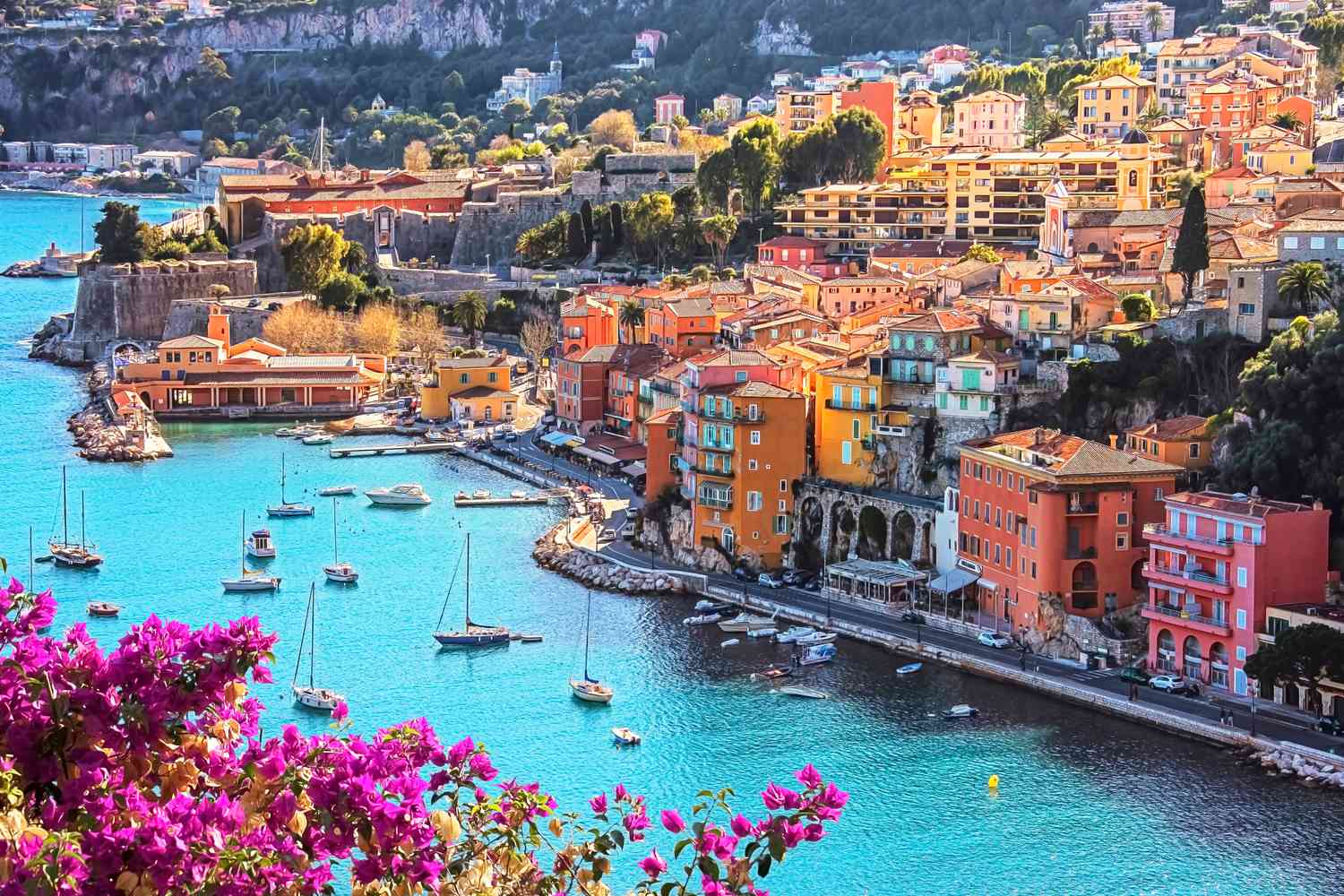
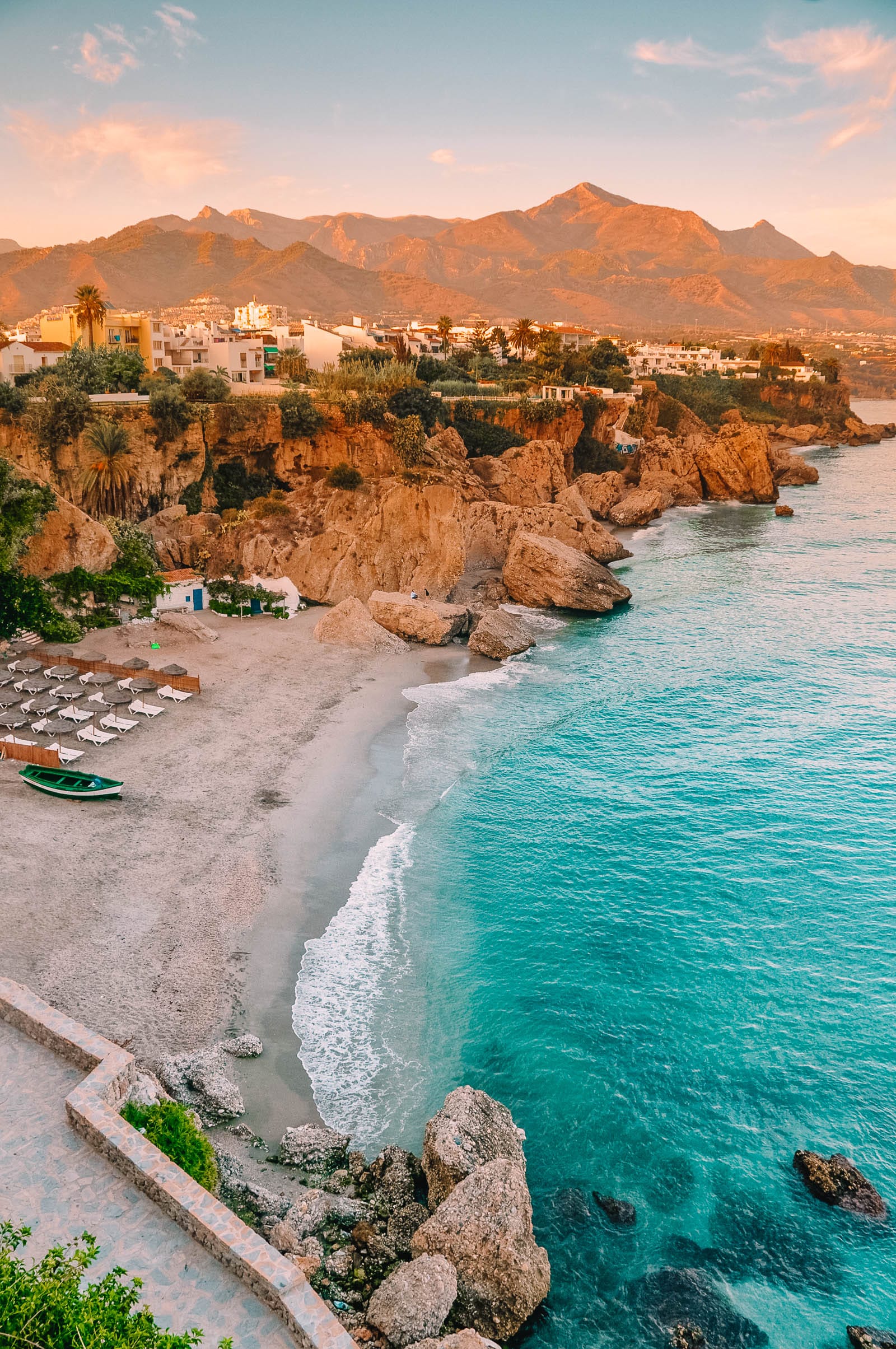
If your budget is tighter and you crave vibrant nightlife, rich history, and incredible value, South Spain (daily budget €60-€100 / $65-$110) is your winner. For a more refined, picturesque escape with world-class dining, stunning natural beauty, and a willingness to spend more, South France (daily budget €100-€200+ / $110-$220+) offers an unforgettable experience.
- Choose South France: For travelers prioritizing elegance, gourmet food and wine, scenic drives through vineyards and lavender fields, and a generally more upscale, relaxed pace, especially in Provence or the Côte d'Azur. Perfect for romantic getaways or those who appreciate refined experiences.
- Choose South Spain: Ideal for budget-conscious adventurers seeking lively cities, passionate flamenco, Moorish architecture, golden beaches, and a vibrant, warm culture. Great for solo travelers, groups of friends, or anyone looking for a more energetic and affordable trip.
- Choose Both: If you have at least 2-3 weeks and a flexible budget, you could combine the two! Fly into Nice or Marseille, explore Provence/Riviera, then take a budget flight (e.g., EasyJet/Vueling) from Marseille to Malaga or Seville to experience Andalusia. It offers a truly comprehensive Southern European experience.
Quick Comparison
| Category | South France | South Spain | Winner |
|---|---|---|---|
| Costs & Budget | Significantly higher, especially in popular Riviera towns. Expect to pay more for everything. | Excellent value for money, from accommodation to food and transport. | South Spain |
| Food & Wine | World-renowned for gourmet cuisine, fresh Mediterranean ingredients, and exceptional wines. | Flavorful, diverse tapas culture, fresh seafood, and fantastic, affordable local wines. | South France |
| Beaches & Coastline | Pebbly but chic beaches of the French Riviera, dramatic calanques, and stunning turquoise waters. | Expansive golden sand beaches of the Costa del Sol, wilder Atlantic coast, and hidden coves. | Tie |
| Culture & History | Roman ruins, medieval villages, artistic heritage, and a sophisticated, romantic ambiance. | Rich Moorish heritage, passionate flamenco, bullfighting traditions, and vibrant local festivals. | South Spain |
| Getting Around | Excellent train network for major cities, but a car is highly recommended for rural exploration. | Good intercity bus network, high-speed trains, and affordable car rentals for flexibility. | South Spain |
| Nightlife | Chic bars, elegant casinos, and sophisticated clubs, especially on the Riviera. | Vibrant, late-night scene with tapas bars, flamenco shows, and lively discotecas. | South Spain |
| Nature & Outdoors | Dramatic calanques, lavender fields, olive groves, and the Southern Alps. | Sierra Nevada mountains, rolling hills of olive groves, and diverse coastal landscapes. | South France |
| Accommodation | Charming guesthouses, luxurious hotels, and boutique B&Bs, generally higher priced. | Wide range from budget hostels to boutique hotels and traditional guesthouses, offering great value. | South Spain |
| Weather & Seasons | Mediterranean climate; hot, dry summers; mild winters. Less extreme heat than Spain. | Hot, dry, and often scorching summers; mild, sometimes rainy winters. | South France |
| Day Trips & Accessibility | Charming hilltop villages, coastal towns, and natural parks easily accessible. | Historic cities, white villages, and diverse coastal towns within easy reach. | South Spain |
💰 Costs & Budget
South Spain is hands-down the winner for budget travelers. You can easily find a decent meal with a drink for €10-€15 ($11-$16) in Seville or Granada, and a hostel bed for €20-€30 ($22-$33). A comfortable mid-range hotel might be €70-€100 ($77-$110). In South France, particularly the Côte d'Azur (Nice, Cannes, St-Tropez), even a casual lunch can easily run you €20-€30 ($22-$33), and a basic hotel room starts at €120-€180 ($132-$198). Provence offers slightly better value but still outpaces Spain. Groceries are comparable, but dining out and accommodation costs really make the difference. "Honestly, my budget stretched so much further in Andalusia. I ate like a king for what a single nice dinner cost in Nice."
Winner takeaway
- Winner: South Spain
- Why: South Spain offers significantly better value across all major travel expenses, making it more accessible for a wider range of budgets.
- Who this matters for: Budget travelers, solo backpackers, and families looking to maximize their travel duration.
🍷 Food & Wine
While South Spain's tapas culture is incredibly fun and delicious, South France takes the crown for sheer gastronomic excellence and variety. Think Provence with its olive oils, herbs de Provence, bouillabaisse in Marseille, rosé wines from Bandol, and Michelin-starred dining experiences from Nice to Saint-Rémy-de-Provence. A simple market lunch can be a culinary revelation. In Spain, you'll feast on jamón ibérico, fresh seafood paella in Valencia or Malaga, and endless variations of tapas, often with a caña (small beer) for a few euros. The sherry region near Jerez offers unique wine experiences. However, the depth of technique, regional specialties, and wine production in France is unparalleled. "The food in Provence changed my life; every meal felt like an event, not just eating."
Winner takeaway
- Winner: South France
- Why: South France offers a more refined, diverse, and world-renowned gourmet experience with exceptional wines.
- Who this matters for: Foodies, wine connoisseurs, and those seeking elevated dining experiences.
🏖️ Beaches & Coastline
This is a tough call as both offer incredible coastal experiences, just different ones. South France's Côte d'Azur boasts iconic pebbly beaches like Plage de la Salis in Antibes or the glamorous private beaches of Cannes, known for their deep blue, clear waters. The Calanques National Park near Marseille offers dramatic fjords with stunning turquoise coves accessible by hike or boat. Spain's Costa del Sol (Malaga, Marbella) provides wide, sandy beaches perfect for sunbathing and family fun, while the Costa de la Luz (Cadiz, Tarifa) offers more rugged, windswept beaches popular for surfing and kitesurfing. The water is generally warmer in Spain. "If you want soft sand for days, Spain is it. If you want gorgeous clear water for snorkeling and cliff jumping, France wins."
Winner takeaway
- Winner: Tie
- Why: Both regions offer distinct but equally appealing coastal experiences, catering to different preferences for beach type and activities.
- Who this matters for: Beach lovers, water sports enthusiasts, and families, depending on their specific beach preference.
🏛️ Culture & History
South Spain, particularly Andalusia, offers an incredibly rich and diverse cultural tapestry that feels more immersive. The legacy of Moorish rule is breathtakingly preserved in the Alhambra in Granada, the Mezquita in Cordoba, and the Alcázar in Seville. Add to this the passionate art of flamenco (especially in Seville's Triana neighborhood), the dramatic bullfighting traditions (though controversial), and vibrant Semana Santa processions, and you have a deeply engaging cultural experience. South France offers impressive Roman ruins in Arles (amphitheater) and Nîmes (Pont du Gard), charming medieval villages like Eze, and the artistic legacy of Van Gogh in Arles and Cézanne in Aix-en-Provence. It's sophisticated and beautiful, but perhaps less overtly 'passionate' than Spain. "Andalusia's history isn't just in museums, it's alive in the streets, in the music, in the very air."
Winner takeaway
- Winner: South Spain
- Why: South Spain provides a more vibrant, unique, and deeply immersive cultural experience, especially with its strong Moorish and flamenco heritage.
- Who this matters for: History buffs, art and music lovers, and those seeking a deeply authentic local experience.
🚗 Getting Around
South Spain wins for ease and affordability of getting around, especially if you're sticking to major cities. The high-speed AVE train network connects major hubs like Seville, Cordoba, and Malaga efficiently, with tickets often available for €30-€60 ($33-$66) if booked in advance. The extensive bus network (e.g., ALSA) is even cheaper, connecting smaller towns for as little as €10-€20 ($11-$22) for a few hours' journey. Car rentals are also relatively inexpensive, often around €25-€40 ($28-$44) per day. In South France, while the TGV connects major cities like Marseille, Nice, and Avignon, tickets can be pricey (e.g., Marseille to Nice can be €30-€50+). For exploring the charming villages of Provence or the Luberon, a car is almost essential, and rentals can be €40-€70 ($44-$77) per day. "Navigating Andalusia by bus was so simple and cheap, even for a solo traveler. France felt like I needed a car for anything off the main track."
Winner takeaway
- Winner: South Spain
- Why: South Spain offers more affordable and extensive public transport options, making it easier and cheaper to explore without a car.
- Who this matters for: Budget travelers, those not wanting to rent a car, and backpackers relying on public transport.
🕺 Nightlife
South Spain offers a more accessible, vibrant, and genuinely late-night experience. Cities like Seville and Malaga come alive after 9 PM, with tapas bars buzzing until past midnight, followed by clubs (discotecas) that don't even get busy until 2 AM and often stay open until dawn. Flamenco shows offer a cultural and passionate nightlife option. The atmosphere is generally more casual, energetic, and about public enjoyment. In South France, particularly the Côte d'Azur, you'll find elegant cocktail bars, sophisticated beach clubs, and high-end casinos (e.g., Monte Carlo, Cannes). It's chic and exclusive, but often comes with a steeper price tag and an earlier closing time compared to Spain. "Spanish nightlife is just built different. You can literally eat tapas and drink wine until 1 AM, then hit a club. It's an all-night affair."
Winner takeaway
- Winner: South Spain
- Why: South Spain provides a more energetic, affordable, and authentic late-night experience rooted in its local culture.
- Who this matters for: Party-goers, young travelers, and anyone who enjoys staying out late and soaking up a lively atmosphere.
🏞️ Nature & Outdoors
South France offers a breathtaking diversity of natural landscapes within a relatively compact area. The Parc National des Calanques near Marseille/Cassis is stunning for hiking, kayaking, and swimming in turquoise coves. Further inland, Provence's iconic lavender fields (late June-early July) and olive groves create picturesque rolling hills. The Gorges du Verdon, Europe's 'Grand Canyon,' offers dramatic vistas and water activities. You're also close to the pre-Alps for hiking. South Spain counters with the formidable Sierra Nevada mountains near Granada, offering skiing in winter and hiking in summer, alongside vast olive groves across Andalusia. Its coastal variety is excellent, but the sheer iconic beauty and accessibility of diverse landscapes like the Calanques, lavender fields, and Verdon give France an edge. "The Gorges du Verdon almost made me cry, it was that majestic. And nothing beats the smell of lavender fields in full bloom."
Winner takeaway
- Winner: South France
- Why: South France presents a more iconic, diverse, and dramatically beautiful range of natural landscapes, from sea to mountains.
- Who this matters for: Nature photographers, hikers, outdoor adventurers, and those seeking picturesque landscapes.
🏨 Accommodation
South Spain offers significantly better value and a wider range of affordable accommodation options without sacrificing quality. You can find beautiful, centrally located boutique hotels or traditional guesthouses (hostales) in cities like Seville or Granada for €80-€120 ($88-$132) per night. Hostels are plentiful and modern, often with private rooms. Airbnb options are also very strong and well-priced. In South France, particularly on the Riviera, even a basic but clean hotel room can easily be €120-€180 ($132-$198) in shoulder season, skyrocketing in peak summer. Provence offers charming 'mas' (farmhouses) and 'chambres d'hôtes' (B&Bs) which are lovely but still typically command higher prices. "I stayed in a gorgeous Riad-style hotel in Seville for like half of what a basic chain hotel in Nice would cost. No comparison."
Winner takeaway
- Winner: South Spain
- Why: South Spain provides a better price-to-quality ratio for accommodation, offering more affordable and characterful options.
- Who this matters for: All travelers, but especially those on a budget or looking for good value in charming settings.
☀️ Weather & Seasons
South France generally has a more temperate and comfortable Mediterranean climate, making it enjoyable across more seasons. Summers (July-August) are hot and dry, averaging 28-32°C (82-90°F), but rarely reaching the extreme heat of inland Spain. Spring (April-June) and Autumn (September-October) are ideal, with pleasant temperatures (18-25°C / 64-77°F) and sunshine. Winters are mild. South Spain, particularly Andalusia, experiences extremely hot summers, often exceeding 35-40°C (95-104°F) in July and August, which can be unbearable for sightseeing. Spring and Fall are gorgeous, with temperatures similar to France, but the peak summer is a real deterrent for many. "I tried doing Seville in July once, never again. It felt like walking into an oven. Provence in June was perfect though."
Winner takeaway
- Winner: South France
- Why: South France offers a more consistently pleasant climate throughout the year, with less extreme summer heat.
- Who this matters for: Travelers sensitive to extreme heat, those planning summer trips, and anyone wanting comfortable sightseeing weather.
🗺️ Day Trips & Accessibility
South Spain offers an incredible density of diverse and easily accessible day trips, often connected by efficient bus or train services. From Seville, you can easily reach Cordoba, Jerez de la Frontera, or Cadiz within 1-2 hours. From Malaga, Granada, Ronda, and Marbella are all within comfortable day-trip distance. The 'white villages' (pueblos blancos) dotting the hills are a highlight. South France also has excellent day trip options: from Nice, you can visit Eze, Monaco, Menton, or even venture into the Alps. From Avignon or Aix-en-Provence, the Luberon villages (Gordes, Roussillon), Arles, and the Pont du Gard are all fantastic. However, Spain's inter-city connections feel slightly more straightforward and affordable for quick hops between major cultural centers. "In Spain, I felt like every major city was just a short, cheap train ride from another world-class destination. It made planning so easy."
Winner takeaway
- Winner: South Spain
- Why: South Spain offers a slightly higher density of diverse, historically rich day trip options that are often more accessible and affordable by public transport.
- Who this matters for: Travelers who love exploring multiple destinations from a central base, and those without a car.
❓ Frequently Asked Questions
Which destination is better for solo female travelers?
Both South France and South Spain are generally very safe for solo female travelers. South Spain might feel slightly more social with its lively tapas culture and late-night ambiance, making it easier to meet people. However, both require standard travel precautions. Stick to well-lit areas at night and be aware of your belongings, especially in crowded tourist spots.
What's the best time of year to visit each region?
For South France, late spring (May-June) or early autumn (September-October) are ideal for pleasant weather and fewer crowds. For South Spain, these same shoulder seasons are perfect to avoid the scorching summer heat (July-August) and enjoy comfortable temperatures for sightseeing. Winters are mild in both but can be rainy.
Which has better beaches for swimming and relaxing?
If you prefer soft, golden sand and warmer water for traditional swimming and sunbathing, South Spain's Costa del Sol and Costa de la Luz will be more to your liking. If you appreciate dramatic coastal scenery, pebbly beaches, and crystal-clear turquoise waters perfect for snorkeling, South France's Calanques and Riviera beaches are exceptional.
Is English widely spoken in both South France and South Spain?
In major tourist areas and cities in both regions, you'll find English speakers, especially among younger generations and in hospitality. However, outside these areas, and particularly in smaller towns or local establishments, knowing some basic French or Spanish will significantly enhance your experience. Don't rely solely on English, especially in Spain's more traditional towns.
Which is more suitable for a romantic getaway?
South France, particularly Provence and the Côte d'Azur, generally offers a more romantic and luxurious atmosphere. Think charming boutique hotels, gourmet dining, scenic drives through vineyards, and picturesque villages. It's perfect for a sophisticated, intimate escape. South Spain can be romantic too, with its Moorish palaces and flamenco rhythms, but often has a more lively and less overtly 'luxury' feel.
Can I easily travel between South France and South Spain?
Yes, it's feasible! The easiest way is usually a budget flight (e.g., EasyJet, Vueling) between major airports like Marseille/Nice and Malaga/Seville/Barcelona. You can also take a high-speed train, but it's a longer journey (e.g., Marseille to Barcelona is ~4.5 hours, then Barcelona to Seville is another ~5.5 hours), though it offers scenic views.
Which region is better for families with young children?
South Spain generally edges out South France for families due to its more budget-friendly costs, abundant sandy beaches, and a more child-friendly dining culture (tapas are great for sharing). Many attractions in Spain, like amusement parks or water parks on the coast, also cater well to kids. South France can be wonderful for families too, but often at a higher price point.
What's the difference in overall 'vibe' between the two?
South France exudes an air of sophisticated elegance, relaxed charm, and picturesque beauty, often feeling more refined and tranquil. South Spain, especially Andalusia, is bursting with passionate energy, vibrant street life, a rich historical tapestry, and a warm, lively atmosphere that's more about communal enjoyment and spontaneous celebration. It's chic vs. spirited.
Ready to plan your unforgettable trip?
Get a free custom itinerary for South France, South Spain, or both — built from real traveler insights and tailored to your preferences.
🎟️ Book Tours & Experiences
Hand-picked tours and activities for both destinations — book with free cancellation
Experiences via Viator — free cancellation on most tours