How we built this comparison
This page combines traveler discussion patterns, published price ranges, flight schedules, and seasonal data to help you decide between South Island (NZ) and North Island.
- Reviewed 100+ Reddit threads from r/travel, r/solotravel, r/newzealand, and r/backpackers.
- Verified costs and logistics against current booking platforms (e.g., Skyscanner, Booking.com, InterCity, Interislander).
- Cross-referenced seasonal patterns, weather data, and major event calendars for optimal timing recommendations.
⚡ The TL;DR Verdict
If you're chasing epic landscapes, adrenaline, and a classic road trip, the South Island is your undisputed champion, budget around NZD 200-350 (~USD 125-220) daily. For a richer cultural tapestry, vibrant cities, and volcanic geothermal wonders, the North Island calls, with a slightly more accessible budget of NZD 180-320 (~USD 115-200) daily. Many combine both for the ultimate Kiwi experience.
- Choose South Island (NZ): Perfect for adventure junkies, nature photographers, and road-trippers seeking unparalleled mountain, fjord, and glacier scenery. Best for those who prioritize epic outdoors over urban bustle.
- Choose North Island: Ideal for culture enthusiasts, foodies, and those interested in geothermal activity, Māori heritage, and bustling city life. Great for travelers who prefer shorter drives and more varied attractions.
- Choose Both: If you have 3+ weeks, combine both for a comprehensive New Zealand experience. Start in one and fly to the other, or take the Interislander ferry. Allows you to enjoy diverse landscapes, cultures, and activities.
Quick Comparison
| Category | South Island (NZ) | North Island | Winner |
|---|---|---|---|
| Nature & Scenery | World-renowned fjords, glaciers, mountains, and pristine lakes. Pure, raw, dramatic beauty. | Volcanic landscapes, geothermal parks, lush forests, and stunning coastlines with black sand beaches. | South Island (NZ) |
| Adventure Activities | The adventure capital of the world, offering bungee jumping, skydiving, rafting, and hiking. | Geothermal experiences, caving, surf breaks, and unique cultural adventure tours. | South Island (NZ) |
| Culture & History | Gold rush history, European settlement, and early whaling heritage, with some Māori influence. | The heartland of Māori culture, colonial history, and vibrant contemporary arts scenes. | North Island |
| Costs & Budget | Generally more expensive due to higher demand for adventure activities and accommodations. | Slightly more budget-friendly, especially for accommodation and some activities, with more free options. | North Island |
| Getting Around | Best explored via car or campervan for scenic drives and remote access; less public transport. | Better intercity bus networks; driving is still popular, but less remote access needed. | South Island (NZ) |
| Food & Drink | Excellent wine regions (Marlborough, Central Otago), fresh seafood, and gourmet dining in Queenstown. | Diverse culinary scene in Auckland and Wellington, craft beer, Māori hāngi, and local produce. | North Island |
| Beaches & Coastline | Rugged, dramatic coastlines, often with wild surf and impressive cliffs, some golden sand. | Varied beaches from golden sand to black volcanic, renowned surf breaks, and warm waters. | North Island |
| Nightlife & Urban Vibe | Lively party scene in Queenstown; generally quieter elsewhere with focus on nature. | Vibrant nightlife and diverse urban experiences in Auckland and Wellington; more city options. | North Island |
| Weather & Seasons | Colder winters, more dramatic seasonal changes, snow in mountains; generally drier summers. | Milder winters, warmer and more humid summers, more consistent rainfall. | North Island |
| Solo Travel & Backpacking | Excellent for outdoor-focused solo travelers and adventure seekers; strong hostel network. | Great for cultural exploration, easier public transport, and vibrant city hostel scenes. | Tie |
🏞️ Nature & Scenery
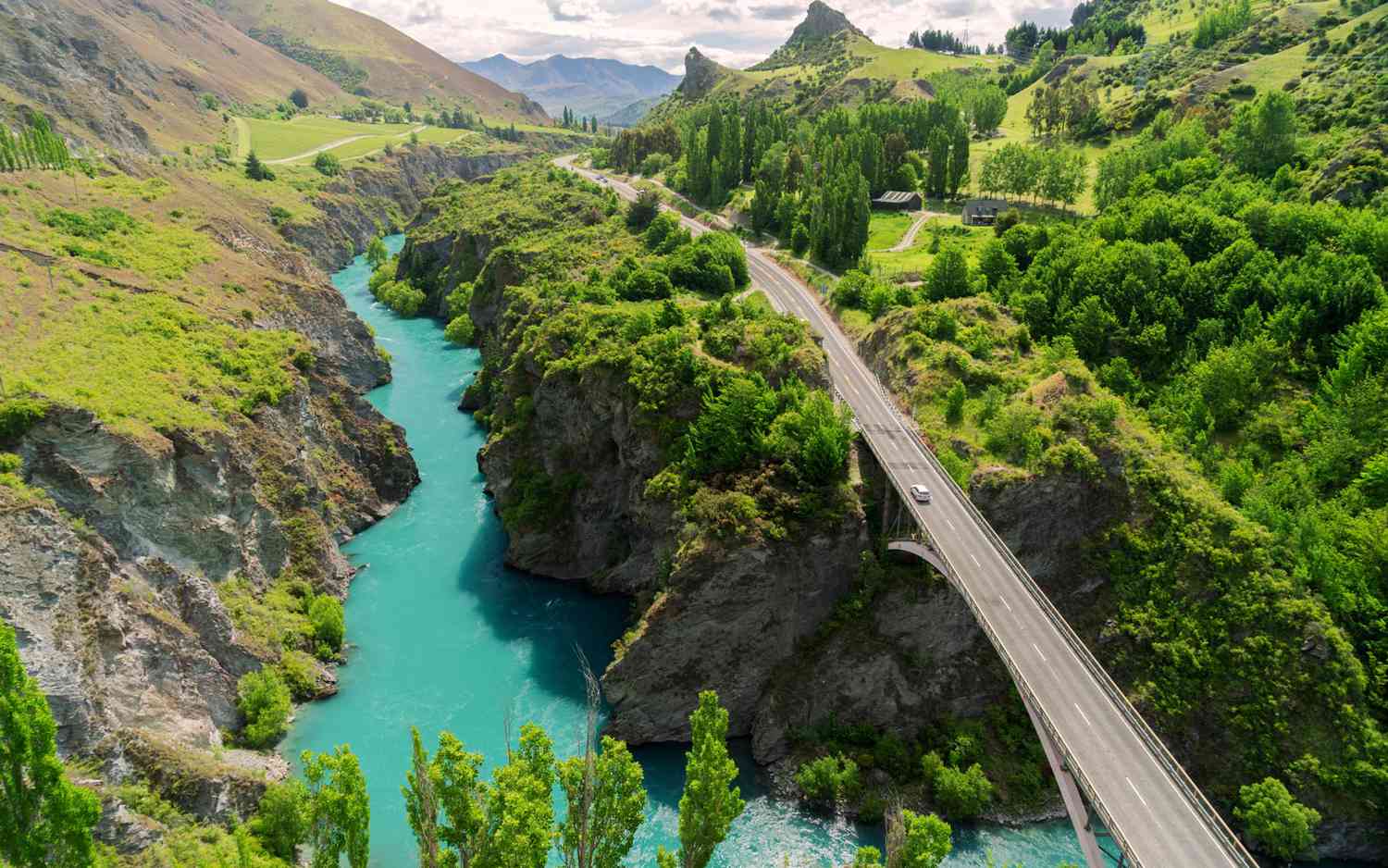
The South Island is an absolute powerhouse for natural beauty, often cited as one of the most stunning places on Earth. Think Milford Sound's towering fjords, Franz Josef and Fox Glaciers cascading into rainforests, the majestic Southern Alps, and the turquoise lakes of Tekapo and Wanaka. Hikes like the Routeburn Track are legendary. Everywhere you look, it's a postcard. The North Island, while beautiful, offers a different kind of raw. It's defined by its volcanic activity – the active craters of Tongariro National Park (home to the famed Alpine Crossing), the bubbling mud pools and geysers of Rotorua, and the dramatic coastline of the Coromandel Peninsula. While both are spectacular, the sheer scale and diversity of 'wow' moments in the South Island give it an edge for many. "Honestly, nothing prepared me for Milford Sound; it felt like stepping into a Lord of the Rings movie, but real. The North was cool, but the South just hit different." Expect to pay NZD 100-250 (~USD 60-150) for scenic cruises or heli-hikes in the South.
Winner takeaway
- Winner: South Island (NZ)
- Why: The South Island offers a more diverse and globally iconic range of epic natural landscapes, from fjords to glaciers and alpine peaks.
- Who this matters for: Outdoor enthusiasts, photographers, hikers, and those seeking awe-inspiring, dramatic vistas.
🪂 Adventure Activities
Queenstown on the South Island isn't called the 'Adventure Capital of the World' for nothing. From the original AJ Hackett Bungy Bridge (NZD 255/ ~USD 155) to world-class white-water rafting on the Shotover River (NZD 249/ ~USD 150), canyoning, jet boating, and skydiving over Lake Wakatipu (from NZD 339/ ~USD 205), the options are endless and often high-octane. Wanaka and Te Anau also offer fantastic hiking, kayaking, and climbing. The North Island certainly holds its own with adventure, particularly around Rotorua for zorbing (NZD 50-75/ ~USD 30-45) and mountain biking in Whakarewarewa Forest, and the Waitomo Caves for black water rafting (NZD 255/ ~USD 155). Surfing is huge here, especially at Raglan's famous left-hand break. However, the sheer concentration and variety of 'bucket list' extreme sports in the South, particularly around Queenstown, make it the winner. "If you want to jump off something high or feel like you're flying, go South. North has cool stuff, but it's not the same intensity." The South Island delivers a more adrenaline-pumping, concentrated adventure experience.
Winner takeaway
- Winner: South Island (NZ)
- Why: Queenstown's unparalleled concentration of world-class extreme sports solidifies the South Island's reputation as the ultimate adventure playground.
- Who this matters for: Thrill-seekers, adrenaline junkies, and those looking to tick off major adventure activities.
🗿 Culture & History
The North Island is the undisputed heartland of Māori culture and New Zealand's colonial history. Rotorua is the cultural epicenter, offering immersive experiences like the Tamaki Māori Village Hāngi dinner and cultural show (NZD 150-190/ ~USD 90-115), where you can learn about traditions, carvings, and haka. Waitangi, in the Bay of Islands, is where the Treaty of Waitangi was signed, making it a crucial historical site. Auckland and Wellington boast fantastic museums, including Te Papa (national museum, free entry), which masterfully weaves together Māori, Pākehā (European), and natural history. The South Island has its own rich history, particularly around the gold rush in Otago (Arrowtown) and European settlement in Christchurch, but the depth and accessibility of Māori cultural experiences are far greater in the North. "You really feel the Māori spirit in Rotorua; it's not just a show, it's a living culture you can learn from. The South is beautiful, but the North has soul." This makes the North Island a richer destination for cultural immersion.
Winner takeaway
- Winner: North Island
- Why: The North Island is the primary hub for Māori culture and significant historical sites, offering deeper cultural immersion.
- Who this matters for: History buffs, cultural travelers, and those interested in Māori heritage and contemporary New Zealand identity.
💰 Costs & Budget
Overall, the North Island tends to be slightly more budget-friendly than the South, though New Zealand in general is not a cheap destination. Accommodation in popular South Island spots like Queenstown can easily hit NZD 200-400 (~USD 125-250) for mid-range hotels, while hostels might be NZD 40-70 (~USD 25-45) a night. Adventure activities are a major cost, with many pushing NZD 200-400+. Food costs are similar, but the North Island offers more diverse and sometimes cheaper dining options, especially in cities like Auckland and Wellington. Public transport options are also better in the North, potentially saving on car rental. For example, a bus from Auckland to Rotorua is around NZD 40-60 (~USD 25-35), while a scenic bus between major South Island towns can be NZD 70-100+. "I managed to stretch my budget way further in the North. Auckland had great cheap eats, and Rotorua had so many free geothermal walks. Queenstown drained my wallet fast!" While car rental and fuel costs are comparable, the sheer density of high-priced activities and accommodation in the South often drives up the total trip cost.
Winner takeaway
- Winner: North Island
- Why: The North Island generally offers more accessible pricing for accommodation and activities, with more budget-friendly options available.
- Who this matters for: Budget travelers, backpackers, and those looking to maximize their experience without breaking the bank.
🚗 Getting Around
The South Island truly shines when it comes to scenic drives and the freedom of a car or campervan. The sheer beauty of the roads – from the winding coastal highway through Haast Pass to the dramatic Southern Scenic Route – makes driving an integral part of the experience. Public transport is sparse outside of major routes between Christchurch, Queenstown, and Dunedin, making a rental essential for accessing national parks and trailheads. A standard rental car can cost NZD 50-100 (~USD 30-60) per day, plus fuel. In contrast, the North Island has a more developed intercity bus network (InterCity, Skip Bus) connecting Auckland, Wellington, Rotorua, and Taupo, making car-free travel more feasible. However, to truly explore places like the Coromandel or Northland, a car is still recommended. "Renting a campervan in the South was the best decision. Every turn was a new view, and we could just pull over and camp almost anywhere. The North's roads were fine, but not the destination themselves." While the North has better bus coverage, the South Island's landscape is tailor-made for unforgettable road trips, making the car rental a feature, not just a necessity.
Winner takeaway
- Winner: South Island (NZ)
- Why: The South Island's breathtaking scenic drives and the necessity of a vehicle for exploration make driving an unparalleled part of the travel experience.
- Who this matters for: Road-trippers, campervan travelers, and those who value the freedom and scenery of driving.
🍽️ Food & Drink
While both islands offer fantastic food and drink, the North Island edges out due to its more diverse and innovative culinary scene, particularly in its major cities. Auckland and Wellington are foodie meccas, boasting world-class restaurants, vibrant food markets (e.g., La Cigale in Auckland), and a thriving craft beer scene. Wellington is often called the 'Craft Beer Capital' with numerous breweries like Garage Project and Fork & Brewer, and its café culture is legendary. You'll find a wider range of international cuisines and fusion dishes. Māori hāngi (traditional earth oven cooking) is also a unique cultural culinary experience mostly found here. The South Island excels in specific areas: Marlborough for Sauvignon Blanc, Central Otago for Pinot Noir, and Queenstown for high-end dining and Fergburger (expect NZD 15-20 / ~USD 9-12 for a burger). Fresh seafood is abundant everywhere. "Wellington's food scene blew me away – so many cool cafes and diverse restaurants. The South was good, especially the wine, but the North felt more experimental and varied." The North offers a broader and more dynamic gastronomic journey.
Winner takeaway
- Winner: North Island
- Why: The North Island boasts more diverse culinary scenes in its major cities and a thriving craft beer and café culture.
- Who this matters for: Foodies, gastronomes, urban explorers, and craft beer enthusiasts.
🏖️ Beaches & Coastline
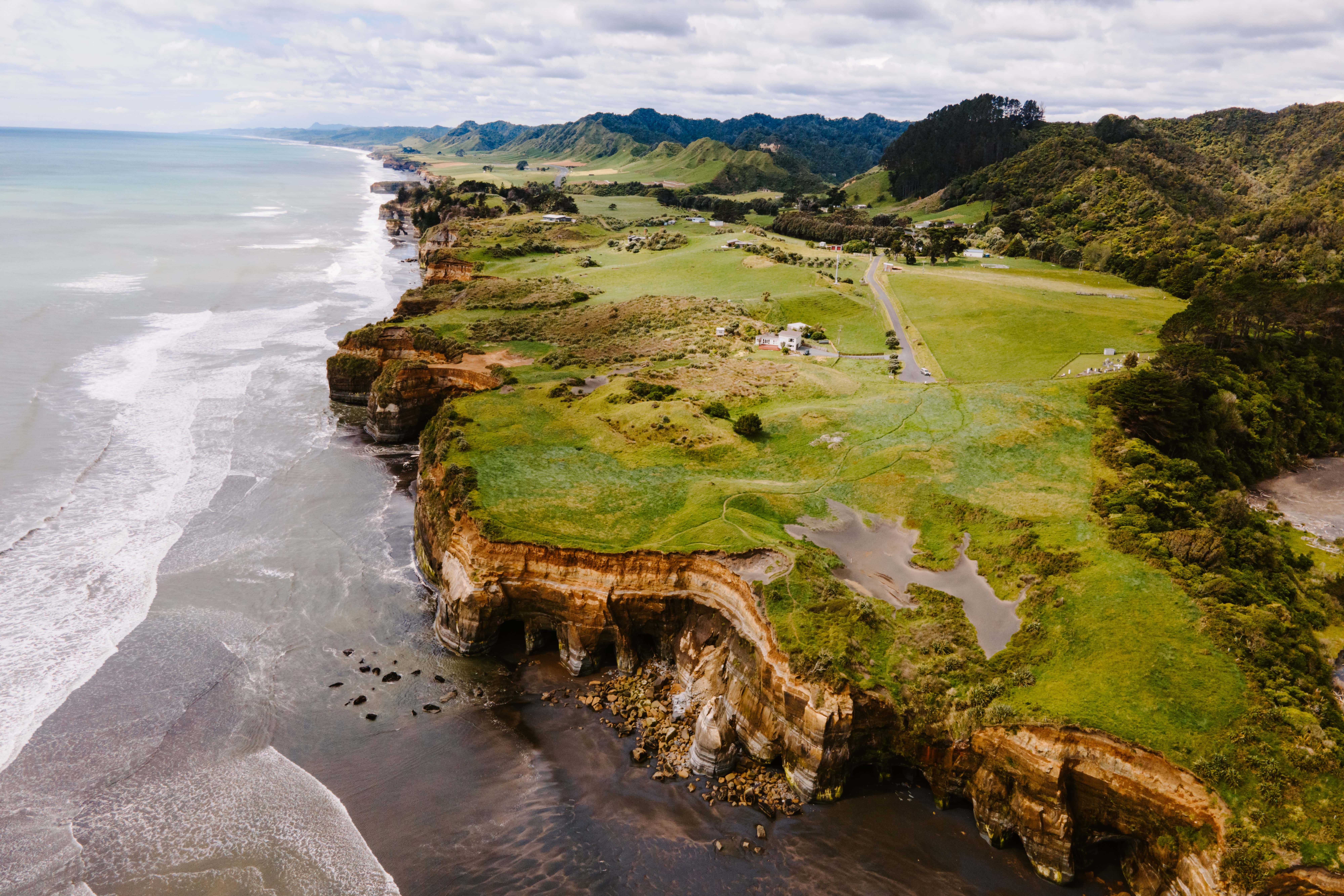
The North Island offers a more traditional 'beach holiday' experience with warmer waters, golden sands, and world-class surf breaks. The Coromandel Peninsula is famous for Hot Water Beach (dig your own spa!) and Cathedral Cove, while Northland boasts stunning white sand beaches like those in the Bay of Islands and the majestic Ninety Mile Beach. The west coast has dramatic black sand surf beaches like Piha and Raglan, drawing surfers globally. The South Island's coastline is rugged and dramatic, offering breathtaking views, particularly along the West Coast and Fiordland, but its beaches are often wilder, colder, and less suited for swimming or sunbathing. Abel Tasman National Park, at the top of the South, is an exception with its golden coves, but it's a small section. "If you want to chill on a beach, swim, or surf, the North is definitely it. The South's beaches are beautiful to look at, but they're more for walks than laying out." A surf lesson at Raglan might cost NZD 90-120 (~USD 55-75). The North Island truly excels for beach lovers.
Winner takeaway
- Winner: North Island
- Why: The North Island features a greater variety of accessible, warmer, and more traditional 'beach holiday' destinations, including iconic surf spots.
- Who this matters for: Beach lovers, surfers, sunbathers, and those seeking coastal relaxation.
🌃 Nightlife & Urban Vibe
For those seeking vibrant nightlife and a diverse urban atmosphere, the North Island is the clear winner. Auckland and Wellington offer a fantastic array of bars, clubs, live music venues, and cultural events. Auckland, as the largest city, has everything from rooftop bars to underground clubs and a diverse music scene. Wellington is renowned for its compact, walkable CBD with a high concentration of excellent bars, pubs, and live entertainment options along Courtenay Place and Cuba Street. A cocktail in either city might cost NZD 18-25 (~USD 11-15). The South Island's nightlife is heavily dominated by Queenstown, which has a very lively, backpacker-friendly party scene (think ice bars and themed pubs). However, outside of Queenstown and to a lesser extent Christchurch and Dunedin (student towns), the South Island is much quieter, with evenings focused on stargazing or relaxing after a day of adventure. "If you want to go out and experience city life, Wellington or Auckland are where it's at. Queenstown is fun for a few nights, but it's very specific, mostly young party vibe." The North offers a more mature and varied urban experience.
Winner takeaway
- Winner: North Island
- Why: Auckland and Wellington provide a significantly more diverse and vibrant urban nightlife and cultural scene compared to the South Island.
- Who this matters for: Party-goers, urban explorers, culture vultures, and those who enjoy vibrant city atmospheres.
☀️ Weather & Seasons
When it comes to more consistently mild and pleasant weather for general travel, the North Island takes the lead. Its subtropical north (Bay of Islands) enjoys warm, humid summers (Dec-Feb) averaging 20-25°C (~68-77°F) and mild winters (June-Aug) that rarely see frost. Wellington, further south, is famously windy but still milder than most of the South. The South Island experiences more dramatic seasonal changes. Summers can be hot and dry, especially in inland areas like Queenstown (averaging 20-30°C / ~68-86°F), but its winters are significantly colder, with heavy snow in the Southern Alps, making many high-country roads challenging or closed. "If you hate being cold, definitely spend more time up North, especially in winter. The South is stunning with snow, but you need to be prepared for it." While winter sports are a huge draw for the South Island (ski passes NZD 120-180 / ~USD 75-110), for year-round pleasantness and less extreme conditions, the North Island offers a more comfortable travel experience for most. The rainfall is also more spread out throughout the year in the North, while the South's west coast is famously wet.
Winner takeaway
- Winner: North Island
- Why: The North Island generally experiences milder winters and more consistently pleasant temperatures for year-round travel.
- Who this matters for: Travelers sensitive to cold, those seeking warmer beach weather, and those avoiding extreme seasonal variations.
🚶♀️ Solo Travel & Backpacking
Both islands offer fantastic experiences for solo travelers and backpackers, but cater to slightly different preferences, making it a tie. The South Island, particularly around Queenstown, Wanaka, and Franz Josef, has an incredibly robust hostel network (NZD 35-60 / ~USD 20-35 per night) geared towards adventure and socializing. It's easy to meet people on hikes, tours, or in common rooms. "I solo backpacked both, and honestly, the South was easier to find adventure buddies, while the North was better for just chilling in cities and soaking up culture alone." The downside is that without a car, getting to some trailheads can be tricky or require expensive shuttles. The North Island, with its better public transport network (InterCity buses can connect most major towns), offers easier independent travel without a car. Cities like Auckland and Wellington have vibrant hostel scenes and a broader range of cultural activities and free attractions, making it easier to fill your days and meet people without solely relying on paid tours. Both are incredibly safe for solo travelers.
Winner takeaway
- Winner: Tie
- Why: Both islands provide excellent, safe environments for solo travelers and backpackers, catering to different priorities: adventure in the South and urban/cultural exploration in the North.
- Who this matters for: Solo adventurers, backpackers, and those looking to meet other travelers, regardless of their preferred travel style.
❓ Frequently Asked Questions
How long do I need to visit each island?
For a good taste of either island, aim for at least 7-10 days each. To properly explore the South Island's major highlights (Queenstown, Milford Sound, West Coast Glaciers), 10-14 days is ideal. For the North Island (Auckland, Rotorua, Wellington), 7-10 days will cover the main attractions. If combining both, allow a minimum of 3 weeks for a less rushed experience.
What's the best way to travel between the North and South Islands?
The most common way is to fly between major cities (e.g., Auckland to Queenstown/Christchurch, typically 1.5-2 hours, NZD 50-150 / ~USD 30-90 one-way). Alternatively, you can take the Interislander ferry, which connects Wellington (North Island) and Picton (South Island), a scenic 3.5-hour journey costing NZD 70-100 (~USD 40-60) per person, plus extra for a vehicle.
Which island is better for families with young children?
The North Island is often slightly better for families due to its milder climate, more accessible attractions (like Hobbiton, Rotorua's geothermal parks, Auckland Zoo), and generally shorter driving distances between major points of interest. The South Island is fantastic for older children and teens who can partake in adventure activities and longer hikes, but can be more challenging with very young kids.
Is it easy to find vegetarian/vegan food in both islands?
Yes, New Zealand is generally very accommodating for vegetarian and vegan diets. Major cities like Auckland, Wellington, Christchurch, and Queenstown have numerous dedicated vegan/vegetarian restaurants and plenty of options in mainstream eateries. Even smaller towns will usually have at least one or two suitable choices. Supermarkets are well-stocked with plant-based options.
What's the driving like in New Zealand?
Driving is on the left side of the road. Roads are generally well-maintained, but many are winding and narrow, especially in the South Island. Distances can be deceptive, as journey times are often longer than expected due to terrain. Always factor in extra time, avoid driving fatigued, and pull over at designated safe spots to enjoy the views.
When is the best time to visit New Zealand?
The shoulder seasons (Spring: Sept-Nov, Autumn: Mar-May) offer the best balance. The weather is generally pleasant, crowds are thinner, and prices for flights/accommodation can be slightly lower. Summer (Dec-Feb) is peak season, great for warm weather but with higher prices and more people. Winter (June-Aug) is ideal for skiing in the South Island, but colder and wetter elsewhere.
Do I need a car to explore New Zealand?
While public transport exists, especially in the North Island (InterCity bus network), a car or campervan offers unparalleled freedom and is highly recommended, especially for the South Island. It allows you to access remote trailheads, scenic lookouts, and charming small towns not serviced by buses, truly unlocking the best of New Zealand's landscapes.
What are the visa requirements for New Zealand?
Many nationalities, including citizens of the US, UK, Canada, and most EU countries, can visit New Zealand for up to 3 months without a traditional visa, but require an NZeTA (New Zealand Electronic Travel Authority) and pay an IVL (International Visitor Conservation and Tourism Levy). The NZeTA costs NZD 17-23 (~USD 10-14) and the IVL is NZD 35 (~USD 20), both valid for 2 years.
Ready to plan your New Zealand adventure?
Get a free custom itinerary for South Island (NZ), North Island, or both — built from real traveler insights.
🎟️ Book Tours & Experiences
Hand-picked tours and activities for both destinations — book with free cancellation
Experiences via Viator — free cancellation on most tours