How we built this comparison
This page combines traveler discussion patterns, published price ranges, flight schedules, and seasonal data to help you decide between South Korea and Oman.
- Reviewed 100+ Reddit threads from r/travel, r/solotravel, r/SouthKorea, r/OmanTravel
- Verified costs and logistics against current booking platforms (e.g., Agoda, Booking.com, Skyscanner)
- Cross-referenced seasonal patterns and weather data from meteorological sources
⚡ Quick Answers
⚡ The TL;DR Verdict
For most urban explorers and tech enthusiasts, South Korea offers a more accessible, dynamic experience with a daily budget of $80-120. Oman caters to those seeking quiet desert escapes and cultural depth, requiring $120-200 per day. South Korea is the stronger pick for first-time Asia travelers seeking established infrastructure and a faster pace.
- Choose South Korea: If you are younger, enjoy late-night entertainment, modern culture, efficient public transport, and street food. Ideal for budget-conscious city explorers.
- Choose Oman: If you prioritize serene natural landscapes, traditional experiences, slower travel, and require private transport. Good for couples or families seeking relaxation and outdoor activities.
- Choose Both: Consider a longer trip (3+ weeks) to experience both a futuristic metropolis and a desert nation, perhaps combining them with a flight via a Middle Eastern hub like Dubai or Doha.
Choose South Korea
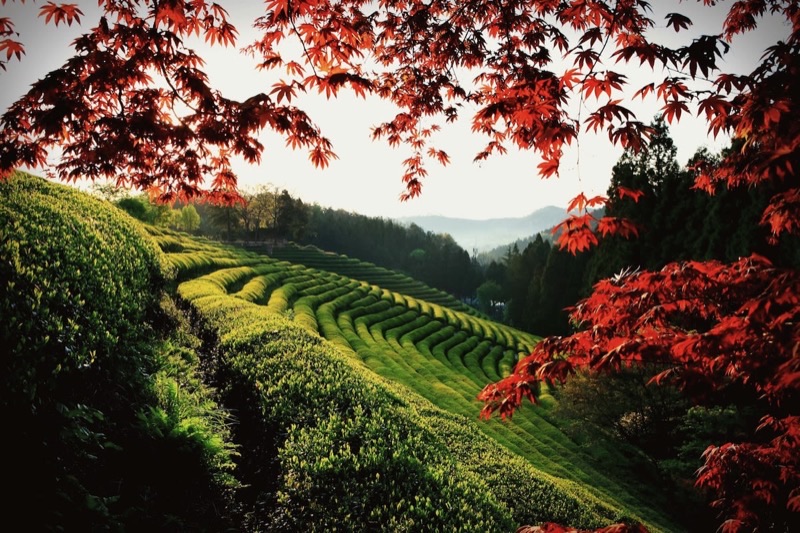
Choose South Korea if you're an urban explorer eager to dive into a dynamic blend of ancient palaces and futuristic tech. It's best for younger travelers and K-culture enthusiasts wanting to experience vibrant street life, efficient subways, and delicious street food in districts like Hongdae, all while maintaining a budget-conscious approach to city exploration.
Choose Oman
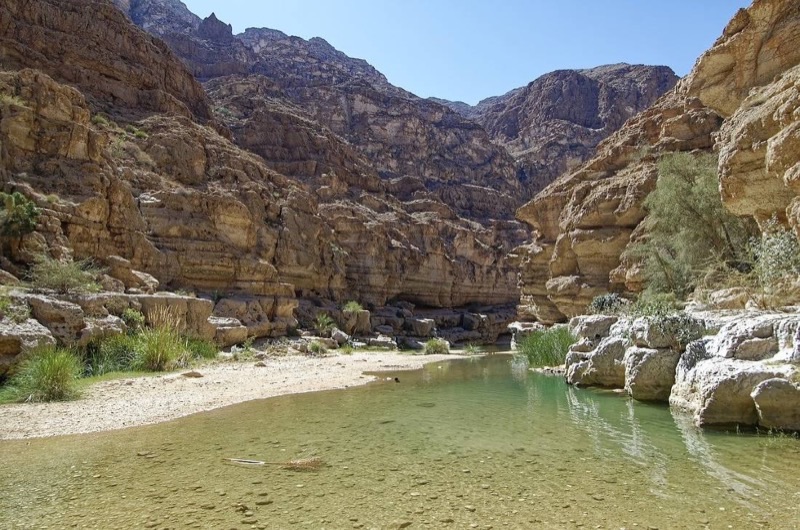
Opt for Oman if you crave tranquil desert adventures and authentic Arabian culture away from the crowds. It's ideal for couples and families seeking serene wadis, exploring ancient forts, or enjoying a slow-paced journey through traditional souqs and stunning coastal drives, often best navigated with private transport for a deeper cultural immersion.
📊 Visual Scorecard
🌤 When to Visit
Average high temperatures (°C). Green = best months, orange = avoid.
Quick Comparison
| Category | South Korea | Oman | Winner |
|---|---|---|---|
| Food Scene | Street food, K-BBQ, cafes, diverse and accessible. Expect meals for $5-15 (KRW 6,800-20,000). | Traditional Omani fare, seafood, Middle Eastern cuisine. Dining out generally costs $10-30 (OMR 3.8-11.5). | South Korea |
| Culture & History | Ancient palaces, modern tech, K-pop, dynamic arts scene. Blend of tradition and future. | Ancient forts, souqs, desert heritage, Islamic architecture. Emphasis on preserving heritage. | Tie |
| Costs & Budget | Daily budget $80-120. Public transport is cheap, food is affordable, accommodation varies. | Daily budget $120-200. Accommodation is higher, transport often requires car rental. | South Korea |
| Nightlife & Entertainment | Late-night districts, K-pop clubs, karaoke, cafes open all night. Seoul never sleeps. | More subdued, hotel bars, shisha cafes. Limited options outside major hotels. | South Korea |
| Nature & Outdoors | Mountains, national parks, island beaches. Accessible hiking and scenic beauty. | Deserts, wadis (river valleys), dramatic coastlines, mountains. Requires more planning. | Oman |
| Getting Around | World-class public transport: subways, buses, high-speed trains. Efficient and affordable. | Limited public transport. Requires car rental (often 4x4) or private drivers. | South Korea |
| Accommodation | Hostels, guesthouses, hotels, unique Hanok stays. Diverse price points. | Luxury hotels, desert camps, guesthouses. Higher average prices. | South Korea |
| Safety | Extremely low crime rates, safe for solo travelers (especially women). | Very low crime rates, safe for travelers. Conservative society. | Tie |
| Solo Travel | Easy to navigate, meet people, budget-friendly, safe. High connectivity. | Requires more planning for transport, potentially higher costs. More introspective. | South Korea |
| Shopping | Fashion, cosmetics, tech gadgets, K-pop merchandise. Department stores, street markets. | Traditional crafts, frankincense, silver jewelry, textiles. Souqs and small boutiques. | South Korea |
🍜 Food Scene
South Korea offers an extensive array of food experiences, from grilled meats and stews to countless street food stalls. In Seoul, Myeongdong street food alley provides options…
South Korea
Oman
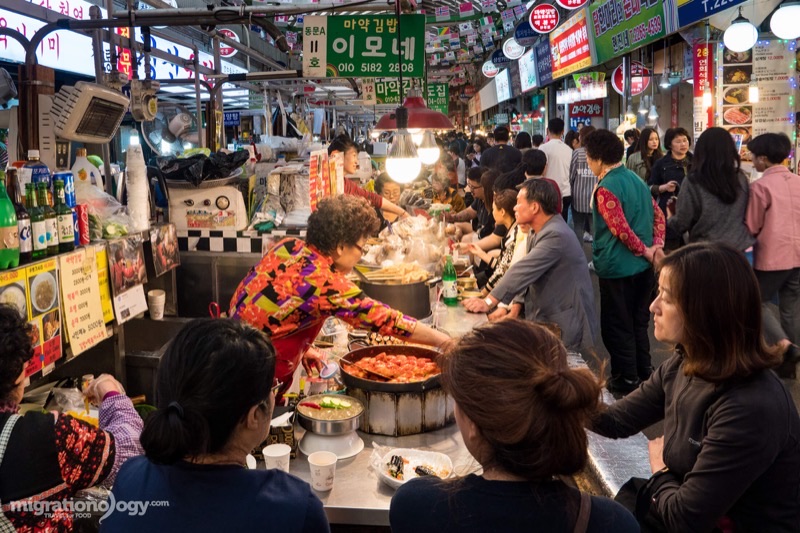
South Korea offers an extensive array of food experiences, from grilled meats and stews to countless street food stalls. In Seoul, Myeongdong street food alley provides options like Tteokbokki (spicy rice cakes) for KRW 5,000 ($3.70) or Gyeranppang (egg bread) for KRW 2,000 ($1.50). Casual dining at a K-BBQ spot might cost KRW 15,000-25,000 ($11-18) per person. Convenience stores like CU or GS25 also provide affordable, quality meals around KRW 3,000-7,000 ($2.20-5.20). The variety and accessibility, especially late at night, are unparalleled.
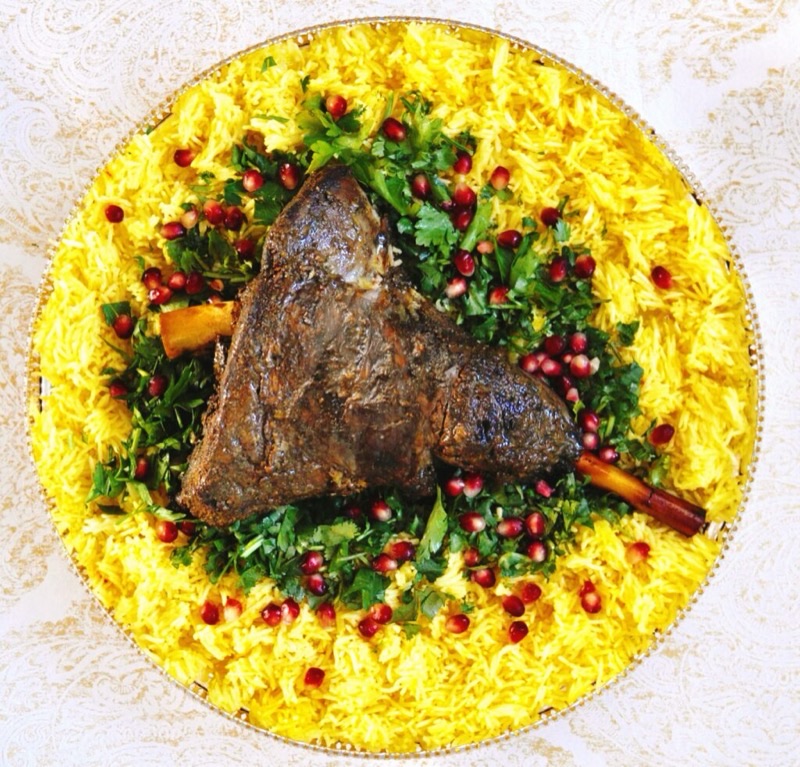
Oman provides traditional Omani cuisine which includes dishes like Shuwa (slow-cooked lamb), Harees (wheat and meat porridge), and Majboos (rice with meat or fish). Restaurants in Muscat, such as Bait Al Luban, offer a higher-end experience, with main courses around OMR 8-15 ($21-39). More casual local eateries will have meals for OMR 3-7 ($8-18). Seafood is a specialty, with fresh catches available along the coast. While the food is flavorful and authentic, the sheer choice and budget-friendly options found on every street corner are less common than in South Korea. Options for quick, cheap meals are more limited outside of large cities.
Verdict: For daily variety, budget options, and food experimentation, South Korea is the clear frontrunner.
- Winner: South Korea
- Why: South Korea offers a wider, more accessible, and budget-friendly range of dining experiences at all hours.
- Who this matters for: Foodies, budget travelers, late-night explorers.
🏛️ Culture & History
South Korea showcases a compelling blend of ancient history and cutting-edge modernity. Seoul's Gyeongbokgung Palace, a Joseon Dynasty landmark, offers insights into Korea's royal…
South Korea
Oman
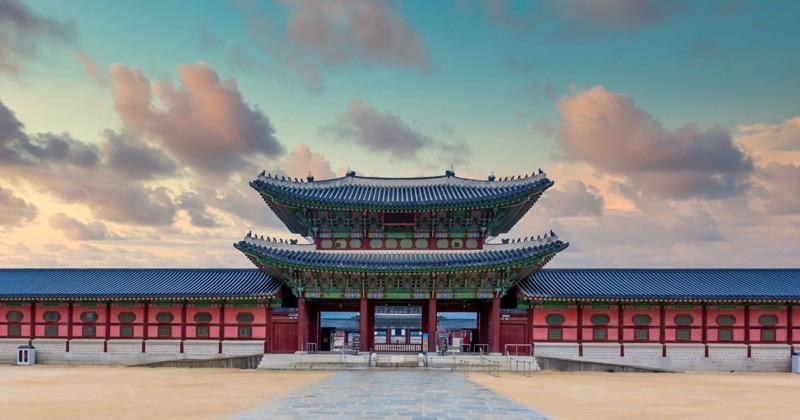
South Korea showcases a compelling blend of ancient history and cutting-edge modernity. Seoul's Gyeongbokgung Palace, a Joseon Dynasty landmark, offers insights into Korea's royal past (entry KRW 3,000 / $2.20). Bukchon Hanok Village provides a glimpse into traditional Korean housing, while the DMZ offers a sobering modern history lesson (tours around KRW 50,000-100,000 / $37-73). K-pop, K-dramas, and PC bangs demonstrate the country's contemporary cultural influence. The culture is fast-paced and constantly evolving, with a strong focus on innovation alongside respect for tradition.
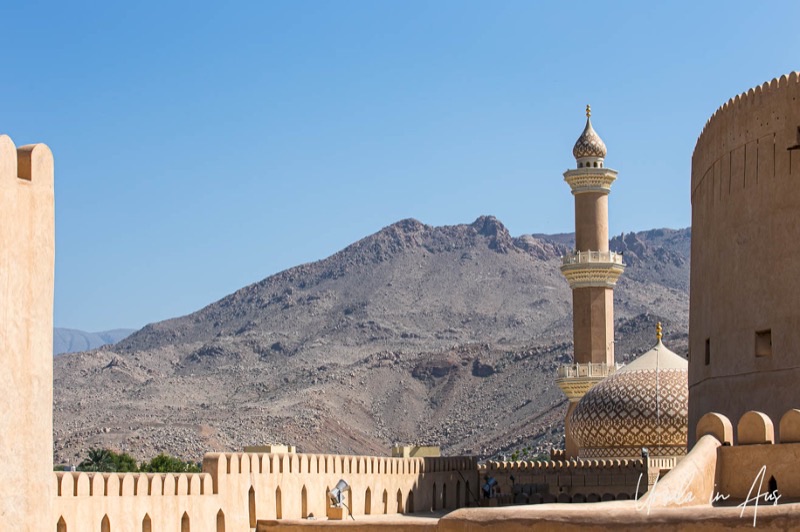
Oman holds a rich historical narrative, evident in its numerous forts and castles. Nizwa Fort, a 17th-century structure, costs OMR 5 ($13) for entry and is a prime example of Omani defensive architecture. Mutrah Souq in Muscat offers a traditional market experience, selling frankincense, textiles, and local crafts. Wadi Bani Khalid provides ancient oasis settlements. The country’s commitment to preserving its heritage is palpable, with a slower pace that encourages deeper immersion into its Bedouin and seafaring past. The Royal Opera House Muscat is a modern cultural landmark, showing international and local performances.
Verdict: Both countries offer depth, but their cultural expressions are distinct and equally valuable for different interests.
- Winner: Tie
- Why: Both countries excel in offering distinct and profound cultural experiences, catering to different preferences.
- Who this matters for: History buffs, culture enthusiasts, those seeking specific types of cultural immersion.
💰 Costs & Budget
South Korea generally offers more budget-friendly travel. A typical daily budget for a mid-range traveler could be $80-120. A hostel bed costs around KRW 25,000-40,000 ($18-30),…

South Korea
Oman
South Korea generally offers more budget-friendly travel. A typical daily budget for a mid-range traveler could be $80-120. A hostel bed costs around KRW 25,000-40,000 ($18-30), while a mid-range hotel room runs KRW 80,000-150,000 ($59-110). Public transport in cities is highly efficient and inexpensive; a single subway ride in Seoul costs KRW 1,250 ($0.90). Street food or casual meals are readily available for KRW 5,000-15,000 ($3.70-11). Activities like museum entries range from free to KRW 15,000 ($11). Overall, you can experience a lot without spending heavily, especially if you stick to local eateries and public transit.
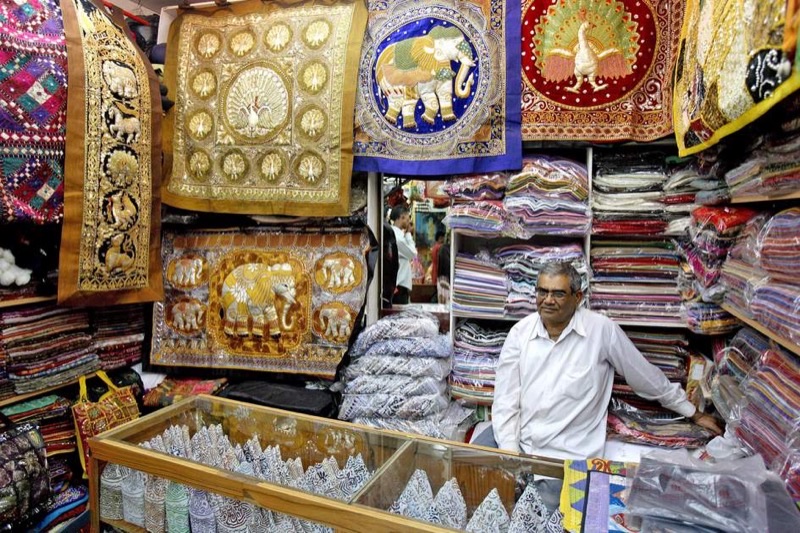
Oman is a more expensive destination. A daily budget for a mid-range traveler typically falls around $120-200. Accommodation is a primary expense; a decent hotel room in Muscat starts at OMR 40-70 ($104-182). Guesthouses or basic motels outside the capital might be OMR 20-30 ($52-78). Food, while good, costs more per meal, averaging OMR 3-7 ($8-18) at local spots and OMR 10-20+ ($26-52+) at nicer restaurants. Transportation is a significant factor; public buses are limited, so most travelers rent a 4x4, which costs OMR 25-40 ($65-104) per day plus fuel. Excursions like desert safaris can add OMR 50-100+ ($130-260+) per person.
Verdict: South Korea provides a more cost-effective travel experience for the average traveler.
- Winner: South Korea
- Why: South Korea offers lower costs for accommodation, food, and public transportation, making it more accessible for budget travelers.
- Who this matters for: Budget travelers, long-term travelers, those sensitive to daily spending.
🌃 Nightlife & Entertainment
South Korea has a reputation for its energetic and accessible nightlife, particularly in major cities like Seoul. Districts such as Hongdae, Itaewon, and Gangnam offer a wide…

South Korea
Oman
South Korea has a reputation for its energetic and accessible nightlife, particularly in major cities like Seoul. Districts such as Hongdae, Itaewon, and Gangnam offer a wide array of options, from pulsating K-pop clubs where entry might be KRW 10,000-30,000 ($7.30-22) to specialized themed bars and karaoke rooms (Norebangs) that charge by the hour (KRW 10,000-30,000 for a room). Cafes often stay open past midnight, and street food vendors operate until the early morning. Soju and beer are cheap and readily available. The atmosphere is generally safe and friendly, making it easy for solo travelers or groups to enjoy the evenings.
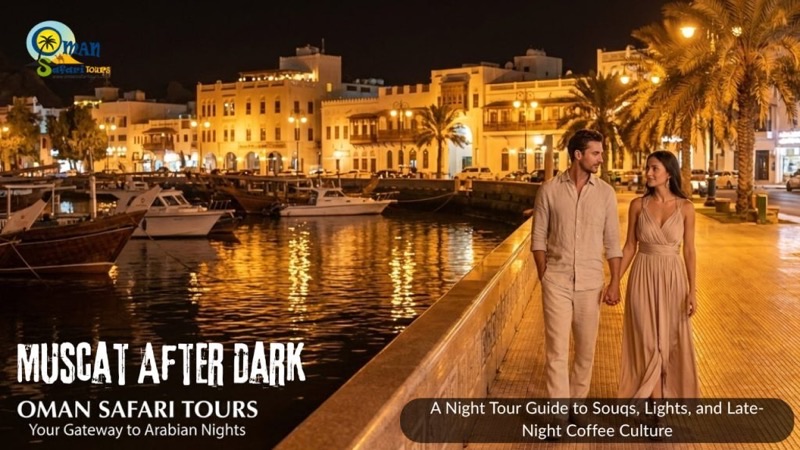
Oman's nightlife is considerably more subdued, reflecting its conservative culture. Alcohol consumption is restricted to licensed hotels and resorts. In Muscat, several luxury hotels house bars and clubs that cater to expats and tourists, with drink prices comparable to Western cities (e.g., OMR 3-6 / $8-15 for a beer). Outside these venues, evening entertainment primarily involves dining out, enjoying shisha cafes, or strolling through traditional souqs. There are no large-scale public clubs or late-night entertainment districts. The focus is more on quiet enjoyment and cultural experiences rather than high-energy parties.
Verdict: For a lively, diverse, and accessible night out, South Korea offers significantly more.
- Winner: South Korea
- Why: South Korea offers a far more extensive, diverse, and accessible nightlife scene with options for all interests and budgets.
- Who this matters for: Young travelers, party-goers, those who enjoy late-night social activities.
⛰️ Nature & Outdoors
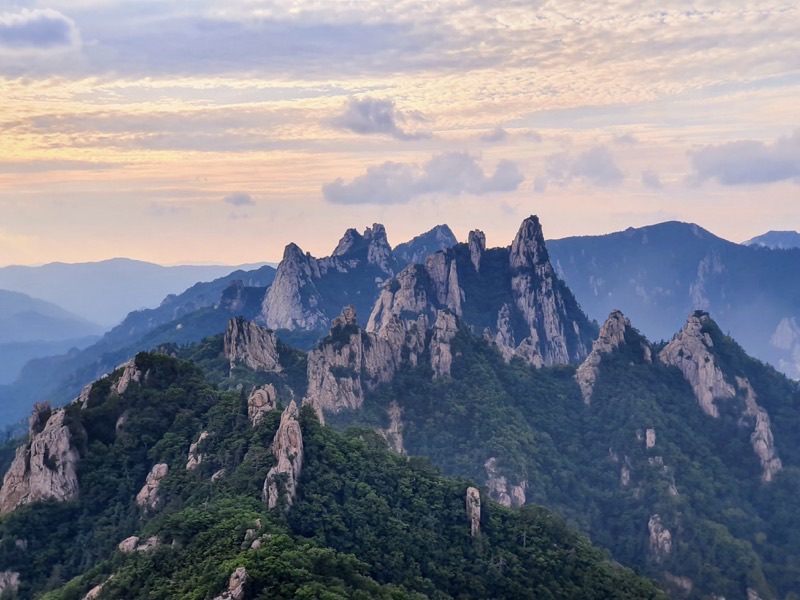
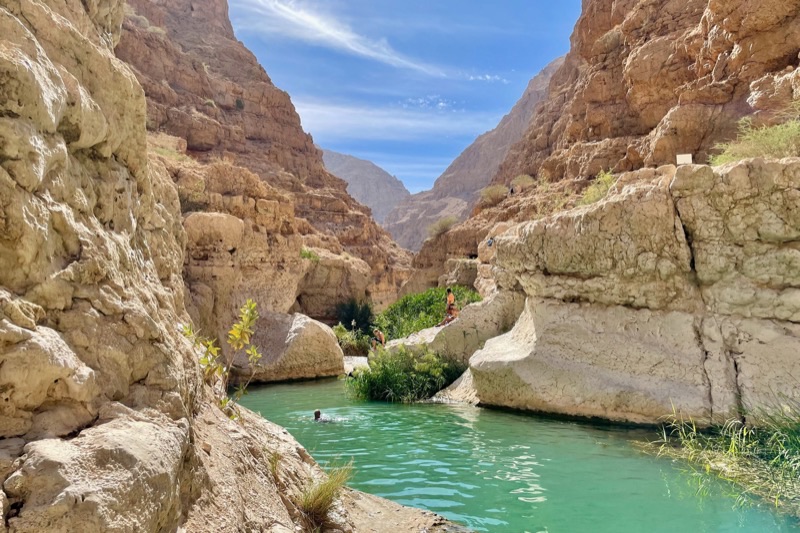
South Korea provides access to many mountains and national parks, suitable for hiking. Bukhansan National Park, near Seoul, is easily reachable by subway and offers trails ranging…
South Korea
Oman
South Korea provides access to many mountains and national parks, suitable for hiking. Bukhansan National Park, near Seoul, is easily reachable by subway and offers trails ranging from easy walks to challenging climbs with views of the city. Jirisan National Park, on the mainland, provides multi-day treks. The island of Jeju offers volcanic landscapes, beaches, and the Hallasan mountain. While there are beautiful natural areas, they are often well-developed with facilities and can feel less remote than Oman's offerings. Beaches on the east coast like Sokcho are popular but can get crowded during peak season.
Oman stands out for its raw and dramatic natural landscapes, largely untouched and requiring self-sufficiency. The Wahiba Sands desert offers dune bashing, camel rides, and overnight camping experiences (OMR 30-80 / $78-208 for a desert camp stay). The Hajar Mountains contain Jebel Shams, the 'Grand Canyon of Arabia,' suitable for hiking and canyoning. Wadis like Wadi Shab and Wadi Bani Khalid provide refreshing pools for swimming and scenic walks through palm groves. The coastline features fjords in Musandam and turtle nesting sites in Ras Al Jinz (entry OMR 5-7 / $13-18). The natural beauty often requires a 4x4 vehicle to access, adding an element of adventure and remoteness that is harder to find in South Korea.
Verdict: Oman provides a more profound and authentic experience for those seeking wild, open, and remote natural environments.
- Winner: Oman
- Why: Oman's natural landscapes are more dramatic, remote, and diverse, offering a greater sense of adventure and untouched beauty.
- Who this matters for: Adventure seekers, nature photographers, those who enjoy deserts, mountains, and off-road exploration.
🚇 Getting Around
South Korea boasts one of the most efficient and user-friendly public transportation systems globally. Seoul's subway system is extensive, clean, and well-signposted in English; a…
South Korea boasts one of the most efficient and user-friendly public transportation systems globally. Seoul's subway system is extensive, clean, and well-signposted in English; a single ride costs around KRW 1,250-2,000 ($0.90-1.50). Buses cover areas not served by the subway. The KTX high-speed rail connects major cities like Seoul, Busan, and Gyeongju rapidly; a Seoul-Busan KTX ticket costs about KRW 59,800 ($44). Taxis are also plentiful and reasonably priced, especially outside peak hours. Google Maps works for directions, but local apps like KakaoMap or Naver Map are more accurate. Getting anywhere is straightforward and inexpensive.
Oman's public transportation infrastructure is minimal outside of Muscat, where limited city buses operate. Intercity buses connect some major towns but do not reach most natural attractions. For independent exploration, especially to wadis, deserts, or mountains, renting a car is almost essential. A 4x4 vehicle is recommended for many routes and costs around OMR 25-40 ($65-104) per day. Taxis are available in cities but can be expensive for longer journeys. Many travelers opt for private drivers or guided tours, which adds to the overall cost. Navigation often relies on offline maps as cell service can be spotty in remote areas.
Verdict: South Korea's superior and comprehensive public transport system makes it significantly easier to navigate.
- Winner: South Korea
- Why: South Korea offers an exceptional, affordable, and widespread public transportation network, making independent travel simple.
- Who this matters for: Independent travelers, budget travelers, those who prefer not to drive abroad.
🏨 Accommodation
South Korea offers a wide range of accommodation choices to suit various budgets and preferences. In Seoul, hostels and guesthouses are readily available for KRW 25,000-40,000…
South Korea offers a wide range of accommodation choices to suit various budgets and preferences. In Seoul, hostels and guesthouses are readily available for KRW 25,000-40,000 ($18-30) per night, often with good amenities and social atmospheres. Mid-range hotels typically cost KRW 80,000-150,000 ($59-110). For a traditional experience, Hanok stays (traditional Korean houses) are available in areas like Bukchon Hanok Village, starting around KRW 70,000 ($51). Convenience, cleanliness, and modern facilities are common even at lower price points. Online booking platforms provide extensive options.
Oman features a smaller but quality selection of accommodation. Luxury hotels, especially in Muscat and Salalah, are common, with prices starting from OMR 40-70 ($104-182) for a standard room. Desert camps in Wahiba Sands provide a unique overnight experience, ranging from basic tents at OMR 30 ($78) to glamping options exceeding OMR 100 ($260) per night. Guesthouses and smaller hotels in towns outside the capital are less numerous and might cost OMR 20-40 ($52-104). Booking in advance is advisable, especially for popular desert camps or specific hotels during peak season. The options are generally higher-end and more spread out.
Verdict: South Korea provides a broader array of accommodation styles and price points, making it more flexible for travelers.
- Winner: South Korea
- Why: South Korea offers more diverse accommodation options, including budget-friendly hostels and unique cultural stays, at more competitive prices.
- Who this matters for: Travelers with varying budgets, those seeking social hostels or traditional lodging.
🚨 Safety
South Korea is consistently ranked as one of the safest countries globally. Violent crime is rare, and petty crime like pickpocketing is uncommon, even in crowded areas or late at…
South Korea is consistently ranked as one of the safest countries globally. Violent crime is rare, and petty crime like pickpocketing is uncommon, even in crowded areas or late at night. Solo female travelers often report feeling comfortable walking alone at any hour. Emergency services are efficient, and public spaces are well-monitored. It is common to see unattended belongings in cafes or libraries without concern for theft. The biggest safety concerns might be navigating busy streets or dealing with occasional overly enthusiastic K-pop fans in certain areas, but serious threats are almost non-existent.
Oman is also an exceptionally safe country with very low crime rates. The society is conservative and welcoming, and tourists are generally respected. Solo travelers, including women, usually feel secure. However, it is advisable for women to dress modestly in public areas outside of private resorts to show respect for local customs. The main safety considerations are related to outdoor activities, such as heatstroke in the desert, flash floods in wadis during rain, or driving hazards on remote roads. General precautions apply, but the risk of crime is minimal.
Verdict: Both destinations offer a high degree of safety, making them excellent choices for travelers concerned about personal security.
- Winner: Tie
- Why: Both countries maintain very low crime rates and provide a secure environment for travelers.
- Who this matters for: Solo travelers, families, those prioritizing personal safety and peace of mind.
🚶 Solo Travel
South Korea is an ideal destination for solo travelers. Its public transportation is intuitive, efficient, and makes independent exploration simple. Hostels are plentiful and…
South Korea is an ideal destination for solo travelers. Its public transportation is intuitive, efficient, and makes independent exploration simple. Hostels are plentiful and offer a social atmosphere where meeting other travelers is easy. The low crime rate means walking around alone, even at night, poses little concern. English is generally understood in tourist areas, and translation apps work well. Solo dining is common, with many restaurants catering to single diners. A solo traveler can enjoy K-pop concerts, visit museums, or relax in cafes without feeling out of place. Mobile connectivity is excellent, aiding navigation and communication.
Oman presents a different experience for solo travelers. While very safe, the limited public transport means solo travelers often need to rent a car or rely on private drivers/tours, which increases costs and can reduce spontaneity. Accommodation, especially outside Muscat, can be more expensive than in South Korea. The social scene is less geared towards casual interaction with other travelers outside of organized tours. The travel style tends to be more introspective, focusing on landscapes and cultural immersion rather than bustling social engagement. It is suitable for those comfortable with independent exploration and planning.
Verdict: South Korea provides a more accessible, social, and budget-friendly experience for solo travelers.
- Winner: South Korea
- Why: South Korea offers a more accessible, social, and budget-friendly environment with easier navigation for solo travelers.
- Who this matters for: First-time solo travelers, social travelers, budget-conscious individuals.
🛍️ Shopping
South Korea is a shopper's paradise, especially for fashion, beauty, and tech. Districts like Myeongdong and Hongdae in Seoul are packed with cosmetics stores (e.g., Olive Young,…
South Korea is a shopper's paradise, especially for fashion, beauty, and tech. Districts like Myeongdong and Hongdae in Seoul are packed with cosmetics stores (e.g., Olive Young, Innisfree), fashion boutiques, and K-pop merchandise shops. You can find sheet masks for KRW 1,000-5,000 ($0.73-3.70) or trendy clothing for KRW 10,000-50,000 ($7.30-37). Large department stores like Lotte and Shinsegae offer luxury goods and tax-free shopping. Dongdaemun Design Plaza hosts a massive shopping complex with late-night options. The variety, innovation, and sheer volume of products available at various price points are substantial.
Oman offers a more traditional and craft-focused shopping experience. The Mutrah Souq in Muscat is the primary destination for local goods, including frankincense, Omani silver (khanjars and jewelry), pashminas, and spices. You can find small frankincense burners for OMR 3-10 ($8-26) or a traditional Omani headwear (kuma) for OMR 5-15 ($13-39). Prices are often negotiable. Modern malls exist in Muscat, offering international brands, but they do not define the shopping culture. The experience is more about browsing unique, handcrafted items and engaging with local vendors rather than mass consumerism.
Verdict: South Korea provides a broader, more modern, and diverse shopping experience with abundant choices.
- Winner: South Korea
- Why: South Korea offers a wider range of modern goods, fashion, and beauty products at various price points, catering to diverse shopping interests.
- Who this matters for: Fashion enthusiasts, beauty product collectors, tech aficionados, souvenir hunters.
🎯 The Decision Framework
Choose South Korea If…
- You want hyper-modern cities with 24/7 activity.
- You value efficient, affordable public transportation.
- You are excited by K-pop, K-dramas, and tech culture.
- You want safe, accessible nightlife and social experiences.
- You are a foodie seeking diverse street food and cafes.
- You are traveling solo and want easy social connections.
- You prefer a fast-paced, urban exploration trip.
- You are conscious of your daily budget ($80-120/day).
Choose Oman If…
- You seek quiet desert landscapes and untouched nature.
- You prefer cultural immersion in traditional settings.
- You are comfortable renting a 4x4 and driving yourself.
- You want to experience authentic Middle Eastern hospitality.
- You enjoy outdoor activities like wadi swimming and hiking.
- You prioritize relaxation and a slower travel pace.
- You are prepared for a higher daily budget ($120-200/day).
- You are interested in ancient forts and historical souqs.
📅 Sample Itineraries
Weekend in South Korea (3 Days)
💡 Purchase a T-Money card upon arrival for convenient and discounted public transport; load it with about $20 for three days of travel.
Weekend in Oman (3 Days)
💡 Renting a 4x4 vehicle is highly recommended for exploring Oman's wadis and desert areas, costing around $60-100 per day.
One Week in South Korea (7 Days)
💡 Pre-book KTX train tickets between Seoul and Busan online to secure seats and potentially get better prices, especially during peak travel times.
One Week in Oman (7 Days)
💡 For desert excursions and mountain drives, it is advisable to hire a local guide or join a guided tour, which can also include camping equipment and meals.
❓ Frequently Asked Questions
What are typical flight times and costs from major hubs?
From New York City, a direct flight to Seoul takes around 14-16 hours and costs $800-1300. Flights to Muscat typically involve one stop, taking 15-18 hours, and cost $700-1200. From London, direct flights to Seoul are 11-12 hours ($700-1100), while direct flights to Muscat are 7-8 hours ($400-800).
What is the best time of year to visit South Korea vs Oman?
For South Korea, spring (April-May) and autumn (September-October) offer pleasant weather with clear skies and mild temperatures, around 15-25°C. Oman is best visited during its cooler months, from October to April, when temperatures are around 20-30°C, making desert and outdoor activities comfortable. Summers in both countries can be hot and humid.
Do I need a visa for South Korea or Oman?
Visa requirements vary by nationality. Many nationalities, including US citizens, can enter South Korea visa-free for up to 90 days, often requiring an K-ETA. For Oman, most Western visitors can obtain a visa on arrival or an e-visa online for durations like 10 or 30 days. Always check current regulations for your specific passport.
What is the internet and connectivity like in each country?
South Korea boasts some of the fastest internet speeds globally, with widespread free Wi-Fi and affordable eSIMs/SIM cards for excellent mobile data coverage. In Oman, internet connectivity is reliable in cities and major tourist areas, but it can become spotty or unavailable in remote desert or mountain regions. SIM cards are available at the airport.
Is English widely spoken in South Korea or Oman?
In South Korea, English is understood in major tourist areas, hotels, and international business centers, but less so in local neighborhoods. Translation apps are useful. In Oman, English is commonly spoken in business, tourism, and by many younger Omanis, making communication relatively straightforward for travelers.
What are currency exchange rates for KRW and OMR?
The South Korean Won (KRW) fluctuates, but roughly 1,000 KRW is about $0.73 USD. The Omani Rial (OMR) has a fixed exchange rate, with 1 OMR consistently around $2.60 USD. It is advisable to check current rates close to your travel dates for precise calculations.
Are there specific cultural norms to be aware of in each country?
In South Korea, bowing is a common greeting, and removing shoes before entering homes is standard. Public displays of affection are generally discreet. In Oman, a conservative Islamic nation, modest dress (shoulders and knees covered) is advisable, especially for women in public. Public alcohol consumption is restricted to licensed venues. Handshakes are common, and using your left hand is considered impolite.
How long should I plan for a trip to South Korea or Oman?
For South Korea, a 7-10 day trip allows for a good exploration of Seoul and one or two other regions like Busan or Jeju. For Oman, a 7-10 day itinerary is also a good starting point to cover Muscat, a desert camp, and a couple of wadis or mountain areas. Longer trips of 2 weeks or more allow for deeper exploration of either country.
Ready to plan your Asia or Middle East trip?
Get a free custom itinerary for South Korea, Oman, or both — built from real traveler insights.
👥 Travelers Also Compared
🎟️ Book Tours & Experiences
Hand-picked tours and activities for both destinations — book with free cancellation
Experiences via Viator — free cancellation on most tours