How we built this comparison
This page combines traveler discussion patterns, published price ranges, flight schedules, and seasonal data to help you decide between Spain and Sweden.
- Reviewed 100+ Reddit threads from r/travel, r/solotravel, r/Spain, r/Sweden, r/Barcelona, r/Stockholm.
- Verified costs and logistics against current booking platforms like Google Flights, Booking.com, and local transport sites.
- Cross-referenced seasonal patterns and weather data from meteorological sources.
⚡ Quick Answers
⚡ The TL;DR Verdict
For most travelers seeking sun, approachable costs, and a constant hum of activity, Spain is the clear pick. You'll find a daily budget averaging $75-130 USD in Spain, offering more for your money. Sweden, at $95-170 USD per day, suits those who prioritize contemporary design, outdoor solitude, and a more reserved atmosphere.
- Choose Spain: Pick Spain if you are a social traveler on a moderate budget, want consistent good weather, a focus on food and history, and late-night options.
- Choose Sweden: Choose Sweden if you appreciate clean cities, modern design, extensive nature access, a quieter travel pace, and don't mind a higher cost of living.
- Choose Both: Consider both if you have 3+ weeks and want a study in contrasts: start in Spain for activity and end in Sweden for a calm contrast. Fly low-cost between them.
Choose Spain
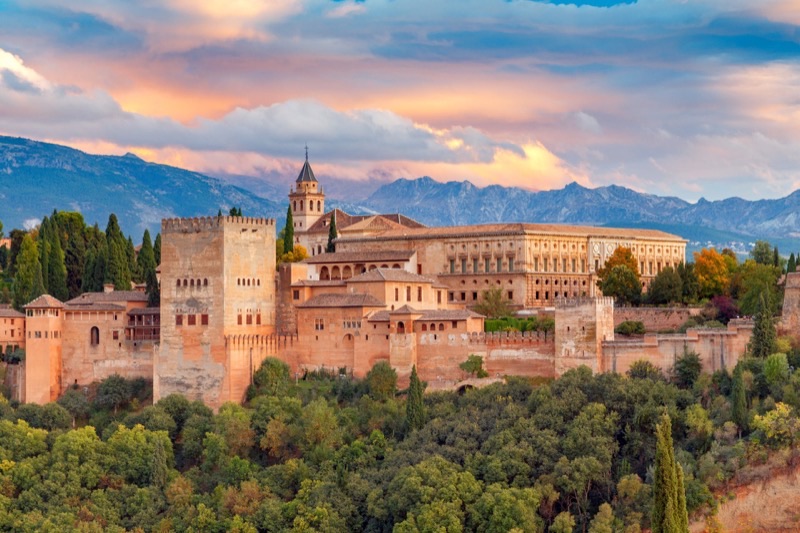
Spain is perfect for the social foodie and budget-conscious culture seeker who thrives on vibrant energy. Imagine tapas crawls through Seville's Triana, flamenco in Granada, or late-night strolls along Barcelona's Las Ramblas, all while enjoying excellent value. This destination promises sun-drenched days and an effervescent nightlife without breaking the bank.
Choose Sweden
Opt for Sweden if you're a design enthusiast or nature lover seeking serene beauty and impeccable organization, willing to invest a bit more. Explore Stockholm's minimalist cafes in Södermalm, kayak through the archipelagos, or hike the Kungsleden for unmatched solitude. This Nordic gem offers a tranquil escape and a focus on quality over constant activity.
📊 Visual Scorecard
🌤 When to Visit
Average high temperatures (°C). Green = best months, orange = avoid.
Quick Comparison
| Category | Spain | Sweden | Winner |
|---|---|---|---|
| Costs & Budget | Lower average daily expenses, affordable food, transport, and accommodation. | Higher daily expenses for nearly everything, especially food and drinks. | Spain |
| Food & Drink | Social dining culture, tapas, paella, regional wines, late meal times. | Fika culture, meatballs, seafood, emphasis on fresh, seasonal ingredients, expensive alcohol. | Spain |
| Culture & History | Roman, Moorish, and Christian heritage, grand cathedrals, art museums, flamenco. | Viking history, modern design, innovation, minimalism, Midsommar celebrations. | Spain |
| Nightlife & Social Scene | Late dinners, lively bars, nightclubs, flamenco, strong social culture, tapas hopping. | Early evenings, pubs, cocktail bars, more reserved social interactions, Fika. | Spain |
| Nature & Outdoors | Beaches, mountains (Pyrenees, Picos de Europa), national parks, hiking, arid landscapes. | Forests, lakes, archipelagos, Northern Lights, hiking, kayaking, 'Allemansrätten'. | Sweden |
| Getting There | Major international hubs in Madrid, Barcelona. Many direct flights from North America. | Stockholm Arlanda is main hub. Fewer direct flights from North America, potentially longer routes. | Spain |
| Getting Around | Extensive public transport, high-speed rail (AVE), affordable intercity buses, easy walking. | Efficient public transport, good regional trains, expensive taxis, car rental useful for rural. | Spain |
| Accommodation | Wide range of budget hostels, boutique hotels, apartments, paradores (historic hotels). | Modern hostels, design-focused hotels, cabins, generally higher prices, especially in cities. | Spain |
| Weather & Seasons | Hot summers (south), mild winters, abundant sunshine, distinct regional climates. | Mild summers, cold and snowy winters (north), long daylight hours in summer, Northern Lights in winter. | Spain |
| Safety & Cleanliness | Generally safe, but petty crime (pickpocketing) common in major tourist areas. | Very safe, low crime rates, high levels of public trust and order, very clean cities. | Sweden |
💰 Costs & Budget
Spain generally presents a more budget-friendly experience for travelers. A mid-range daily budget for a solo traveler can sit around €70-€120 (~$75-$130 USD). This covers a…

Spain
Sweden
Spain generally presents a more budget-friendly experience for travelers. A mid-range daily budget for a solo traveler can sit around €70-€120 (~$75-$130 USD). This covers a hostel bed or budget hotel (€30-€70), two meals (€20-€40, including tapas and a sit-down dinner), and local transport with some museum entries. For example, a metro ticket in Madrid costs around €1.50-€2.50, a glass of rioja wine €2-€4, and a solid three-course lunch menu del día can be found for €10-€15.
Sweden, by contrast, requires a larger travel fund. Expect a daily expenditure of SEK 1000-SEK 1800 (~$95-$170 USD) for a similar mid-range experience. A hostel bed in Stockholm might cost SEK 300-SEK 500, while a basic hotel room is SEK 800-SEK 1500. A simple lunch can be SEK 120-SEK 200, and a beer at a bar SEK 70-SEK 90. Public transport fares, such as a single journey on the Stockholm Tunnelbana, are typically SEK 40-SEK 50. Spain wins handily for travelers watching their spending.
- Winner: Spain
- Why: Spain offers a significantly more approachable daily budget for accommodation, food, and activities, allowing a longer stay or more indulgence.
- Who this matters for: Travelers on a moderate budget, backpackers, and families.
🍷 Food & Drink
Spain's food scene is a core part of the travel experience. Tapas culture encourages sampling many small dishes like patatas bravas, jamón ibérico, and gambas al ajillo, often for…
Spain
Sweden
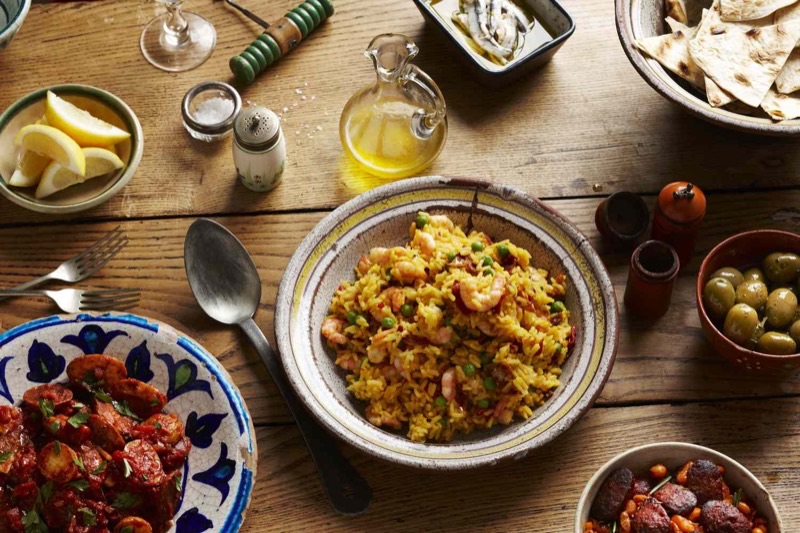
Spain's food scene is a core part of the travel experience. Tapas culture encourages sampling many small dishes like patatas bravas, jamón ibérico, and gambas al ajillo, often for €3-€7 per plate. A full meal with paella or fresh seafood can cost €15-€25. Cities like San Sebastian are known for pintxos (Basque tapas), and Valencia for its paella. Mercado de San Miguel in Madrid offers many choices. Spanish wines are excellent and inexpensive, with a good bottle costing €5-€15 in a supermarket or €15-€30 in a restaurant.
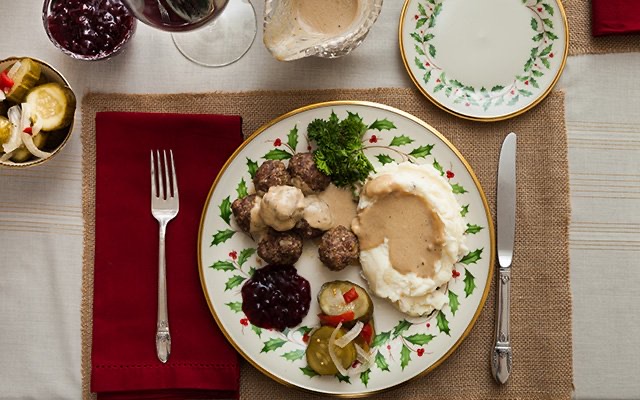
Swedish cuisine centers on fresh, seasonal ingredients, but often at a higher price. Staples include meatballs (köttbullar), pickled herring (sill), and salmon. The Fika tradition of coffee and a pastry (like a cinnamon bun, kanelbulle) is a daily ritual, costing SEK 70-SEK 100. A main course at a Stockholm restaurant might be SEK 180-SEK 350. Alcohol, especially wine and spirits, is heavily taxed and sold primarily through state-run Systembolaget stores at high prices. A glass of house wine in a restaurant can be SEK 80-SEK 120. Spain offers a more accessible and varied food experience for the average traveler.
- Winner: Spain
- Why: Spain provides a richer, more social, and significantly more affordable culinary experience with diverse regional specialties.
- Who this matters for: Food enthusiasts, social diners, and those who enjoy wine with meals.
🏛️ Culture & History
Spain's history spans millennia, evident in Roman aqueducts in Segovia, Moorish palaces like the Alhambra in Granada, and Barcelona's Sagrada Familia. The Prado Museum in Madrid…
Spain
Sweden
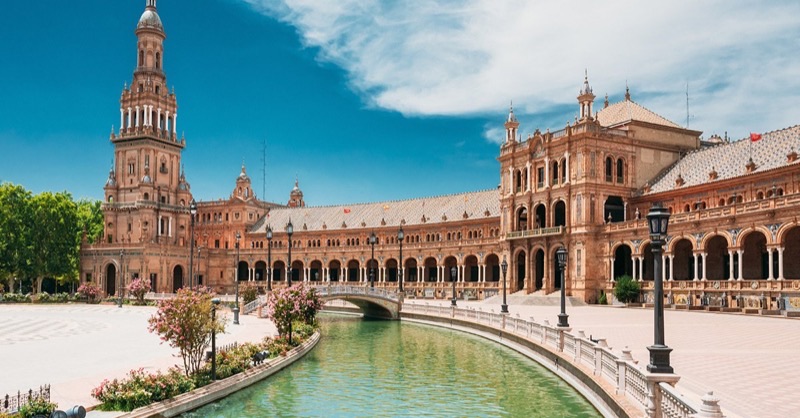
Spain's history spans millennia, evident in Roman aqueducts in Segovia, Moorish palaces like the Alhambra in Granada, and Barcelona's Sagrada Familia. The Prado Museum in Madrid houses masterpieces, while Seville's Alcázar and Cathedral reflect centuries of different rulers. Flamenco shows in Andalusia offer a deep dive into Spanish passion and tradition. Cities feel like open-air museums, with narrow streets and ancient buildings at every turn. Historical sites often have entrance fees of €10-€20 but provide hours of exploration.
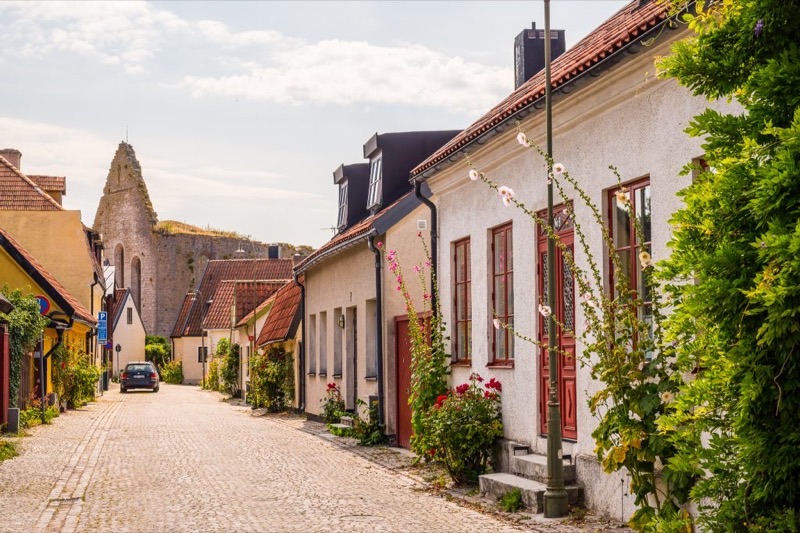
Sweden's cultural narrative leans into its Viking past, its influential modern design, and a strong focus on public access and innovation. The Vasa Museum in Stockholm showcases a salvaged 17th-century warship, while Gamla Stan (Old Town) preserves medieval streets. The Nobel Museum celebrates scientific and cultural achievements. Swedish culture is also expressed through its design aesthetic: clean lines, functionality, and minimalism, seen in stores like Svenskt Tenn. While Sweden offers a specific kind of cultural depth, Spain's historical breadth and density provide more to engage with for most travelers.
- Winner: Spain
- Why: Spain presents a broader and more immediately accessible array of historical periods and cultural expressions, from ancient ruins to world-class art.
- Who this matters for: History buffs, art lovers, and those seeking deeply rooted traditions.
💃 Nightlife & Social Scene
Spain is synonymous with a late, energetic social scene. Dinners often start at 9 PM or later, and bars fill up as midnight approaches. Cities like Madrid, Barcelona, and Seville…

Spain
Sweden
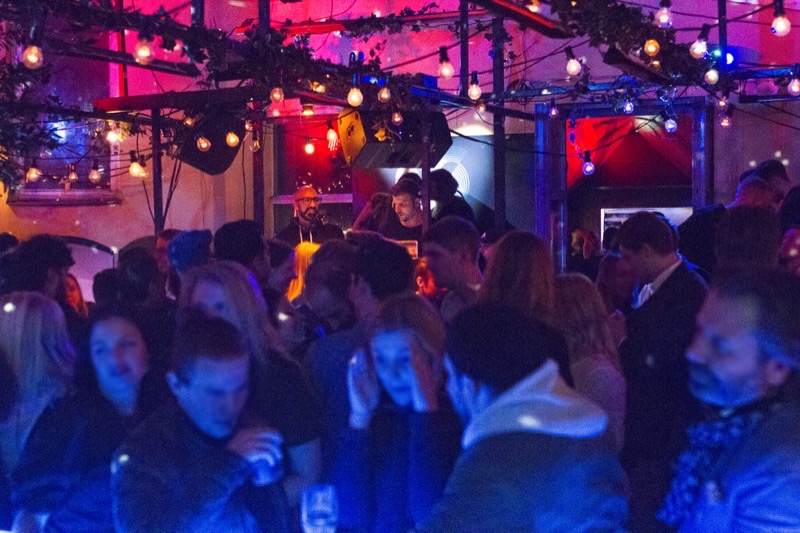
Spain is synonymous with a late, energetic social scene. Dinners often start at 9 PM or later, and bars fill up as midnight approaches. Cities like Madrid, Barcelona, and Seville offer everything from cozy tapas bars (like Bar del Pla in Barcelona) to large nightclubs (like Opium Mar in Barcelona or Kapital in Madrid) that stay open until dawn. Flamenco performances are often late-night affairs. The atmosphere is generally open and social, with people congregating in plazas and on terraces. Alcohol is relatively inexpensive, facilitating longer evenings out.
Sweden's nightlife is more subdued and begins earlier. Pubs and bars in cities like Stockholm and Gothenburg close around 1 AM or 3 AM, rather than the 5 AM or 6 AM seen in Spain. While there are good cocktail bars and nightclubs, they tend to be pricier and less sprawling. Swedes generally maintain a more reserved social distance. The concept of 'going out' is less about extended street-level interaction and more about specific venues. Expect higher prices for drinks, with a standard beer costing SEK 70-SEK 90. Spain provides a more consistent and accessible experience for those who prioritize a lively, extended social evening.
- Winner: Spain
- Why: Spain's nightlife is significantly more extended, social, and budget-friendly, making it ideal for late-night revelers and social travelers.
- Who this matters for: Party-goers, social butterflies, and those who enjoy late dinners and extended evenings.
🏞️ Nature & Outdoors
Spain offers a diverse natural landscape, from the Mediterranean beaches of the Costa del Sol and Costa Brava to the peaks of the Pyrenees and Picos de Europa. Sierra Nevada…
Spain

Sweden
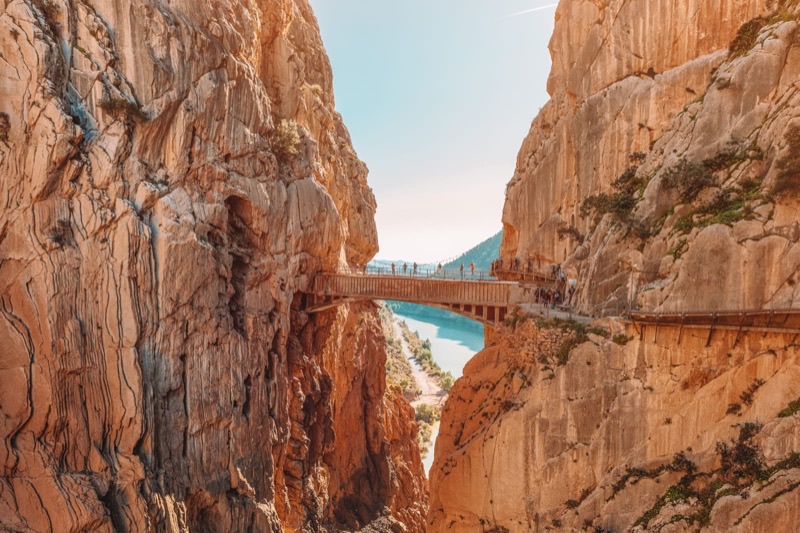
Spain offers a diverse natural landscape, from the Mediterranean beaches of the Costa del Sol and Costa Brava to the peaks of the Pyrenees and Picos de Europa. Sierra Nevada provides skiing. There are arid areas like Bardenas Reales and volcanic landscapes in the Canary Islands. Hiking is popular in national parks like Ordesa y Monte Perdido. However, many areas can be crowded, especially coastal regions during peak season. The climate varies greatly, allowing for different outdoor activities depending on the region and time of year.
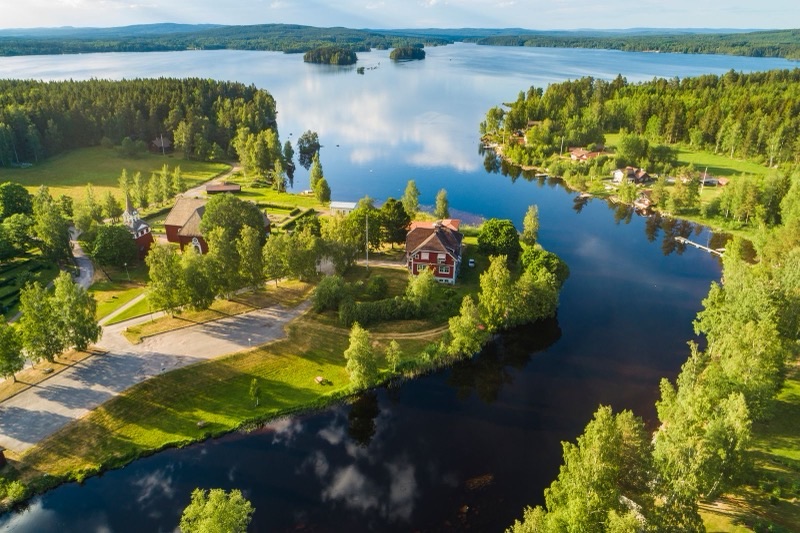
Sweden excels with its vast, accessible natural spaces. The 'Allemansrätten' (Freedom to Roam) allows public access to most land for hiking, camping, foraging, and kayaking. The Stockholm Archipelago, with its thousands of islands, is a major draw for boating and swimming. National parks like Abisko offer opportunities to see the Northern Lights in winter and midnight sun in summer. Extensive forests and lakes provide solitude and opportunities for activities like fishing and canoeing. The emphasis on nature is ingrained, offering a quieter, more expansive outdoor experience than Spain's often more populated natural areas. Sweden is the clear choice for nature immersion.
- Winner: Sweden
- Why: Sweden offers unparalleled access to extensive, serene natural environments, with a legal right to roam that fosters deeper outdoor exploration.
- Who this matters for: Hikers, campers, nature photographers, those seeking solitude outdoors, and winter adventure enthusiasts.
✈️ Getting There
Spain is highly accessible from North America and other parts of Europe. Major airports like Madrid-Barajas (MAD) and Barcelona-El Prat (BCN) are significant international hubs.…
Spain is highly accessible from North America and other parts of Europe. Major airports like Madrid-Barajas (MAD) and Barcelona-El Prat (BCN) are significant international hubs. Direct flights from New York (JFK) to Madrid typically take around 7.5 to 8 hours, with round-trip economy fares often ranging from $500-$900 outside of peak season. Many European budget airlines like Vueling and Ryanair also provide inexpensive connections from other European cities. The frequency of flights means more flexibility and often better pricing.
Sweden's main international gateway is Stockholm Arlanda (ARN). Direct flights from New York (JFK) to Stockholm average 7.5 to 8.5 hours, with round-trip economy fares generally in the $600-$1000 range. While direct flights exist, they might be less frequent or slightly more expensive than those to Spain. Connections from other European cities are also good, but prices for intra-European flights to Scandinavia can sometimes be higher due to less competition on certain routes. For overall ease and cost-efficiency of arrival, Spain has an edge.
- Winner: Spain
- Why: Spain benefits from more direct flights, greater frequency, and often more competitive pricing from major international hubs.
- Who this matters for: Travelers prioritizing direct routes, shorter flight times, and more budget-friendly airfares.
🚇 Getting Around
Spain boasts an excellent and affordable transportation network. Major cities like Madrid, Barcelona, and Seville have extensive and easy-to-use metro and bus systems, with single…
Spain boasts an excellent and affordable transportation network. Major cities like Madrid, Barcelona, and Seville have extensive and easy-to-use metro and bus systems, with single tickets costing €1.50-€2.50. The high-speed AVE train network connects major cities efficiently, though tickets can be pricey (e.g., Madrid to Barcelona from €40-€100). Intercity buses are a very budget-friendly option, with routes like Seville to Granada costing around €20-€25. Walking is the primary way to explore city centers.
Sweden's public transport is efficient, clean, and punctual, particularly in cities like Stockholm and Gothenburg. The Tunnelbana (metro) in Stockholm is well-regarded, with single fares around SEK 40-SEK 50. Regional trains are reliable but can be expensive, and car rentals are generally higher priced than in Spain. Taxis are very expensive, making ridesharing or public transport a better choice. While both countries have good infrastructure, Spain's lower cost for intercity travel and overall urban transport gives it the advantage for most travelers.
- Winner: Spain
- Why: Spain offers a more budget-friendly and equally efficient public transport system, particularly for intercity travel via buses and trains.
- Who this matters for: Budget travelers, those planning to visit multiple cities, and anyone who prefers relying on public transit.
🏨 Accommodation
Accommodation in Spain is plentiful and offers good value across all price points. Hostel beds in major cities like Barcelona or Seville typically range from €20-€40 per night.…
Accommodation in Spain is plentiful and offers good value across all price points. Hostel beds in major cities like Barcelona or Seville typically range from €20-€40 per night. Budget hotels can be found for €60-€100, while a mid-range hotel might cost €100-€180. Options like 'paradores' (historic buildings converted into luxury hotels) provide a unique experience. Airbnb and apartment rentals are widely available and can be more economical for longer stays or groups. Even in peak season, it's possible to find reasonable options with advance booking.
Sweden's accommodation landscape emphasizes modern design and functionality but comes with a higher price tag. A hostel bed in Stockholm can cost SEK 300-SEK 500 (~$28-$47 USD) per night. Budget hotels typically start around SEK 800-SEK 1500 (~$75-$140 USD), and mid-range options are significantly more expensive. While there are stylish boutique hotels and lakeside cabins, the overall cost for a comfortable stay is higher. Spain's combination of affordability, variety, and the sheer number of options makes it easier to find suitable lodging for various budgets.
- Winner: Spain
- Why: Spain offers more affordable and diverse accommodation options, from budget hostels to unique historic hotels, providing better value.
- Who this matters for: Travelers on a budget, families needing space, and those seeking value in their lodging.
☀️ Weather & Seasons
Spain generally offers warmer and sunnier weather. Summers (June-August) are hot, especially in the south (Seville regularly reaches 35-40°C/95-104°F). Spring and autumn…
Spain generally offers warmer and sunnier weather. Summers (June-August) are hot, especially in the south (Seville regularly reaches 35-40°C/95-104°F). Spring and autumn (April-May, September-October) provide comfortable temperatures (20-28°C/68-82°F) and are ideal for sightseeing. Winters are mild in most areas (10-15°C/50-59°F), particularly along the Mediterranean coast, though the central plateau and northern mountains get colder. The long periods of sunshine and warm temperatures are a major draw for many travelers seeking a climate with less rain and more light.
Sweden experiences mild summers (June-August) with temperatures around 18-25°C (64-77°F) and very long daylight hours, even midnight sun in the far north. Winters (December-February) are cold, snowy, and dark, with temperatures often below freezing (0 to -10°C/32-14°F) in the south and much colder in the north. This makes winter activities like skiing or seeing the Northern Lights possible, but overall conditions are less comfortable for general tourism. For consistent pleasant weather over a longer season, Spain is a more reliable choice for most travelers.
- Winner: Spain
- Why: Spain consistently provides warmer temperatures and more abundant sunshine for a longer part of the year, appealing to most leisure travelers.
- Who this matters for: Sun-seekers, those who dislike cold weather, and travelers seeking outdoor activities without extreme temperatures.
✅ Safety & Cleanliness
Spain is a safe country for most visitors, but like any major tourist destination, petty crime is an issue. Pickpocketing is particularly common in crowded areas like Barcelona's…
Spain is a safe country for most visitors, but like any major tourist destination, petty crime is an issue. Pickpocketing is particularly common in crowded areas like Barcelona's Las Ramblas, Madrid's Puerta del Sol, and on public transport. Travelers should be aware of their belongings, especially in bars and at popular attractions. Serious violent crime against tourists is rare. Cities are generally well-maintained, but some older areas might show wear. Staying aware of surroundings and using common sense goes a long way in Spain.
Sweden consistently ranks among the safest countries in the world. Crime rates, including petty theft, are very low compared to Spain. Cities like Stockholm are exceptionally clean, with efficient public services and a high degree of public order. Travelers can generally feel very secure, even walking alone at night in most urban areas. The emphasis on civic responsibility and well-maintained public spaces contributes to a perception and reality of high safety and cleanliness. For travelers prioritizing peace of mind and pristine environments, Sweden is the superior choice.
- Winner: Sweden
- Why: Sweden offers a higher degree of personal safety and urban cleanliness, with significantly lower rates of petty crime.
- Who this matters for: Solo travelers, families with young children, and those who prioritize a very secure and clean environment.
🎯 The Decision Framework
Choose Spain If…
- You want affordable tapas and wine available late into the night.
- You prefer warm, sunny weather for most of your trip.
- You are on a moderate budget and want your money to go further.
- You like a lively social scene with bustling plazas and late dinners.
- You want to explore centuries of Roman, Moorish, and Christian history.
- You enjoy extensive public transportation networks that are also budget-friendly.
- You are looking for a destination with many direct, affordable flight options.
- You appreciate spontaneous cultural experiences like street flamenco.
Choose Sweden If…
- You prioritize a very safe and clean travel environment.
- You appreciate modern design, functionality, and minimalist aesthetics.
- You want to spend time immersed in forests, lakes, or archipelagos.
- You hope to see the Northern Lights or experience the midnight sun.
- You prefer a quieter, more reserved social atmosphere.
- You don't mind a higher cost of living for high-quality public services.
- You are interested in the 'Allemansrätten' for free access to nature.
- You seek efficient, punctual public transport even if it costs more.
📅 Sample Itineraries
Weekend in Spain (3 Days)
💡 Purchase Barcelona's Hola BCN! travel card for unlimited public transport, saving on individual tickets and reducing travel stress during your stay.
Weekend in Sweden (3 Days)
💡 To save on museum entries and public transport, consider purchasing a Stockholm Pass for 24, 48, or 72 hours, potentially saving $50 over 3 days.
One Week in Spain (7 Days)
💡 Book Renfe train tickets well in advance, especially for popular routes like Madrid-Barcelona, to secure cheaper fares that can save 20-40%.
One Week in Sweden (7 Days)
💡 Look for SJ's 'Sista minuten' (last minute) train tickets, released 24 hours before departure, for intercity routes; they can offer significant discounts of up to 50%.
❓ Frequently Asked Questions
Which destination is better for solo female travelers?
Both are safe, but Sweden offers higher levels of personal security and lower petty crime rates, which can bring more peace of mind for solo female travelers. Spain is generally safe but requires more vigilance against pickpockets in crowded tourist zones.
Can I get by with just English in Spain or Sweden?
In Sweden, English proficiency is very high, especially among younger generations and in urban areas, so you'll have no trouble communicating. In Spain, English is widely spoken in major tourist areas, but knowing basic Spanish phrases (like 'hola', 'gracias', 'por favor') will significantly enhance your experience, especially outside big cities.
What's the best time of year to visit each country?
For Spain, spring (April-May) and autumn (September-October) offer pleasant temperatures (20-28°C) for sightseeing. Summers are very hot. For Sweden, summer (June-August) with its mild temperatures (18-25°C) and long daylight hours is ideal. Winter offers snow and Northern Lights, but it is cold (0 to -10°C) and dark.
Which country has better beaches?
Spain offers a greater variety and quantity of accessible beaches along its Mediterranean and Atlantic coasts, from the Costa del Sol to the Canary Islands, with warmer waters and longer beach seasons. Sweden has beautiful coastal areas, especially its archipelagos, but the water is colder and the season shorter.
How do flight times compare from the US?
Direct flights from the US East Coast (e.g., NYC) to Madrid or Barcelona generally take 7.5-8 hours. Direct flights to Stockholm are similar, around 7.5-8.5 hours. Spain often has more frequent and slightly cheaper direct options.
Is public transport easy to use for tourists in both countries?
Yes, both countries have efficient and extensive public transport systems in their major cities. Spain's metro and bus networks are generally more budget-friendly (e.g., Madrid metro ticket €1.50-€2.50). Sweden's systems are very punctual and clean but higher priced (e.g., Stockholm metro ticket SEK 40-SEK 50).
Which destination offers more for a family trip with young kids?
Spain can be more accommodating for families with young kids due to its warmer climate, more affordable dining (tapas culture allows for variety), and many parks and beaches. Sweden offers clean cities and excellent nature access, but dining out can be expensive, and winter conditions might be less ideal for young children.
Can I find vegetarian/vegan options easily in both?
Both countries have increasing vegetarian/vegan options. Sweden, with its modern food scene and health consciousness, has many dedicated plant-based restaurants and options in mainstream establishments, especially in Stockholm. Spain is catching up, particularly in larger cities like Barcelona and Madrid, but traditional Spanish cuisine is very meat and seafood-heavy, so you may need to seek out specific restaurants.
Ready to plan your European trip?
Get a free custom itinerary for Spain, Sweden, or both — built from real traveler insights.
👥 Travelers Also Compared
🎟️ Book Tours & Experiences
Hand-picked tours and activities for both destinations — book with free cancellation
Experiences via Viator — free cancellation on most tours