How we built this comparison
This page combines traveler discussion patterns, published price ranges, flight schedules, and seasonal data to help you decide between Spain and Switzerland.
- Reviewed 50+ Reddit threads from r/travel, r/solotravel, r/Spain, r/Switzerland, etc.
- Verified costs and logistics against current booking platforms like Booking.com, SNCF, SBB, and local activity providers.
- Cross-referenced seasonal patterns and weather data from meteorological sources for accurate travel timing advice.
⚡ Quick Answers
⚡ The TL;DR Verdict
For most travelers seeking a diverse experience without breaking the bank, Spain is the clear winner, offering incredible food, history, and beaches at a fraction of Switzerland's cost. Switzerland is for those prioritizing pristine mountain scenery, efficient transport, and quiet tranquility who have a substantial budget to match. Spain wins for variety and value.
- Choose Spain: You want diverse experiences from city to beach, history, late-night culture, and fantastic food, all on a budget of €80-150 ($86-162) per day.
- Choose Switzerland: You prioritize stunning mountain landscapes, outdoor activities like hiking and skiing, pristine lakes, and exceptional public transport, with a daily budget of CHF 150-300+ ($165-330+).
- Choose Both: If you have 3-4 weeks and a flexible budget, combine them. Start with Spain for culture and warmth, then move to Switzerland for a cooler, nature-focused contrast.
Choose Spain
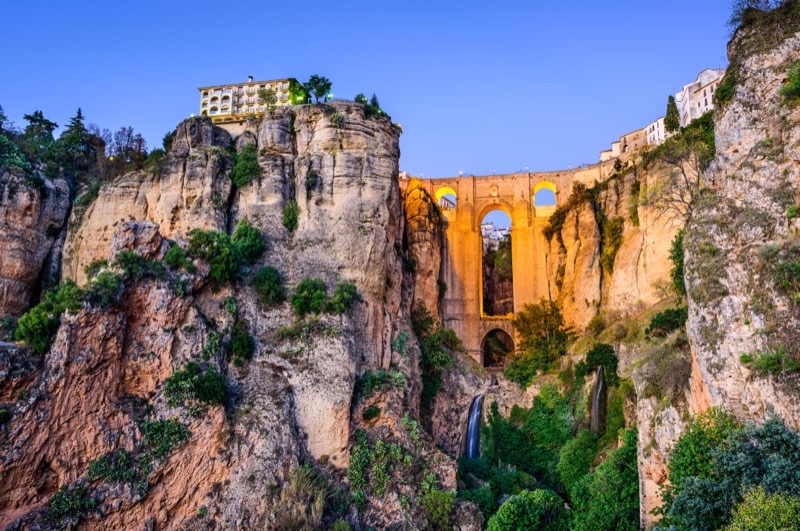
Choose Spain if your ideal trip involves vibrant culture, incredible culinary adventures, and a rich tapestry of history, all without breaking the bank. It's best for travelers eager to explore ancient palaces like the Alhambra, dance to flamenco in Andalusia, or soak up the sun on Mediterranean beaches, perfect for those seeking diverse experiences and a lively atmosphere.
Choose Switzerland
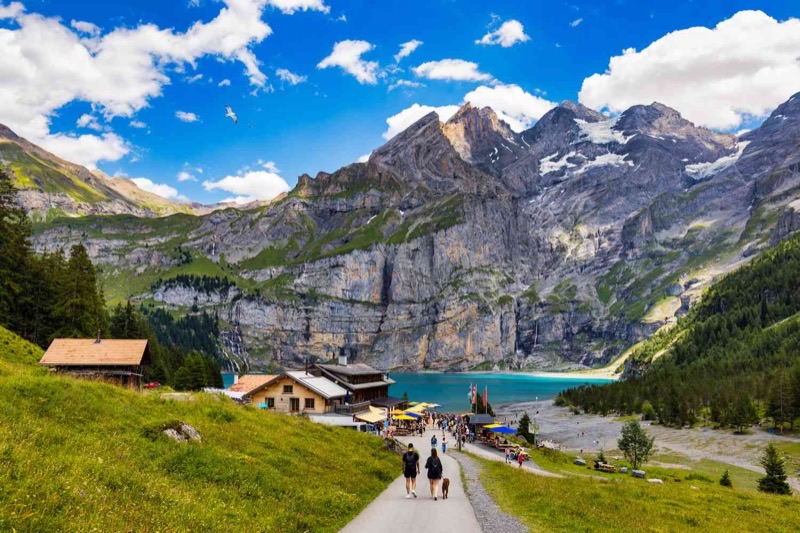
Switzerland is your destination if you dream of breathtaking alpine panoramas, pristine lakes, and world-class outdoor adventures, backed by unparalleled efficiency. Best for nature enthusiasts and luxury seekers, imagine hiking the Eiger trails, cruising Lake Lucerne, or skiing in Verbier, all while enjoying a tranquil, impeccably organized escape with a substantial budget.
📊 Visual Scorecard
🌤 When to Visit
Average high temperatures (°C). Green = best months, orange = avoid.
Quick Comparison
| Category | Spain | Switzerland | Winner |
|---|---|---|---|
| Costs & Budget | Significantly more affordable across all categories: food, accommodation, transport, and activities. Offers excellent value. | Among Europes most expensive countries. High prices for everything, requiring careful budgeting even for basic needs. | Spain |
| Food & Drink | Diverse regional cuisines, tapas culture, fresh seafood, late dinners, and affordable wine and beer. | Known for cheese (fondue, raclette), chocolate, and hearty mountain fare. Dining out is a luxury, home cooking is common. | Spain |
| Nature & Outdoors | Diverse landscapes including Pyrenees, Picos de Europa, Mediterranean beaches, volcanic Canary Islands, and arid deserts. | Dominated by the Alps, offering dramatic mountains, pristine lakes, glaciers, and world-class hiking and skiing. | Switzerland |
| Culture & History | Centuries of Roman, Moorish, and Catholic influence visible in architecture, art, and traditions. Diverse regional identities. | Rich in local traditions, strong sense of national identity, neutrality, and multilingual heritage. Focus on precision and efficiency. | Spain |
| Nightlife & Entertainment | Late-night culture, lively bars, clubs, flamenco shows, and social gatherings extending into the early morning. | Generally quieter evenings, with focus on pubs, restaurants, and occasional cultural events. Clubs exist but are less pervasive. | Spain |
| Getting There & Around | Major international airports, extensive high-speed rail (AVE), regional trains, and bus networks. Affordable and efficient. | Excellent, punctual, and comprehensive public transport network (SBB trains, buses, boats, cable cars). Higher cost. | Tie |
| Accommodation | Wide range of options from budget hostels to boutique hotels, often with good central locations and competitive pricing. | High-quality but expensive accommodation. Limited budget options, especially outside major cities. | Spain |
| Weather & Best Time to Visit | Hot summers, mild winters, distinct regional climates (Mediterranean, continental, oceanic). Spring/fall are ideal. | Distinct four seasons, cold snowy winters, warm summers, variable mountain weather. Summer for hiking, winter for skiing. | Tie |
| Family Travel | Family-friendly culture, beaches, theme parks, and accessible history. Eating out is easy with children. | Safe, clean, and efficient, with many outdoor activities and kid-friendly attractions. Higher costs. | Tie |
| Solo Travel | Easy to meet people, safe, great hostel scene, and plenty of independent activities. Eating alone is normal. | Very safe, efficient for independent exploration, but can be expensive and less overtly social. | Spain |
💰 Costs & Budget
Spain provides a far more budget-friendly travel experience. A daily budget of €80-150 ($86-162) can comfortably cover hostel or budget hotel accommodation, three meals, and local…

Spain
Switzerland
Spain provides a far more budget-friendly travel experience. A daily budget of €80-150 ($86-162) can comfortably cover hostel or budget hotel accommodation, three meals, and local transport, with room for some activities. Tapas can be found for €3-6 ($3.25-6.50) a plate, a decent restaurant meal for €15-25 ($16-27), and a local beer for €2.50-4 ($2.70-4.30). Public transport like Madrid's Metro or Barcelona's T-Casual multi-journey pass is efficient and inexpensive, costing around €1.20-1.60 ($1.30-1.70) per ride.
Switzerland is notoriously expensive. A realistic daily budget starts at CHF 150-300 ($165-330), even for a budget-conscious traveler staying in hostels and eating supermarket meals. A simple restaurant meal can easily cost CHF 25-40 ($27-44), and a pint of beer CHF 7-10 ($7.70-11). Accommodation, even a hostel bed in cities like Zurich or Geneva, often starts at CHF 40-70 ($44-77). Train travel, while efficient, is costly without a pass like the Swiss Travel Pass, which itself is a significant upfront expense (e.g., 8-day pass for CHF 389, or about $428). Expect to pay a premium for every aspect of your trip. Spain is the definite winner here for anyone watching their wallet.
- Winner: Spain
- Why: Spain offers excellent value and allows for a much more extensive travel experience on a smaller budget.
- Who this matters for: Budget travelers, long-term travelers, anyone prioritizing affordability.
🍽️ Food & Drink
Spain's food scene is varied, accessible, and generally more exciting for travelers. From the paella of Valencia to the pintxos of San Sebastian, the jamón ibérico, gazpacho of…

Spain
Switzerland
Spain's food scene is varied, accessible, and generally more exciting for travelers. From the paella of Valencia to the pintxos of San Sebastian, the jamón ibérico, gazpacho of Andalusia, and seafood along the coast, there is immense regional diversity. Tapas culture makes eating out a social, affordable event; you can try many dishes without committing to one. Many bars offer a free tapa with a drink purchase. A good bottle of local wine can be found for €5-10 ($5.40-10.80) in supermarkets. Eating dinner at 9 PM or 10 PM is common, and the social atmosphere extends late into the night. Check out Mercado de San Miguel in Madrid for a collection of tapas vendors or a local bar in Seville for authentic experience.
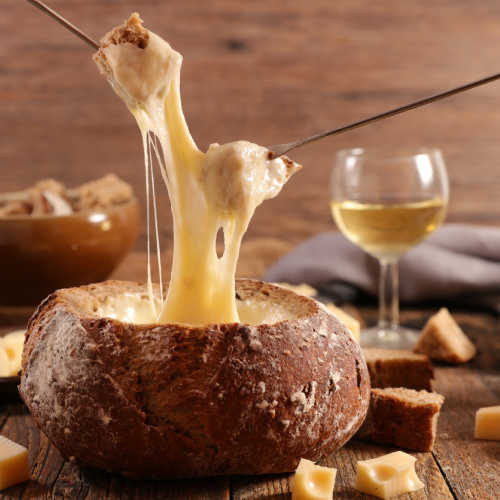
Swiss cuisine focuses on quality ingredients, but the variety is less pronounced, and prices are high. Expect dishes like fondue, raclette, rosti, and sausages. Chocolate and cheese are highlights, with many excellent local producers. However, dining out is a significant expense; a casual lunch could be CHF 20-30 ($22-33), and dinner can easily exceed CHF 40 ($44) per person, excluding drinks. Many travelers opt to buy groceries from Coop or Migros and prepare their own meals to save money. If you are looking for culinary exploration and affordability, Spain wins hands down. Switzerland's food is good, but it is not a primary reason to visit.
- Winner: Spain
- Why: Spain offers incredible culinary diversity, affordability, and a vibrant food culture that is integral to the social experience.
- Who this matters for: Food enthusiasts, social travelers, anyone who enjoys trying new dishes frequently.
🏞️ Nature & Outdoors
Spain has varied natural environments, from the northern mountains like the Pyrenees and Picos de Europa (ideal for hiking and wildlife), to the extensive Mediterranean coastlines…
Spain
Switzerland
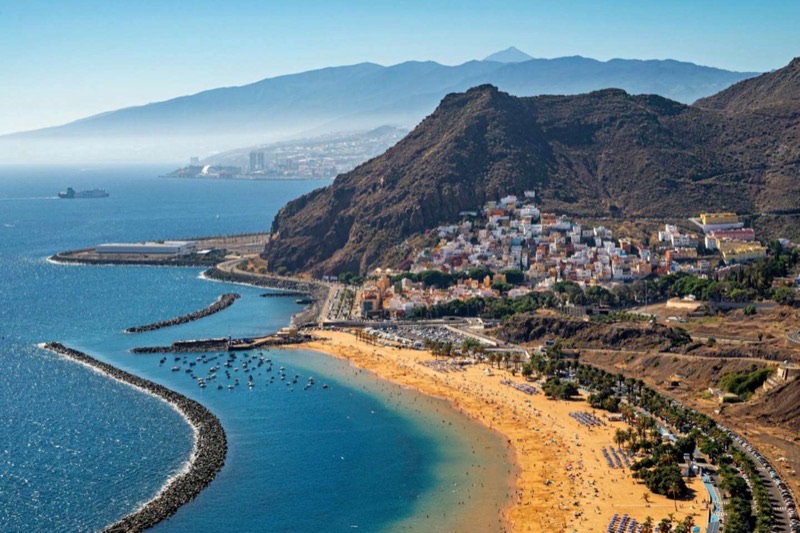
Spain has varied natural environments, from the northern mountains like the Pyrenees and Picos de Europa (ideal for hiking and wildlife), to the extensive Mediterranean coastlines (Costa del Sol, Costa Brava) with beaches and coves. The Canary Islands offer unique volcanic landscapes and year-round warmth. Andalusia has arid plains, while the Sierra Nevada mountains allow for skiing near Granada. Parque Nacional de Ordesa y Monte Perdido in the Pyrenees is a great example of rugged beauty. While Spain's natural offerings are extensive, they are spread out and often require more effort to access without a car.
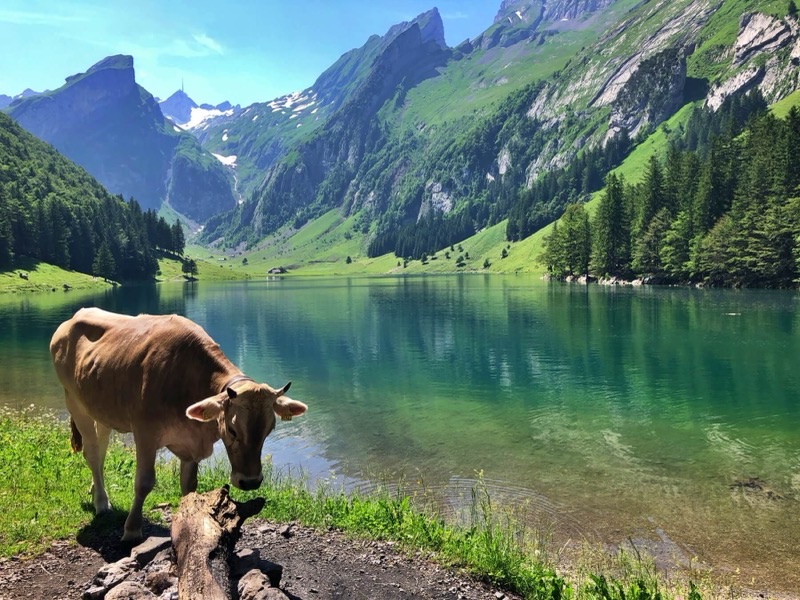
Switzerland is defined by its dramatic and well-preserved natural environment. The Swiss Alps are its main draw, with peaks like the Matterhorn and Jungfrau, glacial lakes like Lake Geneva and Lake Lucerne, and extensive networks of hiking trails and ski resorts. The infrastructure for accessing nature is unparalleled; cogwheel trains, cable cars, and efficient public transport bring you directly to trailheads and viewpoints. Areas like the Jungfrau Region (Interlaken, Lauterbrunnen, Grindelwald) or Zermatt offer postcard-level scenery and activities like paragliding, canyoning, and skiing. For consistent, jaw-dropping mountain scenery and ease of access to outdoor activities, Switzerland is the clear leader. If your priority is epic mountain experiences, pick Switzerland.
- Winner: Switzerland
- Why: Switzerland's consistent, accessible, and dramatic mountain landscapes and pristine lakes are unmatched for concentrated outdoor experiences.
- Who this matters for: Hikers, skiers, nature photographers, those seeking crisp mountain air and dramatic scenery.
🏛️ Culture & History
Spain's history is a layered narrative of conquest, artistic innovation, and religious influence. Roman ruins are found across the country, while the Moorish legacy is prominent…
Spain
Switzerland
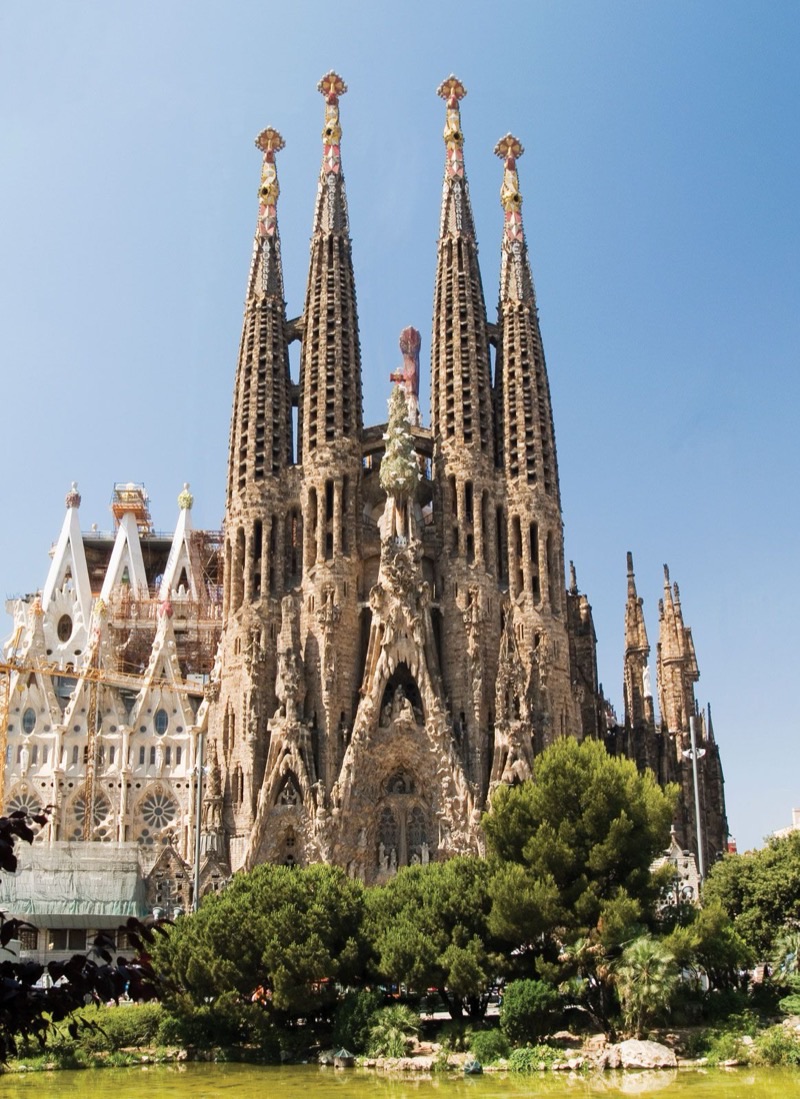
Spain's history is a layered narrative of conquest, artistic innovation, and religious influence. Roman ruins are found across the country, while the Moorish legacy is prominent in Andalusia with the Alhambra in Granada and the Mezquita-Cathedral in Cordoba. Gothic and Baroque cathedrals dot every city, alongside masterpieces by Gaudí in Barcelona (Sagrada Familia, Park Güell) and the art collections of the Prado and Reina Sofía museums in Madrid. Flamenco in Seville, bullfighting (though controversial), and various regional festivals like La Tomatina or Semana Santa contribute to a vibrant, palpable cultural experience. The sheer depth and accessibility of historical sites and living traditions make Spain compelling.
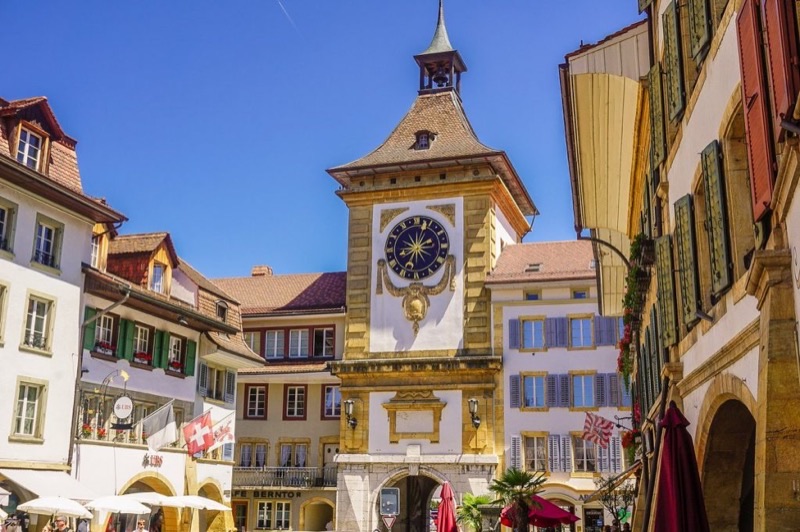
Switzerland's cultural heritage is more subtle, rooted in its unique political history of neutrality, its multilingualism (German, French, Italian, Romansh), and its strong regional identities. You'll find well-preserved medieval towns like Lucerne and Bern, impressive castles (e.g., Chillon Castle on Lake Geneva), and museums focusing on art, watches, or the country's history. Swiss culture emphasizes precision, efficiency, and a connection to its alpine environment. While it has its charm, it generally lacks the dramatic historical layers and diverse artistic movements that characterize Spain. For a deep dive into centuries of transformative history and culture, Spain offers more tangible and widespread experiences.
- Winner: Spain
- Why: Spain's layered history, from Roman to Moorish to Catholic, results in an incredibly rich, diverse, and accessible cultural landscape.
- Who this matters for: History buffs, art lovers, those seeking traditional performances and architecture.
💃 Nightlife & Entertainment
Spain is famous for its late-night culture. Dinners often start at 9 PM, and bars fill up around 11 PM or midnight, with clubs opening even later and staying active until 6 AM or…

Spain
Switzerland
Spain is famous for its late-night culture. Dinners often start at 9 PM, and bars fill up around 11 PM or midnight, with clubs opening even later and staying active until 6 AM or beyond. Cities like Madrid, Barcelona, and Valencia offer endless options from cozy tapas bars to massive discotecas. Flamenco shows in Seville or Granada provide an authentic cultural entertainment experience. The social atmosphere is infectious, and it's common to see people of all ages out enjoying themselves late into the night. Plaza Mayor in Madrid or Las Ramblas in Barcelona are examples of areas that buzz with activity.
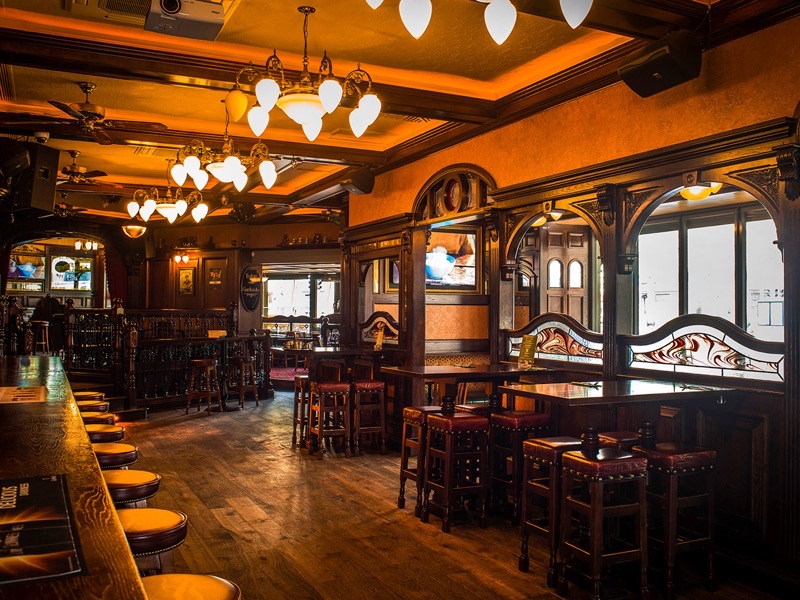
Switzerland, by contrast, has a much more subdued nightlife. Evenings generally revolve around dinner, quiet drinks in a bar or pub, or perhaps a cultural performance. While larger cities like Zurich and Geneva have clubs, they are fewer and far between compared to Spain, and entry fees and drink prices are high (e.g., a cocktail for CHF 15-20, or $16.50-22). Most towns, especially in the mountains, become quiet relatively early. If your idea of a good evening involves going out past midnight and experiencing a social, energetic environment, Spain is the obvious choice. For those seeking quiet evenings or early bedtimes, Switzerland might be a better fit.
- Winner: Spain
- Why: Spain's deeply ingrained late-night culture, extensive options for bars, clubs, and performances, and social atmosphere are unmatched.
- Who this matters for: Party-goers, social travelers, night owls, those seeking vibrant evening entertainment.
✈️ Getting There & Around
Spain is well-connected internationally with major airports in Madrid (MAD) and Barcelona (BCN), offering direct flights from North America (e.g., NYC to Madrid ~7.5 hours).…
Spain is well-connected internationally with major airports in Madrid (MAD) and Barcelona (BCN), offering direct flights from North America (e.g., NYC to Madrid ~7.5 hours). Internally, the high-speed AVE train network is excellent, connecting cities like Madrid, Barcelona, Seville, and Valencia rapidly and efficiently (e.g., Madrid to Barcelona in ~2.5-3 hours for €50-80 ($54-86) if booked in advance). Regional trains and extensive bus networks fill the gaps, providing affordable options to smaller towns. City public transport is also efficient and budget-friendly.
Switzerland boasts one of the best public transport systems in the world, renowned for its punctuality, density, and integration. The Swiss Federal Railways (SBB) network connects virtually every town and village, supplemented by PostBuses, boats on the lakes, and a vast array of cable cars and cogwheel trains to mountain areas. While incredibly efficient and scenic, this convenience comes at a high price; individual train tickets are expensive. The Swiss Travel Pass (e.g., 8-day pass for CHF 389, or about $428) can offer value if you plan extensive travel. Both countries offer excellent ways to get around, but Spain is far more affordable, while Switzerland offers an arguably more comprehensive and scenic experience if budget is not an issue. It is a tie, depending on whether budget or ultimate efficiency is the priority.
- Winner: Tie
- Why: Both countries offer exceptional transport, with Spain providing affordability and Switzerland offering unparalleled efficiency and scenic routes.
- Who this matters for: Spain for budget-conscious travelers; Switzerland for those prioritizing convenience, punctuality, and scenic train journeys.
🏨 Accommodation
Accommodation in Spain is plentiful and generally offers good value. You can find hostel dorm beds in major cities for €25-40 ($27-43) per night, while a clean, centrally located…
Accommodation in Spain is plentiful and generally offers good value. You can find hostel dorm beds in major cities for €25-40 ($27-43) per night, while a clean, centrally located budget or mid-range hotel might cost €80-150 ($86-162) per night. Boutique hotels, guesthouses (pensiones), and apartments are also widely available at various price points. Rural tourism, such as staying in a casa rural in Andalusia, provides authentic local experiences without excessive cost. Booking in advance, especially for popular destinations like Barcelona or Seville during peak season, is advisable but not always critical for finding a decent place.
Switzerland's accommodation is consistently high-quality but expensive. Hostel dorm beds often start at CHF 40-70 ($44-77), and a mid-range hotel room can easily cost CHF 150-300 ($165-330) or more per night, particularly in popular areas like the Jungfrau Region or Zurich. Budget options are scarce, and even basic rooms can feel like a splurge. Camping is a more affordable option in summer, with campsites typically costing CHF 20-35 ($22-38.50) per night for a pitch. Finding deals requires booking well in advance and being flexible with location. For value, variety, and affordability, Spain is the clear frontrunner. Switzerland offers quality but demands a much higher budget.
- Winner: Spain
- Why: Spain offers significantly more affordable and diverse accommodation options, making travel accessible to all budgets.
- Who this matters for: Budget travelers, anyone seeking a wide range of lodging choices, those prioritizing value.
☀️ Weather & Best Time to Visit
Spain experiences hot, dry summers, especially inland (Madrid can hit 40°C/104°F). Coastal areas are milder but still warm. Winters are mild in the south and along the…
Spain experiences hot, dry summers, especially inland (Madrid can hit 40°C/104°F). Coastal areas are milder but still warm. Winters are mild in the south and along the Mediterranean coast (e.g., Seville rarely drops below 10°C/50°F), but colder with snow in the mountains (Pyrenees, Sierra Nevada) and central plateau. Spring (April-May) and Fall (September-October) are generally the best times, offering pleasant temperatures for sightseeing and outdoor activities. The Canary Islands are a year-round destination for warmth. Expect significant regional variation, allowing for diverse travel options throughout the year.
Switzerland has distinct seasons. Winters (December-March) are cold and snowy, ideal for skiing and winter sports in resorts like Zermatt or Verbier. Summers (June-August) are pleasantly warm, with average temperatures in Zurich around 20-25°C (68-77°F), making them perfect for hiking and lake activities. Spring and autumn bring cooler temperatures and vibrant foliage, but also more unpredictable weather in the mountains. Mountain weather can change rapidly at any time of year. Both countries offer distinct seasonal experiences, catering to different preferences. Spain is better for consistent warmth, while Switzerland excels for specific seasonal activities.
- Winner: Tie
- Why: Both countries offer compelling seasonal experiences, catering to different traveler preferences and activities.
- Who this matters for: Depends on preference: Spain for sun and warmth, Switzerland for snow sports or specific alpine summer activities.
👨👩👧👦 Family Travel
Spain is very welcoming to families. Children are included in most social activities, even late-night dinners. The country offers numerous family-friendly beaches along the…
Spain is very welcoming to families. Children are included in most social activities, even late-night dinners. The country offers numerous family-friendly beaches along the coasts, theme parks like PortAventura World, and engaging historical sites (many with reduced entry for kids). Tapas culture allows for flexible eating, and fresh food is readily available. Spanish people often go out of their way to interact with children, creating a warm atmosphere. Public transport is generally stroller-friendly, though some older city centers can be challenging with cobblestones. Renting an apartment or a large villa is a common and affordable option for families.
Switzerland is also an excellent family destination, prioritizing safety, cleanliness, and outdoor engagement. The public transport system makes travel with kids easy, and many trains have play areas. Attractions like the Swiss Museum of Transport in Lucerne, numerous playgrounds, and easy access to hiking trails suitable for various ages are appealing. Kid-friendly activities include boat trips on the lakes, visits to chocolate factories, and gentle mountain walks. However, the costs are a significant factor; every activity, meal, and train journey for a family adds up quickly. Both countries are great for families, but Spain offers more flexibility and affordability, while Switzerland provides a very high-quality, though expensive, experience.
- Winner: Tie
- Why: Both countries offer strong family travel experiences, with Spain excelling in affordability and cultural inclusion, and Switzerland in safety and outdoor activities.
- Who this matters for: Spain for budget-conscious families and those seeking beach or city breaks; Switzerland for families prioritizing pristine nature and efficiency.
🚶♀️ Solo Travel
Spain is an excellent choice for solo travelers. The hostel scene is lively, providing ample opportunities to meet other travelers, especially in cities like Barcelona, Madrid,…
Spain is an excellent choice for solo travelers. The hostel scene is lively, providing ample opportunities to meet other travelers, especially in cities like Barcelona, Madrid, and Seville. Spaniards are generally friendly and open, and engaging in conversations at bars or cafes is common. Eating tapas alone at a bar is a perfectly normal and enjoyable experience. The country feels safe for solo exploration, and the public transport network makes moving between cities and within them straightforward. There are endless activities, from museums to walking tours to relaxing on beaches, that can be enjoyed independently. Safety is high, though standard precautions apply in crowded tourist areas.
Switzerland is also very safe and efficient for solo travelers. Its reliable public transport system makes navigating the country alone incredibly easy, and solo hiking is popular. However, the high costs can be a drawback, as there is no splitting of accommodation or meal expenses. While hostels exist, the social scene is often quieter than in Spain. Dining alone can feel less integrated into the local culture compared to Spain's tapas bars. It is a fantastic destination for independent exploration of nature and quiet contemplation, but it requires a higher budget and might offer fewer spontaneous social interactions. Spain wins for combining affordability, social opportunities, and ease of solo exploration.
- Winner: Spain
- Why: Spain offers a more budget-friendly, social, and culturally engaging experience for solo travelers, with abundant opportunities to connect with others.
- Who this matters for: Solo travelers seeking social interaction, affordability, and diverse urban and cultural experiences.
🎯 The Decision Framework
Choose Spain If…
- You want a daily budget of €80-150 ($86-162) and excellent value.
- You desire late-night dinners (9 PM+) and an active social scene.
- You crave diverse regional cuisines, from paella to pintxos, with affordable tapas.
- You seek centuries of visible history from Roman ruins to Moorish palaces and Gaudi architecture.
- You want access to both extensive Mediterranean beaches and northern mountains.
- You enjoy lively city breaks with flamenco, art museums, and bustling markets.
- You prefer a warm climate for most of the year, particularly in the south.
- You are looking for an easy-to-navigate country with affordable high-speed trains.
Choose Switzerland If…
- You prioritize pristine mountain scenery, hiking, and outdoor sports like skiing.
- You have a substantial budget, expecting to spend CHF 150-300+ ($165-330+) per day.
- You value exceptional cleanliness, safety, and an incredibly efficient public transport system.
- You enjoy specific local foods like fondue, raclette, and world-renowned chocolate.
- You prefer quiet evenings, early bedtimes, and a generally calmer pace.
- You are interested in charming medieval towns, precision engineering, and lake cruises.
- You want access to world-class winter sports facilities.
- You appreciate a stable, predictable environment with very low crime rates.
📅 Sample Itineraries
Weekend in Barcelona (3 Days)
💡 Purchase a T-Casual public transport card in Barcelona for approximately $12 for 10 journeys, saving money compared to single tickets.
Weekend in Lucerne & Interlaken (3 Days)
💡 Carry a reusable water bottle; Switzerland's tap water is safe to drink and saves you from buying expensive bottled water, which can cost $4-6.
One Week in Spain (7 Days)
💡 For inter-city travel, book Renfe high-speed train tickets several weeks in advance. You can find 'Promo' fares that are significantly cheaper, saving up to 50% on tickets.
One Week in Switzerland (7 Days)
💡 Invest in a Swiss Travel Pass for extensive train, bus, and boat travel, as well as free entry to over 500 museums and discounts on mountain excursions. This can save hundreds of dollars.
❓ Frequently Asked Questions
Which country is more budget-friendly for a week-long trip?
Spain is significantly more budget-friendly. A comfortable week in Spain can be done for €560-1050 ($600-1130) per person, covering accommodation, food, and activities. A similar trip in Switzerland would likely cost CHF 1050-2100+ ($1150-2300+) per person, making Spain the clear choice for affordability.
Which has better options for outdoor activities?
Switzerland offers superior options for concentrated, accessible outdoor activities, especially hiking, skiing, and mountaineering, with incredible infrastructure. Spain has varied outdoor options from Pyrenees hiking to beach activities, but they are more spread out and often require more planning to access efficiently.
What are the flight times from North America to each country?
Direct flights from major North American cities (e.g., New York, Toronto) to Madrid or Barcelona typically take around 7 to 8 hours. Flights to Zurich or Geneva are also generally in the 7 to 8-hour range, making travel time roughly comparable for both destinations.
Is one safer than the other for solo female travelers?
Both countries are generally safe for solo female travelers. Switzerland has a very low crime rate and feels extremely secure. Spain is also safe, particularly in tourist areas, though standard precautions against pickpocketing in crowded spots like Barcelona's Las Ramblas or Madrid's Gran Via are advisable. Overall, both are solid choices for safety.
Which country offers more diverse food experiences?
Spain offers a much wider and more diverse range of food experiences. Its regional cuisines, tapas culture, late-night dining, and fresh produce provide endless culinary exploration opportunities at very accessible prices. Switzerland's cuisine is good but less varied and significantly more expensive for dining out.
How easy is it to get around without a car in each country?
Both countries have excellent public transport. Switzerland's integrated train, bus, and boat system is world-renowned for its efficiency and punctuality, making car-free travel effortless but costly. Spain's high-speed AVE trains, regional trains, and extensive bus networks are also highly efficient and considerably more affordable, making car-free travel very feasible.
Which is better for a honeymoon or romantic getaway?
For a honeymoon, it depends on the couple's preferences. Switzerland offers serene, postcard-level landscapes, luxurious stays, and quiet romantic moments, but at a high cost. Spain offers vibrant cities, beautiful beaches, passionate flamenco, and incredible food, providing a more energetic and diverse romantic experience on a more accessible budget. Spain likely wins for overall variety.
What are typical daily costs for mid-range accommodation and meals?
In Spain, expect to pay around €80-150 ($86-162) for a mid-range hotel and €30-50 ($32-54) for daily meals. In Switzerland, a mid-range hotel is typically CHF 150-300 ($165-330) and daily meals around CHF 50-80+ ($55-88+), highlighting Switzerland's significantly higher expenses.
Ready to plan your European adventure?
Get a free custom itinerary for Spain, Switzerland, or both — built from real traveler insights.
👥 Travelers Also Compared
🎟️ Book Tours & Experiences
Hand-picked tours and activities for both destinations — book with free cancellation
Experiences via Viator — free cancellation on most tours