How we built this comparison
This page combines traveler discussion patterns, published price ranges, flight schedules, and seasonal data to help you decide between Spain and Turkey.
- Reviewed 500+ Reddit threads from r/travel, r/solotravel, r/SpainTravel, r/Turkey, r/TravelHacks, etc.
- Verified costs and logistics against current booking platforms (Booking.com, Skyscanner, Google Flights)
- Cross-referenced seasonal patterns and weather data from AccuWeather and local tourism boards
- Consulted multiple recent travel blogs and forums for up-to-date local insights and tips
⚡ Quick Answers
⚡ The TL;DR Verdict
For most first-time European travelers seeking familiar comforts, established tourism, and a higher budget, Spain is the clearer choice. Those prioritizing significant historical depth, unique cultural experiences, and a lower daily spend should head to Turkey. Spain generally requires $60-150/day, while Turkey often fits $35-90/day.
- Choose Spain: You prefer a familiar European travel experience, excellent public transport, late-night dining, and consistent infrastructure. Ideal for city breaks, beach holidays, and food-focused trips with a mid-range budget.
- Choose Turkey: You seek ancient history, unique landscapes, a more exotic cultural immersion, and significant value for money. Perfect for history buffs, adventure seekers, and budget-conscious explorers.
- Choose Both: If you have 3+ weeks and a desire for vast contrasts, combining Spain's Western European flair with Turkey's Anatolian heritage offers a comprehensive travel experience, perhaps flying between Madrid and Istanbul.
Choose Spain
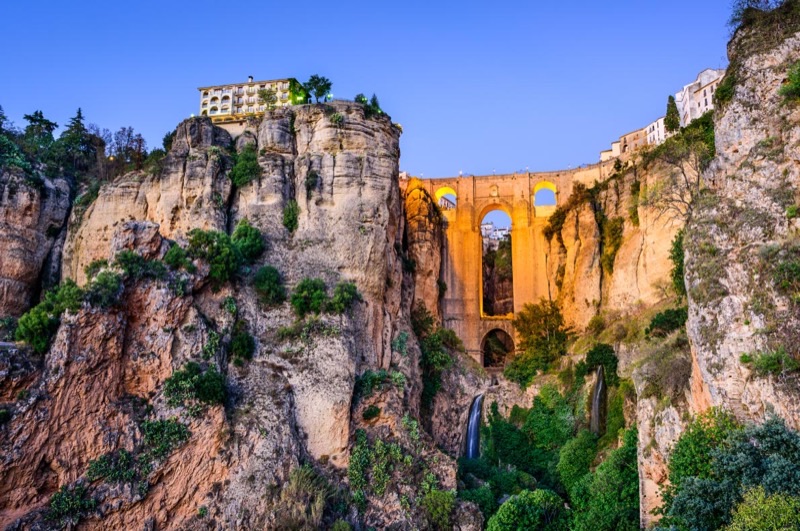
Opt for Spain if you crave a vibrant, effortlessly enjoyable European vacation, perfect for indulging in tapas in Seville or exploring Gaudi's masterpieces in Barcelona. It’s ideal for first-time visitors seeking familiar comforts, excellent infrastructure, and a lively atmosphere, offering a fantastic balance of culture, cuisine, and relaxation for a mid-range budget.
Choose Turkey
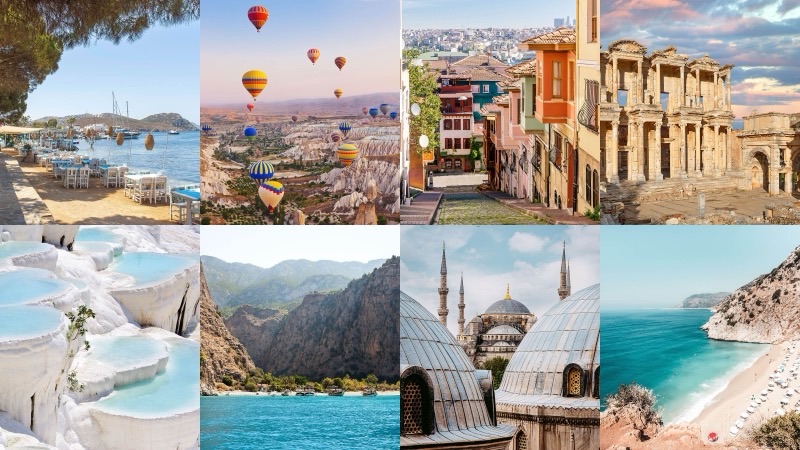
Choose Turkey for an unforgettable journey into ancient history and exotic culture, from soaring over Cappadocia's fairy chimneys to marveling at Istanbul's Hagia Sophia. This destination offers incredible value, making it perfect for adventurous travelers, history buffs, and those seeking profound cultural immersion on a more budget-friendly daily spend.
📊 Visual Scorecard
🌤 When to Visit
Average high temperatures (°C). Green = best months, orange = avoid.
Quick Comparison
| Category | Spain | Turkey | Winner |
|---|---|---|---|
| Costs & Budget | Higher overall costs, particularly in major cities; €60-€150 ($65-$160) daily budget common for mid-range. | Considerably more affordable; ₺1000-₺2500 ($30-$80) daily budget for a comfortable mid-range trip. | Turkey |
| Food & Drink | Tapas culture, paella, jamón ibérico, diverse regional cuisines, late dining, good wine selection. | Kebabs, mezze, baklava, Turkish delight, strong tea/coffee culture, less prevalent alcohol consumption. | Spain |
| Culture & History | Roman ruins, Moorish architecture, Catholic cathedrals, flamenco, Picasso, Gaudi, well-preserved medieval towns. | Hagia Sophia, Ephesus, Cappadocia cave dwellings, Ottoman palaces, ancient Greek/Roman sites, Islamic heritage. | Turkey |
| Nightlife | Late-night culture, extensive bar and club scenes in major cities, outdoor terraces, sangria and cocktails. | More subdued, concentrated in specific areas of Istanbul and coastal resorts, alcohol restrictions and higher prices. | Spain |
| Beaches & Coastlines | Mediterranean, Atlantic, and island beaches; varied types from lively city shores to secluded coves, often well-developed. | Aegean and Mediterranean coasts; clear waters, archaeological sites near beaches, often quieter. | Spain |
| Nature & Landscapes | Pyrenees, Picos de Europa, desert landscapes, volcanic islands, diverse national parks for hiking and exploration. | Cappadocia's fairy chimneys, Pamukkale's travertines, Lycian Way, Mount Ararat, Black Sea forests. | Turkey |
| Getting There & Around | Excellent high-speed rail, regional flights, extensive bus network. Flights from London ~2-2.5 hours. | Good domestic flight network, extensive long-distance bus system, less developed rail. Flights from London ~3.5-4 hours. | Spain |
| Accommodation | Wide range from hostels to luxury hotels, charming paradores, well-established booking options, higher prices. | Budget-friendly hostels, guesthouses, cave hotels in Cappadocia, boutique hotels, excellent value. | Turkey |
| Safety & Comfort | Generally safe, common petty theft in tourist areas, good emergency services, familiar Western comfort levels. | Generally safe, political sensitivities exist, minor scams in tourist zones, variable comfort levels outside major hubs. | Spain |
| Solo Travel | Easy to navigate, good hostel scene, safe cities, late dining can be social, but language can be a barrier. | Very welcoming, excellent hospitality, hostels available, can be challenging outside tourist hubs for women. | Spain |
💰 Costs & Budget
Spain operates on the Euro, which generally means higher prices for accommodation, food, and activities compared to many non-Eurozone countries. A typical hostel bed in Barcelona…

Spain
Turkey
Spain operates on the Euro, which generally means higher prices for accommodation, food, and activities compared to many non-Eurozone countries. A typical hostel bed in Barcelona or Madrid costs €25-€40 ($27-$43), while a mid-range hotel room runs €80-€150 ($86-$162). A meal at a casual restaurant (e.g., a tapas bar like Lateral in Madrid) might be €15-€25 ($16-$27) per person, and an intercity train ticket (e.g., Madrid to Seville) can be €40-€80 ($43-$86). Attractions like Sagrada Familia are €30 ($32).
Turkey offers significant value for money. The local currency, Turkish Lira (TRY), stretches further for most foreign visitors. A hostel bed in Istanbul is around ₺200-₺400 ($6-$12), and a good mid-range hotel room is ₺800-₺2000 ($25-$60). A satisfying meal, perhaps a kebab at Dürümzade in Istanbul, costs ₺150-₺300 ($4.50-$9). Long-distance bus tickets (e.g., Istanbul to Cappadocia) are ₺500-₺800 ($15-$25), and entry to sites like Hagia Sophia is ₺1500 ($47). Turkey is the clear winner for budget-conscious travelers.
- Winner: Turkey
- Why: Turkey provides a significantly lower daily cost for food, accommodation, and transportation compared to Spain.
- Who this matters for: Budget travelers, long-term backpackers, and families seeking maximum value.
🥘 Food & Drink
Spanish cuisine focuses on fresh ingredients, communal eating, and regional specialties. Tapas are central, offering small plates like patatas bravas, gambas al ajillo, and…

Spain
Turkey
Spanish cuisine focuses on fresh ingredients, communal eating, and regional specialties. Tapas are central, offering small plates like patatas bravas, gambas al ajillo, and tortilla Española, easily found at places like Bar del Pla in Barcelona for €4-€8 ($4.30-$8.60) per plate. Paella is a staple, especially in Valencia. Jamón ibérico is a national obsession. Spain's dining hours are late, with dinner often starting after 9 PM. The country produces excellent wines, particularly Rioja and Ribera del Duero, and local beers are widely available for €2.50-€4 ($2.70-$4.30) a pint. Fresh seafood is a highlight along the coasts.
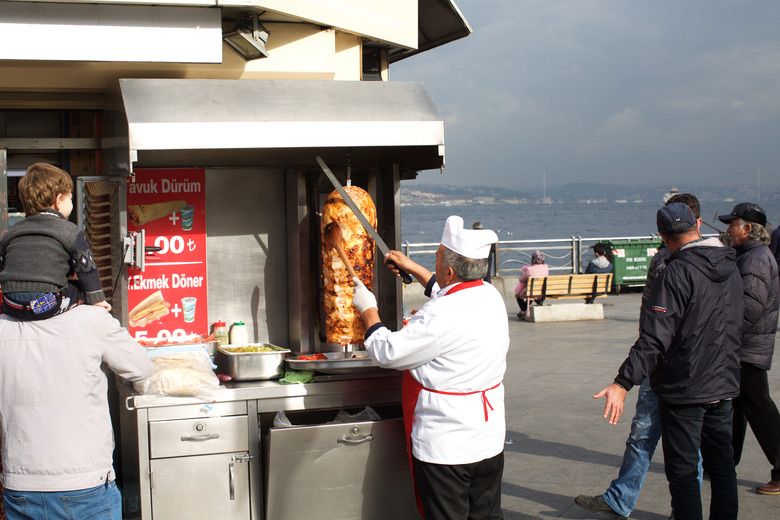
Turkish food is rich in flavor, reflecting its Ottoman heritage. Kebabs are ubiquitous, from döner to Adana, often costing ₺100-₺250 ($3-$7.50). Mezze platters offer a variety of appetizers, while lentil soup and pide (Turkish pizza) are popular. Sweets like baklava and künefe are common, often paired with Turkish coffee or tea. Alcohol is available, especially in larger cities and tourist areas, but it's generally more expensive (a beer might be ₺100-₺180 / $3-$5.50) and less central to the dining experience than in Spain. While Turkish food is excellent, Spain's social tapas culture, wider alcohol selection, and diverse regional specialities give it an edge for many travelers.
- Winner: Spain
- Why: Spain offers a more diverse range of culinary experiences, a strong communal dining culture, and wider alcohol options.
- Who this matters for: Foodies, social eaters, and those who appreciate wine and beer with their meals.
🏛️ Culture & History
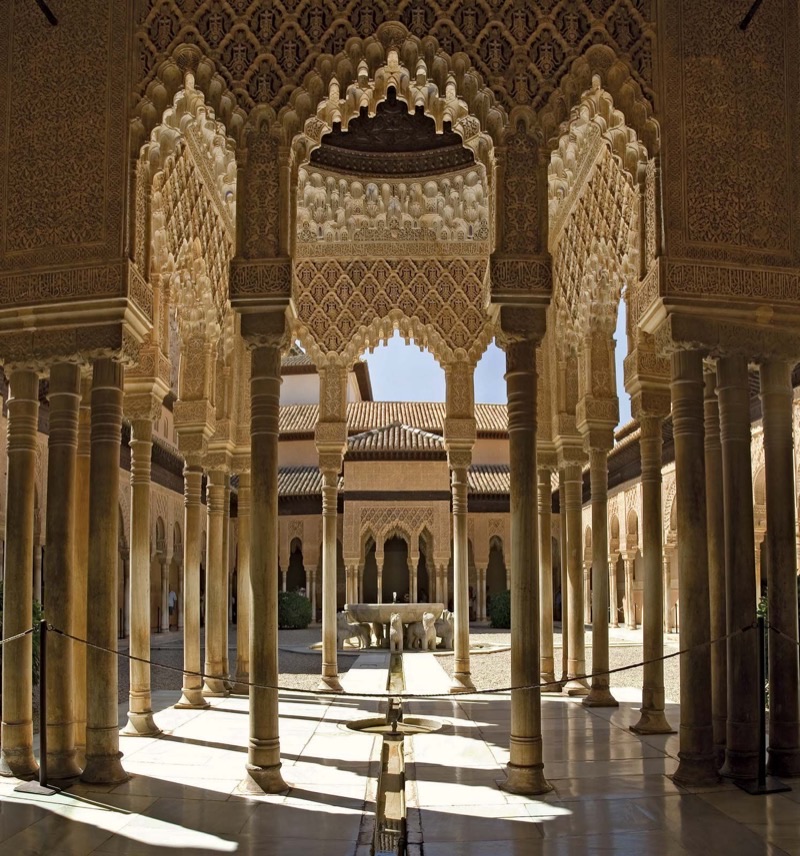
Spain's history is a blend of Roman, Moorish, and Christian influences. Roman aqueducts in Segovia and theaters in Mérida stand as testaments to ancient times. The Alhambra in…
Spain
Turkey
Spain's history is a blend of Roman, Moorish, and Christian influences. Roman aqueducts in Segovia and theaters in Mérida stand as testaments to ancient times. The Alhambra in Granada is a spectacular example of Moorish architecture, with entry around €19 ($20.50). Grand Catholic cathedrals, like Seville Cathedral, showcase later periods. Art museums like the Prado in Madrid (€15 / $16) house masterworks. Flamenco shows offer a glimpse into regional performing arts, typically €25-€50 ($27-$54). Spain's cultural landscape is well-preserved and accessible, with distinct regional identities.
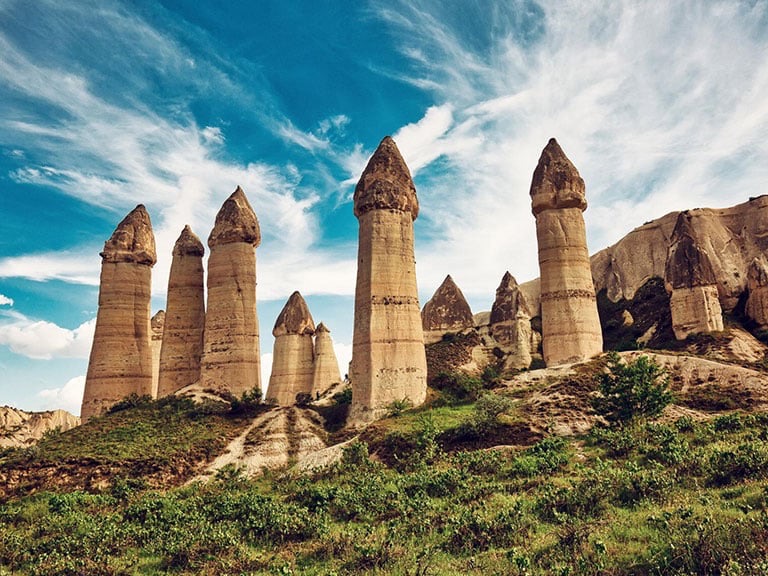
Turkey's historical depth is profound, spanning millennia and numerous empires. Istanbul alone features the Hagia Sophia, Blue Mosque, and Topkapi Palace (entry around ₺1500 / $47), reflecting Byzantine and Ottoman eras. Further afield, Ephesus offers extensive Roman ruins, a significant ancient city (entry ₺700 / $22), and Cappadocia presents a landscape sculpted by both nature and human history with its cave churches and underground cities. The country contains numerous ancient Greek and Roman sites. Turkey wins for sheer historical breadth and the unique blend of East-meets-West influences visible in its architecture and daily life. It feels like stepping into a textbook.
- Winner: Turkey
- Why: Turkey provides a more profound and ancient historical narrative, encompassing numerous major civilizations and unique historical sites.
- Who this matters for: Serious history buffs, archaeologists, and those seeking a distinct East-meets-West cultural experience.
🌃 Nightlife
Spain is famous for its late-night culture, with dinner often starting at 9 PM and bars filling up closer to midnight. Major cities like Madrid, Barcelona, and Valencia have…

Spain

Turkey
Spain is famous for its late-night culture, with dinner often starting at 9 PM and bars filling up closer to midnight. Major cities like Madrid, Barcelona, and Valencia have extensive nightlife options. Madrid's La Latina district offers many tapas bars, while areas like Malasaña have clubs and live music venues open until dawn. A beer or glass of wine costs €3-€6 ($3.20-$6.50), and cocktails are typically €8-€15 ($8.60-$16). Outdoor terraces are common, allowing for relaxed social gatherings. Ibiza is a world-renowned destination for electronic music clubs. The atmosphere is generally lively and welcoming.
Nightlife in Turkey is more concentrated and tends to be less universally accessible. Istanbul has a number of sophisticated rooftop bars and clubs, particularly in areas like Beyoğlu and Karaköy, where a cocktail might cost ₺300-₺500 ($9-$15) and a beer ₺100-₺180 ($3-$5.50). Coastal resorts like Bodrum and Antalya also have active scenes. However, outside these tourist-focused areas, nightlife is much more subdued due to cultural norms and higher alcohol taxes. Finding a casual drink can be difficult in smaller towns. Spain's pervasive late-night social culture and accessible alcohol options make it a stronger choice for nightlife enthusiasts.
- Winner: Spain
- Why: Spain's ingrained late-night social culture, abundant bar/club options, and widespread alcohol availability make it a better nightlife destination.
- Who this matters for: Party-goers, social butterflies, and those who enjoy late evenings out.
🏖️ Beaches & Coastlines
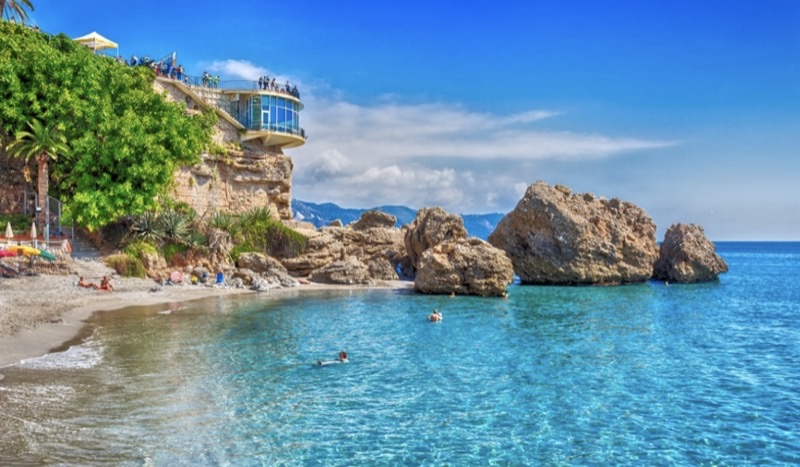
Spain boasts thousands of kilometers of coastline along the Mediterranean, Atlantic, and its islands. The Costa del Sol, Costa Brava, and Balearic Islands (Mallorca, Ibiza,…
Spain

Turkey
Spain boasts thousands of kilometers of coastline along the Mediterranean, Atlantic, and its islands. The Costa del Sol, Costa Brava, and Balearic Islands (Mallorca, Ibiza, Menorca) are popular, offering diverse experiences. You can find lively city beaches like Barceloneta in Barcelona, calm family-friendly stretches in the Balearics (e.g., Cala Macarella in Menorca), or dramatic cliffs in the Basque Country. Many beaches have extensive facilities, sunbed rentals (€10-€20 / $11-$22 for two), and beachside chiringuitos. Water quality is generally high, and access is easy. The Canary Islands offer year-round beach weather.
Turkey's Aegean and Mediterranean coasts offer clear waters and a backdrop of green hills and ancient ruins. Popular areas include the Turquoise Coast (e.g., Oludeniz with its Blue Lagoon, entry fee ₺150 / $4.50), Bodrum, and Antalya. Beaches often feature pebbles rather than soft sand, but there are sandy exceptions. You can find more secluded coves and opportunities for boat trips (e.g., a day trip from Fethiye around ₺500-₺800 / $15-$25). While Turkey has beautiful coastal areas, Spain's sheer variety, accessibility, and the established nature of its beach resorts, particularly with the islands, give it an edge for beach holidays.
- Winner: Spain
- Why: Spain provides a greater variety of beach types across multiple coastlines and islands, with more established infrastructure.
- Who this matters for: Beach holiday enthusiasts, families seeking amenities, and island adventurers.
⛰️ Nature & Landscapes
Spain's landscapes are remarkably diverse. The Pyrenees mountains offer hiking, skiing, and dramatic scenery along the French border. The Picos de Europa National Park in the…
Spain's landscapes are remarkably diverse. The Pyrenees mountains offer hiking, skiing, and dramatic scenery along the French border. The Picos de Europa National Park in the north is known for its limestone peaks and deep gorges. In contrast, the Bardenas Reales Natural Park in Navarre presents a semi-desert badlands environment. The Canary Islands are volcanic, with unique terrains like Teide National Park in Tenerife, requiring a permit for the summit. Spain has numerous natural parks, offering well-marked trails and outdoor activities. These areas are generally well-maintained and accessible, but sometimes require private transport.
Turkey's natural wonders are truly unique. Cappadocia is famous for its 'fairy chimney' rock formations and cave dwellings, often explored via hot air balloon rides (typically $150-$300). Pamukkale features stunning white travertine terraces formed by mineral-rich hot springs (entry ₺700 / $22). The Lycian Way is a long-distance hiking trail along the southwestern coast, passing ancient ruins and coastal views. Eastern Turkey includes Mount Ararat, a dormant volcano. The Black Sea region offers lush forests and tea plantations. Turkey wins for its distinct and often surreal natural formations that are rarely found elsewhere, offering experiences like no other. The landscapes feel more 'otherworldly'.
- Winner: Turkey
- Why: Turkey features more unique and distinctive natural landscapes, such as Cappadocia and Pamukkale, offering truly singular experiences.
- Who this matters for: Adventure seekers, photographers, and those looking for geology and unique land formations.
✈️ Getting There & Around
Spain's transportation infrastructure is among the best in Europe. The high-speed rail network (AVE) connects major cities like Madrid, Barcelona, Seville, and Valencia…
Spain's transportation infrastructure is among the best in Europe. The high-speed rail network (AVE) connects major cities like Madrid, Barcelona, Seville, and Valencia efficiently, with journeys like Madrid to Seville taking about 2.5 hours for €50-€80 ($54-$86). Regional trains and an extensive bus network cover smaller towns. Flying from London to Madrid or Barcelona typically takes 2 to 2.5 hours. Public transport within cities is excellent, with metro and bus systems (e.g., a metro ticket in Madrid is €1.50-€2 / $1.60-$2.15). Car rentals are also common and roads are well-maintained. Getting around Spain is generally very straightforward and comfortable.
Turkey has a good domestic flight network, with Turkish Airlines connecting major cities and tourist hubs. Long-distance buses are the primary mode of intercity transport, offering comfortable travel, often with onboard service. A bus from Istanbul to Cappadocia takes around 10-12 hours and costs ₺500-₺800 ($15-$25). The rail network is less extensive than Spain's, though improving. International flights from London to Istanbul are around 3.5 to 4 hours. Within cities, public transport like Istanbul's tram and metro (single ride ₺15-₺30 / $0.45-$0.90 with Istanbulkart) is effective but can be crowded. Spain wins due to its superior high-speed rail system and overall ease of navigation for most Western travelers.
- Winner: Spain
- Why: Spain's modern high-speed rail network and extensive public transport make getting around faster and more convenient.
- Who this matters for: Travelers prioritizing speed and comfort between cities, and those avoiding long bus journeys.
🏨 Accommodation
Spain offers a comprehensive range of accommodation. Hostels in major cities typically cost €25-€40 ($27-$43) per night for a dorm bed. Mid-range hotels are plentiful, often…
Spain offers a comprehensive range of accommodation. Hostels in major cities typically cost €25-€40 ($27-$43) per night for a dorm bed. Mid-range hotels are plentiful, often around €80-€150 ($86-$162) per night. Unique options include 'paradores' (historic buildings converted into hotels) and charming boutique hotels in old town areas. Booking is easy via international platforms, and standards are consistently high. While expensive in peak season in popular areas like Barcelona or Ibiza, you can find good deals in smaller towns or during off-peak times. Consistency and familiarity are strong points.
Turkey provides excellent value in accommodation. Hostels in Istanbul can be as low as ₺200-₺400 ($6-$12) for a dorm bed. Mid-range boutique hotels in areas like Sultanahmet or Galata are often ₺800-₺2000 ($25-$60) per night, offering character and good service for the price. A particularly unique experience is staying in a cave hotel in Cappadocia, which can range from ₺1000-₺3000 ($30-$90) depending on luxury. Guesthouses are common outside major cities, offering local charm. The overall cost-to-quality ratio in Turkey is hard to beat. Turkey wins for offering more distinctive accommodation experiences at a better price point.
- Winner: Turkey
- Why: Turkey offers more unique accommodation types, like cave hotels, at significantly better price points for equivalent quality.
- Who this matters for: Budget travelers, those seeking unique lodging experiences, and travelers who want luxury for less.
🚨 Safety & Comfort
Spain is a generally safe country for travelers, especially in major tourist areas. The primary concern is petty theft, like pickpocketing in crowded spots such as Las Ramblas in…
Spain is a generally safe country for travelers, especially in major tourist areas. The primary concern is petty theft, like pickpocketing in crowded spots such as Las Ramblas in Barcelona or metro stations in Madrid. Vigilance with belongings is advised. Emergency services are reliable. The infrastructure is well-developed, and comfort levels are similar to other Western European countries, making navigation and interaction relatively straightforward for many visitors. English is not universally spoken outside of tourist hotspots, but basic communication is usually achievable. Overall, Spain presents a low-stress travel environment.
Turkey is also generally safe for tourists, particularly in popular destinations like Istanbul, Cappadocia, and the coastal resorts. However, it's prudent to be aware of the geopolitical situation and avoid areas near the Syrian border. Minor tourist scams, such as inflated taxi fares or carpet selling pressure, can occur in busy areas like Istanbul's Grand Bazaar. Comfort levels can vary; outside of major cities, amenities might be simpler, and English proficiency decreases. The cultural context is different from Western Europe, requiring more awareness of local customs, especially concerning dress code in religious sites. Spain wins for providing a more consistently familiar and predictable travel environment, which many travelers equate with comfort and safety.
- Winner: Spain
- Why: Spain offers a more consistent and familiar level of safety and comfort for most Western travelers, with well-established tourist infrastructure.
- Who this matters for: First-time international travelers, families with young children, and those preferring a low-stress travel experience.
🚶♀️ Solo Travel
Spain is a highly accessible destination for solo travelers. Its extensive public transport, both intercity and urban, makes independent navigation straightforward. The hostel…
Spain is a highly accessible destination for solo travelers. Its extensive public transport, both intercity and urban, makes independent navigation straightforward. The hostel scene is robust, particularly in cities like Barcelona, Madrid, and Seville, making it easy to meet other travelers. Eating alone is normalized, especially with tapas culture at a bar, and late-night socializing means many opportunities to connect. Major cities are generally safe for solo women, though standard precautions apply for nightlife. While English is not universally spoken, tourist-facing staff typically have enough for basic interactions. The comfort of the Eurozone and familiar infrastructure contribute to ease of solo travel.
Turkey is known for its hospitality, and solo travelers, especially men, often find locals welcoming and eager to help. Hostels are available in major cities (e.g., Cheers Hostel in Istanbul), and group tours to places like Cappadocia are common, facilitating social interaction. For solo women, experiences can be more varied; while generally safe, unsolicited attention can occur, particularly outside of major tourist zones. Dressing modestly in certain areas can help. Language can be a greater barrier than in Spain, as English is less common beyond tourist centers. While Turkish hospitality is remarkable, Spain’s ease of navigation, widespread solo traveler infrastructure, and consistent comfort levels make it a slightly more straightforward choice for first-time solo adventurers, especially women.
- Winner: Spain
- Why: Spain offers a more established and consistently comfortable environment for solo travelers, particularly for women, with easier navigation.
- Who this matters for: First-time solo travelers, solo female travelers, and those prioritizing ease of navigation and social opportunities.
🎯 The Decision Framework
Choose Spain If…
- You want excellent high-speed rail connecting major cities.
- You crave a late-night dining culture with small plates and socializing.
- You prefer the familiarity and convenience of the Eurozone.
- You are interested in Moorish palaces, Roman ruins, and Gaudi architecture.
- You want diverse beach experiences on multiple coasts and islands.
- You enjoy social drinking with meals and a lively bar scene.
- You prioritize consistent, well-developed tourist infrastructure.
- You seek a safe, predictable, and low-stress travel environment.
Choose Turkey If…
- You are traveling on a strict budget and want maximum value.
- You desire to explore ancient civilizations and Byzantine/Ottoman history.
- You want to experience unique landscapes like Cappadocia's fairy chimneys.
- You are open to a more exotic cultural immersion.
- You appreciate warm hospitality and are willing to navigate cultural differences.
- You enjoy traditional kebabs, mezze, and strong Turkish coffee.
- You are seeking adventure and a break from typical European destinations.
- You want a truly distinct and photographically unique travel experience.
📅 Sample Itineraries
Weekend in Spain (3 Days)
💡 Purchase a Barcelona Card or Madrid Tourist Pass for savings on public transport and attractions. Booking Sagrada Familia tickets online in advance saves time and ensures entry.
Weekend in Turkey (3 Days)
💡 Use an Istanbulkart for public transport; it's cheaper than single-use tickets. Many historical sites offer combined tickets that can save you money if you plan to visit multiple attractions.
One Week in Spain (7 Days)
💡 For intercity travel, book Renfe train tickets in advance for significant savings. Consider an open-jaw flight (e.g., into Barcelona, out of Seville) to save time.
One Week in Turkey (7 Days)
💡 Internal flights within Turkey are generally affordable and save considerable travel time between major regions like Istanbul, Cappadocia, and Antalya. Book hot air balloon rides well in advance.
❓ Frequently Asked Questions
Do I need a visa for Spain or Turkey?
For Spain, citizens of the US, Canada, UK, and most EU countries do not need a visa for stays up to 90 days. For Turkey, many nationalities, including US and Canadian citizens, need an e-Visa which can be obtained online before travel, typically costing around $50 for US citizens. UK citizens generally do not need a visa for short stays.
What is the best time of year to visit each country?
For Spain, spring (April-May) and autumn (September-October) offer pleasant weather across most regions, with fewer crowds. Summers are hot, especially inland. For Turkey, spring (April-May) and autumn (September-November) are ideal for sightseeing in Istanbul and Cappadocia, and for coastal areas, to avoid extreme summer heat and enjoy warm waters.
Is English widely spoken in Spain and Turkey?
In Spain, English is spoken in major tourist centers and by younger generations, but less so in smaller towns. Learning basic Spanish phrases is helpful. In Turkey, English is common in tourist areas of Istanbul, Cappadocia, and coastal resorts, but very limited elsewhere. A translation app is useful for interactions.
Is one country better for families with children?
Spain generally has a slight edge for families due to its familiar Western infrastructure, excellent public transport, kid-friendly dining (tapas are great for sharing), and numerous beaches and theme parks. Turkey is also welcoming, but the cultural differences and sometimes longer travel times between sites might be more challenging for younger children.
What's a typical trip duration for each country?
For Spain, a good first-time trip covering 2-3 major cities like Madrid, Barcelona, and Seville typically requires 7-10 days. For a more comprehensive visit including islands or north, 2-3 weeks. For Turkey, a standard itinerary hitting Istanbul and Cappadocia needs 7-9 days. Adding the Aegean coast or other regions extends to 10-14 days.
Can I use credit cards everywhere, or should I carry cash?
In Spain, credit cards are widely accepted in most establishments, from restaurants to shops and hotels. It's always good to carry some cash (€20-€50) for small purchases, street vendors, or very small local cafes. In Turkey, credit cards are accepted in major cities and tourist areas, but cash (Turkish Lira) is essential for smaller vendors, local eateries, and rural areas. Always have ₺100-₺300 on hand.
What are the common local transport options within cities?
In Spanish cities like Madrid and Barcelona, efficient metro systems, extensive bus networks, and trams are common, with single tickets around €1.50-€2. In Istanbul, a tram system, metro, ferries, and buses are available, with an Istanbulkart (rechargeable card) being the most convenient. Single rides are around ₺15-₺30.
What are the local tipping customs in each country?
In Spain, tipping is not mandatory but appreciated. A small tip (€1-€3) for good service at restaurants or cafes is common, or rounding up the bill. For exceptional service, 5-10% is generous. In Turkey, tipping is more customary; 5-10% for good service in restaurants is standard. For taxis, round up the fare. For hotel staff or tour guides, a small amount (e.g., ₺50-₺100) is suitable.
Ready to plan your next adventure?
Get a free custom itinerary for Spain, Turkey, or both — built from real traveler insights.
👥 Travelers Also Compared
🎟️ Book Tours & Experiences
Hand-picked tours and activities for both destinations — book with free cancellation
Experiences via Viator — free cancellation on most tours