How we built this comparison
This page combines traveler discussion patterns, published price ranges, flight schedules, and seasonal data to help you decide between Spain and Usa.
- Reviewed 100+ Reddit threads from r/travel, r/solotravel, r/SpainTravel, r/USAtravel.
- Verified costs and logistics against current booking platforms (e.g., Booking.com, Google Flights, Renfe).
- Cross-referenced seasonal patterns and weather data from NOAA and AEMET.
⚡ Quick Answers
⚡ The TL;DR Verdict
Spain generally provides a more concentrated cultural experience and better value for most travelers on a typical vacation, with daily costs around $70-120. The USA suits those seeking grand natural landscapes, expansive road trips, or specific urban experiences, with budgets closer to $100-200 per day. For a first-time international traveler seeking depth without breaking the bank, Spain is the stronger pick.
- Choose Spain: Travelers prioritizing history, walkable cities, accessible public transport, late-night dining culture, and a lower overall daily budget will find Spain more rewarding.
- Choose Usa: Travelers keen on national park exploration, diverse regional cuisines (e.g., BBQ in Texas, seafood in New England), road trips, or specific entertainment hubs like theme parks will prefer the USA.
- Choose Both: If you have extended time (4+ weeks) and a larger budget, you could experience a significant portion of Spain (e.g., Andalusia and Catalonia) and a specific region of the USA (e.g., California coast or Southwest parks) for contrast.
Choose Spain
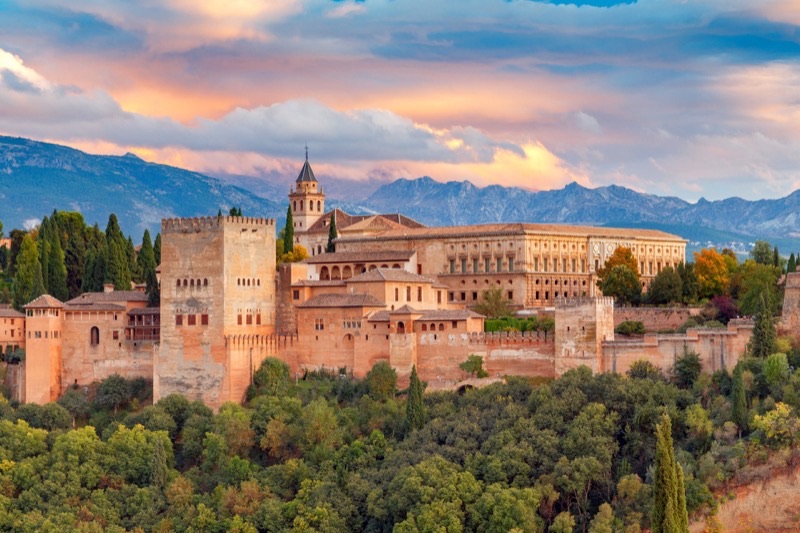
Choose Spain if you crave a vibrant cultural immersion without breaking the bank. It's best for travelers eager to wander ancient streets, savor authentic tapas in Seville or Barcelona, and marvel at historic architecture from Granada's Alhambra to Gaudi's Sagrada Familia. Expect an enriching experience with excellent value and accessible public transport.
Choose Usa
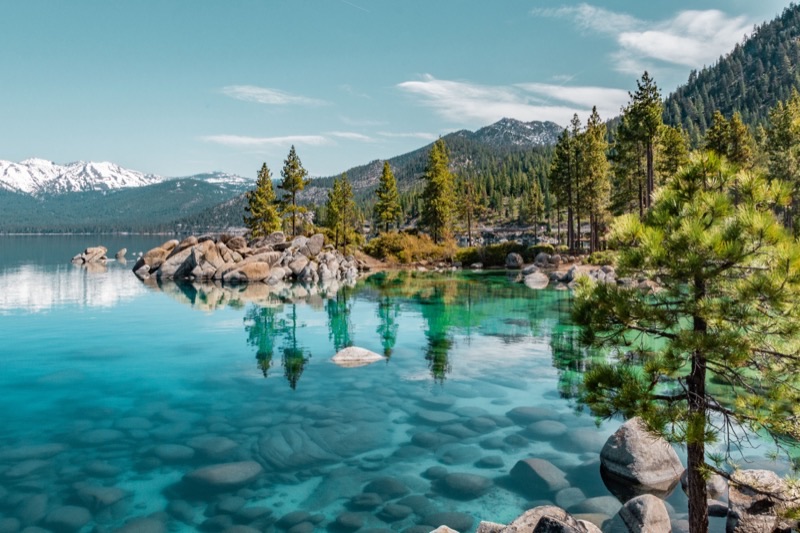
Opt for the USA if your ideal trip involves epic natural wonders and diverse regional adventures. It's best for explorers dreaming of vast road trips through national parks like Yellowstone, unique culinary journeys from New Orleans jazz clubs to California vineyards, or specific urban entertainment. Prepare for a higher budget but unparalleled scale and variety.
📊 Visual Scorecard
🌤 When to Visit
Average high temperatures (°C). Green = best months, orange = avoid.
Quick Comparison
| Category | Spain | Usa | Winner |
|---|---|---|---|
| Costs & Budget | Generally affordable for lodging, food, and local transport. Offers good value. | Higher costs across all categories, especially accommodation and dining. Requires larger budget. | Spain |
| Culture & History | Ancient Roman ruins, Moorish palaces, medieval castles, strong regional identities. | Revolutionary War sites, Indigenous heritage, modern art and architecture, diverse immigrant influences. | Spain |
| Food & Drink | Tapas culture, paella, jamon serrano, sangria, wine, late dining hours. | Regional specialties like BBQ, tacos, clam chowder. Diverse immigrant cuisines. Early dining. | Spain |
| Nature & Landscapes | Pyrenees mountains, Canary Islands beaches, Mediterranean coast, Sierra Nevada. | National Parks (Grand Canyon, Yosemite), diverse biomes, expansive wilderness, coastlines. | Usa |
| Getting There & Around | Direct flights from major US cities (7-9 hrs). Excellent public transport for intercity and urban travel. | Domestic flights for long distances. Car rental often necessary for regional exploration. Public transport varies by city. | Spain |
| Safety & Security | Generally safe, low violent crime. Pickpocketing in tourist areas. Common sense applies. | Generally safe. Specific urban areas may have higher crime rates. Gun violence is a concern in some areas. | Spain |
| Nightlife | Late-night culture, bars open until 3 AM, clubs until 6 AM. Social and energetic. | Bars close earlier (often 2 AM). Diverse club scenes in major cities. More expensive drinks. | Spain |
| Accommodation | Hostels, boutique hotels, paradores (historic hotels), apartments. Good value. | Chain hotels, motels, Airbnb. Higher price points, especially in cities. | Spain |
| Solo Travel | Safe, easy to navigate, social hostel scene, late dining. Friendly locals. | Can be expensive, less public transport, can feel isolating outside cities. Easy to find community in specific niches. | Spain |
| Weather & Seasons | Hot summers (south), mild winters. Spring/fall best. Mediterranean climate. | Extremely diverse, from desert heat to arctic cold. Four distinct seasons in many regions. | Tie |
💰 Costs & Budget
Accommodation in Spain can be budget-friendly. A hostel bed in Madrid or Barcelona averages 25-40 EUR ($27-43) per night, while a mid-range hotel room might cost 70-120 EUR…

Spain

Usa
Accommodation in Spain can be budget-friendly. A hostel bed in Madrid or Barcelona averages 25-40 EUR ($27-43) per night, while a mid-range hotel room might cost 70-120 EUR ($75-130). Food is also reasonable; a 'menu del día' lunch is often 12-18 EUR ($13-19), and tapas bars offer dishes for 3-6 EUR ($3.25-6.50) per plate. Transportation within cities via metro or bus is typically 1.50-2 EUR ($1.60-2.15) per ride, and intercity trains or buses are also fairly priced. A week-long trip, excluding flights, for a budget traveler might be around 500-800 EUR ($540-860).
US costs are notably higher across the board. Expect hostel beds in major cities like New York or San Francisco to start at $50-80 per night, with mid-range hotels often 150-250 USD. Dining out, even casually, adds up quickly; a standard meal can easily be $15-25, and dinner with a drink often tops $40-60 before tip. Public transport, where available, ranges from $2.75 for a single subway ride in NYC to $3.50 for a bus in Los Angeles. Renting a car, often essential for exploring many regions, adds considerable expense, easily $50-100 per day before gas and insurance. A similar week-long budget trip in the US could easily run $900-1500. Spain wins on cost for the average traveler aiming to maximize their experience per dollar.
- Winner: Spain
- Why: Spain provides significantly better value for accommodation, food, and local transportation, allowing travelers to stretch their budget further.
- Who this matters for: Budget-conscious travelers, backpackers, and those planning longer stays.
🏛️ Culture & History
Spain presents a layered history with Roman aqueducts in Segovia, Moorish architecture at the Alhambra in Granada, Gothic cathedrals like Seville's, and the artistic legacy of…
Spain

Usa
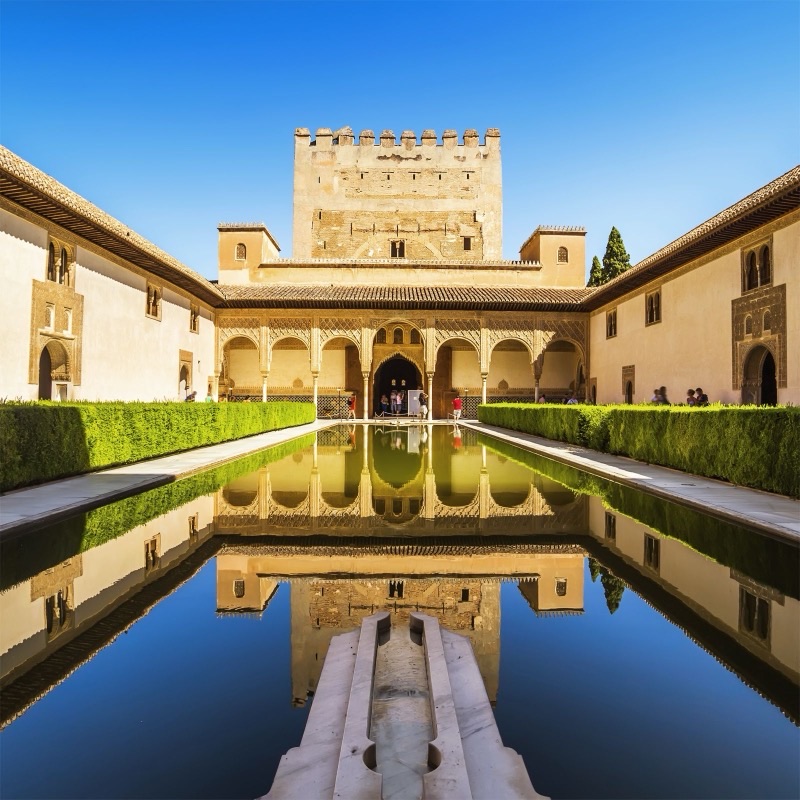
Spain presents a layered history with Roman aqueducts in Segovia, Moorish architecture at the Alhambra in Granada, Gothic cathedrals like Seville's, and the artistic legacy of Picasso and Gaudi. Each region, from Andalusia to Catalonia, maintains its distinct traditions, festivals, and even languages (e.g., Catalan in Barcelona, Basque in San Sebastian). Flamenco in Seville and Semana Santa processions offer direct windows into historical practices. Access to these sites is often easy via public transport, and many historical city centers are pedestrian-friendly.
The USA's cultural landscape is relatively younger but spread across a vast geography. Colonial history is visible in Boston and Philadelphia, while New Orleans maintains a French and Creole heritage. Indigenous history is found in sites like Mesa Verde National Park or Cahokia Mounds. Major cities like New York and Los Angeles are centers for contemporary arts, music, and a blend of global influences. However, historical sites are often more spread out, requiring car travel to connect them, and the emphasis is more on diverse modern expressions than deeply ancient, concentrated historical layers. Spain offers a more profound and easily accessible historical journey.
- Winner: Spain
- Why: Spain offers a concentrated, multi-millennial historical experience with readily accessible Roman, Moorish, and medieval sites.
- Who this matters for: History buffs, architecture enthusiasts, and those seeking deeply rooted European cultural immersion.
🍷 Food & Drink
Spain's food culture is central to its daily life, emphasizing communal eating and fresh, seasonal ingredients. Tapas are a way of life, with small plates like patatas bravas,…

Spain

Usa
Spain's food culture is central to its daily life, emphasizing communal eating and fresh, seasonal ingredients. Tapas are a way of life, with small plates like patatas bravas, gambas al ajillo, and tortilla española served in bars across the country, often well into the night. Paella in Valencia, fresh seafood in Galicia, and pintxos in Basque Country are regional staples. Wine is affordable and good quality, with Rioja and Ribera del Duero standing out. Dinner typically starts between 9 PM and 11 PM. A glass of wine or beer can be as low as 2-4 EUR ($2.15-4.30).
The USA's food scene is incredibly varied, driven by its vast geography and immigrant populations. Iconic regional foods include New York-style pizza, Texas BBQ, New England clam chowder, California fresh produce, and Southern fried chicken. Food trucks and farmers markets are common. However, dining out can be expensive, with a typical restaurant meal easily costing $20-40 per person before drinks and tip. The USA lacks the widespread, affordable, casual dining culture that defines Spain's tapas scene. While the USA offers incredible culinary innovation and specific regional delights, Spain's overall accessibility, value, and integration of food into social life give it an edge. Spain offers a better daily eating experience for most travelers.
- Winner: Spain
- Why: Spain's tapas culture, fresh ingredients, affordable wine, and late dining hours create a more integrated and cost-effective culinary experience.
- Who this matters for: Foodies, social eaters, those who appreciate late dinners, and travelers on a budget.
🏞️ Nature & Landscapes
Spain offers varied natural beauty, from the Pyrenees mountains on the French border for hiking and skiing, to the extensive Mediterranean and Atlantic coastlines with beaches…
Spain
Usa
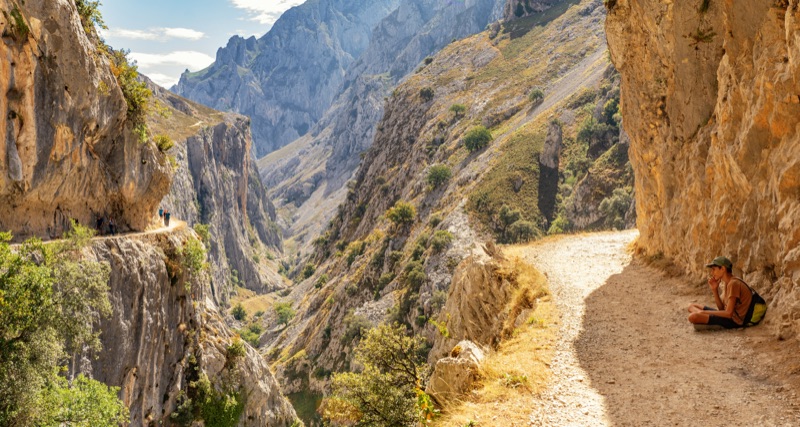
Spain offers varied natural beauty, from the Pyrenees mountains on the French border for hiking and skiing, to the extensive Mediterranean and Atlantic coastlines with beaches like La Concha in San Sebastian. The Canary Islands present unique volcanic landscapes and year-round warmth. Inland, areas like the Sierra Nevada mountains offer outdoor activities, and the Picos de Europa National Park has impressive limestone formations. While beautiful, Spain's natural areas often feel more compact or are developed along coastlines. Many areas are accessible via public transport or short drives.
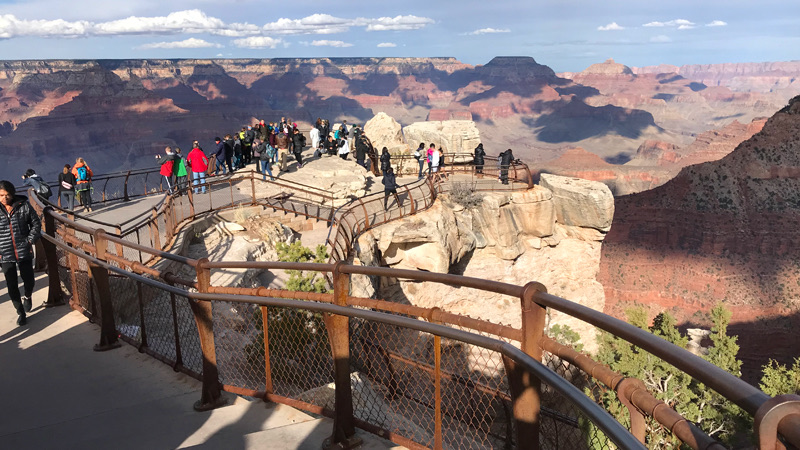
The USA's scale and protected land system make its natural landscapes truly exceptional. National Parks like the Grand Canyon, Yosemite, Zion, and Yellowstone offer geological formations, wildlife, and outdoor recreation on a grand scale. From the deserts of the Southwest to the redwood forests of California, the swamps of the Everglades, and the fjords of Alaska, the USA covers nearly every biome. Access often requires a car, and distances between parks can be extensive, but the sheer variety and preserved wildness are unparalleled. For raw, expansive, and diverse natural grandeur, the USA is the clear leader.
- Winner: Usa
- Why: The USA's extensive system of National Parks and diverse, expansive wilderness areas offer a scale of natural beauty unmatched by Spain.
- Who this matters for: Hikers, campers, road trippers, landscape photographers, and outdoor adventure seekers.
✈️ Getting There & Around
Direct flights from major US hubs like New York (JFK), Miami (MIA), or Los Angeles (LAX) to Madrid (MAD) or Barcelona (BCN) typically take 7-9 hours. Fares can range from $500-900…

Spain

Usa
Direct flights from major US hubs like New York (JFK), Miami (MIA), or Los Angeles (LAX) to Madrid (MAD) or Barcelona (BCN) typically take 7-9 hours. Fares can range from $500-900 USD roundtrip during shoulder seasons. Once in Spain, getting around is efficient and affordable. High-speed AVE trains connect major cities like Madrid, Barcelona, Seville, and Valencia quickly and comfortably; a Madrid-Barcelona ticket costs about 40-80 EUR ($43-86) if booked in advance. Local metro and bus systems in cities are extensive and easy to use, usually costing 1.50-2 EUR ($1.60-2.15) per ride. Renting a car is an option but often not needed for urban or intercity travel.
Getting around the USA is largely dependent on car travel outside of a few major metropolitan areas. Domestic flights are common for long distances, with routes like NYC-LAX taking 5-6 hours and costing $150-400 USD. Amtrak train service exists but is slower and less extensive than European rail. City public transport varies greatly; New York City and San Francisco have good systems, but sprawling cities like Los Angeles or Miami require a car or rideshares for efficient exploration. Car rental costs average $50-100 per day, plus fuel ($3-5 per gallon) and parking. For travelers who prefer not to drive and want efficient, affordable access to many places, Spain's infrastructure is superior. Spain makes travel logistical planning simpler.
- Winner: Spain
- Why: Spain's extensive and affordable public transport network, especially high-speed trains, makes intercity and urban travel easy and efficient without needing a car.
- Who this matters for: Travelers who prefer not to drive, those on a budget, and solo travelers.
🛡️ Safety & Security
Spain is considered a very safe country for tourists, with low rates of violent crime. The main concern for travelers is petty crime, specifically pickpocketing in crowded tourist…
Spain is considered a very safe country for tourists, with low rates of violent crime. The main concern for travelers is petty crime, specifically pickpocketing in crowded tourist areas of cities like Barcelona (Las Ramblas) and Madrid (Puerta del Sol). Simple precautions like keeping valuables secure and being aware of surroundings largely mitigate this risk. Women travelers generally report feeling safe walking alone, particularly in cities. Emergency services are responsive, and local police are visible in tourist zones.
The USA is also generally safe for tourists, but its safety landscape is more varied. Major cities have areas with higher crime rates that tourists are advised to avoid, though tourist zones are usually well-patrolled. Gun violence, while statistically rare for tourists, is a unique concern that does not exist in the same way in Spain. Road safety is good, but driving in large cities can be challenging. Natural disasters like hurricanes or wildfires can affect specific regions. For a traveler concerned about general security and feeling safe in public spaces, Spain presents a more consistently low-risk environment. Spain feels safer for casual exploration.
- Winner: Spain
- Why: Spain has consistently low violent crime rates and fewer societal safety concerns, making it feel more secure for general travel and exploration.
- Who this matters for: Solo travelers, families with children, and those prioritizing a generally worry-free travel experience.
🎉 Nightlife
Spain's nightlife is renowned for its late hours and social atmosphere. Dinner often starts at 9 PM or later, followed by drinks at a bar (pub/disco-bar) until 2-3 AM, and then…
Spain's nightlife is renowned for its late hours and social atmosphere. Dinner often starts at 9 PM or later, followed by drinks at a bar (pub/disco-bar) until 2-3 AM, and then moving to a club (discoteca) which can stay open until 6 AM or even later. Cities like Madrid (Malasaña, Chueca) and Barcelona (Gothic Quarter, El Born) offer countless options from flamenco bars to rooftop terraces and large electronic music venues. Drinks are relatively affordable; a beer or wine often costs 3-6 EUR ($3.25-6.50), and a cocktail around 8-12 EUR ($8.60-13). The energy is high, and people of all ages participate.
In the USA, nightlife varies significantly by city and state. Major cities like New York (Lower East Side, Brooklyn), Las Vegas (Strip clubs), and Miami (South Beach) have active club scenes with venues staying open until 4 AM. However, in many other cities and states, bars close by 2 AM due to liquor laws. Drink prices are generally higher, with a beer costing $6-10 and cocktails $12-20. While the USA offers diverse entertainment, Spain's integrated late-night culture, affordability, and widespread participation make its nightlife experience more accessible and consistent. Spain provides a more consistent late-night social scene.
- Winner: Spain
- Why: Spain's late-night culture, affordable drinks, and widespread social participation create a more authentic and accessible nightlife experience.
- Who this matters for: Party-goers, social travelers, and those who enjoy late evenings out.
🏨 Accommodation
Spain offers a range of accommodation options that generally provide good value. Hostels are plentiful, clean, and social, averaging 25-40 EUR ($27-43) for a dorm bed. Boutique…
Spain offers a range of accommodation options that generally provide good value. Hostels are plentiful, clean, and social, averaging 25-40 EUR ($27-43) for a dorm bed. Boutique hotels in historic buildings are common in city centers, costing 80-150 EUR ($86-160) per night. Unique to Spain are 'paradores,' state-run hotels often in converted castles or monasteries, offering a luxury historical experience. Apartment rentals (Airbnb, Booking.com) are also popular and can be good for groups or longer stays. Availability is usually good outside of major festival dates. Booking a few months in advance for peak season is advisable.
The USA's accommodation landscape is dominated by large hotel chains and motels, especially outside of major urban centers. Hostel options are fewer and often more expensive than in Spain, averaging $50-80 for a dorm bed. Mid-range hotels in cities easily cost $150-250 per night, and budget motels along highways can be $80-150. Vacation rentals are widespread but can also be pricey, especially in popular tourist destinations like national park gateways or beach towns. The relative scarcity of good value, centrally located non-chain options, and the higher price points make Spain the better choice for accommodation. Spain provides better accommodation value.
- Winner: Spain
- Why: Spain offers a greater variety of accommodation types, including well-regarded hostels and boutique hotels, at significantly lower price points.
- Who this matters for: Budget travelers, those seeking unique lodging, and travelers wanting more for their money.
🧍 Solo Travel
Spain is an excellent destination for solo travelers. Its safety profile (low violent crime, main concern is petty theft), efficient public transport, and walkable cities make…
Spain is an excellent destination for solo travelers. Its safety profile (low violent crime, main concern is petty theft), efficient public transport, and walkable cities make navigation straightforward. The social culture, particularly around tapas bars and late-night establishments, makes it easy to meet people. Hostels are abundant and often host social events. Dining alone is common and accepted. The language barrier is manageable, as many people in tourist areas speak some English, though learning basic Spanish phrases helps. The concentration of attractions also means less time spent traveling long distances alone.
Solo travel in the USA presents different challenges. While cities like New York or San Francisco are manageable with public transport and offer social opportunities, many other areas require a car, which adds expense and can feel isolating. Accommodation costs for a single person can be high, as hostels are less common and hotels are priced per room. Dining alone is accepted, but the social structure around meals is less communal than in Spain. Building community often requires joining specific tours, groups, or apps. For ease, affordability, and consistent social opportunities, Spain provides a more conducive environment for solo exploration. Spain is a more welcoming environment for solo adventurers.
- Winner: Spain
- Why: Spain's safety, accessible public transport, strong social culture, and affordable options make it easier and more enjoyable for solo travelers.
- Who this matters for: First-time solo travelers, those on a budget, and individuals looking to meet other travelers easily.
☀️ Weather & Seasons
Spain generally experiences a Mediterranean climate, characterized by hot, dry summers (especially in the south, like Seville, where temperatures can reach 40°C/104°F) and mild,…
Spain generally experiences a Mediterranean climate, characterized by hot, dry summers (especially in the south, like Seville, where temperatures can reach 40°C/104°F) and mild, wet winters. Spring (April-May) and fall (September-October) are considered the best times to visit, with pleasant temperatures (20-28°C/68-82°F) and fewer crowds. The Canary Islands offer year-round spring-like weather. Northern Spain has a more Atlantic climate, with cooler, wetter conditions. Travel during mid-summer can be intense due to heat in many popular areas.
The USA's sheer size means its weather and seasons are incredibly diverse. You can find desert heat in Arizona, tropical humidity in Florida, cold winters with heavy snow in the Northeast, and temperate conditions in California, all at the same time. This diversity allows travelers to find a suitable climate at almost any time of year by choosing the right region. For instance, winter is ideal for Florida beaches or Arizona deserts, while summer is perfect for national parks in the Rockies or Pacific Northwest. This flexibility means you can always find a good weather destination. Both destinations offer good seasonal options, depending on specific travel goals, making this a tie.
- Winner: Tie
- Why: Both countries offer excellent seasonal travel opportunities depending on the specific region and activity, balancing hot summers with mild winters or offering extreme diversity.
- Who this matters for: Travelers with specific climate preferences or those restricted to certain travel dates.
🎯 The Decision Framework
Choose Spain If…
- You want affordable and easy public transport between cities.
- You enjoy late-night dinners and social bar hopping.
- You prefer walking around ancient city centers.
- You are traveling solo and want to meet other travelers easily.
- You prioritize seeing a concentration of historical sites (Roman, Moorish, Gothic).
- Your budget is $70-120 per day (excluding flights).
- You like tapas and communal eating experiences.
- You want generally warm weather but prefer avoiding extreme summer heat.
Choose Usa If…
- You want to explore expansive national parks like the Grand Canyon or Yosemite.
- You plan on renting a car and taking a multi-state road trip.
- You are interested in diverse regional cuisines like Southern BBQ or New England seafood.
- You want to experience major entertainment hubs like Las Vegas or Orlando theme parks.
- You are seeking extreme variations in climate and landscape within one country.
- Your budget allows for $100-200+ per day (excluding flights).
- You prioritize convenience and familiarity of services.
- You are interested in specific cultural niches or music scenes (e.g., Nashville, New Orleans).
📅 Sample Itineraries
Weekend in Spain (3 Days)
💡 Purchase a 'Tourist Travel Pass' for Madrid's public transport (e.g., 3-day pass for Zone A ~$18) to save on individual metro tickets.
Weekend in Usa (3 Days)
💡 Use a 7-day unlimited MetroCard for NYC subway and bus travel (cost ~$34) even for shorter stays, as it often pays for itself quickly.
One Week in Spain (7 Days)
💡 Book high-speed train tickets in Spain (Renfe) several weeks in advance to secure discounts, potentially saving 20-40% on fares between major cities.
One Week in Usa (7 Days)
💡 For multi-city trips in the USA, booking domestic flights a few months in advance can significantly reduce costs, potentially saving $50-100 per flight.
❓ Frequently Asked Questions
What's the typical flight time and cost from the US to Spain?
Direct flights from major US cities like New York or Miami to Madrid or Barcelona usually take 7-9 hours. Roundtrip fares typically range from $500 to $900 USD during shoulder seasons (spring/fall), but can increase to $1000+ during peak summer.
Is it easy to get around Spain without speaking Spanish?
Yes, in major tourist areas of Spain, many people in hotels, restaurants, and shops speak English. However, learning a few basic Spanish phrases like 'Hola,' 'Gracias,' and 'Por favor' will significantly enhance your experience and is appreciated by locals.
What's a realistic daily budget for a traveler in Spain vs. the USA?
In Spain, a budget traveler can expect to spend $70-120 USD per day, covering hostel accommodation, tapas, and public transport. In the USA, a similar budget might be $100-200 USD per day, often requiring more budget allocation for accommodation, dining, and potentially car rental.
Which destination is better for a family trip?
Spain is often favored for families due to its generally safer environment, walkable cities, delicious and accessible food, and strong public transport. Kids can enjoy parks, beaches, and the late-night social atmosphere. The USA is good for families seeking theme parks or specific outdoor adventures.
What are the best times of year to visit each country for good weather?
For Spain, spring (April-May) and fall (September-October) offer pleasant temperatures (20-28°C/68-82°F) and fewer crowds. For the USA, it depends on the region: winter is good for Florida or Arizona, while summer suits national parks in the Rockies or the Pacific Northwest.
Is driving necessary for travel in Spain or the USA?
In Spain, driving is generally not necessary for intercity travel, as the high-speed rail network (AVE) is excellent and affordable. Cities have good public transport. In the USA, a car is often essential for exploring outside of major cities, particularly for national parks or multi-region road trips.
How do dining experiences differ in Spain vs. the USA?
Spain emphasizes late-night communal dining with tapas culture, offering small, affordable plates and late dinner times (9 PM onwards). The USA has earlier dining hours and a diverse array of regional and international cuisines, but dining out can be significantly more expensive per meal.
Which country offers more accessible historical sites?
Spain offers a more concentrated and easily accessible array of historical sites, from Roman ruins to Moorish palaces and medieval cathedrals, often within walkable city centers or easily reachable by train. USA history is more spread out and often requires a car to connect various sites.
Ready to plan your next trip?
Get a free custom itinerary for Spain, USA, or both — built from real traveler insights.
👥 Travelers Also Compared
🎟️ Book Tours & Experiences
Hand-picked tours and activities for both destinations — book with free cancellation
Experiences via Viator — free cancellation on most tours