How we built this comparison
This page combines traveler discussion patterns, published price ranges, transit details, and seasonal data to make the Sri Lanka vs Bali decision easier to resolve.
- Reviewed Reddit traveler discussions across r/travel, r/solotravel, r/srilanka, and r/digitalnomad for recurring decision patterns.
- Checked numeric claims — accommodation ranges, transit costs, safari fees, seasonal patterns — against recent traveler reports.
- Every major section ends with a clear winner, reason, and who it matters for most.
Best read as a decision guide, not a universal truth: the right pick depends on your budget, pace, and what kind of trip you actually want.
⚡ The TL;DR Verdict
Sri Lanka wins for wildlife, adventure, and authenticity. Bali wins for food variety, tourist ease, and nightlife. Budget: Sri Lanka $40–80/day vs Bali $60–100/day.
- Choose Sri Lanka: Wildlife safaris, ancient ruins, train journeys, authentic culture, tighter budget.
- Choose Bali: World-class food scene, seamless infrastructure, surfing, yoga, beach clubs.
- Budget snapshot: Sri Lanka: $40–80 USD/day; Bali: $60–100 USD/day.
Choose Sri Lanka
Wildlife safaris, ancient ruins, train journeys, and an authentic culture that hasn't been polished for Instagram.
Choose Bali
World-class food scene from warungs to Michelin quality, seamless tourist infrastructure, surf breaks, and yoga retreats.
Quick Comparison
| Category | 🐘 Sri Lanka | 🌴 Bali | Winner |
|---|---|---|---|
| Daily Budget (mid-range) | $40–80 USD | $60–100 USD | Sri Lanka |
| Wildlife | Leopards, wild elephants, blue whales | Sacred Monkey Forest, manta rays | Sri Lanka |
| Cultural Sites | UNESCO Cultural Triangle, Galle Fort, Temple of the Tooth | 20,000+ temples, daily ceremonies | Tie |
| Food Scene | Exceptional and underrated — hoppers, kottu, fresh curries | Incredible variety, globally renowned | Bali |
| Beaches & Surf | Mirissa, Arugam Bay, Unawatuna | Kuta, Uluwatu, Nusa Islands | Tie |
| Getting Around | Trains, tuk-tuks, private cars | Scooters, Grab, private drivers | Bali |
| Tourist Infrastructure | Good and improving rapidly | World-class, seamless | Bali |
| Landscape Variety | Beach, jungle, highlands, wildlife, history | Temples, rice terraces, volcano, surf breaks | Sri Lanka |
| Authenticity | High — less developed for mass tourism | Moderate — heavily tourist-facing in main hubs | Sri Lanka |
| Best For | Wildlife lovers, history buffs, adventurers | Foodies, surfers, yogis, culture seekers | — |
🐘 Wildlife & Nature
This is Sri Lanka's knockout differentiator — and the main reason wildlife lovers consistently choose it over Bali. Yala National Park, in the island's southeast, has one of the world's highest densities of wild leopards. A 4–5 hour morning jeep safari (starting at 5am, mandatory with a hired jeep) gives you a genuine shot at a leopard sighting. Not guaranteed, but the odds here beat almost anywhere else on earth. The park also has sloth bears, elephants, crocodiles, water buffalo, and over 200 bird species. Full-day jeep hire runs around LKR 20,000 ($60–70 USD) plus park entry fees of $20–30 — every penny justified.
Udawalawe National Park near the south coast practically guarantees elephant sightings — wild herds at waterholes, completely unrestrained. This is not a chained-elephant tourist trap. Mirissa whale watching (November–April) puts you among blue whales — the largest animals on earth — plus spinner dolphins riding the bow wave. A half-day boat trip runs $30–40. Kumana National Park and the Bird Sanctuaries of Bundala add world-class birding to the mix.
Bali has beautiful nature — the volcanic peak of Mount Agung (3,142m), the Sacred Monkey Forest in Ubud, manta ray snorkeling off Nusa Penida, and the dramatic sea cliffs of Uluwatu. But Bali is scenic rather than wild. The monkeys are semi-domesticated, the "wildlife" largely serves tourism. If a leopard sighting or a wild elephant encounter is on your bucket list, there is no comparison.
Winner takeaway
- Winner: Sri Lanka
- Why: Sri Lanka has genuinely world-class wildlife — leopards, wild elephants, and blue whales in one compact island. Bali's nature is beautiful but primarily scenic, not wild. If wildlife is your thing, Sri Lanka isn't just better — it's a different category.
- Who this matters for: Anyone with safari dreams, nature photographers, or travelers who want more than rice paddies and beach clubs.
🛕 Culture & History
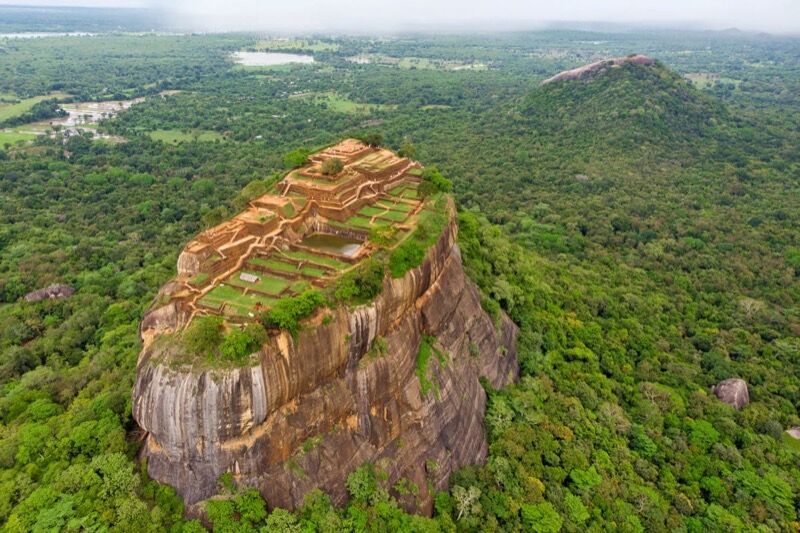
Sri Lanka packs 2,500 years of recorded history into a compact island that most travelers have barely scratched. The Cultural Triangle — Sigiriya, Polonnaruwa, Anuradhapura — contains some of the most impressive ancient ruins in South Asia. Sigiriya Rock Fortress (5th century AD) rises 200 metres straight from the jungle floor. There are frescoes of heavenly maidens painted halfway up the rock face, a mirror wall with ancient graffiti from 8th-century visitors, and a palace complex on the summit — built by a king who thought he was creating a heaven on earth. It is extraordinary, and it barely gets mentioned in mainstream travel media.
Galle Fort on the southern coast is a UNESCO-listed Dutch colonial fortified city — you walk the ramparts at sunset with the Indian Ocean on three sides. The streets inside are lined with colonial Dutch buildings, boutique hotels, and excellent restaurants. The Temple of the Tooth in Kandy is a living pilgrimage site housing what is believed to be the Buddha's tooth — monks perform puja ceremonies three times daily. Polonnaruwa has colossal carved Buddhas and intact medieval city ruins.
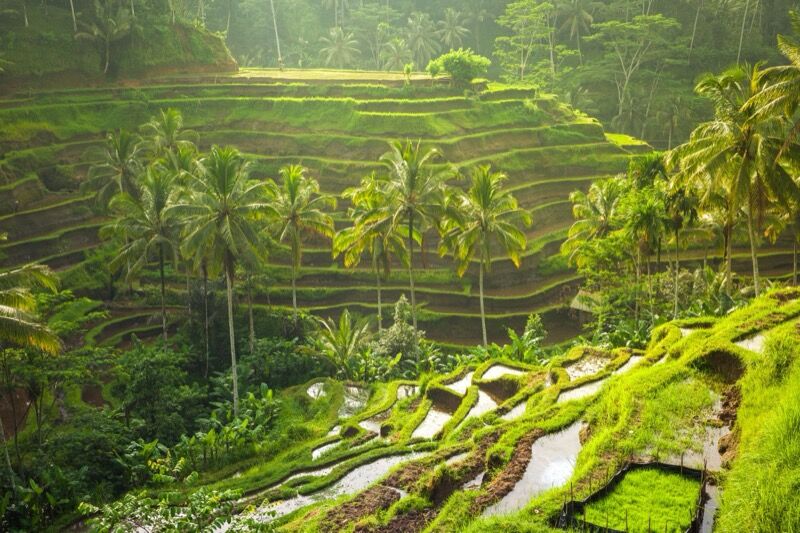
Bali's Hindu-Balinese culture is unlike anywhere else in Indonesia and arguably anywhere in the world. The island has over 20,000 temples. Daily offerings (canang sari — intricate palm-leaf baskets of flowers, incense, and food) appear on every doorstep and crossroads. If you time your visit, you'll witness a cremation procession, temple ceremony, or the Galungan festival. The Kecak fire dance at Uluwatu Temple against a cliff-top sunset is one of Asia's great theatrical performances. Ubud's craft villages, galleries, and silver workshops offer deep dives into Balinese artistic traditions.
Winner takeaway
- Winner: Tie
- Why: Both are cultural powerhouses — just completely different kinds. Sri Lanka's ancient empire ruins are more historically monumental. Bali's Hindu culture is more alive, daily, woven into every interaction. Pick based on which resonates: living culture or ancient history.
- Who this matters for: History buffs will favor Sri Lanka; those wanting immersive living culture will lean toward Bali.
🍜 Food & Dining
Sri Lanka has one of the most underrated food scenes in Asia, and travelers who discover it become immediate evangelists. Hoppers (crispy bowl-shaped rice flour pancakes, often with a fried egg cracked in the centre, served with pol sambol coconut relish) eaten at a local kade for $0.50 is a travel food experience that stays with you. Kottu roti — flatbread shredded and stir-fried on a griddle with vegetables, egg, and your choice of meat — is the national street food, audible before you see it from the rhythmic metal-on-metal clatter. A full kottu at a Colombo street stall runs $1–2. Sri Lankan fish and seafood curries cooked in clay pots, served with rice and a spread of small dishes (dhal, mallung, sambol), run $3–5 at a local restaurant. The fresh tropical fruit — wood apple, rambutan, mangosteen, king coconut — is spectacular and extremely cheap.
Bali's food scene is globally renowned. A warung plate of nasi goreng costs 25,000–40,000 IDR ($1.50–2.50). Babi guling (Balinese suckling pig) at Ibu Oka in Ubud is a pilgrimage for food travelers. The Canggu and Seminyak restaurant scene rivals major cities: wood-fired pizza, elaborate smoothie bowls, and Michelin-quality tasting menus at Locavore in Ubud. Fresh seafood grilled at Jimbaran Bay at sunset costs $15–25 and ranks among Asia's great dining experiences. Bali manages to be simultaneously world-class and deeply cheap.
Winner takeaway
- Winner: Bali
- Why: Bali wins on variety, international options, and sheer global reputation. Sri Lanka wins on authentic traditional cuisine and price — $0.50 hoppers that are genuinely extraordinary. If you want a world-class dining scene from street food to fine dining, Bali. If you want to eat like a local for $2 a meal, Sri Lanka.
- Who this matters for: Food-focused travelers and those prioritizing budget meals should weigh this section heavily in their decision.
💰 Cost Comparison
| Expense | 🐘 Sri Lanka | 🌴 Bali |
|---|---|---|
| Budget accommodation | $10–25/night (guesthouse) | $15–30/night (guesthouse) |
| Mid-range hotel | $40–90/night (boutique hotel) | $50–120/night (pool villa) |
| Budget meal | $1–3 (local restaurant) | $1.50–4 (warung) |
| Restaurant dinner | $6–15 | $8–20 |
| Street food snack | $0.30–1 | $0.50–1.50 |
| Beer (local) | $1.50–3 (Lion lager) | $2–3 (Bintang) |
| Transport (day) | $3–8 tuk-tuk / $30 car | $5–10 scooter / $40 driver |
| National park entry | $20–50 (Yala, Udawalawe) | $15–25 |
| Daily total (mid-range) | $40–80 | $60–100 |
Sri Lanka edges out Bali on daily costs, especially at the budget end. The biggest variable in Sri Lanka is wildlife safaris — a full-day Yala jeep safari runs $50–100 per person (park fees + mandatory jeep hire), and it's worth every cent but needs budgeting. On the flip side, the Kandy–Ella train (one of the world's most scenic rail journeys) costs just $1.50 for 2nd class over 7 spectacular hours.
Winner takeaway
- Winner: Sri Lanka
- Why: Sri Lanka is $20–30/day cheaper on average. Budget the wildlife safaris separately — they're expensive by Sri Lankan standards but cheap for what they deliver. Bali offers more luxury options at competitive mid-range prices if pool villas are the goal.
- Who this matters for: Budget travelers and anyone on a fixed number of days will get more value from Sri Lanka's lower baseline costs.
🚂 Getting Around
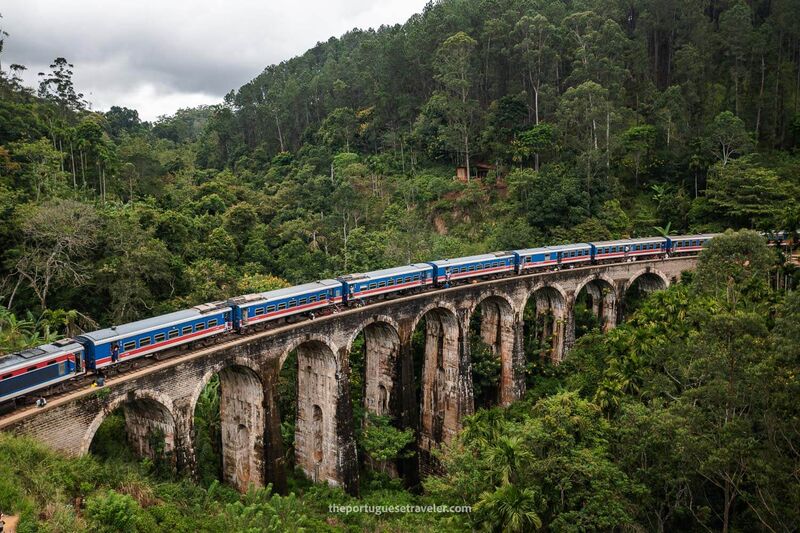
Sri Lanka's train network is the island's great travel gift. The Kandy to Ella train (7 hours, departs 8:47am, $1.50 second class / $3 first class) runs through cloud forests, past cascading waterfalls, and through working tea estates with mountains at every turn. Book in advance via 12Go Asia or at the station — first class observation seats sell out weeks ahead during peak season. It's one of the top 5 train journeys in the world by almost every ranking, and it costs the same as a cup of coffee.
Tuk-tuks are Sri Lanka's urban and rural workhorses — $0.50–3 per short hop, negotiated or via PickMe (app-based, like Uber for tuk-tuks, works in Colombo and Kandy). Private cars with drivers run $30–50/day — essential for the Cultural Triangle, where distances between Sigiriya, Dambulla, and Polonnaruwa require flexibility. The downside: inter-city distances in Sri Lanka are longer than they look on a map. Kandy to Galle is 125km and takes 2.5–3 hours. Build more transit time into Sri Lanka itineraries than you think you need.
Bali is easier to navigate day-to-day. Scooter rental ($4–7/day) is how most people explore — but international travelers need an IDP and should stick to quieter roads. Grab works in tourist areas for $1–5 rides. Private drivers cost $40–50 for a full day and handle the temple circuits, waterfall chasing, and multi-stop days without hassle. Traffic around Seminyak, Kuta, and Canggu is notoriously congested — budget extra time midday.
Winner takeaway
- Winner: Bali
- Why: Bali is easier for day-to-day navigation. Sri Lanka rewards you with one of the world's great train journeys but requires more logistical planning between destinations. If you hate transit friction, Bali. If you love train journeys and adventurous logistics, Sri Lanka.
- Who this matters for: First-time independent travelers and those with tight itineraries should factor in Sri Lanka's longer inter-destination transfers.
☀️ Best Time to Visit
Sri Lanka's two-coast monsoon pattern is the most important thing to understand before booking. The island effectively has two holiday seasons — and getting this wrong means rain on your beach days.
Key insight: If you're traveling December–March, Sri Lanka's south coast is exceptional — dry, warm, whale-watching season, Galle at its best. This coincides with Bali's wettest period. For summer trips (June–September), Bali is in glorious dry season; Sri Lanka's south coast gets rain but the east coast (Arugam Bay for surfing, Trincomalee for beaches) is fantastic. The Cultural Triangle is visitble year-round since it's in the dry zone.
Winner takeaway
- Winner: Bali
- Why: Bali's dry season (April–October) is clean and simple. Sri Lanka's weather is more nuanced — knowing which coast and which season matters. For Dec–March holidays, Sri Lanka's south coast is excellent and Bali is hit-or-miss. For summer, Bali is more reliable overall.
- Who this matters for: Travelers with fixed dates should check the specific Sri Lanka coast before booking — the southwest and east coasts have opposite ideal seasons.
🏨 Where to Stay
Sri Lanka Highlights
Colombo — Modern capital with great street food, Pettah market, and colonial architecture. Good for 1–2 nights at the start or end. Hotels from $25/night.
Kandy — Highland city with Temple of the Tooth, botanical gardens, and cultural shows. Boutique guesthouses from $20/night.
Ella — Tiny tea-country village in the hills. Nine Arch Bridge, Little Adam's Peak hike, cloud forest walks, and direct train connections. Guesthouses from $15/night — exceptional value.
Galle — UNESCO colonial fort, boutique hotels inside the ramparts, great restaurants, nearby surf beaches. From $40/night in the fort.
Mirissa — Whale watching capital (Dec–April), beach bars, relaxed vibe. From $20/night.
Sigiriya / Dambulla — Base for the Cultural Triangle. Jungle lodges from $30/night.
Bali Highlights
Ubud — Rice paddies, jungle, art galleries, yoga retreats, Monkey Forest. Best for culture and wellness. Villas from $40/night.
Seminyak / Canggu — Beach clubs, restaurant scene, boutique hotels. Canggu for surfers and digital nomads; Seminyak for couples. From $30–80/night.
Uluwatu — Clifftop luxury, serious surf breaks, kecak dance. Best for honeymooners. From $80/night.
Nusa Lembongan — Small island day trip or overnight. Crystal waters, manta rays, slower pace.
Winner takeaway
- Winner: Depends
- Why: Sri Lanka requires stringing together a circuit (Colombo → Kandy → Ella → Galle → Mirissa is 10–12 days). Bali's highlights are more concentrated and easier to base yourself in one or two zones. Both offer excellent value. First Sri Lanka visit: follow the classic circuit and don't try to rush it.
- Who this matters for: Travelers with shorter trips will appreciate Bali's concentration; those with 10+ days will love Sri Lanka's varied circuit.
🏄 Beaches & Surf
Sri Lanka's coastline is long, varied, and genuinely spectacular. The south coast (Mirissa, Tangalle, Unawatuna) offers turquoise bays, whale watching, and relaxed beach towns. Mirissa is the standout — a compact crescent beach flanked by rocky headlands, with good snorkeling and excellent whale watching from November to April. Arugam Bay on the east coast is one of Asia's best surf destinations — a world-class right-point break with a mellow, uncrowded lineup and strong backpacker community (best May–September). Trincomalee in the northeast has some of the clearest water in Sri Lanka with Pigeon Island National Park for snorkeling.
Bali's beaches are globally renowned and justify the reputation. Seminyak and Kuta have the classic Bali sunset beach clubs. Uluwatu and Padang Padang have the serious surf — world-class waves that appear on the professional tour. Nusa Penida (30 minutes by fast boat) has Kelingking Beach, one of Instagram's most photographed cliffs, and excellent manta ray snorkeling. Nusa Lembongan is calmer and great for families.
Winner takeaway
- Winner: Tie
- Why: Different flavors. Bali wins on beach infrastructure and club scene. Sri Lanka wins on Arugam Bay's uncrowded surf and the south coast's whale-watching combination. Serious surfers lean Sri Lanka for the uncrowded experience; party beach people lean Bali.
- Who this matters for: Surfers should weigh both Arugam Bay and Bali's Uluwatu-area breaks; beach-club seekers should go straight to Bali.
🎯 The Decision Framework
Choose Sri Lanka If…
- Leopard safari or blue whale watching is on your list
- Ancient ruins and UNESCO history excite you
- You want an authentic, less tourist-polished experience
- Budget is tight and you want more days for less money
- You love iconic train journeys (Kandy–Ella is legendary)
- Arugam Bay's uncrowded surf appeals
- Tea estate highlands and cloud forest landscapes call to you
- You've done Bali and want something genuinely different
- A cultural circuit (fort, temple, ruins, beach) appeals over a beach base
Choose Bali If…
- A world-class food scene is a top priority
- You want seamless tourist infrastructure and easy navigation
- Surf at Uluwatu or Padang Padang is the goal
- Yoga retreats and wellness resorts matter
- You want temples woven into everyday life, not ancient ruins
- Nightlife and beach clubs are part of the plan
- Luxury pool villas at mid-range prices appeal
- You're a first-time Asia traveler who wants a gentle entry
- It's a short trip (5–7 days) and you want to unpack once
❓ Frequently Asked Questions
Is Sri Lanka or Bali better for first-time visitors?
Both are excellent for first-timers, but they offer very different experiences. Bali has more established tourist infrastructure — airport taxis, Grab rides, English widely spoken, and thousands of guesthouses. Sri Lanka requires slightly more logistics due to distances between highlights, but PickMe (app-based tuk-tuk booking) and well-worn tourist circuits make it manageable. Verdict: Bali is marginally easier for first-timers, but Sri Lanka rewards the extra planning with wildlife, ancient ruins, and one of the world's great train journeys.
Is Sri Lanka cheaper than Bali?
Sri Lanka is marginally cheaper overall — $40–80/day vs. Bali's $60–100/day for a mid-range trip. Street food is cheaper (kottu roti $1–2, hoppers $0.50), and local guesthouses run $15–25/night. The big variable is national park fees — a Yala safari runs $50–100/person for the day. The Kandy–Ella train, by contrast, costs $1.50 for 7 spectacular hours.
Which has better wildlife — Sri Lanka or Bali?
Sri Lanka wins by a wide margin. Yala National Park has one of the world's highest leopard densities — a good morning safari gives you a genuine shot at a sighting. Udawalawe offers almost-guaranteed wild elephant encounters. Blue whale watching off Mirissa (November–April) is world-class. Bali has the Sacred Monkey Forest and manta rays at Nusa Penida, but it's not a wildlife destination.
What is the best time to visit Sri Lanka vs Bali?
Bali's dry season (April–October) is simple and reliable. Sri Lanka is more nuanced: the southwest coast (Mirissa, Galle) is best December–March; the east coast (Arugam Bay, Trincomalee) peaks May–September. December–March is ideal for Sri Lanka's south, coinciding with Bali's wetter period — a strong argument for choosing Sri Lanka over winter. For summer trips, Bali's dry season is the more predictable choice.
Is Sri Lanka safe for tourists?
Yes — Sri Lanka is generally very safe. Locals are famously warm and hospitable. Petty scams exist (gem touts in Colombo, overpriced tuk-tuks at tourist spots) but violent crime against tourists is rare. Solo women frequently rate Sri Lanka as one of South Asia's more comfortable destinations. The 2019 Easter bombings were devastating but isolated; security has been significantly improved since.
Can you combine Sri Lanka and Bali in one trip?
Absolutely — and it's one of the best combo trips in Asia. Fly Colombo to Bali via Singapore, Kuala Lumpur, or Doha, budgeting $200–350 per person for the connecting flight. An excellent itinerary: 10 days Sri Lanka (cultural triangle + south coast), then 7 days Bali. The contrast between Buddhist-Sri Lankan and Hindu-Balinese culture makes the combination genuinely enriching.
Which is better for food — Sri Lanka or Bali?
Bali wins on variety and international dining. Sri Lanka wins on authenticity, price, and the quality of its traditional dishes. Hoppers, kottu roti, pol sambol, and clay-pot fish curries are among the best food experiences in Asia. Bali's scene ranges from $1.50 warungs to Michelin-quality tasting menus at Locavore in Ubud. Both will make food-focused travelers very happy.
Is Sri Lanka good for surfing?
Yes — Sri Lanka has a strong, underrated surf scene. Arugam Bay on the east coast (best May–September) is a world-famous right-point break with an uncrowded, relaxed vibe. Hikkaduwa and Mirissa offer gentler beginner waves December–March. Sri Lanka is less crowded than Bali's main breaks. Bali remains the region's premier surf destination with Uluwatu and Padang Padang, but Sri Lanka holds its own for intermediate surfers seeking fewer crowds.
Ready to plan your trip?
Get a free custom itinerary for Sri Lanka or Bali — built from real traveler insights, not generic templates.
🎟️ Book Tours & Experiences
Hand-picked tours and activities for both destinations — book with free cancellation
Experiences via Viator — free cancellation on most tours