How we built this comparison
This page combines traveler discussion patterns, published price ranges, flight schedules, and seasonal data to help you decide between Stuttgart and Munich.
- Reviewed 100+ Reddit threads from r/travel, r/solotravel, r/Germany, r/Munich, and r/Stuttgart.
- Verified costs and logistics against current booking platforms (Booking.com, DB Bahn, Google Flights, local attraction websites).
- Cross-referenced seasonal patterns, weather data, and major event calendars (e.g., Oktoberfest) for accurate timing advice.
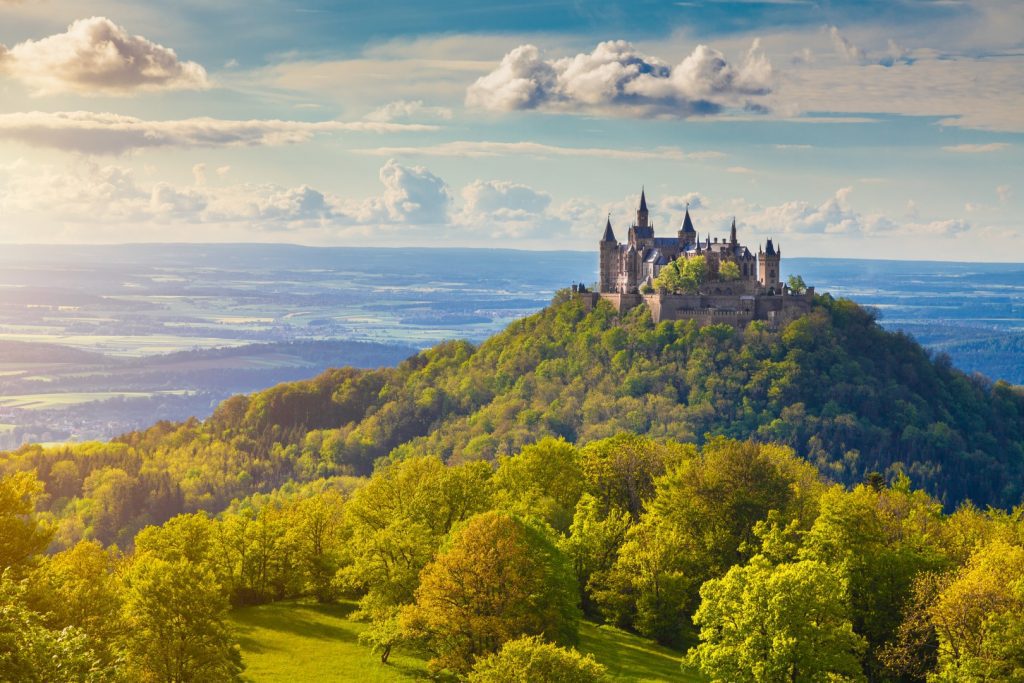
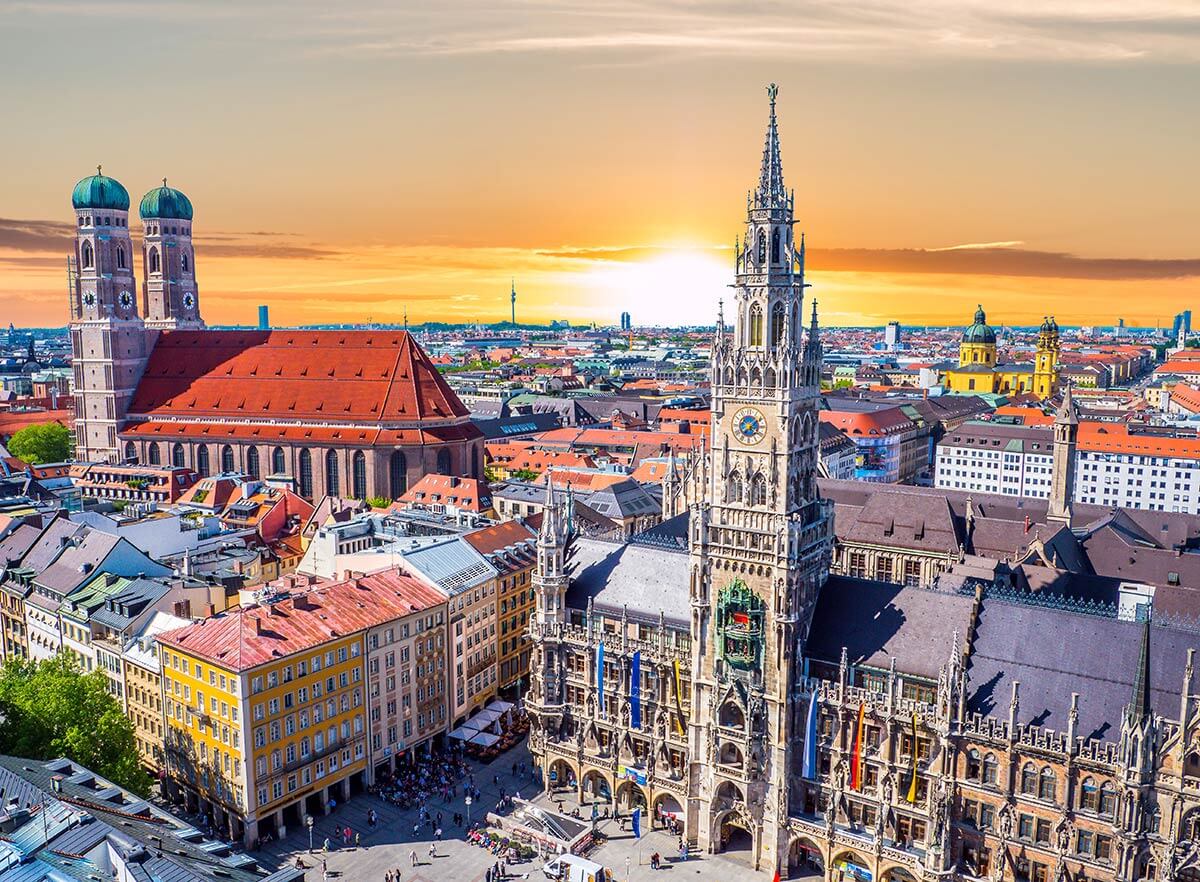
⚡ The TL;DR Verdict
For those seeking an authentic, slightly less touristy German experience with a focus on engineering and wine, Stuttgart is your pick, budget around €70-120 ($75-130) daily. If world-famous beer halls, stunning architecture, and a lively, picturesque Bavarian atmosphere are your priority, Munich awaits, be prepared for a daily budget of €100-180 ($110-195).
- Choose Stuttgart: You're a car enthusiast, enjoy excellent wine, prefer a more relaxed and local feel, and want to save some money. It's a great base for exploring the Black Forest or charming medieval towns without the big city hustle.
- Choose Munich: You crave iconic Bavarian culture, world-class museums, vibrant beer gardens, and proximity to the Alps. It’s perfect for first-time visitors to Germany looking for a classic, bustling European city experience, even if it's pricier.
- Choose Both: If you have at least 7-10 days, doing both offers a fantastic contrast of German culture. Start with 3-4 days in Stuttgart, then take a comfortable ~2.5-hour ICE train to Munich for another 4-5 days, combining the best of Swabian and Bavarian traditions.
Quick Comparison
| Category | Stuttgart | Munich | Winner |
|---|---|---|---|
| Culture & History | Automotive heritage, modern art, beautiful castles like Ludwigsburg Palace nearby. Less 'old world' feel, more contemporary. | Rich Bavarian history, iconic landmarks like Marienplatz, world-class museums (Deutsches Museum, Alte Pinakothek). Deeply traditional and grand. | Munich |
| Food & Drink | Hearty Swabian cuisine (Maultaschen, Spätzle), excellent local wines, good craft beer scene. More understated. | Classic Bavarian fare (Weisswurst, Schweinshaxe), world-famous beer halls, diverse international options. Bustling and traditional. | Munich |
| Nightlife | Lively pub scene around Theodor-Heuss-Straße, some clubs, more relaxed. Fewer tourists. | Extensive club scene, traditional beer halls, trendy bars in Glockenbachviertel. Something for everyone. | Munich |
| Costs | Generally more affordable for accommodation, food, and activities. Good value for money. | Significantly more expensive across the board, especially for accommodation and dining. Premium pricing. | Stuttgart |
| Getting There & Around | Stuttgart Airport (STR) is well-connected. Excellent local public transport. Good base for regional car travel. | Munich Airport (MUC) is a major international hub. Superb public transport (U-Bahn, S-Bahn, trams). Easy to get around without a car. | Munich |
| Accommodation | More affordable, good range from boutique to business hotels. Easier to find last-minute deals. | Significantly pricier, especially during Oktoberfest or trade fairs. Extensive luxury options, but budget options are tighter. | Stuttgart |
| Day Trips | Gateway to the Black Forest, Tübingen, Ludwigsburg Palace, Heidelberg (longer trip). Diverse nature and charming towns. | Proximity to the Alps, Neuschwanstein Castle, Salzburg (Austria), Dachau Memorial. Iconic and postcard-worthy destinations. | Munich |
| Nature & Outdoors | Surrounded by vineyards and hills, easy access to the Black Forest. Urban parks like Killesberg Park. | English Garden is a massive urban oasis. Close proximity to the stunning Bavarian Alps and numerous lakes (Starnberger See, Ammersee). | Munich |
| Shopping | Main shopping street Königstraße, upscale boutiques, and local markets. More focused on everyday needs. | Luxury brands on Maximilianstraße, department stores, quirky boutiques in Glockenbachviertel. Extensive and high-end options. | Munich |
| Family Travel | Automotive museums, Wilhelma Zoo-Botanical Garden, Killesberg Park with a small train. More relaxed pace. | Deutsches Museum, Hellabrunn Zoo, English Garden, proximity to Legoland and Alps. Plenty of engaging activities. | Munich |
🏛️ Culture & History
Munich undeniably dominates in classic European culture and history. Its Altstadt boasts breathtaking architecture, from the Frauenkirche to the Residenz, a former royal palace. The Deutsches Museum is a marvel, one of the world's oldest and largest science and technology museums, demanding a full day to explore. Meanwhile, Stuttgart's cultural scene leans heavily into its automotive legacy, with the Mercedes-Benz Museum and Porsche Museum being world-class attractions, offering incredible insights into engineering and design – they're not just for car buffs. However, beyond cars, Stuttgart offers the Staatsgalerie (State Gallery) and the stunning library Stadtbibliothek am Mailänder Platz, which are more niche. For a broader, more traditional European historical immersion, Munich's sheer volume of historical sites and grand institutions, including the Dachau Concentration Camp Memorial Site a short train ride away, provides a more profound cultural experience. Stuttgart definitely has its charm with Solitude Palace and the nearby Ludwigsburg Residential Palace, but Munich's central historical density is unmatched. "Munich feels like stepping into a postcard, every corner has another huge church or palace. Stuttgart is cool, but it's not that kind of old-school grandeur." – r/Germany
Winner takeaway
- Winner: Munich
- Why: Munich offers a more extensive and classically European cultural and historical experience with iconic landmarks and world-renowned museums.
- Who this matters for: First-time visitors to Germany, history buffs, and those seeking iconic European cityscapes.
🍽️ Food & Drink
While Stuttgart offers delightful Swabian specialties like Maultaschen (pasta pockets) at restaurants like Weinstube Schellenturm and Käsespätzle, and a fantastic local wine culture (try the Weindorf festival in September), Munich's food and drink scene is simply more iconic and accessible for tourists. Its legendary beer halls, such as Hofbräuhaus and Augustiner-Keller, offer an unparalleled atmosphere to enjoy a liter of Bavarian beer alongside hearty Schweinshaxe (pork knuckle) or Weisswurst (white sausage). You can easily find a full meal with beer for €15-25 ($16-27). Stuttgart's wine region, particularly the Stuttgart Wine Trail, is unique and beautiful, offering a different kind of culinary experience, but it's less centrally located. Munich also boasts a more diverse international food scene, from traditional Bavarian taverns to upscale Michelin-starred restaurants, catering to every palate and budget more broadly. For a truly authentic German beer garden experience, Munich is the undisputed champion, offering numerous large and small establishments perfect for socializing. "Munich's beer gardens are just something else. You can spend hours there, eating giant pretzels and watching the world go by. Stuttgart has good food, but it's not the same vibe." – r/travel
Winner takeaway
- Winner: Munich
- Why: Munich's world-famous beer halls and iconic Bavarian cuisine offer a more accessible and quintessential German culinary experience for visitors.
- Who this matters for: Beer enthusiasts, those seeking iconic German food experiences, and travelers who enjoy lively social dining.
🎉 Nightlife
Munich offers a more diverse and extensive nightlife compared to Stuttgart. While Stuttgart has its main strip, Theodor-Heuss-Straße, packed with bars and clubs like Perkins Park, and the more alternative atmosphere of Hans-im-Glück-Brunnen, it tends to be a more local and less overwhelming scene. Drinks in Stuttgart can be slightly cheaper, with a beer costing around €4-5 ($4.30-5.40). Munich, however, provides a spectrum from traditional, boisterous beer halls like Hofbräuhaus that stay open late, to sophisticated cocktail bars in the Glockenbachviertel, and numerous electronic music clubs in areas like Kunstpark Ost or around Ostbahnhof. The sheer volume and variety of venues mean there's always something happening, whether you're looking for a quiet drink or an all-night dance party. Expect beer prices from €4.50-6 ($4.80-6.50) in Munich. While Stuttgart is fun, Munich's scene is larger, more varied, and more geared towards a tourist crowd seeking iconic experiences alongside local haunts. "If you want to party hard or just have a ton of options for a night out, Munich wins. Stuttgart is fine, but it's not a party city like Munich can be." – r/solotravel
Winner takeaway
- Winner: Munich
- Why: Munich boasts a larger, more varied, and more globally recognized nightlife scene catering to diverse tastes.
- Who this matters for: Younger travelers, party-goers, and those who want endless options for evening entertainment.
💰 Costs
When it comes to your wallet, Stuttgart is the clear winner. Accommodation in Stuttgart is noticeably cheaper; a decent mid-range hotel might cost €80-120 ($85-130) per night, while a similar room in Munich could easily run €120-180 ($130-195), often more during peak season or Oktoberfest. Budget-friendly hostels in Stuttgart start around €30-40 ($32-43), whereas Munich's hostels typically begin at €40-60 ($43-65). Food costs also lean in Stuttgart's favor; a substantial lunch can be found for €10-15 ($11-16) at a local Gasthaus, while in Munich, you're looking at €12-20 ($13-22) for something comparable. Museum entry fees are similar, around €10-15 ($11-16) for major attractions like the Mercedes-Benz Museum or Deutsches Museum. Public transport day tickets are comparable, around €7-8 ($7.50-8.60). Overall, you can expect to spend about 20-30% less in Stuttgart than in Munich for a comparable travel experience, making it a much friendlier option for budget-conscious travelers. "I was shocked how much more expensive Munich was for everything, especially hotels. Stuttgart felt like a breath of fresh air for my budget." – r/travel
Winner takeaway
- Winner: Stuttgart
- Why: Stuttgart consistently offers lower prices for accommodation, food, and activities, providing better value for money.
- Who this matters for: Budget travelers, long-term visitors, and those who prefer to spend less on essentials to allocate more to experiences.
✈️ Getting There & Around
Munich takes the edge in accessibility. Munich Airport (MUC) is a larger international hub with more direct flights from around the world, making it often easier and sometimes cheaper to fly into. From MUC, the S-Bahn (S1 or S8) takes you directly to the city center in about 40-45 minutes for around €12 ($13). Stuttgart Airport (STR) is also efficient and well-connected to European cities, but fewer direct long-haul options. From STR, the S-Bahn takes about 27 minutes to the city center for around €4-5 ($4.30-5.40). Both cities boast excellent public transportation networks with U-Bahn (subway), S-Bahn (commuter rail), trams, and buses that are clean, reliable, and punctual. A day ticket for central Munich costs around €8.20 ($8.90), while Stuttgart's equivalent is about €7.60 ($8.20). Munich's U-Bahn network feels slightly more extensive and intuitive for tourists navigating its many attractions, though Stuttgart's system is perfectly adequate. For intercity travel, both are well-connected by Deutsche Bahn (DB) trains. Munich's central station, Hauptbahnhof, is a larger hub with more frequent high-speed connections to major European cities. "Munich's airport is just massive and so easy to get downtown from. Stuttgart's is fine, but Munich feels like a bigger gateway." – r/Germany
Winner takeaway
- Winner: Munich
- Why: Munich's larger international airport and slightly more extensive central public transport network offer superior ease of access and navigation.
- Who this matters for: International travelers, those prioritizing seamless arrival, and visitors who prefer to rely solely on public transport.
🏨 Accommodation
Stuttgart offers a more budget-friendly and less competitive accommodation market. You can find excellent value in 3-4 star hotels like the Jaz in the City Stuttgart or the Hotel Unger for €90-130 ($97-140) per night. Hostels like A&O Stuttgart City offer beds starting at €30-40 ($32-43). In Munich, the same quality of accommodation will cost considerably more. A mid-range hotel like the Motel One München-Sendlinger Tor or Ruby Lilly Hotel Munich typically ranges from €130-190 ($140-205), and this can skyrocket during major events. Budget hostels such as Wombat's City Hostel Munich start at €45-65 ($48-70) for a dorm bed. Munich also has a greater concentration of luxury hotels, but if you're not splurging, Stuttgart provides more bang for your buck without sacrificing quality or location. Booking last minute in Munich, especially during peak season, can lead to exorbitant prices. Stuttgart provides a more relaxed booking experience with better availability at reasonable rates throughout the year. "Finding an affordable, nice hotel in Munich felt like a treasure hunt, especially when Oktoberfest was near. Stuttgart was way easier and cheaper." – r/solotravel
Winner takeaway
- Winner: Stuttgart
- Why: Stuttgart provides significantly more affordable and readily available accommodation options across all budgets, offering better overall value.
- Who this matters for: Budget-conscious travelers, those planning spontaneous trips, and visitors seeking good value without compromising quality.
⛰️ Day Trips
Munich is an unrivaled hub for iconic day trips that are often bucket-list items for travelers to Germany. The proximity to Neuschwanstein Castle, approximately a 2-hour train ride and bus, is a huge draw, though it requires booking tickets well in advance (€15 per person for the tour). The Bavarian Alps are easily accessible for hiking and skiing, with places like Garmisch-Partenkirchen just an hour away by train. Salzburg, Austria, is also a popular option, reachable in under 2 hours by direct train. Stuttgart, while offering excellent day trip options, presents a different flavor. It's a fantastic base for exploring the northern Black Forest (e.g., Baden-Baden, Triberg) and picturesque university towns like Tübingen, which is just a 45-minute train ride away (€10-15 round trip). The stunning Ludwigsburg Residential Palace, one of Germany's largest Baroque castles, is a quick S-Bahn ride. While Heidelberg is technically doable from Stuttgart, it's a longer 1.5-hour train journey each way. Munich's day trips, however, often feature those truly iconic, globally recognized landmarks that many travelers come to Germany to see. "You can't beat Munich for day trips. Neuschwanstein, the Alps, even Salzburg... it's all right there and easy to get to." – r/travel
Winner takeaway
- Winner: Munich
- Why: Munich offers access to more globally famous and iconic day trip destinations, including Neuschwanstein Castle and the Bavarian Alps.
- Who this matters for: First-time visitors to Germany, those with a bucket list of famous landmarks, and nature lovers seeking dramatic mountain scenery.
🌳 Nature & Outdoors
Munich offers a superior blend of urban green spaces and easily accessible natural wonders. The English Garden (Englischer Garten) is one of the largest urban parks in the world, bigger than Central Park, offering surfing on the Eisbach wave, vast lawns for sunbathing, and charming beer gardens. Entry is free. Beyond the city limits, the stunning Bavarian Alps are just an hour or two away by train, perfect for hiking, skiing, or simply enjoying the breathtaking scenery. Numerous pristine lakes like Starnberger See or Ammersee are also within easy reach, ideal for swimming or boating. Stuttgart, while surrounded by beautiful vineyards and rolling hills that offer pleasant walks and cycling, and with lovely urban parks like Killesberg Park or Rosenstein Park, doesn't quite match Munich's dramatic alpine backdrop or its expansive, world-famous city park. The Black Forest is a fantastic natural escape from Stuttgart, but it requires a slightly more dedicated trip. Munich allows for a quick dip into nature, both within the city and in spectacular fashion just beyond its borders. "Munich's English Garden is a lifesaver; you forget you're in a big city. And the Alps are so close, it's just amazing." – r/solotravel
Winner takeaway
- Winner: Munich
- Why: Munich boasts the iconic English Garden and provides easier, more direct access to the breathtaking Bavarian Alps and beautiful lakes.
- Who this matters for: Nature lovers, hikers, those seeking outdoor recreation, and travelers who appreciate expansive urban green spaces.
🛍️ Shopping
Munich is a shopper's paradise compared to Stuttgart. While Stuttgart's Königstraße offers a solid range of international chains, department stores like Breuninger, and local boutiques, it doesn't have the same high-end appeal or diversity. Prices are generally standard, with a good mix of affordable and mid-range options. In Munich, you have the magnificent Maximilianstraße, home to luxury brands like Chanel, Gucci, and Louis Vuitton, attracting a more affluent clientele. Beyond the high-end, the Kaufingerstraße and Neuhauser Straße form a bustling pedestrian zone with all the major European retailers. For unique finds, the Glockenbachviertel offers independent boutiques and vintage shops. Additionally, Munich's Viktualienmarkt is a fantastic outdoor market for gourmet food items, flowers, and local crafts, providing a more vibrant and diverse shopping experience. Stuttgart's Markthalle is good for foodies, but less for general shopping. For variety, luxury, and a more vibrant shopping atmosphere, Munich is the clear winner. "If you want serious shopping, Munich is it. Maximilianstraße is like a runway, and even the regular shopping streets have so much more to offer than Stuttgart." – r/Germany
Winner takeaway
- Winner: Munich
- Why: Munich offers a more extensive and diverse shopping experience, from luxury brands to quirky boutiques and vibrant markets.
- Who this matters for: Fashion enthusiasts, luxury shoppers, and those seeking a wider variety of retail therapy.
👨👩👧👦 Family Travel
Munich is arguably more family-friendly due to its sheer variety of attractions that appeal to different age groups. The Deutsches Museum, with its interactive exhibits, is a huge hit for kids and teens alike, easily occupying a full day. Hellabrunn Zoo is a fantastic geo-zoo that allows animals more natural habitats. The English Garden offers vast spaces for running around, paddle boating, and even a large playground. Plus, the proximity to Legoland Deutschland (about 1.5 hours drive) and the Alps for outdoor adventures makes it a versatile base. Stuttgart, on the other hand, offers the Mercedes-Benz and Porsche Museums, which are surprisingly engaging for older kids interested in cars. Wilhelma Zoo-Botanical Garden combines animals with beautiful plant collections. Killesberg Park has a miniature railway, playgrounds, and an observation tower, which is great for younger children. While Stuttgart has good options, Munich's attractions, including its larger parks and more diverse museum offerings, combined with its accessibility to major family-oriented destinations, give it the edge for a comprehensive family vacation. "Munich was perfect with the kids. The Deutsches Museum kept them busy for hours, and the English Garden was awesome for just letting them run wild." – r/travel
Winner takeaway
- Winner: Munich
- Why: Munich offers a wider array of world-class, engaging attractions suitable for various ages, from interactive museums to expansive parks and nearby theme parks.
- Who this matters for: Families with children of all ages, those seeking diverse activities, and travelers who appreciate convenient access to major family destinations.
❓ Frequently Asked Questions
Is Stuttgart a good base for exploring the Black Forest?
Yes, Stuttgart serves as an excellent gateway to the northern Black Forest. Towns like Baden-Baden or Triberg are easily accessible by train or car within 1-2 hours, making it convenient for day trips into the scenic region without needing to relocate.
Which city is better for car enthusiasts?
Stuttgart is the undisputed champion for car enthusiasts. It's home to both the Mercedes-Benz Museum and the Porsche Museum, two world-class institutions offering deep dives into automotive history and innovation. Munich's BMW Welt is impressive, but doesn't quite match the historical depth of Stuttgart's offerings.
Is it easy to travel between Stuttgart and Munich?
Yes, traveling between Stuttgart and Munich is very easy and efficient. High-speed ICE trains connect the two cities in approximately 2.5 hours, with frequent departures throughout the day. Tickets can be booked via Deutsche Bahn (DB) and prices vary depending on how far in advance you book.
What's the best time of year to visit either city?
Both cities are best visited during late spring (May-June) or early autumn (September-October) for pleasant weather and fewer crowds. Summer (July-August) is also popular but can be warmer and more crowded, especially in Munich. Winter brings Christmas markets but can be cold and grey.
Are Stuttgart and Munich walkable cities?
Both cities have very walkable city centers. Stuttgart's Königstraße and Schlossplatz are pedestrian-friendly, while Munich's Altstadt (Old Town) around Marienplatz is entirely walkable. For longer distances or to reach specific neighborhoods, both cities have excellent public transport systems.
Which city is better for a solo traveler?
Munich generally offers more in terms of structured tours, social beer gardens, and a higher density of hostels, making it slightly easier to meet other travelers. Stuttgart provides a more independent, local experience, which some solo travelers might prefer for its relaxed pace and authenticity, but it requires more initiative to connect with others.
Can I visit Neuschwanstein Castle from Stuttgart?
While technically possible, visiting Neuschwanstein Castle from Stuttgart as a day trip is a very long and demanding journey (around 3.5-4 hours each way by train and bus). It is much more practical and enjoyable to visit Neuschwanstein from Munich, which is closer and has more direct transport links.
What local specialties should I try in each city?
In Stuttgart, definitely try Maultaschen (Swabian ravioli), Spätzle (egg noodles, often with cheese), and local Trollinger wine. In Munich, you must sample Weisswurst (white sausage) with sweet mustard, Schweinshaxe (pork knuckle), and, of course, a liter of Bavarian beer at a traditional beer garden.
Ready to plan your Germany trip?
Get a free custom itinerary for Stuttgart, Munich, or both — built from real traveler insights.
🎟️ Book Tours & Experiences
Hand-picked tours and activities for both destinations — book with free cancellation
Experiences via Viator — free cancellation on most tours