How we built this comparison
This page combines traveler discussion patterns, published price ranges, flight schedules, and seasonal data to help you decide between Suriname and Guyana.
- Reviewed 100+ Reddit threads from r/travel, r/solotravel, r/SouthAmerica, r/Suriname, r/Guyana, and r/backpacking.
- Verified costs and logistics against current booking platforms (e.g., Booking.com, Skyscanner, local tour operators).
- Cross-referenced seasonal patterns, weather data, and government travel advisories for both nations.
⚡ The TL;DR Verdict
For those seeking a truly unique cultural melting pot, vibrant nightlife, and more accessible local experiences, Suriname is your pick, budget around $50-80 USD/day. If untamed nature, spectacular waterfalls, and a more off-grid adventure are calling, head to Guyana, but brace for higher costs, closer to $100-150 USD/day, especially for interior tours.
- Choose Suriname: You prioritize cultural immersion, diverse cuisine, a lively capital, and generally lower local costs with easier independent travel.
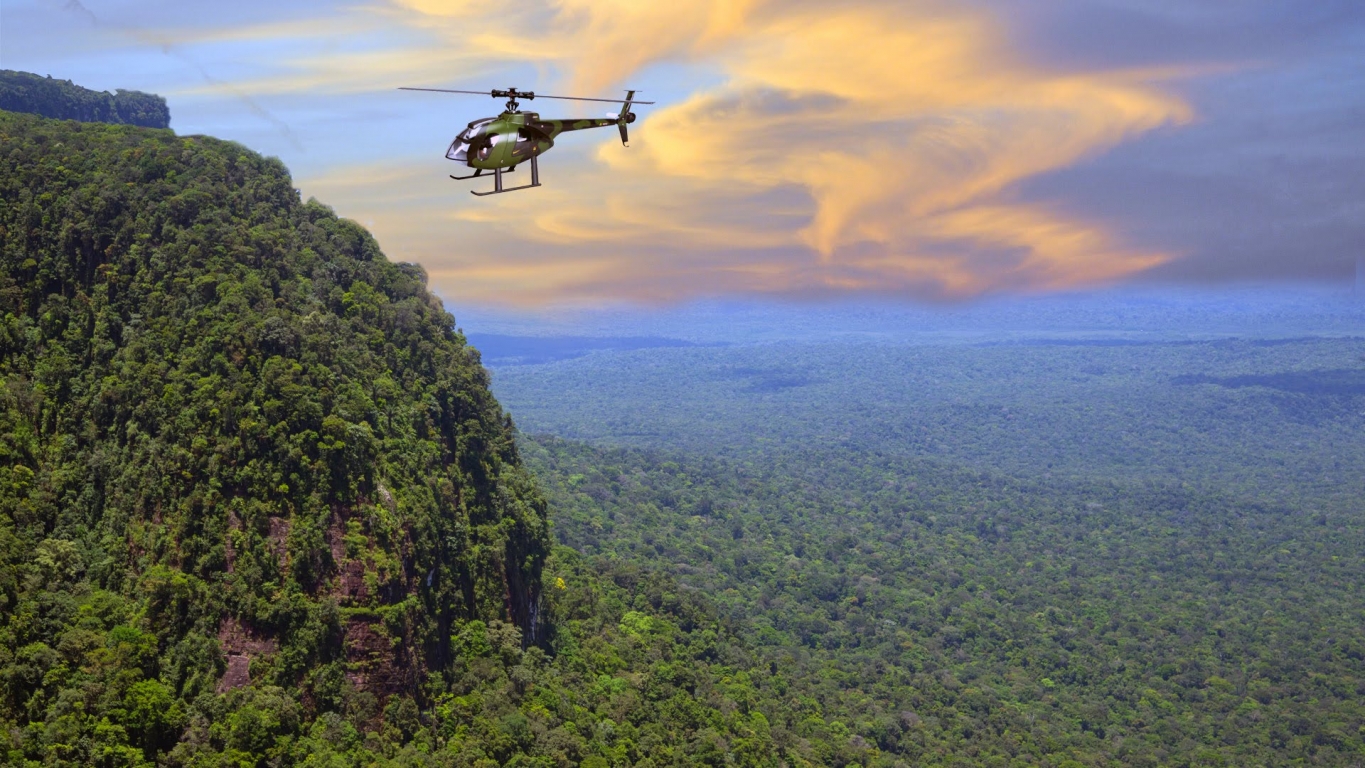
- Choose Guyana: You're an avid nature lover, prioritizing pristine rainforests, incredible wildlife, and iconic natural wonders like Kaieteur Falls, willing to spend more for it.
- Choose Both: If you have 2-3 weeks, combining both offers the ultimate Guianas experience, flying between Paramaribo and Georgetown (around 1 hour, $200-300 USD return) to contrast their distinct charms.
Quick Comparison
| Category | Suriname | Guyana | Winner |
|---|---|---|---|
| Costs & Budget | Generally more budget-friendly for daily expenses, food, and local transport. Tours to the interior can still be costly. | Higher costs across the board, especially for accommodation, organized tours (essential for interior), and imported goods. | Suriname |
| Nature & Wildlife | Dense Amazonian rainforest, diverse ecosystems, unique Maroon and Indigenous cultural interaction in nature. | Pristine, untouched Amazonian wilderness, iconic Kaieteur Falls, exceptional birdwatching, and jaguar spotting opportunities. | Guyana |
| Culture & History | A truly unique cultural melting pot of Dutch, Javanese, Hindustani, Creole, and Indigenous influences, reflected in its capital and cuisine. | British colonial heritage, strong Indian and African influences, distinct Creole culture, and fascinating Indigenous communities. | Suriname |
| Food & Drink | A world-renowned culinary hotspot thanks to its diverse population, offering a fusion of flavors. | Hearty Caribbean-influenced cuisine with strong Indian and African roots, including unique local dishes. | Suriname |
| Safety & Security | Generally safe in tourist areas, but petty crime and some violent crime exist, especially in Paramaribo. Exercise caution. | Similar safety concerns to Suriname, with petty crime and occasional violent crime in Georgetown. Best to use reputable transport. | Tie |
| Getting Around | Paramaribo is walkable; minivans are cheap for local travel. Interior travel often by small plane or boat, with organized tours. | Georgetown is less walkable. Minibuses are available, but taxis are more common. Interior travel is almost exclusively by expensive charter flights or multi-day boat trips. | Suriname |
| Accommodation | Good range of guesthouses, boutique hotels, and some international chains in Paramaribo; lodges in the interior. | Fewer budget options, more business-oriented hotels in Georgetown; high-end eco-lodges in the interior. | Suriname |
| Nightlife & Entertainment | Vibrant and diverse nightlife in Paramaribo, with a mix of bars, clubs, and live music venues, reflecting its multicultural population. | More subdued nightlife in Georgetown, primarily focused on bars, casinos, and some local rum shops. | Suriname |
| Day Trips & Excursions | Variety of accessible day trips from Paramaribo, including plantations, Maroon villages, and nature areas. | Limited day trips from Georgetown; major natural attractions often require expensive multi-day tours or flights. | Suriname |
| Overall Vibe & Accessibility | Friendly, laid-back atmosphere, unique blend of cultures, feels more structured and navigable for independent travelers. | Raw, adventurous, very 'off-the-beaten-path' feel, but often requires more planning and budget for deep exploration. | Suriname |
💰 Costs & Budget
When it comes to stretching your dollars, Suriname typically comes out ahead for day-to-day spending. A decent local meal in Paramaribo (like at Warung Resa) might set you back around 50-80 SRD ($1.30-$2.10 USD), while a comparable meal in Georgetown could be 1500-2500 GYD ($7-12 USD) at a mid-range spot. Basic accommodation in Paramaribo starts from $30-50 USD/night for a guesthouse, whereas Georgetown often sees budget options in the $50-70 USD range, with mid-range hotels like the Cara Lodge or Herdmanston Lodge running $100-150 USD. Where Guyana really hits your wallet is interior travel; a Kaieteur Falls trip, typically a full day charter flight, will run you $300-400 USD per person. In Suriname, a multi-day trip to a Maroon village like Isadou or the Raleighvallen nature reserve can be $250-400 USD, but often includes more lodging and meals. Local bus fares in Paramaribo are practically free at 5-10 SRD ($0.15-$0.25 USD), while Georgetown mini-buses are about 100-200 GYD ($0.50-$1 USD). "Suriname definitely felt easier on my backpacker budget, especially if you stick to local food and guesthouses. Guyana's nature is unreal, but you pay a premium for literally everything beyond the capital." Overall, independent travel is more feasible on a tight budget in Suriname.
Winner takeaway
- Winner: Suriname
- Why: Suriname offers significantly better value for local food, transport, and general daily expenses, making it more accessible for budget travelers.
- Who this matters for: Budget travelers, long-term backpackers, and those preferring independent exploration without breaking the bank.
🌳 Nature & Wildlife
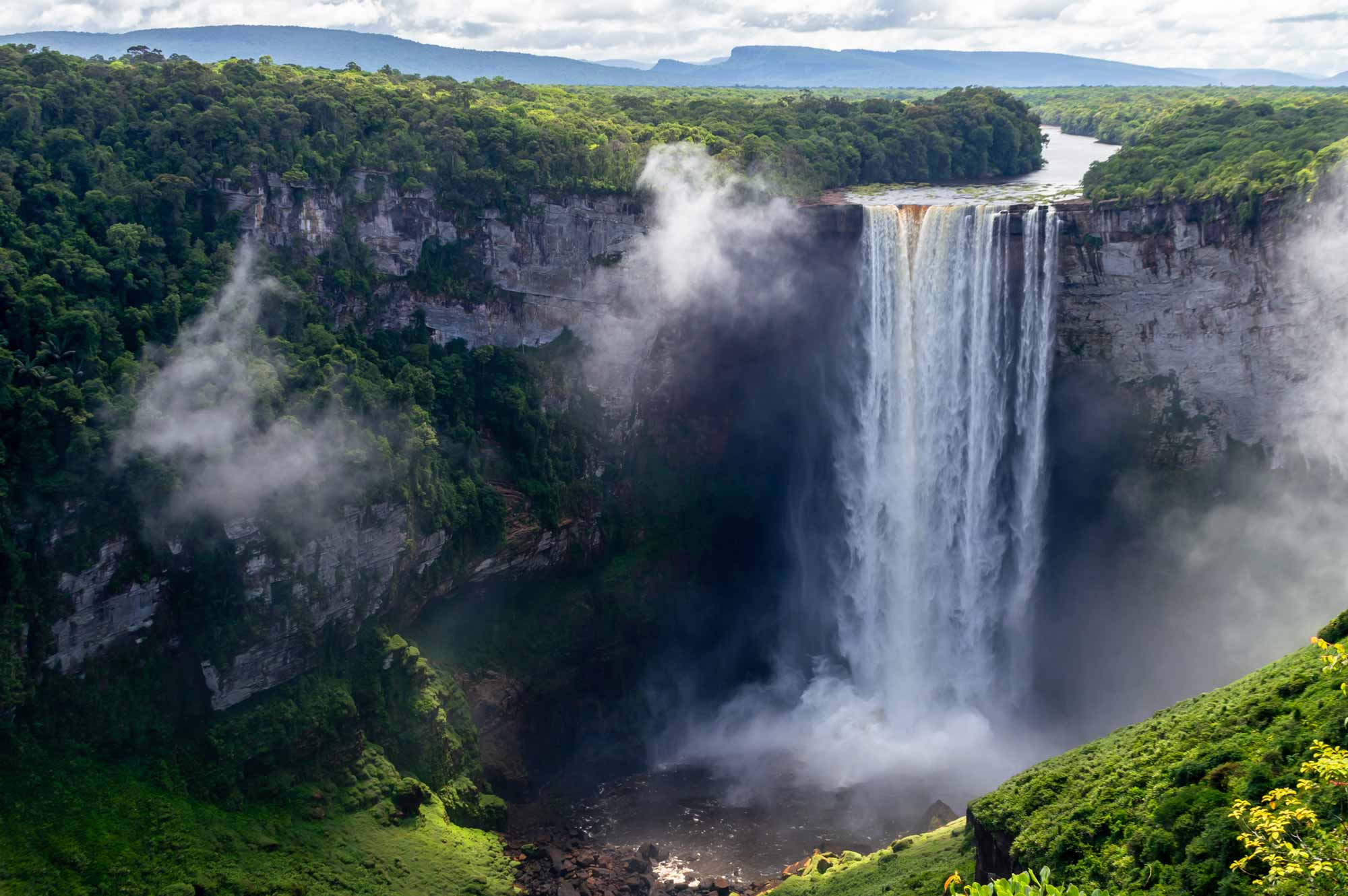
Both countries boast incredible Amazonian rainforest, but Guyana's interior is often considered more 'pristine' and less impacted by human activity, offering a truly raw wilderness experience. The crown jewel is Kaieteur Falls, a single-drop waterfall that's significantly taller and more voluminous than Niagara Falls – seeing it is a bucket-list experience, though accessing it requires an expensive charter flight (approx. $300-400 USD for a day trip). Guyana is also a global hotspot for birdwatching, with over 800 species, and offers better chances of spotting jaguars at conservation sites like Iwokrama Rainforest and Atta Rainforest Lodge (packages starting around $300-500 USD per person per night for multi-day trips). Suriname’s Central Suriname Nature Reserve, a UNESCO World Heritage site, is vast and impressive, offering excellent hiking and wildlife viewing (monkeys, sloths, tapirs) often combined with cultural visits to Maroon villages along the Suriname River (e.g., Anaula Nature Resort, 3-day packages from $350-500 USD). While Suriname's nature is fantastic, Guyana's sheer scale, the spectacular Kaieteur, and the reputation for rarer wildlife sightings give it an edge for hardcore nature enthusiasts. "If you're going to the Guianas just for untouched rainforest and big waterfalls, Kaieteur in Guyana is non-negotiable. It's truly wild out there." The accessibility to pristine areas with fewer human footprints makes Guyana the winner.
Winner takeaway
- Winner: Guyana
- Why: Guyana offers a more untouched, grand-scale natural experience, highlighted by the majestic Kaieteur Falls and superior wildlife viewing opportunities.
- Who this matters for: Adventure seekers, serious birdwatchers, wildlife photographers, and those who prioritize truly wild, remote natural landscapes.
🏛️ Culture & History
Suriname's culture is arguably its strongest draw, a vibrant tapestry woven from Dutch, Javanese, Hindustani, Chinese, Indigenous, and Creole threads. Paramaribo's UNESCO-listed historic inner city is a stunning example of preserved wooden colonial architecture, like the St. Peter and Paul Cathedral and Fort Zeelandia, reflecting centuries of diverse influences. You can visit a synagogue right next to a mosque (Neve Shalom Synagogue and Ahmadiyya Anjuman Islam Mosque) – a symbol of its unparalleled religious harmony. The Maroon culture, descendants of escaped slaves, is particularly rich and accessible through river trips, offering a deep dive into unique traditions, music, and art. Guyana, with its British colonial past, also has a diverse population (Indo-Guyanese, Afro-Guyanese, Indigenous), but its cultural expressions feel more aligned with the broader Caribbean and Commonwealth nations. Georgetown features impressive wooden architecture like St. George's Cathedral, but lacks the same level of integrated, visible diversity that defines Paramaribo. "Walking through Paramaribo felt like stepping into a living history book, every street corner a new culture. Guyana's cool, but Suriname's vibe is just something else entirely." The sheer uniqueness and palpable integration of so many distinct cultures give Suriname the edge in cultural depth and experience.
Winner takeaway
- Winner: Suriname
- Why: Suriname offers an unparalleled and visibly integrated cultural melting pot, creating a unique and deeply immersive experience.
- Who this matters for: Cultural enthusiasts, history buffs, those interested in diverse societies, and travelers seeking truly unique cultural interactions.
🍜 Food & Drink
Hands down, Suriname is a food lover's paradise. Its incredible ethnic diversity translates directly into an unparalleled culinary scene. You can easily find authentic Javanese (Indonesian) dishes like 'nasi goreng' or 'bami' at warungs (e.g., Warung Bintang), delicious Hindustani 'roti' and curries (try Roopram Roti), classic Creole 'pom' (a savory taro root dish), and excellent Chinese food all within a few blocks in Paramaribo. The fusion is truly exciting, making it one of the best food destinations in South America. Expect to pay 50-100 SRD ($1.30-$2.60 USD) for a fantastic street food meal. Guyana's cuisine is also delicious but less varied in comparison. Staples include 'pepperpot' (a rich Amerindian meat stew), 'cook-up rice', and a strong presence of Indian-inspired curries and 'roti'. You'll find good spots in Georgetown like the German's Restaurant for local fare (meals around 2000-3000 GYD / $9-14 USD), but the sheer breadth and depth of culinary options in Suriname are unmatched. "I went to Suriname for the culture, but I stayed for the food. Seriously, the roti at Roopram changed my life!" For those who travel to eat, Suriname is an absolute must.
Winner takeaway
- Winner: Suriname
- Why: Suriname boasts an incredibly diverse, vibrant, and accessible food scene that is a direct reflection of its unique cultural mosaic.
- Who this matters for: Foodies, culinary explorers, and anyone who loves to discover new flavors and diverse cuisines.
🚨 Safety & Security
Both Suriname and Guyana face similar challenges regarding safety, particularly in their capital cities. Paramaribo and Georgetown both have areas best avoided, especially at night. Petty crime like pickpocketing and bag snatching is common in crowded markets and public transport. More serious incidents, including armed robbery, can occur, and it's always wise to avoid walking alone after dark and to take taxis recommended by your accommodation. In Paramaribo, areas like the Waterkant and the central market require vigilance. In Georgetown, Stabroek Market and certain parts of Tiger Bay are known to be higher risk. For interior travel in both countries, safety largely depends on using reputable tour operators and guides who are knowledgeable about the terrain and local communities. The risk of natural hazards like flash floods or getting lost in the dense jungle is higher when traveling independently in the interior without proper preparation. "Honestly, both felt about the same level of caution needed. Don't flash valuables, stick to main roads, and taxi at night. Common sense goes a long way." Neither country significantly outperforms the other in terms of overall safety, necessitating similar precautions for travelers.
Winner takeaway
- Winner: Tie
- Why: Both countries present comparable safety challenges and require similar levels of traveler vigilance and common-sense precautions.
- Who this matters for: All travelers, as safety is a universal concern requiring awareness and preparation regardless of destination.
🚗 Getting Around
Getting around Suriname, especially within and near Paramaribo, is generally easier and more budget-friendly for independent travelers. Paramaribo's historic center is very walkable, and local minivans (busses) are incredibly cheap (5-10 SRD / $0.15-$0.25 USD) and frequent, covering most urban routes. For excursions outside the capital, like to Commewijne or Peperpot, you can hire taxis, rent a car, or join organized day tours that are reasonably priced (e.g., $40-70 USD for a day trip). To reach the deep interior for nature reserves or Maroon villages, small planes (like Gum Air or Blue Wing Airlines) and longboat trips are standard, often included in tour packages. Guyana's capital, Georgetown, is sprawling and less pedestrian-friendly; taxis are the preferred mode of transport, and mini-buses can be chaotic. The real challenge in Guyana is accessing its spectacular interior. Beyond a few main roads (which are often rough), most interior travel to places like Kaieteur Falls or Iwokrama is by expensive charter flights (e.g., $200-400 USD return for Kaieteur) or lengthy, multi-day boat journeys that are typically part of costly tour packages. "Suriname was much easier to just figure out local transport and do my own thing in and around the capital. Guyana's interior is amazing, but it drains your wallet just getting there." The comparatively easier and cheaper local transport options, coupled with more accessible day trips from the capital, make Suriname the more convenient choice for getting around.
Winner takeaway
- Winner: Suriname
- Why: Suriname offers more accessible, affordable, and varied local transport options for independent travelers, particularly around its capital and for day trips.
- Who this matters for: Independent travelers, budget-conscious explorers, and those who prefer local public transport over organized tours.
🏨 Accommodation
Suriname offers a more diverse and often better-value range of accommodation, particularly in Paramaribo. You'll find charming colonial-style guesthouses (like Guesthouse Alberga, $40-60 USD/night), mid-range boutique hotels (e.g., Hotel Palacio, $70-100 USD/night), and a few international chains. The quality for value is generally good. For interior trips, there are well-established lodges and resorts (e.g., Bergendal Eco & Cultural River Resort or Anaula Nature Resort, offering multi-day packages from $350 USD upwards) that blend comfort with authentic experiences. Guyana, especially Georgetown, tends to have fewer budget-friendly guesthouses outside of very basic options. Accommodation often leans towards business hotels (e.g., Pegasus Hotel or Marriott, $150-250 USD/night) or pricier mid-range hotels (e.g., Cara Lodge, $100-150 USD/night). While there are some cheaper hostels, they are less plentiful. In the interior, Guyana excels with high-quality, often award-winning eco-lodges (e.g., Atta Rainforest Lodge, Surama Eco-Lodge) but these come at a premium price, usually part of all-inclusive tour packages starting at $300-500 USD per person per night. "Finding a clean, comfortable, and affordable place in Paramaribo was easy. Georgetown felt like I was either slumming it or blowing my budget on a business hotel." Suriname's variety and value in lodging choices make it more appealing for a wider range of travelers.
Winner takeaway
- Winner: Suriname
- Why: Suriname provides a broader selection of accommodation options, from budget guesthouses to charming boutique hotels, offering better value for money.
- Who this matters for: Travelers seeking diverse lodging options, better value for money, and a mix of cultural and eco-friendly stays.
🌃 Nightlife & Entertainment
If you're looking to let loose after a day of exploring, Paramaribo's nightlife is surprisingly vibrant and diverse, a true reflection of its multicultural population. The Waterkant area comes alive in the evenings with street vendors, open-air bars, and restaurants, creating a lively atmosphere. There are numerous clubs playing a mix of local kaseko, soca, Latin, and international hits (e.g., Club Starzz or Havana Lounge). Live music venues are also common, showcasing local talent. Drinks are reasonably priced, with a local Parbo beer costing around 20-30 SRD ($0.50-$0.80 USD). Georgetown's nightlife is more low-key in comparison. While it has its share of bars (like Palm Court or 704 Sports Bar, beers around 700-1000 GYD / $3.30-$4.80 USD) and a few casinos, it lacks the same energetic and diverse scene that Paramaribo offers. The atmosphere is generally more relaxed, and options for dancing or live music are more limited. "Paramaribo really knows how to party! We found ourselves out almost every night, trying different spots. Georgetown was much quieter, more dinner and a few drinks." For travelers who enjoy experiencing a lively local evening scene, Suriname is the clear winner.
Winner takeaway
- Winner: Suriname
- Why: Suriname's capital, Paramaribo, offers a more energetic, diverse, and accessible nightlife scene reflecting its rich cultural mix.
- Who this matters for: Solo travelers, young adults, and anyone who enjoys lively evenings out and experiencing local entertainment.
🗺️ Day Trips & Excursions
Suriname offers a fantastic array of accessible day trips directly from Paramaribo, making it easy to explore beyond the capital without significant cost or travel time. Popular options include the Commewijne District, where you can cycle between old plantations like Peperpot and Mariënburg, often combined with a dolphin-spotting boat trip (tours around $50-80 USD). Jodensavanne, a historic Jewish settlement, and White Beach, for a relaxed river beach experience, are also popular. Further afield, but still manageable in a long day or short overnight, are trips to Maroon villages like Isadou or the Raleighvallen Nature Reserve (requires a flight/boat, usually 2-3 day packages). Guyana, on the other hand, has fewer truly 'day-trip' accessible options from Georgetown. While you can visit attractions like the National Park or Botanical Gardens within the city, the country's main draw — its pristine interior — requires substantial time and money. The iconic Kaieteur Falls is almost always a full-day charter flight (approx. $300-400 USD), making it less of a casual excursion. Other natural resorts along the Essequibo River (e.g., Arrowpoint Nature Resort) require a boat transfer and are better suited for overnight stays. "In Suriname, I could easily jump on a bike and explore plantations or do a river cruise for cheap. In Guyana, everything cool felt like a huge expedition or a pricey flight." The ease, variety, and affordability of day trips from its capital give Suriname a significant advantage.
Winner takeaway
- Winner: Suriname
- Why: Suriname provides a greater variety of easily accessible and affordable day trips from its capital, enhancing independent exploration.
- Who this matters for: Travelers who enjoy exploring local areas and attractions outside the main city without committing to extensive, multi-day tours.
✨ Overall Vibe & Accessibility
Suriname offers a wonderfully unique and approachable vibe that makes it feel both exotic and welcoming for independent travelers. The Dutch influence provides a certain level of infrastructure and organization, while the blend of cultures creates a palpable sense of harmony and curiosity. Paramaribo is relatively easy to navigate, English is widely spoken alongside Dutch, Sranan Tongo, and other languages, and locals are generally friendly and open. It feels like an adventure, but one where you can comfortably explore on your own terms. Guyana, conversely, has a much more rugged, 'frontier' feel. It truly is the heart of the Amazon, making it incredibly appealing for the intrepid traveler, but it demands more in terms of planning, budget, and resilience. English is the official language, which is a plus, but outside Georgetown, things get significantly less developed. While this raw quality is precisely what draws many, it also means less immediate accessibility and more reliance on specialized tours for deeper exploration. "Suriname felt like an accessible adventure, a place I could wander and discover daily. Guyana felt like a proper expedition, which was cool, but required more commitment." Suriname wins for its balance of adventure with a more navigable and welcoming overall atmosphere for a broader range of travelers.
Winner takeaway
- Winner: Suriname
- Why: Suriname provides a more accessible, independently navigable, and culturally rich experience with a friendly and welcoming atmosphere.
- Who this matters for: First-time South American travelers, those seeking cultural immersion with some creature comforts, and independent explorers.
❓ Frequently Asked Questions
Which country is better for a family trip?
Suriname generally offers more family-friendly options with easier access to cultural sites, river trips, and a wider variety of food that caters to different tastes. Guyana's interior trips, while incredible, can be more challenging and expensive for young children.
Is English widely spoken in Suriname or Guyana?
English is the official language of Guyana, so communication is generally easy. In Suriname, Dutch is the official language, but English is commonly understood in tourist areas, hotels, and by younger generations, especially in Paramaribo.
What are the visa requirements for US citizens?
US citizens typically need an e-visa or 'tourist card' for Suriname, which can be obtained online or upon arrival. For Guyana, US citizens usually do not need a visa for stays up to 30 days, but always check current regulations before travel.
How do I get between Suriname and Guyana?
The most common and efficient way is to fly between Paramaribo (PBM) and Georgetown (GEO). Airlines like Caribbean Airlines or Trans Guyana Airways operate these short flights, which take about 1 hour and cost $200-300 USD return. Overland travel is possible but involves border crossings and multiple bus/taxi segments.
Which country has better beaches?
Neither Suriname nor Guyana is known for traditional white-sand beaches. Both have muddy coastlines due to river sediment. Suriname has 'White Beach' (a man-made sandy area along a river) and some pleasant river beaches; Guyana primarily offers river resorts rather than ocean beaches.
What's the best time of year to visit?
The best time to visit both countries is during their dry seasons: generally February to April and August to November. These periods offer less rain, more comfortable temperatures, and easier access to interior areas, especially for nature tours.
Are these destinations safe for solo female travelers?
Both countries require extra caution for solo female travelers, particularly in urban areas at night. It's advisable to use reputable taxis, avoid walking alone after dark, dress modestly, and be aware of your surroundings. Joining organized tours for interior travel is recommended.
What unique souvenirs can I find in each country?
In Suriname, look for Maroon wood carvings, intricate Javanese batik, or locally produced spices and fruit wines. In Guyana, unique finds include Amerindian crafts like intricately woven baskets, pottery, and locally sourced Angostura bitters or El Dorado rum.
Ready to plan your Guianas trip?
Get a free custom itinerary for Suriname, Guyana, or both — built from real traveler insights.
🎟️ Book Tours & Experiences
Hand-picked tours and activities for both destinations — book with free cancellation
Experiences via Viator — free cancellation on most tours