How we built this comparison
This page combines traveler discussion patterns, published price ranges, flight schedules, and seasonal data to help you decide between Suzhou and Hangzhou.
- Reviewed 50+ Reddit threads from r/travel, r/solotravel, r/ChinaTravel, and related forums for authentic traveler perspectives.
- Verified costs and logistics against current booking platforms (e.g., Trip.com, Ctrip) and official attraction websites.
- Cross-referenced seasonal patterns, weather data, and major festival schedules to provide optimal visiting advice.
⚡ The TL;DR Verdict
For those craving tranquil history and intricate gardens on a moderate budget, Suzhou is your soulmate. If you're after grand natural beauty, vibrant city life, and a slightly more upscale feel, Hangzhou calls. Both offer incredible experiences, with a daily budget typically ranging from $50-$120 USD per person.
- Choose Suzhou: Pick Suzhou if you're a history buff, garden enthusiast, or seeking a more laid-back, traditional Chinese experience. It's fantastic for couples and culture seekers.
- Choose Hangzhou: Go for Hangzhou if you prioritize stunning natural scenery, a lively atmosphere, and don't mind a slightly larger, more modern city. Great for families and those who enjoy a mix of nature and urban exploration.
- Choose Both: If you have at least 4-5 days, absolutely do both! They are easily connected by high-speed train (approx. 1.5-2 hours) and offer a wonderfully complementary view of Jiangnan culture.
Quick Comparison
| Category | Suzhou | Hangzhou | Winner |
|---|---|---|---|
| Culture & History | Renowned for classical gardens, canals, and silk production, offering a deep dive into traditional Jiangnan culture. | Famous for West Lake, ancient temples, and tea culture, blending natural beauty with significant historical sites. | Suzhou |
| Nature & Scenery | Characterized by its intricate gardens and tranquil canals, offering cultivated natural beauty within the city. | Dominated by the breathtaking West Lake, lush tea plantations, and surrounding hills, presenting grand natural landscapes. | Hangzhou |
| Food Scene | Known for sweet, delicate Jiangnan cuisine, fresh river seafood, and classic dishes like Squirrel-shaped Mandarin Fish. | Features fresh, light Zhejiang cuisine with famous dishes such as Dongpo Pork and Beggar's Chicken, strong tea culture. | Tie |
| Cost of Travel | Generally slightly more affordable for accommodation and attractions compared to Hangzhou. | Moderately priced, with some attractions and upscale dining potentially costing a bit more, especially around West Lake. | Suzhou |
| Getting There & Around | Easily accessible by high-speed rail from Shanghai (25-35 mins). City transport includes metro, buses, and taxis. | Well-connected by high-speed rail and has its own international airport (HGH). City transport is efficient with metro, buses, and ferries. | Hangzhou |
| Accommodation | Offers a good mix of budget hostels, charming boutique hotels, and international chains, often at better value. | Wide range from luxury hotels around West Lake to boutique options, but slightly higher prices for comparable quality. | Suzhou |
| Nightlife & Entertainment | Quieter, focused on cultural shows, evening strolls along canals, and local bars. Not a party city. | More vibrant and diverse, with the famous Impression West Lake show, lively bars, and a wider range of modern entertainment. | Hangzhou |
| Day Trips | Excellent base for exploring nearby water towns like Zhouzhuang, Tongli, or Luzhi. | Great access to other picturesque water towns like Wuzhen or Xitang, and the stunning Moganshan mountains. | Tie |
| Shopping | Known for silk products, local crafts, and traditional goods, particularly around Guanqian Street and Pingjiang Road. | Offers a wider range of modern shopping malls, international brands, and traditional goods, especially tea and silk. | Hangzhou |
| Overall Vibe | Tranquil, historic, and charmingly traditional, often feeling like a step back in time. | Lively, modern, and scenic, balancing urban development with stunning natural beauty and a relaxed atmosphere around West Lake. | Hangzhou |
📜 Culture & History
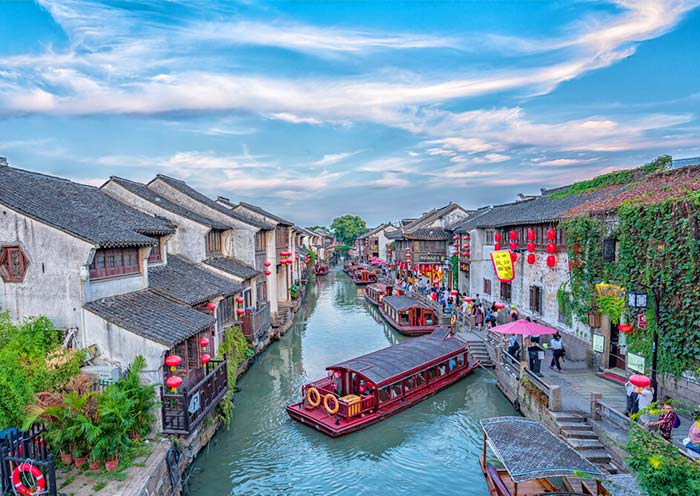
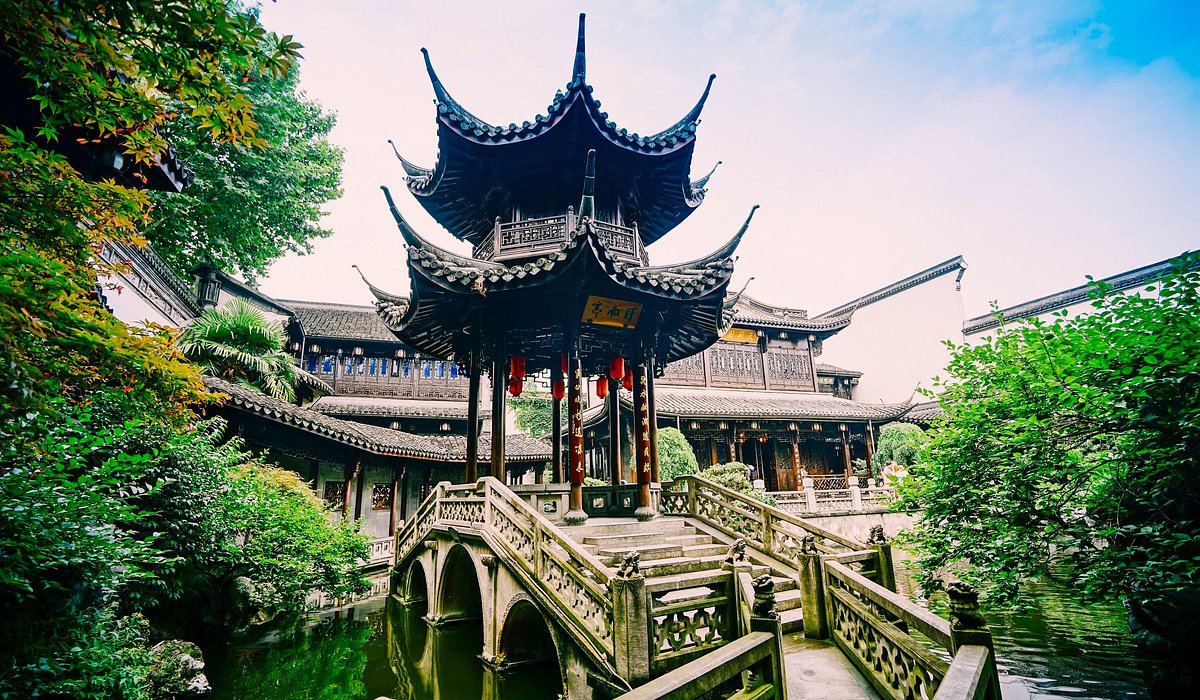
Suzhou, often dubbed the 'Venice of the East,' truly excels in its preservation of classical Chinese culture. Its UNESCO-listed gardens like the Humble Administrator's Garden (拙政园) and Master of Nets Garden (网师园) are masterpieces of landscape architecture, offering serene beauty and historical depth for an entrance fee of around CNY 70-90 ($10-12). The Pingjiang Road historical district (平江路) allows you to wander ancient canals, stone bridges, and traditional houses, feeling like you've stepped back in time. The Suzhou Museum, designed by I.M. Pei, provides a modern counterpoint showcasing regional art and artifacts. Hangzhou, while rich in history with sites like Lingyin Temple (灵隐寺, CNY 45/$6.50 entrance plus CNY 30/$4.20 for the temple itself) and the Pagoda of Six Harmonies, integrates its history more with its natural landscape. Suzhou feels like a city built around its history; Hangzhou's history is woven into its natural grandeur. For a tangible sense of ancient China, Suzhou delivers more directly. As one Redditor put it, "Honestly, the gardens in Suzhou are legit, it's like stepping into an ancient painting, especially early morning."
Winner takeaway
- Winner: Suzhou
- Why: Suzhou's meticulously preserved classical gardens and ancient canal districts offer a more concentrated and immersive historical experience.
- Who this matters for: History buffs, architecture enthusiasts, and those seeking quiet cultural immersion.
🏞️ Nature & Scenery
Hangzhou's natural scenery is its undeniable crown jewel, centered around the iconic West Lake (西湖). This vast freshwater lake, a UNESCO World Heritage site, is surrounded by hills, pagodas, temples, and gardens, offering endless picturesque views. Renting a bicycle (around CNY 20-30/$3-4 for a few hours) to circle the lake, taking a boat ride (CNY 55/$7.50 for a full loop), or simply strolling along its causeways (Bai Causeway, Su Causeway) provides a truly sublime experience. The Longjing Tea Plantations (龙井茶园) in the surrounding hills offer rolling green landscapes and a chance to sample authentic tea, a serene escape from the city bustle. Suzhou's natural beauty, while exquisite, is primarily cultivated within its famous gardens. While these gardens are stunning examples of human-designed nature, they don't offer the same expansive, wild, or 'grand landscape' feel as West Lake and its surroundings. Suzhou's canals are beautiful, but they are urban waterways. Hangzhou's natural offerings feel more epic and encompassing. "Hangzhou's West Lake just hits different at sunset, it's truly breathtaking, worth every minute," a Reddit user commented.
Winner takeaway
- Winner: Hangzhou
- Why: Hangzhou's majestic West Lake and surrounding tea hills provide a much grander and more diverse natural landscape experience.
- Who this matters for: Nature lovers, photographers, and those seeking scenic outdoor activities.
🍜 Food Scene
Both cities offer incredible culinary experiences rooted in Jiangnan (lower Yangtze River Delta) cuisine, though with subtle differences. Suzhou cuisine is generally sweeter and lighter, emphasizing fresh ingredients from its lakes and canals. Signature dishes include Squirrel-shaped Mandarin Fish (松鼠桂鱼) and Steamed Hairy Crab (seasonal). For authentic tastes, try Songhelou (松鹤楼), a historic restaurant on Guanqian Street (观前街), where a meal might cost CNY 150-300 ($21-42) per person. Street food on Pingjiang Road is also excellent. Hangzhou's cuisine is slightly richer but still delicate, with iconic dishes like Dongpo Pork (东坡肉) and Beggar's Chicken (叫化鸡). Zhiweiguan (知味观) is a famous local eatery offering a wide range of Hangzhou specialties, with meals similarly priced at CNY 120-250 ($17-35). Hangzhou also has a stronger tea culture, with countless teahouses around West Lake. Both cities excel in regional specialties, and your preference might come down to whether you prefer Suzhou's slightly sweeter profile or Hangzhou's more savory, robust flavors. "Honestly, you can't go wrong with food in either place, but Suzhou's sweet fish was a revelation, and Hangzhou's Dongpo pork is legendary," was a typical Reddit sentiment.
Winner takeaway
- Winner: Tie
- Why: Both cities offer distinct yet equally delicious regional cuisines, catering to different palates without a clear superior winner.
- Who this matters for: Foodies will be delighted in either city; specific tastes may prefer one over the other.
💰 Cost of Travel
Suzhou tends to be marginally more budget-friendly than Hangzhou, though both are quite reasonable by international standards. A decent mid-range hotel in Suzhou can be found for CNY 300-500 ($42-70) per night, while similar options in Hangzhou, especially near West Lake, might be CNY 400-700 ($55-97). Hostels are available in both, typically CNY 80-150 ($11-21) per night. Entrance fees for Suzhou's gardens range from CNY 30-90 ($4-12), while Hangzhou's key attractions like Lingyin Temple (CNY 75/$10.50 combined park/temple fee) or Impression West Lake show (CNY 300-600/$42-83) can add up. Local transportation (metro, buses) is cheap in both, around CNY 3-10 ($0.40-1.40) per ride. Food costs are comparable, with street food for CNY 15-30 ($2-4) and sit-down meals for CNY 50-150 ($7-21). For travelers keen on maximizing their experience without breaking the bank, Suzhou offers slightly better value. "Suzhou felt a bit cheaper overall, especially for nice guesthouses and garden entries. Hangzhou adds up faster with all the fancy lake stuff," commented a Reddit backpacker.
Winner takeaway
- Winner: Suzhou
- Why: Suzhou offers a slightly lower price point for accommodation and key attractions, making it a better choice for budget-conscious travelers.
- Who this matters for: Budget travelers, backpackers, and those looking to save a bit on their trip.
✈️ Getting There & Around
Hangzhou edges out Suzhou due to its own international airport (Hangzhou Xiaoshan International Airport, HGH), offering direct flights from several international cities. This can be a significant advantage for travelers starting or ending their China trip there, avoiding a transfer from Shanghai. A taxi from HGH to downtown Hangzhou is around CNY 100-150 ($14-21). Both cities are exceptionally well-connected by China's high-speed rail network. From Shanghai, a bullet train to Suzhou takes a mere 25-35 minutes (CNY 35-40 / $5-6), while to Hangzhou it's about 45-60 minutes (CNY 70-80 / $10-11). Within the cities, both boast modern and efficient metro systems, extensive bus networks, and readily available ride-hailing services (Didi) or taxis. Hangzhou's city center is a bit more spread out around West Lake, making its metro system (CNY 2-8/$0.30-1.10) particularly useful for covering distances, while Suzhou's main attractions are often walkable or a short bus ride away from each other. "Hangzhou having its own airport was super convenient for flying in directly, saved a train hop from Shanghai," remarked a traveler on Reddit.
Winner takeaway
- Winner: Hangzhou
- Why: Hangzhou's international airport provides direct international access, offering greater convenience for many travelers.
- Who this matters for: International travelers, those with limited time for transfers, and comfort-seeking visitors.
🏨 Accommodation
Suzhou often presents better value for accommodation, particularly if you're looking for charming, mid-range boutique hotels or guesthouses. You can find lovely traditional-style hotels near Pingjiang Road or Guanqian Street for CNY 350-600 ($48-83) per night, offering excellent ambiance without breaking the bank. International chains like Marriott or InterContinental are also present at competitive rates. Hangzhou, especially around West Lake, features more upscale and luxury hotels, with prices for comparable quality often 10-20% higher. A mid-range hotel near the lake might start at CNY 500-800 ($70-110). Budget hostels are available in both cities, generally CNY 80-150 ($11-21) per night. While Hangzhou has more high-end options, Suzhou's selection of characterful, well-located, and more affordable stays makes it a slightly better choice for the average traveler. "Found a gorgeous little guesthouse in Suzhou for way less than I'd expect to pay for something similar in Hangzhou. Really good value," a budget-conscious traveler noted.
Winner takeaway
- Winner: Suzhou
- Why: Suzhou provides excellent value and a charming selection of mid-range and boutique accommodations for the price.
- Who this matters for: Value-seeking travelers, those looking for charming traditional stays, and mid-range budget travelers.
🌃 Nightlife & Entertainment
Hangzhou offers a more robust and varied nightlife scene than Suzhou. The absolute highlight is the 'Impression West Lake' (印象西湖) show, an outdoor spectacle on the lake itself, directed by Zhang Yimou, combining music, light, and dance. Tickets range from CNY 300-600 ($42-83) but it's a memorable experience. Beyond that, Hangzhou has a good selection of modern bars and clubs, particularly around Hubin Road (湖滨路) and Wulin Square (武林广场), catering to both locals and expats. While not a global party hub, it offers more options for evening entertainment beyond a quiet dinner. Suzhou's nightlife is significantly more subdued. Its charm lies in evening strolls along Pingjiang Road, enjoying illuminated gardens, or perhaps catching a Kunqu Opera performance (昆曲) at a local theater for CNY 80-150 ($11-21). There are some local bars on Shiquan Street (十全街), but it's not a destination for late-night revelry. If you're looking for vibrant evenings and diverse entertainment, Hangzhou is the clear winner. "Hangzhou's West Lake show was epic, and there were actual decent bars to grab a drink afterwards. Suzhou was more of an early-to-bed kind of vibe," a tourist mentioned on Reddit.
Winner takeaway
- Winner: Hangzhou
- Why: Hangzhou's iconic Impression West Lake show and broader selection of modern bars and entertainment venues offer a more vibrant nightlife.
- Who this matters for: Travelers who enjoy evening spectacles, modern entertainment, and a more active nightlife scene.
🚗 Day Trips
Both cities serve as fantastic hubs for exploring the surrounding Jiangnan region, making this category a tie. From Suzhou, you have incredibly easy access to some of China's most famous ancient water towns. Zhouzhuang (周庄), Tongli (同里), and Luzhi (甪直) are all within an hour's bus ride (CNY 15-30 / $2-4) and offer picturesque canals, traditional architecture, and a glimpse into old-world China. Tongli is often recommended for being less crowded than Zhouzhuang. Hangzhou also offers excellent day trip options, notably the water towns of Wuzhen (乌镇) and Xitang (西塘), which are popular for their well-preserved ancient charm, accessible by bus (CNY 30-50 / $4-7) in 1-1.5 hours. Additionally, Hangzhou provides access to the beautiful Moganshan (莫干山) mountains, a popular retreat for hiking and cooler weather, about 2 hours away by bus. The choice here depends purely on which specific water towns or natural escapes appeal most to you. "Honestly, both are amazing for day trips. Suzhou gets you to Zhouzhuang easily, but Hangzhou to Wuzhen was magical. Can't pick a favorite," remarked a traveler who visited both.
Winner takeaway
- Winner: Tie
- Why: Both cities are exceptionally well-positioned for exploring a wealth of charming nearby water towns and natural attractions.
- Who this matters for: Travelers who enjoy exploring beyond the main city and experiencing regional diversity.
🛍️ Shopping
Hangzhou offers a more comprehensive and diverse shopping experience. For modern retail therapy, areas like Hubin Road (湖滨路) and Wulin Square (武林广场) boast massive shopping malls, department stores, and international luxury brands. Hefang Street (河坊街) is Hangzhou's traditional shopping street, perfect for souvenirs, local snacks, silk, and tea, though it can be quite touristy. Suzhou's shopping scene is more focused on traditional goods and local specialties. Guanqian Street (观前街) is a bustling pedestrian street with a mix of traditional shops selling silk, embroidery, local snacks, and some modern stores. Pingjiang Road offers quaint artisan shops and unique crafts. While Suzhou is the 'Silk Capital' and you'll find excellent silk products there, Hangzhou also has a strong silk tradition and offers a wider array of choices across all shopping categories, from high-end fashion to local crafts and its famous Longjing tea. If you're looking for more than just souvenirs, Hangzhou caters to a broader range of shopping desires. "Hangzhou had way more options, especially for clothes and modern stuff, but Suzhou's silk markets were still cool," a Redditor shared.
Winner takeaway
- Winner: Hangzhou
- Why: Hangzhou provides a broader and more diverse shopping experience, combining modern malls with vibrant traditional markets.
- Who this matters for: Fashionistas, souvenir hunters, and those seeking a wider range of retail options.
✨ Overall Vibe
Suzhou's vibe is distinctly tranquil and historical. It feels more intimate and slower-paced, largely due to its focus on gardens and canals. Wandering Pingjiang Road or exploring a quiet garden feels like a true escape from modern hustle. It's a city that invites contemplation and appreciation of traditional aesthetics. Hangzhou, on the other hand, possesses a more dynamic and grander vibe. While West Lake provides immense serenity and a relaxed atmosphere, the city around it is a bustling modern metropolis with a thriving tech industry and vibrant urban life. It successfully blends ancient charm with contemporary energy, offering a diverse experience. The scale of Hangzhou feels larger, more open, and less confined than Suzhou. If you prefer a charming, almost quaint historical experience, Suzhou wins. But for a destination that marries breathtaking natural beauty with modern amenities and a lively atmosphere, Hangzhou has a broader appeal. As one traveler succinctly put it, "Suzhou felt like a beautiful old painting you could walk into, but Hangzhou felt like a living, breathing city with a masterpiece at its heart."
Winner takeaway
- Winner: Hangzhou
- Why: Hangzhou's blend of expansive natural beauty, modern vibrancy, and relaxed lakeside atmosphere offers a more dynamic and broadly appealing 'vibe'.
- Who this matters for: Travelers seeking a balance of nature, city life, and a lively, contemporary feel alongside history.
❓ Frequently Asked Questions
How many days are enough for Suzhou and Hangzhou?
For Suzhou, 1.5 to 2 full days are usually sufficient to explore its main gardens, Pingjiang Road, and perhaps a museum. For Hangzhou, 2 to 3 full days allow for a comprehensive exploration of West Lake, temples, and tea plantations. If you plan to visit both, allocate a minimum of 4-5 days total.
Is it easy to travel between Suzhou and Hangzhou?
Yes, incredibly easy! High-speed trains connect Suzhou and Hangzhou directly, with journeys typically taking about 1.5 to 2 hours. Tickets cost approximately CNY 70-120 ($10-17) and run frequently throughout the day, making transfers seamless.
Which city is better for families with children?
Hangzhou might be slightly better for families due to its expansive West Lake offering more open space for kids to run around, boat rides, and the engaging Impression West Lake show. Suzhou's gardens, while beautiful, might hold a child's attention for less time compared to Hangzhou's broader activities.
What's the best time of year to visit Suzhou and Hangzhou?
The best times are spring (April-May) and autumn (September-October). During these seasons, the weather is pleasant with mild temperatures, making it ideal for exploring gardens, walking around West Lake, and enjoying outdoor activities without extreme heat or cold.
Do I need to speak Chinese to visit these cities?
While it's always helpful, you can definitely get by without speaking Chinese, especially in tourist areas. Major attractions often have English signage, and many younger people in hotels and restaurants speak some English. Translation apps are highly recommended, and Didi (rideshare) apps are easy to navigate.
Are the gardens in Suzhou really worth it?
Absolutely! Suzhou's classical gardens are UNESCO World Heritage sites for a reason. They are exquisite examples of traditional Chinese landscape design, offering tranquility, intricate architecture, and profound beauty. Visiting at least 2-3 of the major ones is a must-do experience.
Is Impression West Lake worth the price?
For many, yes. The 'Impression West Lake' show is a truly spectacular, large-scale outdoor performance on the lake, utilizing the natural environment as its stage. While tickets are pricey (CNY 300-600), it's considered a unique, memorable cultural highlight of Hangzhou.
Can I visit a real silk factory in Suzhou?
Yes, Suzhou is known as China's 'Silk Capital,' and there are several silk factories and museums you can visit. Many tours include a stop at a factory like the Suzhou No. 1 Silk Factory or the Suzhou Silk Museum, where you can learn about silk production and purchase products.
Ready to plan your Eastern China trip?
Get a free custom itinerary for Suzhou, Hangzhou, or both — built from real traveler insights.
🎟️ Book Tours & Experiences
Hand-picked tours and activities for both destinations — book with free cancellation
Experiences via Viator — free cancellation on most tours