How we built this comparison
This page combines traveler discussion patterns, published price ranges, flight schedules, and seasonal data to help you decide between Swiss Alps and French Riviera.
- Reviewed 200+ Reddit threads from r/travel, r/solotravel, r/Switzerland, r/France, and r/europe for authentic traveler experiences and tips.
- Verified costs, flight routes, and logistics against current booking platforms like Google Flights, Booking.com, and specific national rail websites (SBB, SNCF).
- Cross-referenced seasonal patterns, weather data, and major event calendars to provide optimal visiting times and activity recommendations.
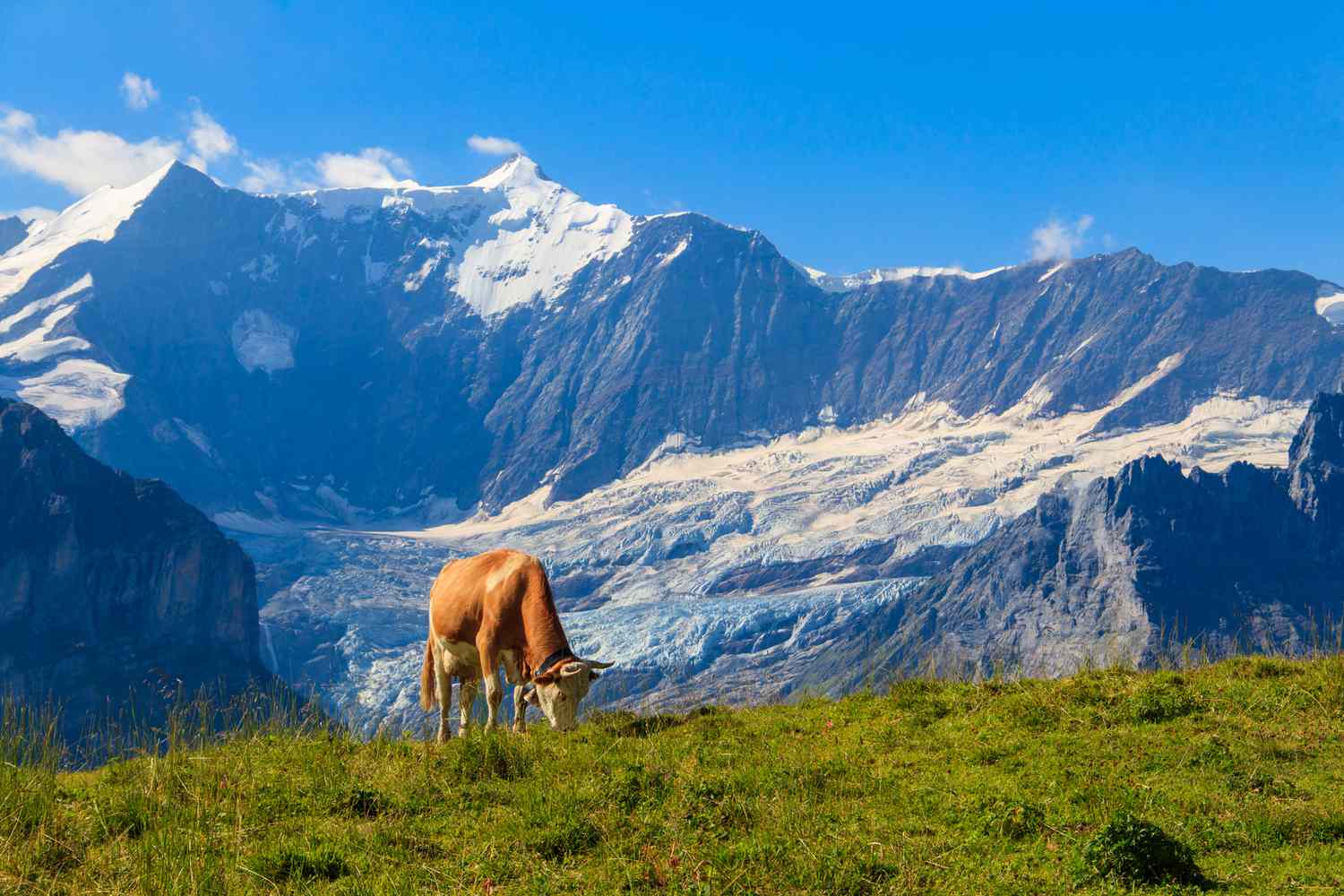
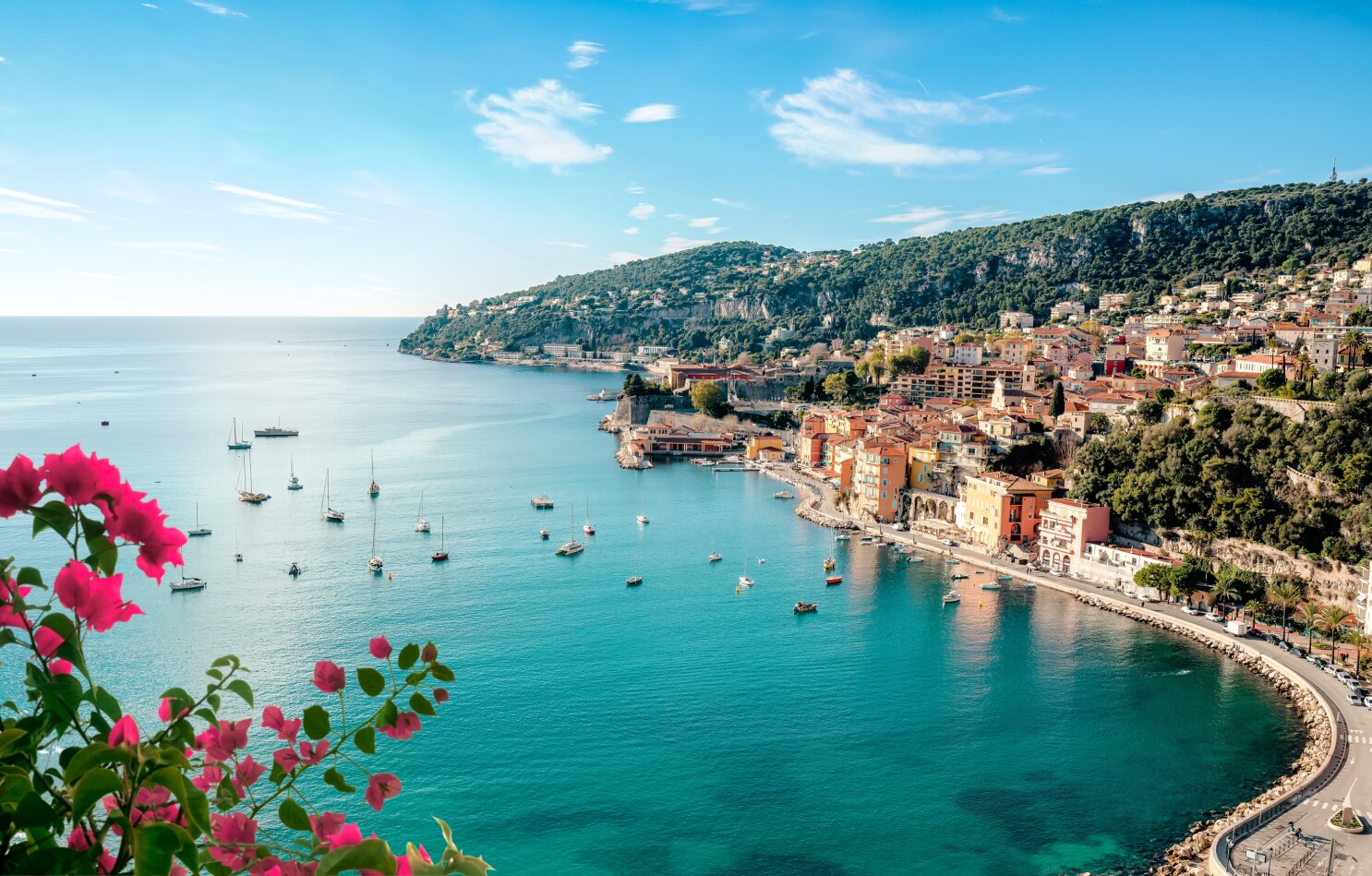
⚡ The TL;DR Verdict
For those craving breathtaking mountain adventures and pristine nature, the Swiss Alps is your undisputed champion, budget around $150-300+ USD/day. If sun, sea, art, and a vibrant coastal lifestyle are calling, the French Riviera offers more variety and can be enjoyed from $100-250+ USD/day.
- Choose Swiss Alps: Perfect for nature lovers, hikers, skiers, and those seeking tranquility amidst stunning landscapes. Expect higher costs but unparalleled scenic beauty and efficiency. Ideal for active travelers.
- Choose French Riviera: Best for beach enthusiasts, culture vultures, foodies, and those who enjoy a blend of relaxation and vibrant city life. Offers a mix of luxury and more budget-friendly options, with excellent food and art scenes.
- Choose Both: If you have at least 10-14 days and a generous budget, you can absolutely do both! Start with the Alps for 4-5 days (e.g., Bernese Oberland), then take a scenic train/flight combo to Nice for another 4-5 days, offering an incredible contrast of experiences.
Quick Comparison
| Category | Swiss Alps | French Riviera | Winner |
|---|---|---|---|
| Nature & Scenery | Unrivaled alpine majesty, pristine lakes, iconic peaks, lush valleys, and charming villages. | Stunning Mediterranean coastline, dramatic cliffs, turquoise waters, rolling hills, and picturesque towns. | Swiss Alps |
| Costs & Budget | Known for high prices across accommodation, food, and activities, but value for quality. | More varied price points, from budget-friendly options to ultra-luxury, generally more affordable than Switzerland. | French Riviera |
| Food & Drink | Hearty, cheese-focused cuisine, excellent chocolate, and local wines. | Mediterranean flavors, fresh seafood, world-class wines, vibrant markets, and gourmet dining. | French Riviera |
| Getting There & Around | Excellent train system connecting major cities and remote villages, major airports in Zurich, Geneva. | Well-connected by regional trains and buses along the coast, international airport in Nice, car rental popular. | Swiss Alps |
| Accommodation | Charming chalets, luxury hotels, mountain huts; generally high prices. | Boutique hotels, grand palaces, Airbnb apartments, budget hostels; wide range of prices and styles. | French Riviera |
| Culture & History | Rich alpine traditions, precision engineering, neutrality, and distinct regional languages. | Centuries of art, Roman history, Belle Époque glamour, and a vibrant artistic legacy. | French Riviera |
| Activities & Adventure | World-class hiking, skiing, paragliding, mountain biking, and water sports on alpine lakes. | Beach activities, sailing, diving, coastal hiking, cycling, and glamorous casino nights. | Swiss Alps |
| Nightlife & Relaxation | Quiet, cozy evenings in mountain villages, some lively après-ski, urban nightlife in major cities. | Vibrant and glamorous nightlife, beach clubs, casinos, and sophisticated bars, especially in Nice and Cannes. | French Riviera |
| Weather & Seasons | Distinct seasons: snowy winters, mild summers, variable mountain weather year-round. | Mediterranean climate: hot, dry summers; mild, wet winters; pleasant springs and autumns. | Tie |
| Family Friendliness | Safe, clean, excellent infrastructure, child-friendly activities, and beautiful nature. | Beaches, family-friendly museums, parks, and diverse activities, but can be crowded and pricey for larger families. | Swiss Alps |
🏔️ Nature & Scenery
When it comes to sheer, jaw-dropping natural beauty, the Swiss Alps are in a league of their own. Imagine waking up to views of the Matterhorn in Zermatt, or hiking through the Lauterbrunnen Valley with its 72 waterfalls. The Jungfraujoch 'Top of Europe' offers glacial landscapes that feel otherworldly. Even the train rides are spectacles, like the Glacier Express. Costs are high; a gondola ride up to Grindelwald First for the Cliff Walk can be around CHF 30-40 ($33-44 USD), and a Jungfraujoch ticket runs CHF 180-230 ($200-250 USD) depending on passes. The French Riviera offers beautiful coastal vistas, like the Esterel Massif with its red rocks meeting the sea, or the panoramic views from Eze Village. The calanques near Marseille (a bit west but often grouped) are gorgeous, but they don't quite hit the same epic scale as the Alps. "Seriously, nothing beats that first view of Eiger, Mönch, and Jungfrau from Wengen. Felt like I was in a postcard," a Reddit user once shared.
Winner takeaway
- Winner: Swiss Alps
- Why: The Swiss Alps offer a more dramatic, diverse, and consistently breathtaking natural landscape that feels truly unique.
- Who this matters for: Hikers, photographers, outdoor adventurers, and anyone seeking profound natural beauty.
💰 Costs & Budget
Let's be blunt: Switzerland is expensive. A basic meal can easily be CHF 25-35 ($28-39 USD), a beer CHF 8-10 ($9-11 USD). Mid-range hotels in Interlaken often start from CHF 150-250 ($165-275 USD) per night. Train travel, while excellent, adds up; a Swiss Travel Pass is almost essential for exploring extensively. The French Riviera, while having its ultra-luxurious pockets like Monaco and Saint-Tropez where a cocktail can be €25 ($27 USD), offers far more budget-friendly options. You can find delicious street food like socca for €4-6 ($4-6 USD) in Nice, or a plat du jour lunch for €15-20 ($16-22 USD). Accommodation in Nice can range from €70-120 ($76-130 USD) for a decent hotel outside the peak season. Groceries are also significantly cheaper. "We saved a ton on the Riviera just by hitting up local markets and making our own picnics, impossible to do that in Lucerne without still spending a fortune," noted a traveler on r/solotravel.
Winner takeaway
- Winner: French Riviera
- Why: The French Riviera provides a wider range of price points and overall offers a more affordable travel experience for most budgets.
- Who this matters for: Budget-conscious travelers, long-term travelers, and anyone looking for more bang for their buck.
🍷 Food & Drink
Swiss food is comforting and delicious, but it can be a bit repetitive if you're not a huge cheese fan. Think fondue, raclette, rosti, and plenty of sausages. Don't get me wrong, it's quality fare, and the chocolate (like Sprüngli in Zurich) is divine. But it's not a culinary destination in the same vein as France. A classic fondue can set you back CHF 30-40 ($33-44 USD) per person. The French Riviera, however, is a foodie's paradise. From fresh seafood platters along the Promenade des Anglais in Nice, to traditional Niçoise dishes like Salade Niçoise and socca, to Michelin-starred restaurants in Monaco, there's an incredible variety. Rosé wine flows freely, and local markets like Cours Saleya in Nice offer an explosion of fresh produce, cheeses, and charcuterie. A delicious three-course meal in a good bistro can be €30-50 ($33-55 USD). "The food scene in Nice alone blew me away. So much fresh seafood and that rosé is dangerously good," a user commented on r/FranceTravel.
Winner takeaway
- Winner: French Riviera
- Why: The French Riviera offers a more diverse, sophisticated, and globally renowned culinary experience with fresh, local ingredients.
- Who this matters for: Foodies, wine lovers, and those who prioritize dining as a key part of their travel experience.
✈️ Getting There & Around
Switzerland's public transportation system is legendary – it's punctual, efficient, and incredibly scenic. Arriving at Zurich (ZRH) or Geneva (GVA) from NYC typically takes around 7.5-8 hours direct, costing $600-1000+ USD. From there, trains can whisk you to virtually any alpine village, often right to the base of a mountain. A trip from Zurich Airport to Zermatt (requiring a change at Visp) takes about 3.5 hours and costs around CHF 120 ($130 USD) one-way, though a Swiss Travel Pass makes this more economical. You don't need a car. The French Riviera also has good connectivity. Nice Côte d'Azur Airport (NCE) is a major hub, with direct flights from NYC taking 8.5-9 hours, often costing $700-1100+ USD. Regional TER trains connect towns like Nice, Cannes, Antibes, and Monaco for just a few euros (e.g., Nice to Cannes is ~€7-9 and 30 mins). Buses are also cheap and plentiful. However, exploring the hill towns or less accessible beaches often benefits from a rental car, which can add complexity with parking and narrow roads. "Swiss trains are a dream, honestly. No stress, just enjoy the views. French trains are good but not quite the same level of seamlessness for mountain access," a veteran traveler noted.
Winner takeaway
- Winner: Swiss Alps
- Why: The Swiss system of interconnected trains, buses, and cable cars offers unparalleled efficiency and scenic routes, making car-free travel effortless.
- Who this matters for: Those who prefer public transport, hate driving on vacation, and value punctuality and scenic journeys.
🏨 Accommodation
Accommodation in the Swiss Alps, especially in popular spots like Zermatt, Interlaken, or Grindelwald, leans towards the pricier side. A standard double room in a mid-range hotel can easily be CHF 180-300 ($200-330 USD) per night. While quality is high, budget options like hostels (e.g., Balmer's Hostel in Interlaken, CHF 40-60/$44-66 USD for a dorm) are less common and fill up fast. Luxury hotels like The Omnia in Zermatt can exceed CHF 800 ($880 USD) easily. The French Riviera offers a much broader spectrum. In Nice, you can find quality hostels like Meyerbeer Beach for €30-50 ($33-55 USD) per night, charming boutique hotels for €80-150 ($88-165 USD), and grand dames like Hotel Negresco for €300-600+ ($330-660 USD). Cannes and Monaco, naturally, have more ultra-luxury options. Airbnb is also very prevalent and offers great value, especially for longer stays. "We found an amazing Airbnb in Antibes for way less than any basic hotel in Switzerland, and it had a sea view!" a Redditor exclaimed.
Winner takeaway
- Winner: French Riviera
- Why: The French Riviera provides significantly more diverse accommodation options at various price points, catering to all types of travelers.
- Who this matters for: Travelers with varying budgets, families needing apartment-style stays, and those seeking luxury or unique boutique experiences.
🏛️ Culture & History
Swiss culture, while unique, is generally more subdued. It's about precision, efficiency, alpine traditions, and a quiet pride. You'll find charming historical centers in cities like Lucerne or Bern, and fascinating museums dedicated to everything from transportation (Swiss Museum of Transport in Lucerne, CHF 35/$39 USD) to chocolate. However, it doesn't have the same depth of ancient history or artistic movements as France. The French Riviera is steeped in history, from the Roman ruins in Nice and Fréjus to the medieval perched villages like Eze. It was a playground for artists like Matisse and Picasso, and their legacies are preserved in museums like the Matisse Museum and Picasso Museum in Antibes (both around €10-15/$11-16 USD). The Belle Époque architecture, like the Opéra de Nice, speaks of a glamorous past. Monaco's Grimaldi family history is captivating. "Walking through Old Nice felt like stepping back in time, and then you hit the art museums – it's just layers of amazing culture," a history buff shared.
Winner takeaway
- Winner: French Riviera
- Why: The French Riviera boasts a richer tapestry of historical periods, artistic movements, and architectural styles.
- Who this matters for: Art enthusiasts, history buffs, and those interested in European glamour and ancient civilizations.
🧗 Activities & Adventure
The Swiss Alps are an adventure playground par excellence, especially for active travelers. In summer, hiking trails are endless, from gentle strolls in Grindelwald to challenging climbs. Paragliding over Interlaken (CHF 170-200/$185-220 USD) is an iconic experience. Winter brings world-class skiing in Zermatt or Verbier (daily ski pass CHF 80-100/$88-110 USD). Canyoning, white-water rafting, and mountain biking are also hugely popular. Lakes like Thun and Brienz offer stand-up paddleboarding and kayaking. The French Riviera offers fantastic water sports, from jet-skiing off Cannes to sailing excursions. Coastal hikes, like the Cap d'Antibes trail, are beautiful. Cycling is popular along the coast and into the hills. However, the 'adventure' here is more related to leisure and watersports than extreme or high-altitude pursuits. "If you love the outdoors and want to feel alive, the Swiss Alps are unbeatable. The sheer scale of activities is insane," commented an adventure traveler.
Winner takeaway
- Winner: Swiss Alps
- Why: The Swiss Alps offer a wider and more intense array of outdoor adventure activities, leveraging its mountainous terrain.
- Who this matters for: Thrill-seekers, hikers, skiers, and anyone who wants an active, adrenaline-filled vacation.
🥂 Nightlife & Relaxation
Nightlife in the Swiss Alps is generally more subdued. Après-ski in resorts like Verbier or Zermatt can be lively, with chalet bars and live music, but it's typically an earlier affair. In mountain villages like Lauterbrunnen, evenings are tranquil, best spent enjoying a quiet dinner or a drink by a fireplace. Major cities like Zurich or Geneva have proper clubs and bars, but they are not the primary draw of the Alps. The French Riviera, on the other hand, is known for its vibrant and glamorous nightlife. Nice boasts numerous bars, pubs, and clubs, especially around the Old Town and Port. Cannes is famous for its chic beach clubs like Plage Goéland and upscale nightclubs, while Monaco is synonymous with casinos (e.g., Casino de Monte-Carlo, entry around €17/$18 USD) and exclusive parties. Even smaller towns like Antibes have charming bars. "You can go from a chill beach day to a full-on glamorous night out in Nice or Cannes. Switzerland is great, but it's early to bed after a hike," a party-goer shared.
Winner takeaway
- Winner: French Riviera
- Why: The French Riviera offers a far more diverse, glamorous, and bustling nightlife scene, catering to various preferences from chic lounges to lively clubs.
- Who this matters for: Party-goers, social butterflies, those seeking upscale evening entertainment, and people who enjoy late nights.
☀️ Weather & Seasons
Choosing a 'winner' for weather depends entirely on your preference! The Swiss Alps offer four distinct seasons. Winters (Dec-Mar) are cold and snowy, perfect for skiing, with temperatures often below freezing (e.g., -5°C to 5°C). Summers (Jun-Aug) are mild and pleasant, ideal for hiking, with averages around 15-25°C, though mountain weather can change rapidly. Spring and autumn are beautiful but unpredictable. The French Riviera enjoys a classic Mediterranean climate. Summers (Jun-Sep) are hot and sunny, with temperatures often reaching 25-30°C+, perfect for beach holidays but can be crowded. Winters (Dec-Feb) are mild and wetter, with averages around 8-15°C, making it a pleasant escape from colder climes. Spring (Apr-May) and autumn (Oct-Nov) are arguably the best times to visit, with warm, sunny days and fewer crowds. "I love both for different reasons – Swiss Alps in summer for hiking, French Riviera in spring for the perfect sun and less crowds. Can't pick just one!" a seasoned traveler mentioned on r/travel.
Winner takeaway
- Winner: Tie
- Why: Both regions offer exceptional experiences, but their ideal seasons cater to completely different preferences, making it a fair tie based on traveler goals.
- Who this matters for: Anyone seeking specific weather for activities (skiing vs. swimming) or simply a preference for warm vs. cool climates.
👨👩👧👦 Family Friendliness
The Swiss Alps are incredibly family-friendly. Safety is paramount, public transport is excellent even with strollers, and there are countless activities tailored for children. Many resorts have 'Marmot Trails,' playgrounds in scenic locations, and easy, stroller-friendly hikes. The Aletsch Arena, for example, has dedicated family zones. Even expensive attractions often have family passes, and self-catering chalets are plentiful. Children under 6 often travel free on public transport with a Junior Travelcard. The French Riviera is also great for families, especially with its beautiful beaches and parks. Kids will love splashing in the Mediterranean, visiting the Oceanographic Museum in Monaco (€19/$21 USD for adults, €12/$13 USD for kids), or exploring the vibrant markets. However, some areas can be very crowded in summer, and dining out for a family of four can quickly add up. "Switzerland felt so safe and easy with our little ones. Everywhere was clean, and people were so patient. Riviera was fun, but definitely more planning needed," a parent shared.
Winner takeaway
- Winner: Swiss Alps
- Why: The Swiss Alps' inherent safety, cleanliness, excellent infrastructure, and focus on outdoor, family-centric activities make it a superior choice for families.
- Who this matters for: Families with young children, those prioritizing safety and ease of travel with kids, and active families.
❓ Frequently Asked Questions
Which destination is better for a honeymoon?
Both are fantastic, but for different vibes. The Swiss Alps offer a romantic, serene escape with luxurious chalets and stunning views, perfect for couples who love hiking or skiing. The French Riviera provides glamour, fine dining, beautiful beaches, and vibrant nightlife for a more energetic and chic honeymoon. Consider your shared interests!
Is English widely spoken in both regions?
Yes, in both the Swiss Alps and the French Riviera, especially in tourist areas, hotels, and restaurants, you'll find English speakers. In more remote Swiss villages or smaller French towns, a few basic phrases in German/French will be appreciated, but you can generally get by comfortably with English.
What's the best time of year to visit each?
For the Swiss Alps, summer (June-September) is ideal for hiking and outdoor activities, while winter (December-March) is best for skiing. For the French Riviera, late spring (April-May) and early autumn (September-October) offer pleasant weather with fewer crowds; summer is hot and bustling, but perfect for beach lovers.
Can I combine a trip to Paris with either destination?
Absolutely! Paris pairs well with the French Riviera via a high-speed TGV train (around 5.5 hours, ~€60-100+). Combining Paris with the Swiss Alps is also feasible, though it's a longer train journey (Paris to Geneva/Zurich is 3-4 hours, then another 2-3 hours to the Alps). A flight from Paris to Geneva or Zurich could also work.
Are there good options for solo female travelers?
Both destinations are very safe for solo female travelers. Switzerland is known for its extreme safety and efficient public transport, making it very easy to navigate alone. The French Riviera is vibrant and generally safe, especially in major towns, but like any popular destination, exercise normal caution at night. Hostels are plentiful in both.
What is the average daily budget for a mid-range traveler in each?
For the Swiss Alps, expect to spend around CHF 150-300+ ($165-330+ USD) per day, including mid-range accommodation, meals, and a few activities/transport. For the French Riviera, a mid-range budget is closer to €100-200 ($110-220 USD) per day, allowing for comfortable stays, good food, and local excursions.
Which destination is better for luxury travel?
Both excel in luxury, offering different experiences. The Swiss Alps provide exclusive five-star chalets, Michelin-starred dining, and private mountain experiences. The French Riviera is synonymous with opulent hotels, yacht charters, high-end shopping in Cannes/Monaco, and glamorous beachfront resorts. Your preference for mountain serenity vs. coastal glitz will decide.
What kind of local transport should I expect?
In the Swiss Alps, an integrated system of trains, postbuses, gondolas, and cable cars is the primary and most efficient way to travel. In the French Riviera, regional trains (TER) connect coastal towns, and local buses are good for shorter distances; a rental car is often beneficial for exploring hill villages.
Ready to plan your unforgettable European journey?
Get a free custom itinerary for Swiss Alps, French Riviera, or both — built from real traveler insights and tailored to your preferences.
🎟️ Book Tours & Experiences
Hand-picked tours and activities for both destinations — book with free cancellation
Experiences via Viator — free cancellation on most tours