How we built this comparison
This page combines traveler discussion patterns, published price ranges, flight schedules, and seasonal data to help you decide between Swiss Alps and Patagonia.
- Reviewed 100+ Reddit threads from r/travel, r/solotravel, r/Switzerland, r/Patagonia, r/ArgentinaTravel, r/ChileTravel
- Verified costs and logistics against current booking platforms (Booking.com, Hostelworld, Kayak, airline sites)
- Cross-referenced seasonal patterns and weather data from NOAA and local tourism boards
- Consulted personal travel experiences and expert travel blogs for nuanced insights.
⚡ The TL;DR Verdict
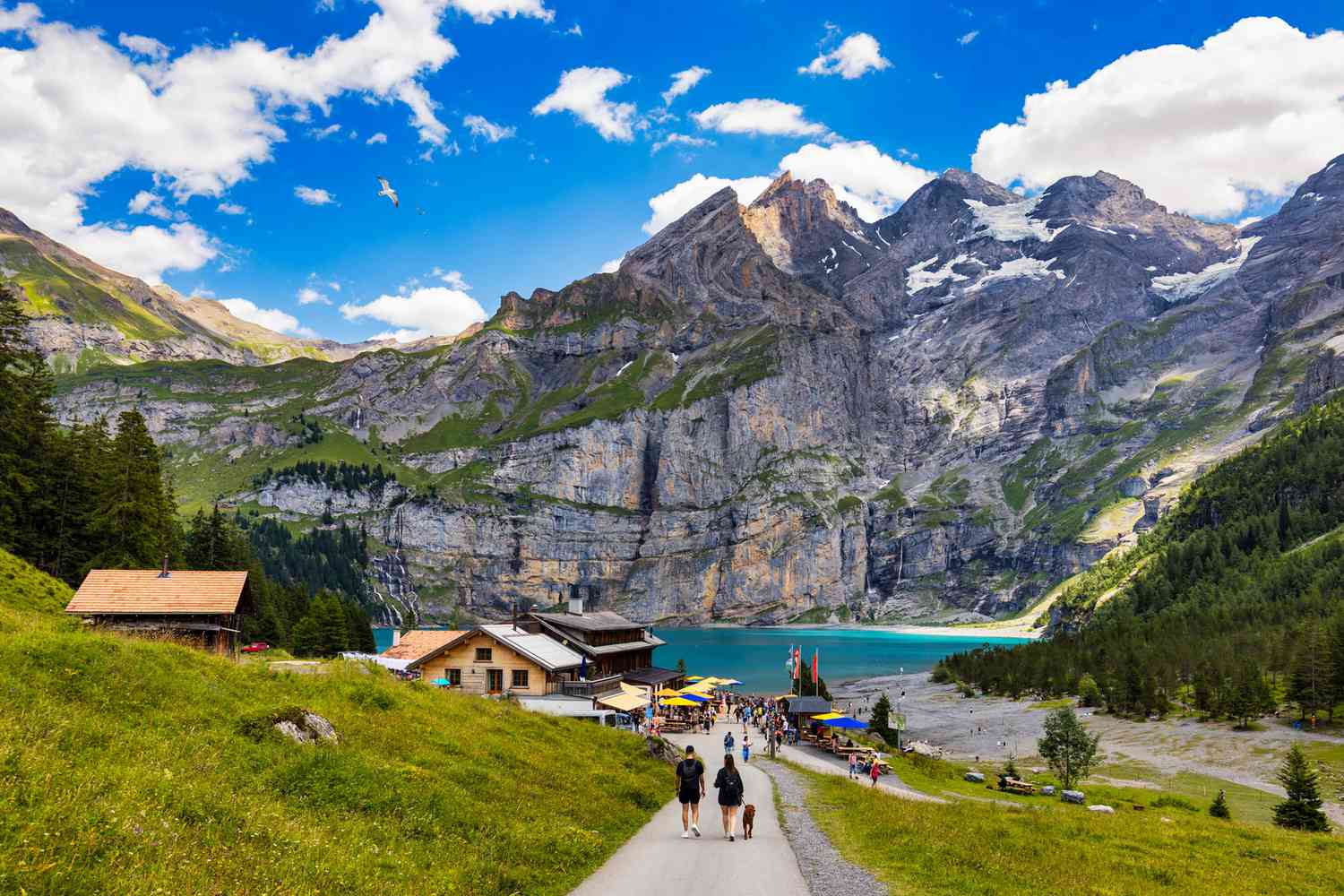
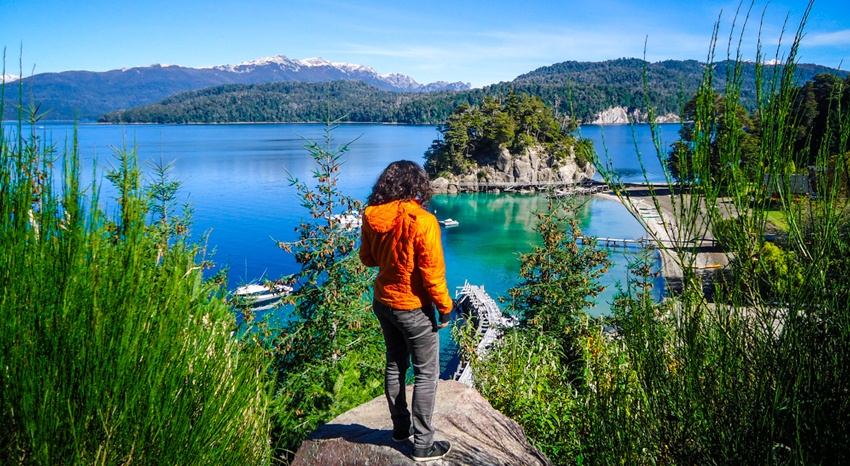
For those craving accessible, pristine beauty with unparalleled infrastructure and don't mind a higher price tag, the Swiss Alps are your haven (budget $150-300+ USD/day). If you dream of raw, untamed wilderness, multi-day treks, and a more rugged, budget-friendly adventure, Patagonia beckons (budget $70-150 USD/day).
- Choose Swiss Alps: Perfect for travelers seeking postcard-perfect vistas, seamless public transport, gourmet dining, and luxury amenities without sacrificing adventure. Ideal for families, couples, or those with less time but a higher budget wanting to experience mountain grandeur effortlessly.
- Choose Patagonia: Ideal for hardcore trekkers, nature photographers, and budget-conscious adventurers craving remote, challenging landscapes. If you're willing to endure longer travel times and unpredictable weather for unparalleled wilderness experiences, this is your paradise.
- Choose Both: While logistically challenging due to distance, consider dedicating a few weeks to each if you have an extensive travel fund and time (2-3 weeks for each region). Start with Switzerland for a 'warm-up' of mountain travel, then go completely wild in Patagonia.
Quick Comparison
| Category | Swiss Alps | Patagonia | Winner |
|---|---|---|---|
| Costs & Budget | Significantly higher daily expenses for accommodation, food, and transport. Expect premium pricing for quality experiences. | More budget-friendly, especially for food and accommodation, but international flights can be costly. Park fees vary. | Patagonia |
| Nature & Hiking | Iconic, well-maintained trails, accessible peaks via extensive lift systems, and stunning, manicured alpine landscapes. | Wild, rugged, and remote wilderness with multi-day trekking as the highlight, featuring glaciers, granite spires, and vast steppes. | Patagonia |
| Getting There | Excellent air connections to major hubs (Zurich, Geneva), short internal transfers. | Requires longer, multi-leg flights, often involving domestic transfers within Argentina or Chile. | Swiss Alps |
| Getting Around | World-class public transport (trains, buses, cable cars) that are efficient, scenic, and connect everywhere. | Relies on regional buses, rental cars, or organized tours; less frequent and reliable public transport. | Swiss Alps |
| Accommodation | Ranges from luxurious chalets and boutique hotels to well-equipped hostels, all generally high quality but expensive. | Offers a mix of rustic estancias, guesthouses, basic hostels, and extensive camping options, often more affordable. | Patagonia |
| Food & Drink | High-quality, often gourmet, with Swiss-German, French, and Italian influences. Expensive dining out. | Hearty, meat-centric cuisine (lamb, beef) with strong Argentine/Chilean influences. More affordable dining. | Patagonia |
| Weather & Seasons | Distinct four seasons; warm summers for hiking, snowy winters for skiing. Generally predictable. | Highly unpredictable, strong winds are common, rapid changes possible even in summer. Best explored in summer (Dec-Feb). | Swiss Alps |
| Safety & Security | One of the safest countries globally with very low crime rates. Excellent emergency services. | Generally very safe, especially in tourist areas, but common sense precautions are always advised. Remote areas require self-sufficiency. | Swiss Alps |
| Adventure Activities | Paragliding, canyoning, skiing, snowboarding, mountain biking, and accessible via lifts. | Multi-day trekking, mountaineering, kayaking, ice trekking, horseback riding in a wilder setting. | Tie |
| Culture & Local Experience | Charming alpine villages, distinct regional cultures (German, French, Italian), high standard of living. | Gaucho culture, remote Patagonian towns with a frontier feel, unique blend of Argentine/Chilean influences. | Tie |
💸 Costs & Budget
Let's be blunt: Switzerland is one of the most expensive countries on earth, and the Alps are no exception. A simple fast-food meal can set you back CHF 20-25 ($22-28 USD), while a modest hotel room in Interlaken or Zermatt often starts from CHF 150-250 ($165-275 USD) per night. Cable cars and mountain railways, while incredible, add up quickly – a return ticket to Jungfraujoch is around CHF 200 ($220 USD). Your average daily budget could easily hit $250-400+ USD without much luxury. Patagonia, by contrast, offers far better value. A hearty lamb stew in El Chaltén might be ARS 15,000-20,000 ($15-20 USD, highly variable with exchange rates), and a decent hostel bed ARS 8,000-15,000 ($8-15 USD). National park entrance fees like Torres del Paine (CLP 35,000 / $38 USD) are one-off. While international flights to Patagonia are expensive, once you're there, daily spending is generally 1/2 to 1/3 of Swiss costs. "Switzerland nearly broke me, but man, those views from the Jungfraujoch were worth selling a kidney. Patagonia felt like a steal after that, even with the expensive flights to get there."
Winner takeaway
- Winner: Patagonia
- Why: Patagonia offers a significantly lower cost of living and activities, making epic adventures more accessible for budget-conscious travelers.
- Who this matters for: Budget travelers, long-term backpackers, and anyone who prefers to stretch their travel dollars further without compromising on experience.
⛰️ Nature & Hiking
Both destinations boast world-class natural beauty, but their hiking experiences diverge significantly. The Swiss Alps are characterized by breathtaking, accessible grandeur. Think scenic strolls through Lauterbrunnen Valley, the iconic Matterhorn looming over Zermatt, or the panoramic ridge walks around Grindelwald First. Trails are meticulously maintained, clearly marked, and often connect seamlessly with cable cars or trains, making it easy for all fitness levels to enjoy. Patagonia, however, is pure, unadulterated wilderness. Treks like the Laguna de los Tres to Fitz Roy in El Chaltén or the W-Trek in Torres del Paine are challenging, often multi-day endeavors that immerse you deep into untamed landscapes of towering granite spires, massive glaciers like Perito Moreno, and windswept pampas. The infrastructure is minimal, requiring more self-sufficiency and preparation. It's less about luxury views from a mountain hut and more about raw, earned vistas. "Torres del Paine blew my mind with its sheer scale and wildness. Switzerland is beautiful and pristine, but Patagonia just feels more... untamed, more like a real adventure."
Winner takeaway
- Winner: Patagonia
- Why: Patagonia wins for its sheer wildness, remote feel, and challenging multi-day treks that offer a truly immersive wilderness experience.
- Who this matters for: Experienced trekkers, adventure seekers, and those who prioritize raw, untamed nature over manicured accessibility.
✈️ Getting There
Getting to the Swiss Alps is remarkably straightforward for most international travelers. Major airports like Zurich (ZRH) and Geneva (GVA) are well-connected with direct flights from North America, Europe, Asia, and the Middle East. From these hubs, Switzerland's legendary public transport system (SBB trains) can whisk you to mountain resorts like Zermatt, Interlaken, or Grindelwald within 2-4 hours, often with stunning scenic views from your window. Total travel time from New York might be 8-12 hours door-to-door. Patagonia, on the other hand, is a journey. Typically, you'll fly into a major South American city like Buenos Aires (EZE) or Santiago (SCL), which themselves are 9-11+ hour flights from North America or Europe. From there, you need another domestic flight (3-4 hours) to gateways like El Calafate (FTE) for Argentine Patagonia or Punta Arenas (PUQ) for Chilean Patagonia. Factor in layovers, and a single travel day can easily extend to 18-24+ hours. "The travel day to Patagonia felt like an expedition itself, but stepping off that plane in El Calafate and seeing the vastness... totally earned it."
Winner takeaway
- Winner: Swiss Alps
- Why: The Swiss Alps offer significantly shorter and more direct international travel, followed by highly efficient internal transfers.
- Who this matters for: Travelers with limited vacation time, those who dislike long-haul flights, and anyone prioritizing ease and speed of access.
🚄 Getting Around
This is where Switzerland truly shines. Its integrated public transport system is arguably the best in the world. Trains, PostBuses, and cable cars connect even the smallest mountain villages, running like clockwork. A Swiss Travel Pass makes it incredibly cost-effective and convenient, allowing you to hop on and off without a second thought. You can travel from Zurich to Zermatt, ride a cogwheel train up Gornergrat, and connect to a gondola for a hike, all on one ticket, without ever needing a car. In Patagonia, getting around requires more planning and flexibility. While major towns like El Calafate, El Chaltén, and Puerto Natales are connected by long-distance buses (e.g., El Calafate to El Chaltén is a ~3-hour journey for ~ARS 20,000 / $20 USD), schedules are less frequent, especially outside peak season. For exploring national parks like Torres del Paine or Los Glaciares at your own pace, renting a car (often starting at $70-100 USD/day) is highly recommended, but roads can be rough and distances vast. "Seriously, the Swiss train system is like magic. Never once worried about getting lost or being late. In Patagonia, I spent half my time figuring out bus schedules or haggling for a rental car."
Winner takeaway
- Winner: Swiss Alps
- Why: Switzerland's unparalleled, integrated public transport system makes getting around effortless, efficient, and scenic.
- Who this matters for: Travelers who prefer not to drive, prioritize convenience, and want to experience seamless, stress-free travel.
🏨 Accommodation
Accommodation in the Swiss Alps, while impeccably clean and well-maintained, comes with a hefty price tag. You'll find everything from ultra-luxury hotels like the Kulm Hotel St. Moritz (CHF 800+ / $880+ USD per night) to charming mid-range chalets and very clean hostels like Balmer's Hostel in Interlaken (CHF 50-70 / $55-78 USD for a dorm bed). Even basic rooms in small towns can easily be CHF 120-180 ($130-200 USD). Booking in advance is crucial, especially during peak seasons. Patagonia offers a wider range of price points for accommodation. You can splurge on a stay at an authentic estancia (ranch) for a unique experience, or find budget-friendly hostels (e.g., Hostel América in El Calafate for ARS 10,000-15,000 / $10-15 USD for a dorm). Guesthouses (cabañas) are common and offer good value. Camping is a huge part of the Patagonian experience, with well-equipped campsites in national parks like Torres del Paine ranging from $10-30 USD per night, making it very budget-friendly for trekkers. "Staying in a dorm in Interlaken was still more expensive than a private room in El Chaltén. Patagonia just gives you more bang for your buck on lodging, especially if you're cool with camping."
Winner takeaway
- Winner: Patagonia
- Why: Patagonia provides a more diverse range of affordable accommodation options, including extensive and well-regarded camping facilities.
- Who this matters for: Budget travelers, campers, and those seeking rustic charm or unique estancia experiences.
🍽️ Food & Drink
Swiss cuisine is renowned for its quality ingredients, but prepare for sticker shock. Expect traditional dishes like fondue, raclette, rosti, and excellent chocolates and cheeses. A main course in a mid-range restaurant in Grindelwald can easily be CHF 35-50 ($38-55 USD). Even a simple sandwich from a bakery might be CHF 8-12 ($9-13 USD). Drink prices are similarly high, with a local beer costing CHF 7-9 ($8-10 USD). You'll rely heavily on supermarket picnics to save money. Patagonia's food scene, while less varied than a major European city, is hearty, delicious, and considerably more affordable. Roast Patagonian lamb (cordero al palo) is a must-try, often found in 'parrilladas' for ARS 25,000-40,000 ($25-40 USD). Empanadas (ARS 1,500-2,500 / $1.50-2.50 USD each) are perfect for a quick snack, and local craft beers (cervezas artesanales) are abundant and cheaper than in Switzerland. If you're near the coast, fresh seafood is excellent. "I ate like a king in Patagonia for what a single average dinner cost me in Switzerland. That Patagonian lamb was divine, and those cheap empanadas were a lifesaver on treks."
Winner takeaway
- Winner: Patagonia
- Why: Patagonia offers delicious, hearty, and significantly more affordable food and drink options, making dining out a regular pleasure.
- Who this matters for: Foodies on a budget, meat lovers, and those who enjoy rustic, local cuisine without breaking the bank.
☀️ Weather & Seasons
The Swiss Alps experience well-defined seasons. Summer (June-September) brings warm, sunny days perfect for hiking, with average temperatures in valleys around 20-25°C (68-77°F), though mountain weather can change. Autumn offers stunning fall foliage. Winter (December-March) transforms the landscape into a snowy paradise for skiing and snowboarding, with temperatures typically below freezing but sunny days. While mountain weather can be fickle, it's generally more predictable than Patagonia. Patagonia, on the other hand, is infamous for its microclimates and incredibly strong, often relentless, winds, particularly in summer. Even during the peak hiking season (December-February), you can experience all four seasons in a single day: bright sunshine followed by rain, sleet, and gale-force winds. Average summer temperatures range from 10-20°C (50-68°F), but wind chill can make it feel much colder. Packing layers is non-negotiable. "I saw sunshine, hail, and a full-on blizzard during a single hike in Torres del Paine in January. Switzerland's weather felt like a controlled experiment by comparison."
Winner takeaway
- Winner: Swiss Alps
- Why: The Swiss Alps offer more predictable and generally milder weather patterns, with distinct seasons that allow for reliable planning of activities.
- Who this matters for: Travelers who prefer more stable weather, those planning specific seasonal activities (skiing or summer hiking), and families.
🛡️ Safety & Security
Switzerland consistently ranks among the safest countries in the world. Crime rates are extremely low, and travelers can generally feel comfortable exploring all areas, even at night. Emergency services are top-notch and readily available, particularly in the well-developed mountain regions. You're more likely to encounter an overly enthusiastic cow than any serious criminal threat. This peace of mind is a significant advantage. Patagonia is also generally very safe for tourists, especially in the national parks and main towns like El Calafate, El Chaltén, and Puerto Natales. Violent crime against tourists is rare. However, like any travel destination, petty theft can occur in busier urban centers (e.g., bus stations, airports), so standard precautions like being aware of your belongings are wise. In the remote wilderness areas, the primary 'safety' concern shifts to environmental hazards – sudden weather changes, challenging terrain, and the need for self-reliance. "I accidentally left my phone on a train in Switzerland and it was waiting for me at the next station. In Patagonia, I felt safe on the trails, but I definitely kept a closer eye on my backpack in town."
Winner takeaway
- Winner: Swiss Alps
- Why: The Swiss Alps offer an unparalleled sense of security and extremely low crime rates, providing ultimate peace of mind for travelers.
- Who this matters for: Solo travelers, families with young children, and anyone prioritizing maximum safety and minimal travel stress.
🤸 Adventure Activities
Both regions are adventure playgrounds, but they cater to slightly different styles. The Swiss Alps excel in readily accessible, highly organized activities. Interlaken is the adventure capital, offering exhilarating paragliding (CHF 170-200 / $185-220 USD), canyoning, bungee jumping, and whitewater rafting. Winter transforms the region into a world-class skiing and snowboarding destination with hundreds of kilometers of pistes. You can rent high-quality gear easily, and guides are professional and abundant. Patagonia offers a more raw, wilderness-focused adventure. Its primary draw is multi-day trekking (like the 'O' Circuit in Torres del Paine, requiring bookings months in advance). Other highlights include ice trekking on the Perito Moreno Glacier (around ARS 80,000-100,000 / $80-100 USD), kayaking among icebergs, and incredible mountaineering opportunities. Horseback riding through vast estancias also offers a unique Patagonian twist. While organized, these activities often require more physical exertion and a greater tolerance for unpredictable conditions. "Switzerland has all the extreme sports you could ever want, super polished and easy to book. Patagonia's adventures feel more like a real expedition, like you've truly earned it, especially after days on a trail."
Winner takeaway
- Winner: Tie
- Why: Both offer incredible, distinct adventure experiences – Swiss Alps for accessible, polished thrills; Patagonia for raw, immersive wilderness challenges.
- Who this matters for: Thrill-seekers (Swiss Alps), hardcore trekkers and wilderness enthusiasts (Patagonia).
🏘️ Culture & Local Experience
The cultural experiences in both regions are rich but distinct. The Swiss Alps offer charming, meticulously preserved alpine villages like Lauterbrunnen and Zermatt, where traditional chalets, local handicrafts, and a high standard of living are evident. Switzerland boasts four official languages and distinct regional cultures – the efficient German-speaking areas, the romantic French regions, and the Mediterranean-influenced Italian Ticino – providing a diverse European experience in a compact area. Local festivals, cheese dairies, and clock-making traditions are prominent. Patagonia, conversely, offers a rugged, frontier culture. It's home to the iconic gaucho (cowboy) culture, particularly in Argentine Patagonia, with estancias offering a glimpse into this rustic way of life. Towns like El Calafate or Puerto Natales have a distinct backpacker and adventure-tourism vibe, but still retain a strong local character with parrillas, folk music, and a slower pace of life. The blend of indigenous heritage, European immigration, and the vast, challenging landscape has forged a unique Patagonian identity focused on resilience and connection to nature. "Switzerland felt like a perfectly curated storybook, charming and beautiful. Patagonia had this wild, untamed spirit, like you were part of a living legend with the gauchos and the vast emptiness."
Winner takeaway
- Winner: Tie
- Why: Both regions offer unique and deeply embedded cultural experiences, from Swiss precision and alpine charm to Patagonia's rugged frontier and gaucho traditions.
- Who this matters for: Travelers seeking charming, organized cultural immersion (Swiss Alps) or those drawn to rustic, frontier, and nature-connected local life (Patagonia).
❓ Frequently Asked Questions
Which destination is better for a family trip with young children?
The Swiss Alps are generally superior for families with young children. The excellent infrastructure, safe environment, accessible trails via lifts, and family-friendly attractions (like playgrounds, adventure parks, and gentle walks) make it very easy to navigate and enjoy. Patagonia's wilderness and longer travel times can be more challenging for little ones.
Do I need a car in either the Swiss Alps or Patagonia?
In the Swiss Alps, a car is completely unnecessary; in fact, it can be a hindrance in car-free villages like Zermatt. Switzerland's public transport is world-class. In Patagonia, a car is highly recommended for flexibility, especially for exploring national parks or reaching trailheads outside of main towns. Public buses connect major points, but a rental car offers much more freedom.
What's the best time of year to visit each region?
For the Swiss Alps, summer (June-September) is ideal for hiking and outdoor activities, while winter (December-March) is prime for skiing. Patagonia is best visited during its summer (December-February) for the most favorable trekking conditions, though expect strong winds and unpredictable weather. Shoulder seasons (spring/autumn) can offer fewer crowds in both.
Are language barriers an issue in either destination?
In the Swiss Alps, English is widely spoken in tourist areas, hotels, and restaurants across all linguistic regions. You'll generally have no problem communicating. In Patagonia, Spanish is the primary language. While English speakers can be found in major tourist hubs, knowing some basic Spanish phrases will significantly enhance your experience, especially in smaller towns or with local bus drivers.
Which region is better for luxury travel?
The Swiss Alps unequivocally win for luxury travel. With its five-star hotels, gourmet dining, private chalets, and concierge services, Switzerland excels at high-end experiences, seamlessly blending opulent comfort with stunning natural beauty. Patagonia offers some high-end lodges but is fundamentally a more rugged, less traditionally luxurious destination.
How physically fit do I need to be for each destination?
For the Swiss Alps, you can tailor your activities to any fitness level, from gentle strolls to challenging climbs, thanks to the extensive lift system. For Patagonia, a good to excellent level of fitness is recommended, especially if you plan on undertaking multi-day treks like the W-Trek or Fitz Roy hikes, as these involve significant elevation changes and long distances.
Can I see glaciers easily in both places?
Yes, you can see glaciers in both, but the experience differs. In the Swiss Alps, you can view glaciers from mountain railways or cable cars (e.g., Aletsch Glacier from Jungfraujoch). In Patagonia, you can get incredibly close to massive active glaciers like Perito Moreno (Argentina), even walking on them with guided ice trekking tours, offering a more immersive experience.
Which destination is better for solo travelers?
Both are excellent for solo travelers, but for different reasons. The Swiss Alps offer incredible safety, ease of navigation with public transport, and many opportunities for guided tours. Patagonia is fantastic for meeting fellow adventurers on treks and in hostels, fostering a strong community vibe among solo travelers drawn to its challenging wilderness.
Ready to plan your unforgettable mountain trip?
Get a free custom itinerary for Swiss Alps, Patagonia, or both — built from real traveler insights, tailored to your budget and style.
🎟️ Book Tours & Experiences
Hand-picked tours and activities for both destinations — book with free cancellation
Experiences via Viator — free cancellation on most tours