How we built this comparison
This page combines traveler discussion patterns, published price ranges, flight schedules, and seasonal data to help you decide between Switzerland and Usa.
- Reviewed 50+ Reddit threads from r/travel, r/solotravel, r/Switzerland, and r/USAtravel.
- Verified costs and logistics against current booking platforms like Booking.com, Google Flights, and local rail services.
- Cross-referenced seasonal patterns and weather data from official tourism boards and meteorological services.
⚡ Quick Answers
⚡ The TL;DR Verdict
For most travelers seeking natural grandeur with minimal logistical hassle and a higher budget, Switzerland is a clear pick. If your budget is more flexible on the lower end, you want diverse experiences, or you plan for a road trip adventure, the USA offers more scope. Switzerland generally wins for ease of solo travel and efficient natural access.
- Choose Switzerland: Travelers prioritizing easy, reliable public transport through dramatic mountain settings, precise schedules, and a very safe environment. Ideal for hikers and those wanting a clean, quiet experience without a car.
- Choose Usa: Travelers seeking expansive road trips, diverse climates and cultures within one country, varied city experiences, and a wider range of budget options. Ideal for those comfortable driving long distances.
- Choose Both: If you have ample time (3+ weeks) and a substantial budget, start with Switzerland for a concentrated dose of alpine nature, then transition to the USA's East Coast for cities or West Coast for national parks.
Choose Switzerland
Choose Switzerland if you envision effortless journeys through majestic alpine landscapes, exploring charming villages like Grindelwald or Zermatt via the world's most efficient public transport. It's best for travelers prioritizing unparalleled natural beauty, safety, and pristine hiking or skiing experiences, even with a higher budget. Expect breathtaking vistas with minimal logistical fuss.
Choose Usa
Opt for the USA if your adventure calls for epic road trips across diverse terrains, from California's dramatic Big Sur coastline to the iconic national parks like Yellowstone. It's best for travelers seeking immense geographical variety, vibrant city exploration in places like New Orleans or New York, and flexible budget options, all best experienced by car. Embrace boundless exploration and cultural melting pots.
📊 Visual Scorecard
🌤 When to Visit
Average high temperatures (°C). Green = best months, orange = avoid.
Quick Comparison
| Category | Switzerland | Usa | Winner |
|---|---|---|---|
| Costs & Budget | Significantly higher daily expenses for accommodation, food, and transport. Expect CHF 150-300+ ($165-330+ USD) per day. | Widely varied costs, often lower outside major cities. Budget $100-250+ USD per day depending on region and travel style. | Usa |
| Nature & Landscapes | Concentrated alpine peaks, pristine lakes, and verdant valleys, all easily accessible via public transport or short hikes. | Expansive, diverse national parks (Grand Canyon, Yosemite), deserts, coastlines, and forests, requiring significant travel to experience different types. | Switzerland |
| Getting Around | Highly efficient, integrated public transport network (trains, buses, boats, cable cars) covering the entire country. | Predominantly car-dependent outside major cities; extensive domestic flights for long distances. Public transport varies greatly by city. | Switzerland |
| Food & Dining | Focus on cheese (fondue, raclette), chocolate, and alpine dishes. Dining out is generally very expensive. | Immense regional variety from BBQ to seafood to international cuisines. Options exist across all price points. | Usa |
| Accommodation | Hotels, guesthouses, and chalets are generally high quality but very expensive, even for basic rooms. Hostels are also pricey. | Wide range of options from budget motels to luxury hotels, vacation rentals, and national park lodges, with variable pricing by location. | Usa |
| Safety & Security | Extremely low crime rates, generally considered one of the safest countries for travelers. | Generally safe for tourists, but crime rates vary significantly by city and neighborhood. Standard urban precautions are advisable. | Switzerland |
| Activities & Experiences | Dominated by outdoor activities like hiking, skiing, and lake cruises, with city exploration focused on historical centers and museums. | Vast range including theme parks, national park exploration, city nightlife, historical sites, and diverse cultural events. | Usa |
| Culture & History | Defined by precise engineering, multilingualism, neutrality, and alpine traditions, with well-preserved medieval towns. | A collection of regional cultures, indigenous heritage, immigrant influences, and historical sites related to independence and civil rights. | Usa |
| Nightlife & Entertainment | Generally subdued, focused on pubs and quiet bars, with some clubs in larger cities like Zurich and Geneva. | Extremely varied and active, from vibrant club scenes in major cities to live music venues and quiet local bars across the country. | Usa |
| Solo Travel | Extremely safe, easy to navigate public transport, and clear infrastructure. Higher costs can be a challenge for solo budgets. | Generally safe, but requires more self-reliance and planning, especially for transport. Varied social opportunities in cities. | Switzerland |
💰 Costs & Budget
Switzerland is consistently one of the most expensive countries globally. A simple lunch in Zurich or Geneva can easily cost CHF 25-40 ($27-44 USD) at a casual restaurant, and a…
Switzerland
Usa
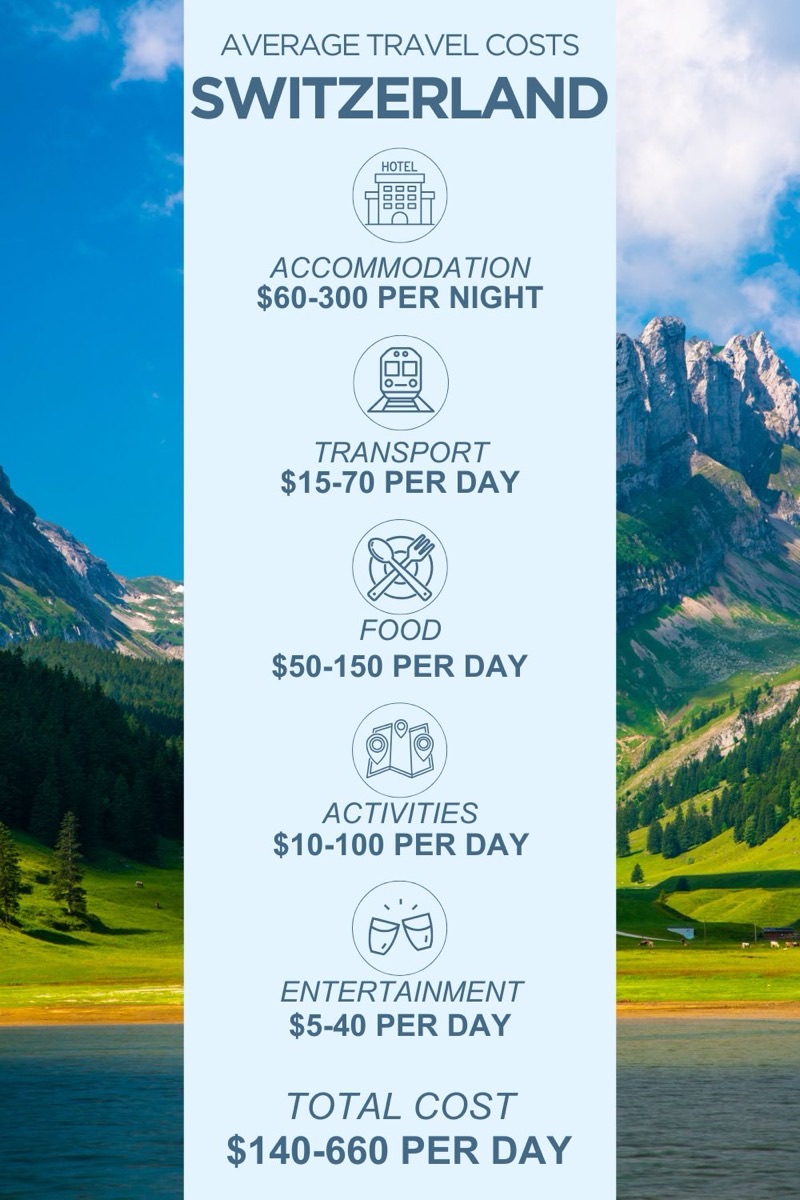
Switzerland is consistently one of the most expensive countries globally. A simple lunch in Zurich or Geneva can easily cost CHF 25-40 ($27-44 USD) at a casual restaurant, and a single coffee is CHF 5-8 ($5.5-9 USD). A basic hotel room in Interlaken or Lucerne typically starts at CHF 120-250 ($130-275 USD) per night. Train tickets, while efficient, add up; a Swiss Travel Pass for 8 days can be CHF 418 ($460 USD). Budget travelers face challenges finding inexpensive options, with hostels still costing CHF 40-70 ($44-77 USD) per night in major towns.
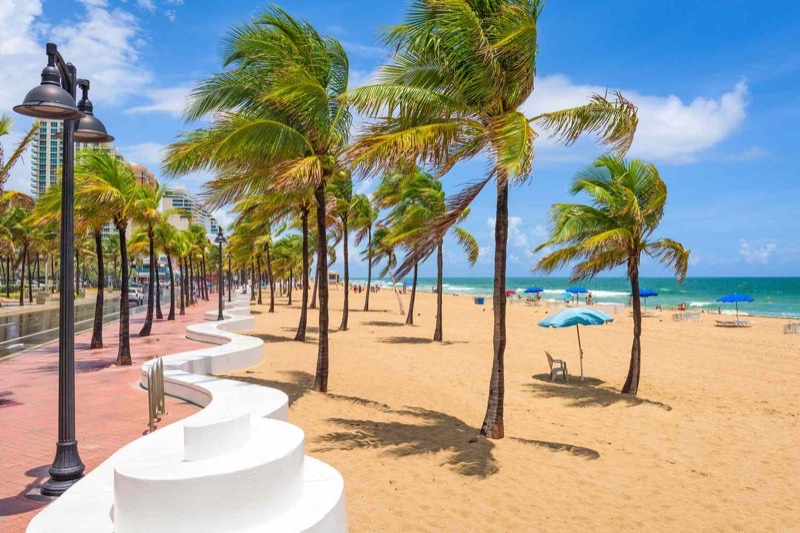
The USA's costs are highly regional. A casual meal in New York City might be $20-35, but in a smaller town in the Midwest, it could be $12-20. Accommodation ranges from $80 motels in rural areas to $250+ city hotels. Car rental, often essential, adds $40-80 per day plus fuel, but shared costs can reduce individual burden. Public transport in cities like NYC or Boston is affordable ($2.75 for a subway ride). For budget-conscious travelers, options like supermarkets, food trucks, and national park camping ($20-30/night) make the USA more accessible. Tabiji verdict: The USA offers a far more diverse range of price points, making budget travel feasible.
- Winner: Usa
- Why: The USA provides a spectrum of price points, allowing for both budget and luxury travel, unlike Switzerland's consistently high costs.
- Who this matters for: Travelers with mid-range or strict budgets, and those who prefer diverse spending options.
⛰️ Nature & Landscapes
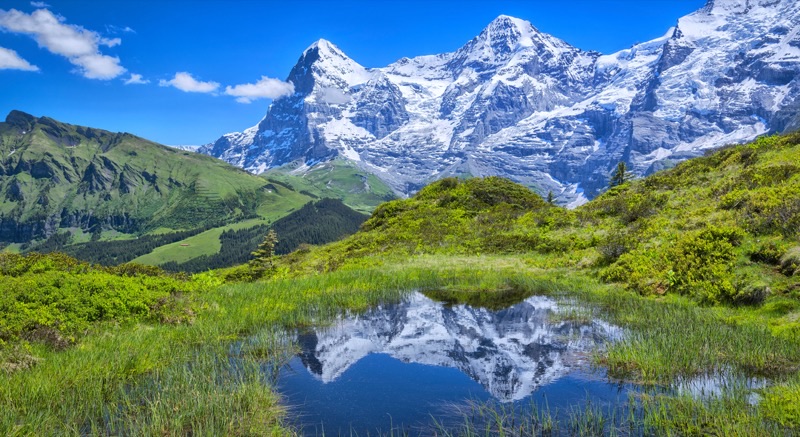
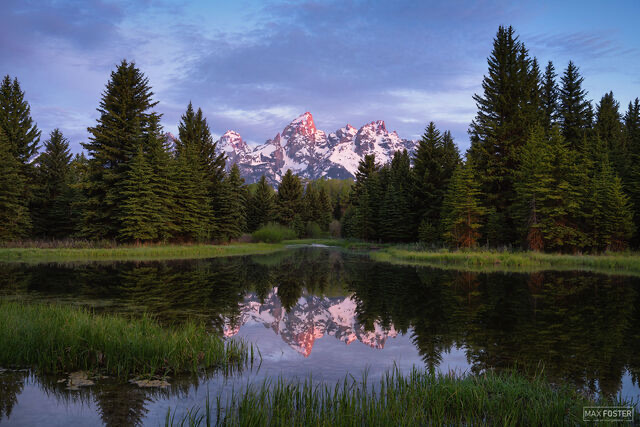
Switzerland presents a condensed experience of alpine grandeur. Peaks like the Matterhorn in Zermatt, the Jungfrau massif visible from Interlaken, and lakes like Lake Lucerne or…
Switzerland
Usa
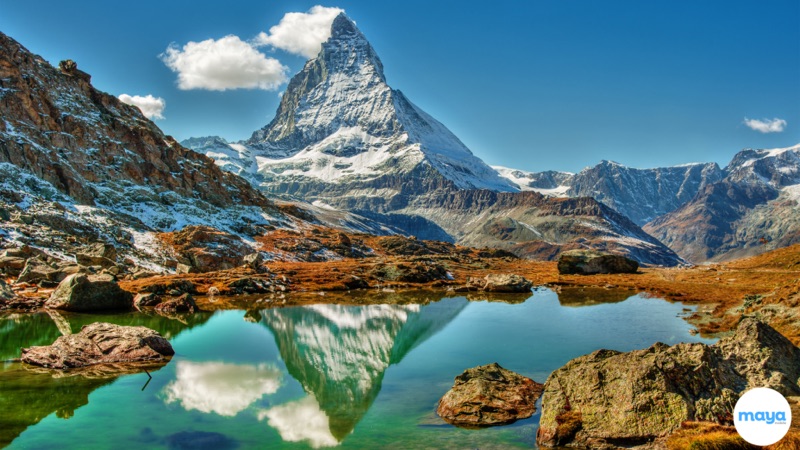
Switzerland presents a condensed experience of alpine grandeur. Peaks like the Matterhorn in Zermatt, the Jungfrau massif visible from Interlaken, and lakes like Lake Lucerne or Lake Geneva are central to its identity. Access to hiking trails, cable cars (e.g., Gornergrat Bahn in Zermatt, Jungfraujoch railway), and boat trips is seamless and efficient. You can ascend a 3,000-meter peak and be back in a town like Grindelwald for dinner, all via public transport. The natural environments are meticulously maintained and organized, providing clear paths and infrastructure even in remote-feeling areas.
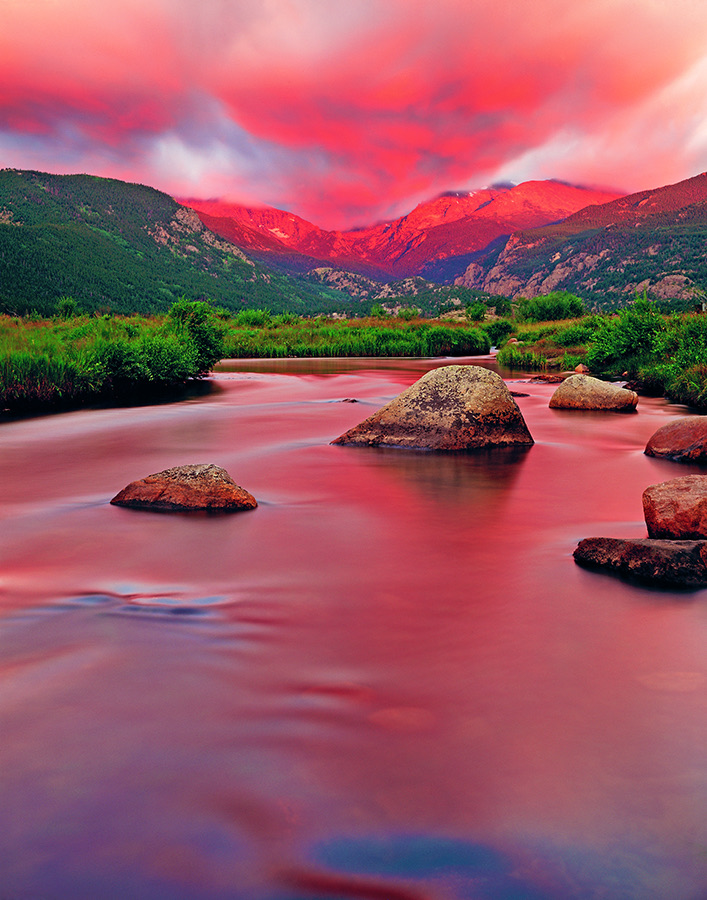
The USA’s natural environments are characterized by their immense scale and variety. Iconic sites include the Grand Canyon (Arizona), Yosemite National Park (California), and Yellowstone National Park (Wyoming/Montana), each requiring dedicated travel time. Deserts like Death Valley, redwood forests in California, the Rocky Mountains, and coastal regions in Florida or Oregon offer completely different experiences. Experiencing this diversity typically requires a car for long drives and often internal flights between regions. While impressive, the sheer distances mean you generally pick one or two types of landscapes for a single trip. Tabiji verdict: Switzerland wins for its concentrated, highly accessible, and consistently stunning alpine natural experiences.
- Winner: Switzerland
- Why: Switzerland offers a more concentrated and effortlessly accessible experience of dramatic mountain and lake landscapes.
- Who this matters for: Hikers, mountain enthusiasts, and those wanting a high density of impressive natural scenery without extensive travel.
🚆 Getting Around
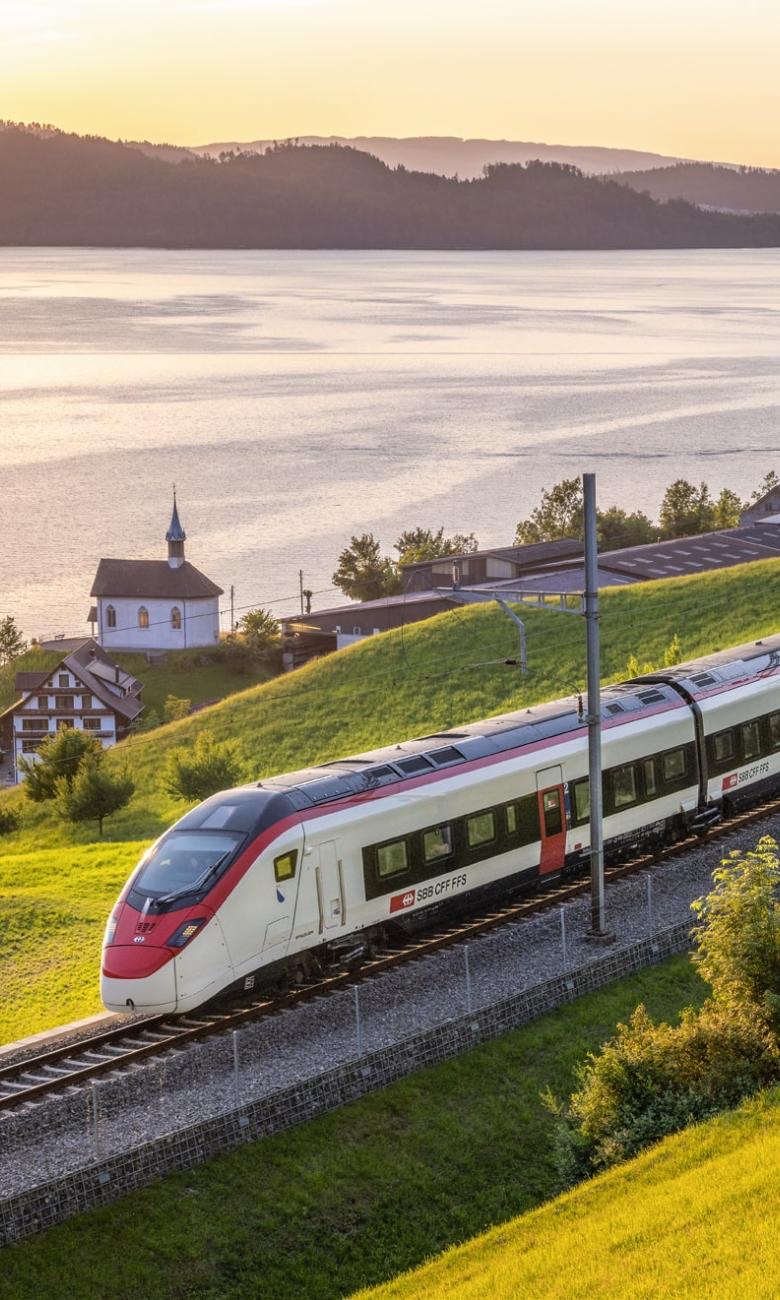
Switzerland's public transport system, primarily Swiss Federal Railways (SBB), is precise, clean, and covers virtually every corner of the country, including mountain villages and…
Switzerland
Usa
Switzerland's public transport system, primarily Swiss Federal Railways (SBB), is precise, clean, and covers virtually every corner of the country, including mountain villages and lake shores. Punctuality is a standard, not an exception. A Swiss Travel Pass simplifies travel, allowing unlimited use of trains, buses, and boats, plus discounts on mountain railways and museum entry. For example, traveling from Zurich to Zermatt (about 3.5-4 hours) is a comfortable, scenic journey. You dont need a car for a typical trip, even to access hiking trailheads or remote areas like Lauterbrunnen Valley.
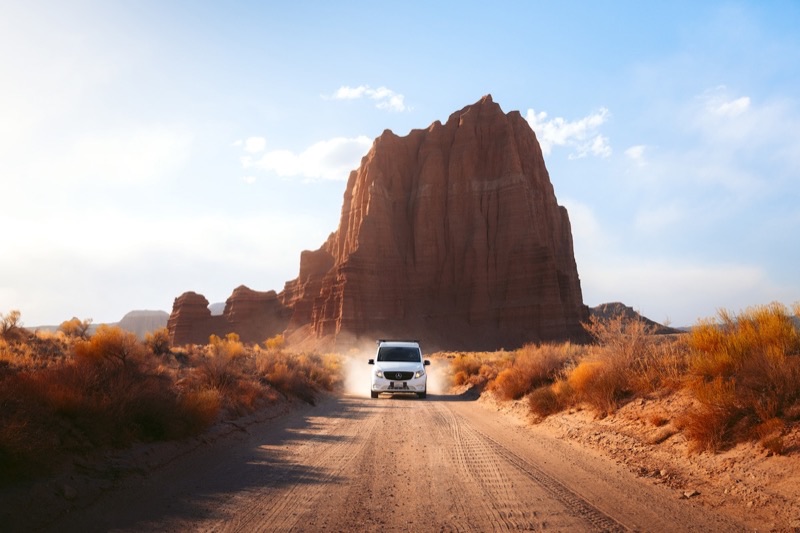
In the USA, independent travel generally requires a car, especially for exploring national parks or smaller towns. Distances between major attractions are vast; a drive from Los Angeles to San Francisco takes 6-7 hours, and a flight from New York to Los Angeles is 5-6 hours. Public transport exists within major cities like New York (MTA Subway), Chicago (CTA 'L'), or Washington D.C. (Metro), but it does not connect cities or rural areas comprehensively. Renting a car involves costs for the vehicle, insurance, and fuel, often with fees for drivers under 25. Tabiji verdict: For ease, efficiency, and lack of reliance on a personal vehicle, Switzerland’s transport network is superior for travelers.
- Winner: Switzerland
- Why: Switzerland offers a seamless, reliable, and comprehensive public transport network that makes travel effortless.
- Who this matters for: Travelers who prefer not to drive, prioritize efficiency, and want to experience various regions easily.
🧀 Food & Dining
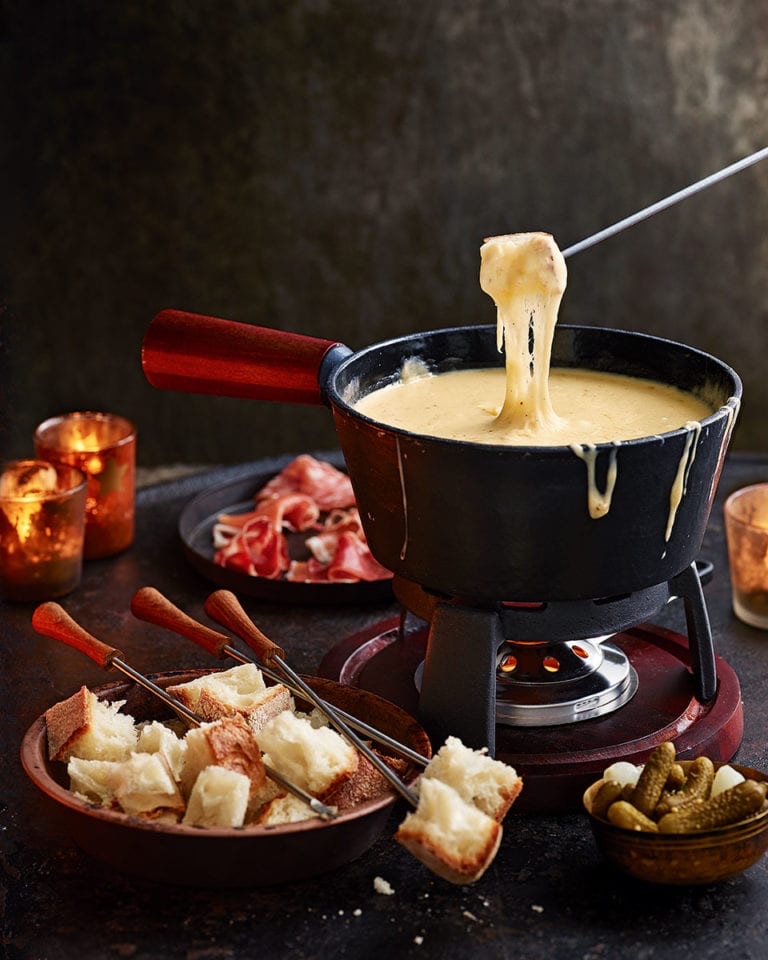
Swiss cuisine is good quality but relatively narrow and expensive. Staples include cheese fondue, raclette, rosti (shredded potato dish), and various sausages. Chocolate shops…
Switzerland
Usa
Swiss cuisine is good quality but relatively narrow and expensive. Staples include cheese fondue, raclette, rosti (shredded potato dish), and various sausages. Chocolate shops like Sprüngli in Zurich offer high-end confections. A casual dinner at a basic restaurant can easily be CHF 30-50 ($33-55 USD) per person, and fine dining pushes well over CHF 100 ($110 USD). Options for quick, budget-friendly meals are limited, often resorting to supermarket sandwiches or kebab shops. Special dietary needs can sometimes be challenging due to smaller menus and less variety in prepared foods.
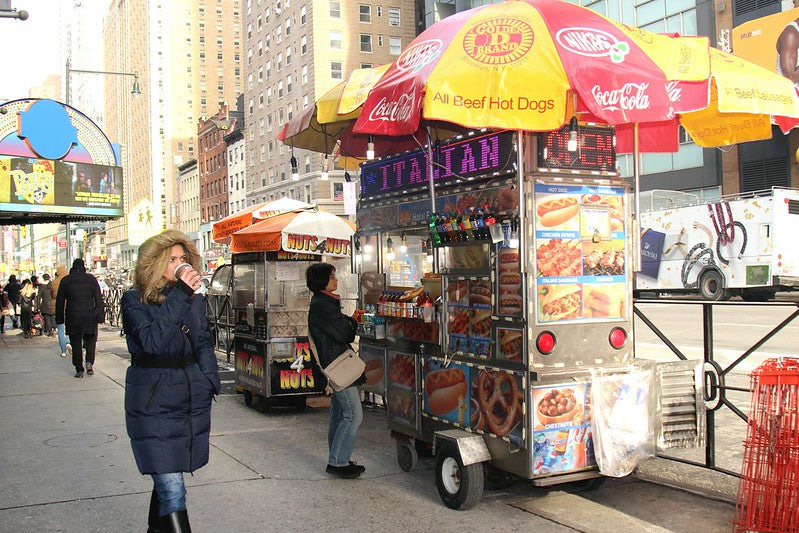
The USA offers a vast array of dining experiences. Regional specialties include Texan BBQ (Franklin Barbecue in Austin), New England clam chowder, New York-style pizza (Joe's Pizza), California-Mexican food (taco trucks in LA), and Southern comfort food. Major cities provide access to almost any international cuisine imaginable, from Michelin-starred restaurants to cheap street food. A casual meal can range from $10-20 at a diner or fast-casual spot, while a higher-end restaurant might be $50-100+. The prevalence of diverse food trucks, delis, and chain restaurants means budget options are always available. Tabiji verdict: The sheer diversity, accessibility, and range of price points for food make the USA a better destination for varied dining experiences.
- Winner: Usa
- Why: The USA provides an extensive range of diverse cuisines at all price levels, catering to every taste and budget.
- Who this matters for: Foodies, budget travelers, and those who enjoy a wide variety of meal options and culinary experiences.
🛌 Accommodation
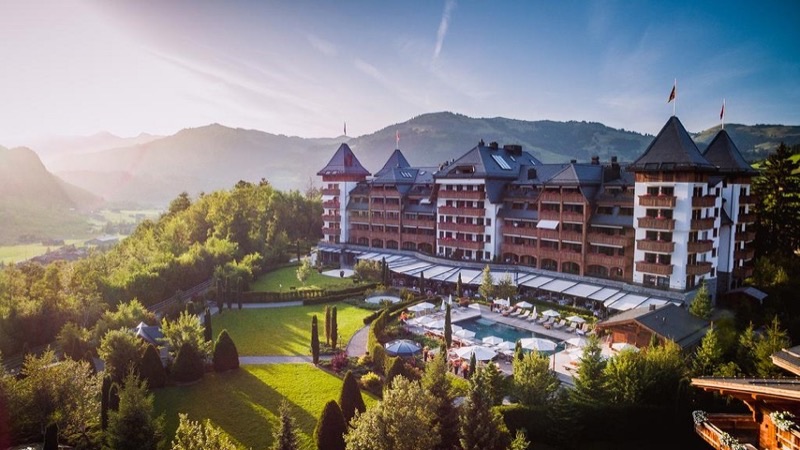
Accommodation in Switzerland is consistently expensive. A standard hotel room in a mid-range category in cities like Geneva or Lucerne often starts at CHF 150-250 ($165-275 USD)…
Switzerland
Usa
Accommodation in Switzerland is consistently expensive. A standard hotel room in a mid-range category in cities like Geneva or Lucerne often starts at CHF 150-250 ($165-275 USD) per night. Even hostels, such as the Youth Hostel Interlaken, can cost CHF 40-70 ($44-77 USD) for a dorm bed. Chalets in mountain regions offer charm but come at a premium. While quality is usually high, finding truly budget-friendly lodging requires booking far in advance or staying in less central areas. Options like Airbnb exist but are often still costly due to demand and local regulations.
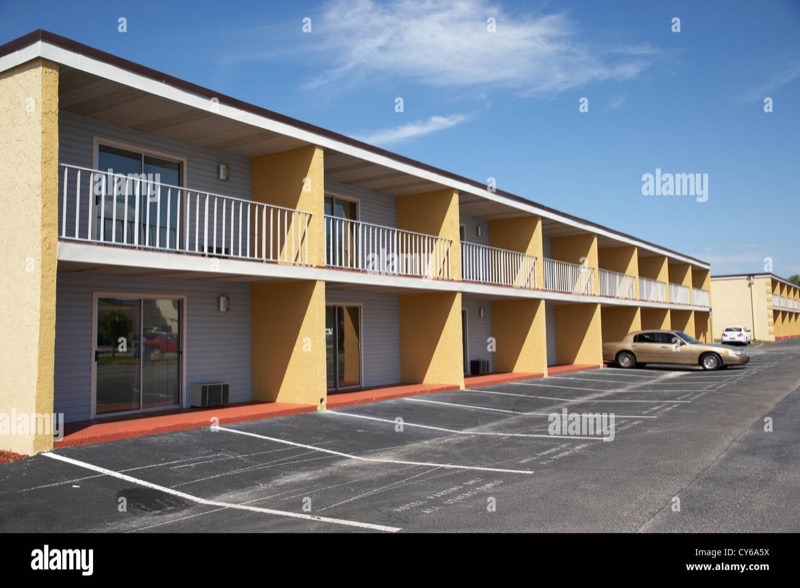
The USA offers a comprehensive spectrum of accommodation. Budget motels (e.g., Motel 6, Super 8) can be found for $70-120 per night in many areas, while mid-range hotels (e.g., Holiday Inn, Hampton Inn) typically range from $120-200. Luxury hotels in major cities like New York or Las Vegas can easily exceed $300-500. National parks often have lodges (e.g., Yosemite Valley Lodge) that require early booking but provide good access. Airbnb and VRBO are prevalent, offering apartments and homes across all price points. Camping is also a popular and inexpensive option in national and state parks. Tabiji verdict: The USA wins for its vast and varied selection of accommodation, offering options for every budget and preference.
- Winner: Usa
- Why: The USA provides a far greater diversity of accommodation types and price points, from budget motels to luxury resorts.
- Who this matters for: Travelers with varying budgets, families needing specific room configurations, and those seeking unique lodging experiences.
🛡️ Safety & Security
Switzerland has an exceptionally low crime rate, making it one of the safest travel destinations globally. Petty crime, like pickpocketing, is rare, particularly outside major…
Switzerland has an exceptionally low crime rate, making it one of the safest travel destinations globally. Petty crime, like pickpocketing, is rare, particularly outside major city centers. Violent crime is almost nonexistent for tourists. Travelers can feel secure walking alone at night in cities like Bern or exploring remote hiking trails. Emergency services are efficient and reliable. Public spaces are well-maintained and monitored, contributing to a sense of order and safety. You can leave a backpack unattended for a moment on a train without significant worry, although it's still not recommended.
The USA is generally safe for tourists in popular areas and national parks. However, crime rates, particularly property crime and some violent crime, are higher than in Switzerland and vary greatly by city and neighborhood. Major cities like Chicago, New Orleans, or Los Angeles have areas where caution is advised, particularly after dark. Tourists should be aware of their surroundings, avoid displaying expensive items, and secure belongings. National parks are very safe, but urban centers require more vigilance. Police presence is common in tourist areas. Tabiji verdict: Switzerland wins convincingly for its consistent, extremely high level of personal safety and security for travelers.
- Winner: Switzerland
- Why: Switzerland offers an exceptionally low crime rate and a consistent feeling of safety across all regions.
- Who this matters for: Solo travelers, families with young children, and those who prioritize personal security and peace of mind.
⛷️ Activities & Experiences
Switzerland's activities are largely focused on its natural environment and structured attractions. Hiking in the Jungfrau region, skiing in Zermatt, paragliding over Interlaken,…
Switzerland's activities are largely focused on its natural environment and structured attractions. Hiking in the Jungfrau region, skiing in Zermatt, paragliding over Interlaken, or taking a boat trip on Lake Geneva are primary draws. Cultural experiences include visiting Chillon Castle near Montreux or exploring the Old Town of Bern. Museums, like the Swiss National Museum in Zurich, cover history and art. The pace is generally relaxed, centered around appreciating the landscapes and precise Swiss engineering. Activities, though high quality, can be expensive (e.g., a Jungfraujoch ticket is CHF 235 ($258 USD)).
The USA offers an extremely broad spectrum of activities. This includes major theme parks (Disneyland in Anaheim, Walt Disney World in Orlando), exploring vast national parks (Grand Canyon hikes, Yosemite Valley tours), diverse city experiences (Broadway shows in New York, live music in Nashville, Hollywood tours in LA), historical sites (Independence Hall in Philadelphia), and coastal activities. Road tripping through different states allows for a mix of urban, natural, and cultural experiences in one trip. The variety is immense, catering to adrenaline seekers, culture enthusiasts, and families alike. Tabiji verdict: The USA offers a far more diverse and extensive array of activities and experiences suitable for every interest and travel style.
- Winner: Usa
- Why: The USA's sheer size and regional differences provide an unparalleled variety of activities, from theme parks to national parks to urban culture.
- Who this matters for: Travelers seeking diverse entertainment, families with varied interests, and those wanting a wide range of activity types.
🏛️ Culture & History
Switzerland's culture is rooted in its alpine heritage, four national languages (German, French, Italian, Romansh), and a long history of neutrality. Its cities, like Geneva and…
Switzerland's culture is rooted in its alpine heritage, four national languages (German, French, Italian, Romansh), and a long history of neutrality. Its cities, like Geneva and Zurich, offer historical buildings and museums that chronicle European history and Swiss contributions to watchmaking and banking. Medieval towns such as Gruyères or Stein am Rhein are well-preserved and offer a glimpse into the past. The culture emphasizes order, punctuality, and a deep connection to the natural environment. You will find local festivals and traditions, particularly in rural areas, but the overall cultural narrative is quite focused.
The USA’s culture is a complex tapestry of regional identities, indigenous histories, and waves of immigration. From the colonial history of Boston and Philadelphia (e.g., Freedom Trail, Liberty Bell) to the Civil Rights movement sites in the South (Birmingham, Montgomery), its historical narrative is vast and often dramatic. Cultural influences from Mexico in the Southwest, Creole traditions in Louisiana, and various European diasporas create distinct regional flavors. Music genres (jazz, blues, rock and roll) originated here, and cities offer varied art scenes, theaters, and museums (e.g., Smithsonian in Washington D.C., Metropolitan Museum of Art in NYC). Tabiji verdict: The USA offers a significantly broader and more diverse cultural and historical landscape due to its vast size and varied demographic history.
- Winner: Usa
- Why: The USA's immense size and history of immigration create a significantly wider range of cultural expressions and historical narratives.
- Who this matters for: History buffs, those interested in diverse cultural expressions, and travelers seeking exposure to varied traditions.
🌃 Nightlife & Entertainment
Swiss nightlife is generally more subdued compared to other European countries. Larger cities like Zurich and Geneva have some clubs and bars, particularly around areas like…
Swiss nightlife is generally more subdued compared to other European countries. Larger cities like Zurich and Geneva have some clubs and bars, particularly around areas like Langstrasse in Zurich, but prices for drinks are high (e.g., CHF 10-15 ($11-16.5 USD) for a beer or basic cocktail). Smaller towns and mountain resorts often have cozy pubs or hotel bars that close relatively early. The focus is more on relaxing after a day of outdoor activities rather than late-night revelry. Options for live music or extensive entertainment beyond dining are limited outside of major urban centers.
The USA offers an extensive and diverse nightlife scene. New York City, Las Vegas, Miami, and Los Angeles are known for their nightclubs, casinos, and late-night entertainment districts. Cities like Nashville (Lower Broadway) and New Orleans (Bourbon Street) are famous for live music venues, ranging from country to jazz. Even smaller towns often have local bars or breweries with a lively atmosphere. Drink prices vary by city and establishment, but generally offer more affordable options than Switzerland. From sports bars to rooftop lounges to dive bars, the range is immense. Tabiji verdict: The USA provides a far more expansive and varied nightlife and entertainment landscape across all scales and preferences.
- Winner: Usa
- Why: The USA offers a significantly more diverse, energetic, and accessible range of nightlife options, from major clubs to local music venues.
- Who this matters for: Party-goers, music lovers, and those seeking varied evening entertainment beyond quiet dining.
🧍♀️ Solo Travel
Switzerland is an excellent destination for solo travelers due to its high safety levels, efficient public transport, and clear tourist infrastructure. Navigating the country…
Switzerland is an excellent destination for solo travelers due to its high safety levels, efficient public transport, and clear tourist infrastructure. Navigating the country alone is straightforward, with clear signage and helpful staff. While accommodation and dining can be expensive for a single person, the security and ease of movement often outweigh the cost for many. Hostels are available, though pricy, and offer opportunities to meet other travelers. The quiet and organized nature of the country means solo exploration, especially hiking, feels very comfortable and secure. You can confidently rely on train schedules and feel safe walking through towns at any reasonable hour.
The USA offers varied experiences for solo travelers. Major cities like New York or San Francisco are manageable with public transport and provide numerous opportunities to meet people in bars, hostels, or tour groups. However, outside of these cities, solo travel often necessitates renting a car, which can be a significant expense and potentially isolating. Safety varies by location; solo travelers need to be more vigilant in certain urban areas than in Switzerland. Socializing can be easier in hostels or through planned activities, but there is less of an integrated solo travel culture compared to parts of Europe. Tabiji verdict: Switzerland is a more consistently comfortable, safe, and logistically simpler option for solo travelers, despite the higher cost.
- Winner: Switzerland
- Why: Switzerland's extremely high safety, efficient public transport, and clear infrastructure make solo travel exceptionally easy and worry-free.
- Who this matters for: First-time solo travelers, those prioritizing safety and ease, and individuals who enjoy quiet, independent exploration.
🎯 The Decision Framework
Choose Switzerland If…
- You prioritize absolute safety and low crime rates.
- You want to travel exclusively by efficient public transport (trains, buses, boats) without driving.
- Your primary interest is dramatic alpine scenery and pristine lakes.
- You enjoy hiking on well-maintained trails with clear signage.
- You value punctuality and order in travel logistics.
- You are comfortable with a higher daily budget (CHF 150-300+).
- You appreciate a quiet, clean, and organized travel experience.
- You seek concentrated natural beauty rather than expansive, varied landscapes.
Choose Usa If…
- You want to embark on a multi-state road trip.
- You seek extreme diversity in landscapes, from deserts and beaches to mountains and cities.
- Your budget is flexible, and you want options across all price points for food and accommodation.
- You are interested in specific cultural experiences like Broadway, live music scenes, or theme parks.
- You enjoy a varied and active nightlife.
- You plan to fly domestically to cover vast distances efficiently.
- You prioritize access to a wide range of international cuisines and regional specialties.
- You are comfortable with self-reliance and navigating different urban environments.
📅 Sample Itineraries
Weekend in Switzerland (3 Days)
💡 Purchase a Swiss Travel Pass for 3 days (around $240) to save money and time on trains, buses, and boats, and get free entry to many museums.
Weekend in Usa (3 Days)
💡 Utilize the NYC subway (single ride $2.75) extensively; a 7-day unlimited MetroCard for $33 can be a good value even for a shorter stay if you plan on many rides.
One Week in Switzerland (7 Days)
💡 For extensive train travel, consider the 8-day Swiss Travel Pass (approx. $389) which covers most public transport and offers discounts on mountain excursions.
One Week in Usa (7 Days)
💡 Renting a car (around $40-60 per day plus gas) is essential for a West Coast road trip to cover vast distances and access national parks efficiently.
❓ Frequently Asked Questions
Which destination is better for a budget traveler?
The USA is generally more budget-friendly. While prices vary, you can find meals for $10-20 USD and motels for $70-120 USD per night in many regions. Switzerland is consistently expensive; expect to pay CHF 25-40 ($27-44 USD) for a casual lunch and CHF 120-250 ($130-275 USD) for basic hotel rooms.
How long are flights from the USA to Switzerland?
Direct flights from the East Coast of the USA (e.g., New York, Boston) to Switzerland (Zurich, Geneva) typically take 7-8 hours. From the West Coast (e.g., Los Angeles, San Francisco), flights usually involve one stop and take 11-14 hours total.
Do I need a car in Switzerland or the USA?
You generally do not need a car in Switzerland; its public transport system is excellent. In the USA, a car is often essential for exploring national parks or traveling between cities outside of major metropolitan corridors. Cities like New York, however, are best explored via public transit or walking.
Which country offers better hiking experiences?
Switzerland offers a more concentrated and easily accessible network of well-marked alpine hiking trails, often reachable by train or cable car. The USA offers more diverse hiking environments, from desert canyons to coastal paths, but these are often spread across vast national parks requiring more logistical planning and car access.
What are typical meal costs in each country?
In Switzerland, a casual restaurant meal can cost CHF 25-40 ($27-44 USD), and a coffee is CHF 5-8 ($5.5-9 USD). In the USA, a casual meal might range from $15-30 USD in cities, or $10-20 USD in smaller towns, with coffee typically $3-6 USD.
Is one safer for solo female travelers?
Switzerland is exceptionally safe for solo female travelers, with very low crime rates and a strong sense of security across the country. The USA is generally safe in tourist areas, but vigilance is advised in certain urban neighborhoods, and solo travel outside major cities often requires driving.
Which has more diverse cultural experiences?
The USA offers a significantly broader range of cultural experiences due to its immense size, regional differences, and diverse immigrant populations. Switzerland's culture is more homogenous, focused on its alpine traditions, neutrality, and multilingual heritage.
How do domestic travel times compare?
Switzerland is small; you can cross it by train in 3-4 hours. The USA is vast; a flight from coast to coast takes 5-6 hours, and a cross-country drive can take 4-5 days. Internal travel in the USA often involves significant time investment, whether by car or plane.
Ready to plan your next trip?
Get a free custom itinerary for Switzerland, Usa, or both — built from real traveler insights.
👥 Travelers Also Compared
🎟️ Book Tours & Experiences
Hand-picked tours and activities for both destinations — book with free cancellation
Experiences via Viator — free cancellation on most tours