How we built this comparison
This page combines traveler discussion patterns, published price ranges, flight schedules, and seasonal data to help you decide between Taipei and Beijing.
- Reviewed 50+ Reddit threads from r/travel, r/solotravel, r/Taiwan, r/ChinaTravel, r/Taipei, and r/Beijing for common traveler questions and experiences.
- Verified costs and logistics against current booking platforms (Booking.com, Agoda, Skyscanner, Google Flights) and local transportation official sites.
- Cross-referenced seasonal patterns, weather data from meteorological services, and visa requirements from official government sources.
⚡ The TL;DR Verdict
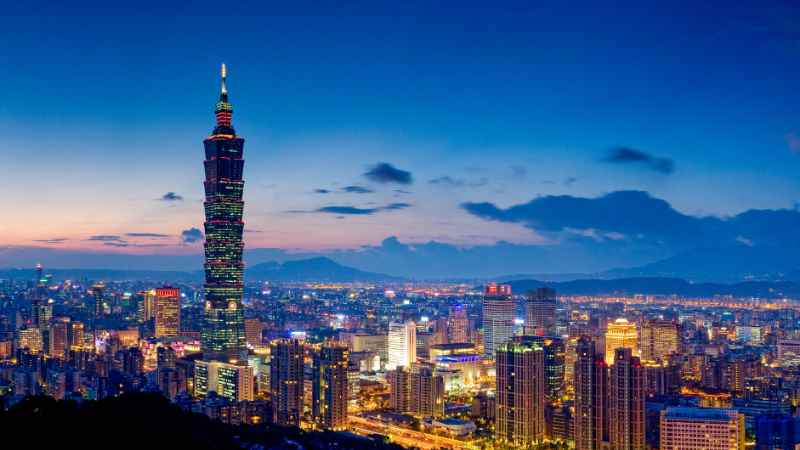
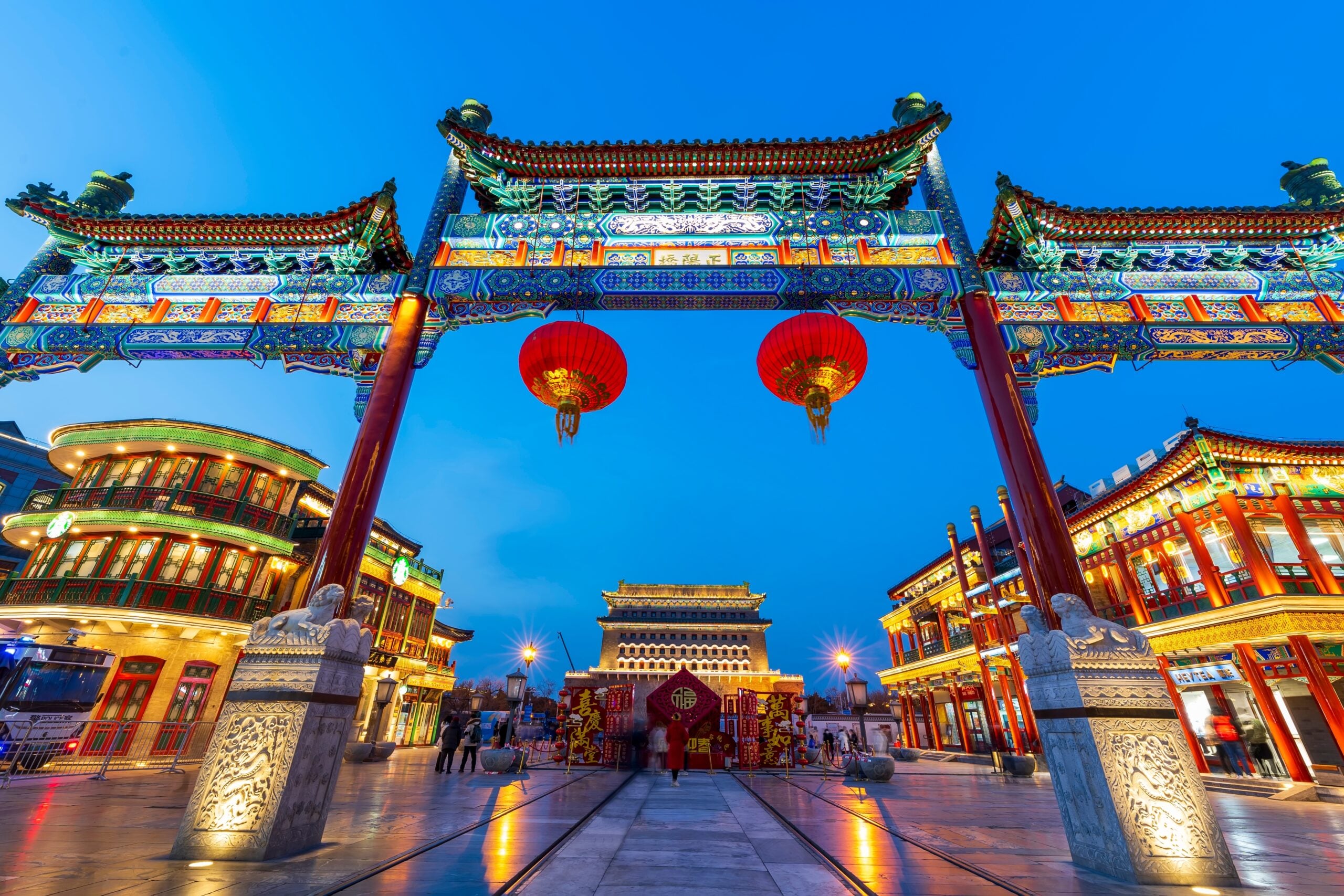
If you crave incredible food, friendly locals, seamless travel, and a liberal, democratic vibe, Taipei is your winner with a daily budget of $60-100. For an immersive dive into ancient imperial history, monumental scale, and a truly distinct cultural experience, Beijing awaits, expecting a similar daily spend of $70-120 (excluding Great Wall tours).
- Choose Taipei: Perfect for solo travelers, foodies, first-time East Asia visitors, or those seeking a relaxed, safe, and modern urban experience with easy access to nature.
- Choose Beijing: Ideal for history buffs, culture vultures, and travelers who want to witness iconic world heritage sites and experience a monumental, fast-evolving Chinese metropolis.
- Choose Both: If you have 2-3 weeks, combining both offers a phenomenal contrast of Chinese cultures. Start with Taipei for ease, then fly to Beijing for a grand historical finale. Requires a multi-entry China visa or 144-hour transit visa if eligible.
Quick Comparison
| Category | Taipei | Beijing | Winner |
|---|---|---|---|
| Food Scene | Night markets, diverse regional Chinese cuisines, Japanese influences, incredible street food, and cafes. | Peking duck, imperial cuisine, Northern Chinese staples like noodles and dumplings, robust local flavors. | Taipei |
| Culture & History | Rich Chinese heritage (National Palace Museum), Japanese colonial past, unique Taiwanese identity, temples, and memorials. | Imperial China's heartland, Great Wall, Forbidden City, Temple of Heaven, ancient dynasties, revolutionary history. | Beijing |
| Costs & Value | Excellent value for food, transport, and mid-range accommodation; generally transparent pricing. | Accommodation can be pricier, great value for local food, but tours and major attractions add up. | Taipei |
| Getting There & Around | Excellent international flight connectivity, superb MRT system, easy to navigate with English signage. | Major international hub, vast subway system, but language barrier can be a challenge; internet restrictions. | Taipei |
| Safety & Vibe | Extremely safe, friendly locals, polite culture, vibrant yet relaxed atmosphere, democratic freedoms. | Generally safe, but surveillance is high; can feel less openly friendly; a bustling, grand metropolis. | Taipei |
| Nature & Day Trips | Accessible mountains (Yangmingshan), coastal towns (Jiufen), hot springs, stunning gorges (Taroko). | Great Wall, Fragrant Hills, Summer Palace gardens, but less 'wild' nature accessible from the city. | Taipei |
| Nightlife | Vibrant and diverse: night markets, lively bars, clubs, karaoke (KTV) culture, late-night dining. | Upscale clubs, lively bar streets (Sanlitun), KTV, but generally closes earlier than Taipei. | Taipei |
| Shopping | Boutiques, department stores, creative markets, tech gadgets, unique local crafts, excellent street fashion. | Luxury brands, silk and tea, antique markets, counterfeit goods, impressive modern malls. | Tie |
| Accommodation | Wide range of clean, modern options from hostels to luxury, often with excellent value and service. | Diverse options, but budget hostels might be less common, and mid-range hotels can be pricier. | Taipei |
| Weather & Seasons | Subtropical: hot, humid summers; mild, pleasant winters; typhoon season late summer/early fall. | Continental: hot, humid summers; cold, dry, often smoggy winters; pleasant springs/autumns. | Tie |
🍜 Food Scene
Taipei's food scene is a foodie's paradise, unmatched in its accessibility, variety, and sheer deliciousness. From the bustling Shilin Night Market (try the oversized fried chicken cutlet, 80 TWD / $2.50 USD) to gourmet spots in Xinyi District, it offers everything. You'll find influences from all over China, plus incredible local Taiwanese dishes like beef noodle soup (150-250 TWD / $5-8 USD) and gua bao. The ease of ordering, hygiene standards, and sheer volume of options make it a dream. Beijing, while home to iconic dishes like Peking Duck (try at Quanjude or Dadong, 300-600 CNY / $42-85 USD per duck), tends to be more specific to Northern Chinese flavors and has less street food culture. You need to seek out local gems more actively. "Taipei night markets are just next level, I could eat my way through that city for a month and not get bored. Beijing has great food too, but it's a different vibe, more sit-down and less grab-and-go street eats." Dining in Taipei averages 300-700 TWD ($10-23 USD) for a good meal, whereas Beijing might be 80-200 CNY ($11-28 USD) for a similar mid-range experience, with street food being cheaper but less ubiquitous.
Winner takeaway
- Winner: Taipei
- Why: Taipei offers a more diverse, accessible, and consistently outstanding food experience, especially for street food and casual dining.
- Who this matters for: Foodies, budget travelers, solo diners, and those who love to explore culinary variety.
🏯 Culture & History
Beijing is an absolute heavyweight for culture and history. It's the ancient capital of successive dynasties and the current political heart of China. The sheer scale and historical significance of sites like the Forbidden City (60 CNY / $8.50 USD entry), the Temple of Heaven (35 CNY / $5 USD), and the Great Wall (Mutianyu section, 40 CNY / $5.60 USD entry + cable car/shuttle) are unparalleled. You're walking through centuries of imperial power and cultural development. Taipei, while having deep cultural roots, focuses more on preserving Chinese artifacts (National Palace Museum, 350 TWD / $11 USD) and showcasing a distinct Taiwanese identity that blends various influences. Chiang Kai-shek Memorial Hall (free) and Longshan Temple are significant, but they don't possess the same monumental scale or imperial grandeur as Beijing's offerings. "Beijing is literally history in your face everywhere you go, from the Forbidden City to the hutongs. Taipei's history is more nuanced, but Beijing is just 'wow' at every turn." For a deep dive into ancient power and historical monuments, Beijing is the clear victor.
Winner takeaway
- Winner: Beijing
- Why: Beijing's imperial sites and monumental scale offer an unparalleled journey through millennia of Chinese history and power.
- Who this matters for: History buffs, those seeking iconic world heritage sites, and travelers interested in ancient empires.
💰 Costs & Value
Taipei generally offers better overall value, especially for the quality of experience you receive. Accommodation in a decent 3-star hotel might cost 1500-2500 TWD ($50-80 USD) per night, while street food is incredibly cheap (50-150 TWD / $1.50-5 USD per item). Public transport is efficient and cheap (20-30 TWD / $0.60-1 USD per ride). A comfortable daily budget (excluding flights) could be $60-100 USD. Beijing can be slightly more expensive for comparable accommodation (500-800 CNY / $70-115 USD for a 3-star hotel), although local meals can be very affordable (30-80 CNY / $4-11 USD). However, tours to the Great Wall or other multi-site excursions can quickly inflate your budget (300-600 CNY / $42-85 USD for a good day tour). "I felt my money went further in Taipei. Everything from food to museums just felt like a better deal, and less hassle too." For travelers mindful of budget but unwilling to compromise on quality and convenience, Taipei edges out Beijing.
Winner takeaway
- Winner: Taipei
- Why: Taipei offers superior value for money across most categories, especially for food and mid-range accommodation, with less hassle.
- Who this matters for: Budget-conscious travelers, backpackers, and those seeking good quality without exorbitant costs.
✈️ Getting There & Around
Getting to and around Taipei is remarkably easy. Taoyuan International Airport (TPE) is a major hub, and a direct MRT line connects it to the city center (160 TWD / $5 USD). The Taipei Metro (MRT) is one of the world's best: clean, efficient, extensive, and with clear English signage everywhere. You can get almost anywhere affordably (fares 20-65 TWD / $0.60-2 USD). Google Maps works perfectly, and locals are generally helpful if you need directions. Beijing, served by Beijing Capital International Airport (PEK) and Daxing International Airport (PKX), also has excellent international connectivity and a massive, modern subway system. However, the language barrier is more pronounced (less English signage outside major tourist hubs), and navigating without Google Maps (due to China's 'Great Firewall' requiring a VPN) can be challenging. "Taipei's MRT made getting around a breeze, even as a solo traveler. Beijing's subway is huge, but sometimes figuring out exits or transfers felt like a puzzle with the language." For ease of navigation and seamless travel, Taipei is the clear winner.
Winner takeaway
- Winner: Taipei
- Why: Taipei's exceptional MRT system, pervasive English signage, and lack of internet restrictions make getting around effortless.
- Who this matters for: First-time international travelers, solo adventurers, and those who prioritize convenience and independent exploration.
🛡️ Safety & Vibe
Taipei is renowned as one of the safest cities in the world. Petty crime is rare, and violent crime is almost non-existent. You can walk alone late at night without concern, and locals are genuinely friendly, often going out of their way to help. The vibe is relaxed, democratic, and welcoming, with a strong sense of community and politeness. There's a tangible feeling of freedom and openness. Beijing is also generally very safe, especially in tourist areas, due to high levels of surveillance. However, the atmosphere can feel more guarded and less overtly friendly to foreigners, and the state's presence is more apparent. "I felt completely at ease in Taipei, everyone was so welcoming and helpful. Beijing was safe, but definitely felt more 'watched' and less spontaneous social interaction." The overall vibe in Taipei is more relaxed, liberal, and personable, making it a more comfortable experience for many travelers.
Winner takeaway
- Winner: Taipei
- Why: Taipei offers an exceptionally safe, friendly, and welcoming environment with a relaxed, democratic atmosphere.
- Who this matters for: Solo female travelers, families, those prioritizing personal safety, and travelers who appreciate a liberal, open society.
⛰️ Nature & Day Trips
Taipei offers incredibly diverse and accessible nature experiences right on its doorstep. Within an hour by public transport, you can be hiking in Yangmingshan National Park (free entry) with volcanic landscapes and hot springs, or exploring the charming old mining town of Jiufen, perched on a mountain overlooking the sea. Taroko Gorge, a stunning marble canyon, is a popular (though longer) day trip by fast train (around 2 hours, 440 TWD / $14 USD one way). The ease of access to such varied landscapes is a major plus. Beijing's primary natural draw is the Great Wall, which is awe-inspiring but a historical monument rather than 'pure' nature. While it has some pleasant parks and hills like Fragrant Hills (10 CNY / $1.40 USD), the scale and variety of natural escapes are not as rich or easily reachable as from Taipei. "From Taipei, you can literally go from city bustle to volcanic trails or beautiful coastlines in under an hour on the MRT. Beijing is mostly about historical sites, and the Great Wall is amazing, but it's a specific kind of 'nature'." For diverse and easily accessible natural beauty, Taipei takes the win.
Winner takeaway
- Winner: Taipei
- Why: Taipei provides immediate access to diverse natural landscapes, from mountains and hot springs to charming coastal towns, all easily reachable by public transport.
- Who this matters for: Outdoor enthusiasts, hikers, photographers, and travelers seeking a balance of urban exploration and natural escapes.
🌃 Nightlife
Taipei boasts a dynamic and diverse nightlife that caters to all tastes, and it runs late! Beyond the world-famous night markets offering endless food (many open until midnight or later), districts like Xinyi are packed with stylish bars and international clubs like Marquee and Omni, with entry fees typically 500-800 TWD ($16-25 USD) including a drink. The KTV (karaoke) culture is huge and offers a fun, social experience. Even late-night cafes and bookstores are common. Beijing's nightlife, centered around Sanlitun and Workers' Stadium, offers upscale clubs, cocktail bars, and craft breweries. However, it generally has stricter closing times, and the vibe can be a bit more exclusive or focused on specific districts. "Taipei's nightlife is just more varied and alive at all hours, from grabbing street food at 2 AM to hitting up a rooftop bar. Beijing has its spots, but it feels a bit more structured." For spontaneous fun and a wider range of late-night options, Taipei is more vibrant and accessible.
Winner takeaway
- Winner: Taipei
- Why: Taipei's nightlife is more diverse, accessible, and runs later, offering everything from night markets to clubs and KTV.
- Who this matters for: Party-goers, social travelers, and anyone who enjoys late-night entertainment and dining.
🛍️ Shopping
Both cities offer distinct shopping experiences. Taipei excels in unique local fashion (Wufenpu Garment Market), creative design (Songshan Cultural and Creative Park), tech gadgets (Guanghua Digital Plaza), and a blend of international brands in districts like Xinyi (Taipei 101 Mall, Breeze Center). Night markets also offer a fun, budget-friendly shopping experience for clothes, accessories, and souvenirs. Beijing, on the other hand, is a hub for luxury brands, especially in areas like Sanlitun and Wangfujing Street. It's also famous for its traditional goods like silk, tea, and calligraphy items, and you can haggle for antiques or reproductions at places like Panjiayuan Antique Market. "Taipei felt better for unique finds and casual fashion, while Beijing was more about high-end stuff or traditional Chinese goods. Both are good, just different vibes." If you're looking for trendy streetwear and local finds, Taipei might appeal more, while Beijing is better for luxury or traditional Chinese items. The shopping experience is equally compelling, just with different focuses.
Winner takeaway
- Winner: Tie
- Why: Both cities offer compelling but distinct shopping experiences: Taipei for local fashion and tech, Beijing for luxury and traditional goods.
- Who this matters for: Depends on the shopper's preference: Taipei for unique finds and modern trends, Beijing for luxury and traditional items.
🏨 Accommodation
Taipei generally offers a better and more seamless accommodation experience. You'll find a wide variety of impeccably clean and well-maintained options, from stylish hostels (e.g., Star Hostel Taipei Main Station, 600-900 TWD / $20-30 USD per night for a dorm) to comfortable boutique hotels (e.g., Hotel Cozzi Minsheng, 2500-4000 TWD / $80-130 USD per night). Booking is straightforward on international platforms, and English-speaking staff are common. The value for money is consistently high. Beijing also has a vast array of choices, from cheap guesthouses in hutongs to grand international hotels. However, comparable mid-range hotels can often be pricier than in Taipei (500-800 CNY / $70-115 USD for a 3-star). Booking might require a VPN for some sites, and budget options can sometimes lack the same level of cleanliness or English service. "Taipei hotels always feel like a step up for the price, and booking was never an issue. Beijing had some great places, but also some real duds if you weren't careful, and using Booking.com was a pain without my VPN." For ease of booking, consistent quality, and value, Taipei wins.
Winner takeaway
- Winner: Taipei
- Why: Taipei offers consistently excellent value for clean, modern accommodation across all price points, with easy booking and good service.
- Who this matters for: Budget travelers, those seeking reliable quality, and travelers who prefer hassle-free booking and check-in.
☀️ Weather & Seasons
Both cities experience distinct seasons, each with its pros and cons, making this a tie. Taipei has a subtropical climate, meaning hot and humid summers (June-September, 30-35°C / 86-95°F) with occasional typhoons. Winters (December-February, 15-20°C / 59-68°F) are mild and often rainy but pleasant for walking. Spring and autumn are generally the most comfortable. Beijing has a continental climate, characterized by hot, humid summers (June-August, 28-33°C / 82-91°F) and very cold, dry winters (December-February, -10-0°C / 14-32°F) often accompanied by smog. Spring and autumn (April-May, September-October) are universally considered the best times to visit Beijing, offering pleasant temperatures and clear skies. "Taipei's summer humidity can be brutal, but their winters are lovely. Beijing's fall is perfect for the Great Wall, but winter air quality can be a real drag." While Taipei's mild winters are a plus, Beijing's crisp autumns are ideal for its historical sites. It truly depends on your preference for heat, cold, or potential air quality issues.
Winner takeaway
- Winner: Tie
- Why: Both cities offer distinct seasonal experiences with their own charms and challenges, making the 'best' time dependent on personal preference.
- Who this matters for: Travelers sensitive to extreme heat/cold, those who prioritize specific outdoor activities, or those concerned about air quality.
❓ Frequently Asked Questions
Do I need a visa for Taipei or Beijing?
For Taipei, many nationalities (including US, UK, EU, Australia, Canada) can enter visa-free for up to 90 days. For Beijing, most nationalities require a visa for China. However, many travelers can utilize a 144-hour transit visa exemption if flying into Beijing and connecting to a third country.
What's the internet situation like in both cities?
Taipei has excellent, uncensored internet access everywhere, with free public Wi-Fi common. For Beijing, you'll need a reliable VPN (downloaded before arrival) to access common Western apps and websites like Google, Instagram, and WhatsApp due to China's Great Firewall. Otherwise, local apps like WeChat and Baidu Maps work well.
Is English widely spoken in Taipei and Beijing?
In Taipei, English is quite prevalent, especially in tourist areas, MRT stations, and among younger generations, making navigation easy. In Beijing, English proficiency is much lower outside of major hotels and international tourist sites. Having a translation app like Pleco (offline dictionary) or Baidu Translate is highly recommended.
What's the best way to pay for things in each city?
In Taipei, credit cards are widely accepted in larger establishments, but cash is essential for night markets and smaller eateries. Beijing is largely cashless; WeChat Pay and Alipay are dominant. While some places accept international credit cards, having cash for small vendors or a local friend to help with mobile payments is advised.
How many days should I spend in each city?
For Taipei, a minimum of 4-5 full days allows you to explore the city's highlights and take a day trip. For Beijing, aim for 5-7 full days to cover the Forbidden City, Temple of Heaven, Summer Palace, and a day trip to the Great Wall without rushing.
Are there any cultural etiquette differences I should know?
In Taipei, politeness is key; bowing slightly is appreciated. Avoid being overly loud in public. In Beijing, also maintain respectful behavior. Be mindful of queueing, and don't discuss sensitive political topics. Always accept items with two hands and avoid pointing with your finger.
What about the air quality in Beijing?
Beijing's air quality can be a significant concern, especially during colder months (late fall to early spring) when heating is on. Smog levels vary greatly day to day. Monitor AQI (Air Quality Index) apps and consider bringing N95 masks, especially if you have respiratory sensitivities. Taipei's air quality is generally much better.
Can I drink the tap water in Taipei or Beijing?
No, it's generally not recommended to drink tap water directly in either Taipei or Beijing. Always opt for bottled water, which is readily available and inexpensive. Most hotels will provide complimentary bottled water, and hot water dispensers are common.
Ready to plan your East Asia trip?
Get a free custom itinerary for Taipei, Beijing, or both — built from real traveler insights.
🎟️ Book Tours & Experiences
Hand-picked tours and activities for both destinations — book with free cancellation
Experiences via Viator — free cancellation on most tours