How we built this comparison
This page combines traveler discussion patterns, published price ranges, flight schedules, and seasonal data to help you decide between Taiwan and Vietnam.
- Reviewed 50+ Reddit threads from r/travel, r/solotravel, r/Taiwan, r/VietNam, etc.
- Verified costs and logistics against current booking platforms (Booking.com, Skyscanner, Google Flights)
- Cross-referenced seasonal patterns, weather data, and visa requirements from official government sources.
⚡ The TL;DR Verdict
For budget-conscious adventurers seeking raw culture, incredible food, and sprawling landscapes, Vietnam is your go-to, with daily budgets ranging from $30-$70 USD. If you prioritize impeccable infrastructure, safety, stunning nature, and a unique blend of modern and traditional, Taiwan offers superb value at $60-$120+ USD daily.
- Choose Taiwan: Pick Taiwan if you value seamless travel, pristine nature (think Taroko Gorge!), incredibly safe cities, modern amenities, and a slightly higher budget for comfort and efficiency. It's fantastic for solo female travelers, families, and those who appreciate clean, organized experiences without sacrificing authentic culture.
- Choose Vietnam: Choose Vietnam if you're an intrepid traveler looking for a vibrant, sensory overload experience on a shoestring budget. Its historical depth, diverse landscapes from mountains to beaches, and world-renowned street food scene make it perfect for backpackers, foodies, and those who don't mind a bit of delightful chaos.
- Choose Both: If you have 3-4 weeks and want a truly comprehensive East/Southeast Asia experience, combining both is absolutely doable! Start with Taiwan for a week to ten days, then take a direct flight (e.g., Taipei to Hanoi or Ho Chi Minh City is ~3.5 hours) for 2-3 weeks in Vietnam to contrast the experiences. You'll cover ancient history, modern marvels, bustling cities, and serene nature.
Quick Comparison
| Category | Taiwan | Vietnam | Winner |
|---|---|---|---|
| Costs & Budget | Higher daily spend, but excellent value for quality and safety. Expect $60-$120+ USD/day. | Extremely budget-friendly. Daily spend typically $30-$70 USD, with street food for a few dollars. | Vietnam |
| Food & Culinary Scene | World-class night markets, diverse culinary influences, incredibly clean and innovative dishes. | Iconic street food, fresh ingredients, regional variations, deeply ingrained food culture. | Taiwan |
| Nature & Scenery | Dramatic mountains, stunning gorges (Taroko!), hot springs, accessible national parks. | Iconic limestone karsts (Ha Long Bay), terraced rice fields (Sapa), tropical beaches, Mekong Delta. | Taiwan |
| Culture & History | Unique blend of Chinese, Japanese, and indigenous influences; vibrant traditional arts. | Deep, complex history including ancient empires, French colonial past, and the Vietnam War. | Vietnam |
| Safety & Security | One of the safest countries globally, low crime rates, trustworthy locals. | Generally safe, but petty crime (scams, snatchings) is more common, especially in tourist areas. | Taiwan |
| Getting Around | Superb public transport, High-Speed Rail (HSR), efficient MRT, easy scooter rentals. | Extensive (but often slow) bus/train network, Grab rideshares dominate, chaotic motorbike traffic. | Taiwan |
| Accommodation | Modern hotels, stylish boutique options, clean guesthouses, capsule hotels. | Abundant hostels, budget guesthouses, mid-range hotels, luxury resorts at low prices. | Vietnam |
| Beaches & Coastal Life | Limited but decent options, most notably Kenting; often rocky or less pristine. | Extensive, world-class beaches (Phu Quoc, Da Nang, Nha Trang) with vibrant coastal cities. | Vietnam |
| Nightlife & Entertainment | Sophisticated bars, lively night markets, diverse live music, karaoke culture. | Bustling backpacker districts, cheap beer, rooftop bars, lively local street scenes. | Taiwan |
| Digital Nomad Suitability | Excellent internet, safe, modern amenities, good infrastructure, higher cost of living. | Very low cost of living, vibrant community, good internet in cities, visa challenges. | Tie |
💸 Costs & Budget
When it comes to stretching your dollar, Vietnam is the clear winner. You can easily find delicious street food for 20,000-50,000 VND ($0.80-$2 USD), a guesthouse bed for 150,000-300,000 VND ($6-$12 USD), and local transport for mere pennies. A full day of eating, transport, and a basic room can be had for under $30 USD in smaller towns, and around $40-$50 USD in major cities like Hanoi or Ho Chi Minh City. For example, a delicious bowl of Pho can be found for 30,000 VND at a local stall. Taiwan, while still offering fantastic value, operates on a higher price point. A typical meal in a night market might cost 100-200 TWD ($3.50-$7 USD), while a decent hotel room in Taipei can start from 1,800 TWD ($60 USD) per night. Public transport, like the Taipei MRT, is efficient and affordable at 20-60 TWD per ride, but overall, your daily budget will likely be double that of Vietnam. 'Seriously, I spent two weeks in Vietnam for what I budgeted for one week in Taiwan, and I ate like a king the whole time,' said one traveler on r/backpacking.
Winner takeaway
- Winner: Vietnam
- Why: Vietnam offers unparalleled value for money, allowing travelers to experience more for less.
- Who this matters for: Budget travelers, long-term backpackers, and those who want to maximize experiences on a tight budget.
🍜 Food & Culinary Scene
This is a tough one, as both countries are culinary powerhouses, but Taiwan just edges it out for sheer diversity, innovation, and the unparalleled night market culture. From the endless stalls of Shilin Night Market in Taipei offering everything from oyster omelets (蚵仔煎) for 80 TWD ($2.60 USD) to pepper buns (胡椒餅) for 60 TWD ($2 USD), to the unique aboriginal cuisine in the mountains, Taiwan's food scene is a constant discovery. The cleanliness standards are also noticeably higher, making street food a worry-free delight. Vietnam, on the other hand, boasts iconic dishes like Pho, Banh Mi (which can be as cheap as 15,000 VND / $0.60 USD), and fresh spring rolls that are globally recognized and incredibly delicious. Each region has its specialties, from the spicy flavors of Hue to the fresh seafood of Da Nang. However, Taiwan's ability to blend traditional Chinese, Japanese, and indigenous influences into something truly unique, coupled with its vibrant night market experience, gives it the slight lead. 'Taiwanese street food is just next level, the variety and quality at places like Raohe Night Market are insane, and I never got sick once,' a traveler commented on r/Taiwan.
Winner takeaway
- Winner: Taiwan
- Why: Taiwan's night markets offer an unmatched, diverse, and clean street food experience that’s hard to beat.
- Who this matters for: Foodies, adventurous eaters, and those who prioritize clean and diverse street food options.
⛰️ Nature & Scenery
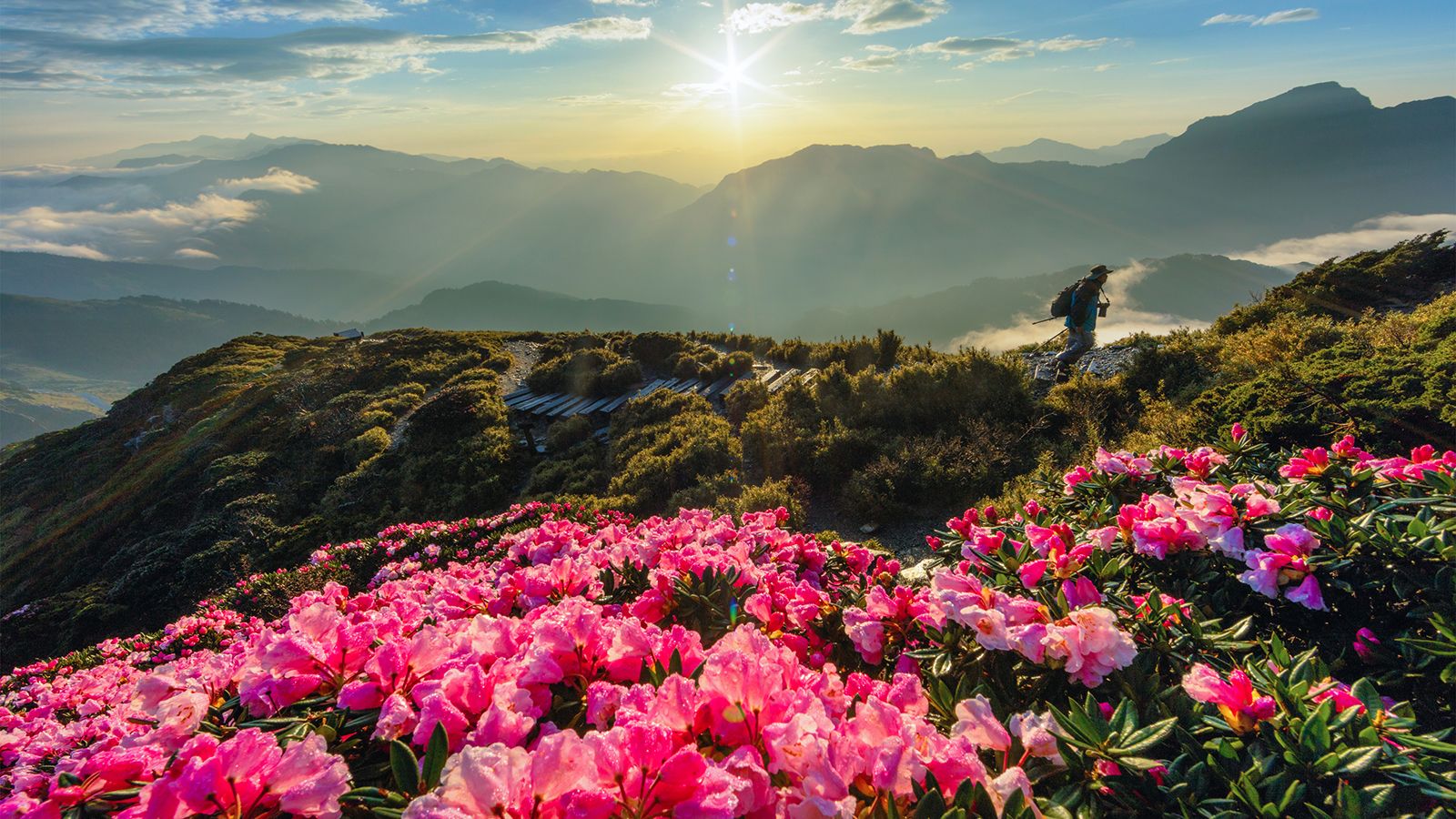
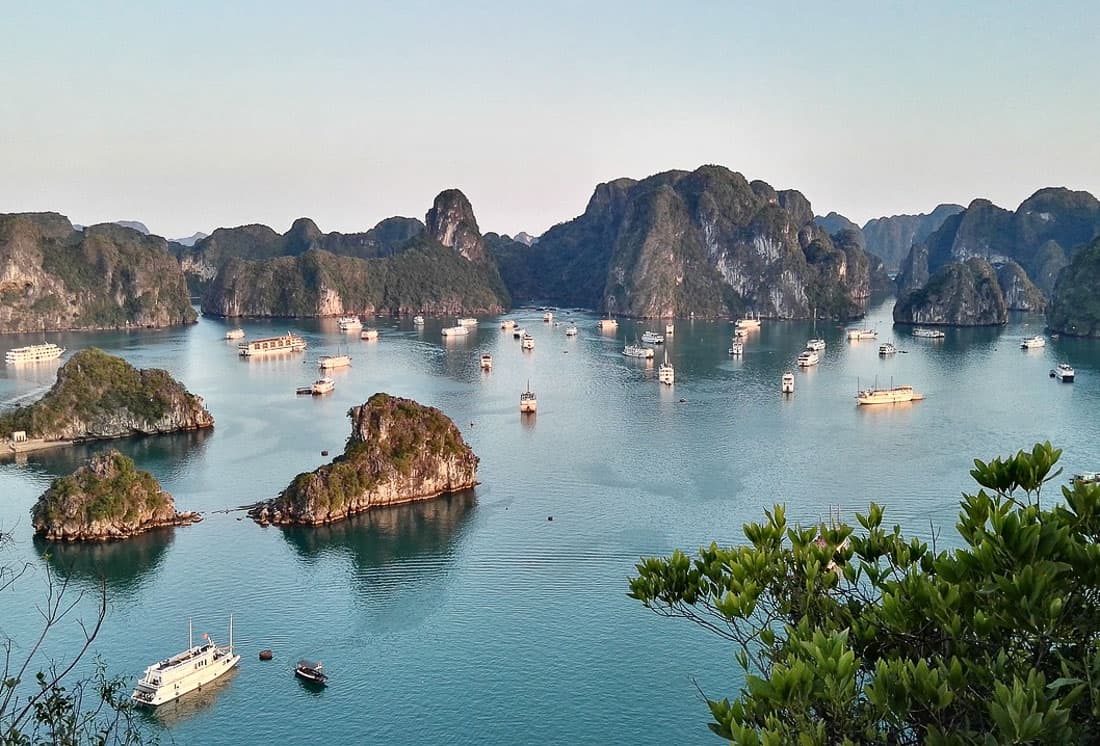
Taiwan’s natural beauty is often underestimated, but it truly is a hiker's paradise and a winner here due to its compact diversity and accessibility. Taroko Gorge National Park alone, with its marble cliffs, winding rivers, and scenic hiking trails like the Shakadang Trail, is worth the trip. You can reach it easily from Hualien by shuttle or scooter for around 200-500 TWD ($7-$17 USD). Beyond Taroko, there's the serene Sun Moon Lake, the volcanic landscapes of Yangmingshan National Park, and countless hot spring resorts like those in Beitou. All these are incredibly well-maintained and easily reached via public transport. Vietnam offers iconic landscapes like the emerald waters and towering limestone karsts of Ha Long Bay (a 2-day cruise starts from $100-$150 USD), the majestic terraced rice fields of Sapa (trekking tours from $50-$100 USD), and the bustling waterways of the Mekong Delta. While visually stunning, the sheer dramatic scale, infrastructure, and ease of access to diverse natural wonders in Taiwan give it the edge. 'Taroko Gorge blew my mind, it's like nothing else I've seen, and the trails were so well-kept,' shared a user on r/solotravel.
Winner takeaway
- Winner: Taiwan
- Why: Taiwan boasts an incredible diversity of dramatic, pristine, and highly accessible natural landscapes within a smaller geographical area.
- Who this matters for: Hikers, nature photographers, outdoor enthusiasts, and travelers who appreciate well-maintained parks.
📜 Culture & History
Vietnam takes the lead here for its deeply palpable and multifaceted history that profoundly shapes its identity today. From the ancient imperial city of Hue with its Forbidden Purple City (entrance 200,000 VND / $8 USD) and intricate tombs, to the charming lantern-lit streets of Hoi An's UNESCO Old Town, and the sobering war history evident in Ho Chi Minh City's War Remnants Museum (entrance 40,000 VND / $1.60 USD) and Cu Chi Tunnels, Vietnam offers an immersive journey through time. Its strong sense of national identity, shaped by centuries of resistance and resilience, is incredibly compelling. Taiwan's culture is a fascinating blend of Hokkien, Hakka, aboriginal, and Japanese influences, visible in its temples like Longshan Temple in Taipei, and its preserved old streets like Jiufen. However, Vietnam's historical narrative, particularly its more recent, impactful 20th-century history, offers a more 'raw' and emotionally resonant experience for many travelers. 'Walking through the Cu Chi Tunnels really puts things into perspective, it's a powerful history lesson you won't forget,' commented a user on r/travel.
Winner takeaway
- Winner: Vietnam
- Why: Vietnam offers a more 'raw' and deeply impactful historical journey, from ancient empires to its more recent war-torn past.
- Who this matters for: History buffs, those interested in geopolitical impacts, and travelers seeking profound cultural immersion.
🔒 Safety & Security
Taiwan is renowned globally as one of the safest destinations on Earth, making it a clear winner in this category. Violent crime is extremely rare, and petty theft is minimal, even in bustling cities like Taipei. You can comfortably walk alone at night, leave your belongings unattended for a moment (though not advisable anywhere!), and trust locals implicitly. People often leave their scooters with keys in the ignition, and bags on tables at cafes without a second thought. This sense of security significantly enhances the travel experience, especially for solo travelers and families. Vietnam is generally safe for tourists, but petty crime like bag snatching (especially from motorbikes), taxi scams, and overcharging are more prevalent in major cities like Ho Chi Minh City and Hanoi. While not dangerous, it requires a higher level of vigilance. 'In Taipei, I accidentally left my phone at a night market stall, went back an hour later, and it was still exactly where I left it. That's Taiwan for you,' a Reddit user shared on r/TaiwanTravel.
Winner takeaway
- Winner: Taiwan
- Why: Taiwan offers an exceptional level of safety and trustworthiness, allowing for worry-free exploration.
- Who this matters for: Solo travelers (especially females), families, first-time international travelers, and anyone prioritizing peace of mind.
🚇 Getting Around
Taiwan's infrastructure for getting around is simply phenomenal and a major reason why it’s such a joy to travel there. The High-Speed Rail (HSR) connects major cities from Taipei in the north to Kaohsiung in the south, taking just 1.5-2 hours for a trip that would take 4-5 hours by car, with tickets ranging from 400-1500 TWD ($13-$50 USD) depending on distance. The Taipei MRT is incredibly efficient, clean, and covers the entire city. Local buses are reliable, and renting a scooter for exploring rural areas (like Kenting or the East Coast) is straightforward and affordable, usually around 300-500 TWD ($10-$17 USD) per day. Vietnam’s transport is more of an adventure. While there's an extensive network of sleeper buses and trains connecting cities (e.g., an overnight sleeper bus from Hanoi to Hue can be 300,000-500,000 VND / $12-$20 USD), they can be slow and less comfortable. Intra-city, Grab (ride-sharing app for cars and motorbikes) is indispensable and incredibly cheap. However, the sheer volume and chaotic nature of motorbike traffic, especially in Ho Chi Minh City and Hanoi, can be daunting for newcomers. 'The HSR in Taiwan is a game-changer, I zipped from Taipei to Kaohsiung in two hours, hassle-free. So easy,' a traveler mentioned on r/travel.
Winner takeaway
- Winner: Taiwan
- Why: Taiwan offers superior, highly efficient, and incredibly comfortable public transport options nationwide.
- Who this matters for: Travelers who prioritize convenience, speed, and comfort in their transportation.
🏨 Accommodation
Vietnam wins for its sheer affordability and variety in accommodation, especially if you're on a budget. You can find a clean, private room in a guesthouse or a bed in a well-regarded hostel for as little as 150,000-300,000 VND ($6-$12 USD) in most major cities and towns. Mid-range hotels with excellent amenities and service often cost $30-$50 USD, offering incredible value. Even luxury resorts in places like Da Nang or Phu Quoc are significantly cheaper than their Western counterparts, with beautiful beachfront rooms starting around $70-$100 USD. Taiwan offers excellent quality, but at a higher price point. A well-rated hostel bed in Taipei will likely set you back 600-900 TWD ($20-$30 USD), while a decent hotel room starts around 1,800-3,000 TWD ($60-$100 USD). While boutique hotels in Taiwan are often stylish and impeccably clean, the price-to-quality ratio for budget and mid-range options in Vietnam is simply unmatched. 'I stayed in a private room with AC and breakfast in Hoi An for $10 a night, and it was cleaner than some hotels I've paid $50 for back home,' said a solo traveler on r/backpacking.
Winner takeaway
- Winner: Vietnam
- Why: Vietnam provides exceptional value and a wider range of budget-friendly accommodation options without sacrificing quality.
- Who this matters for: Budget travelers, backpackers, and those seeking luxury experiences at a fraction of the cost.
🏖️ Beaches & Coastal Life
If pristine sandy beaches and vibrant coastal towns are high on your list, Vietnam is undoubtedly the winner. Its long coastline boasts some truly spectacular stretches of sand. Phu Quoc island offers idyllic, palm-fringed beaches like Sao Beach, with crystal-clear waters perfect for swimming and snorkeling (island tours starting from $25-$40 USD). Da Nang's My Khe Beach is famous for its long, golden sands and proximity to the city, while Nha Trang is a bustling resort city known for its vibrant nightlife and watersports. You can easily spend days relaxing, diving, or enjoying fresh seafood by the sea. Taiwan's primary beach destination is Kenting National Park at its southern tip. While it has some pleasant beaches like Baisha Bay and Nanwan, they are generally smaller, often rockier, and don't quite compare to the scale and beauty of Vietnam's coastal offerings. Taiwan's natural beauty tends to lean more towards mountains and gorges rather than expansive sandy shores. 'Phu Quoc was a dream, endless white sand, cheap seafood, and just chill vibes. Taiwan's beaches are okay, but not even close,' a Reddit user posted on r/travel.
Winner takeaway
- Winner: Vietnam
- Why: Vietnam offers a far more extensive selection of world-class, picturesque beaches and vibrant coastal experiences.
- Who this matters for: Beach lovers, sun-seekers, divers, and those who want to incorporate relaxing seaside time into their trip.
🌃 Nightlife & Entertainment
While both countries offer lively nights, Taiwan (specifically Taipei) provides a more sophisticated and diverse nightlife experience, earning it the win. Taipei boasts trendy cocktail bars in areas like Xinyi District, sleek rooftop bars with stunning city views (e.g., W Taipei's WOOBAR or the rooftop at ATT 4 FUN), and a thriving club scene. Beyond the clubs, you have endless night markets that are an entertainment in themselves, opera, live music venues, and a huge karaoke (KTV) culture where you can rent private rooms for hours, typically costing 300-600 TWD ($10-$20 USD) per person. Vietnam’s nightlife is vibrant, particularly in the backpacker areas of Ho Chi Minh City (Bui Vien Street) and Hanoi (Old Quarter's Beer Street). Here you'll find cheap 'bia hoi' (fresh beer) for as little as 5,000 VND ($0.20 USD) a glass, lively open-air bars, and street parties. However, it often leans more towards a raucous backpacker vibe. Taiwan offers a wider spectrum, from high-end lounges to traditional tea houses that stay open late, catering to diverse preferences. 'Taipei's cocktail bar scene is seriously underrated, and after a few drinks, hitting a KTV with friends is peak fun, way beyond just getting drunk,' a traveler shared on r/Taiwan.
Winner takeaway
- Winner: Taiwan
- Why: Taiwan offers a more diverse, sophisticated, and varied nightlife, from high-end bars to unique cultural entertainment.
- Who this matters for: Urban explorers, cocktail enthusiasts, music lovers, and those seeking a more polished evening experience.
💻 Digital Nomad Suitability
This category is a tie because both countries offer unique advantages and disadvantages for digital nomads, appealing to different types of remote workers. Taiwan excels in stability, safety, and infrastructure; you'll find blazing-fast, reliable internet everywhere (often free Wi-Fi on public transport), a highly efficient society, and a sense of security that is unparalleled. Taipei has numerous co-working spaces (like FutureWard Central, around 6,000 TWD / $200 USD/month) and cafes with strong Wi-Fi. The downside is the higher cost of living compared to Southeast Asia, with apartment rentals in Taipei starting around 15,000-25,000 TWD ($500-$850 USD) for a small studio. Vietnam, on the other hand, offers an incredibly low cost of living, meaning your money goes much further. Cities like Da Nang, Hoi An, and Ho Chi Minh City have thriving expat and digital nomad communities, good internet speeds in cafes and co-working spaces (e.g., Space Coworking in Da Nang for 2,000,000 VND / $80 USD/month), and an exciting, vibrant culture. The main challenge for Vietnam is visa runs – most tourist visas are 30-90 days, requiring you to leave and re-enter. 'I can live like a king in Da Nang for $1000 a month all-in, but the visa situation is a constant headache. Taiwan would be easier but my budget would double,' commented a digital nomad on r/digitalnomad.
Winner takeaway
- Winner: Tie
- Why: Both offer distinct advantages: Taiwan for stability and infrastructure, Vietnam for extreme affordability and community, catering to different nomad priorities.
- Who this matters for: Digital nomads, remote workers, long-term travelers, and those weighing cost vs. comfort and visa ease.
❓ Frequently Asked Questions
Which country is better for solo female travelers?
Taiwan is exceptional for solo female travelers due to its incredibly low crime rates, trustworthy locals, and excellent public transportation. You'll feel safe exploring day and night. Vietnam is generally safe too, but solo female travelers might experience more unwanted attention or petty scams, requiring a bit more street smarts.
Are visas required for U.S. citizens for Taiwan and Vietnam?
U.S. citizens typically do not need a visa for stays of up to 90 days in Taiwan. For Vietnam, U.S. citizens generally need a visa, which can be obtained in advance online via an e-visa system or through an embassy, usually for 30 or 90 days.
Which destination is more English-friendly?
Taiwan is generally more English-friendly, especially in major cities like Taipei and in tourist areas, due to higher English education and a greater emphasis on international tourism. While English is spoken in tourist hubs in Vietnam, communication can be more challenging outside these areas, and Grab apps often help bridge the language gap.
What's the best time of year to visit each country?
For Taiwan, late October to April offers pleasant, cooler weather, avoiding the humid summer typhoons. For Vietnam, it's more varied: the north (Hanoi, Ha Long Bay) is best from October to April, central (Hoi An, Da Nang) is February to August, and the south (Ho Chi Minh City, Phu Quoc) is best from November to April, avoiding the rainy season.
Which country offers better shopping?
Taiwan, particularly Taipei, offers a superior shopping experience with modern malls like Taipei 101, bustling night markets for unique finds, and a strong electronics scene. Vietnam has vibrant markets (like Ben Thanh in HCMC) for souvenirs and local crafts, but less in terms of high-end or diverse retail compared to Taiwan.
Is it easy to get vegetarian/vegan food in both countries?
Both countries are surprisingly vegetarian-friendly! Taiwan has a significant Buddhist population, leading to many dedicated vegetarian restaurants (素食). Look for the '素' character. Vietnam also has many plant-based options due to its Buddhist influence and abundant fresh produce; 'chay' indicates vegetarian dishes, and 'ăn chay' means to eat vegetarian.
Which country has better healthcare access for travelers?
Taiwan has a world-class healthcare system that is modern, efficient, and readily accessible, even for foreigners, though costs can be high without travel insurance. Vietnam's healthcare system in major cities has improved, but quality can vary significantly outside of international clinics. Taiwan definitely offers more reliable and higher-quality medical access.
Can I use credit cards everywhere, or is cash king?
In Taiwan, credit cards are widely accepted in cities, major stores, and hotels, but cash is still essential for night markets and smaller local eateries. In Vietnam, cash is king, especially for street food, local shops, and smaller guesthouses. While credit cards are accepted in larger hotels and restaurants, always have plenty of VND on hand.
Ready to plan your East Asia adventure?
Get a free custom itinerary for Taiwan, Vietnam, or both — built from real traveler insights.
🎟️ Book Tours & Experiences
Hand-picked tours and activities for both destinations — book with free cancellation
Experiences via Viator — free cancellation on most tours