📋 Our Methodology
This comparison is built from real sources, not AI guesswork:
- 15+ Reddit threads from r/travel, r/TravelNoPics, r/AfricanTravel, r/solotravel synthesized
- Cost data from safari operator quotes and recent Reddit trip reports (2024–2026)
- Park fee data from official TANAPA and KWS websites
- Flight and visa information cross-checked with current requirements
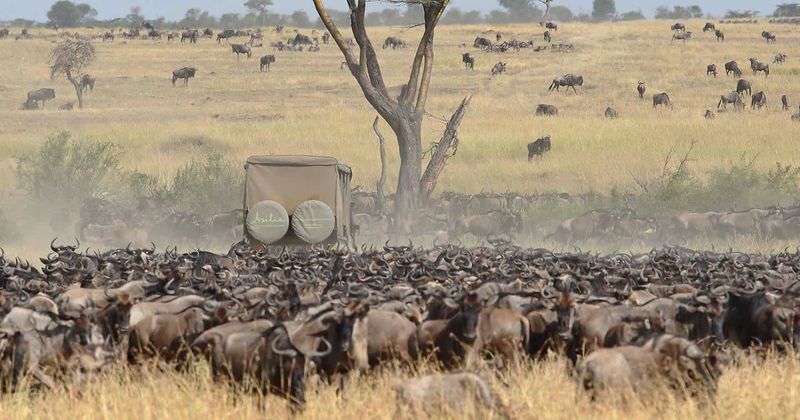
Tanzania — Serengeti Great Migration
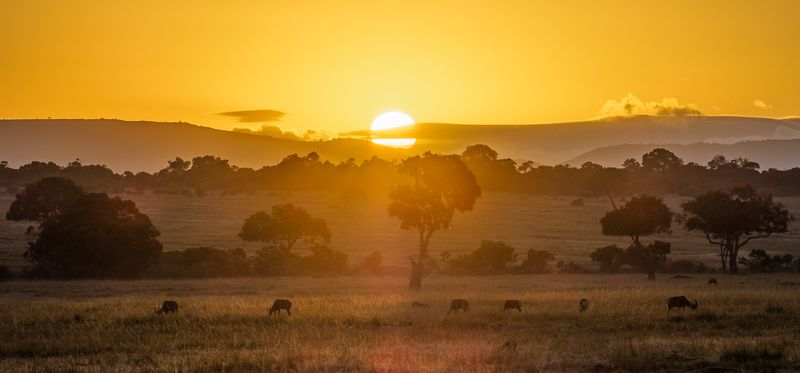
Kenya — Masai Mara at Sunset
⚡ The TL;DR Verdict
Tanzania wins for best safari experience + best beaches. Kenya wins for first-timers, budget travelers, and variety beyond wildlife. Both deliver world-class safari — you genuinely can't go wrong with either.
- Go to Tanzania if you want the Serengeti's vast wilderness, Ngorongoro Crater's concentrated wildlife, Zanzibar's world-class beaches, or to climb Kilimanjaro.
- Go to Kenya if you want easier logistics, lower costs, better flight connections, the iconic Masai Mara, and more to do beyond safari (Nairobi's food scene, Giraffe Manor, Diani Beach).
- Budget matters: Kenya is 15–25% cheaper for comparable safari quality — mid-range safaris run $300–500/day vs Tanzania's $350–600/day.
- Reddit is consistent: both are incredible, but Tanzania edges Kenya for pure safari, while Kenya is the easier, more accessible option.
🦁 Choose Tanzania if...
You want the ultimate safari experience — the Serengeti's endless plains, the Ngorongoro Crater, and Zanzibar's pristine beaches to recover afterward.
🦒 Choose Kenya if...
You want an accessible, affordable East Africa trip with great safari, city culture in Nairobi, and more variety in activities beyond game drives.
Quick Comparison
| Category | 🦁 Tanzania | 🦒 Kenya | Winner |
|---|---|---|---|
| Best Safari Park | Serengeti (14,763 km²) + Ngorongoro Crater | Masai Mara (1,510 km²) + Amboseli | Tanzania |
| Safari Cost (mid-range) | $350–600/person/day | $300–500/person/day | Kenya |
| Beaches | Zanzibar (Nungwi, Paje, Kendwa) | Diani Beach, Watamu, Lamu | Tanzania |
| International Access | Kilimanjaro (JRO) or Dar es Salaam (DAR) | Nairobi (NBO) — major hub, more direct flights | Kenya |
| Great Migration | Calving season (Jan–Mar), western corridor (Apr–Jun) | River crossings (Jul–Oct) — the iconic footage | Tie |
| Wildlife Density | Ngorongoro Crater = densest Big 5 on Earth | Masai Mara = excellent year-round game | Tanzania |
| Beyond Safari | Kilimanjaro, Zanzibar, Stone Town | Nairobi, Giraffe Manor, Mt Kenya, Diani | Kenya |
| Park Fees (per day) | $82/adult (Serengeti) + $70 (Ngorongoro) | $80/adult (Masai Mara) | Kenya |
| Visa | $50 on arrival / e-visa | $30 e-visa | Kenya |
| Solo Travel | Harder to organize independently | More group safari options, better backpacker scene | Kenya |
| Crowd Levels | Serengeti feels vast — fewer vehicles per sighting | Masai Mara can feel crowded at peak season | Tanzania |
| Overall Vibes | Remote, wild, immersive — serious safari energy | Accessible, varied, exciting — Africa-lite for newcomers | Tie |
🦁 Safari Experience
This is the question that drives most Tanzania-vs-Kenya debates: Serengeti or Masai Mara? Here's the thing most people don't realize — they're the same continuous ecosystem. The Serengeti-Mara ecosystem spans the Tanzania-Kenya border, and the Great Migration's 1.5 million wildebeest move freely between both. But the experience of visiting each is dramatically different.
The Serengeti is massive — 14,763 km², roughly the size of Connecticut. That scale means fewer vehicles per sighting, more time driving between encounters, and a genuinely wild, immersive feeling. Add the Ngorongoro Crater — a collapsed volcanic caldera where the Big 5 roam in a natural amphitheater — and Tanzania's safari camp options become hard to beat for pure wildlife density.
The Masai Mara is one-tenth the Serengeti's size (1,510 km²) but packs extraordinary game density into a smaller area. Year-round resident wildlife means excellent sightings even outside migration season. The Masai Mara lodges offer a range from budget camps to ultra-luxury, and the reserve is only a 45-minute flight or 5-hour drive from Nairobi.
"I much prefer the Masai Mara. It's easier to access, is cheaper and I've had better sightings." — u/saracenraider, r/travel
"Masai Mara is only in Kenya and Serengeti is in Tanzania. It's the same park. Having been to both many times, I much prefer the Masai Mara." — u/saracenraider, r/travel
🔍 What this means for your trip
- Tanzania: fly into Kilimanjaro, do Ngorongoro (1–2 nights) → Serengeti (2–3 nights) for the classic circuit
- Kenya: Masai Mara is best as a 3-night stay — enough for multiple game drives without rushing
- Both: book a safari with a reputable operator; self-driving is possible in Kenya but very unusual in Tanzania's parks
🏖️ Beaches
Zanzibar is Tanzania's trump card beyond safari. This semi-autonomous archipelago off Tanzania's coast offers some of the finest beaches in the Indian Ocean — white sand, turquoise water, and a UNESCO World Heritage old quarter in Stone Town that's unlike anywhere else in East Africa. The east coast beaches (Paje, Jambiani, Nungwi, Kendwa) are postcard-perfect, with kite surfing, snorkeling, and spice farm tours as bonus activities. Budget guesthouses start at $30/night; luxury resorts run $300–800/night.
Kenya's Diani Beach is a 10 km stretch of white sand on the south coast, about 30 minutes from Mombasa. It's excellent — consistently rated among Africa's best beaches — with warm water year-round, water sports, and good hotel infrastructure. Watamu (north coast) offers a marine national park for snorkeling, and Lamu is a car-free island with Swahili architecture and a quiet, off-the-beaten-path feel. But none of Kenya's beach options match Zanzibar's combination of beauty, culture, and variety.
"Zanzibar was incredible." — u/65sickelk, r/travel
🔍 What this means for your trip
- Zanzibar: budget 3–4 nights minimum. Split between Stone Town (1–2 nights for culture) and east coast beach (2+ nights)
- Diani Beach: easily accessible as a 2–3 night beach add-on after a Kenya safari — 1-hour flight from Nairobi to Mombasa
- Both: the Indian Ocean coast is warmest and calmest December–March and June–October
💰 Cost Comparison
| Expense | 🦁 Tanzania | 🦒 Kenya |
|---|---|---|
| Budget safari (per day) | $150–250 (camping safari) | $150–250 (group safari) |
| Mid-range safari (per day) | $350–600 (lodge-based) | $300–500 (lodge-based) |
| Luxury safari (per day) | $600–1,500+ (private concessions) | $600–1,200+ (conservancies) |
| Park fees (Serengeti/Mara) | $82/adult/day | $80/adult/day |
| Ngorongoro Crater fee | $70/adult + $295/vehicle | N/A |
| Domestic flight | $200–400 (JRO→Serengeti) | $150–300 (NBO→Mara) |
| Visa | $50 | $30 |
| Beach accommodation | $30–800/night (Zanzibar range) | $50–500/night (Diani range) |
| 7-day mid-range trip | $2,800–4,500/person | $2,200–3,800/person |
Kenya is consistently 15–25% cheaper for comparable safari experiences. The main cost drivers in Tanzania are higher park fees (especially Ngorongoro's additional $70/person + $295/vehicle), longer internal transfers (the Serengeti is remote), and less competition in the mid-range segment. Kenya's safari market is more competitive, with more operators offering group safaris that bring per-person costs down.
That said, Tanzania offers better value at the budget end — camping safaris in the Serengeti start around $150/day and deliver authentic bush experiences. And Zanzibar's budget accommodation ($30–60/night for excellent guesthouses) is cheaper than Diani's equivalent.
🔍 What this means for your trip
- Kenya budget hack: join a group safari departing Nairobi — 3-day Masai Mara trips start around $450–600/person all-inclusive
- Tanzania budget hack: camping safaris are the sweet spot — $150–250/day gets you the same parks as the $600/night lodges
- Both: book 3–6 months ahead for better rates, especially during migration season (Jul–Oct)
🚌 Getting There & Logistics
Kenya wins logistics decisively. Nairobi's Jomo Kenyatta International Airport (NBO) is East Africa's main hub — direct flights from London, Amsterdam, Dubai, New York (via Ethiopian/Emirates), and dozens of other cities. Once in Nairobi, the Masai Mara is a 45-minute domestic flight ($150–300) or a 5-hour drive. Kenya's safari infrastructure is mature, with well-maintained roads between major parks and a strong network of domestic airlines (SafariLink, AirKenya).
Tanzania's main entry points are Kilimanjaro International Airport (JRO) and Dar es Salaam (DAR). Fewer direct international flights mean most travelers connect through Nairobi, Addis Ababa, or Dubai. Getting to the Serengeti requires a domestic flight (JRO/DAR to Seronera, $200–400) or a long drive (8+ hours from Arusha). The Ngorongoro Crater is closer — about 3–4 hours from Arusha. Tanzania's road infrastructure is improving but still rough in many safari areas.
"Can't go wrong with either. Went to Kenya last year and it was awesome, chose Kenya mainly due to flight options" — u/bengtc, r/travel
Both countries offer visa on arrival — Kenya's e-visa ($30) can be done online before travel, while Tanzania charges $50 at the airport. The East Africa Tourist Visa ($100) covers Kenya, Uganda, and Rwanda if you're combining countries.
🔍 What this means for your trip
- Kenya: Nairobi → Masai Mara flights run 2–3 times daily; book in advance during migration season
- Tanzania: fly into Kilimanjaro (JRO) for northern circuit parks; fly into Dar es Salaam only if heading to Zanzibar first
- Combining both: the Nairobi–Kilimanjaro flight is just 1 hour; bus takes 5–6 hours via the Namanga border
☀️ Best Time to Visit
The Great Migration Calendar
The Great Migration is the single biggest factor in timing your visit. Here's where the 1.5 million wildebeest are throughout the year:
| Period | 🦁 Tanzania | 🦒 Kenya |
|---|---|---|
| Jan–Mar | CALVING SEASON — Southern Serengeti. 500K+ calves born. Predator action peaks. | Good game viewing in Mara. Green season, fewer tourists. |
| Apr–May | Long rains. Some camps close. Herds moving north. Cheapest rates. | Long rains. Avoid if possible. Cheapest rates. |
| Jun | Herds in western Serengeti corridor. Grumeti River crossings begin. | Dry season begins. Excellent game viewing starts. |
| Jul–Oct | Herds moving north toward Kenya border. | RIVER CROSSINGS — Masai Mara. The iconic footage. Peak season. |
| Nov–Dec | Short rains. Herds returning south. Green, beautiful, fewer crowds. | Short rains. Good value. Migration departing Mara. |
Both countries have excellent safari year-round — the Big 5 are resident in both the Serengeti and Masai Mara regardless of migration timing. The long rains (April–May) are the only period to genuinely avoid, as some roads become impassable and some camps close.
For non-migration safari, the dry season (June–October) is best in both countries — vegetation thins, animals concentrate around water sources, and game viewing is easiest. The green season (November–March) offers lower prices, lush scenery, baby animals, and fewer tourists.
🔍 What this means for your trip
- Peak migration season (Jul–Oct) means peak prices and peak crowds in the Masai Mara — book 6+ months ahead
- Tanzania's calving season (Jan–Mar) is equally spectacular but less crowded — it's the insider pick
- Both: avoid April–May (long rains) unless you specifically want budget rates and don't mind some logistical challenges
🎒 Beyond Safari
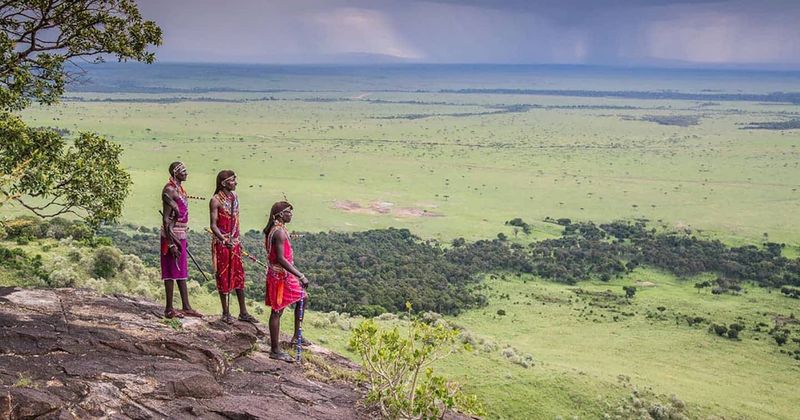
Kenya offers more variety beyond the game drive. Nairobi is a genuine city worth exploring — the rooftop bar scene is surprisingly good, the food culture blends Swahili, Indian, and international flavors, and iconic experiences like the Sheldrick Elephant Orphanage and Giraffe Centre are unique to Nairobi. The nyama choma (grilled meat) scene is a must. Mt Kenya (Africa's second-highest peak) offers serious trekking. Diani Beach delivers a proper beach holiday. Lake Nakuru and Lake Naivasha provide different ecosystems within easy reach.
Tanzania's non-safari highlights are fewer but bigger. Kilimanjaro — Africa's highest peak at 5,895m — is a bucket-list climb that draws 35,000+ trekkers annually. The coffee farm tours around Kilimanjaro are a hidden gem. Zanzibar's Stone Town is a UNESCO World Heritage site with centuries of Swahili, Arab, and European influence. The spice tours are a unique cultural experience. But beyond these, Tanzania has less developed tourism infrastructure for non-safari activities.
"Amboseli is awesome for elephants but not much else. If you haven't been on safari before you'll probably be disappointed as the variety isn't really there." — u/saracenraider, r/travel
"If you can afford it, giraffe manor in Nairobi is very very cool. Expensive but a once in a lifetime experience." — u/saracenraider, r/travel
🔍 What this means for your trip
- Kenya: budget 1–2 days in Nairobi before/after safari — the Elephant Orphanage (morning only), Giraffe Centre, and Karen Blixen Museum are all in the Karen area
- Tanzania: if climbing Kilimanjaro, budget 6–8 days for the trek plus 1–2 recovery days before Zanzibar
- Both: South Africa vs Kenya is also worth considering if variety is your top priority
🦒 Wildlife & Diversity
Both countries offer the full Big 5 (lion, leopard, elephant, buffalo, rhino), but the distribution and density differ significantly.
Tanzania's Wildlife Edge
The Ngorongoro Crater has the highest density of Big 5 animals on Earth — roughly 25,000 large animals in a 264 km² caldera. You're virtually guaranteed to see lions, elephants, buffalo, and black rhino in a single game drive. The Serengeti's sheer size means more diversity of habitat — from grassland plains to riverine forest to kopje (granite outcrops) — supporting a wider range of species. Tanzania also has Mahale Mountains and Gombe Stream for chimpanzee trekking, a unique experience not available in Kenya.
Kenya's Wildlife Strengths
Amboseli National Park offers the most iconic elephant viewing on the continent — massive tuskers framed against Kilimanjaro's snow-capped peak. The Masai Mara's year-round resident wildlife includes large lion prides, cheetahs (the Mara is one of the best places in Africa for cheetah sightings), and excellent leopard viewing. Lake Nakuru is famous for flamingos (though numbers vary seasonally), and Samburu in northern Kenya hosts unique species found nowhere else: Grevy's zebra, reticulated giraffe, and gerenuk.
Neither country offers gorilla trekking — for that you need Uganda or Rwanda. Both countries have hippos, crocodiles, and prolific birdlife (Tanzania has 1,100+ species; Kenya has 1,000+).
🔍 What this means for your trip
- Tanzania: Ngorongoro Crater is non-negotiable — budget at least 1 full game drive day (descent at dawn, ascend by late afternoon)
- Kenya: combine Masai Mara with Amboseli (elephants) or Samburu (unique northern species) for ecosystem variety
- Both: hire a good guide — they know where the animals are and their knowledge transforms a good safari into an extraordinary one
🔀 Decision Framework: Choose Your Destination
🦁 Choose Tanzania if...
- You want the most epic, immersive safari experience possible
- The Serengeti's endless plains and Ngorongoro Crater are on your bucket list
- You want world-class beaches on Zanzibar after your safari
- Climbing Kilimanjaro is part of your plan
- You prefer fewer tourists and a wilder, more remote feel
- Calving season (Jan–Mar) wildlife drama appeals to you
- Budget is flexible and you prioritize experience over cost
🦒 Choose Kenya if...
- This is your first time in Africa and you want an easier entry point
- Budget is a priority — Kenya is 15–25% cheaper for comparable safari
- Better international flight connections matter (Nairobi is a major hub)
- You want variety beyond safari — city culture, food, historical sites
- The iconic Mara River crossings (Jul–Oct) are what you're after
- You're a solo traveler looking for group safari options
- You want to combine with other East African countries easily
"Kenya has more variety of things to do but Tanzania seems to offer better safari and beaches." — r/travel
A note on combining both: it's very doable and increasingly popular. A classic 12–16 day route is Nairobi (2 nights) → Masai Mara (3 nights) → fly to Kilimanjaro → Ngorongoro (1–2 nights) → Serengeti (2–3 nights) → fly to Zanzibar (3–4 nights). The East Africa Tourist Visa ($100) covers multiple entries to Kenya.
❓ Frequently Asked Questions
Is Tanzania or Kenya better for a first safari?
Both are excellent for first-timers, but Kenya is slightly easier for safari beginners. Nairobi has more direct international flights, the Masai Mara is only a short domestic flight or 5-hour drive from the capital, and Kenya's safari infrastructure is more geared toward mid-range budgets. Tanzania's Serengeti requires more logistics but delivers a more immersive, wilder safari experience. If budget and ease matter most, start with Kenya. If you want the most epic wildlife spectacle possible, go Tanzania.
Which is cheaper, a Tanzania safari or Kenya safari?
Kenya is generally 15–25% cheaper for comparable safari experiences. A mid-range Kenya safari runs $300–500/person/day including accommodation, game drives, and meals. Tanzania's equivalent costs $350–600/person/day, partly due to higher park fees. Budget safaris starting at $150–250/day exist in both countries but are more readily available in Kenya. Luxury options ($600+/day) are expensive in both but Tanzania's exclusive concessions command a premium.
Should I visit the Serengeti or Masai Mara?
They're actually the same continuous ecosystem — the Serengeti-Mara ecosystem spans the Tanzania-Kenya border. The Serengeti is vastly larger (14,763 km² vs 1,510 km²), meaning fewer vehicles per sighting and a more remote feel. The Masai Mara is more accessible, slightly cheaper, and offers excellent year-round game viewing. Reddit travelers who've done both often prefer the Mara for convenience but acknowledge the Serengeti's sheer scale is unmatched.
Can you combine Tanzania and Kenya in one trip?
Yes, and it's a popular route. A classic combo is Masai Mara (3 nights) + Serengeti/Ngorongoro (4–5 nights) + Zanzibar (3–4 nights). Budget 12–16 days minimum for a meaningful combo trip. The East Africa Tourist Visa ($100) covers both countries. Fly Nairobi → Kilimanjaro (1 hour) or cross overland via the Namanga border (5–6 hours by bus).
Is Zanzibar or Diani Beach better for a post-safari beach break?
Zanzibar is the more famous and culturally rich option — Stone Town's UNESCO-listed old quarter, spice tours, and pristine east coast beaches (Nungwi, Paje, Kendwa) make it a destination in its own right. Diani Beach in Kenya is a beautiful white-sand stretch with excellent resort infrastructure and easier access from Nairobi. For a richer overall experience, Zanzibar wins. For quick, easy beach access after a Kenya safari, Diani is hard to beat.
When is the best time to see the Great Migration?
The Great Migration moves year-round between Tanzania and Kenya. The famous Mara River crossings happen July–October in Kenya's Masai Mara. The calving season (January–March) happens in Tanzania's southern Serengeti — 500,000+ calves are born in a 2–3 week window, attracting predators. April–June the herds move through the western Serengeti corridor. There's no bad time — just different spectacles in different locations.
Do I need a visa for Tanzania and Kenya?
Both countries offer visa on arrival for most nationalities. Kenya's eVisa costs $30 and can be applied for online. Tanzania's visa on arrival costs $50. The East Africa Tourist Visa ($100) covers Kenya, Uganda, and Rwanda — useful if combining countries. Both visas are valid for 90 days. Always check current requirements before departure.
Is it safe to travel in Tanzania and Kenya?
Both countries are generally safe for tourists, especially within safari circuits and established tourist areas. Standard precautions apply: avoid walking alone at night in cities, use registered taxis, and keep valuables secure. Safari lodges and national parks are extremely safe. Both countries have well-established tourism industries with experienced operators who prioritize guest safety.
Ready to plan your East African safari?
Get a free personalized itinerary from tabiji — built around your schedule, budget, and travel style.
🎟️ Book Tours & Experiences
Hand-picked tours and activities for both destinations — book with free cancellation
Experiences via Viator — free cancellation on most tours