How we built this comparison
This page combines traveler discussion patterns, published price ranges, flight schedules, and seasonal data to help you decide between Tashkent and Samarkand.
- Reviewed 50+ Reddit threads from r/travel, r/solotravel, r/UzbekistanTravel, and r/AsiaTravel for real traveler experiences and advice.
- Verified costs and logistics against current booking platforms (e.g., booking.com, Google Flights, Uzbek Railways) and recent travel blogs.
- Cross-referenced seasonal patterns and weather data with local insights to provide optimal travel timing recommendations.
⚡ The TL;DR Verdict
Tashkent is for those who crave a modern, vibrant capital with a surprising Soviet past and an eye on the future, ideal for a budget of $40-70/day. Samarkand, however, is the quintessential Silk Road dream, best for history buffs and photographers on a similar $45-80/day budget, focused purely on ancient grandeur. For the full experience, combining both for a week offers the perfect balance.
- Choose Tashkent: Pick Tashkent if you love exploring a bustling, modern city with a rich Soviet-era history, diverse food scene, and a vibrant nightlife, seeking to understand contemporary Uzbek life.
- Choose Samarkand: Choose Samarkand if your priority is awe-inspiring ancient architecture, deep historical immersion into the Silk Road's golden age, and postcard-perfect photo opportunities around every corner.
- Choose Both: Combine both cities for 7-10 days to get a comprehensive view of Uzbekistan, easily connecting via the high-speed Afrosiyob train to experience both the modern pulse and the ancient grandeur.
Quick Comparison
| Category | Tashkent | Samarkand | Winner |
|---|---|---|---|
| Culture & History | Modern museums, Soviet architecture, and insights into contemporary Uzbek identity, with pockets of older charm. | Unparalleled ancient Silk Road monuments, breathtaking Islamic architecture, and a deep dive into Timurid history. | Samarkand |
| Food Scene | Diverse culinary options, from traditional Uzbek to international, with trendy cafes and upscale restaurants. | Excellent traditional Uzbek cuisine, particularly famous for its plov, but with fewer international options. | Tashkent |
| Nightlife & Entertainment | Vibrant and varied nightlife with bars, clubs, live music venues, and cultural performances. | Very limited nightlife, focused mostly on quiet dinners or evening strolls around illuminated historical sites. | Tashkent |
| Costs & Budget | Generally affordable for a capital city, with a wide range of budget to luxury options across all categories. | Very affordable, though tourist-centric areas might have slightly inflated prices for souvenirs and guides. | Tie |
| Getting There & Around | Main international airport, efficient metro system, and central hub for high-speed trains to other cities. | Smaller international airport, walkable city center, and well-connected by high-speed train to Tashkent. | Tashkent |
| Accommodation | Wide range of accommodations, from international luxury chains to boutique hotels and budget hostels. | Charming guesthouses and boutique hotels near historical sites, with fewer luxury or extensive budget options. | Tashkent |
| Day Trips & Nature | Proximity to mountains, lakes, and resorts for outdoor activities and natural beauty. | Fewer direct nature-focused day trips, though historical sites in surrounding areas are accessible. | Tashkent |
| Shopping | Modern shopping malls, large traditional bazaars, and a wider variety of goods, from local crafts to international brands. | Iconic traditional bazaars and numerous souvenir shops around major historical sites, specializing in local crafts. | Tashkent |
| Vibe & Atmosphere | Bustling, modern capital with wide boulevards, green parks, and a blend of Soviet and contemporary architecture. | Enchanting, ancient Silk Road city with a magical, timeless atmosphere, especially around its grand monuments. | Samarkand |
| Safety & Solo Travel | Generally safe for a capital city, with standard big-city precautions advisable; excellent for solo exploration. | Extremely safe and welcoming, with a relaxed pace that makes solo travel particularly comfortable and easy. | Samarkand |
🕌 Culture & History
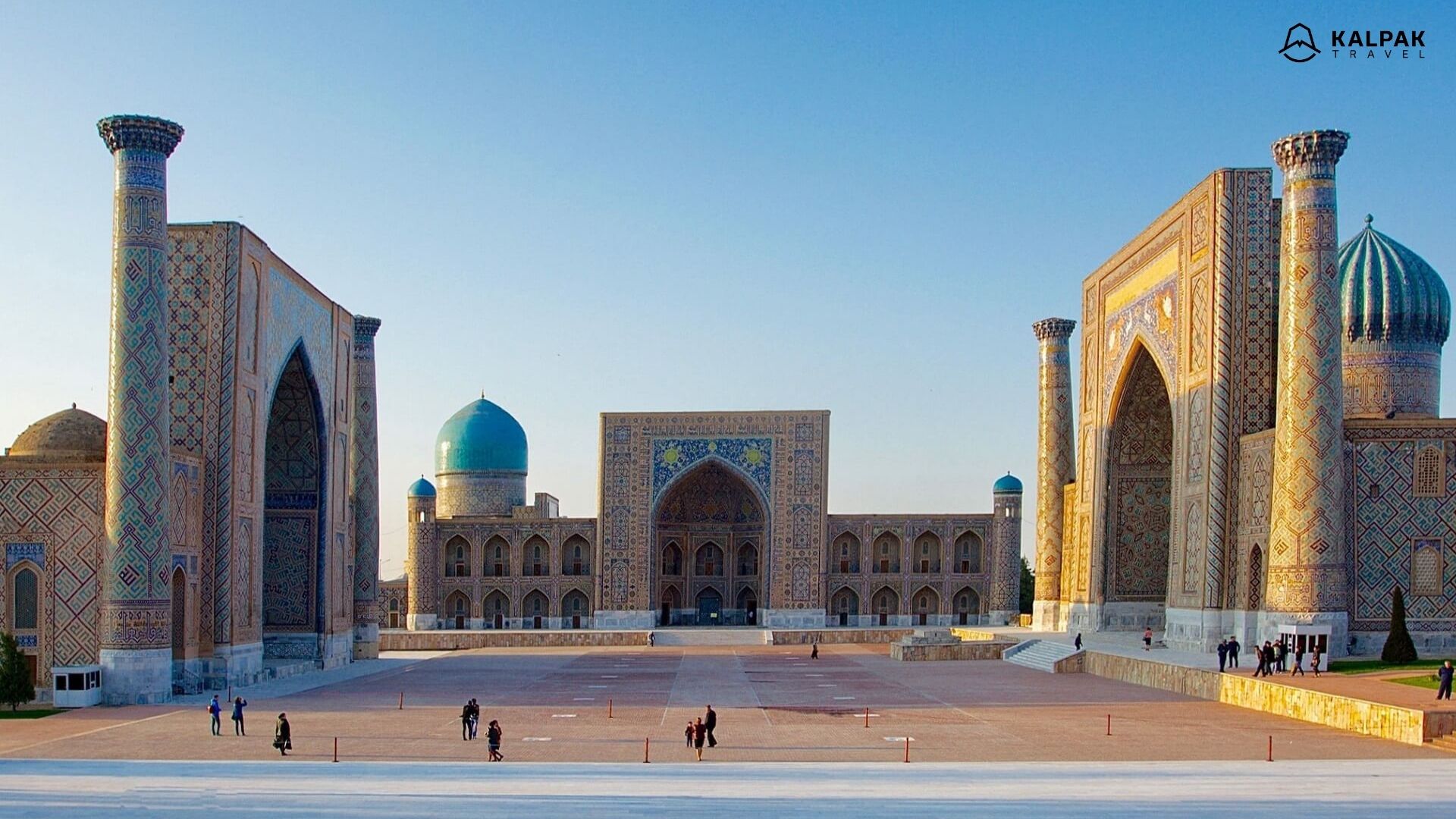
When it comes to sheer historical impact and visual grandeur, Samarkand is in a league of its own. The Registan Square, with its three magnificent madrassas (Ulugbek, Sher-Dor, and Tilya-Kori), is one of the most iconic sights in Central Asia, especially stunning at sunset. Beyond the Registan, sites like the Bibi-Khanym Mosque and the Shah-i-Zinda necropolis offer intricate tilework and centuries of history that feel palpable. Entrance fees for major sites typically range from 50,000-80,000 UZS (approx. $4-7). Tashkent, while boasting excellent museums like the State Museum of History of Uzbekistan and the Amir Timur Museum, and impressive Soviet-era architecture like the grand metro stations, simply cannot compete with Samarkand's ancient wonders. Tashkent's history is more about resilience and rebuilding, offering a different, albeit valuable, historical perspective focused on its modern evolution rather than ancient relics. "Samarkand just hit different, man. Like stepping into a fairytale. Tashkent was cool for a day or two to see the Soviet stuff, but Samarkand is the reason you go to Uzbekistan."
Winner takeaway
- Winner: Samarkand
- Why: Samarkand offers an unmatched concentration of world-class ancient Silk Road historical sites and architectural marvels.
- Who this matters for: History buffs, architecture enthusiasts, and photographers seeking iconic, ancient wonders.
🍽️ Food Scene
Tashkent, as a bustling capital, offers a far more diverse and dynamic food scene than Samarkand. You can find everything from authentic Uzbek staples to surprisingly good international cuisine. Must-visits include the Central Asian Plov Centre for the quintessential Uzbek dish, where massive cauldrons of plov are cooked daily (a plate costs around 25,000-40,000 UZS, ~ $2-3.50). For a more upscale traditional experience, 'Samarkand Restaurant' (in Tashkent, confusingly) or 'Afsona' are great. Tashkent also excels in its cafe culture, with places like 'Chaykof' or 'Paparazzi' offering great coffee and pastries. Samarkand certainly has fantastic traditional food – their plov is legendary, and local restaurants around Siyob Bazaar offer delicious shashlik (skewers) and samsa (savory pastries). However, beyond traditional fare, options are limited. You'll eat well in Samarkand, but Tashkent provides more variety, innovation, and international flavors for a longer stay. Expect a good meal in Tashkent to cost 40,000-80,000 UZS (~$3.50-7) at a mid-range spot. "Tashkent's food scene surprised me. So many cool cafes and good restaurants beyond just plov. Samarkand was good but felt more touristy, same few dishes everywhere."
Winner takeaway
- Winner: Tashkent
- Why: Tashkent boasts a broader, more diverse, and innovative culinary landscape with excellent traditional and international options.
- Who this matters for: Foodies, those seeking culinary variety, and travelers looking for modern dining experiences.
🎶 Nightlife & Entertainment
Tashkent is undeniably the hub for nightlife and entertainment in Uzbekistan. As the capital, it offers a range of options from trendy cocktail bars to energetic nightclubs. Popular spots include 'Studio', a multi-level club with different music zones, or 'Shisha Bar' for a more relaxed evening with hookah and drinks. You'll find local craft beers for around 20,000-35,000 UZS (approx. $1.70-3) and cocktails typically starting from 60,000 UZS (~$5). Beyond bars and clubs, Tashkent also has a thriving performing arts scene with several theaters, opera, and ballet houses. Samarkand, in stark contrast, is largely quiet after dark. The primary evening 'entertainment' involves strolling around the beautifully illuminated Registan Square, which is an experience in itself, but not a lively nightlife. Some hotels might have small bars, but don't expect booming clubs or late-night venues. For those who enjoy unwinding with a drink and some music, Tashkent is the clear choice. "If you want to actually go out and have some fun after dinner, Tashkent is your only real option. Samarkand is gorgeous at night, but it's more about quiet contemplation than partying."
Winner takeaway
- Winner: Tashkent
- Why: Tashkent, as the capital, offers a diverse and active nightlife scene with numerous bars, clubs, and entertainment venues.
- Who this matters for: Younger travelers, party-goers, and anyone looking for evening entertainment beyond dinner.
💰 Costs & Budget
Both Tashkent and Samarkand are incredibly budget-friendly destinations by Western standards, making it hard to declare a clear winner, as costs largely depend on travel style. A comfortable daily budget for independent travelers in either city can range from $40-80 (480,000-960,000 UZS), covering mid-range accommodation, meals, and site entries. Hostel beds typically cost $10-15 (120,000-180,000 UZS) per night, while a good mid-range hotel is around $30-60 (360,000-720,000 UZS). Local transport via Yandex Go taxi apps or the metro (Tashkent) is exceptionally cheap, often just a few dollars for a ride. Food in both cities is inexpensive, with local meals costing $3-7. Where they differ slightly: Tashkent might offer more extreme budget options for accommodation and a wider array of affordable local eateries outside tourist zones, simply due to its size. Samarkand, while still cheap, has a slightly higher concentration of tourist-oriented shops and services where prices might be inflated. However, these differences are marginal. "Honestly, both cities are super cheap. You can eat like a king for ten bucks. Just haggle a bit at the bazaars in Samarkand, and you're golden. Tashkent metro is almost free!"
Winner takeaway
- Winner: Tie
- Why: Both cities offer exceptional value for money, with very similar daily budget requirements for typical travelers.
- Who this matters for: Budget-conscious travelers and those looking for an affordable yet rich travel experience.
✈️ Getting There & Around
Tashkent is the undisputed transportation hub of Uzbekistan. Tashkent International Airport (TAS) is the largest and busiest, offering the most international connections, making it the most logical entry and exit point for most travelers. Within the city, Tashkent boasts Central Asia's only metro system, known for its ornate, Soviet-era stations, which is incredibly efficient and costs only 2,000 UZS (~$0.17) per ride. For longer distances, ride-hailing apps like Yandex Go are cheap and readily available. Crucially, Tashkent is the main departure point for the high-speed Afrosiyob train, which connects it to Samarkand, Bukhara, and other key cities. The journey to Samarkand takes a comfortable 2 to 2.5 hours and costs around 240,000-360,000 UZS (approx. $20-30). Samarkand also has an international airport, but with fewer direct flights. Its city center is highly walkable, especially around the Registan and Bibi-Khanym, but you'll still need taxis or local buses for sites further out like Shah-i-Zinda. The ease of international arrival and the superior domestic transport network make Tashkent the winner for connectivity. "Flying into Tashkent is just way easier. Then you hop on the Afrosiyob, and two hours later you're in Samarkand. Smooth as butter. And that metro in Tashkent is a marvel!"
Winner takeaway
- Winner: Tashkent
- Why: Tashkent serves as the primary international gateway and central transport hub for all of Uzbekistan, offering superior connectivity.
- Who this matters for: Travelers seeking convenient international access and efficient domestic transportation options.
🏨 Accommodation
Tashkent offers a more comprehensive and diverse range of accommodation options, catering to every budget and preference. Here, you'll find international luxury chains like the Hyatt Regency Tashkent (often $150-250/night), mid-range hotels such as the Ichan Qala Premium Class Hotel (around $60-100/night), and numerous budget-friendly hostels like Amir Hostel or Top Hostel (dorm beds $10-15/night). This variety ensures that whether you're a backpacker or a business traveler, you'll find something suitable. Samarkand, while featuring charming boutique hotels and guesthouses often run by local families, typically around $40-80/night (e.g., Platan Hotel, Registon Saroy), has fewer high-end international options and less extensive choices at the extreme budget end. Many of Samarkand's accommodations are concentrated near the main historical sites, which is convenient but can also mean less variety outside that specific area. Tashkent's larger scale simply allows for a broader market of hotels, apartments, and hostels. "Tashkent has way more options, especially if you're looking for something specific, like a big chain hotel or a super cheap hostel. Samarkand's places are lovely, very authentic, but the choice is narrower."
Winner takeaway
- Winner: Tashkent
- Why: Tashkent provides a significantly wider array of accommodation types and price points, from luxury to budget.
- Who this matters for: Travelers with specific accommodation preferences or those seeking a broad range of choices.
⛰️ Day Trips & Nature
Tashkent wins this category due to its convenient access to the Chimgan Mountains and Charvak Lake, which offer a refreshing escape from city life and opportunities for outdoor activities. Just a 1.5-2 hour drive from the city, these areas are popular for skiing and snowboarding in winter (lift passes around 150,000 UZS / ~$12 for a day) and hiking, swimming, and boating in summer. There are cable cars offering panoramic views and plenty of fresh air. While Samarkand doesn't have such easily accessible natural retreats, it does offer historical day trips to places like Shakhrisabz, the birthplace of Tamerlane, which is a UNESCO World Heritage site about a 1.5-hour drive away. However, these are more extensions of its historical appeal rather than nature-focused excursions. For those looking to combine cultural exploration with some time in nature, Tashkent serves as a better base. "If you want to hit the mountains or a lake, Tashkent is the clear choice. We did a day trip to Chimgan, and it was a nice break from city life, totally different vibe. Samarkand is all about the ancient stuff, not much green space nearby."
Winner takeaway
- Winner: Tashkent
- Why: Tashkent offers easy access to natural attractions like mountains and lakes for outdoor activities.
- Who this matters for: Nature lovers, active travelers, and those seeking a respite from urban environments.
🛍️ Shopping
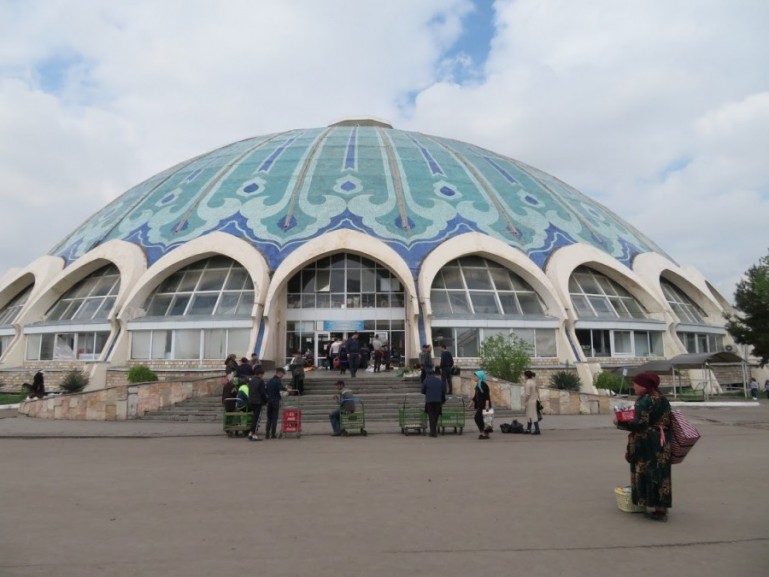
Tashkent provides a superior shopping experience due to its sheer scale and variety. The iconic Chorsu Bazaar is a must-visit, offering everything from spices and fresh produce to clothing and household goods, all under its distinctive green domes. Bargaining is expected, and you can find unique items for a few dollars. Beyond traditional bazaars, Tashkent also boasts modern shopping malls like Tashkent City Mall and Samarkand Darvoza, where you can find international brands, electronics, and contemporary fashion. The Alay Bazaar is another excellent spot for fresh food and local treats. Samarkand's shopping is more concentrated on traditional crafts and souvenirs, primarily found around the Siyob Bazaar adjacent to the Bibi-Khanym Mosque, and in countless stalls near the Registan. You'll find beautiful ceramics, intricate textiles, and wood carvings, but the options for non-touristy items or modern goods are limited compared to the capital. While Samarkand is perfect for traditional souvenirs, Tashkent offers a more comprehensive retail experience. A hand-painted ceramic plate in Samarkand might be 50,000-100,000 UZS (~$4-8), while in Tashkent you have options for both high-end and budget souvenirs. "Tashkent has it all for shopping – the massive Chorsu market for local stuff and actual modern malls if you need anything else. Samarkand's bazaars are great for souvenirs, but it's not really 'shopping' if you get what I mean."
Winner takeaway
- Winner: Tashkent
- Why: Tashkent offers a broader and more diverse shopping landscape, blending traditional bazaars with modern malls and international brands.
- Who this matters for: Avid shoppers, those seeking a wide variety of goods, and travelers looking for modern retail experiences.
✨ Vibe & Atmosphere
Samarkand utterly captivates with its magical, almost otherworldly atmosphere, winning this category hands down. Standing in Registan Square, especially at dawn or dusk, feels like stepping back centuries into the heart of the Silk Road. The intricate tilework, the sheer scale of the madrassas, and the golden glow of the setting sun create an enchanting, timeless vibe that is hard to match. The city is generally more relaxed, with a focus on its historical heritage, making for a serene and awe-inspiring experience. Tashkent, while charming in its own right, has a completely different energy. It's a sprawling, modern capital with wide, tree-lined boulevards, impressive parks, and a distinctly Soviet-era architectural influence blended with contemporary high-rises. It's bustling, vibrant, and energetic, reflecting Uzbekistan's future, but it lacks the ancient mystique that permeates every corner of Samarkand. For an immersive, historically resonant atmosphere, Samarkand is unparalleled. "Samarkand's vibe is just pure magic. Walking around Registan at night with it all lit up... goosebumps. Tashkent is cool, but it feels like any other big city sometimes, just with a Soviet twist."
Winner takeaway
- Winner: Samarkand
- Why: Samarkand offers an unparalleled, enchanting ancient Silk Road atmosphere, deeply imbued with history and architectural grandeur.
- Who this matters for: Romantics, dreamers, and those seeking an immersive, historically resonant, and visually stunning ambiance.
🚶♀️ Safety & Solo Travel
Both Tashkent and Samarkand are remarkably safe destinations, particularly for solo travelers, and Uzbekistan, in general, has a low crime rate. However, Samarkand edges out Tashkent slightly in terms of overall feeling of safety and ease for solo explorers. Its smaller size, more relaxed pace, and concentration of attractions make it incredibly comfortable to navigate alone, even at night. Locals are generally very friendly and helpful, often going out of their way to assist tourists. Tashkent, being a large capital city of over 2.5 million people, requires the standard precautions you'd take in any major metropolis – being aware of your surroundings, especially at night, and safeguarding belongings against petty theft. Public transport, including the metro, is very safe. While both are fantastic for solo travel, Samarkand's intimate scale and pervasive sense of tranquility make it feel just a touch more secure and less overwhelming for those venturing out alone. "I traveled solo through both, and honestly, felt super safe everywhere. But Samarkand felt a bit more chill, less 'big city' energy, which was nice when I was on my own. People were so genuinely welcoming."
Winner takeaway
- Winner: Samarkand
- Why: Samarkand, with its smaller, more relaxed environment, offers an even greater sense of security and ease for solo travelers.
- Who this matters for: Solo travelers, first-time international travelers, and those prioritizing a very safe and comfortable experience.
❓ Frequently Asked Questions
How long should I spend in each city?
For Tashkent, 2-3 full days are usually sufficient to explore its museums, bazaars, and Soviet architecture. Samarkand, with its dense concentration of historical sites, warrants 2-3 full days to truly soak in the Registan, Bibi-Khanym, and Shah-i-Zinda without rushing. For a comprehensive trip, allocate 3 days for each city, plus travel time.
Is it easy to travel between Tashkent and Samarkand?
Absolutely! The high-speed Afrosiyob train offers a smooth, comfortable, and efficient journey between Tashkent and Samarkand, taking just 2 to 2.5 hours. Tickets should be booked in advance, especially during peak season, and typically cost around $20-30 USD for economy class.
Which city is better for families with kids?
Tashkent might be slightly better for families, especially with younger children. It offers more diverse entertainment options like amusement parks (Magic City), larger green spaces, and a wider variety of child-friendly dining. Samarkand's focus is heavily on historical sites, which might be less engaging for very young children over extended periods, though the grandeur can still impress.
What's the best time of year to visit?
The ideal times to visit both Tashkent and Samarkand are spring (April-May) and autumn (September-October). During these periods, the weather is pleasantly mild, perfect for exploring on foot. Summers (June-August) can be extremely hot, while winters (November-March) are cold, though a snowy Registan can be a unique sight.
Do I need a visa for Uzbekistan?
Many nationalities, including citizens of EU countries, Canada, Australia, and the UK, can enter Uzbekistan visa-free for periods ranging from 30 to 90 days. US citizens can also enter visa-free for up to 30 days. Always check the latest visa requirements for your specific nationality on the official Uzbek e-visa portal or your country's foreign affairs website before planning your trip.
Can I use credit cards or should I bring cash?
While major hotels and some upscale restaurants in Tashkent accept credit cards, cash (Uzbekistan Som, UZS) is king, especially in local markets, smaller eateries, and for transportation in both cities. It's advisable to carry a good amount of cash, exchanged at official banks or ATMs, which are readily available in both cities. Some places might accept USD but the exchange rate won't be favorable.
What's the language barrier like?
The official language is Uzbek, but Russian is widely spoken, especially among older generations and in Tashkent. In tourist areas of both cities, particularly in Samarkand, many people working in tourism (hotels, guides, major sites) will speak some English. Learning a few basic phrases in Russian or Uzbek (hello, thank you, please) will go a long way and is greatly appreciated by locals.
Which city has better souvenir shopping?
While both cities offer excellent traditional souvenirs, Samarkand is arguably better for focused, authentic handicraft shopping directly around its historical sites and the Siyob Bazaar. You'll find a fantastic selection of ceramics, textiles, miniatures, and wood carvings. Tashkent has more diverse shopping overall, including souvenirs, but Samarkand's offerings feel more curated to its historical identity.
Ready to plan your Uzbekistan trip?
Get a free custom itinerary for Tashkent, Samarkand, or both — built from real traveler insights.
🎟️ Book Tours & Experiences
Hand-picked tours and activities for both destinations — book with free cancellation
Experiences via Viator — free cancellation on most tours