How we built this comparison
This page combines traveler discussion patterns, published price ranges, flight schedules, and seasonal data to help you decide between Tasmania and South Island (NZ).
- Reviewed 50+ Reddit threads from r/travel, r/solotravel, r/australia, r/newzealand, r/hobart, r/queenstown for genuine traveler perspectives and tips.
- Verified costs for flights, accommodation, car rentals, and major attractions against current booking platforms (Skyscanner, Booking.com, Hertz, park websites).
- Cross-referenced seasonal patterns, weather data, and activity availability with official tourism boards and reputable travel blogs.
- Leveraged personal travel experience to both regions for nuanced, opinionated insights.
⚡ The TL;DR Verdict
If you crave dramatic, 'Lord of the Rings' scale landscapes, adrenaline, and don't mind a higher price tag, the South Island is your winner. For unique wildlife, ancient wilderness, gourmet food, and a more intimate, laid-back experience at a slightly friendlier budget, Tasmania beckons. Budget AU$100-200 / US$65-130 per day for Tasmania, or NZ$150-300 / US$90-180 for the South Island.
- Choose Tasmania: Perfect for nature lovers seeking untamed wilderness, unique wildlife (Tasmanian Devils!), rich history, and a burgeoning food and wine scene, all without the overwhelming crowds. Ideal for a 7-10 day road trip.
- Choose South Island (NZ): Best for adventure seekers, hikers, and those yearning for truly epic, dramatic scenery like fiords and glaciers. Queenstown offers world-class adrenaline sports, and the hiking is unparalleled. Plan for 10-14 days.
- Choose Both: If you have 3-4 weeks and want the best of both worlds, combine them! Start with Tasmania for a week to reset and enjoy nature, then fly to the South Island for two weeks of adventure and grandeur. This offers a fantastic contrast.
Quick Comparison
| Category | Tasmania | South Island (NZ) | Winner |
|---|---|---|---|
| Nature & Scenery | Ancient, rugged wilderness, diverse ecosystems from alpine to coastal, unique temperate rainforests. Cradle Mountain and Freycinet are highlights. | Dramatic, iconic landscapes, towering fiords, glaciers, snow-capped mountains, vast lakes. Fiordland, Aoraki/Mt Cook, Queenstown are iconic. | South Island (NZ) |
| Adventure Activities | World-class hiking (Overland Track), kayaking, mountain biking, limited white-water rafting. | Global adventure capital, bungee jumping, skydiving, jet boating, white-water rafting, canyoning, glacier hiking, extensive multi-day treks. | South Island (NZ) |
| Food & Drink | Exceptional fresh produce, seafood, cool-climate wines, artisanal cheeses, burgeoning craft beer scene, farmers markets. | Strong focus on fresh, local ingredients, excellent lamb and beef, Sauvignon Blanc wines, craft beer, café culture, but fewer fine dining options. | Tasmania |
| Costs & Budget | Generally more affordable than mainland Australia and NZ. Accommodation and activities offer good value. | Higher overall costs, especially for accommodation and popular activities in tourist hubs like Queenstown. | Tasmania |
| Getting Around | Car rental is essential, good quality roads, less traffic, distances are manageable. | Car or campervan rental is crucial. Roads are generally good but can be winding; distances between major sights are longer. | Tasmania |
| Culture & History | Rich convict history, significant Aboriginal heritage, vibrant contemporary arts scene (MONA). | Strong Māori cultural presence, European settlement history, focus on natural heritage and pioneering spirit. | Tasmania |
| Wildlife Encounters | Unique endemic species including the Tasmanian Devil, wallabies, wombats, quolls, vast birdlife. | Kiwi birds (elusive), seals, penguins, dolphins, albatross. More marine-focused, fewer large terrestrial mammals. | Tasmania |
| Accommodation | Good range from rustic cabins to boutique hotels, often offering great value. Unique wilderness lodges. | Wide range, from backpacker hostels to luxury lodges. Prices in popular hubs can be very high, especially during peak season. | Tasmania |
| Crowds & Vibe | Generally quieter, more laid-back, fewer international tourists, more 'off-the-beaten-path' feel. | Can be crowded in popular hubs (Queenstown, Milford Sound), strong international tourist presence, energetic and adventure-focused. | Tasmania |
| Accessibility (Getting There) | Easy access from mainland Australia via short flights or car ferry. Direct flights from major Australian cities. | Direct flights from Australia, limited international flights (Christchurch, Queenstown). Longer flight times from most places outside Oceania. | Tasmania |
⛰️ Nature & Scenery
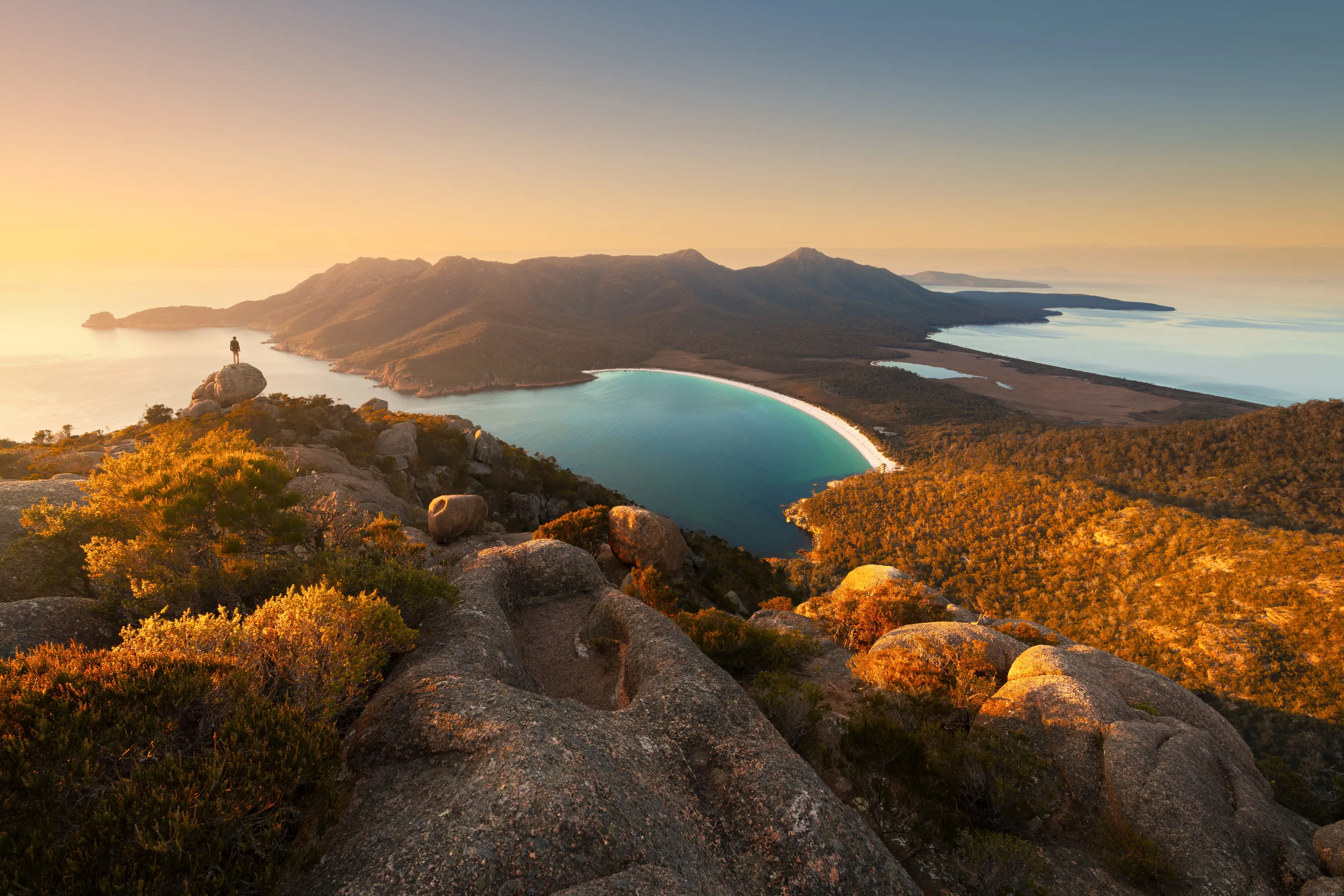
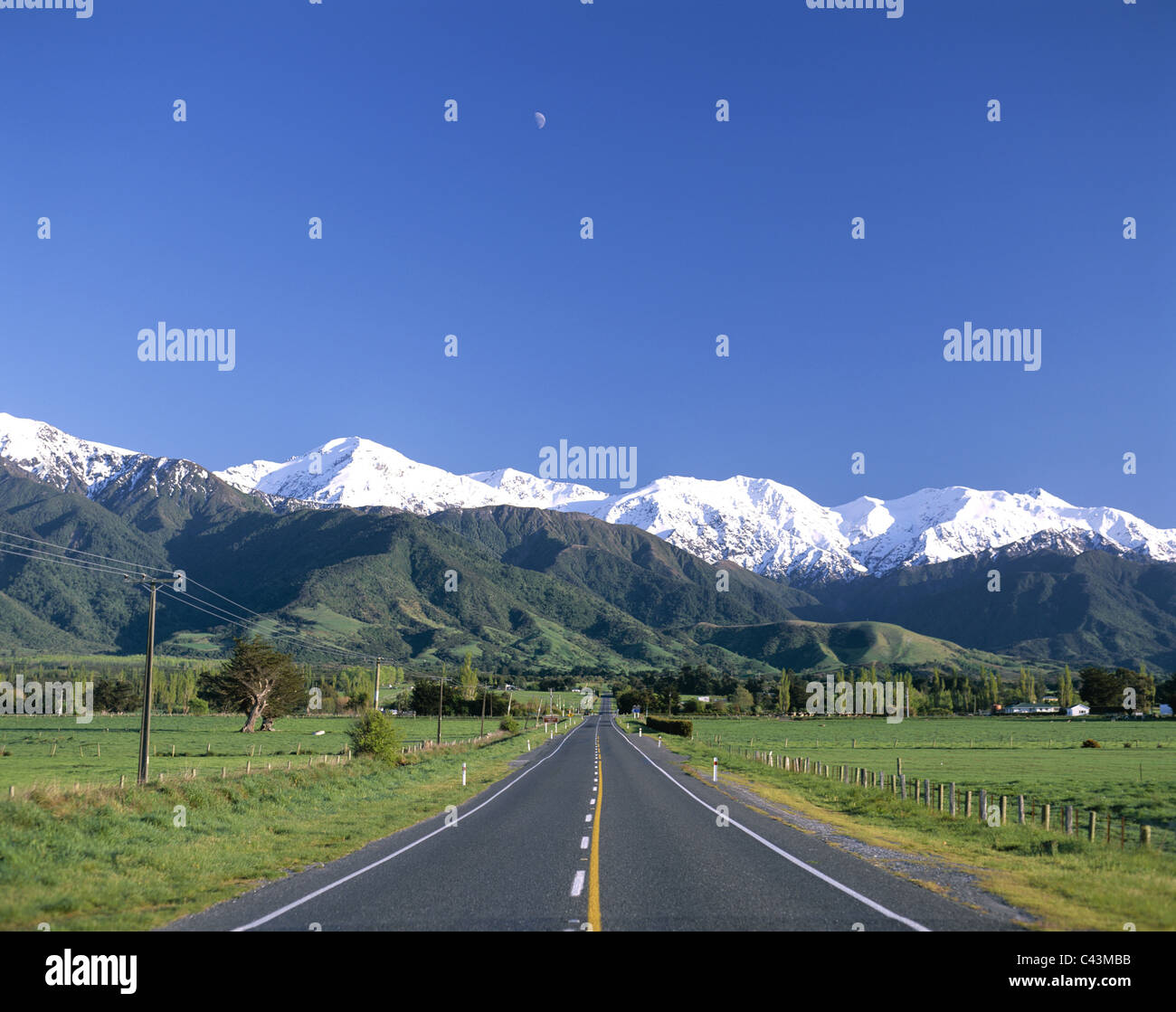
Tasmania offers a truly ancient, rugged beauty, epitomised by the dolerite peaks of Cradle Mountain and the iconic Wineglass Bay at Freycinet. It's a place where temperate rainforests meet pristine coastlines, and you can feel the age of the land. Places like the Tarkine wilderness are globally significant. However, the South Island of New Zealand simply boasts more 'wow' factor per square kilometre. Milford Sound's towering fiords, the Franz Josef and Fox Glaciers, and the majestic Aoraki/Mount Cook are postcard-perfect, high-definition landscapes that feel like they're ripped from a fantasy movie. The sheer scale and diversity, from the Southern Alps to the braided rivers of Canterbury, are breathtaking. 'Honestly, Milford Sound just changed my life. Tassie was beautiful, but nothing quite hit like that drive into the fiord.' While Tasmania is stunning, the South Island's scenery is generally considered more globally iconic and consistently awe-inspiring, making it the winner for sheer landscape grandeur. Expect to pay NZ$129-159 (US$75-95) for a Milford Sound cruise, while a National Parks Pass in Tasmania is AU$90 (US$60) per vehicle for 2 months.
Winner takeaway
- Winner: South Island (NZ)
- Why: The South Island's landscapes offer more dramatic, iconic, and consistently awe-inspiring 'wow' moments.
- Who this matters for: Anyone whose primary reason for travel is epic, globally renowned natural beauty and photography.
🤸 Adventure Activities
Tasmania offers fantastic adventure, particularly for hikers and those who enjoy multi-day treks. The Overland Track (AU$285/US$185 park fees, plus hut bookings) is world-renowned, and there's excellent mountain biking at Derby. Kayaking around Wineglass Bay or along the Franklin River offers a genuine wilderness experience. However, the South Island is in a league of its own for sheer variety and intensity of adventure. Queenstown is literally the 'Adventure Capital of the World'. You can bungee jump from Kawarau Bridge (NZ$279/US$165), skydive over Lake Wakatipu (NZ$339-499/US$200-295), jet boat on the Shotover River (NZ$179/US$105), or go white-water rafting. The hiking is also phenomenal, with Great Walks like the Routeburn Track. 'NZ just has more options for adrenaline junkies. Tassie's great for hiking, but I wanted to throw myself off things!' For those seeking high-octane thrills and a massive menu of adventure sports, the South Island is the undisputed champion. Even outside Queenstown, you have glacier heli-hikes and canyoning around Wanaka.
Winner takeaway
- Winner: South Island (NZ)
- Why: The South Island, particularly Queenstown, offers an unparalleled range and concentration of world-class adventure sports.
- Who this matters for: Adrenaline junkies, thrill-seekers, and anyone looking to push their limits with unique adventure experiences.
🍽️ Food & Drink
Tasmania is a genuine foodie paradise, punching well above its weight. Its cool climate and pristine environment yield incredible produce: world-class oysters from Freycinet Marine Farm (AU$25/US$16 a dozen), Atlantic salmon, truffles, artisanal cheeses, and amazing cool-climate wines from Tamar Valley and Coal River Valley. Hobart's Salamanca Market on Saturdays is a sensory overload of local delights. There's a strong farm-to-table ethos and a vibrant craft beer and whisky scene (check out Lark Distillery). The South Island, while offering excellent quality produce, especially lamb and beef, and fantastic Marlborough Sauvignon Blancs, feels a little less concentrated and innovative in its culinary offerings. You'll find great cafes and good pub food in places like Queenstown (e.g., Fergburger, expect queues and AU$15-20/US$10-13 for a burger), but the fine dining and artisanal scene isn't as pervasive or celebrated as in Tasmania. 'Honestly, Tassie's food blew me away. Every meal was a highlight, from fish and chips to fine dining. NZ was good, but not *that* good.' For a truly elevated and diverse gastronomic experience, Tasmania wins hands down. Expect a nice dinner in Hobart for AU$50-80 (US$33-52), compared to NZ$60-100 (US$35-60) in Queenstown.
Winner takeaway
- Winner: Tasmania
- Why: Tasmania boasts a more refined, diverse, and celebrated culinary scene, with exceptional local produce and artisanal offerings.
- Who this matters for: Foodies, wine enthusiasts, and those who prioritize delicious, fresh, and innovative dining experiences.
💸 Costs & Budget
When it comes to stretching your dollar, Tasmania generally offers better value. Accommodation, car rentals, and even dining tend to be slightly more affordable than on the South Island. For example, a decent motel or B&B in Tasmania might cost AU$120-200 (US$80-130) per night, while an equivalent on the South Island often starts at NZ$180-300 (US$105-180). Activities are also priced more accessibly; a Port Arthur Historic Site ticket is around AU$47 (US$30), whereas a Franz Josef Glacier heli-hike can easily set you back NZ$450-550 (US$265-325). Fuel prices are comparable, but activity costs really add up in NZ. 'We managed to do a pretty epic Tassie road trip for way less than our friends spent in NZ. The bang for buck is real.' While neither destination is 'cheap,' Tasmania allows your budget to go further, making it more accessible for travelers who are conscious of their spending but still want quality experiences. Expect a budget daily spend of AU$100-200 (US$65-130) in Tasmania, versus NZ$150-300 (US$90-180) in the South Island.
Winner takeaway
- Winner: Tasmania
- Why: Tasmania offers a more budget-friendly experience across accommodation, activities, and dining.
- Who this matters for: Budget-conscious travelers, backpackers, and families looking to maximize their trip without breaking the bank.
🚗 Getting Around
Both destinations absolutely require a car or campervan for independent exploration – public transport is minimal and restricts flexibility. However, Tasmania offers a slightly easier driving experience. The island is smaller, meaning distances between major attractions are more manageable, typically 1-3 hours. Roads are generally well-maintained and less crowded, making for relaxed scenic drives. You can comfortably loop the entire island in 7-10 days without feeling rushed. 'Driving in Tassie was a breeze compared to NZ, fewer winding mountain passes and quicker to get between parks.' The South Island, while having excellent roads, involves significantly longer driving days (3-6 hours between hubs like Christchurch, Queenstown, Te Anau). Many roads are winding mountain passes (e.g., Haast Pass, Crown Range Road), which are stunning but require more concentration. Fuel costs are similar, around AU$2.00/litre or NZ$2.80/litre (US$5.00-7.00/gallon). Car rental prices for a compact SUV are roughly AU$60-100 (US$40-65) per day in Tassie and NZ$80-130 (US$47-75) per day in NZ. While both are fantastic for road trips, Tasmania's smaller scale and less demanding drives make it a marginally easier place to navigate.
Winner takeaway
- Winner: Tasmania
- Why: Tasmania offers more manageable driving distances and less challenging roads, making for a more relaxed road trip.
- Who this matters for: Travelers who prefer less time driving, families, and those who might be less confident on challenging mountain roads.
📜 Culture & History
Tasmania's history is deeply etched into its landscape, particularly its convict past. The Port Arthur Historic Site (AU$47/US$30 entry), a UNESCO World Heritage site, is a powerful and sobering experience, offering a stark insight into Australia's founding. Beyond that, the island has a profound and often tragic Aboriginal history, with sites like Preminghana and culturally significant landscapes. The modern cultural scene is vibrant, largely driven by the controversial and world-class Museum of Old and New Art (MONA – free for Tasmanians, AU$35/US$23 for interstate/international visitors), which has transformed Hobart into an arts hub. The South Island has a strong Māori cultural presence, particularly in the northern parts, with significant historical sites and opportunities to learn about Māori traditions (e.g., Ngāi Tahu culture). European settlement history is visible in towns like Akaroa and Arrowtown. 'MONA alone makes Tassie a winner for culture. Nothing quite like it in NZ, especially on the South Island.' While both have rich stories, Tasmania’s unique blend of convict heritage, ancient Aboriginal ties, and the bold, contemporary artistic statement of MONA gives it an edge for cultural depth and distinctiveness. Historic pubs like The Shipwright Arms in Hobart also add to the character.
Winner takeaway
- Winner: Tasmania
- Why: Tasmania offers a more distinctive and immersive cultural and historical experience, largely due to its convict past and MONA.
- Who this matters for: History buffs, art lovers, and those interested in unique cultural narratives.
🦘 Wildlife Encounters
Tasmania is a wonderland for wildlife, boasting species found nowhere else. The iconic Tasmanian Devil is the star, and you have excellent opportunities to see them in sanctuaries like Devils @ Cradle (AU$30/US$20) or Bonorong Wildlife Sanctuary. You'll also frequently spot wallabies, pademelons, wombats, and various birds simply by driving around, especially at dawn and dusk. Quolls are also a treat to spot. The island's relative isolation has preserved a unique ecosystem. 'We saw so many devils and wombats just chilling by the road in Tassie. In NZ, it felt like you had to really work to find anything beyond birds.' The South Island offers fantastic marine wildlife – seals and penguins are relatively easy to spot on the coast (e.g., Otago Peninsula), and dolphins are common. While the elusive Kiwi bird is the national symbol, seeing one in the wild is extremely rare and usually requires a guided night tour (NZ$60-100/US$35-60). For a diverse range of unique, easily spotted terrestrial mammals and birds, Tasmania is the clear winner. Expect to see echidnas, possums, and numerous bird species, too.
Winner takeaway
- Winner: Tasmania
- Why: Tasmania offers a higher chance of encountering unique, endemic terrestrial wildlife, most notably the Tasmanian Devil.
- Who this matters for: Wildlife enthusiasts, photographers, and families keen on seeing iconic and unique animals in their natural habitat.
🏨 Accommodation
Tasmania offers a fantastic array of accommodation options, often with a unique, boutique, or wilderness-focused charm, and generally at a more palatable price point. You can find beautiful Airbnb cabins near national parks, charming B&Bs in historic towns, and luxury wilderness lodges like Saffire Freycinet (AU$2000+/US$1300+ per night) or Peppers Cradle Mountain Lodge (AU$300-600/US$200-400 per night). Even mid-range hotels in Hobart like the Henry Jones Art Hotel (AU$250-400/US$160-260) offer character and good value. The South Island also has a wide range, from vibrant backpacker hostels in Queenstown (NZ$35-60/US$20-35 per night for a dorm) to incredibly high-end lodges like Matakauri Lodge (NZ$2000+/US$1200+ per night). However, prices in popular tourist hubs like Queenstown, Wanaka, and Te Anau can skyrocket, especially in peak season, making mid-range options feel overpriced or booked out. 'We got a gorgeous little cottage in Richmond, Tassie for what a basic motel would cost in Wanaka. Way better value.' For consistent quality and value across different price points, and a focus on unique, intimate stays, Tasmania edges out the South Island. Booking well in advance is crucial for both.
Winner takeaway
- Winner: Tasmania
- Why: Tasmania provides better value and more unique, character-filled accommodation options across various price ranges.
- Who this matters for: Travelers seeking charming, unique stays and those wanting to maximize their comfort without exorbitant costs.
🧘 Crowds & Vibe
If you're seeking tranquility and a genuine escape from the masses, Tasmania is your sanctuary. It's significantly less crowded than the South Island, even in peak season. You can often find yourself alone on stunning beaches or hiking trails, enjoying the solitude of nature. The vibe is relaxed, unhurried, and genuinely 'friendly local' focused. Towns like Strahan or Richmond offer a charming, unpretentious atmosphere. 'Tassie felt like it was just for me. No massive tour buses, just quiet beauty and friendly faces.' The South Island, while vast, sees a much higher volume of international tourists. Popular spots like Queenstown, Milford Sound, and the Great Walks can feel very busy, especially during summer. Queenstown, in particular, has a lively, almost resort-town energy, which is great for some but overwhelming for others. While you can find quiet spots, the overall vibe is more geared towards a bustling, adventure-tourism experience. For a more intimate, peaceful, and less commercialized experience, Tasmania wins. Expect to wait 30-60 minutes for a table at a popular Queenstown restaurant like Fergburger, whereas in Hobart, even popular spots usually have quicker seating, unless it's Salamanca Market day.
Winner takeaway
- Winner: Tasmania
- Why: Tasmania offers a more peaceful, less crowded, and authentic 'off-the-beaten-path' travel experience.
- Who this matters for: Those who prioritize solitude, quiet contemplation, and an escape from mass tourism.
✈️ Accessibility (Getting There)
For Australian travelers, Tasmania is incredibly accessible. Short, frequent flights from Melbourne (1 hour, AU$80-150/US$50-100 return) and Sydney (1.5-2 hours, AU$100-200/US$65-130 return) make it an easy hop. You can also take the Spirit of Tasmania car ferry from Melbourne, which is fantastic for bringing your own vehicle or campervan (AU$100-200/US$65-130 per person, AU$100-200/US$65-130 per vehicle, one way). This greatly enhances the road trip experience. The South Island requires international flights for anyone outside New Zealand. While Christchurch (CHC) and Queenstown (ZQN) have direct flights from major Australian cities (e.g., Sydney to Queenstown: 3 hours, AU$400-800/US$260-520 return), and some limited flights from elsewhere (e.g., Fiji), it’s a longer, more involved journey for most international visitors, often requiring a connecting flight through Auckland (NZ). 'Getting to Tassie from Melbourne was easier than driving to Sydney. Ferry was awesome.' The added immigration processes and generally higher international airfares (unless you're already in NZ) make the South Island less accessible, especially for shorter trips. For sheer ease of access, particularly for Australian travelers, Tasmania takes the win.
Winner takeaway
- Winner: Tasmania
- Why: Tasmania offers easier and more direct access, especially for Australian travelers, with the added benefit of a car ferry option.
- Who this matters for: Australian travelers, those on a tighter schedule, and anyone preferring simpler logistics for international travel.
❓ Frequently Asked Questions
What's the best time of year to visit Tasmania vs. South Island (NZ)?
Both are best in their respective summers (December to February) for hiking and adventure activities, with longer daylight hours and warmer weather. Shoulder seasons (Spring: Sep-Nov; Autumn: Mar-May) offer fewer crowds, stunning foliage (especially NZ autumn), and pleasant temperatures. Winter (Jun-Aug) is cold but offers skiing in NZ and cozy experiences in Tasmania.
How long do I need for a good trip to each destination?
For Tasmania, a solid 7-10 days allows you to cover the major highlights like Hobart, Port Arthur, Freycinet, and Cradle Mountain without feeling rushed. For the South Island, 10-14 days is ideal to experience highlights like Queenstown, Milford Sound, and Aoraki/Mt Cook, especially if you plan on multi-day hikes or several adventure activities. Anything less will feel very rushed.
Do I need to rent a car for both Tasmania and South Island (NZ)?
Absolutely, yes. Both destinations are best explored by car or campervan. Public transport is very limited outside of major cities, and many of the most beautiful natural attractions are only accessible by private vehicle. Factor car rental and fuel into your budget as an essential cost.
Which destination is better for families with young children?
Tasmania generally wins for families with young children. Its manageable driving distances, abundance of unique wildlife (Devils, wombats!), historical sites like Port Arthur, and beautiful, safe beaches make it easier to navigate. The South Island is also family-friendly but its emphasis on more extreme adventure might be less suitable for very young kids, and driving days are longer.
Is either destination better for solo travelers?
The South Island, particularly Queenstown, is often considered better for solo travelers, especially those seeking social interaction and adventure. Its well-established backpacker scene and numerous group tours make it easy to meet people. Tasmania is also safe for solo travel but offers a more solitary, contemplative experience due to fewer crowds and less organized group activity.
What kind of weather can I expect in each place?
Both have four distinct seasons. Summers (Dec-Feb) are mild to warm, rarely hot, with average highs of 20-25°C (68-77°F). Winters (Jun-Aug) are cold, with snow possible in higher elevations, and average highs of 8-12°C (46-54°F). Be prepared for changeable weather at any time of year, especially in mountainous regions, so layer up!
Can I combine a trip to Tasmania and the South Island?
Yes, if you have at least 3-4 weeks. The most efficient way is to fly from Hobart or Launceston (Tasmania) to Melbourne or Sydney, then connect to Christchurch or Queenstown (South Island). This combination offers an incredible contrast of ancient wilderness and dramatic alpine landscapes, making for a truly epic Oceania adventure.
Which has better nightlife, Tasmania or South Island (NZ)?
The South Island, specifically Queenstown, has a far more vibrant and energetic nightlife scene, with numerous bars, clubs, and pubs catering to a younger, international, and adventure-seeking crowd. Tasmania's nightlife is more subdued, focused on cozy pubs, craft breweries, and excellent restaurants in Hobart and Launceston, offering a more relaxed evening experience.
Ready to plan your unforgettable trip?
Get a free custom itinerary for Tasmania, South Island (NZ), or both — built from real traveler insights and tailored to your preferences.
🎟️ Book Tours & Experiences
Hand-picked tours and activities for both destinations — book with free cancellation
Experiences via Viator — free cancellation on most tours