How we built this comparison
This page combines traveler discussion patterns, published price ranges, flight schedules, and seasonal data to help you decide between Tbilisi and Baku.
- Reviewed 50+ Reddit threads from r/travel, r/solotravel, r/Georgia, r/Azerbaijan, and r/backpacking for authentic traveler experiences and tips.
- Verified costs and logistics against current booking platforms (Booking.com, Airbnb, Bolt, Skyscanner) and recent traveler blogs for accuracy.
- Cross-referenced seasonal patterns and weather data with local insights to provide optimal travel timing recommendations.
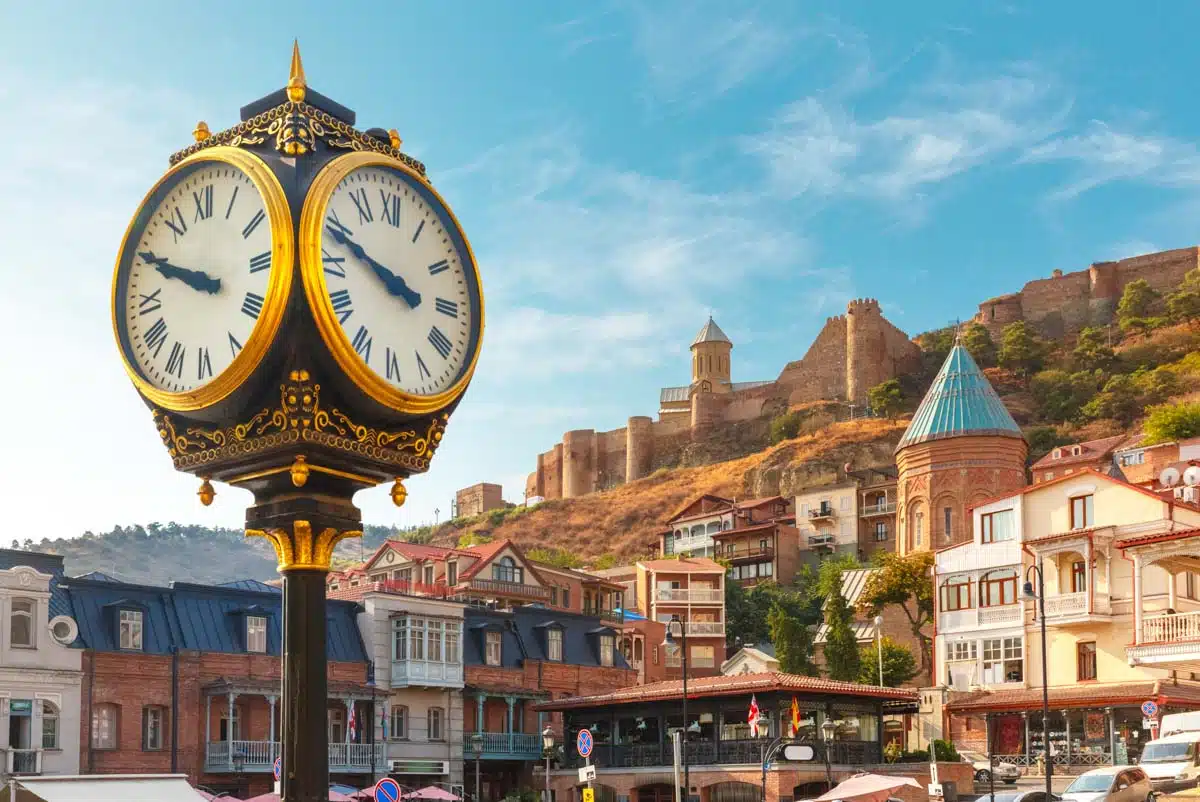
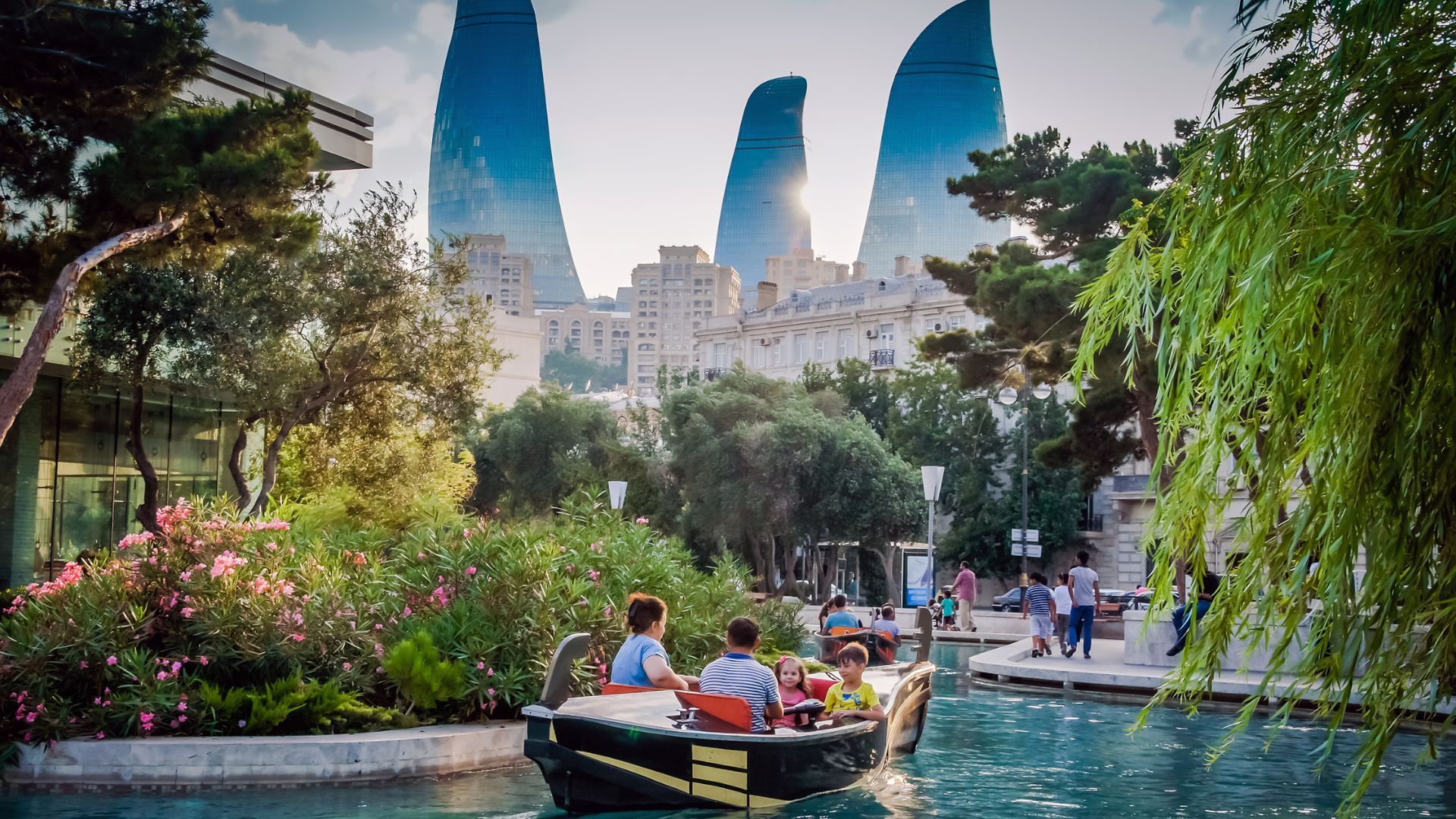
⚡ The TL;DR Verdict
For those seeking rich history, vibrant nightlife, and breathtaking nature with a budget-friendly edge, Tbilisi is your clear winner, with daily budgets ranging from $40-80. If you're drawn to unique modern architecture, a blend of East-meets-West, and a slightly more polished, albeit pricier experience, Baku offers a compelling alternative, typically requiring $60-100+ per day.
- Choose Tbilisi: You prioritize ancient history, natural wine culture, incredible food, a buzzing alternative nightlife, and mountain day trips, all while keeping costs low.
- Choose Baku: You're fascinated by futuristic architecture, unique petroglyphs and mud volcanoes, a strong East-meets-West vibe, and don't mind a slightly higher budget for a more modern city experience.
- Choose Both: If you have 10-14 days, connecting these two by an overnight train (often sold out, book ahead!) or a short flight offers an unparalleled Caucasian adventure, showcasing two distinct, fascinating cultures.
Quick Comparison
| Category | Tbilisi | Baku | Winner |
|---|---|---|---|
| Food & Drink | Legendary cuisine: Khachapuri, Khinkali, natural wine. Deep-rooted culinary traditions. | Delicious plov, kebabs, dolma, strong black tea. Less emphasis on alcohol, higher prices. | Tbilisi |
| Nightlife | Europe's techno capital, underground clubs, lively wine bars. Raw, energetic. | Chic lounges, expat bars, upscale venues. More polished and expensive. | Tbilisi |
| Culture & History | Ancient churches, Narikala Fortress, Old Town, diverse architectural blend of empires. | Icherisheher (Old City), Maiden Tower, Palace of Shirvanshahs, stunning modern architecture. | Tbilisi |
| Costs & Budget | Very affordable for accommodation, food, wine, and transport. Great value. | Generally affordable but slightly higher than Tbilisi, especially for alcohol and some services. | Tbilisi |
| Getting There | Well-connected international airport (TBS), direct flights from Europe, Middle East. | Modern international airport (GYD), similar connections to Europe, Middle East. | Tie |
| Getting Around | Highly walkable Old Town, efficient metro, cheap Bolt taxis. | Modern metro, affordable taxis, but a more spread-out city requires more transport. | Tbilisi |
| Accommodation | Wide range from hostels to boutique hotels, great value. | Modern hotels, luxury options, and budget hostels, slightly higher prices. | Tie |
| Day Trips | Stunning mountains, ancient cave cities, world-renowned wine region. | Mud volcanoes, ancient petroglyphs, fire temples. Unique but less diverse. | Tbilisi |
| Nature & Scenery | Nestled in hills, close to majestic Caucasus mountains, greener landscapes. | Caspian Sea views, arid surroundings, impressive city parks and boulevards. | Tbilisi |
| Safety & Vibe | Generally very safe, friendly locals, relaxed and welcoming atmosphere. | Very safe city, respectful people, slightly more conservative vibe. | Tie |
🍷 Food & Drink
Tbilisi is a food lover's paradise, no contest. Georgian cuisine is incredibly diverse and flavorful, from the cheesy goodness of Khachapuri (try the Adjarian kind at Puri Guliani for about ₾15 / $5) to the juicy Khinkali dumplings (₾1.5-2 / $0.50-$0.70 each, try them at Pasanauri). The natural wine scene is world-class, with tastings and bottles incredibly affordable (a good bottle for ₾20-40 / $7-14). Restaurants like Shavi Lomi offer authentic, creative dishes in a cool setting. Baku's food scene is excellent too, focusing on hearty Azerbaijani dishes like various Plovs and succulent kebabs (a decent meal might be 20-30 AZN / $12-18). Places like Fevvara are popular for traditional fare. However, alcohol is heavily taxed and much pricier than in Georgia. "Honestly, the khachapuri in Tbilisi alone makes the trip worth it. It's just next level, especially the Adjarian kind. Baku had good food too, but Georgia's wine culture is just unbeatable, and it’s so cheap!" Tbilisi wins for its unique, rich culinary tradition and exceptional value.
Winner takeaway
- Winner: Tbilisi
- Why: Tbilisi offers more iconic, diverse, and affordable culinary experiences, especially for wine enthusiasts.
- Who this matters for: Foodies, wine lovers, and budget travelers.
🕺 Nightlife
Tbilisi has surprisingly emerged as a global hotspot for electronic music, often dubbed the 'new Berlin.' Clubs like Bassiani (entry ₾30-50 / $10-17) and Cafe-Gallery attract international DJs and a dedicated local crowd. Beyond techno, the city is dotted with cozy wine bars in Sololaki and old town that hum with conversation until late, offering fantastic local wines for ₾8-15 ($2.70-$5) a glass. Baku's nightlife, while present, leans more towards upscale lounges and expat-heavy bars around Fountain Square and near the Caspian promenade. Places like Enerji Club or Pasifico offer a more commercial, glitzy experience, with drinks and club entries generally higher than in Tbilisi (cocktails 15-25 AZN / $9-15). It feels less raw and more curated. "Tbilisi nightlife is wild, like genuinely world-class techno at places like Bassiani, but also super cozy wine bars. Baku felt more... polished, less raw and diverse in its offerings." Tbilisi takes the crown for its unique, energetic, and diverse scene.
Winner takeaway
- Winner: Tbilisi
- Why: Tbilisi boasts a more vibrant, diverse, and internationally recognized nightlife scene, from underground techno to intimate wine bars.
- Who this matters for: Party-goers, electronic music fans, and social butterflies.
🏛️ Culture & History
Tbilisi's history spans millennia, evident in its winding cobbled streets, ancient churches like Sioni Cathedral, and the dramatic Narikala Fortress overlooking the Mtkvari River. The Old Town is a living museum, showcasing a blend of Persian, Byzantine, and Russian influences. Exploring the sulfur baths district or the hidden courtyards of Sololaki feels like stepping back in time. Baku offers a fascinating blend of ancient and hyper-modern. Its UNESCO-listed Old City (Icherisheher) with the iconic Maiden Tower (entry 15 AZN / $9) and the Palace of the Shirvanshahs (entry 15 AZN / $9) are captivating. But what truly sets Baku apart is its stunning contemporary architecture, like the Flame Towers and the fluid, futuristic Heydar Aliyev Center (entry 15-20 AZN / $9-12). While Baku's modern marvels are unique, Tbilisi's raw, authentic historical depth and atmospheric old town provide a more immersive and traditionally 'historical' experience. "Baku's modern architecture is stunning, like something out of a sci-fi movie, but Tbilisi's old town just *feels* more lived-in, more authentic history at every corner." Tbilisi's ancient soul wins for profound historical immersion.
Winner takeaway
- Winner: Tbilisi
- Why: Tbilisi provides a more deeply layered and atmospherically rich historical experience with its ancient churches and authentic old town.
- Who this matters for: History buffs, architecture enthusiasts, and those seeking an 'old world' charm.
💰 Costs & Budget
For budget-conscious travelers, Tbilisi generally offers better value. A bed in a top-rated hostel like Fabrika can be found for ₾30-50 ($10-17). Street food like Khachapuri or Lobiani is just a few Lari, and a substantial meal with wine for two at a good restaurant might be ₾60-90 ($20-30). Public transport is incredibly cheap at ₾1 ($0.35) per ride, and Bolt taxis are affordable (e.g., ₾5-10 / $1.70-$3.50 for a city ride). Baku is still affordable by Western standards, but expect to pay a little more. Hostels are 20-30 AZN ($12-18), and a similar meal for two might be 40-60 AZN ($24-35). Alcohol, in particular, is significantly more expensive due to higher taxes. Taxis and public transport (0.40 AZN / $0.25 per metro ride) are cheap, but overall daily spending tends to edge higher. "I saved so much money in Tbilisi without even trying. Good wine is basically cheaper than water sometimes, and hostels are like $10-15. Baku was still cheap by Western standards, but I definitely felt the wallet pinch more for nights out." Tbilisi offers an overall cheaper and more generous experience.
Winner takeaway
- Winner: Tbilisi
- Why: Tbilisi consistently provides better value across the board, from dining to accommodation and entertainment.
- Who this matters for: Budget travelers, backpackers, and those looking to maximize their travel funds.
✈️ Getting There
Both cities are well-served by modern international airports: Tbilisi International Airport (TBS) and Heydar Aliyev International Airport (GYD) in Baku. Flight times from major European hubs like Istanbul (approx. 2.5-3 hrs) or Doha (approx. 3 hrs) are comparable. From North America, both typically require one or two layovers, taking 10-15 hours. Major carriers like Turkish Airlines, Qatar Airways, Lufthansa, and Azerbaijan Airlines (AZAL) offer routes to both. There isn't a significant advantage in terms of accessibility for one over the other; your choice might depend more on specific airline preferences or connections from your origin city. "Flights to both are pretty similar from Istanbul or Doha hubs. Just check which hub works best for your initial departure city and you'll be fine." Both are equally accessible depending on your starting point.
Winner takeaway
- Winner: Tie
- Why: Both cities have equally accessible and well-connected international airports.
- Who this matters for: All travelers, as accessibility is generally good for both.
🚶♀️ Getting Around
Tbilisi is a city best explored on foot, especially its charming Old Town and surrounding historic districts like Sololaki. Many attractions are within comfortable walking distance. When you need to go further, the Tbilisi Metro is efficient, clean, and cheap (₾1 / $0.35 per ride with a Metromoney card). Bolt taxis are incredibly affordable and widely available, with most city rides costing ₾5-10 ($1.70-$3.50). Baku is a much more spread-out city, making extensive walking less practical for covering all major sights. It boasts an impressive, ornate metro system (0.40 AZN / $0.25 per ride), reminiscent of Moscow's, which connects key areas. Taxis (Bolt/Uber) are also very cheap, with rides typically 3-8 AZN ($1.70-$4.70). While Baku's public transport is excellent, the sheer distances mean you'll rely on it more. Tbilisi's compact, walkable core gives it an edge for a more leisurely exploration. "Tbilisi's metro is super efficient and the old town is a joy to just wander on foot. Baku's metro is great for getting between districts, but you'll be taxiing more often than not." Tbilisi offers a more walkable and intimate city exploration.
Winner takeaway
- Winner: Tbilisi
- Why: Tbilisi's compact, charming Old Town makes it exceptionally walkable, enhancing the exploration experience.
- Who this matters for: Walkers, urban explorers, and those who prefer less reliance on public transport/taxis.
🏨 Accommodation
Both cities offer a diverse range of accommodation options to suit every budget. In Tbilisi, you can find a bed in a highly-rated hostel like Fabrika Hostel for ₾30-50 ($10-17), which is also a vibrant cultural hub. Mid-range boutique hotels in the Old Town or Sololaki, such as Hotel & Preference Hualing Tbilisi, often go for ₾150-300 ($50-100). Luxury options like Rooms Hotel Tbilisi start from ₾450 ($150+). Baku also has excellent choices. Hostels are typically 20-30 AZN ($12-18). Mid-range hotels like the Winter Park Hotel Baku can be found for 80-150 AZN ($47-88). For luxury, the Fairmont Baku Flame Towers or Four Seasons Baku offer stunning experiences from 200 AZN ($118+). The quality and availability are high in both, with slightly better value often found in Tbilisi, but Baku's modern offerings are impressive. "Fabrika in Tbilisi is legendary for backpackers, great vibe. Baku has those crazy modern hotels like the Flame Towers, stunning but pricey." It's a tie as both provide ample choices for all budgets.
Winner takeaway
- Winner: Tie
- Why: Both cities offer a comprehensive range of quality accommodation options for all budgets, from budget hostels to luxury hotels.
- Who this matters for: All travelers, as good options are available regardless of budget.
⛰️ Day Trips
Tbilisi is an unbeatable base for incredible day trips that showcase Georgia's natural beauty and ancient history. You can journey to the breathtaking Kazbegi region to see the iconic Gergeti Trinity Church against the backdrop of the Caucasus mountains, a full-day tour costing around ₾100-150 ($35-50). The Kakheti wine region offers tastings and visits to charming towns like Sighnaghi (tours ₾80-120 / $27-40). The Vardzia Cave Monastery complex is another awe-inspiring historical site. Baku's day trips, while unique, are less varied and spectacular. The main attractions include the UNESCO-listed Qobustan Rock Art Cultural Landscape and the nearby mud volcanoes (tours 50-80 AZN / $30-47), the Ateshgah Fire Temple, and Yanar Dag (Burning Mountain). These are interesting for their historical and geological significance but lack the grand scale and diverse appeal of Georgia's offerings. "No contest, Georgia's day trips are just breathtaking. Driving to Kazbegi through the mountains or exploring ancient monasteries in Kakheti... Baku's mud volcanoes are cool, but it's a different league." Tbilisi wins for its sheer variety and breathtaking natural and historical sites.
Winner takeaway
- Winner: Tbilisi
- Why: Tbilisi offers a wider array of more grand, diverse, and naturally stunning day trip options.
- Who this matters for: Nature lovers, history enthusiasts, and those seeking adventure beyond the city.
🏞️ Nature & Scenery
Tbilisi's immediate surroundings offer a greener, more rugged beauty. The city itself is built into hills and valleys, with the Mtkvari River winding through it, and the National Botanical Garden of Georgia offering a serene escape within the city limits. Just a short drive away, the majestic Lesser Caucasus mountains provide dramatic vistas and hiking opportunities. Baku, situated on the Caspian Sea, has a more arid, almost desert-like landscape outside the city. While the Caspian Sea provides a unique backdrop and the city boasts an impressive, manicured seaside promenade (Baku Boulevard) and numerous parks, it lacks the immediate dramatic natural scenery of Tbilisi. The city's beauty is more man-made and architectural. "Tbilisi feels nestled in nature, with the Botanical Garden and mountains nearby. Baku's great for city views and the Caspian, but if you want proper mountains and forests, Georgia is it." Tbilisi offers more immediate and accessible natural beauty.
Winner takeaway
- Winner: Tbilisi
- Why: Tbilisi is surrounded by more dramatic natural landscapes and offers easier access to mountains and greener scenery.
- Who this matters for: Nature enthusiasts, hikers, and those who appreciate lush landscapes.
🤝 Safety & Vibe
Both Tbilisi and Baku are remarkably safe cities for travelers, with low rates of violent crime. Common sense precautions apply, such as being aware of pickpockets in crowded tourist areas and ensuring taxi fares are agreed upon or using ride-hailing apps like Bolt. In Tbilisi, the atmosphere is generally very relaxed, welcoming, and open-minded, particularly among younger generations. The city has a vibrant, bohemian vibe, and locals are often eager to help, even if language can sometimes be a barrier. Baku is also very safe, clean, and well-maintained. While locals are respectful and helpful, the societal vibe can feel a little more conservative and reserved compared to Tbilisi, especially for solo female travelers, though this rarely translates into direct issues. "I felt totally safe walking around Tbilisi at night, even as a solo female. Same for Baku, though maybe slightly more stares being a solo woman, but never felt threatened." Both offer safe environments, making it a tie.
Winner takeaway
- Winner: Tie
- Why: Both cities offer a high level of safety for travelers, making them equally appealing in this regard.
- Who this matters for: Solo travelers, families, and anyone prioritizing personal safety and comfort.
❓ Frequently Asked Questions
Is it easy to travel between Tbilisi and Baku?
Yes, you can travel by overnight train, which takes about 12-14 hours. It's an interesting experience but often sells out, so book well in advance. Alternatively, there are short flights (around 1 hour) with airlines like Azerbaijan Airlines (AZAL) or Georgian Airways, which are quicker but cost more.
Which city is better for solo female travelers?
Both cities are generally very safe for solo female travelers. Tbilisi might feel slightly more relaxed and Westernized in its social norms, particularly regarding nightlife. Baku is equally safe but can feel a bit more conservative culturally, which might result in more stares, but rarely any actual issues.
What's the best time of year to visit either city?
Spring (April-May) and Autumn (September-October) are ideal for both. The weather is pleasant, temperatures are mild, and tourist crowds are manageable. Summers (June-August) can be very hot, especially in Baku, while winters (December-February) are cold, with potential snow in Tbilisi.
Do they speak English in Tbilisi and Baku?
In both cities, English is increasingly spoken, especially by younger generations and those working in tourism (hotels, restaurants, tour guides). However, knowing a few basic phrases in Georgian or Azerbaijani (or Russian, which is still widely understood by older generations) can be very helpful and appreciated.
Are there any cultural differences or customs to be aware of?
Georgians are known for their hospitality and toast culture (Supra), so be prepared for generosity. Azerbaijan is a secular Muslim-majority country, so while generally liberal, dressing modestly in religious sites and being mindful of local customs is respectful, especially outside the central tourist areas.
Which city is more family-friendly?
Tbilisi offers more green spaces, playgrounds, and generally a more laid-back atmosphere, with easy access to nature. Baku has impressive modern parks and the seaside boulevard, but its spread-out nature might require more planning for transport with kids. Both are safe, but Tbilisi feels slightly more geared towards relaxed family exploration.
What's the internet and digital nomad scene like?
Both cities have excellent, fast, and affordable internet, making them popular for digital nomads. Tbilisi, in particular, has a thriving co-working scene (e.g., Terminal, Works) and a large expat community, along with its 'Digital Nomad Visa' program, making it a strong hub. Baku's scene is growing but less established.
Can I use public transport efficiently in both cities?
Absolutely. Both Tbilisi and Baku boast excellent and very affordable public transport systems. Tbilisi has a metro and buses, requiring a Metromoney card. Baku has a beautiful, extensive metro system and buses, using a BakuCard. Taxis (via Bolt/Uber) are also plentiful and cheap in both.
Ready to plan your Caucasus trip?
Get a free custom itinerary for Tbilisi, Baku, or both — built from real traveler insights.
🎟️ Book Tours & Experiences
Hand-picked tours and activities for both destinations — book with free cancellation
Experiences via Viator — free cancellation on most tours