How we built this comparison
This page combines traveler discussion patterns, published price ranges, flight schedules, and seasonal data to help you decide between Tbilisi and Tirana.
- Reviewed 50+ Reddit threads from r/travel, r/solotravel, r/Georgia, r/Albania, r/Tbilisi, and r/tirana for real traveler experiences and advice.
- Verified current costs for accommodation, food, transport, and attractions against recent booking platforms and local reports.
- Cross-referenced seasonal weather patterns and flight data to provide realistic logistical information.
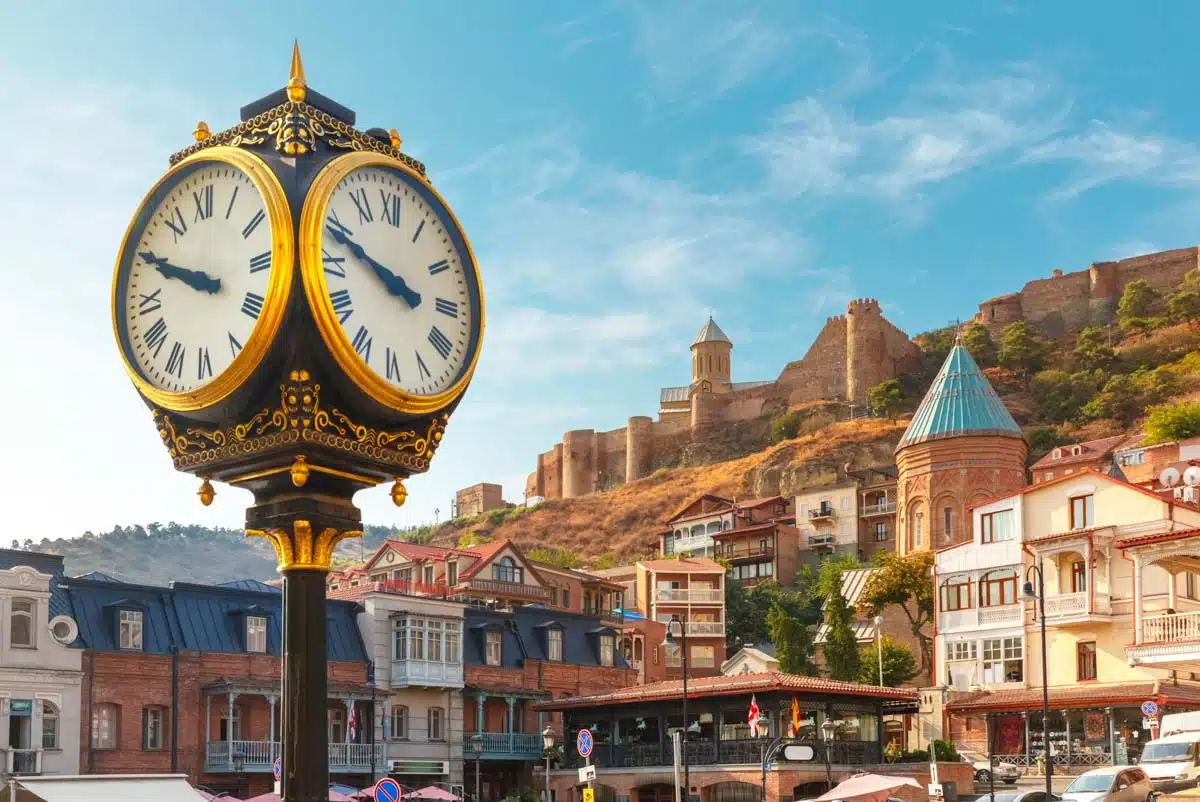
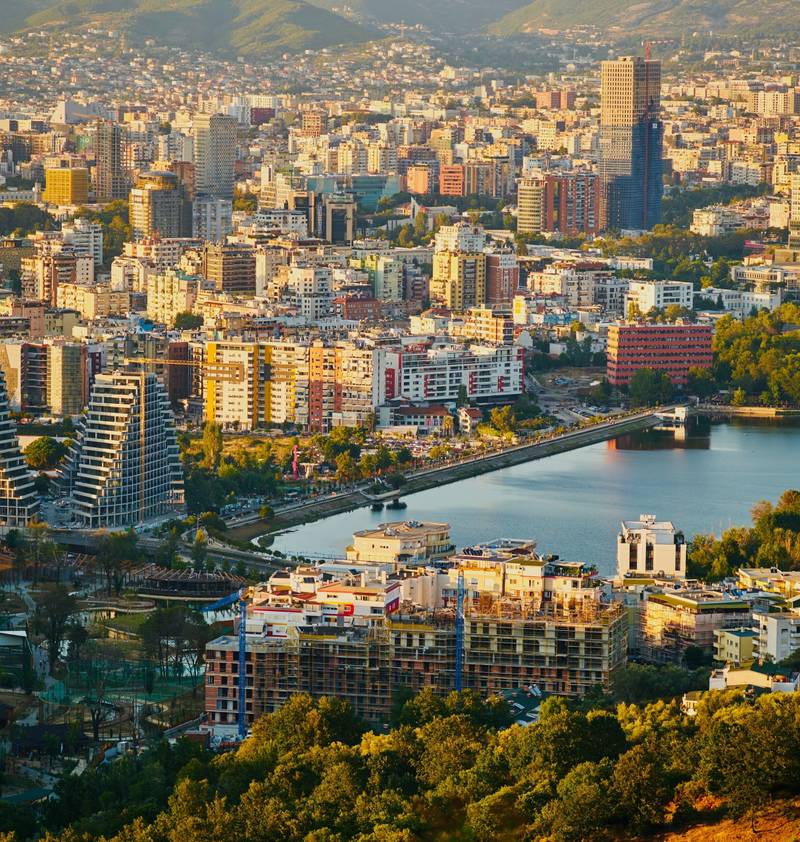
⚡ The TL;DR Verdict
For history buffs and wine lovers seeking established charm and dramatic mountainscapes, Tbilisi is your winner, budget around $40-60/day. If you crave an emerging, vibrant culture with nearby beaches and an even tighter budget, Tirana, at $30-50/day, offers an unparalleled experience.
- Choose Tbilisi: You're drawn to ancient history, a world-class wine scene, stunning mountain backdrops, and a city with a bohemian, slightly chaotic charm. It feels more 'discovered' but still authentic.
- Choose Tirana: You love discovering up-and-coming destinations, enjoy a lively cafe culture, unique communist-era history, and crave easy access to beautiful beaches without breaking the bank. It's raw, energetic, and incredibly welcoming.
- Choose Both: If you have 2-3 weeks, combining both is a fantastic Balkan-Caucasus adventure. You'll need to fly, typically via Istanbul, Rome, or Vienna, taking 5-8 hours with layovers and costing $200-400 roundtrip.
Quick Comparison
| Category | Tbilisi | Tirana | Winner |
|---|---|---|---|
| Food & Drink | A culinary powerhouse with unique flavors, ancient wine traditions, and legendary hospitality. | Hearty Balkan fare, strong Italian influences, and a rapidly evolving modern restaurant scene. | Tbilisi |
| Culture & History | Ancient churches, Narikala Fortress, Sulphur Baths, and a blend of Asian, European, and Soviet influences. | Skanderbeg Square, communist-era bunkers (Bunk'Art), vibrant Ottoman and Italian heritage. | Tbilisi |
| Nightlife & Social Scene | Renowned techno clubs, atmospheric wine bars, and lively pub streets. | Vibrant Blloku district with chic bars, rooftop lounges, and a strong cafe culture. | Tbilisi |
| Costs & Budget | Very affordable by Western standards, but slightly pricier than its Balkan counterpart. | Extremely budget-friendly, making it one of Europe's most affordable capital cities. | Tirana |
| Getting Around | Walkable Old Town, efficient metro, ubiquitous Bolt taxis, and marshrutkas for longer distances. | Extremely walkable city center, cheap bus network, and readily available taxis/ride-sharing. | Tie |
| Accommodation | Wide range from boutique hotels in historic buildings to lively hostels and guesthouses. | Growing selection of modern boutique hotels, stylish apartments, and friendly hostels. | Tbilisi |
| Day Trips & Nature | Stunning mountains, ancient cave cities, and world-class wine regions. | Dajti Mountain, historic towns, and easy access to the beautiful Albanian Riviera. | Tie |
| Safety & Vibe | Generally very safe, friendly locals, a bustling and vibrant atmosphere. | Extremely safe, welcoming people, energetic and rapidly modernizing feel. | Tie |
| Weather & Seasons | Hot, humid summers; cold, snowy winters; pleasant spring and autumn. | Hot, dry summers; mild, wet winters; long, comfortable shoulder seasons. | Tirana |
| Digital Nomad / Solo Travel Friendliness | Established DN hub, excellent visa policy, co-working spaces, and a strong community. | Emerging DN destination, very affordable, good internet, but a smaller community. | Tbilisi |
🍽️ Food & Drink
Tbilisi is a foodie's paradise, a truly distinct cuisine that will leave you craving more. Think piping hot khachapuri (cheese bread) from a street vendor for 5-8 GEL ($2-3), juicy khinkali (dumplings) at places like Pasanauri for 1-1.5 GEL per piece, and the incredible Supra (Georgian feast) experience at traditional restaurants like Shavi Lomi. Georgian natural wine is a world-renowned treasure; a bottle of excellent Saperavi can be found for 15-30 GEL ($6-12) in many wine bars. Tirana, on the other hand, offers a delicious blend of Balkan and Mediterranean flavors. Must-tries include Byrek (savory pastry) for 80-150 ALL ($0.80-$1.50) at a local bakery, Tave Kosi (lamb and yogurt casserole) at Oda Restaurant for 800 ALL ($8.50), and fresh seafood at places like Mullixhiu. While excellent, Tirana's cuisine feels less 'unique' compared to Georgia's ancient gastronomic heritage. "Dude, that khachapuri at Puri Guliani near the Dry Bridge market changed my life, seriously. Tirana's food was good but Georgian is next level."
Winner takeaway
- Winner: Tbilisi
- Why: Tbilisi offers a more unique, ancient, and globally recognized culinary experience, especially its unparalleled natural wine culture.
- Who this matters for: Foodies, wine enthusiasts, and those looking for distinct gastronomic adventures.
🏛️ Culture & History
Tbilisi's history spans millennia, evident in every cobblestone of its Old Town. Explore the Narikala Fortress overlooking the Mtkvari River (accessible by cable car for 2.5 GEL), wander through the atmospheric Abanotubani Sulphur Bath district, and visit ancient churches like Anchiskhati Basilica. The Georgian National Museum offers a deep dive into the country's rich past, with entry around 20 GEL ($7.50). Its blend of Silk Road influences, Persian, Ottoman, and Soviet layers creates a truly captivating historical narrative. Tirana’s history is more recent but equally compelling, heavily shaped by its communist past. Bunk'Art 1 and 2 (entry 500-700 ALL, or $5-7.50 each) are exceptional museums built inside former bunkers, offering a chilling and informative look into Albania's totalitarian regime. Skanderbeg Square and the Et'hem Bey Mosque showcase its Ottoman heritage. While Tirana is fascinating for its post-communist transformation, Tbilisi's sheer depth of ancient history and well-preserved sites gives it the edge. "Tbilisi's Old Town just felt like walking through a living history book, every corner had a story. Bunk'Art was amazing, but Tbilisi's history hit different."
Winner takeaway
- Winner: Tbilisi
- Why: Tbilisi boasts a deeper, more visibly ancient history with well-preserved sites and a complex blend of cultural influences.
- Who this matters for: History buffs, architecture enthusiasts, and those fascinated by ancient civilizations.
🌃 Nightlife & Social Scene
Tbilisi has surprisingly emerged as a global hub for underground techno, with clubs like Bassiani and Khidi drawing international crowds. Entry often ranges from 30-50 GEL ($11-19). For a more laid-back vibe, explore the many natural wine bars in the Old Town, or head to Fabrika, a former Soviet sewing factory turned multi-functional hostel/bar/co-working space, where a beer might cost 8-12 GEL ($3-4.50). The city comes alive after dark, and there's a strong sense of community. Tirana's nightlife is centered around the Blloku district, once exclusive to communist elites, now a bustling area filled with trendy bars, pubs, and cafes. Radio Bar is a popular spot for cocktails (around 700-1000 ALL, or $7.50-10), while Sky Tower offers panoramic views from its rotating bar. Tirana definitely has a lively scene, particularly in summer, with many outdoor venues. However, Tbilisi's distinctive techno scene and its more diverse offerings, from raves to sophisticated wine tastings, give it a slight edge for serious party-goers or those seeking a unique nocturnal experience. "If you're into techno, Tbilisi is literally Mecca. Bassiani is legendary. Tirana's Blloku was fun, but it's more standard bar hopping."
Winner takeaway
- Winner: Tbilisi
- Why: Tbilisi's internationally recognized techno scene and diverse range of unique bars offer a more distinct and vibrant nightlife experience.
- Who this matters for: Party-goers, electronic music fans, and those who enjoy a bustling evening atmosphere.
💰 Costs & Budget
When it comes to stretching your budget, Tirana is a clear winner. You can easily find a decent hostel bed for 1000-1500 ALL ($10-15), a mid-range hotel room for 4000-7000 ALL ($40-75), and a delicious local meal for 600-1000 ALL ($6-10). Public transport is a steal at 40 ALL ($0.40) per ride. Tbilisi is also incredibly affordable, but expect to pay a little more. Hostels typically range from 25-40 GEL ($9-15), mid-range hotels from 100-200 GEL ($38-75), and a good restaurant meal will set you back 25-50 GEL ($9-19). Transport via metro is 1.5 GEL ($0.55). While both offer excellent value, Tirana consistently delivers lower prices across almost all categories, making it perfect for backpackers or those on a very tight budget. Groceries, coffee, and even taxis are noticeably cheaper in Tirana. "I spent a week in Tirana and felt like royalty on a backpacker budget. Tbilisi was cheap too, but Tirana was ridiculously good value. My daily costs were like $35."
Winner takeaway
- Winner: Tirana
- Why: Tirana offers consistently lower prices for accommodation, food, and transport, making it an exceptional value destination.
- Who this matters for: Budget travelers, backpackers, and anyone looking to maximize their travel funds.
🗺️ Getting Around
Both cities are remarkably easy to navigate without a car. Tbilisi boasts an efficient metro system (requiring a Metromoney card, 2 GEL, then 1.5 GEL per ride) that connects key areas, though many of its charming streets are best explored on foot. For longer distances or late nights, Bolt (similar to Uber) is incredibly cheap and reliable, with rides across the city rarely exceeding 8-15 GEL ($3-6). Marshrutkas (minibuses) serve as an extensive network for inter-city travel. Tirana's city center is very compact and highly walkable, allowing you to hit most major sights on foot. For further reaches, local buses are frequent and cost only 40 ALL ($0.40). Taxis are also plentiful and reasonably priced, with most in-city rides costing 300-600 ALL ($3-6). Neither city suffers from significant traffic compared to larger European capitals, making internal transit a breeze. The choice comes down to preference: Tbilisi's metro offers speed, while Tirana's compact size and bus network are equally effective. "Seriously, both cities were a breeze to get around. In Tbilisi, I mostly walked and used Bolt. In Tirana, I walked everywhere. Zero complaints on either front."
Winner takeaway
- Winner: Tie
- Why: Both cities offer excellent, affordable, and easy-to-use transport options, making them equally convenient for travelers.
- Who this matters for: Everyone, as both cities excel in this practical category.
🏨 Accommodation
Tbilisi offers a well-established and diverse range of accommodation options that cater to all budgets and styles. You can find high-end boutique hotels like Rooms Hotel Tbilisi (often $150-250/night) housed in former publishing houses, charming guesthouses in the Old Town for 80-150 GEL ($30-57), and lively hostels like Fabrika Hostel & Suites (beds from 30 GEL, or $11). The architectural variety, from Soviet-era grandeur to renovated traditional homes, provides unique stays. Tirana’s accommodation scene is rapidly developing, with many new boutique hotels and stylish Airbnbs emerging. The Plaza Tirana (often $100-180/night) offers luxury, while smaller, charming guesthouses like Mosaic Home (5000-8000 ALL, or $50-85) provide a more local feel. Hostels like Trip'n'Hostel (beds from 1200 ALL, or $12) are popular. While Tirana is catching up fast with quality and value, Tbilisi's scene feels slightly more mature, with a broader selection of truly unique, character-filled properties and a slightly more competitive market for mid-range options. "We stayed in a guesthouse in Tbilisi's Old Town, and it felt so authentic and charming, plus super affordable. Tirana had good modern places, but Tbilisi had that old-world charm down."
Winner takeaway
- Winner: Tbilisi
- Why: Tbilisi offers a slightly more established and diverse range of unique accommodation options, from historic boutique hotels to characterful guesthouses.
- Who this matters for: Travelers seeking unique stays, a wide variety of choices, and those who appreciate historical charm.
🏞️ Day Trips & Nature
Both cities serve as excellent bases for incredible day trips, offering different but equally compelling natural and historical attractions. From Tbilisi, you can easily reach the breathtaking Kazbegi region in the Caucasus Mountains (3-4 hours by marshrutka, ~20 GEL), home to the iconic Gergeti Trinity Church, offering stunning hiking opportunities. The Kakheti wine region (1-2 hours) is perfect for wine tasting, visiting vineyards like Teliani Valley. The ancient cave city of Uplistsikhe (1.5 hours) is another fascinating historical site. Tirana offers Mount Dajti, easily accessible by cable car (1000 ALL roundtrip, or $10.50), providing panoramic views and activities. Historic towns like Kruja (1 hour, 200 ALL by bus) with its castle and Berat (2 hours, 400 ALL by bus), a UNESCO site known as the 'City of a Thousand Windows,' are must-sees. While the Albanian Riviera (3-4 hours to places like Durrës or Vlorë) requires a longer journey, it offers beautiful beaches. Tbilisi is king for mountains and wine, while Tirana excels with historic towns and coastal access. "I absolutely loved the trip to Kazbegi from Tbilisi, the mountain views were insane. But then, Berat from Tirana was just incredibly picturesque. Can't choose, both are great."
Winner takeaway
- Winner: Tie
- Why: Both cities offer exceptional and diverse day trip options, catering to different preferences for mountains/wine versus history/coast.
- Who this matters for: Adventure seekers, history lovers, and those looking to explore beyond the city limits.
🛡️ Safety & Vibe
Both Tbilisi and Tirana are remarkably safe cities for travelers, often surprising visitors with their low crime rates and welcoming atmospheres. In Tbilisi, you can comfortably walk around most areas, even at night. Georgians are known for their hospitality, and while the city can feel a bit chaotic at times, it's part of its charm. Petty crime is rare, but standard precautions apply. Tirana is also exceptionally safe; violent crime against tourists is almost unheard of. Albanians are generally very friendly and curious about visitors, often going out of their way to help. The city has a lively, energetic vibe as it continues its rapid modernization, but it feels very laid-back and secure. Solo travelers, including solo female travelers, report feeling very comfortable and safe in both destinations. While both have their unique energy – Tbilisi a bit more raw and historic, Tirana more polished and buzzing – neither will make you feel unsafe. "Honestly, I felt safer walking around Tirana at night than in my own city. Same for Tbilisi, super friendly vibes everywhere you go."
Winner takeaway
- Winner: Tie
- Why: Both cities are incredibly safe and welcoming, with friendly locals and a comfortable atmosphere for all types of travelers.
- Who this matters for: Solo travelers, families, and anyone prioritizing a sense of security and local friendliness.
☀️ Weather & Seasons
Tirana benefits from a Mediterranean climate, offering longer, milder shoulder seasons and proximity to the coast for summer relief. Spring (April-May) and autumn (September-October) are ideal, with temperatures ranging from 18-25°C (64-77°F), perfect for exploring. Summers (June-August) can be hot, reaching 30-35°C (86-95°F), but dry, and you're only a short drive from coastal breezes. Winters (November-March) are mild, rarely dipping below freezing, with average temperatures around 8-12°C (46-54°F), though wetter. Tbilisi experiences a continental climate with more distinct seasons. Summers (June-August) are also hot, often humid, hitting 30-38°C (86-100°F). Winters (December-February) are genuinely cold, with frequent snow and temperatures often below freezing, around 0-5°C (32-41°F). Spring (April-May) and autumn (September-October) are beautiful but shorter, with comfortable temperatures around 15-22°C (59-72°F). Tirana's milder, longer shoulder seasons and summer escape options to the beaches make it slightly more appealing for extended comfortable travel. "Tirana in late September was just perfection – warm enough for the beach, cool enough for city walks. Tbilisi was beautiful in spring, but their winters are no joke."
Winner takeaway
- Winner: Tirana
- Why: Tirana's Mediterranean climate offers longer, milder shoulder seasons and easier access to coastal relief during hot summers.
- Who this matters for: Travelers sensitive to extreme temperatures, those seeking pleasant shoulder seasons, and beach lovers.
💻 Digital Nomad / Solo Travel Friendliness
Tbilisi has firmly established itself as a digital nomad hotspot, largely due to Georgia's incredibly generous 365-day visa-free policy for citizens of over 100 countries. This allows nomads to stay for an entire year without hassle. The city boasts excellent internet speeds (often 50-100 Mbps readily available), a growing number of co-working spaces like Impact Hub (monthly membership around 300 GEL, or $115), and a vibrant international expat and DN community that's easy to tap into through social groups. Tirana is an exciting up-and-comer for digital nomads. While its 90-day visa-free policy for many nationalities is standard, it's the extremely low cost of living, good internet, and burgeoning cafe culture that draw people in. There are fewer dedicated co-working spaces compared to Tbilisi, but many cafes offer excellent environments for working. The DN community is smaller but growing. For solo travelers, both are fantastic; friendly locals and safe environments make them easy to navigate alone. However, Tbilisi's more mature infrastructure for long-term stays and larger existing community gives it a clear advantage for digital nomads. "Tbilisi's 1-year visa and the community there were game-changers for me as a nomad. Tirana was great for a month, but Tbilisi felt more like a proper base."
Winner takeaway
- Winner: Tbilisi
- Why: Tbilisi offers superior infrastructure for digital nomads, including a highly favorable visa policy and a more established community.
- Who this matters for: Digital nomads seeking a long-term base, solo travelers, and those valuing ease of visa and community.
❓ Frequently Asked Questions
Which city is better for foodies?
Tbilisi is generally considered superior for foodies, offering a unique and ancient culinary tradition with dishes like Khachapuri and Khinkali, alongside its world-renowned natural wine scene. Tirana's food is delicious with Balkan and Italian influences, but less distinct globally.
How safe are these cities for solo female travelers?
Both Tbilisi and Tirana are exceptionally safe for solo female travelers. Locals are generally welcoming and helpful, and serious crime is very rare. Standard travel precautions apply, but you can feel comfortable walking alone in most areas, even at night.
What's the best way to get between Tbilisi and Tirana?
There are no direct flights between Tbilisi and Tirana. You'll typically need to fly with a layover in a major European hub like Istanbul, Rome, Vienna, or Athens. Total travel time usually ranges from 5-8 hours, and tickets can cost between $200-400 roundtrip depending on the season and booking in advance.
Which city offers better hiking opportunities nearby?
Tbilisi is the clear winner for hiking. Its proximity to the stunning Caucasus Mountains, particularly the Kazbegi region, provides incredible opportunities for day hikes or multi-day treks with breathtaking alpine scenery and iconic landmarks like Gergeti Trinity Church.
Is English widely spoken in Tbilisi or Tirana?
In both cities, English is increasingly spoken, especially among younger generations and in tourist-facing businesses (hotels, restaurants, tour operators). You'll find it easier in Tbilisi due to a more established tourism infrastructure, but you can certainly get by in Tirana with English and a few basic local phrases.
Which city is more 'authentic' or less touristy?
Tirana feels slightly less touristy and more 'raw' and authentic, as it's still very much an emerging destination. While Tbilisi has seen a significant increase in tourism, it still retains its unique Georgian charm and authenticity, particularly outside the immediate Old Town.
What's the visa situation for common nationalities (e.g., US, EU)?
For US and EU citizens, Georgia offers an incredibly generous 365-day visa-free stay. Albania allows US and EU citizens to stay visa-free for up to 90 days within a 180-day period. Both are generally very easy to enter for most Western travelers.
Which city has better public transport for tourists?
Both cities offer excellent and affordable public transport. Tbilisi has an efficient metro system alongside buses and Bolt (ride-sharing). Tirana's city center is highly walkable with a comprehensive, inexpensive bus network. They are equally easy to get around using public options.
Ready to plan your Balkan or Caucasus trip?
Get a free custom itinerary for Tbilisi, Tirana, or both — built from real traveler insights.
🎟️ Book Tours & Experiences
Hand-picked tours and activities for both destinations — book with free cancellation
Experiences via Viator — free cancellation on most tours