How we built this comparison
This page combines traveler discussion patterns, published price ranges, flight schedules, and seasonal data to help you decide between Tegucigalpa and San Jose.
- Reviewed 100+ Reddit threads from r/travel, r/solotravel, r/honduras, r/costarica, and r/centralamerica for firsthand experiences and advice.
- Verified costs and logistics against current booking platforms (e.g., Booking.com, Kayak, Uber estimates) and government tourism sites (e.g., park entry fees).
- Cross-referenced seasonal patterns and weather data from NOAA and local meteorological services for optimal travel times.
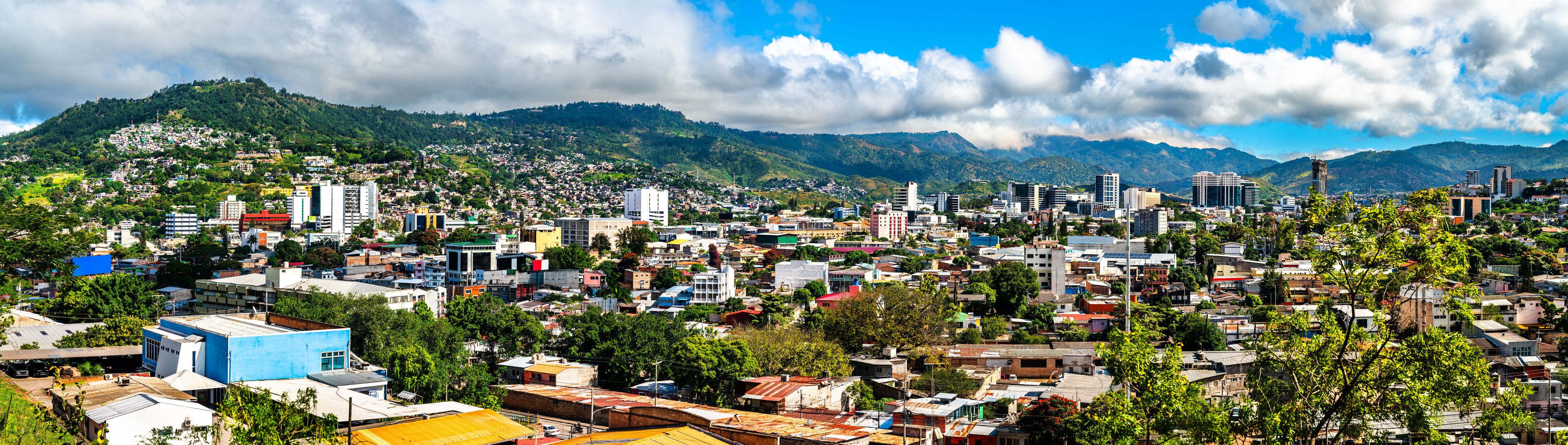

⚡ The TL;DR Verdict
For budget-conscious, adventurous travelers seeking raw authenticity and a deeper dive into Honduran culture, Tegucigalpa offers a truly unique experience. Those prioritizing safety, convenience, and unparalleled access to nature will find San Jose a more comfortable and established hub. Expect to spend $40-70/day in Tegucigalpa versus $80-150/day in San Jose, depending on your style.
- Choose Tegucigalpa: For the intrepid explorer on a tighter budget, eager to experience a less-traveled capital, rich in history, and unpolished charm. You're okay with navigating a less tourist-friendly environment.
- Choose San Jose: For travelers prioritizing safety, reliable infrastructure, and using a capital as a launchpad to world-class nature. You don't mind paying a premium for comfort and convenience.
- Choose Both: If you have 2-3 weeks, combining them offers a fantastic contrast. Fly into one, spend 3-4 days exploring, then take a connecting flight or bus journey (plan ahead for buses!) to the other for a few more days before heading to their respective nature spots.
Quick Comparison
| Category | Tegucigalpa | San Jose | Winner |
|---|---|---|---|
| Costs & Budget | Significantly more affordable across the board; budget travelers thrive. | Higher prices for everything; can be expensive for backpackers. | Tegucigalpa |
| Safety & Vibe | Requires heightened awareness; can feel gritty and less tourist-friendly. | Generally safer and more laid-back; tourist infrastructure is well-established. | San Jose |
| Getting There | Fewer direct international flights; often requires connections. | Major international hub with many direct flights from North America and Europe. | San Jose |
| Accommodation | Limited selection of tourist-oriented hostels/hotels, but authentic and good value. | Wide range from budget hostels to luxury hotels, catering to all travelers. | San Jose |
| Food & Drink | Authentic Honduran cuisine, hearty and flavorful, with local eateries dominating. | Diverse culinary scene with international influences, many vegan/vegetarian options. | San Jose |
| Nightlife & Entertainment | Limited tourist-centric options; local bars and a few discotecas. | Vibrant and varied, with many bars, clubs, and live music venues. | San Jose |
| Culture & History | Raw, authentic colonial history and Honduran identity, less polished for tourists. | Rich history, but often overshadowed by nature; cultural sites are well-maintained. | Tegucigalpa |
| Nature & Day Trips | Access to cloud forests and colonial towns, but often requires more effort to reach. | Unrivaled access to volcanoes, cloud forests, coffee plantations, and wildlife. | San Jose |
| Getting Around | Local buses are cheap but chaotic; taxis/Uber are essential for safety and convenience. | Reliable public bus network, plenty of taxis/Uber, and organized tour transport. | San Jose |
| Digital Nomad Friendliness | Limited coworking spaces, internet can be slower, less expat community. | Growing DN hub, good internet, coworking spaces, vibrant expat community. | San Jose |
💰 Costs & Budget
Tegucigalpa is the undisputed champion for budget travelers. A decent hostel bed can be found for HNL 250-400 ($10-16 USD), while a mid-range hotel like Hotel Honduras Maya might run HNL 1200-2000 ($48-80 USD). Meals at local 'comedores' are a steal at HNL 75-150 ($3-6 USD), and even a nice sit-down dinner won't break HNL 400 ($16 USD). Local bus rides are a few Lempiras. San Jose, conversely, is noticeably pricier. Hostels typically start at CRC 5,000-8,000 ($10-16 USD) for a dorm, but private rooms are more like CRC 20,000-35,000 ($40-70 USD). A mid-range hotel like Hotel Presidente will be CRC 50,000-80,000 ($100-160 USD). A 'casado' (local meal) will cost CRC 3,000-5,000 ($6-10 USD), and a nice dinner easily CRC 10,000+ ($20+ USD). 'Honestly, Tegucigalpa felt like everything was half price compared to what I'd just paid in Costa Rica. My wallet was happy.'
Winner takeaway
- Winner: Tegucigalpa
- Why: Tegucigalpa offers a substantially lower cost of living and travel, making it far more accessible for budget-conscious explorers.
- Who this matters for: Budget travelers, long-term backpackers, and anyone looking to stretch their dollar further.
🛡️ Safety & Vibe
San Jose, while not without its urban issues (petty theft is common), generally feels much safer for tourists than Tegucigalpa. The 'Pura Vida' ethos permeates, creating a more relaxed atmosphere. You'll see more travelers openly exploring, and walking around during the day in central areas like Avenida Central is common. Tegucigalpa, on the other hand, demands constant vigilance. Areas like Comayagüela are best avoided, and even in tourist zones like Casco Histórico, it's advised to use taxis or Ubers after dark and be discreet with valuables. The city has a high crime rate, and while tourists aren't usually targets of violent crime, opportunist theft can occur. Locals are often friendly, but the underlying tension is palpable. 'In San Jose, I felt comfortable just walking around. In Tegucigalpa, I was constantly looking over my shoulder, which kinda dampened the exploring.'
Winner takeaway
- Winner: San Jose
- Why: San Jose offers a significantly safer and more relaxed environment, reducing traveler anxiety.
- Who this matters for: Solo travelers, families, first-time Central America visitors, and anyone prioritizing peace of mind.
✈️ Getting There
Getting to San Jose (SJO - Juan Santamaría International Airport) is generally straightforward, with numerous direct flights from major North American cities like Miami, Houston, Atlanta, and even some European hubs. Airlines like United, American, Delta, and Spirit offer competitive routes, making it a very accessible entry point to Central America. Flight times from the US East Coast are typically 3-5 hours. Tegucigalpa (TGU - Toncontín International Airport, soon Palmerola XPL) is smaller and historically had a famously short runway. While Palmerola (XPL) is now the main international airport, it still sees fewer direct international connections. Most travelers will connect through hubs like Panama City (PTY), Miami (MIA), or Houston (IAH), adding to travel time and potentially cost. 'Flying into SJO was a breeze, direct from Houston. Getting to Tegucigalpa felt like a multi-leg journey every time.' Palmerola is about an hour's drive from Tegucigalpa, requiring a pre-arranged shuttle or taxi (approx. HNL 1000-1500 / $40-60 USD).
Winner takeaway
- Winner: San Jose
- Why: San Jose's status as a major international hub ensures more direct, frequent, and often cheaper flights, simplifying arrival logistics.
- Who this matters for: Travelers seeking convenience and efficiency in their international travel arrangements.
🏨 Accommodation
San Jose boasts a far more developed and diverse accommodation scene. You can find excellent budget hostels like Hostel Pangea (dorms from $15 USD) or boutique options like Hotel Grano de Oro (rooms from $150-250 USD). International chains are also present, offering reliable standards. There's a clear focus on catering to tourists, from backpackers to luxury seekers, often with amenities like tour desks and shuttle services. Tegucigalpa's options are more geared towards business travelers or locals. While there are some decent hotels like Clarion Hotel Real Tegucigalpa (from $80-150 USD) or the more budget-friendly Hotel Plaza Juan Carlos (from $50-100 USD), true backpacker hostels are scarce. Airbnb offers some good local options, but you might need to search harder for places with reliable English-speaking staff or a distinct 'traveler' vibe. 'Finding a nice, social hostel in San Jose was easy. In Tegucigalpa, it felt like I was picking from business hotels or just staying somewhere local without much of a tourist scene.'
Winner takeaway
- Winner: San Jose
- Why: San Jose provides a broader and higher-quality range of accommodation options tailored to diverse traveler needs and budgets.
- Who this matters for: Travelers looking for specific types of lodging, from social hostels to luxury resorts, with reliable booking and service standards.
🍽️ Food & Drink
While both offer delicious local cuisine, San Jose's culinary landscape is more diverse and developed for tourists. You'll find traditional 'sodas' serving 'casados' for CRC 3,000-5,000 ($6-10 USD), but also high-end fusion restaurants in neighborhoods like Escalante, offering dishes from CRC 10,000-25,000 ($20-50 USD). Vegan and vegetarian options are plentiful, reflecting Costa Rica's global appeal. Craft beer scenes are emerging, and coffee shops are everywhere. Tegucigalpa offers authentic Honduran fare – think 'baleadas' (HNL 30-50 / $1.20-2 USD), 'sopa de caracol' (conch soup), and grilled meats. Dining is typically at local 'comedores' or more upscale 'parrilladas' (grill houses). The focus is more on traditional, hearty dishes rather than diverse international influences. However, finding specific dietary options can be challenging outside of larger hotels. 'The variety in San Jose was amazing; I could get a fancy vegan meal one night and a local casado the next. Tegucigalpa was delicious, but pretty much just baleadas and meat.'
Winner takeaway
- Winner: San Jose
- Why: San Jose offers a wider array of dining experiences, from traditional to international, catering to more diverse tastes and dietary needs.
- Who this matters for: Foodies, travelers with dietary restrictions, and those seeking varied culinary experiences beyond local staples.
🕺 Nightlife & Entertainment
San Jose takes the lead here with a far more active and accessible nightlife scene. Areas like Barrio Escalante and San Pedro are packed with trendy bars, breweries, and restaurants that turn into lively spots after dark. There are live music venues, salsa clubs, and plenty of places to grab a craft cocktail. For example, Steinvorth is a popular spot for electronic music and a good vibe. In Tegucigalpa, nightlife is more subdued for tourists and often concentrated in specific, generally safer, zones like Colonia Palmira or Zona Viva. You'll find a mix of local bars ('cantinas') and some larger discotecas, but they're often more local-oriented. Safety concerns mean you'll likely rely on taxis/Uber to get around, and walking between venues isn't recommended. 'San Jose's nightlife was great, lots of options and felt pretty safe. In Tegucigalpa, I mostly just had dinner and then called it a night, didn't feel comfortable exploring much after dark.'
Winner takeaway
- Winner: San Jose
- Why: San Jose offers a more vibrant, diverse, and generally safer nightlife scene with options catering to various preferences.
- Who this matters for: Younger travelers, party-goers, and anyone looking for evening entertainment beyond a quiet dinner.
🏛️ Culture & History
Tegucigalpa, despite its challenges, offers a more raw and authentic immersion into Central American colonial history and Honduran identity. The Casco Histórico (Historic Center) is home to beautiful architecture like the Catedral de San Miguel Arcángel and the Antiguo Palacio Presidencial. The Museo para la Identidad Nacional (MIN) is excellent for understanding Honduran culture and history (admission HNL 100-150 / $4-6 USD). There's a palpable sense of a living city rather than a curated tourist experience. San Jose has its own cultural gems, like the stunning Teatro Nacional (tours CRC 2,000-4,000 / $4-8 USD) and the Museo del Oro Precolombino (Pre-Columbian Gold Museum, admission CRC 9,000-15,000 / $18-30 USD). However, the city's cultural offerings, while well-maintained, often feel overshadowed by Costa Rica's focus on ecotourism. The vibe is more international, less distinctly Costa Rican in the capital itself, compared to Tegucigalpa's deep Honduran roots. 'Tegucigalpa's old town felt like stepping back in time, really gritty but authentic. San Jose's museums were nice, but the city itself felt more modern.'
Winner takeaway
- Winner: Tegucigalpa
- Why: Tegucigalpa provides a more unfiltered and immersive cultural and historical experience directly within its vibrant, albeit challenging, urban fabric.
- Who this matters for: History buffs, cultural anthropologists, and travelers seeking an unvarnished view of a Central American capital's heritage.
🏞️ Nature & Day Trips
This is where San Jose truly shines. It serves as the perfect base for exploring Costa Rica's world-renowned natural wonders. Within a 1-2 hour drive, you can be hiking in Poás Volcano National Park (entry $15 USD), exploring the lush cloud forests of Monteverde or La Paz Waterfall Gardens (entry $50-60 USD), or taking a coffee plantation tour in the Central Valley (e.g., Doka Estate tours from $25-40 USD). Further afield, Arenal Volcano and Manuel Antonio National Park are popular multi-day trips. Tegucigalpa has its own natural beauty, but access is less organized for tourists. La Tigra National Park, a beautiful cloud forest (entry HNL 240 / $10 USD), is just an hour away, offering great hiking. The charming colonial town of Valle de Ángeles is another popular day trip (45 mins drive). While beautiful, these options are fewer and generally require private transport or pre-booked tours, and lack the sheer diversity and accessibility of Costa Rica's offerings. 'San Jose is just a jumping-off point for insane nature – volcanoes, sloths, waterfalls everywhere. Tegucigalpa has La Tigra, which is cool, but it's not the same scale.'
Winner takeaway
- Winner: San Jose
- Why: San Jose offers unparalleled and easily accessible natural attractions and diverse day trip opportunities.
- Who this matters for: Nature lovers, adventure seekers, hikers, and those whose primary goal is experiencing biodiversity.
🚌 Getting Around
Navigating San Jose is relatively straightforward. The city has an extensive public bus network that's cheap and efficient for daytime travel within the city and to nearby towns. Taxis (look for red ones with yellow triangles) and ride-sharing apps like Uber are abundant and reasonably priced, making evening travel easy. For longer distances, an excellent network of intercity buses connects to all major tourist destinations. Tegucigalpa's public transport is primarily via local 'rapidito' buses – they are incredibly cheap (HNL 13-20 / $0.50-0.80 USD) but can be confusing, crowded, and not always safe, especially for tourists with luggage. Taxis are ubiquitous, but agree on a price beforehand (a ride within the city generally HNL 100-200 / $4-8 USD). Uber is also available and generally safer and more reliable. However, the city's hilly terrain and sometimes chaotic traffic can make getting around a challenge regardless of the method. 'In San Jose, I just hopped on a bus or called an Uber, no stress. Tegucigalpa, I mostly stuck to Uber, buses felt a bit much to figure out and a bit sketchy.'
Winner takeaway
- Winner: San Jose
- Why: San Jose offers a more comprehensive, safer, and user-friendly public and private transportation system for tourists.
- Who this matters for: First-time visitors, travelers without a car, and those prioritizing ease of movement and safety.
💻 Digital Nomad Friendliness
San Jose is increasingly becoming a viable spot for digital nomads, especially those keen on a balance of city life and easy access to nature. Wifi is generally reliable in cafes and accommodations, and there are several dedicated coworking spaces like Selina San Jose (daily pass from $10 USD) or Impact Hub (monthly from $150 USD). The city has a good infrastructure for expats, with diverse food options, social events, and a general sense of safety that appeals to long-term visitors. Tegucigalpa, while very affordable, is less developed for the digital nomad lifestyle. Reliable high-speed internet can be found, but it's less ubiquitous. Dedicated coworking spaces are rare, though some cafes offer good working environments. The expat community is smaller and primarily consists of NGOs or business professionals rather than lifestyle nomads. Safety concerns also mean less freedom to explore and socialize spontaneously after working hours. 'San Jose has that whole vibe – good cafes to work from, decent internet, and other nomads to meet up with. Tegucigalpa felt more like I was just passing through and working from my hotel room.'
Winner takeaway
- Winner: San Jose
- Why: San Jose offers better infrastructure, a more welcoming community, and greater convenience for digital nomads and remote workers.
- Who this matters for: Digital nomads, remote workers, and long-term travelers seeking a comfortable and productive base.
❓ Frequently Asked Questions
Is Tegucigalpa safe for tourists?
Tegucigalpa requires a high level of vigilance. While tourists aren't typically targets of violent crime, petty theft is common. Stick to well-trafficked areas during the day, avoid walking after dark, and use reputable taxis or ride-sharing apps. Don't flash valuables.
What's the best time to visit San Jose vs Tegucigalpa?
Both cities generally have a dry season from December to April, which is ideal for travel. San Jose's wet season (May-November) can bring heavy afternoon showers, but mornings are often clear. Tegucigalpa's dry season is also pleasant, with slightly cooler temperatures due to its altitude.
Can I do day trips from Tegucigalpa?
Yes, absolutely! Popular day trips include La Tigra National Park for cloud forest hiking and the charming colonial town of Valle de Ángeles, known for its artisan crafts. Both are within an hour's drive, but often require pre-arranged transport for convenience and safety.
What's the main difference in atmosphere between the two cities?
San Jose has a more relaxed, 'Pura Vida' atmosphere, feeling generally safer and more accustomed to tourists, with diverse international influences. Tegucigalpa is grittier, more authentic, and feels like a bustling, untamed Central American capital with a strong local identity, demanding more awareness from visitors.
Is San Jose really just a stopover city?
While many travelers use San Jose as a hub to reach Costa Rica's natural attractions, it offers enough cultural sites, museums, and a vibrant food/nightlife scene to warrant 2-3 days of exploration. It's more than just a gateway, though its main draw remains its proximity to nature.
Which city has better food?
For authentic, budget-friendly Central American staples like baleadas and hearty soups, Tegucigalpa is excellent. However, San Jose offers a more diverse and developed culinary scene, with a wider range of international cuisines, upscale dining, and vegetarian/vegan options, making it the 'better' choice for foodies seeking variety.
How easy is it to get by with just English?
In San Jose, you'll find English speakers in most tourist-oriented businesses, hotels, and tour agencies. Basic Spanish is helpful but not always essential. In Tegucigalpa, English is far less common outside of major hotels or specific business contexts. Basic Spanish is highly recommended and will greatly enhance your experience.
Which is better for solo female travelers?
San Jose is significantly better for solo female travelers. Its generally safer environment, more established tourist infrastructure, and greater availability of social hostels make it a more comfortable and less stressful experience. Tegucigalpa's higher safety concerns mean solo female travelers would need to exercise extreme caution and probably limit evening outings.
Ready to plan your Central American trip?
Get a free custom itinerary for Tegucigalpa, San Jose, or both — built from real traveler insights.
🎟️ Book Tours & Experiences
Hand-picked tours and activities for both destinations — book with free cancellation
Experiences via Viator — free cancellation on most tours