How we built this comparison
This page combines traveler discussion patterns, published price ranges, flight schedules, and seasonal data to help you decide between Tel Aviv and Jerusalem.
- Reviewed 100+ Reddit threads from r/travel, r/solotravel, r/IsraelTravel, r/TelAviv, and r/Jerusalem.
- Verified costs and logistics against current booking platforms (Booking.com, Hostelworld, Moovit, Egged, Google Flights).
- Cross-referenced seasonal patterns, weather data, and major holiday impacts for optimal travel advice.
- Consulted personal travel experiences and local insights from residents.
⚡ The TL;DR Verdict
Choose Tel Aviv for a dynamic, modern beach city experience with buzzing nightlife and incredible food, budgeting roughly $80-150 USD/day for a mid-range traveler. Opt for Jerusalem to immerse yourself in millennia of history, religion, and culture, with a slightly more budget-friendly daily cost of $60-120 USD.
- Choose Tel Aviv: You're seeking sun, sea, sophisticated dining, world-class nightlife, and a progressive, open-minded atmosphere. It's perfect for solo travelers, couples, or friends who prioritize urban excitement and relaxation by the Mediterranean.
- Choose Jerusalem: Your primary interest is deep history, religious sites, profound cultural experiences, and a more traditional Middle Eastern vibe. Ideal for history buffs, spiritual seekers, and families looking for educational and impactful travel.
- Choose Both: Absolutely do both if you have 7+ days! They're only about an hour apart by bus/sherut, making it easy to experience both facets of Israel. Spend 3-4 days in each city to get a proper feel for their unique identities.
Quick Comparison
| Category | Tel Aviv | Jerusalem | Winner |
|---|---|---|---|
| Culture & History | Modern Israeli culture, Bauhaus architecture, vibrant art scene, ancient Jaffa port. | Three Abrahamic religions, Old City, biblical sites, profound historical significance. | Jerusalem |
| Nightlife & Social Scene | 24/7 party vibe, diverse bars, clubs, LGBTQ+ friendly, beach parties. | Quieter, more traditional, some pubs and cultural events, early closing times. | Tel Aviv |
| Food & Drink Scene | Culinary capital, diverse global cuisines, vegan paradise, high-end dining, street food. | Traditional Middle Eastern, market stalls, excellent hummus and falafel, fewer international options. | Tel Aviv |
| Beaches & Outdoors | Stunning Mediterranean beaches, lively promenades, surfing, outdoor fitness. | No beaches, more focused on historical parks, stunning views (Mount of Olives), desert proximity. | Tel Aviv |
| Costs & Budget | Generally more expensive for accommodation, dining, and nightlife. | Slightly more affordable, especially for traditional food and budget accommodation. | Jerusalem |
| Getting There & Around | Ben Gurion (TLV) is primary airport, excellent bus network, bike-friendly, walkable. | Well-connected by bus/train from TLV, efficient light rail, walkable Old City. | Tie |
| Accommodation & Vibe | Modern, trendy hostels, boutique hotels, lively atmosphere, diverse neighborhoods. | Traditional guesthouses, historic hotels, spiritual atmosphere, more subdued evenings. | Tel Aviv |
| Day Trips & Surroundings | North to Haifa/Akko, South to Ashdod, relatively longer drives for desert/Dead Sea. | Closer to Dead Sea, Masada, Bethlehem, Judean Desert, Ein Gedi oasis. | Jerusalem |
| Safety & Atmosphere | Generally safe, vibrant, liberal, fast-paced, urban energy. | Generally safe, historically complex, more traditional, spiritual, slower pace. | Tie |
| Shopping & Markets | High-end boutiques, modern malls, designer stores, quirky street markets, Sarona Market. | Traditional souks, religious items, spices, Mahane Yehuda Market for food/local goods. | Tie |
📜 Culture & History
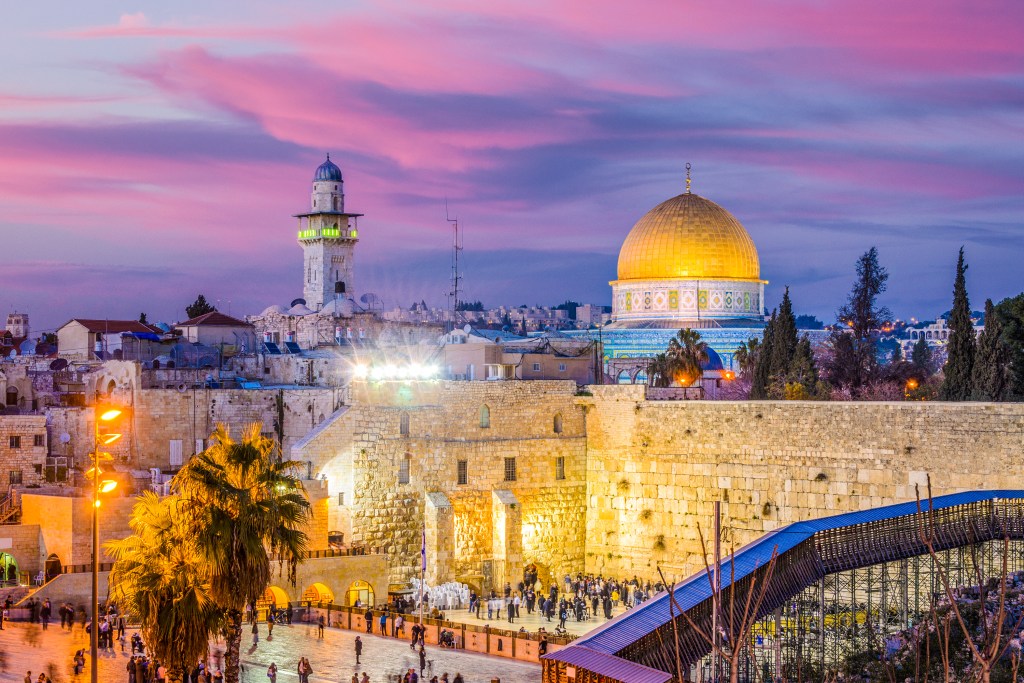
Jerusalem is arguably one of the most historically and religiously significant cities on Earth, a living museum where every stone tells a story. The Old City alone, with its four quarters (Jewish, Christian, Muslim, Armenian), contains sites like the Western Wall, the Church of the Holy Sepulchre, and the Dome of the Rock. You can spend days just wandering its ancient alleys, absorbing the weight of millennia. Beyond the Old City, significant sites like Yad Vashem (Holocaust Memorial) and the Israel Museum (home to the Dead Sea Scrolls) offer deep dives into modern and ancient history. While Tel Aviv boasts the ancient port of Jaffa and stunning Bauhaus architecture, its historical narrative is comparatively brief, focusing more on the 20th century. In Jerusalem, the past isn't just displayed; it's palpable in the air, the traditions, and the daily lives of its diverse inhabitants. Expect entry fees for some museums to be around 50-70 ILS ($14-19 USD), but many of the most impactful sites, like the Western Wall, are free to visit. "Jerusalem isn't just a city, it's an experience. You feel the history in your bones, especially at the Western Wall. Totally blew me away." - r/IsraelTravel
Winner takeaway
- Winner: Jerusalem
- Why: Jerusalem's unparalleled concentration of world-renowned historical and religious sites offers a profound cultural immersion that Tel Aviv cannot match.
- Who this matters for: History buffs, religious travelers, and anyone seeking a deeply meaningful and educational journey.
🕺 Nightlife & Social Scene
Tel Aviv is often dubbed the 'Mediterranean's Party Capital,' and for good reason. The city truly comes alive after dark, offering an incredibly diverse and vibrant nightlife scene that caters to every taste. From chic cocktail bars on Rothschild Boulevard like Imperial Craft Cocktail Bar, to pumping techno clubs in the south like The Block, or more laid-back pubs in Florentin, there's always something happening. The beach bars along the Tayelet often host DJ sets, and the city is world-renowned for its LGBTQ+ friendly atmosphere, culminating in a massive annual Pride Parade. A craft beer will set you back around 30-40 ILS ($8-11 USD), while club entry can range from 50-100 ILS ($14-27 USD) depending on the night and venue. Jerusalem, by contrast, has a much quieter and more traditional nightlife. While there are some respectable pubs around Nachalat Shiva and the German Colony, like the Dublin Pub or Birman, and a few cultural venues, it simply doesn't compare to Tel Aviv's energy. Most places close earlier, and the overall vibe is far more subdued. "Tel Aviv's nightlife is insane. We went out every night, and there was always a new spot or a crazy party. So much fun!" - r/solotravel
Winner takeaway
- Winner: Tel Aviv
- Why: Tel Aviv's relentless energy, diverse options, and 24/7 party culture make it the undisputed winner for nightlife and social engagement.
- Who this matters for: Young travelers, party-goers, solo adventurers looking to socialize, and anyone who loves a bustling urban night scene.
🥙 Food & Drink Scene
Tel Aviv has firmly established itself as a global culinary hotspot, boasting an incredible array of dining experiences from Michelin-level restaurants to some of the best street food you'll ever taste. The city is particularly famous for its thriving vegan scene, with countless plant-based eateries. You can find everything from sophisticated Israeli fusion at places like Shila or North Abraxas, incredible breakfasts at Cafe XOHO, to mouth-watering shakshuka at Dr. Shakshuka in Jaffa, and gourmet market fare at Sarona Market. A high-quality falafel or sabich will cost around 20-30 ILS ($5-8 USD), while a mid-range restaurant meal can be 80-150 ILS ($22-40 USD) per person, and fine dining much higher. Jerusalem excels in traditional Middle Eastern flavors, especially around Mahane Yehuda Market where you can sample fantastic hummus (try Hummus Ben Sira), falafel, and kubbeh. The market also offers some trendy bars and restaurants like Machneyuda. However, its diversity doesn't quite match Tel Aviv's international scope and innovative culinary scene. While Jerusalem's traditional food is superb, Tel Aviv's breadth, innovation, and modern atmosphere give it the edge for foodies. "The food in Tel Aviv is next level. Seriously, I ate so much good stuff, from fancy dinners to just amazing street falafel. And the vegan options are insane." - r/travel
Winner takeaway
- Winner: Tel Aviv
- Why: Tel Aviv's unparalleled culinary diversity, innovative dining, and vibrant street food scene cater to all palates and budgets with a modern flair.
- Who this matters for: Foodies, gourmands, vegans/vegetarians, and those who prioritize diverse and high-quality dining experiences.
🏖️ Beaches & Outdoors
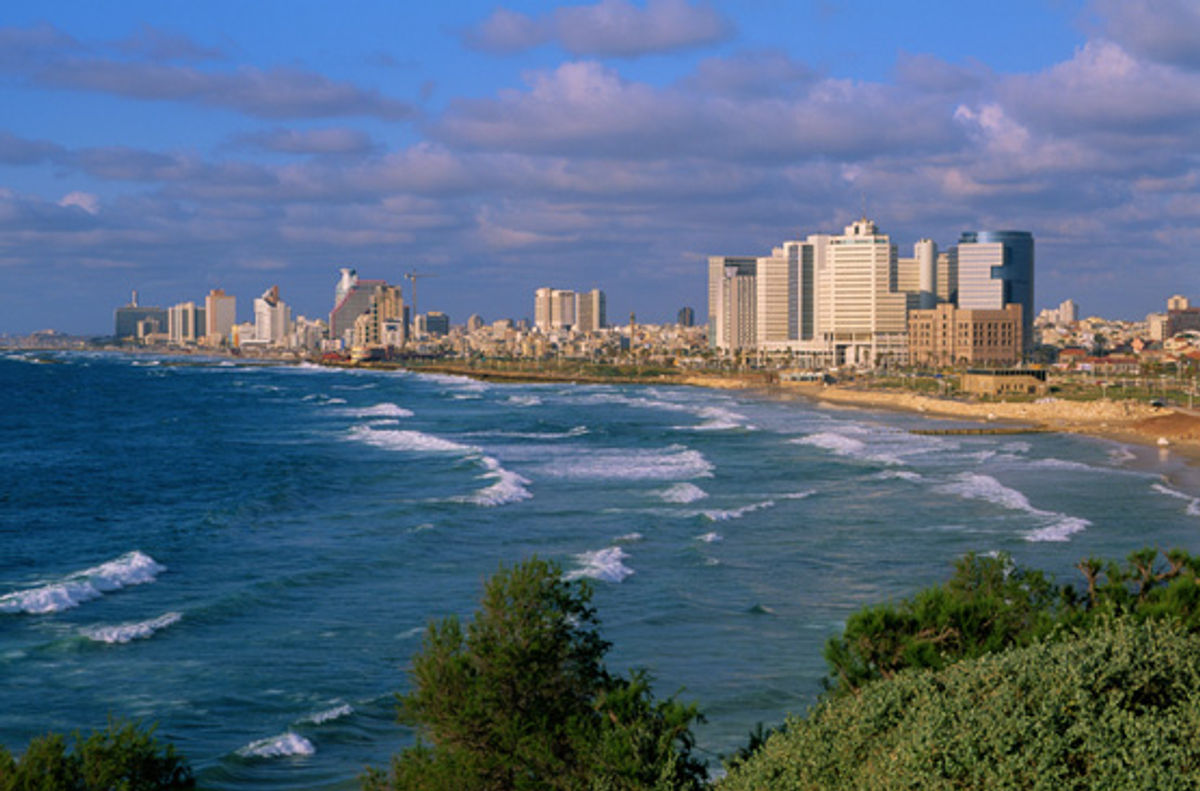
Tel Aviv is a beach city through and through, boasting miles of beautiful, sandy Mediterranean coastline that are an integral part of its identity. From Gordon Beach with its iconic pool, to the quieter Hilton Beach (a popular spot for LGBTQ+ travelers), or the surfing haven of Dolphinarium Beach, there's a stretch of sand for everyone. The Tayelet (promenade) stretches for kilometers, perfect for walking, jogging, cycling, or just people-watching. Beach access is free, and you can rent chairs and umbrellas for about 10-20 ILS ($3-5 USD) each. The city's outdoor culture extends to parks like Hayarkon Park, where you can rent paddle boats or bikes. Jerusalem, being inland and nestled in the Judean Mountains, offers no beaches. Its outdoor activities revolve around historical walks, stunning panoramic views from places like the Mount of Olives or Haas Promenade, and beautifully maintained parks such as Gan Sacher. While these offer a different kind of outdoor experience – more reflective and scenic – they can't compete with the vibrant, sun-drenched, and active beach lifestyle of Tel Aviv. For those craving the sea and sunshine, Tel Aviv is the clear winner. "Tel Aviv's beaches are a lifesaver, especially in the heat. Just chilling by the water after exploring, perfection." - r/TelAviv
Winner takeaway
- Winner: Tel Aviv
- Why: Tel Aviv's extensive, lively, and easily accessible Mediterranean beaches offer a quintessential seaside experience that Jerusalem simply lacks.
- Who this matters for: Beach lovers, sun worshippers, water sports enthusiasts, and anyone looking to combine urban exploration with coastal relaxation.
💰 Costs & Budget
When comparing the two cities, Jerusalem generally offers a more budget-friendly experience, though Israel as a whole is not a cheap destination. In Tel Aviv, a bed in a decent hostel like Abraham Hostel Tel Aviv typically costs 120-200 ILS ($33-55 USD) per night, while a mid-range hotel can easily be 700-1200 ILS ($190-330 USD). Dining out can also be pricey, with a mid-range meal costing 80-150 ILS ($22-40 USD) and drinks adding up quickly (a beer is 30-40 ILS). Transportation is efficient but not cheap, with a Rav-Kav bus ride around 5.50 ILS ($1.50 USD). Jerusalem, while still costly, tends to be slightly more forgiving on the wallet. Hostels like Abraham Hostel Jerusalem or The Post Hostel are generally in the 100-180 ILS ($27-50 USD) range for a dorm bed, and mid-range hotels might be 500-900 ILS ($135-245 USD). Traditional street food at Mahane Yehuda Market is often cheaper than Tel Aviv's gourmet options, with falafel/shawarma around 20-30 ILS. While prices for attractions are comparable, the everyday costs of living and going out are noticeably lower in Jerusalem. "Jerusalem was definitely easier on my wallet for food and hostels. Tel Aviv was awesome but I blew through cash way faster there." - r/travel
Winner takeaway
- Winner: Jerusalem
- Why: Jerusalem, while still expensive by global standards, offers slightly more affordable accommodation, dining, and nightlife options compared to the high-demand Tel Aviv.
- Who this matters for: Budget travelers, backpackers, and those looking to maximize their travel funds in Israel.
🚌 Getting There & Around
Both cities are incredibly well-connected and easy to navigate once you're in Israel. Most international flights land at Ben Gurion Airport (TLV), which is conveniently located almost equidistant between Tel Aviv (about 20-25 minutes by train/taxi for around 15-20 ILS / $4-5 USD by train) and Jerusalem (about 30-40 minutes by high-speed train for 20-30 ILS / $5-8 USD). Getting between Tel Aviv and Jerusalem is a breeze, with frequent Egged buses (line 480/405) taking about an hour for ~16 ILS ($4.50 USD) or shared sherut taxis for slightly more. Within Tel Aviv, the city is very walkable, particularly the central areas and promenade. It's also incredibly bike-friendly with many rental stations (Tel-O-Fun). The bus network is extensive and runs frequently (except on Shabbat). Jerusalem also has an excellent public transport system, highlighted by its efficient light rail system that connects key areas, and a reliable bus network. The Old City is best explored on foot, and many significant sites are within walking distance of each other. The main difference lies in the vibe: Tel Aviv feels more spread out and modern, making bikes popular, while Jerusalem's ancient core encourages exploration on foot through narrow alleys. "Seriously, don't even worry about getting around. The buses and trains are super easy, and getting between TA and Jlem is a no-brainer." - r/IsraelTravel
Winner takeaway
- Winner: Tie
- Why: Both cities offer excellent public transport within their boundaries and seamless connections to Ben Gurion Airport and each other, making travel convenient.
- Who this matters for: Travelers who prioritize ease of access, efficient public transportation, and a walkable urban environment.
🏨 Accommodation & Vibe
Tel Aviv's accommodation scene perfectly reflects its modern, cosmopolitan vibe. You'll find a plethora of stylish boutique hotels like The Norman Tel Aviv, contemporary chain hotels, and some of the best hostels in the world, such as Abraham Hostel Tel Aviv or The Spot Hostel, which are social hubs offering a range of activities and a lively atmosphere. Neighborhoods like Florentin offer a bohemian, artsy feel, while Rothschild Boulevard is more upscale. The city caters to a younger, more liberal crowd, and the energy is palpable, even in your choice of lodging. Prices are high, with a decent hotel room typically 700-1200 ILS ($190-330 USD) or more. Jerusalem offers a different kind of charm. While it has international chain hotels and some good hostels like Abraham Hostel Jerusalem or The Post Hostel (around 100-180 ILS / $27-50 USD for a dorm), its unique offerings are often guesthouses with historical character, like the American Colony Hotel, or traditional family-run accommodations within the Old City's quarters. The vibe is more spiritual and subdued, less about constant social interaction and more about reflection and reverence for history. While both offer quality, Tel Aviv's diverse, modern, and social lodging options cater more broadly to contemporary traveler preferences for vibrancy and varied experiences. "I loved my hostel in Tel Aviv, it was super social and made it easy to meet people. Felt really modern and clean too." - r/solotravel
Winner takeaway
- Winner: Tel Aviv
- Why: Tel Aviv offers a wider range of modern, stylish, and highly social accommodation options, reflecting its dynamic and contemporary urban character.
- Who this matters for: Solo travelers, digital nomads, and those seeking a trendy, social, and modern lodging experience.
⛰️ Day Trips & Surroundings
Jerusalem serves as an ideal base for exploring some of Israel's most iconic day trip destinations, particularly those in the Judean Desert and along the Dead Sea. From Jerusalem, you can easily reach the Dead Sea in about 45 minutes to an hour by car or bus (e.g., Masada and Ein Gedi, both popular spots, are just 1.5-2 hours away, with tour costs ranging from 250-400 ILS / $70-110 USD). The ancient fortress of Masada, a UNESCO World Heritage site, and the stunning natural oasis of Ein Gedi are practically on Jerusalem's doorstep. Additionally, the Palestinian city of Bethlehem, with the Church of the Nativity, is a short bus or taxi ride away (around 10-20 ILS / $3-5 USD). While Tel Aviv offers day trip options like Caesarea, Haifa, and Akko to the north, these often require longer travel times (1-2 hours each way) and don't have the same dramatic desert landscapes. If your itinerary includes floating in the Dead Sea, hiking historic Masada, or exploring biblical Bethlehem, Jerusalem provides a significant logistical advantage. "Jerusalem is perfect for day trips. We did Masada, Dead Sea, and Ein Gedi all in one day from there and it was epic. So convenient." - r/travel
Winner takeaway
- Winner: Jerusalem
- Why: Jerusalem's central location in relation to the Dead Sea, Masada, Ein Gedi, and Bethlehem makes it the superior base for iconic day trips.
- Who this matters for: Adventure seekers, history enthusiasts, and those wanting to explore Israel's desert landscapes and biblical sites.
🧘 Safety & Atmosphere
Both Tel Aviv and Jerusalem are generally considered safe cities for tourists, though they offer very different atmospheres. Tel Aviv has a more relaxed, liberal, and fast-paced European-style vibe. It's an open city where people are generally welcoming, and the biggest safety concerns are typically petty theft in crowded areas or traffic. There's a tangible sense of freedom and modernity. Jerusalem, while also very safe in its tourist-heavy areas, carries a more intense, spiritual, and historically charged atmosphere. The Old City, in particular, has a visible security presence, which can be reassuring to some and slightly intimidating to others. The city is culturally diverse and generally harmonious, but the religious and political complexities are more evident. The pace is slower, and there's a strong sense of tradition and reverence. For solo female travelers, both cities are considered safe, but Tel Aviv might feel more liberating due to its less conservative social norms. In either city, exercising basic street smarts is key. Public transport is safe in both. "I felt super safe walking around Tel Aviv at night, even as a solo woman. Jerusalem felt safe too, just a different kind of vibe, more intense." - r/solotravel
Winner takeaway
- Winner: Tie
- Why: Both cities are remarkably safe for travelers, though they offer distinct atmospheres – Tel Aviv (modern/liberal) and Jerusalem (historical/spiritual) – appealing to different preferences.
- Who this matters for: Travelers prioritizing personal safety, though their preference will dictate whether they prefer Tel Aviv's relaxed urbanity or Jerusalem's profound historical gravitas.
🛍️ Shopping & Markets
When it comes to shopping, Tel Aviv and Jerusalem offer distinct, complementary experiences. Tel Aviv is your go-to for modern retail therapy. Dizengoff Street is lined with fashion boutiques and international brands, while high-end shopping malls like Azrieli Center offer a full range of consumer goods. For unique finds and local crafts, the Nahalat Binyamin Arts & Crafts Fair (Tuesdays and Fridays) is a must-visit, and Sarona Market blends gourmet food with boutique shops. Here, you'll find everything from cutting-edge Israeli designers to global fashion. Prices are generally on par with Western European cities. Jerusalem's shopping is dominated by its historical and cultural offerings. The Old City's souks are an incredible labyrinth where you can haggle for spices, religious artifacts, ceramics, jewelry, and traditional textiles. It's a sensory overload and a treasure trove for unique, culturally significant souvenirs. Outside the Old City, Mahane Yehuda Market, while primarily a food market, also has stalls selling local crafts and clothing, especially around its perimeter. For everyday shopping, both cities have modern supermarkets, but the distinct cultural shopping experiences make them both winners in their own right, depending on what you're looking for. "Loved the chaos of the Old City souks for souvenirs, but Tel Aviv had better actual clothes shopping." - r/travel
Winner takeaway
- Winner: Tie
- Why: Both cities offer distinct and compelling shopping experiences: Tel Aviv for modern retail and designer goods, and Jerusalem for unique traditional goods and market haggling.
- Who this matters for: Shoppers of all types, with those seeking modern fashion and high-end goods favoring Tel Aviv, and those seeking traditional souvenirs and market experiences favoring Jerusalem.
❓ Frequently Asked Questions
How long is the journey between Tel Aviv and Jerusalem?
The journey by bus or shared taxi (sherut) typically takes about 1 hour, covering approximately 60-70 km (37-43 miles). A high-speed train is also available, taking around 30-40 minutes.
What's the best time of year to visit both cities?
Spring (April-May) and Autumn (September-October) offer the most pleasant weather. Summers (June-August) can be extremely hot, especially in Jerusalem, while winters (November-March) are mild but can have rainy days.
Is public transportation available on Shabbat?
In Jerusalem, most public transportation (buses, light rail) stops from Friday afternoon until Saturday evening. Tel Aviv has some limited private 'sherut' (shared taxi) lines that operate during Shabbat, but regular buses and trains also stop. Plan accordingly!
Do I need a car to get around?
No, a car is not necessary. Both cities have excellent public transportation, and most central areas are very walkable. For day trips, tours or intercity buses are readily available.
What's the difference in dress code?
Tel Aviv is very liberal, and casual attire is the norm. In Jerusalem, especially when visiting religious sites in the Old City, it's respectful to dress modestly (shoulders and knees covered for both men and women). Always carry a scarf or shawl for impromptu coverage.
Are both cities safe for solo female travelers?
Yes, both Tel Aviv and Jerusalem are generally considered very safe for solo female travelers. Basic precautions apply, as in any major city, but you'll likely feel comfortable exploring on your own.
Can I visit Palestinian territories like Bethlehem from either city?
Yes, Bethlehem is easily accessible from Jerusalem by local bus or taxi. It's generally recommended to go with a tour or local guide for ease of crossing and navigation.
What's the typical cost for a decent meal in each city?
In Tel Aviv, a mid-range restaurant meal might cost 80-150 ILS ($22-40 USD), while street food is 20-30 ILS. In Jerusalem, traditional street food is similar, and a mid-range meal might be slightly less, around 60-120 ILS ($16-33 USD).
Ready to plan your Israel trip?
Get a free custom itinerary for Tel Aviv, Jerusalem, or both — built from real traveler insights.
🎟️ Book Tours & Experiences
Hand-picked tours and activities for both destinations — book with free cancellation
Experiences via Viator — free cancellation on most tours