How we built this comparison
This page combines traveler discussion patterns, published price ranges, flight schedules, and seasonal data to help you decide between Tenerife and Gran Canaria.
- Reviewed 100+ Reddit threads from r/travel, r/solotravel, r/Tenerife, r/GranCanaria, r/SpainTravel.
- Verified costs and logistics against current booking platforms (e.g., Booking.com, Skyscanner, Cicar).
- Cross-referenced seasonal patterns, weather data, and local expert blogs for accuracy and nuance.
⚡ The TL;DR Verdict
If you're after dramatic volcanic landscapes, world-class theme parks, and varied vibes from party to quiet north, Tenerife is your winner. For stunning sand dunes, a vibrant capital city, and a slightly more laid-back, yet diverse, experience, Gran Canaria shines. Expect to budget €70-130 ($75-140) per person per day for a comfortable mid-range trip, excluding flights.
- Choose Tenerife: Choose Tenerife if you prioritize epic hiking (Teide!), thrilling water parks, and a distinct north vs. south vibe, catering to both party-goers and those seeking authentic Canarian towns.
- Choose Gran Canaria: Opt for Gran Canaria if vast sand dunes, a bustling metropolitan capital (Las Palmas), and a slightly more 'all-rounder' island feel appeal, often favored for its accessibility and diverse microclimates.
- Choose Both: Consider visiting both if you have 10+ days and want the full Canarian experience. Inter-island ferries (e.g., Fred Olsen Express) connect them in about 80 minutes, costing around €50-80 ($55-85) one-way, making a twin-island trip feasible.
Quick Comparison
| Category | Tenerife | Gran Canaria | Winner |
|---|---|---|---|
| Beaches & Water Sports | Volcanic black sand beaches dominate, but artificial golden sands exist. Great for surfing, diving, and boat trips. | Famous for the golden dunes of Maspalomas; long, wide sandy beaches. Excellent for windsurfing and snorkeling. | Gran Canaria |
| Nature & Hiking | Home to Mount Teide, Spain's highest peak, and diverse volcanic landscapes. Lush north, arid south. | Central mountains, Roque Nublo, and the Maspalomas Dunes offer varied, albeit less dramatic, hiking. | Tenerife |
| Nightlife & Party Scene | Playa de las Américas is a party hub; more laid-back bars in Puerto de la Cruz and Santa Cruz. | Playa del Inglés and the Yumbo Centre are internationally famous for vibrant nightlife, especially LGBTQ+ friendly. | Gran Canaria |
| Food & Gastronomy | Traditional Canarian fare, fresh seafood, and international options. Guachinches for authentic local food. | Diverse culinary scene, from fresh seafood to traditional tapas and international fusion. Strong focus in Las Palmas. | Tenerife |
| Culture & Towns | Historic La Laguna (UNESCO), charming Puerto de la Cruz, and the capital Santa Cruz. Diverse cultural offerings. | Vibrant capital Las Palmas (historic Vegueta), charming Agüimes, and traditional inland villages. | Gran Canaria |
| Costs & Value | Generally good value, especially in the north. Budget-friendly guachinches. | Slightly higher prices in tourist hubs, but Las Palmas offers good local value. Generally comparable. | Tie |
| Getting Around | Good bus network, but car rental is king for exploration, especially in the north. | Reliable bus service (Global), but a car is best for reaching off-the-beaten-path locations. | Tie |
| Accommodation & Stays | Wide range from luxury resorts in the south to charming guesthouses in the north. Good variety. | Excellent selection from large resorts in the south to boutique hotels in Las Palmas. Slightly more varied. | Gran Canaria |
| Family Friendliness | Home to Siam Park (world's best water park) and Loro Parque. Many family resorts in the south. | Good for families with Maspalomas Dunes, amusement parks, and calm beaches in Puerto Rico. | Tenerife |
| Vibe & Atmosphere | North is authentic Canarian, lush; South is lively, touristy. Great for diverse experiences. | South is resort-heavy, lively; North (Las Palmas) is urban, cultured. Generally more relaxed. | Tenerife |
🏖️ Beaches & Water Sports
Tenerife boasts a mix of stunning natural black sand beaches like Playa Jardín in Puerto de la Cruz and the unique, imported golden sands of Las Teresitas near Santa Cruz. Surfing is strong on the north coast, and diving opportunities around Los Cristianos are abundant, often costing €45-60 ($50-65) for a guided dive. However, Gran Canaria truly shines with its iconic Maspalomas Dunes, a surreal desert landscape meeting the Atlantic, and the vast, golden expanse of Playa del Inglés. For watersports, Pozo Izquierdo is world-renowned for windsurfing and kitesurfing, attracting pros. Puerto Rico offers calm waters perfect for families and boat trips, including dolphin watching tours for around €30-40 ($33-43). 'Gran Canaria just has that classic postcard beach vibe with Maspalomas, you can't beat it for golden sand and space.'
Winner takeaway
- Winner: Gran Canaria
- Why: Gran Canaria takes the lead with its iconic golden sand dunes and wider variety of accessible, family-friendly golden beaches, alongside world-class windsurfing conditions.
- Who this matters for: Beach lovers, families with young children, and wind/kitesurfing enthusiasts.
🏞️ Nature & Hiking
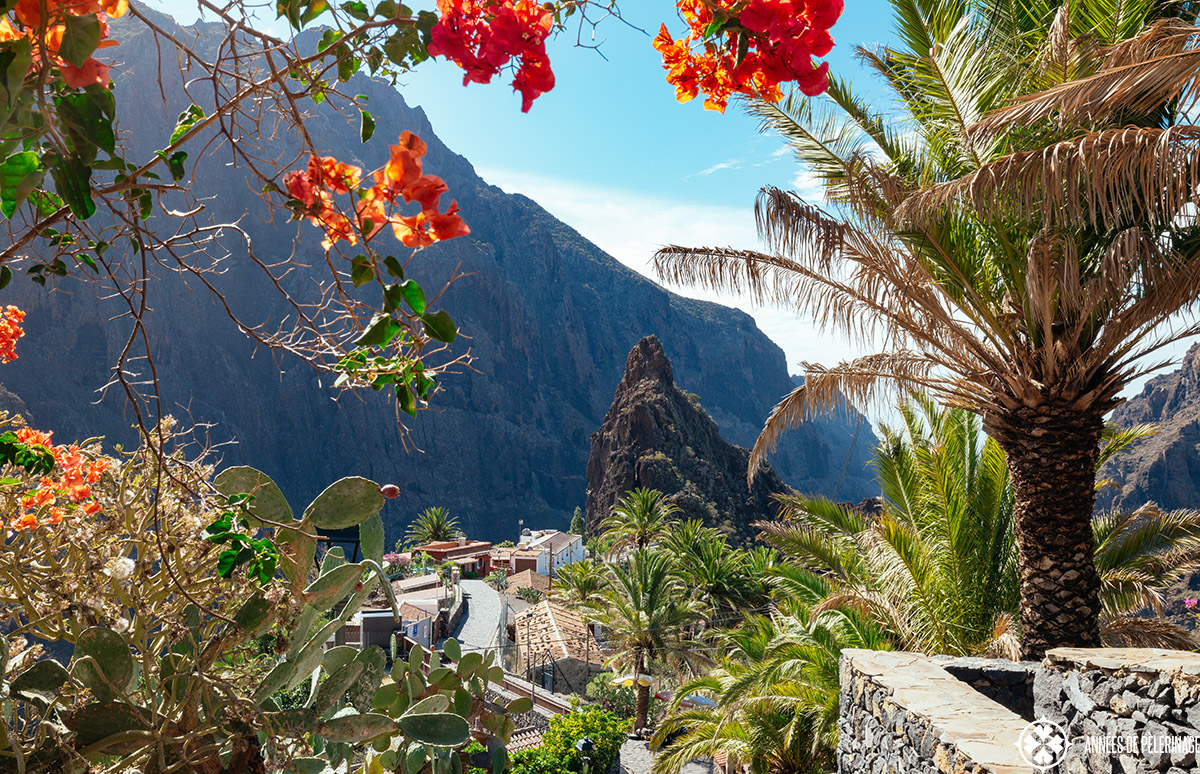
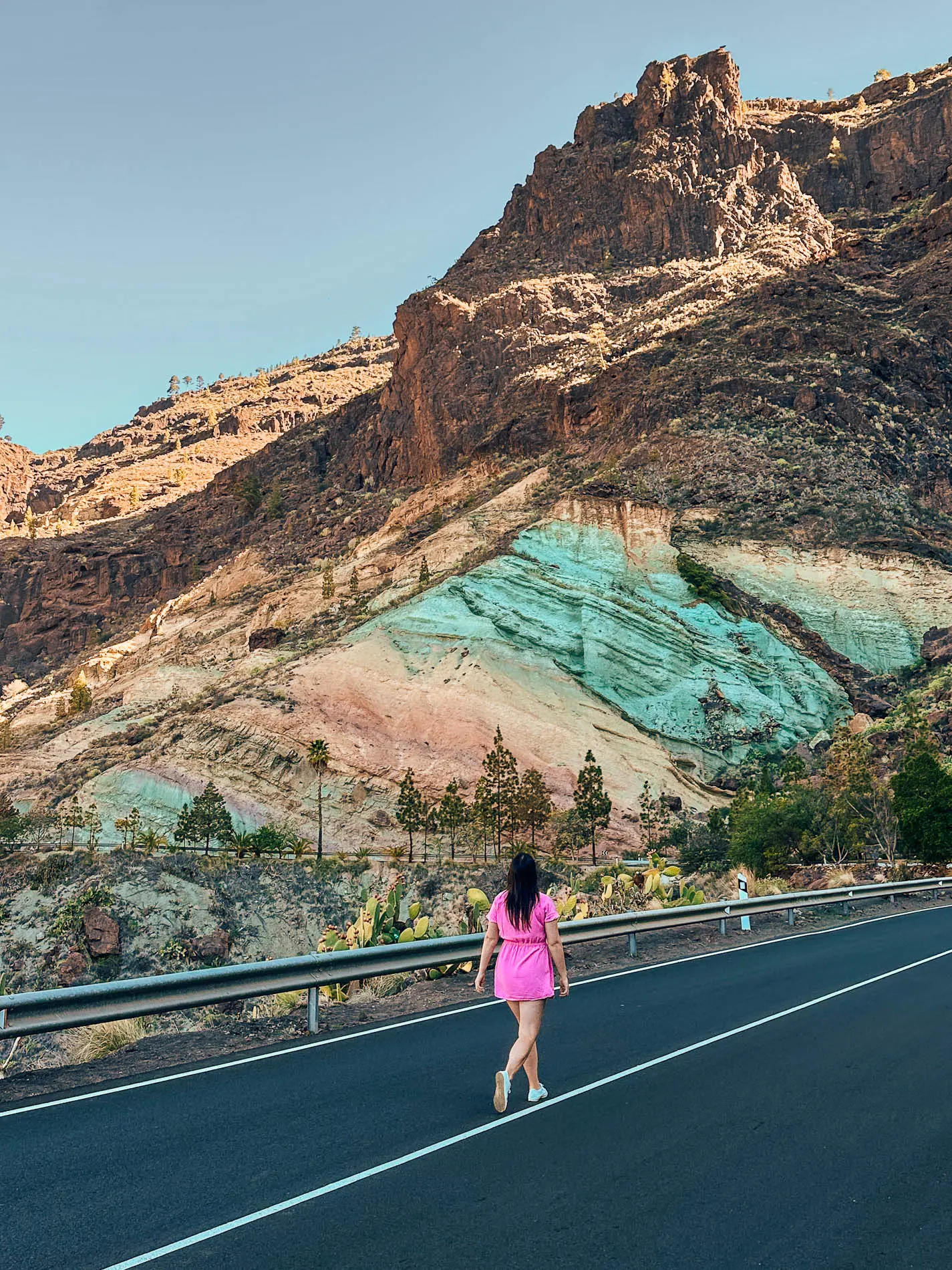
Tenerife is unparalleled for its dramatic volcanic landscapes, primarily centered around Teide National Park. Hiking to the summit of Mount Teide (requires a permit, often booked months in advance, or a cable car ride + permit for the final stretch, cable car return ~€38/$41) is a bucket-list experience. The lunar-like landscapes of Las Cañadas del Teide are truly unique. Beyond Teide, the Anaga Rural Park in the northeast offers lush, ancient laurel forests and misty trails, a stark contrast to the south. Masca Valley, though touristy, provides a thrilling gorge hike down to the sea. Gran Canaria offers beautiful, rugged terrain, with Roque Nublo, a massive volcanic rock formation, as its iconic centerpiece, drawing hikers with trails like the circular route from La Goleta. The Caldera de Bandama offers a unique volcanic crater experience. While stunning, Gran Canaria’s natural beauty doesn't quite match the sheer scale and diversity of Tenerife's volcanic grandeur. 'Tenerife's Teide just blew my mind, felt like I was on Mars. Nothing on Gran Canaria really compares to that scale.'
Winner takeaway
- Winner: Tenerife
- Why: Tenerife's Mount Teide and the incredibly diverse ecosystems from arid volcanic moonscapes to lush ancient forests provide a more epic and varied natural experience.
- Who this matters for: Serious hikers, landscape photographers, and those seeking awe-inspiring geological wonders.
🎉 Nightlife & Party Scene
Tenerife’s nightlife is concentrated primarily in Playa de las Américas, specifically around the 'Veronica's Strip' and 'Starco Centre', where you'll find numerous clubs, bars, and late-night venues catering to a younger, often British and German, crowd. Expect €5-10 ($5.50-11) for cocktails and free entry to most clubs. Santa Cruz de Tenerife offers a more local, sophisticated scene with cocktail bars and live music, particularly around La Noria street. However, Gran Canaria holds the crown for its world-renowned nightlife, especially in Playa del Inglés. The Yumbo Centre is iconic, a massive open-air complex famous for its vibrant LGBTQ+ scene, drag shows, and diverse bars that cater to all tastes, often open until the early hours. Other areas like Meloneras offer more upscale lounge bars. 'Yumbo Centre in Gran Canaria is just wild, so much fun and everyone's so welcoming, no comparison really.'
Winner takeaway
- Winner: Gran Canaria
- Why: Gran Canaria's Playa del Inglés and the Yumbo Centre offer a more concentrated, diverse, and internationally recognized party scene, particularly for the LGBTQ+ community.
- Who this matters for: Party-goers, LGBTQ+ travelers, and those looking for lively, late-night entertainment.
🍽️ Food & Gastronomy
Both islands excel in fresh seafood, papas arrugadas (wrinkled potatoes with mojo sauce), and hearty Canarian stews. However, Tenerife has a unique gem: the 'guachinches'. These informal, family-run eateries, primarily in the north (like around La Orotava or Tacoronte), serve hyper-local, seasonal food and their own wine at incredibly low prices – a full meal with wine can be €10-15 ($11-16) per person. They offer an authentic culinary experience you won't find elsewhere. Restaurants like El Calderito de la Abuela near La Orotava are highly recommended for this. Gran Canaria boasts a sophisticated dining scene, particularly in Las Palmas, with excellent seafood restaurants in the La Isleta neighborhood and modern Canarian cuisine. For example, La Ciccia in Las Palmas offers great Italian fusion. You'll find a wide range of international options in the tourist resorts, but for that truly unique, local culinary dive, Tenerife's guachinches give it the edge. 'The guachinches in Tenerife are a game changer, felt like I was eating at a local's grandma's house for next to nothing. You don't get that on GC.'
Winner takeaway
- Winner: Tenerife
- Why: Tenerife's unique 'guachinche' culture offers an authentic, delicious, and incredibly affordable local dining experience that Gran Canaria cannot replicate.
- Who this matters for: Foodies seeking authentic local experiences, budget travelers, and wine enthusiasts.
🏰 Culture & Towns
Tenerife boasts San Cristóbal de La Laguna, a UNESCO World Heritage site with a beautifully preserved colonial old town, and the lively capital Santa Cruz, known for its Auditorio de Tenerife and annual Carnival. Puerto de la Cruz offers a traditional Canarian resort feel with botanical gardens and seawater pools (Lago Martiánez). However, Gran Canaria's capital, Las Palmas, feels more like a living, breathing city. Its historic Vegueta district, also a UNESCO site, is incredibly charming with cobbled streets, historic buildings like Casa de Colón (Columbus House, entry ~€4/$4.50), and bustling tapas bars. The city also has the stunning Las Canteras beach right on its doorstep and a more vibrant urban art scene. Beyond the capital, towns like Agüimes or the cave houses of Artenara offer unique cultural glimpses. While Tenerife has strong cultural points, Las Palmas gives Gran Canaria a more comprehensive and engaging urban cultural experience. 'Las Palmas just feels more like a real city with history and cool vibes, Tenerife's cities feel a bit smaller in comparison.'
Winner takeaway
- Winner: Gran Canaria
- Why: Gran Canaria's capital, Las Palmas, offers a richer, more vibrant urban cultural experience with its historic Vegueta district, stunning city beach, and bustling atmosphere.
- Who this matters for: Urban explorers, history buffs, and those who enjoy a bustling city vibe alongside their island getaway.
💰 Costs & Value
Both islands offer excellent value compared to mainland Europe, but prices fluctuate based on season and specific location. Accommodation can range from €40-60 ($43-65) for a basic apartment to €100-200 ($108-216) for a mid-range hotel. Eating out in tourist areas: a main meal is typically €12-20 ($13-22), while local spots offer meals for €8-15 ($9-16). Car rental is highly recommended for both, costing around €25-40 ($27-43) per day for a compact car. Fuel prices are significantly lower than mainland Spain, around €1.30-1.45/liter ($5.50-6.20/gallon). Tenerife might have a slight edge in budget dining due to the guachinches, and some northern towns can feel less expensive overall. Gran Canaria's Las Palmas offers great value for food and drinks outside the main tourist zones. Ultimately, savvy travelers can find great deals on both islands. 'Honestly, I found costs pretty similar on both. If you avoid the tourist traps, you can eat and drink cheaply on either island.'
Winner takeaway
- Winner: Tie
- Why: Both islands offer comparable value for money, with opportunities for budget travel and mid-range comfort depending on location and choices.
- Who this matters for: Budget-conscious travelers, families, and anyone looking for good value without sacrificing quality.
🚗 Getting Around
Car rental is almost essential for both islands if you want to truly explore beyond the main resorts. Expect to pay around €25-40 ($27-43) per day for a compact car from reputable companies like Cicar or Pluscar, which often include full insurance. Roads are generally well-maintained, though mountain roads can be winding. Tenerife has a decent public bus service (Titsa) connecting major towns and attractions, with routes to Teide National Park. Gran Canaria's Global bus network is also extensive and reliable, particularly connecting Las Palmas to the south. However, both islands have areas where public transport is sparse, making a car invaluable for flexibility, especially for hikers or those staying in rural areas. Driving times between major points are similar, e.g., Santa Cruz to Playa de las Américas is about 1 hour on Tenerife, Las Palmas to Maspalomas is about 45-60 minutes on Gran Canaria. 'Honestly, just get a rental car for either, saves so much hassle and lets you see the real island. Buses are fine but limiting.'
Winner takeaway
- Winner: Tie
- Why: Both islands offer similar and equally efficient options for getting around, with car rental being the most recommended for comprehensive exploration.
- Who this matters for: Independent travelers, hikers, and those who prioritize flexibility and exploring off-the-beaten-path.
🏨 Accommodation & Stays
Tenerife offers a vast array of accommodation, from the bustling, all-inclusive resorts of Costa Adeje and Playa de las Américas (e.g., GF Victoria, often €200-400/$216-432 per night for a family suite) to charming boutique hotels in La Laguna or rural casas in the Anaga mountains. The north of Tenerife, like Puerto de la Cruz, offers a more traditional Canarian hotel experience. Gran Canaria, however, provides a slightly more diverse and arguably better-distributed selection. The south boasts huge, luxurious resorts in Meloneras (e.g., Lopesan Baobab Resort) and family-friendly complexes in Puerto Rico. Las Palmas offers a fantastic range of stylish city hotels and boutique guesthouses, perfect for those wanting an urban base near Las Canteras beach. Additionally, the island has more well-developed rural tourism options in the center, like charming cave hotels in Artenara. 'Gran Canaria just felt like it had more polished options across the board, from luxury resorts to cool city stays in Las Palmas.'
Winner takeaway
- Winner: Gran Canaria
- Why: Gran Canaria edges out with a slightly more varied and perhaps higher-quality distribution of accommodation types, particularly with its strong urban hotel scene in Las Palmas complementing its resort offerings.
- Who this matters for: Travelers seeking diverse lodging options, from luxury resorts to unique urban or rural stays.
👨👩👧👦 Family Friendliness
Both islands are incredibly family-friendly, but Tenerife boasts two major attractions that make it a standout. Siam Park, consistently ranked as one of the best water parks in the world (entry ~€40/$43 for adults, €28/$30 for kids), offers thrills for all ages. Loro Parque (entry ~€40/$43) is an award-winning zoo and animal sanctuary that also captivates children. The south of Tenerife, particularly Costa Adeje, is packed with family-oriented resorts offering kids' clubs, multiple pools, and entertainment. Gran Canaria also offers plenty for families, including the vast, safe beaches of Puerto Rico, the Maspalomas Dunes for endless fun, and smaller amusement parks like Holiday World Maspalomas (entry per ride/activity). While Gran Canaria is excellent, Tenerife's world-class theme parks provide an undeniable draw for families with kids of all ages. 'Siam Park alone makes Tenerife the winner for families, my kids still talk about it years later.'
Winner takeaway
- Winner: Tenerife
- Why: Tenerife's world-renowned Siam Park and Loro Parque, coupled with abundant family resorts, give it a slight edge for family entertainment.
- Who this matters for: Families with children of all ages, especially those who enjoy theme parks and water parks.
🧘 Vibe & Atmosphere
Tenerife offers a more pronounced contrast in its atmosphere between the north and the south, giving travelers the chance to experience two very different vibes on one island. The south (Playa de las Américas, Los Cristianos) is lively, resort-focused, and caters to mass tourism with bustling promenades and nightlife. In stark contrast, the north (Puerto de la Cruz, La Orotava, Garachico) feels authentically Canarian, with lush greenery, historic towns, and a more relaxed, local pace. This duality allows for diverse experiences – from party-going to quiet village exploration – within a short drive. Gran Canaria’s south (Maspalomas, Playa del Inglés) is also resort-heavy and lively, but its capital, Las Palmas, offers a vibrant urban atmosphere. While diverse, Gran Canaria's overall vibe tends to be slightly more consistent and perhaps a touch less 'dramatic' in its contrasts. Tenerife's split personality gives it an edge for variety. 'Tenerife really felt like two different islands in one; you could party hard in the south then escape to a tranquil, historic town in the north.'
Winner takeaway
- Winner: Tenerife
- Why: Tenerife's distinct north-south divide provides a more diverse range of atmospheres, allowing travelers to easily switch between lively resorts and authentic, tranquil Canarian towns.
- Who this matters for: Travelers who appreciate varied experiences, solo adventurers, and those seeking both relaxation and vibrancy.
❓ Frequently Asked Questions
Which island is better for a relaxing holiday?
Both islands offer plenty of opportunities for relaxation. Tenerife's quieter north (e.g., Garachico, Puerto de la Cruz) is excellent for a serene escape, while Gran Canaria's sophisticated Meloneras or charming Agüimes offer tranquil alternatives. Choose based on your preferred scenery – volcanic north Tenerife or golden south Gran Canaria.
Is it easy to travel between Tenerife and Gran Canaria?
Yes, very easy! Regular ferry services by companies like Fred Olsen Express and Naviera Armas connect the two islands multiple times a day. The journey typically takes around 80 minutes by fast ferry and costs about €50-80 ($55-85) one-way, making island hopping a convenient option.
Which island has better weather?
Both islands enjoy the 'eternal spring' climate, meaning mild temperatures year-round. Generally, the south of both islands is sunnier and drier, while the north can be greener and more prone to clouds, especially in winter. For guaranteed sunshine, head south on either island; for lush landscapes, embrace the occasional cloud in the north.
Which island is better for digital nomads?
Gran Canaria, specifically Las Palmas, is a growing hub for digital nomads. It offers a vibrant city life, excellent co-working spaces, a strong expat community, and the urban beach of Las Canteras. Tenerife also has nomad communities, particularly in Puerto de la Cruz and Santa Cruz, but Gran Canaria's infrastructure and community feel more established.
What's the best time of year to visit?
The Canary Islands are a year-round destination. For the best balance of warm weather and fewer crowds, aim for spring (April-May) or autumn (September-October). Summer (June-August) is hot and busy, while winter (November-March) is mild and popular for escaping colder European climates, especially in the south.
Do I need a car to get around?
While public transport exists on both islands, a rental car is highly recommended for exploring beyond the main tourist resorts. It offers flexibility to visit national parks, hidden beaches, and charming villages that are less accessible by bus. Rental costs are reasonable, typically €25-40 ($27-43) per day.
Are there good options for vegetarian/vegan food?
Yes, both islands have increasingly good options for vegetarian and vegan food, especially in the larger towns and tourist areas. Las Palmas in Gran Canaria and Santa Cruz/Puerto de la Cruz in Tenerife have dedicated vegetarian restaurants and health food stores, with many regular restaurants offering clearly marked plant-based dishes.
Which island has better hiking trails?
Tenerife generally offers more dramatic and diverse hiking trails, largely due to the presence of Mount Teide and the ancient forests of Anaga. While Gran Canaria has beautiful hikes around Roque Nublo and the caldera, Tenerife's trails offer a greater variety of landscapes and more challenging, iconic routes.
Ready to plan your Canarian trip?
Get a free custom itinerary for Tenerife, Gran Canaria, or both — built from real traveler insights.
🎟️ Book Tours & Experiences
Hand-picked tours and activities for both destinations — book with free cancellation
Experiences via Viator — free cancellation on most tours