How we built this comparison
This page combines traveler discussion patterns, published price ranges, flight schedules, and seasonal data to help you decide between Thailand and Malaysia.
- Reviewed 500+ Reddit threads from r/travel, r/solotravel, r/thailandtourism, and r/malaysiatravel.
- Verified costs and logistics against current booking platforms like Agoda, Skyscanner, and Grab.
- Cross-referenced seasonal patterns and weather data with local travel advisories and experienced traveler blogs.
⚡ The TL;DR Verdict
Thailand is your go-to for energetic nightlife, iconic beaches, and solo exploration on a budget, roughly $30-70/day. Malaysia offers a richer cultural tapestry, stunning nature, and a slightly more developed, often smoother travel experience, ideal for $40-80/day. Your choice hinges on whether you crave constant buzz or diverse, manageable adventures.
- Choose Thailand: You're a budget-conscious backpacker, solo traveler, or party-seeker craving famous beaches (Phuket, Koh Phi Phi), vibrant street food (Bangkok), and an easy-to-navigate tourist infrastructure. Ideal for those who thrive in bustling environments and don't mind the crowds.
- Choose Malaysia: You prioritize diverse cultures (Malay, Chinese, Indian), incredible nature (Borneo, Cameron Highlands), delicious fusion food (Penang), and a slightly more modern, often quieter experience. Great for families, couples, or travelers looking for a blend of city and nature with excellent infrastructure.
- Choose Both: If you have 3+ weeks, combine them! A short 2-hour flight from Bangkok (BKK) to Kuala Lumpur (KUL) connects these two perfectly. Start in Thailand for the classic Southeast Asia intro, then head to Malaysia for its unique blend, offering a comprehensive regional experience.
Quick Comparison
| Category | Thailand | Malaysia | Winner |
|---|---|---|---|
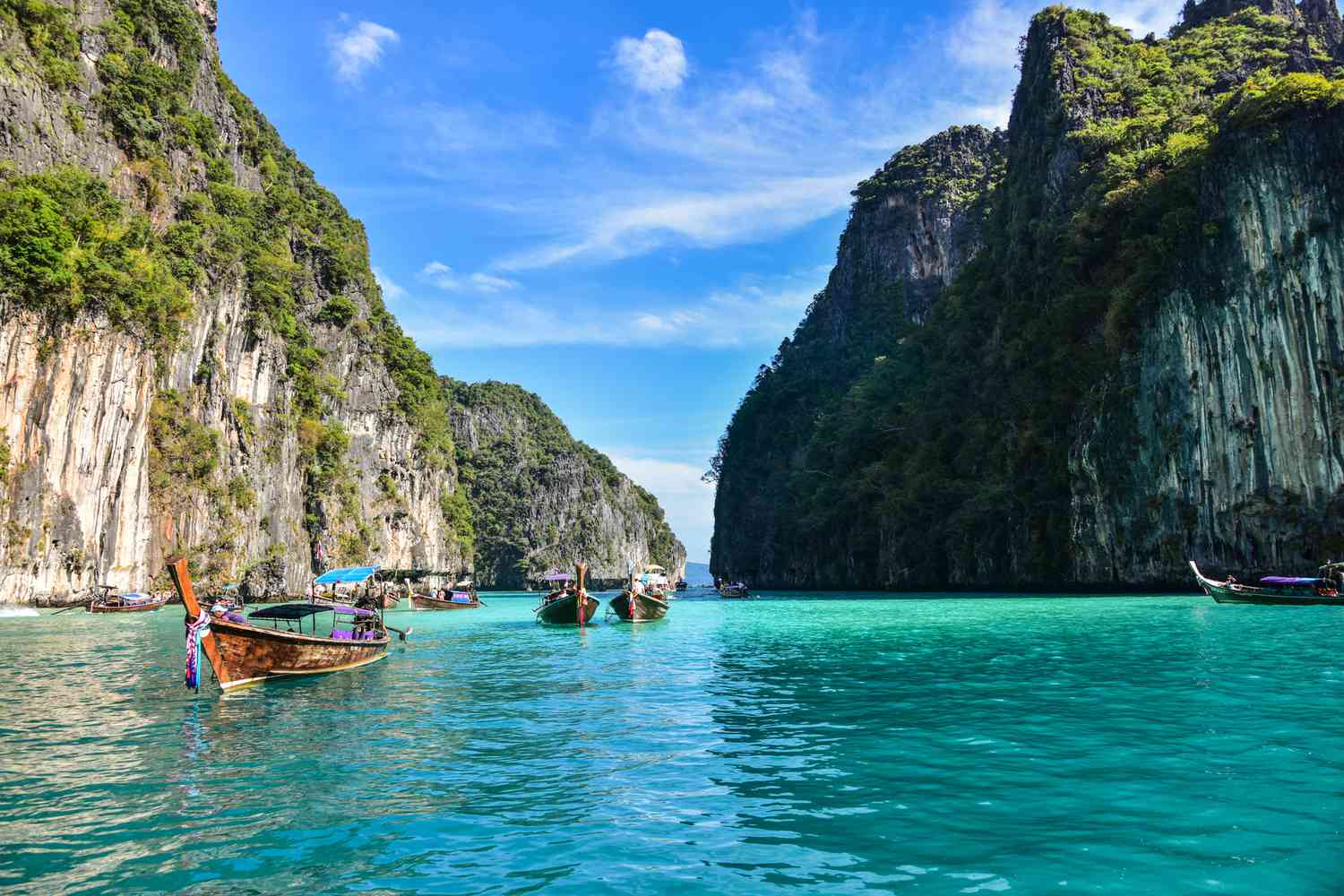
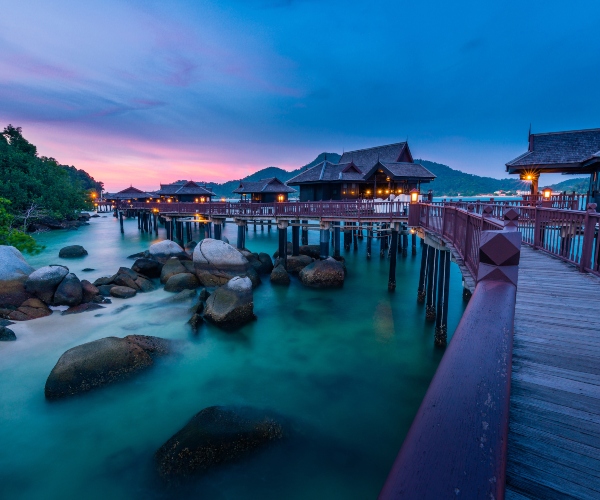
| Beaches & Islands | World-famous, postcard-perfect islands with limestone karsts, vibrant party scenes, and clear waters. | Beautiful, often quieter islands with excellent diving, rainforest backdrops, and family-friendly resorts. | Thailand |
| Food Scene | Explosive flavors, world-renowned street food, and a huge variety of regional dishes. | A melting pot of Malay, Chinese, and Indian cuisines, creating unique fusion dishes. | Thailand |
| Nightlife & Entertainment | Legendary parties, rooftop bars, red-light districts, and lively beach clubs. | More subdued, but with trendy bars, live music venues, and family-friendly entertainment. | Thailand |
| Culture & History | Ancient temples, royal palaces, Buddhist traditions, and a distinct national identity. | A rich tapestry of Malay, Chinese, Indian, and indigenous cultures, reflected in architecture and festivals. | Malaysia |
| Costs & Budget | Very affordable for backpackers, but can scale up for luxury; transport and food are cheap. | Slightly more expensive than Thailand, but still very good value; good infrastructure for mid-range budgets. | Thailand |
| Getting Around | Extensive network of buses, trains, ferries, and cheap flights, though can be chaotic. | Modern, efficient public transport in cities, good bus network, and affordable ride-sharing. | Malaysia |
| Nature & Adventure | Stunning beaches, tropical jungles, national parks, and diverse marine life. | Ancient rainforests (Borneo), majestic mountains, tea plantations, and incredible wildlife diversity. | Malaysia |
| Safety & Stability | Generally safe for tourists, but petty crime and scams are present, especially in tourist hubs. | Very safe, low crime rates, and politically stable, making it comfortable for all travelers. | Malaysia |
| Accommodation | Huge range from cheap hostels to luxury resorts, very competitive pricing, especially for budget stays. | Modern and comfortable hotels, good mid-range options, but hostels are fewer and sometimes pricier. | Thailand |
| Digital Nomad & Remote Work | Long-standing hub, especially Chiang Mai and Bangkok, with good infrastructure but visa challenges. | Growing scene in KL and Penang, excellent internet, good quality of life, easier long-stay visas. | Malaysia |
🏖️ Beaches & Islands
Thailand practically invented the 'tropical island paradise' stereotype for Southeast Asia, and for good reason. From the iconic limestone cliffs of Railay Beach and the party vibes of Koh Phi Phi to the serene luxury of Koh Lanta or the full moon parties of Koh Phangan, Thailand's islands are incredibly diverse and well-developed for tourism. You'll find everything from basic bungalows for 500 THB (~$14) to five-star resorts for 5000+ THB (~$140+). Getting between islands is a breeze with extensive ferry networks. Malaysia's islands like Langkawi offer duty-free shopping and stunning rainforests, while Perhentian and Redang are world-class for diving and snorkeling, often more pristine than Thailand's busiest spots. However, the sheer variety, accessibility, and iconic status of places like Maya Bay (even with crowds) give Thailand the edge. "Thailand's islands just hit different, even with the tourist hordes, there's a magic to them you don't find everywhere else." While Malaysia offers beauty, Thailand's islands have become synonymous with the perfect beach vacation.
Winner takeaway
- Winner: Thailand
- Why: Thailand offers an unparalleled variety of iconic, easily accessible islands catering to every travel style, from party-goers to luxury seekers.
- Who this matters for: Beach lovers, snorkelers, divers, island hoppers, and party seekers.
🍜 Food Scene
Thailand's food scene is legendary, from the bustling street food stalls of Bangkok's Yaowarat (Chinatown) where a Pad Thai might cost 50-80 THB (~$1.50-2.30) to high-end Michelin-starred restaurants. The balance of sweet, sour, salty, and spicy is expertly crafted in dishes like Green Curry, Tom Yum Goong, and Mango Sticky Rice. Every region boasts its own specialties, ensuring endless culinary exploration. Malaysia, however, offers a unique fusion thanks to its multicultural population. Penang, often lauded as the food capital, serves up incredible Nasi Lemak, Laksa, Char Kuey Teow, and Roti Canai, with street food often around 5-15 MYR (~$1.10-3.30). The Indian and Chinese influences are incredibly strong and distinct. While Malaysia offers incredible depth and unique flavors, Thailand's food is simply more globally recognized, consistently delicious, and widely accessible, making it easier for first-time visitors to fall in love. "Honestly, you can't go wrong with either, but Thai street food just has a more immediate 'wow' factor every single time I visit."
Winner takeaway
- Winner: Thailand
- Why: Thailand's food is globally celebrated for its vibrant flavors, accessibility, and sheer variety, making every meal an adventure.
- Who this matters for: Foodies, street food enthusiasts, and those looking for bold, iconic flavors.
🥂 Nightlife & Entertainment
Thailand is synonymous with vibrant nightlife that caters to every taste. Bangkok alone boasts world-class rooftop bars like Sky Bar at Lebua (cocktails 400-600 THB / ~$11-17), bustling street parties on Khao San Road, sophisticated clubs in Ekkamai, and the infamous Patpong and Nana Plaza for more adult entertainment. On the islands, Full Moon Parties on Koh Phangan draw tens of thousands, and Phuket's Bangla Road is a spectacle of lights and music. Malaysia, being a Muslim-majority country, has more regulated and generally subdued nightlife. Kuala Lumpur offers trendy speakeasies and rooftop bars in areas like Changkat Bukit Bintang, where a beer might cost 25-35 MYR (~$5.50-7.70), and some decent clubs, but it lacks the widespread, often wild energy of Thailand. Alcohol is readily available but typically more expensive due to higher taxes. "If you're looking to party, Thailand is hands down the winner. Malaysia has good bars, but it's not the same vibe at all." For sheer variety, energy, and late-night options, Thailand is in a league of its own.
Winner takeaway
- Winner: Thailand
- Why: Thailand offers an unparalleled spectrum of nightlife, from world-famous parties to sophisticated bars, catering to every desire.
- Who this matters for: Party-goers, social butterflies, and those seeking lively evening entertainment.
🏛️ Culture & History
Thailand's culture is predominantly Buddhist, with magnificent temples like Wat Arun and Wat Pho in Bangkok (entrance ~100-200 THB / ~$2.80-5.60), ancient ruins in Ayutthaya and Sukhothai, and a deep respect for the monarchy. It's vibrant, colorful, and deeply spiritual. However, Malaysia's cultural landscape is a fascinating mosaic. Kuala Lumpur showcases stunning mosques (like the Federal Territory Mosque), Hindu temples (Batu Caves), and Chinese temples side-by-side. Historical Georgetown in Penang is a UNESCO World Heritage site, a living museum of colonial architecture and multiculturalism. The indigenous cultures of Borneo add another layer of depth. This blend creates a unique cultural fusion, especially evident in its festivals, food, and art. "Malaysia feels like 3-4 different countries rolled into one, culturally. It's incredibly diverse and you learn so much about different traditions just by walking around." While Thailand's cultural sites are grand, Malaysia's cultural diversity and harmony of different ethnic groups offer a richer, more complex historical and present-day experience.
Winner takeaway
- Winner: Malaysia
- Why: Malaysia provides a richer, more diverse cultural experience due to its unique blend of Malay, Chinese, Indian, and indigenous influences.
- Who this matters for: Culture vultures, history buffs, and those interested in multicultural societies.
💰 Costs & Budget
Both countries offer excellent value for money, but Thailand generally edges out Malaysia for budget travelers. In Thailand, you can comfortably get by on 1000-1500 THB (~$30-45) per day, staying in guesthouses (300-600 THB / ~$8-17), eating street food (50-100 THB / ~$1.50-3), and using local transport. Domestic flights are also very competitive. Malaysia is still affordable, especially outside of Kuala Lumpur and Langkawi, but expect slightly higher prices. A decent hostel bed might be 40-70 MYR (~$9-15), a street food meal 8-20 MYR (~$1.80-4.50), and long-distance buses are efficient but might cost more than their Thai counterparts. Alcohol is notably more expensive in Malaysia due to higher taxes. "I found my money stretched further in Thailand, especially for food and accommodation. Malaysia was still cheap, but things added up quicker." While both are budget-friendly, Thailand consistently offers lower prices for fundamental travel expenses, allowing for a longer stay or more activities on the same budget.
Winner takeaway
- Winner: Thailand
- Why: Thailand generally offers lower daily expenses for accommodation, food, and local transport, making it slightly more budget-friendly.
- Who this matters for: Budget travelers, backpackers, and those looking to maximize their stay for less money.
🚌 Getting Around
Thailand's transportation network is extensive but can be a bit of a mixed bag. Bangkok's BTS Skytrain and MRT are excellent (fares ~16-59 THB / ~$0.45-1.65), but traffic is notorious. Long-distance buses and trains are plentiful, and budget airlines like AirAsia and Nok Air offer cheap domestic flights (e.g., Bangkok to Chiang Mai for ~1000 THB / ~$28). Ferries connect the islands. While comprehensive, it often involves many different providers and can feel a bit chaotic. Malaysia shines with its modern and efficient infrastructure. Kuala Lumpur boasts a fantastic integrated public transport system (LRT, MRT, Monorail) where fares are typically 2-7 MYR (~$0.45-1.50). The express train from KLIA airport to the city center is fast and reliable. Long-distance buses are generally more comfortable and punctual than in Thailand, and ride-sharing apps like Grab are widely available and very affordable (e.g., a 15-minute Grab ride in KL for 10-15 MYR / ~$2.20-3.30). "Malaysia's public transport, especially in KL, is just seamless. It made getting around so much less stressful than Bangkok's constant gridlock." For ease, comfort, and reliability, Malaysia takes the lead.
Winner takeaway
- Winner: Malaysia
- Why: Malaysia offers a more modern, integrated, and reliable public transportation system, particularly within cities, making travel smoother.
- Who this matters for: Travelers who prioritize comfort, efficiency, and ease of navigation.
⛰️ Nature & Adventure
Thailand boasts beautiful national parks like Khao Yai and Erawan, famous for waterfalls and wildlife, and of course, its iconic marine parks like Ang Thong. Trekking in Chiang Mai and white-water rafting are popular. However, Malaysia truly excels in raw, untouched nature and adventure, particularly in Borneo. Taman Negara, one of the world's oldest rainforests in Peninsular Malaysia, offers canopy walks and jungle trekking (entrance ~1 MYR / ~$0.22). The Cameron Highlands provide refreshing tea plantations and hiking trails. But the real gem is Malaysian Borneo, home to Mount Kinabalu (permit ~$100-200 USD), orangutans in Sepilok, pygmy elephants, and incredible diving in Sipadan (permits required, ~$100-200 USD/day). The biodiversity in Borneo is unparalleled in Southeast Asia. "Climbing Kinabalu and seeing orangutans in the wild was a bucket list experience Malaysia delivered on, big time. Thailand's nature is great, but Borneo is on another level." For serious nature enthusiasts, wildlife lovers, and adventure seekers, Malaysia offers more unique and world-class experiences.
Winner takeaway
- Winner: Malaysia
- Why: Malaysia offers more diverse and pristine natural landscapes, particularly its ancient rainforests and unique wildlife in Borneo.
- Who this matters for: Nature lovers, wildlife enthusiasts, hikers, and divers seeking unique ecosystems.
👮 Safety & Stability
Both Thailand and Malaysia are generally safe for tourists, but Malaysia consistently ranks higher for overall safety and stability. In Thailand, while violent crime against tourists is rare, petty theft, scams (e.g., jet ski scams, tuk-tuk overcharging), and drink spiking can occur, especially in popular tourist areas like Bangkok, Phuket, and Koh Phangan. Political demonstrations can also occasionally disrupt travel in Bangkok. Malaysia, on the other hand, is known for its relatively low crime rates and a more stable political environment. Walking around cities like Kuala Lumpur and Penang, even at night, feels very secure. The main concerns are usually petty snatch theft, particularly in crowded areas, but general safety precautions suffice. "I felt incredibly safe walking around KL at night, even as a solo female traveler. Thailand felt a bit more 'on alert' sometimes, especially in crowded markets." For peace of mind and a consistently low-risk environment, Malaysia is a more secure bet.
Winner takeaway
- Winner: Malaysia
- Why: Malaysia generally boasts lower crime rates and a more stable environment, providing a greater sense of security for travelers.
- Who this matters for: Solo female travelers, families, and anyone prioritizing peace of mind and a low-stress travel experience.
🏨 Accommodation
Thailand's accommodation market is incredibly diverse and competitive, often offering more bang for your buck, especially at the budget and luxury ends. You can find a decent hostel bed for 200-400 THB (~$6-11) or a private room in a guesthouse for 500-1000 THB (~$14-28). The luxury segment also thrives, with stunning resorts often priced more affordably than comparable options elsewhere (e.g., a nice resort room for 2500 THB / ~$70). Malaysia has excellent mid-range hotels, especially in cities like Kuala Lumpur (e.g., a good 3-star hotel for 150-250 MYR / ~$33-55), but its budget hostel scene is less developed and can sometimes be pricier for what you get (60-100 MYR / ~$13-22). Luxury options are also great but may not offer the same sheer volume or competitive pricing as Thailand's islands. "Thailand just has an insane amount of choice for accommodation, no matter your budget. You can always find something great for cheap." For sheer volume, variety, and competitive pricing across all segments, Thailand is a winner.
Winner takeaway
- Winner: Thailand
- Why: Thailand offers a wider and more competitively priced range of accommodation options, from budget hostels to luxury resorts.
- Who this matters for: Budget travelers, luxury seekers, and those who enjoy abundant choices in lodging.
💻 Digital Nomad & Remote Work
Thailand, particularly Chiang Mai, has been a digital nomad mecca for years, offering cheap living costs (rent ~8,000-15,000 THB / ~$220-420 per month for a studio), co-working spaces (e.g., Punspace memberships ~3000 THB / ~$85 per month), and a strong community. Bangkok is also popular. However, visa regulations have become stricter, making long-term stays challenging without specific visas like the new Long-Term Resident (LTR) visa. Malaysia offers a compelling alternative with its 'DE Rantau Nomad Pass', allowing up to 12 months for qualified nomads. Cities like Kuala Lumpur and Penang boast excellent internet speeds, modern infrastructure, a slightly higher but still affordable cost of living (rent ~1500-2500 MYR / ~$330-550 per month for a studio), and a generally higher quality of life. The diverse culture also provides more stimulus. "Malaysia's nomad visa just makes life so much easier than navigating Thai visa runs these days. Plus, the internet is rock solid." For long-term viability, official support, and a growing, comfortable scene, Malaysia is becoming the stronger choice for digital nomads.
Winner takeaway
- Winner: Malaysia
- Why: Malaysia provides more official support for digital nomads through its DE Rantau visa, coupled with excellent infrastructure and a high quality of life.
- Who this matters for: Remote workers, freelancers, and those seeking a longer-term base in Southeast Asia.
❓ Frequently Asked Questions
What's the typical flight time and cost from a major hub like London or New York to each country?
From London (LHR) to Bangkok (BKK) or Kuala Lumpur (KUL) is typically 11-13 hours, costing £500-800 (~$630-1000) round trip. From New York (JFK) to BKK or KUL is usually 17-20 hours with layovers, costing $800-1200+ round trip. Direct flights are rare from the US, so expect one or two stops.
Which country is better for a first-time solo traveler?
Thailand is often considered easier for first-time solo travelers due to its incredibly well-trodden backpacker trail, abundance of hostels, and English-speaking tourist infrastructure. It's very easy to meet other travelers, especially in places like Bangkok, Chiang Mai, and the southern islands. Malaysia is also safe for solo travelers but has a slightly less established solo backpacking scene.
Is it easy to travel between Thailand and Malaysia?
Yes, incredibly easy! There are multiple daily flights between Bangkok (BKK/DMK) and Kuala Lumpur (KUL) which take about 2 hours and can cost as little as $30-70 USD with budget airlines. You can also travel by train or bus across the southern Thai-Malaysian border, though flights are generally preferred for speed and convenience.
What are the visa requirements for US/EU citizens for Thailand and Malaysia?
For most US/EU citizens, Thailand offers a 30-day visa-exempt entry upon arrival (extendable). Malaysia offers a generous 90-day visa-exempt entry for US/EU citizens, making longer stays much easier for travelers and digital nomads. Always check the latest requirements before travel as policies can change.
Which country has better shopping opportunities?
Both countries offer fantastic shopping, but for different experiences. Thailand excels in bustling street markets (Chatuchak Weekend Market in Bangkok), night bazaars (Chiang Mai), and tailor-made clothing. Malaysia, particularly Kuala Lumpur, boasts world-class modern shopping malls with international brands and duty-free goods. For unique handicrafts and market finds, Thailand might edge it, but for high-end retail, Malaysia is strong.
What's the best time of year to visit each country?
For Thailand, the cool, dry season (November to February) is ideal. For Malaysia, it's a bit more complex. The west coast (Penang, Langkawi) is best from December to February, while the east coast (Perhentian, Redang) and Borneo are best from March to September. Generally, May to September is a good window for much of Malaysia, avoiding the peak monsoon on its eastern islands and Borneo.
Are there any ethical concerns with animal tourism in either country?
Yes, sadly, in both. Elephant riding and unethical tiger attractions are prevalent in Thailand. Always research ethical elephant sanctuaries that focus on rescue and rehabilitation (e.g., Elephant Nature Park near Chiang Mai). In Malaysia, while orangutan sanctuaries (like Sepilok in Borneo) are generally ethical, always be wary of any attraction offering direct interaction or performances. Prioritize observation from a respectful distance.
How do the Wi-Fi and mobile data compare?
Both countries offer excellent, affordable Wi-Fi and mobile data. Tourist SIM cards are easily available at airports for around 300-500 THB (~$8-14) in Thailand and 20-40 MYR (~$4.50-9) in Malaysia for ample data. Wi-Fi is widely available in hotels, cafes, and restaurants. Malaysia generally boasts slightly faster and more reliable internet infrastructure, especially in major cities, which is a big plus for digital nomads.
Ready to plan your Southeast Asia trip?
Get a free custom itinerary for Thailand, Malaysia, or both — built from real traveler insights.
🎟️ Book Tours & Experiences
Hand-picked tours and activities for both destinations — book with free cancellation
Experiences via Viator — free cancellation on most tours