How we built this comparison
This page combines traveler discussion patterns, published price ranges, flight schedules, and seasonal data to help you decide between Thailand and Maldives.
- Reviewed 70+ Reddit threads from r/travel, r/solotravel, r/ThailandTourism, r/Maldives, and r/AsiaTravel
- Verified costs and logistics against current booking platforms like Booking.com, Skyscanner, and local tour operators
- Cross-referenced seasonal patterns and weather data with historical averages from NOAA and local meteorological services
⚡ The TL;DR Verdict
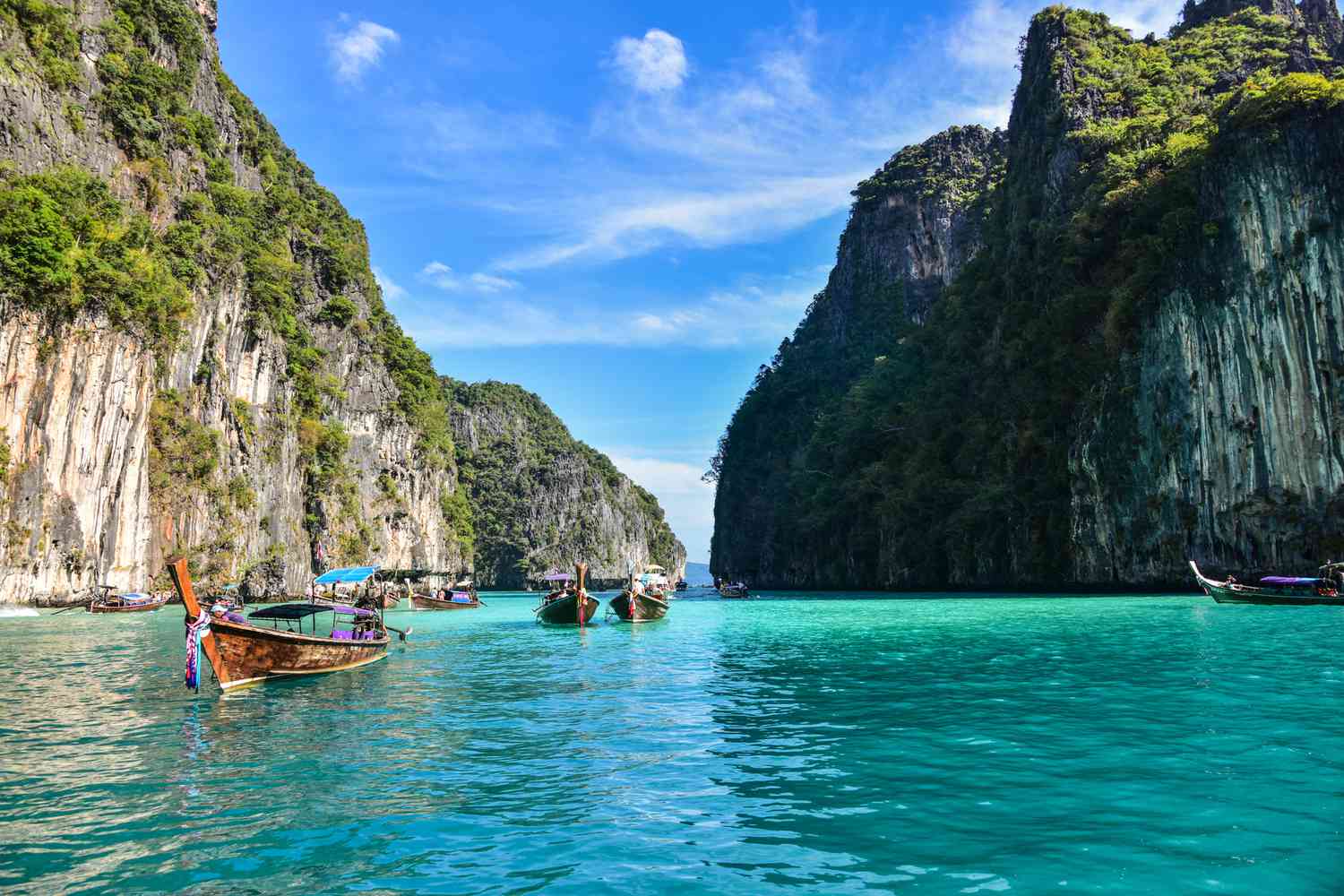
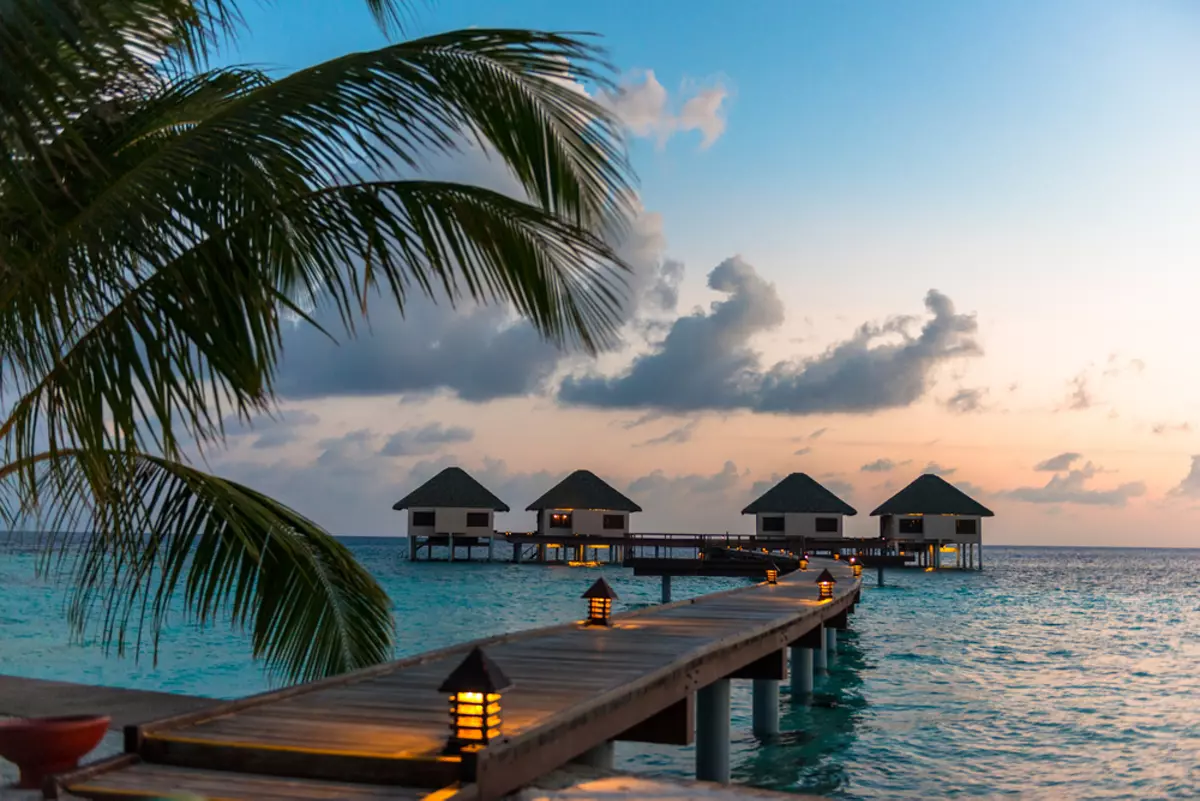
Choose Thailand for a dynamic adventure on a modest budget, perfect for those seeking culture, diverse activities, and lively scenes, with daily budgets from $50-150. Opt for the Maldives for unparalleled relaxation, romantic luxury, and pristine overwater bungalows, ideal for honeymoons or splurge trips, typically requiring $400-1500+ per day.
- Choose Thailand: You're a solo traveler, backpacker, or family seeking adventure, amazing food, ancient temples, bustling markets, and beautiful beaches without breaking the bank. You want diverse experiences, from city lights to jungle treks.
- Choose Maldives: You're on a honeymoon, a romantic getaway, or a special occasion trip. Your priority is ultimate relaxation, pristine marine life, luxurious resorts, and an 'escape it all' vibe where cost is secondary to exclusivity and tranquility.
- Choose Both: If you have 3+ weeks and a generous budget, combine them! Start with a week or two exploring Thailand's cultural depth and bustling islands, then fly to the Maldives for a blissful 4-7 days of pure overwater luxury to decompress.
Quick Comparison
| Category | Thailand | Maldives | Winner |
|---|---|---|---|
| Costs & Budget | Extremely budget-friendly for food, transport, and basic accommodation. Luxury options are also available but still cheaper than Maldives. | One of the most expensive destinations globally, especially for resort stays, food, and activities. Budget guesthouses on local islands offer some relief. | Thailand |
| Beaches & Scenery | Diverse beaches from bustling party hubs (Patong) to serene escapes (Koh Lanta), dramatic limestone karsts, and lush jungles. | Unrivaled pristine white sands, crystal-clear turquoise waters, and vibrant coral reefs, creating a postcard-perfect, tranquil paradise. | Maldives |
| Food & Dining | World-renowned street food, diverse regional cuisines, abundant fresh seafood, and accessible fine dining. | Mostly resort-based dining with international menus; local island food is simpler, focusing on fish and curries. Less variety. | Thailand |
| Nightlife & Entertainment | Vibrant and diverse nightlife, from Bangkok's rooftop bars and clubs to full moon parties on the islands. | Extremely subdued nightlife, limited to resort bars, often quiet and focused on relaxation. Alcohol is prohibited on local islands. | Thailand |
| Culture & History | Rich ancient history, elaborate temples (Wats), vibrant festivals, traditional arts, and a deeply spiritual Buddhist culture. | Simpler, more modern culture influenced by South Asian, Arab, and African traditions; fewer historical sites, focusing on maritime heritage. | Thailand |
| Accommodation | Vast range from cheap hostels and guesthouses to luxury resorts, boutique hotels, and unique eco-lodges. | Dominated by high-end resorts with overwater bungalows and private villas; limited budget options on local islands. | Thailand |
| Getting There & Flights | Major international hubs (BKK, DMK, HKT) with excellent global connectivity and affordable regional flights. | Accessed via Malé (MLE), requiring often more expensive long-haul flights, followed by seaplane or speedboat transfers. | Thailand |
| Getting Around Locally | Diverse, affordable, and often chaotic transport: tuk-tuks, taxis, Grab, buses, ferries, trains, motorbikes. | Limited to resort-arranged transfers (boats/seaplanes) between islands. Walking on resort islands. | Thailand |
| Weather & Seasons | Tropical climate with three distinct seasons: hot, rainy, and cool. Best time varies by region. | Tropical monsoon climate with two main seasons: dry (northeast monsoon) and wet (southwest monsoon). Generally warm year-round. | Tie |
| Family Friendliness | Excellent for families with diverse activities, child-friendly resorts, and accessible healthcare. | Ideal for families seeking relaxed beach time, resort amenities, and calm waters, but less active entertainment. | Thailand |
💰 Costs & Budget
Thailand is the undisputed champion for budget travelers. You can easily get by on $50-70 USD per day if you're eating street food (Pad Thai for 60-80 THB / $1.70-2.30), using local transport (tuk-tuks, songthaews), and staying in guesthouses (500-1000 THB / $14-28). Even mid-range travelers can enjoy nice hotels and activities for $100-150 USD daily. Flights within Thailand are cheap, like Bangkok to Phuket for $30-50. Conversely, the Maldives is a luxury playground. An average resort overwater villa easily costs $500-1500+ USD per night, often with mandatory expensive meal plans. A single cocktail can be $15-25 USD. Local island guesthouses might bring costs down to $150-300 USD daily, but you'll miss the iconic overwater experience. Speedboat transfers to resorts often run $100-300 USD return. "Honestly, I spent more on two cocktails in the Maldives than I did on three days of food in Chiang Mai." sums up the cost difference perfectly.
Winner takeaway
- Winner: Thailand
- Why: Thailand offers incredible value for money across all budget ranges, making travel accessible to nearly everyone.
- Who this matters for: Budget travelers, backpackers, families, and anyone looking for maximum bang for their buck.
🏖️ Beaches & Scenery
While Thailand boasts stunning beaches like Railay Beach with its iconic limestone cliffs, the soft sands of Koh Lipe, and the vibrant shores of Phuket, the Maldives takes the crown for sheer, consistent natural beauty and pristine marine environments. Every island in the Maldives, whether a resort island or local atoll, is surrounded by unbelievably clear, warm water with vibrant coral reefs just steps from the shore – ideal for snorkeling and diving. Places like Ari Atoll and Baa Atoll (a UNESCO Biosphere Reserve) offer unparalleled opportunities to see manta rays, whale sharks, and colorful fish. Thailand’s beaches, while beautiful, can sometimes be crowded and lack the consistent clarity of Maldivian waters, especially near popular tourist centers. The 'Maldivian glow' of bioluminescent plankton at Vaadhoo Island is a unique spectacle that Thailand can't match. "The water in the Maldives isn't just blue, it's like a painting. Thailand's great, but nothing compares to that Maldivian clarity."
Winner takeaway
- Winner: Maldives
- Why: The Maldives offers consistently breathtaking, pristine beaches and unparalleled underwater clarity, making it a true tropical paradise.
- Who this matters for: Honeymooners, divers, snorkelers, and anyone prioritizing ultimate beach aesthetic and marine life.
🍜 Food & Dining
Thailand is a culinary wonderland. From the bustling street food stalls of Bangkok's Yaowarat (Chinatown) offering incredible Dim Sum and seafood, to the aromatic curries of Chiang Mai and the fresh seafood BBQ on the islands, the options are endless and unbelievably delicious. You can enjoy a gourmet meal at a Michelin-starred restaurant like Gaggan Anand or eat a full, satisfying meal of Pad See Ew and mango sticky rice from a street vendor for under 150 THB ($4-5 USD). The variety, freshness, and affordability are unmatched. In contrast, Maldivian cuisine (Dhivelhi cuisine) is simple, primarily based on fish (especially tuna) and coconuts, often served as curries or grilled. Most dining for tourists happens at resort restaurants, which are often international buffets or ala carte with steep prices ($30-60 USD per entree). While resorts like W Maldives offer excellent dining options, they lack the authentic, diverse, and accessible culinary adventure that Thailand provides. "After a week in the Maldives eating fancy resort food, I was craving a proper spicy Thai curry on a plastic stool. Thailand's food scene is just on another level."
Winner takeaway
- Winner: Thailand
- Why: Thailand offers an unparalleled culinary journey with incredible variety, authentic flavors, and unbeatable affordability at every turn.
- Who this matters for: Foodies, adventurous eaters, budget travelers, and anyone who sees food as a major part of their travel experience.
🍻 Nightlife & Entertainment
Thailand is synonymous with lively nightlife, offering everything from sophisticated rooftop bars like Vertigo and Moon Bar in Bangkok to the pulsating clubs of Khao San Road. The infamous Full Moon Parties on Koh Phangan draw thousands, and beach bars across islands like Phuket and Koh Phi Phi buzz with fire shows and music until late. You can easily find live music, ladyboy shows, Muay Thai fights, and bustling night markets. A beer can cost 80-150 THB ($2.30-4.30) and cocktails 200-350 THB ($5.70-10). The Maldives, however, is the antithesis of this. Nightlife is almost non-existent outside of the resorts, where it's typically limited to quiet bars, perhaps some live music, or a themed dinner. Alcohol is strictly prohibited on local islands (like Maafushi or Dhigurah), so you won't find any bars there. Resorts might have a 'disco night' once a week, but it's generally aimed at a very relaxed crowd. "If you're looking to party, Thailand is your only choice. The Maldives is for falling asleep to the sound of waves, not bass drops."
Winner takeaway
- Winner: Thailand
- Why: Thailand offers a dynamic, diverse, and accessible nightlife scene catering to all preferences, from wild parties to chic rooftop lounges.
- Who this matters for: Party-goers, young travelers, solo travelers looking to socialize, and anyone who enjoys lively evenings.
🏛️ Culture & History
Thailand offers an incredibly rich and accessible cultural experience. From the grandeur of Bangkok's Grand Palace and Wat Arun to the ancient ruins of Ayutthaya and Sukhothai (both UNESCO World Heritage Sites), history buffs will be enthralled. Chiang Mai provides a deep dive into Lanna culture with countless temples and traditional markets. You can participate in cooking classes, learn about Buddhism, witness traditional dance, or attend festivals like Songkran (Thai New Year) and Loy Krathong. The Thai people are generally warm and welcoming. In contrast, the Maldives has a relatively young and less layered history, shaped by its maritime trade routes and Islamic faith. The culture is more understated, centered around fishing and island life. You can visit the Grand Friday Mosque in Malé or explore a local island to see everyday Maldivian life, but there aren't ancient ruins or elaborate temple complexes. "Thailand is like an open-air museum; every corner has a story. In the Maldives, the history is mostly in the ocean, not on land."
Winner takeaway
- Winner: Thailand
- Why: Thailand provides a deep, rich, and readily accessible cultural and historical experience with ancient sites, vibrant traditions, and spiritual depth.
- Who this matters for: Culture vultures, history enthusiasts, spiritual seekers, and travelers looking for immersive local experiences.
🏨 Accommodation
Thailand offers an incredibly diverse and affordable range of accommodation options. You can find a clean, comfortable hostel bed for $10-15 USD in Bangkok or Chiang Mai, or a private room in a guesthouse for $20-40 USD. Mid-range hotels like the ibis Styles network are plentiful for $50-80 USD. For luxury, you can stay at world-class resorts like The Peninsula Bangkok or Rayavadee in Krabi for $200-500+ USD, which would cost thousands elsewhere. The variety caters to every budget and style. The Maldives, on the other hand, is defined by its luxury resorts and iconic overwater bungalows, which start from $400-500 USD per night even for entry-level resorts (e.g., Adaaran Club Rannalhi) and can easily exceed $1500-3000 USD for premium brands like St. Regis or Four Seasons. While local islands like Maafushi offer guesthouses for $50-100 USD, they lack the privacy and exclusivity of the resort experience. "In Thailand, I stayed in a different type of place every few nights – from a $10 hostel to a fancy boutique hotel. In the Maldives, it felt like one huge resort bubble."
Winner takeaway
- Winner: Thailand
- Why: Thailand provides an unparalleled variety of accommodation options for every budget and preference, from basic hostels to ultra-luxury resorts.
- Who this matters for: All travelers, especially budget-conscious travelers, families, and those who enjoy varied lodging experiences.
✈️ Getting There & Flights
Thailand is incredibly well-connected globally. Bangkok's Suvarnabhumi (BKK) and Don Mueang (DMK) airports are major international hubs, with direct flights from virtually everywhere. Flights from Europe or North America can range from $600-1000 USD return, with many budget carriers offering affordable regional connections across Asia. For example, a flight from Singapore to Bangkok can be as low as $50-100 USD. Once in Thailand, domestic flights are frequent and cheap, making island hopping easy. The Maldives, however, is a more niche destination. You'll typically fly into Velana International Airport (MLE) in Malé. While there are direct flights from major hubs like Dubai, Doha, and some European cities, long-haul flights are often more expensive, typically starting from $800-1500+ USD. Crucially, once you land in Malé, you almost always need an additional transfer to your resort, which is often a seaplane ($300-600 USD return) or speedboat ($100-300 USD return) arranged by the resort, adding significant cost and time. "Getting to Thailand felt like a breeze with all the budget flight options. Maldives was more of an expedition, especially with the seaplane on top of the long flight."
Winner takeaway
- Winner: Thailand
- Why: Thailand offers superior global connectivity with more frequent and affordable flight options, plus simpler onward travel within the country.
- Who this matters for: Travelers prioritizing ease and affordability of international and domestic travel, backpackers, and those with limited time or budget for transfers.
🛵 Getting Around Locally
Thailand offers a fantastic array of local transport, making independent exploration easy and exciting. In cities, you can hop on a BTS Skytrain or MRT subway (fares typically 16-60 THB / $0.45-1.70), hail a Grab taxi or motorbike (similar to Uber), or experience a bustling tuk-tuk ride (negotiate prices, e.g., 100-200 THB / $2.80-5.70 for short distances). For inter-city travel, comfortable buses (e.g., Bangkok to Chiang Mai for 600-800 THB / $17-23) and trains are available. Island hopping is simple with frequent and affordable ferries (e.g., Phuket to Koh Phi Phi for 400-500 THB / $11-14). Renting a scooter for around 200-300 THB ($5.70-8.50) per day is popular on islands. The Maldives is entirely different. Getting around is almost exclusively by boat (speedboats, dhonis, seaplanes), primarily arranged by your resort. There's no public transport between resort islands. On resort islands themselves, you simply walk. On local islands, you might find a few taxis, but most are small enough to walk across. "In Thailand, I loved the freedom of just grabbing a Grab or a scooter and exploring. In the Maldives, you're pretty much stuck on your resort unless you pay for an expensive excursion."
Winner takeaway
- Winner: Thailand
- Why: Thailand offers a diverse, efficient, and affordable public and private transport network, providing immense freedom for exploration.
- Who this matters for: Independent travelers, adventurers, budget travelers, and those who enjoy exploring local areas on their own terms.
☀️ Weather & Seasons
Both destinations offer year-round warmth, but their optimal travel seasons differ. Thailand has a complex weather pattern: November to February is generally cool and dry (best for most regions like Bangkok, Chiang Mai, Andaman Coast), March to May is hot, and June to October is the rainy season. However, the Gulf Coast (Koh Samui, Koh Phangan) often has its driest weather from February to September, making it a good alternative during the Andaman's monsoon. This means there's almost always a good part of Thailand to visit. The Maldives has a dry season from December to April, which is considered peak season with perfect sunny days but higher prices. The wet season (May to November) sees more rain, higher humidity, and a chance of storms, but also lower prices and fewer crowds. Rain often comes in short, heavy bursts, clearing to sunshine. Ultimately, both can be enjoyed during their respective peak seasons, and both offer shoulder season benefits. "I've been to Thailand in rainy season and it was still great, just choose the right coast. Maldives in the wet season was a bit of a gamble, but we got lucky with plenty of sunshine."
Winner takeaway
- Winner: Tie
- Why: Both destinations offer distinct 'best' seasons and shoulder season benefits, with year-round warmth, making them equally appealing depending on travel timing.
- Who this matters for: Travelers with specific seasonal preferences, or those looking to avoid crowds and save money during shoulder seasons.
👨👩👧👦 Family Friendliness
Thailand shines for families due to its incredible variety and value. Destinations like Phuket, Koh Lanta, and Hua Hin boast dedicated family resorts (e.g., Centara Grand Beach Resort Phuket) with kids' clubs, water parks, and activities like elephant sanctuaries (ethical ones like Elephant Nature Park near Chiang Mai). Older kids will love zip-lining, snorkeling, and exploring temples. Eating out is easy with diverse, affordable options. Healthcare facilities are excellent in major cities like Bangkok and Chiang Mai. The cost-effectiveness means families can enjoy longer trips or more activities. The Maldives is also very family-friendly in a different way, offering safe, secluded resort environments with calm, shallow waters perfect for young children. Many resorts (e.g., Soneva Fushi, LUX* South Ari Atoll) have fantastic kids' clubs and family villas. However, activities are primarily water-based (snorkeling, gentle boat trips), and the focus is more on relaxation. The sheer cost can limit the length of stay for most families. "Thailand was amazing for my kids; they loved the temples, the food, and the water parks. Maldives was beautiful, but they got a bit bored after a few days without more active stuff."
Winner takeaway
- Winner: Thailand
- Why: Thailand offers a broader range of engaging, educational, and fun activities for all ages, combined with excellent infrastructure and affordability for families.
- Who this matters for: Families with children of all ages, especially those seeking adventure, cultural experiences, and budget-conscious travel.
❓ Frequently Asked Questions
Which destination is better for a honeymoon?
For an ultimate luxury and romantic escape, the Maldives is unparalleled with its overwater bungalows, private dinners, and pristine beaches. However, if you prefer a mix of adventure, culture, and romance without the extreme price tag, Thailand offers amazing options like boutique resorts in Chiang Mai or secluded villas in Koh Lanta.
Can I combine Thailand and the Maldives in one trip?
Yes, it's a popular combination for longer trips (3+ weeks). You can fly from Bangkok to Malé, often with a layover in Kuala Lumpur or Singapore. It's a great way to experience Thailand's vibrant culture and then unwind in the luxurious tranquility of the Maldives.
Which destination is safer for solo female travelers?
Both destinations are generally safe. Thailand is very well-trodden by solo female travelers, offering a vast network of hostels and tours. Standard precautions apply, especially at night. The Maldives, particularly on resort islands, is extremely safe due to its isolated nature, though interactions with locals are minimal outside of staff.
Is alcohol allowed in both countries?
Alcohol is widely available in Thailand, especially in tourist areas, bars, and restaurants. In the Maldives, alcohol is strictly prohibited on local islands (non-resort islands) due to Islamic law. It is freely available and served at all private resort islands and on safari boats.
Which offers better diving and snorkeling?
The Maldives is world-renowned for its pristine coral reefs, abundant marine life, and incredible visibility, making it a top-tier destination for both diving and snorkeling, with whale sharks and manta rays often seen. Thailand also offers excellent diving, especially around the Similan and Surin Islands, Koh Lanta, and Koh Tao, with diverse ecosystems and accessible dive schools, but the overall marine health in the Maldives is often superior.
What's the best time of year to visit each?
For Thailand, the cool and dry season (November to February) is generally best for most regions. For the Maldives, the dry season (December to April) offers the most sunshine. Both have shoulder and wet seasons with their own advantages like fewer crowds and lower prices.
Which has better options for adventure sports?
Thailand offers a much wider range of adventure sports, including rock climbing (Railay), jungle trekking (Chiang Mai), white-water rafting, zip-lining, and various water sports. The Maldives focuses almost exclusively on water-based activities like diving, snorkeling, paddleboarding, and jet-skiing, with very little land-based adventure.
How do the cultural experiences compare?
Thailand offers a deep, rich, and accessible cultural immersion with ancient temples, bustling markets, traditional festivals, and historical sites like Ayutthaya. The Maldives has a simpler, more modern culture centered around island life and fishing, with fewer historical landmarks and more emphasis on natural beauty.
Ready to plan your Southeast Asia & Indian Ocean trip?
Get a free custom itinerary for Thailand, Maldives, or both — built from real traveler insights.
🎟️ Book Tours & Experiences
Hand-picked tours and activities for both destinations — book with free cancellation
Experiences via Viator — free cancellation on most tours