How we built this comparison
This page combines traveler discussion patterns, published price ranges, flight schedules, and seasonal data to help you decide between Thar Desert and Sahara.
- Reviewed 100+ Reddit threads from r/travel, r/solotravel, r/IndiaTravel, r/Morocco, and others.
- Verified costs and logistics against current booking platforms like Booking.com, TripAdvisor, and local tour operator websites.
- Cross-referenced seasonal patterns and weather data from meteorological sources for optimal travel timing.
⚡ The TL;DR Verdict
For the budget-conscious traveler seeking a more immediate cultural immersion and vibrant local life, the Thar Desert is your pick. If you crave epic, classic desert landscapes, more developed infrastructure for desert tours, and a slightly higher budget, the Moroccan Sahara beckons. Expect to spend $30-70/day in the Thar, and $60-150/day in the Sahara.
- Choose Thar Desert: You're on a tighter budget, prioritize local culture, delicious food, and a more 'rough-around-the-edges' authentic adventure. Great for a 3-5 day add-on to a Rajasthan trip.
- Choose Sahara: You're willing to spend more for classic, towering sand dunes, starry night skies, and a well-established glamping-style desert experience. Ideal for a 2-4 day excursion from Marrakech or Fes.
- Choose Both: If you're a true desert enthusiast with ample time (4+ weeks) and budget, experiencing both offers a fascinating contrast. Start with the Thar for its unique charm, then move to the Sahara for its grand scale.
Quick Comparison
| Category | Thar Desert | Sahara | Winner |
|---|---|---|---|
| Overall Costs | Significantly cheaper, from food to accommodation to activities. Great value for budget travelers. | More expensive than Thar, but still good value compared to Western travel. Tours drive up costs. | Thar Desert |
| Getting There & Around | Fly to Jodhpur/Jaisalmer, then local transport. Trains are a great option. Movement within the desert is primarily by camel or jeep. | Fly to Marrakech/Fes, then long overland journeys (6-10+ hours) by tour bus or shared taxi to reach the dunes. Desert exploration is via camel treks and 4x4. | Thar Desert |
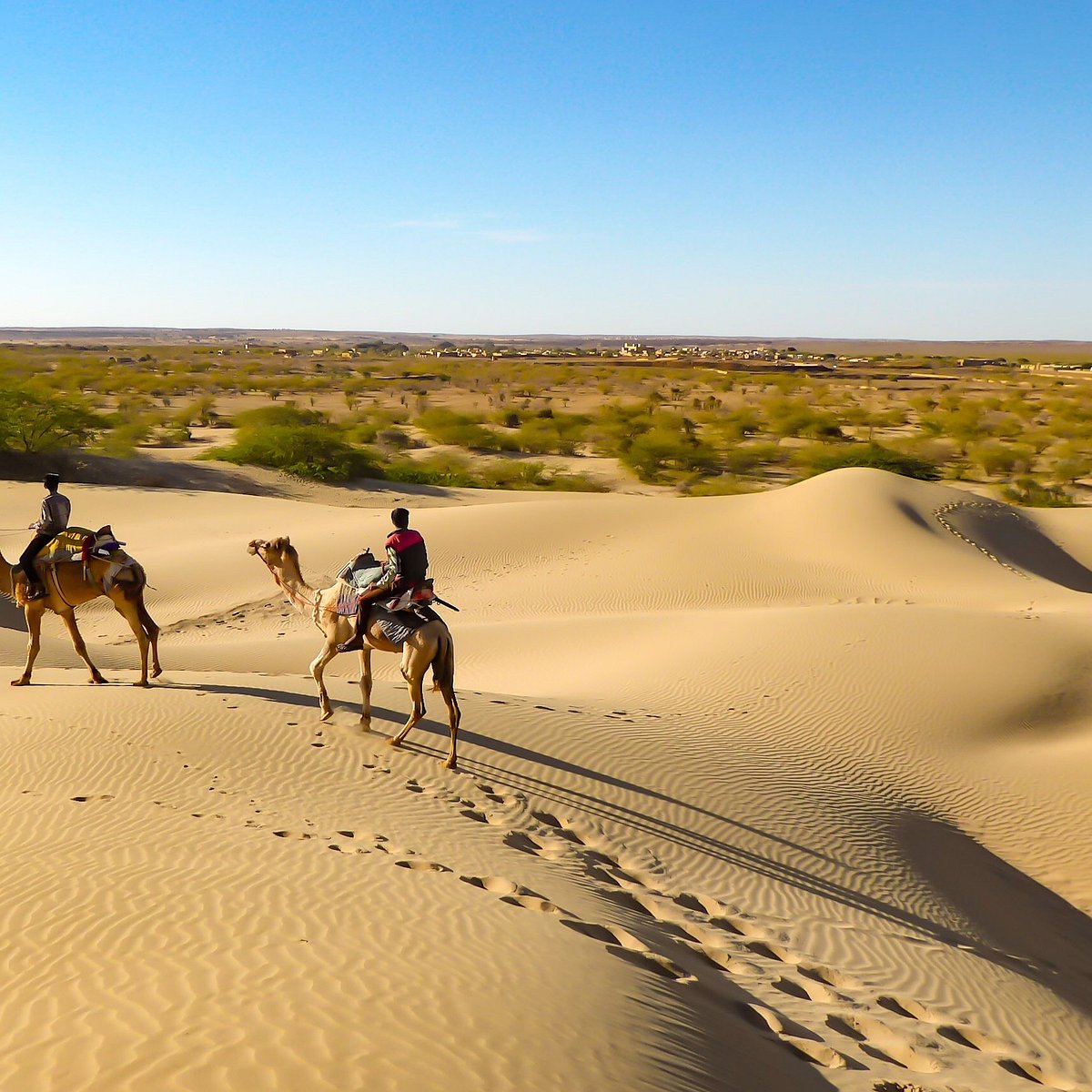
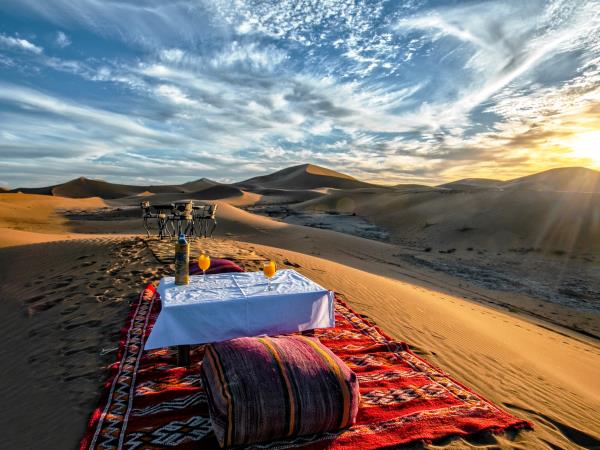
| Nature & Landscape | Rolling sand dunes (Sam Sand Dunes), arid scrubland, unique desert flora and fauna (desert fox, chinkara). More subtle, varied beauty. | Iconic, massive golden sand dunes (Erg Chebbi, Erg Chigaga), vast, otherworldly vistas. The classic 'desert movie' landscape. | Sahara |
| Cultural Immersion | Deeply embedded in Rajasthani culture. Folk music, dance, local festivals, vibrant markets, and direct interaction with villagers. | Berber culture, nomadic traditions, mint tea rituals. Often experienced through organized tours, which can sometimes feel curated. | Thar Desert |
| Accommodation | Budget-friendly guesthouses, hotels within the fort, and rustic desert camps. Simple yet authentic. | Riads in cities, a range of desert camps from basic to luxury glamping. More variety in upscale options. | Tie |
| Food & Drink | Rich, spicy Rajasthani cuisine. Dal Baati Churma, Ker Sangri, Gatte ki Sabzi, local sweets. Vegetarian-friendly. | Hearty Berber cuisine. Tagine, couscous, harira soup, mint tea. Often less variety in desert camps. | Thar Desert |
| Safety & Comfort | Generally safe, but be aware of petty theft and aggressive touts. Basic facilities in desert camps. | Generally safe, but solo female travelers should be cautious. Aggressive touts are common. Tours offer comfort and security. | Sahara |
| Solo Travel | Easily navigable, welcoming locals, many budget guesthouses. Meeting other travelers is common. | Tours make logistics easy, good for meeting people. Requires more assertiveness in cities. Solo women may face more attention. | Thar Desert |
| Weather & Seasons | Best from October to March (mild days, cool nights). Avoid peak summer (April-June) and monsoon (July-September). | Best from October to May (warm days, cool nights). Avoid peak summer (June-August) when temperatures are extreme. | Tie |
| Activities & Experiences | Camel safaris, folk music/dance shows, living fort exploration, village visits, dune bashing, local craft shopping. | Camel treks, stargazing, 4x4 dune bashing, visiting kasbahs (like Ait Benhaddou) and oases. More focus on the desert landscape itself. | Thar Desert |
💰 Overall Costs
When it comes to stretching your rupees, the Thar Desert is a clear winner. A decent guesthouse in Jaisalmer might run you ₹800-₹1500 ($10-18) per night, and a full day camel safari with an overnight stay can be found for ₹1500-₹3000 ($18-36), including food. Local meals are incredibly cheap, with a delicious thali setting you back ₹150-₹300 ($1.80-$3.60). Transportation is also very affordable; a train from Jodhpur to Jaisalmer costs around ₹300-₹600 ($3.60-$7.20). In contrast, the Moroccan Sahara, particularly tours originating from Marrakech, will cost more. A mid-range riad in Marrakech is typically €40-€80 ($45-90), and a 2-3 day Sahara desert tour (including transport, food, and overnight camp) usually starts from €120-€200 ($130-220) per person for a budget option, and much higher for luxury. Meals in tourist areas can be €8-€15 ($9-17). While both offer incredible experiences, your wallet will feel a lot lighter after the Sahara. "Dude, my whole Thar trip for a week cost me less than the 3-day Sahara tour from Marrakech, no joke." - r/solotravel.
Winner takeaway
- Winner: Thar Desert
- Why: The Thar Desert offers an exceptional travel experience at a fraction of the cost, making it ideal for budget-conscious adventurers.
- Who this matters for: Budget travelers, backpackers, and those seeking maximum value for their money.
✈️ Getting There & Around
Reaching the Thar Desert's main hub, Jaisalmer, is surprisingly straightforward. You can fly into Jodhpur (JDH) from major Indian cities like Delhi or Mumbai, then take a 5-6 hour train (around ₹300-₹600 / $3.60-7.20) or bus directly to Jaisalmer. Jaisalmer also has a small airport with limited connections. Within the desert, local jeeps, auto-rickshaws, and of course, camels, are your primary modes of transport. The entire region is well-connected by local transport. For the Sahara, getting to the actual dunes like Erg Chebbi or Erg Chigaga is a journey in itself, often involving a 6-10+ hour drive from Marrakech or Fes. Most travelers opt for organized multi-day tours (€120-€250+ / $130-270+) that handle transport, as public buses (e.g., CTM or Supratours to Merzouga) are long and require further taxi transfers. While tours simplify logistics, the travel time is substantial. "The overnight train to Jaisalmer was an experience in itself, super chill compared to the insane bus ride to Merzouga last year." - r/IndiaTravel.
Winner takeaway
- Winner: Thar Desert
- Why: The Thar Desert is more accessible with direct train and flight options, making it easier and quicker to reach the heart of the desert.
- Who this matters for: Travelers with limited time, those who prefer independent travel, and those who dislike long bus journeys.
🏜️ Nature & Landscape
If your desert dream involves towering, endless golden sand dunes stretching to the horizon, the Sahara Desert, particularly the Moroccan Erg Chebbi and Erg Chigaga, is unrivaled. These 'ergs' feature dunes that can reach hundreds of meters in height, offering truly dramatic and cinematic landscapes. Sunsets and sunrises over these vast, pristine formations are legendary, and the stargazing is simply unparalleled due to minimal light pollution. The sheer scale and 'classic desert' aesthetic here are breathtaking. The Thar Desert, while beautiful, has a different character. Its dunes, like those at Sam Sand Dunes near Jaisalmer, are generally smaller and more interspersed with scrubland, thorny bushes, and small villages. It feels more like a living, inhabited desert rather than a stark, empty wilderness. While you'll still experience stunning sunsets and a sense of remoteness, it lacks the monumental, picture-postcard grandeur of the Moroccan Sahara. "Nothing, and I mean NOTHING, prepared me for the scale of Erg Chebbi. It was like being on another planet. The Thar was cool, but this was NEXT LEVEL." - r/travel.
Winner takeaway
- Winner: Sahara
- Why: The Sahara offers the quintessential, monumental desert landscape with towering dunes that create an unparalleled visual spectacle.
- Who this matters for: Photographers, first-time desert visitors seeking the 'classic' desert experience, and those who prioritize dramatic scenery.
🎭 Cultural Immersion
The Thar Desert, particularly around Jaisalmer, offers an incredibly rich and accessible cultural immersion. You're not just visiting a desert; you're stepping into the heart of Rajasthan. The 'Golden City' of Jaisalmer Fort is a living fort, bustling with shops, homes, and temples. You'll encounter local musicians (Manganiyars and Langas), traditional Kalbeliya dancers, vibrant textile markets, and opportunities to visit local villages to see mud houses and interact directly with locals. Camel safaris often involve stops at traditional huts, providing a glimpse into daily desert life. It feels organic and integrated. The Sahara, specifically the Moroccan parts, focuses on Berber culture and nomadic traditions. While authentic interactions exist, especially in smaller villages or through independent guides, many travelers experience it via organized tours, which can sometimes feel more 'packaged.' You'll enjoy mint tea ceremonies, traditional music around a campfire, and insights into nomadic life, but the constant bustle and vibrant street life of the Thar is less present. "The Thar wasn't just sand; it was COLORS, music everywhere, people just inviting you for chai. Sahara felt a bit more... for tourists sometimes." - r/solotravel.
Winner takeaway
- Winner: Thar Desert
- Why: The Thar Desert provides a more immediate, diverse, and deeply integrated cultural experience, making it easier to connect with local life and traditions.
- Who this matters for: Culture vultures, anthropologists, photographers, and travelers seeking genuine local interactions.
🛌 Accommodation
Both deserts offer unique accommodation experiences, catering to different preferences. In the Thar, Jaisalmer boasts an array of charming guesthouses and hotels, many situated within the historic Jaisalmer Fort, offering incredible views and atmosphere. Think rooftop restaurants overlooking the city and basic but comfortable rooms for ₹800-₹2000 ($10-24). For desert stays, you'll find rustic, traditional mud huts or basic tented camps, often part of camel safari packages, providing a truly authentic, simple overnight experience. Electricity and running water might be limited, adding to the adventure. The Sahara, particularly in Morocco, offers a broader spectrum for desert camps, from very basic tents to incredibly luxurious glamping setups with private bathrooms, hot showers, and gourmet meals, which can range from €50 ($55) to €300+ ($330+) per night. Before reaching the dunes, cities like Marrakech or Fes have stunning riads (traditional houses with courtyards) offering a higher level of comfort and aesthetic appeal, typically €40-€150 ($45-170). "The Jaisalmer guesthouse I stayed in, Hotel Tokyo Palace, was basic but had so much character, felt like living history. Sahara camps can be amazing but also super sterile if you pick wrong." - r/travel.
Winner takeaway
- Winner: Tie
- Why: Both destinations excel at providing authentic and memorable accommodation, from living forts to desert camps, catering to different budgets and styles.
- Who this matters for: Travelers prioritizing either historical ambiance and budget (Thar) or diverse glamping options and city comfort (Sahara).
🍛 Food & Drink
For foodies, the Thar Desert is a paradise. Rajasthani cuisine is famous for its rich flavors, distinct spices, and often vegetarian focus. Iconic dishes like Dal Baati Churma (baked wheat balls with lentil soup and jaggery), Ker Sangri (a local vegetable dish), and Gatte ki Sabzi (gram flour dumplings in gravy) are staples. You'll find incredible street food, local dhabas (roadside eateries), and rooftop restaurants in Jaisalmer, all at very affordable prices (₹150-₹500 / $1.80-6 per meal). Think delicious thalis, freshly made rotis, and vibrant sweets. The Sahara, specifically Moroccan desert camps, will offer delicious but less varied food – primarily tagine, couscous, and breakfast spreads. While mint tea is ubiquitous and delightful, the culinary landscape isn't as diverse or as easily explored independently once you're in the desert camps. Cities like Marrakech and Fes, however, offer a fantastic array of Moroccan food, from street food stalls in Djemaa el-Fna to upscale restaurants. "Honestly, the food in Jaisalmer was a highlight. Every meal was an adventure. Sahara food was good, but it was basically tagine or couscous every night." - r/travel.
Winner takeaway
- Winner: Thar Desert
- Why: The Thar Desert's regional cuisine is incredibly diverse, flavorful, and readily accessible, offering a more exciting culinary journey.
- Who this matters for: Food enthusiasts, vegetarians, and those who love to explore local culinary traditions.
⛑️ Safety & Comfort
Both destinations are generally safe for tourists, but with caveats. In the Thar Desert, especially around tourist hubs like Jaisalmer, you might encounter persistent touts, hawkers, and occasional petty theft. Basic facilities are common, and the 'roughing it' aspect of some camel safaris might not appeal to everyone. Always negotiate prices and be firm but polite. The Sahara, particularly with organized tours from Morocco, generally offers a higher level of perceived safety and comfort within the desert itself. Tour operators handle logistics, provide guides, and ensure a structured experience. However, in cities like Marrakech and Fes, aggressive touts, pickpockets, and scams are more prevalent, and solo female travelers should be prepared for unwanted attention and dress modestly. The long drives to the desert can also be tiring. While the Sahara has its challenges in cities, the desert tour environment itself often feels more secure and comfortable due to the organized nature. "I felt safer on the Sahara tour than I did walking alone at night in Marrakech, honestly. In Jaisalmer, I just had to learn to say no to all the rickshaw drivers like 100 times a day." - r/solotravel.
Winner takeaway
- Winner: Sahara
- Why: Organized tours in the Sahara often provide a more structured and comfortable experience, mitigating some safety concerns within the desert itself.
- Who this matters for: Travelers prioritizing comfort and organized logistics, and those less comfortable with constant negotiation.
🚶♀️ Solo Travel
For solo travelers, both deserts are viable, but the Thar edges out the Sahara for overall ease and welcome. Jaisalmer is a backpacker hub, and you'll easily meet other travelers in guesthouses, rooftop cafes, or on organized camel safaris. Locals are generally very welcoming and curious. The 'fixers' and touts are persistent but manageable. Independent exploration is straightforward and safe, and the budget-friendly nature means solo travel doesn't break the bank. In the Sahara (Morocco), organized tours simplify the desert experience significantly, making it easy to join a group and meet people. However, cities like Marrakech and Fes can be more challenging for solo travelers, especially women, due to more aggressive touts and unwanted attention. You need to be more assertive and prepared for a more intense urban environment before reaching the desert tranquility. The long travel days to the desert also mean more isolated time. "As a solo female, I felt pretty comfortable in Jaisalmer, just had to be firm. Morocco was a bit more exhausting with the constant hassle, though the desert camp was amazing socially." - r/solotravel.
Winner takeaway
- Winner: Thar Desert
- Why: The Thar Desert, particularly Jaisalmer, is more independently navigable, has a strong backpacker scene, and generally offers a more relaxed environment for solo travelers.
- Who this matters for: Independent solo travelers, backpackers, and those seeking an easier social environment.
☀️ Weather & Seasons
Both deserts share similar prime travel seasons: roughly October to March/May, when temperatures are manageable. In the Thar Desert, the winter months (November-February) bring pleasant daytime temperatures (20-25°C / 68-77°F) and surprisingly cool nights (5-10°C / 41-50°F), perfect for camel safaris and exploring. It gets intensely hot in summer (April-June, often exceeding 40°C / 104°F) and experiences a monsoon season (July-September), which, while bringing some greenery, can make travel muddy and humid. The Sahara (Morocco) also enjoys its best weather from October to May, with warm, sunny days (25-30°C / 77-86°F) and cool desert nights (10-15°C / 50-59°F). Summer (June-August) is brutally hot, often exceeding 45°C (113°F), making desert exploration challenging and uncomfortable. Neither has a significant 'rainy' season in the same way the Thar does, but sandstorms are possible in both. "November in Thar was perfect, warm days, cold nights for sleeping under the stars. Sahara in April was also great, but I heard horror stories about July heat there." - r/travel.
Winner takeaway
- Winner: Tie
- Why: Both deserts offer comparable optimal travel seasons with pleasant weather, while also sharing similar challenges during their respective extreme summer months.
- Who this matters for: Travelers with flexibility in their travel dates; those planning for the cooler, more comfortable seasons.
🐪 Activities & Experiences
The Thar Desert offers a more diverse range of integrated activities beyond just the dunes. While camel safaris are central (from short rides to multi-day treks), the experience is enriched by the cultural context. You'll explore the living Jaisalmer Fort, a UNESCO site, witness vibrant folk music and dance performances, visit traditional villages (like Khuri or Sam), and find unique local crafts. The desert experience feels intertwined with the rich Rajasthani lifestyle. The Sahara, particularly in Morocco, is very much about the raw desert landscape. Iconic camel treks into the big dunes (Erg Chebbi/Chigaga) for sunset/sunrise, stargazing, and 4x4 adventures are the main draw. Before reaching the dunes, tours often include stops at impressive kasbahs like Ait Benhaddou and Dades Gorges, which are stunning but not strictly 'desert' activities. The focus is more on the grand natural spectacle rather than deep, daily cultural interaction within the desert itself. "Thar had so much going on – the fort, the music, the markets, plus the camel safari. Sahara was just epic dunes and stars, which was amazing, but Thar felt more 'full.'" - r/IndiaTravel.
Winner takeaway
- Winner: Thar Desert
- Why: The Thar Desert offers a broader array of activities that blend natural desert experiences with rich cultural immersion and historical exploration.
- Who this matters for: Travelers who seek a mix of nature, culture, history, and local interactions, not just pristine dunes.
❓ Frequently Asked Questions
Which desert is better for a family trip?
The Thar Desert might be slightly better for families due to more accessible infrastructure, the 'living fort' experience in Jaisalmer, and a generally more relaxed atmosphere. Sahara tours are often long and can be tiring for younger children, though luxury camps offer great comfort.
Is it safe to visit either desert as a solo female traveler?
Yes, both are generally safe. In the Thar, Jaisalmer is very welcoming, though expect attention. In the Sahara (Morocco), organized tours are very safe within the desert. However, cities like Marrakech or Fes can be more challenging for solo women due to persistent touts and unsolicited attention; assertiveness and modest dress are advised.
What's the best way to book a desert safari/trek?
For the Thar, book directly in Jaisalmer from your guesthouse or a reputable local operator for camel safaris. For the Sahara, it's often easiest to book a multi-day tour from Marrakech or Fes through a well-reviewed tour company online or upon arrival, especially if you want transport and accommodation handled.
Do I need special gear for either desert?
Essentials for both include light, breathable clothing for daytime, warm layers for cool desert nights, a wide-brimmed hat, sunglasses, sunscreen, sturdy walking shoes/sandals, and a reusable water bottle. A headlamp is useful for night. For the Thar, an extra scarf for dust can be handy.
Can I visit these deserts year-round?
While possible, it's not recommended. Both deserts experience extreme heat during their respective summer months (roughly April-June for Thar, June-August for Sahara), with temperatures often exceeding 40°C (104°F). The best time is typically October to March/May for both.
What's the wildlife like in each desert?
The Thar Desert is home to species like the Indian gazelle (chinkara), desert fox, desert cat, and various birds. The Sahara's wildlife is sparser but includes fennec foxes, desert hedgehogs, and numerous reptile species. Both offer unique glimpses into desert adaptation, but don't expect a 'safari' in the African savanna sense.
How long should I allocate for a desert experience?
For the Thar, 2-3 days in Jaisalmer plus a 1-2 night camel safari is ideal. For the Sahara (Morocco), a 3-day/2-night tour from Marrakech or Fes is the most popular option to reach the big dunes and return, although longer treks are possible.
Are there ethical concerns with camel rides?
Yes, always choose operators that treat their animals well. Look for healthy-looking camels, clean harnesses, and guides who show respect. Question excessive loads or long hours without breaks. It's important to support responsible tourism in both regions.
Ready to plan your desert adventure?
Get a free custom itinerary for Thar Desert, Sahara, or both — built from real traveler insights.
🎟️ Book Tours & Experiences
Hand-picked tours and activities for both destinations — book with free cancellation
Experiences via Viator — free cancellation on most tours