How we built this comparison
This page combines traveler discussion patterns, published price ranges, flight schedules, and seasonal data to help you decide between Tibet and Bhutan.
- Reviewed 70+ Reddit threads from r/travel, r/solotravel, r/Tibet, r/BhutanTravel, and r/AsiaTravel.
- Verified costs and logistics against current tour operator websites and official government tourism portals.
- Cross-referenced seasonal patterns and weather data from meteorological sources and traveler reports to ensure accuracy.
⚡ The TL;DR Verdict
For raw, untamed spiritual grandeur and the highest mountains on earth, pick Tibet, but be ready for strict regulations and a higher average daily spend if you want comfort. If you seek peaceful, meticulously preserved culture and stunning, accessible mountain landscapes with all-inclusive ease, Bhutan is your serene sanctuary, albeit with a mandatory daily fee. Both are unforgettable, but cater to different travel styles and budgets, typically ranging from $250-$800 USD per day depending on luxury level.
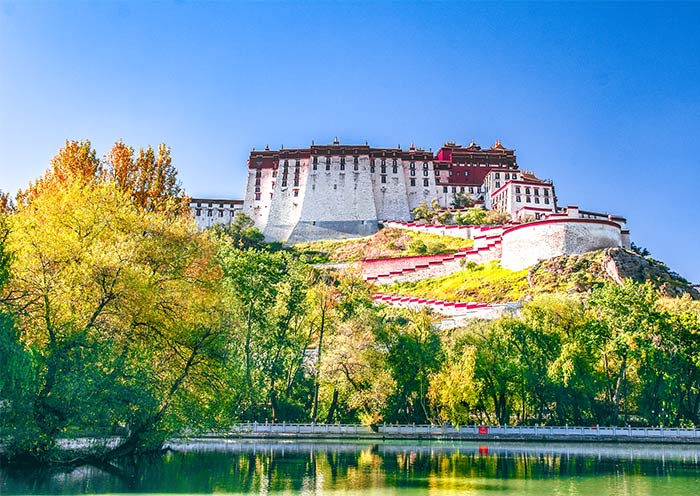
- Choose Tibet: Choose Tibet if your dream is to stand before the Potala Palace, witness the raw Himalayas, and delve deep into Tibetan Buddhism's heartland, accepting the bureaucratic hurdles and higher altitude. Best for adventurers and those seeking profound spiritual immersion.
- Choose Bhutan: Choose Bhutan for a remarkably peaceful, pristine journey into a unique Gross National Happiness philosophy, with guaranteed top-tier guiding and a focus on sustainable tourism. Ideal for those who value exclusivity, comfort, and an all-inclusive, hassle-free cultural experience.
- Choose Both: Consider doing both if you have 3-4 weeks and a significant budget ($10,000+), craving a comprehensive Himalayan spiritual and cultural odyssey. Start with Bhutan for a gentle acclimatization, then fly to Kathmandu and connect to Lhasa for the higher altitudes and more challenging logistics.
Quick Comparison
| Category | Tibet | Bhutan | Winner |
|---|---|---|---|
| Culture & Spirituality | Ancient, raw Tibetan Buddhism, Potala Palace, Jokhang Temple, high-altitude monasteries. | Unique Gross National Happiness philosophy, pristine Dzongs, Tiger's Nest, vibrant festivals. | Tibet |
| Costs & Permits | Complex permit system, mandatory tour, high costs due to regulations. | Mandatory Sustainable Development Fee ($100/night), all-inclusive packages. | Bhutan |
| Getting There | Flights to Lhasa (LXA) from major Chinese cities, or overland from Kathmandu. | Direct flights to Paro (PBH) from limited hubs (Delhi, Kathmandu, Bangkok, Singapore). | Bhutan |
| Getting Around | Mandatory private vehicle with driver and guide; limited public transport access. | Private vehicle with driver and guide included in tour package. | Tie |
| Accommodation | Basic guesthouses to 5-star hotels in Lhasa, limited options outside cities. | Curated selection of 3-5 star hotels and lodges, high standards. | Bhutan |
| Nature & Scenery | Roof of the World, Everest Base Camp, vast high-altitude plains, sacred lakes. | Pristine valleys, lush forests, accessible mountain vistas, unique biodiversity. | Tibet |
| Food & Drink | Hearty Tibetan staples (momo, tsampa, yak butter tea); limited variety. | Flavorful, spicy Bhutanese cuisine (Ema Datshi), Indian/Nepali influences, local beer. | Bhutan |
| Safety & Regulations | Politically sensitive, tight government control, travel restrictions. | Extremely safe, low crime, strict tourism policies for preservation. | Bhutan |
| Solo Travel Appeal | Not truly solo; must join a group tour, limited independence. | Solo travel possible with mandatory guide, but often more expensive. | Bhutan |
| Weather & Seasons | Best spring/autumn, cold winters, high altitude means less oxygen. | Spring/autumn ideal, distinct monsoon (July-Aug), mild winters. | Bhutan |
🙏 Culture & Spirituality
Tibet offers an unfiltered, ancient form of Buddhism that feels deeply ingrained in every aspect of life, from the prostrating pilgrims at Jokhang Temple to the monks debating at Sera Monastery. The sheer scale and historical weight of sites like the Potala Palace in Lhasa are breathtaking. It’s a culture that has endured immense change, and witnessing it firsthand feels like stepping back in time, often with a raw, almost stark beauty. You'll encounter real challenges, but the rewards are spiritual immersion. Bhutan, while incredibly spiritual, feels more curated, almost perfectly preserved. Its cultural sites like Punakha Dzong and the iconic Tiger's Nest Monastery are stunning, but the experience is more guided, less spontaneous. The 'Gross National Happiness' philosophy permeates everything, making for a very harmonious and gentle cultural interaction. While both are powerful, Tibet's profound spiritual depth and historical gravitas, despite the political complexities, make it a more intensely moving experience for those seeking the 'real' deal. One traveler on r/travel said, "My visit to Drepung Monastery was surreal, watching those monks felt like I was part of a living history, not just a tourist." This raw authenticity is hard to beat.
Winner takeaway
- Winner: Tibet
- Why: Tibet offers a more raw, historically significant, and profoundly immersive spiritual experience.
- Who this matters for: Pilgrims, history buffs, and those seeking an unvarnished spiritual journey.
💰 Costs & Permits
This is where the rubber meets the road. Tibet's permit system is notoriously complex, requiring a Chinese visa, Tibet Travel Permit, Alien's Travel Permit, and sometimes a Military Permit. You *must* travel with an organized tour, including a guide and private driver, from arrival to departure. A typical 7-day Lhasa-EBC tour can easily run $1800-$3000+ per person, excluding international flights, varying heavily with group size and luxury level. Daily costs beyond the tour are minimal for incidentals, maybe $50-100 USD. Bhutan has its famous Sustainable Development Fee (SDF) of $100 USD per person per night (for non-SAARC nationals), which at first glance seems high. However, this fee historically included a minimum daily package covering 3-star accommodation, all meals, a licensed guide, transportation, and entry fees. While packages are now more flexible, you still need to book through a licensed tour operator and pay the SDF. This means a 7-day trip will cost a minimum of $700 (SDF) plus tour operator fees, which typically start around $2000-$3500+ for mid-range, all-inclusive packages. The transparency and 'no hidden costs' nature of Bhutan's system makes budgeting much simpler. As one Reddit user put it, "Bhutan's daily fee sounded steep initially, but knowing everything was covered – guide, driver, food, hotel – made the trip stress-free, no haggling or surprises." While both are expensive, Bhutan's system feels more straightforward and offers better value for an all-inclusive, luxury-leaning experience.
Winner takeaway
- Winner: Bhutan
- Why: Bhutan's permit and cost structure, while high, is transparent and provides an excellent all-inclusive value without hidden costs.
- Who this matters for: Budget-conscious travelers, those who prefer predictable, all-inclusive pricing, and hate bureaucratic surprises.
✈️ Getting There
Getting to Tibet usually involves flying into a major Chinese city like Chengdu, Beijing, or Shanghai, then taking a domestic flight to Lhasa (LXA). Direct international flights to Lhasa are rare, and you’ll need your Chinese visa and Tibet Travel Permit ready for inspection before boarding. The alternative is the epic, but long, overland journey from Kathmandu, which requires a specific overland permit and is usually part of a full tour package. Expect travel days to be complex and involve multiple checks. Bhutan, by contrast, has a single international airport in Paro (PBH). While Druk Air and Bhutan Airlines have limited routes, they fly from convenient hubs like Delhi, Kathmandu, Bangkok, and Singapore. The flight into Paro itself is often described as one of the most scenic in the world, weaving through mountain valleys. The process, while requiring a pre-arranged visa and tour, is generally smoother once you're on the plane. You're met directly by your guide, and the journey begins immediately without further border complexities. "The flight into Paro was just insane, felt like a scenic tour before landing. So much easier than dealing with all the China transit stuff for Tibet," noted a traveler on r/AsiaTravel. The simplicity and beauty of the approach give Bhutan the edge.
Winner takeaway
- Winner: Bhutan
- Why: Bhutan's single, scenic international airport and streamlined arrival process make 'getting there' less logistically taxing.
- Who this matters for: Travelers who prioritize ease of access and a smooth arrival experience.
🚗 Getting Around
In both Tibet and Bhutan, independent travel is largely restricted, meaning you’ll be getting around in a private vehicle with a dedicated driver and guide. This is a non-negotiable part of the mandatory tour package in both destinations. In Tibet, your movement is tightly controlled; your guide will dictate your itinerary and ensure you adhere to it, especially outside of Lhasa. Road conditions can vary, particularly on routes to places like Everest Base Camp, where the journey can be long and bumpy but incredibly scenic. For example, the drive from Lhasa to Gyantse and Shigatse offers stunning views of Yamdrok Lake and local villages, but you're always part of a managed itinerary. In Bhutan, the experience is similarly structured: a comfortable private car or SUV will take you everywhere, from Paro to Thimphu to Punakha. The roads are generally well-maintained, and the journeys often involve picturesque drives through valleys and over mountain passes. While both offer excellent private transport, neither allows for the freedom of public transport or self-driving that many independent travelers might prefer. The main difference lies in the political oversight in Tibet versus the tourism policy in Bhutan. "Honestly, having a driver and guide in Bhutan was amazing; didn't have to worry about a thing. Felt pretty similar to my Tibet trip in terms of logistics," mentioned one r/traveler. Given the similar mandatory private transport, it's a tie in terms of practical experience, though the 'why' differs.
Winner takeaway
- Winner: Tie
- Why: Both destinations mandate private transport with a guide, offering similar levels of convenience and restriction in getting around.
- Who this matters for: Those who appreciate guided, structured travel and don't mind not having independent mobility.
🏨 Accommodation
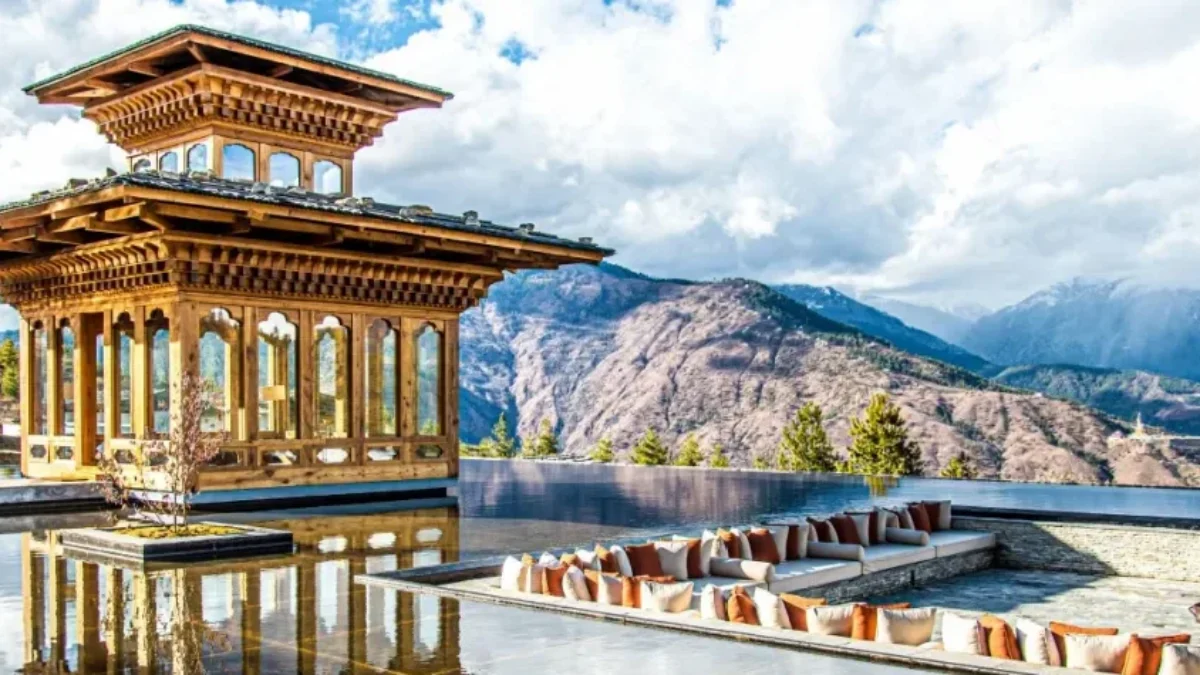
Tibet's accommodation options are a mixed bag. In Lhasa, you can find everything from budget guesthouses (e.g., Kirey Hotel) to luxury 5-star hotels like The St. Regis Lhasa Resort or Shangri-La Hotel, offering stunning views and modern amenities. However, once you venture outside Lhasa to places like Shigatse or Everest Base Camp, the options become significantly more basic, often consisting of simple guesthouses or monastery dormitories with shared facilities and limited heating – a true adventure for some, a discomfort for others. For instance, the guesthouses near Everest Base Camp are very rustic. Bhutan, on the other hand, prides itself on offering a high standard of accommodation, even at the 'standard' 3-star level included in the SDF package. These are typically clean, comfortable hotels with good service. For those seeking luxury, Bhutan excels with world-class resorts like Uma by COMO, Paro, or Amankora properties, which offer unparalleled service, stunning locations, and incredible comfort. The consistency in quality, even at the lower end of the spectrum, is a clear differentiator. "The hotels in Bhutan were surprisingly good, even the 'standard' ones. Felt like I was getting way more than a 3-star sometimes. Tibet felt much more variable outside Lhasa," a r/solotravel user commented. Bhutan's commitment to quality tourism extends directly to its lodging, ensuring a more consistently comfortable stay.
Winner takeaway
- Winner: Bhutan
- Why: Bhutan offers consistently higher quality and more luxurious accommodation options across the board, even at standard package levels.
- Who this matters for: Travelers who prioritize comfort, luxury, and reliable standards in their lodging.
🏔️ Nature & Scenery
When it comes to raw, majestic, and awe-inspiring natural beauty, Tibet stands unrivaled as the 'Roof of the World.' It boasts the highest average elevation on Earth, with landscapes dominated by vast, sweeping plateaus, towering snow-capped peaks including the north face of Mount Everest, and sacred turquoise lakes like Yamdrok and Namtso. The scale of the scenery is simply immense, often feeling otherworldly and untouched. The journey to Everest Base Camp (Tibet side, around 5,200m) offers unparalleled views of the world's highest peak, a truly bucket-list experience. Bhutan's nature, while incredibly beautiful and pristine, offers a different kind of grandeur. Its landscapes are characterized by lush, forested valleys, verdant hillsides, and more 'accessible' mountains, with the dramatic Paro Taktsang (Tiger's Nest Monastery) clinging to a cliff face. It's a land of pristine rivers, diverse flora and fauna, and charming terraced fields. Bhutan's beauty is intimate and serene, perfect for gentle treks and enjoying unspoiled ecological diversity. However, for sheer scale, altitude, and the profound feeling of being on top of the world, Tibet takes the crown. As someone put it on r/Tibet, "Nothing, absolutely nothing, prepares you for seeing Everest from the Tibetan side. It's humbling in a way Bhutan's beautiful valleys just can't quite match." The raw, untamed wilderness of Tibet, leading up to Everest, makes it the winner.
Winner takeaway
- Winner: Tibet
- Why: Tibet offers unparalleled access to the highest peaks and vast, dramatic high-altitude landscapes, including Everest.
- Who this matters for: Adventure seekers, mountaineers, and those who crave extreme, high-altitude natural grandeur.
🍜 Food & Drink
Tibetan cuisine is hearty and designed to sustain in a high-altitude, often harsh environment. Staples include momos (dumplings), thukpa (noodle soup), thenthuk (hand-pulled noodle soup), yak meat dishes, and the ubiquitous tsampa (roasted barley flour) and yak butter tea. While delicious and comforting, the variety can be somewhat limited, especially outside of Lhasa where options are often geared towards local tastes or basic Chinese fare. In Lhasa, you'll find more diverse choices, including good Nepali and Chinese restaurants. Bhutanese food is distinct, spicy, and incredibly flavorful. The national dish, Ema Datshi (chillies with cheese), is a must-try, along with Kewa Datshi (potatoes with cheese) and Shakam Ema Datshi (dried beef with cheese and chillies). Red rice is a staple, and local vegetables are fresh and organic. You’ll also find excellent Indian and Nepali influences, and even some surprisingly good local brews like Druk 11000 or Red Panda beer. Restaurants are generally clean, and dietary restrictions are often well-accommodated within tour packages. "Bhutanese food was a revelation! That Ema Datshi... I still dream about it. Tibet was good, but after a week, I was craving something different," shared a r/foodtraveler. The diversity, bold flavors, and memorable dishes make Bhutan a clear winner for the culinary experience.
Winner takeaway
- Winner: Bhutan
- Why: Bhutanese cuisine offers a richer, more diverse, and distinctly flavorful culinary experience, with memorable national dishes.
- Who this matters for: Foodies, adventurous eaters, and those who enjoy spicy and unique local flavors.
🚨 Safety & Regulations
Tibet operates under strict Chinese government control, making it a politically sensitive region. While violent crime against tourists is extremely rare, the regulations are pervasive. Your movements are monitored, you cannot travel independently, and political discussions are strictly off-limits. There's a constant underlying awareness of the security presence, and sudden closures of areas due to 'political sensitivity' are not unheard of. Access to internet and communication can also be monitored. Bhutan, by contrast, is renowned for being one of the safest countries in the world. Crime rates are exceptionally low, and tourists are generally treated with immense hospitality and respect. The strict tourism policies, including the SDF, are designed to preserve its culture and environment, not to control its visitors' movements in a political sense. You're free to explore within your guided itinerary, and the focus is entirely on your cultural experience. The only 'restrictions' are those designed for preservation and respectful interaction. "I felt incredibly safe walking around Thimphu alone at night, which is something I'd think twice about even in many Western cities. Bhutan felt truly peaceful," a r/solotraveler commented. Bhutan's inherent safety and lack of political tension make it a much more relaxed and secure destination.
Winner takeaway
- Winner: Bhutan
- Why: Bhutan offers an exceptionally safe and politically stable environment, free from the stringent government controls of Tibet.
- Who this matters for: Families, solo female travelers, and those who prioritize a worry-free and secure travel experience.
🚶♀️ Solo Travel Appeal
True solo travel, in the sense of independent exploration, is not possible in Tibet. All foreign visitors must be part of an organized tour with a guide and private vehicle, and often, you'll be grouped with other travelers to share costs. While you technically can book a 'solo tour' at a much higher price, you're still always with your guide and driver, and your itinerary is fixed. This limits spontaneous encounters and the freedom many solo travelers cherish. You'll also likely need to share hotel rooms if joining a budget group. Bhutan *does* allow solo travelers, but with the same mandatory guide, driver, and pre-booked itinerary structure as group travelers. The catch is that the Sustainable Development Fee ($100/night) and other tour costs are per person, so you won't split the fixed costs of the guide, driver, and vehicle, making it significantly more expensive than traveling as part of a pair or group. However, you retain the full attention of your guide and the flexibility to tailor the itinerary to your precise interests within the framework. As a r/solotravel user mentioned, "I did Bhutan solo, and while expensive, having my own guide meant I could really go at my own pace and dig deeper into what interested me. Tibet felt more like being herded." The ability to have a personalized experience, even if guided, makes Bhutan more appealing for solo adventurers who don't mind the cost.
Winner takeaway
- Winner: Bhutan
- Why: Bhutan offers a genuinely personalized, albeit more expensive, solo travel experience with a dedicated guide and customizable itinerary.
- Who this matters for: Solo travelers who value personalized attention, flexibility, and don't mind paying a premium for a tailored experience.
☀️ Weather & Seasons
Tibet's weather is dominated by its extreme altitude. Spring (April-May) and Autumn (September-October) are generally considered the best times to visit, offering clear skies, moderate temperatures during the day (around 10-20°C / 50-68°F), but freezing nights. Summer (June-August) is warmer but also the rainy season, though most rain falls at night. Winters (November-March) are bitterly cold, with temperatures often below freezing, especially at higher elevations, and many roads to EBC may be closed. Altitude sickness is a constant factor for many visitors. Bhutan's climate is more varied due to its lower average altitude and dramatic elevation changes. Spring (March-May) brings blooming rhododendrons and clear skies, with pleasant temperatures (15-25°C / 59-77°F). Autumn (September-November) is similarly ideal, with crisp air and festive events. Summer (June-August) is monsoon season, characterized by heavy rains, lush greenery, and occasional road closures, but it also means fewer tourists. Winters (December-February) are cool and sunny in the valleys (5-15°C / 41-59°F), with snow at higher elevations. Crucially, altitude sickness is less of a concern for most travelers in Bhutan compared to Tibet. "Visiting Bhutan in October was perfect, clear skies every day, just beautiful. My friends who went to Tibet in summer said the rain and altitude hit them hard," a r/BhutanTravel user shared. The more temperate climate, clearer seasons, and lower altitude make Bhutan more universally appealing.
Winner takeaway
- Winner: Bhutan
- Why: Bhutan offers more consistent and pleasant weather across its peak seasons, with less extreme conditions and lower altitude challenges.
- Who this matters for: Travelers sensitive to extreme cold or high altitudes, and those seeking predictable weather for outdoor activities.
❓ Frequently Asked Questions
Is altitude sickness a major concern for both destinations?
Altitude sickness is a significant concern in Tibet, particularly in Lhasa (3,650m) and especially on routes to Everest Base Camp (5,200m). Acclimatization is crucial, and most tours build in slow ascents. In Bhutan, while you'll be at elevations like Paro (2,200m) and Thimphu (2,300m), altitude sickness is less common and generally milder due to the lower overall elevation, making it easier for most travelers.
Can I travel independently without a guide in either country?
No, both Tibet and Bhutan mandate that all foreign tourists travel with a licensed guide and pre-arranged itinerary. Independent travel, backpacking, or self-driving are not permitted in either destination. This structured approach ensures cultural preservation and visitor safety, though it limits spontaneous exploration.
Which destination is better for photography?
Both offer incredible photographic opportunities. Tibet excels with its grand, raw Himalayan landscapes, ancient monasteries, and vibrant pilgrim scenes, particularly for wide-angle and landscape photography. Bhutan offers lush, pristine valleys, unique architecture (Dzongs), and colorful festivals, ideal for cultural and portrait photography. If you prefer epic, vast vistas, Tibet is slightly better; for colorful cultural details and accessibility, Bhutan shines.
What's the best time of year to visit?
For Tibet, spring (April-May) and autumn (September-October) offer the clearest skies and most pleasant temperatures, avoiding the extreme cold of winter and the summer monsoon. For Bhutan, spring (March-May) and autumn (September-November) are also ideal, with pleasant weather for trekking and festivals. Summer brings monsoon rains to Bhutan, while winter is cold but often clear and beautiful in both.
Are there any specific cultural etiquettes I should be aware of?
Yes, both cultures are deeply religious and respectful. In both, dress modestly, especially when visiting monasteries and temples (shoulders and knees covered). Remove your hat and shoes before entering religious sites. Always ask permission before taking photos of people. In Tibet, avoid discussing politics. In Bhutan, be mindful of local customs and traditions, and always greet with 'Kuzuzangpo la'.
Is internet and connectivity readily available?
In Tibet, internet access is available in major cities like Lhasa, usually via hotel Wi-Fi or local SIM cards (Chinese providers). However, access can be restricted or slow, and certain websites/apps are blocked (requiring a VPN). In Bhutan, most hotels offer Wi-Fi, and local SIM cards (Bhutan Telecom, TashiCell) provide good 4G coverage in settled areas. Connectivity is generally more reliable and less censored than in Tibet.
How do these destinations approach sustainability and responsible tourism?
Bhutan is a global leader in high-value, low-impact tourism, with its SDF directly funding free healthcare, education, and environmental conservation. Its entire tourism model is built around sustainability. Tibet's tourism is managed by China, with less emphasis on 'responsible tourism' in the Bhutanese sense, though efforts are made to manage visitor flow at key sites. Bhutan actively promotes environmental and cultural preservation through its tourism policy.
Which destination is better for trekking?
Tibet offers incredible, high-altitude treks, including the challenging Kailash Kora or multi-day monastery treks, suitable for experienced trekkers comfortable with extreme conditions and altitude. Bhutan boasts a wider range of accessible and well-maintained treks, from day hikes to Tiger's Nest to multi-day routes like the Druk Path Trek, through lush forests and pristine valleys, generally at lower, more manageable altitudes. For varied and less extreme trekking, Bhutan is preferable.
Ready to plan your Himalayan adventure?
Get a free custom itinerary for Tibet, Bhutan, or both — built from real traveler insights and expert advice.
🎟️ Book Tours & Experiences
Hand-picked tours and activities for both destinations — book with free cancellation
Experiences via Viator — free cancellation on most tours