How we built this comparison
This page combines traveler discussion patterns, published price ranges, flight schedules, and seasonal data to help you decide between Tibet and Nepal.
- Reviewed 50+ Reddit threads from r/travel, r/solotravel, r/Nepal, r/ChinaTravel, and r/AsiaTravel
- Verified costs and logistics against current booking platforms for flights, tours, and accommodations in both regions
- Cross-referenced seasonal patterns and weather data from meteorological sources for optimal travel windows
⚡ The TL;DR Verdict
Tibet is for the traveler seeking a deeply spiritual, highly regulated, and awe-inspiring cultural immersion with strict itineraries, ideal for those with a mid-to-high daily budget ($120-250+ USD). Nepal offers more freedom, diverse trekking, and a vibrant cultural tapestry at a more accessible price point, perfect for independent adventurers or budget travelers ($40-90 USD/day).
- Choose Tibet: Choose Tibet if your priority is a profound spiritual and cultural experience amidst breathtaking high-altitude landscapes, you prefer a structured, guided tour, and are prepared for a higher budget due to permit and guide requirements.
- Choose Nepal: Choose Nepal if you crave independent trekking, adventure sports, a bustling cultural scene, and the flexibility to explore at your own pace, all within a more budget-friendly framework.
- Choose Both: If you have 3-4 weeks and a generous budget, combine a 7-10 day Tibet tour (perhaps flying into Lhasa from Chengdu) with 2-3 weeks in Nepal. This allows you to experience Tibet's unique mysticism and Nepal's raw Himalayan adventure.
Quick Comparison
| Category | Tibet | Nepal | Winner |
|---|---|---|---|
| Culture & Spirituality | Deeply rooted Tibetan Buddhism, ancient monasteries, Potala Palace, Jokhang Temple. Highly spiritual and visually stunning. | Diverse Hindu and Buddhist traditions, vibrant festivals, Pashupatinath Temple, Boudhanath Stupa. More accessible and interactive. | Tibet |
| Nature & Trekking | Vast, high-altitude plateaus, sacred lakes (Lake Yamdrok), unique geological formations, Mt. Everest North Base Camp. Less trekking, more scenic drives. | World-renowned trekking routes (Annapurna Circuit, Everest Base Camp South), diverse landscapes from jungle to glaciers, eight of the world's ten highest peaks. Trekking paradise. | Nepal |
| Costs & Budget | Significantly higher due to mandatory permits, guides, and organized tours. Expect $120-250+ USD/day. | Much more budget-friendly for independent travel, accommodation, food, and local transport. Can be done on $40-90 USD/day. | Nepal |
| Getting There & Visas | Requires a Chinese Visa AND a separate Tibet Travel Permit. Flights typically via major Chinese cities (Chengdu). No direct international flights. | Visa-on-arrival for many nationalities at Kathmandu's Tribhuvan International Airport (TIA). Direct international flights from many hubs. Much simpler process. | Nepal |
| Getting Around | Exclusively by organized tour vehicle with a driver and guide. No independent public transport options for tourists. | Diverse options: local buses, tourist buses, taxis, domestic flights (e.g., Kathmandu to Pokhara). More freedom for independent exploration. | Nepal |
| Accommodation | Limited options, primarily government-approved hotels (3-4 star) in major cities, basic guesthouses on routes. Prices higher. | Wide range from luxury hotels to budget guesthouses, teahouses on trekking routes, and boutique stays. Highly diverse and affordable. | Nepal |
| Food & Dining | Tibetan staples like momos, thukpa, tsampa, yak butter tea. Options can be limited, especially outside Lhasa. | Diverse Nepali cuisine (dal bhat, momos, curries), Newari specialties, Indian, and international options. Vibrant restaurant scene. | Nepal |
| Safety & Health | Generally very safe from crime, but Altitude Sickness (AMS) is a major concern. Limited medical facilities outside Lhasa. | Generally safe, but petty crime (pickpocketing) exists in tourist areas. AMS is a risk in high-altitude treks. Better medical infrastructure in Kathmandu. | Tie |
| Travel Restrictions & Permits | Extremely strict. Requires a Tibet Travel Permit (obtained via tour operator) and Chinese Visa. Mandatory guide, driver, and organized tour. | Very open. Visa-on-arrival for many. Trekking permits (TIMS, ACAP/Sagarmatha NP) easily obtained. Independent travel is the norm. | Nepal |
| Best Time to Visit | Spring (April-May) and Autumn (Sept-Oct) for mild weather and clear skies. Winters are harsh, summers are rainy. | Autumn (Sept-Nov) and Spring (March-May) for trekking with clear skies and moderate temperatures. Monsoon (June-Aug) brings heavy rain. | Tie |
🙏 Culture & Spirituality
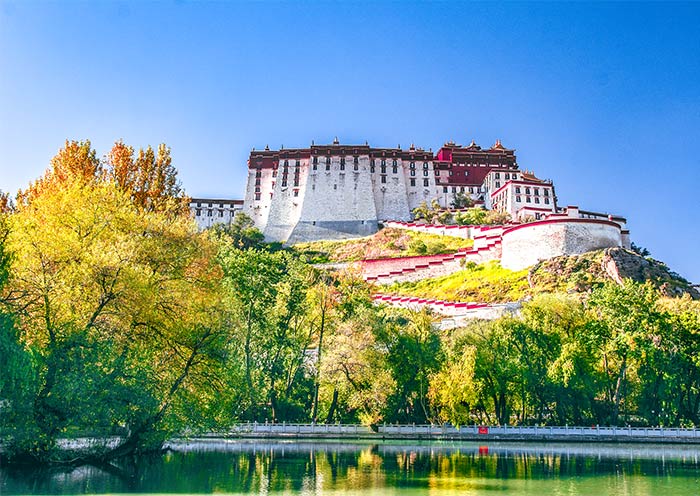
Tibet offers an unparalleled immersion into Tibetan Buddhism, a culture that has largely remained isolated for centuries. The Potala Palace in Lhasa, once the residence of the Dalai Lamas, is an architectural marvel and spiritual beacon. The Jokhang Temple pulsates with pilgrims prostrating, spinning prayer wheels, and chanting mantras, creating an atmosphere of profound devotion. While interaction with locals is somewhat limited by tour structures, the sheer authenticity and visual spectacle of this spiritual heartland are unmatched. You're constantly surrounded by monks, pilgrims, and ancient traditions. Nepal, while incredibly spiritual with its own rich tapestry of Hindu and Buddhist sites like Pashupatinath and Boudhanath, feels more integrated into modern life. "Honestly, the silence at a monastery high up in Tibet, just hearing the wind and chanting, felt like stepping into another dimension. Kathmandu is cool, but Tibet's spirituality hits different." The reverence in Tibet is palpable, an almost sacred hush compared to Nepal's vibrant, often chaotic, religious fervor. Experiencing a prayer flag ceremony at a high pass like Kora La is an unforgettable moment unique to Tibet.
Winner takeaway
- Winner: Tibet
- Why: Tibet offers a more singularly focused and intensely preserved spiritual and cultural experience that feels less diluted by outside influences.
- Who this matters for: Those seeking profound spiritual immersion and a truly unique cultural perspective.
⛰️ Nature & Trekking
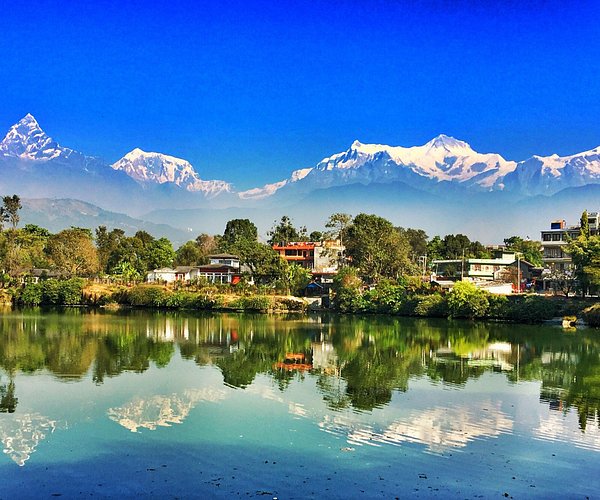
Nepal is unequivocally the trekking capital of the world. With legendary routes like the Annapurna Circuit, Everest Base Camp (EBC) from the south side, and Langtang Valley, it offers unparalleled opportunities for multi-day hikes through diverse terrain. You can trek independently or with guides, staying in teahouses along the way, experiencing local Sherpa culture firsthand. The landscapes range from lush rhododendron forests to arid high-altitude deserts and glacial valleys, peaking at awe-inspiring views of 8,000m+ giants. Tibet, while home to the north face of Mount Everest and stunning high-altitude scenery like Lake Yamdrok and the vast Changtang plateau, is not set up for multi-day independent trekking. Access is strictly controlled, and most exploration is via organized tours in vehicles, with shorter hikes. "Nepal's Annapurna Base Camp trek was life-changing – meeting locals, pushing my limits, just pure freedom. Tibet was beautiful, but felt more like a scenic drive than an adventure." While Tibet's EBC view is arguably more dramatic from the north, the journey to it lacks the physical challenge and cultural interaction of Nepal's trekking routes. For serious hikers, Nepal is the clear winner.
Winner takeaway
- Winner: Nepal
- Why: Nepal offers unparalleled independent trekking opportunities and a far greater diversity of multi-day hiking experiences for all skill levels.
- Who this matters for: Adventure seekers, trekkers, and those who want to explore mountains on foot with freedom.
💸 Costs & Budget
Tibet is an expensive destination primarily due to its strict tourism regulations. You cannot travel independently; you must join an organized tour, which includes mandatory permits, a private vehicle, and a guide. A 7-day tour from Lhasa including Everest Base Camp will easily set you back $1,500 - $2,500 USD per person (or more, depending on group size and luxury level), excluding flights to Tibet. This means daily costs are high, averaging $180-350 USD once flights are factored in. Meals in tourist restaurants might be 80-150 CNY ($11-20 USD). In contrast, Nepal is incredibly affordable for independent travelers. A basic guesthouse in Kathmandu or Pokhara can be as low as 1000-2000 NPR ($7-15 USD) per night. Delicious local meals (dal bhat!) are 300-600 NPR ($2-5 USD). A 10-day Annapurna Base Camp trek, including guides, permits, and teahouse stays, could cost around $500-800 USD. "My 2-week Nepal trip cost less than half of what a 7-day Tibet tour would've been, and I felt like I saw so much more and had way more freedom." Even activities like paragliding in Pokhara are a fraction of the cost compared to similar activities elsewhere. Nepal clearly wins for budget-conscious travelers.
Winner takeaway
- Winner: Nepal
- Why: Nepal offers significantly more flexibility and affordability for accommodation, food, transport, and activities, making it accessible to a wider range of budgets.
- Who this matters for: Budget travelers, backpackers, and those looking to maximize their travel duration without breaking the bank.
✈️ Getting There & Visas
Getting to Tibet is a complex logistical challenge. First, you need a Chinese Visa (L-Visa for tourists). Only after securing this can your tour operator apply for the crucial Tibet Travel Permit, which can take weeks and is only issued for specific tour dates and itineraries. You cannot fly directly into Tibet from an international destination; you must enter via mainland China (e.g., flights from Chengdu, Beijing, Xi'an to Lhasa Gonggar Airport, or the famous Qinghai-Tibet Railway). The entire process is controlled, stressful, and requires careful planning months in advance. "Getting my Tibet permit felt like a secret mission. So many documents, so much waiting, but it arrived eventually. Just don't book flights until it's confirmed!" Nepal, in stark contrast, is incredibly easy to enter. Many nationalities, including Americans, Europeans, and Australians, can get a visa-on-arrival at Kathmandu's Tribhuvan International Airport (TIA) for a fee (e.g., $30 USD for 15 days, $50 for 30 days). Direct flights are available from major hubs like Delhi, Dubai, Istanbul, and Kuala Lumpur, making access straightforward and flexible. You can often decide to go to Nepal just weeks before your trip.
Winner takeaway
- Winner: Nepal
- Why: Nepal offers a vastly simpler and more flexible visa and entry process with direct international flight access.
- Who this matters for: Travelers who prefer ease of planning, spontaneous trips, and avoiding complex bureaucracy.
🚗 Getting Around
In Tibet, your movement is entirely dictated by your pre-arranged tour. You'll travel in a private vehicle (often a 4x4 or minivan) with your driver and guide. This offers comfort and efficiency, but zero flexibility for spontaneous detours or independent exploration. There's no option for tourists to use public buses or trains between cities. For example, a journey from Lhasa to Shigatse will be part of your tour itinerary. Nepal offers a rich tapestry of transportation. For inter-city travel, you can opt for budget-friendly local buses (bumpy but authentic), comfortable tourist buses (e.g., Greenline from Kathmandu to Pokhara for ~2,500 NPR / $19 USD), or domestic flights for quicker journeys (e.g., Kathmandu to Pokhara often around $50-100 USD one-way). Within cities like Kathmandu, taxis are abundant and cheap (e.g., a ride across Thamel for 300-500 NPR / $2-4 USD), as are rickshaws and ride-sharing apps like Pathao. "Navigating Kathmandu on a local bus was an adventure in itself, definitely not for the faint of heart, but so cheap and you see everything." The freedom to choose your mode of transport and move around independently is a huge advantage for Nepal.
Winner takeaway
- Winner: Nepal
- Why: Nepal provides a wide array of transportation options, from budget to comfortable, allowing for independent travel and flexible itineraries.
- Who this matters for: Independent travelers, those on a budget, and anyone who values flexibility in their itinerary.
🏨 Accommodation
Accommodation in Tibet is generally more expensive and less varied than in Nepal. In Lhasa, you'll find primarily 3-4 star hotels like the St. Regis Lhasa or more mid-range options like the Lhasa Yak Hotel, with prices from 500-1500 CNY ($70-200 USD) per night. Outside Lhasa, especially on routes to Everest Base Camp, options become very basic, often guesthouses with shared facilities and limited heating, costing around 150-300 CNY ($20-40 USD). You're often confined to hotels selected by your tour operator. Nepal, on the other hand, boasts an incredible range of accommodation. In Kathmandu's Thamel district, you can find a clean budget guesthouse for 1500 NPR ($11 USD) or a charming boutique hotel like the Kantipur Temple House for 6000-10000 NPR ($45-75 USD). Luxury options like The Dwarika's Hotel are also available. On trekking routes, teahouses offer simple rooms for as little as 300-800 NPR ($2-6 USD), often requiring you to eat there. "After a long trek, finding a cozy teahouse for 500 NPR and a hot meal was pure bliss. Tibet's hotels were fine, but nothing felt as authentically welcoming." The sheer choice and affordability in Nepal are a significant draw.
Winner takeaway
- Winner: Nepal
- Why: Nepal offers a far greater variety of accommodation options, from budget teahouses to luxury hotels, catering to all price points and preferences, often at a better value.
- Who this matters for: Travelers seeking diverse lodging experiences, from rustic to luxurious, and those on a tighter budget.
🍜 Food & Dining
Tibetan cuisine, while unique and hearty, can be somewhat limited, especially outside of Lhasa. Staples include momos (dumplings), thukpa (noodle soup), tsampa (roasted barley flour), and yak butter tea. In Lhasa, you'll find a decent selection of Tibetan restaurants like Lhasa Kitchen, and some Chinese options. Expect a meal to cost around 50-100 CNY ($7-14 USD) in a decent local spot. However, on longer road trips, food options can be sparse, often relying on basic guesthouse fare. "The yak butter tea in Tibet was an experience, but after a few days, I was craving some variety beyond momos. Nepal had so much more to offer." Nepal's food scene is incredibly vibrant and diverse. Dal Bhat (lentil soup with rice and curries) is the national dish, endlessly refillable and delicious. Beyond that, you'll find incredible momos, curries, Newari specialties (like bara, chatamari), and a wide array of international cuisine, especially in Kathmandu's Thamel and Pokhara. Restaurants like Places Restaurant or Fire and Ice Pizzeria in Kathmandu offer excellent food for 500-1500 NPR ($4-11 USD) per meal, catering to all tastes. The availability of fresh produce and spices, combined with cultural influences, makes Nepal a culinary delight.
Winner takeaway
- Winner: Nepal
- Why: Nepal boasts a more diverse and vibrant culinary scene, offering a wider range of local and international dishes at very affordable prices.
- Who this matters for: Foodies, those with dietary restrictions, and travelers who appreciate variety in dining experiences.
⚕️ Safety & Health
Both destinations require careful consideration of health and safety, particularly regarding Altitude Sickness (AMS). In Tibet, crime rates are extremely low, making it very safe in terms of personal security. However, the average altitude is over 4,000 meters (13,000 ft), making AMS a significant concern for all travelers. Acclimatization is crucial, and emergency medical facilities outside Lhasa are limited. "Everyone in my Tibet group got some level of altitude sickness, even with Diamox. It's no joke, take it seriously." Your guide will monitor you, which adds a layer of safety for AMS. Nepal is also generally safe from violent crime, but petty theft, like pickpocketing in crowded areas of Kathmandu (e.g., Thamel), is more common than in Tibet. Trekking in Nepal carries risks of falls or getting lost, though well-marked trails and teahouses mitigate this. Medical facilities in Kathmandu are more developed than in Lhasa, with hospitals like CIWEC Clinic International catering to foreigners. For high-altitude treks in Nepal, helicopter rescues are possible but expensive. Both require good travel insurance. So, while Tibet has lower crime, Nepal has better accessible medical care and more independent travel risks.
Winner takeaway
- Winner: Tie
- Why: Tibet offers lower crime rates but high altitude risk with limited facilities, while Nepal has more developed medical care but higher petty crime and independent trekking risks, balancing out the safety aspects.
- Who this matters for: All travelers, but especially those concerned about personal safety, medical access, and managing altitude sickness.
🛂 Travel Restrictions & Permits
This category is where Tibet's controlled environment truly stands out. Travel to Tibet is heavily restricted by the Chinese government. All foreign tourists must obtain a special Tibet Travel Permit (TTP) through an authorized tour operator, which also arranges your entire itinerary, including a mandatory guide, driver, and private vehicle. You cannot travel independently. Permits can be denied or delayed, especially during sensitive political periods. There are also restrictions on where you can go. "The biggest hurdle for Tibet was hands down the permit process. It dictated everything – where I went, who I was with, and for how long. Couldn't even book my flight until it was confirmed." Nepal, in stark contrast, is incredibly open and welcoming to independent travelers. While you need trekking permits for national parks (e.g., Annapurna Conservation Area Permit for 3,000 NPR / $22 USD, or Sagarmatha National Park Permit for 3,000 NPR / $22 USD, plus a TIMS card for 2,000 NPR / $15 USD), these are easily obtained in Kathmandu or Pokhara, or at park entry points. You have the freedom to plan your own routes, choose your own pace, and interact freely with locals. There are no mandatory guides or drivers outside of specific adventure activities if you don't want them.
Winner takeaway
- Winner: Nepal
- Why: Nepal offers vastly more freedom, with easy-to-obtain permits and no requirement for mandatory guides or organized tours.
- Who this matters for: Independent travelers, those who value spontaneity, and anyone who dislikes heavily regulated travel.
☀️ Best Time to Visit
Both Tibet and Nepal share similar high-altitude weather patterns, making spring and autumn the prime travel seasons. For Tibet, April to May and September to October offer the most pleasant weather – mild days, chilly nights, and consistently clear skies perfect for viewing Everest or the Potala Palace. June to August is the monsoon season, bringing rain and cloud cover, while winter (November to March) is bitterly cold, with many roads closed and limited services, though it can offer a unique experience for hardy travelers. "I went to Tibet in October, and the crisp, clear air and blue skies for Everest views were absolutely perfect. Worth the cold mornings." Nepal's trekking season peaks in autumn (September to November) with stable weather, clear mountain views, and comfortable temperatures. Spring (March to May) is also excellent, with rhododendrons blooming at lower altitudes, though haze can be an issue. The monsoon season from June to August makes trekking difficult and sightseeing less enjoyable due to heavy rains and leeches. Winters (December to February) are cold, especially at high altitudes, but still viable for lower-altitude treks and city tours. Both destinations have very specific optimal windows.
Winner takeaway
- Winner: Tie
- Why: Both destinations have similar ideal travel seasons, with spring and autumn offering the best conditions for their respective primary attractions (sightseeing in Tibet, trekking in Nepal).
- Who this matters for: All travelers, as weather significantly impacts the experience and accessibility in both regions.
❓ Frequently Asked Questions
Can I travel independently in Tibet?
No, foreign tourists cannot travel independently in Tibet. You must book an organized tour through a registered travel agency, which includes a mandatory guide, driver, and all necessary permits.
Is altitude sickness a major concern for both destinations?
Yes, altitude sickness (AMS) is a significant concern for both, especially in Tibet due to its consistently high average altitude, and for high-altitude treks in Nepal (e.g., EBC, Annapurna Circuit). Acclimatization and consulting a doctor for medication like Diamox are highly recommended.
Which destination is better for spiritual retreat?
While both offer spiritual experiences, Tibet provides a more profound and isolated immersion into Tibetan Buddhism with ancient monasteries and pilgrimage routes. Nepal offers a diverse blend of Hindu and Buddhist sites, feeling more integrated into daily life, making it more accessible but perhaps less intensely singular.
What are the flight options like for each?
For Tibet, you must fly via a mainland Chinese city (e.g., Chengdu, Beijing) to Lhasa. There are no direct international flights. For Nepal, Kathmandu's Tribhuvan International Airport (TIA) has direct international flights from many major hubs in Asia and the Middle East.
Can I visit Everest Base Camp from both Tibet and Nepal?
Yes, you can visit Everest Base Camp from both sides. The Nepal side (South EBC) involves a multi-day trek. The Tibet side (North EBC) is accessible by vehicle on an organized tour, offering different views and a less physically demanding journey.
How much lead time do I need to plan a trip?
For Tibet, plan at least 2-3 months in advance to secure your Chinese Visa and the critical Tibet Travel Permit. For Nepal, you can often plan a trip just a few weeks in advance, as visas are readily available on arrival for many nationalities.
What are the language differences for travelers?
In Tibet, Mandarin Chinese is widely spoken, along with Tibetan. Your guide will translate. In Nepal, Nepali is the national language, but English is widely understood in tourist areas, and many trekking guides are fluent.
Are there any specific cultural etiquettes to be aware of?
Both regions are conservative. Dress modestly, especially when visiting religious sites. Always ask permission before photographing people, and use your right hand when giving or receiving items in Nepal. In Tibet, avoid discussing politics or the Dalai Lama.
Ready to plan your Himalayan adventure?
Get a free custom itinerary for Tibet, Nepal, or both — built from real traveler insights and expert advice.
🎟️ Book Tours & Experiences
Hand-picked tours and activities for both destinations — book with free cancellation
Experiences via Viator — free cancellation on most tours