How we built this comparison
This page combines traveler discussion patterns, published price ranges, flight schedules, and seasonal data to help you decide between Tirana and Sofia.
- Reviewed 50+ Reddit threads from r/travel, r/solotravel, r/Albania, r/Bulgaria, and r/EuropeTravel for real traveler experiences.
- Verified costs and logistics against current booking platforms (Booking.com, Skyscanner, local bus operators) and recent traveler blogs.
- Cross-referenced seasonal patterns and weather data from meteorological sources to inform best travel times.
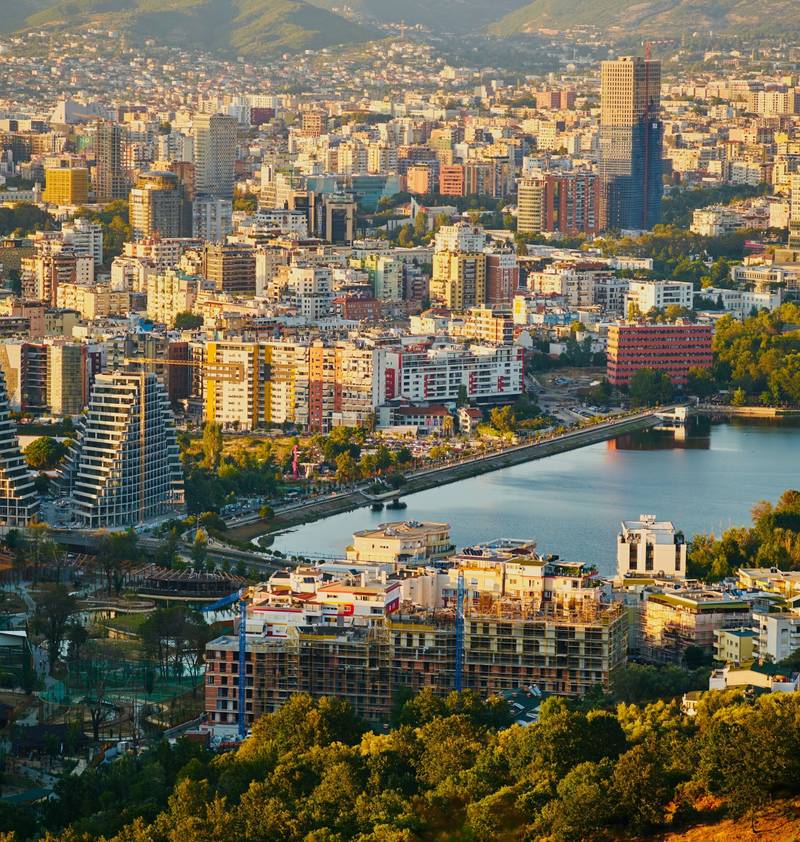
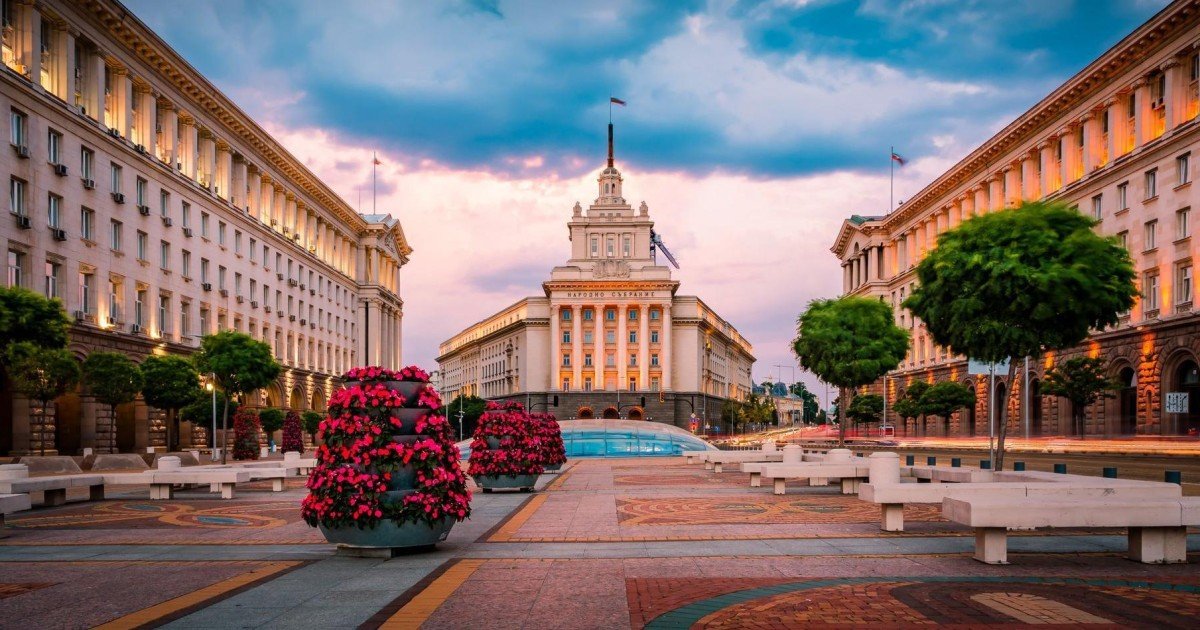
⚡ The TL;DR Verdict
For budget-conscious travelers seeking an authentic, rapidly evolving city with a unique vibe, Tirana offers unbeatable value (roughly $35-60/day). If you crave grand history, a more established European feel, and a diverse nightlife, Sofia provides a slightly more polished experience (expect $50-75/day).
- Choose Tirana: Go for Tirana if you're a curious explorer eager for a city bursting with new life, fascinating history (especially its communist past), and incredible affordability, plus easy access to beautiful coastlines.
- Choose Sofia: Pick Sofia if you appreciate ancient history, grand architecture, a more developed infrastructure, vibrant nightlife, and proximity to stunning mountains like Vitosha.
- Choose Both: Absolutely do both if you have 7-10 days! A flight or bus journey connects them, allowing you to experience the best of both Balkan capitals, perhaps 3-4 days in each.
Quick Comparison
| Category | Tirana | Sofia | Winner |
|---|---|---|---|
| Costs & Value | Significantly cheaper across all categories, from food to transport and accommodation. | Still very affordable compared to Western Europe, but slightly higher than Tirana. | Tirana |
| Food Scene | Delicious, hearty Albanian cuisine with strong Mediterranean and Italian influences. Fresh and local. | Robust Bulgarian fare, good international options, and a thriving craft beer and cafe culture. | Sofia |
| Nightlife & Social Scene | Lively and concentrated nightlife, especially in the Blloku district, with a vibrant bar and club scene. | More diverse and expansive nightlife, from ruin bars to grand clubs and a thriving cultural scene. | Sofia |
| Culture & History | Unique communist-era history, rapid modernization, and a blend of Ottoman and Italian influences. | Ancient Roman ruins, grand Orthodox cathedrals, and a rich Ottoman and communist past. | Sofia |
| Getting There & Around | Tirana International Airport (TIA) is well-connected; city center easily walkable. Public transport improving. | Sofia Airport (SOF) is a major hub; efficient metro and walkable center. | Sofia |
| Accommodation & Comfort | Excellent value for money, with charming boutique hotels and affordable hostels. | Wide range of options from luxury to budget, slightly higher prices but good quality. | Tie |
| Day Trips & Excursions | Coastal beaches (Durrës), historic Berat & Gjirokastër, Kruja Castle. | Rila Monastery, Plovdiv, Vitosha Mountain, Seven Rila Lakes. | Tie |
| Nature & Outdoors | Close proximity to beaches, lakes, and rugged mountains. Less developed infrastructure. | Right at the foot of Vitosha Mountain, offering immediate hiking and skiing. | Tirana |
| Vibe & Atmosphere | Vibrant, chaotic, rapidly modernizing, with a palpable sense of energy and authenticity. | Relaxed, green, historically rich, with a more established European feel. | Tirana |
| Solo Travel & Safety | Generally safe and welcoming, easy to meet people, but some infrastructure still developing. | Very safe, easy to navigate, with a more established tourist infrastructure. | Sofia |
💰 Costs & Value
Tirana consistently offers a better bang for your buck, making it a dream for budget travelers. A hostel dorm bed in Tirana can be found for 1500-2500 LEK ($16-27), while a mid-range hotel like Hotel Colosseo Tirana will set you back 5000-8000 LEK ($55-88). A delicious traditional meal at Oda or Era Vila is often 800-1500 LEK ($9-16), and a coffee is a mere 150-250 LEK ($1.60-2.70). In Sofia, while still cheap, prices are noticeably higher. A hostel bed runs 25-45 BGN ($14-25), and a decent hotel like Hotel Central Point starts from 80-140 BGN ($44-77). A dinner at a well-regarded restaurant like Shtastliveca might be 25-45 BGN ($14-25), and coffee 4-6 BGN ($2.20-3.30). Local transport in both cities is inexpensive, but Tirana's overall daily spend feels genuinely lower, allowing for more spontaneous splurges. "Dude, I ate like a king in Tirana for less than I'd spend on a single decent meal back home. Insane value!" The difference adds up quickly over several days.
Winner takeaway
- Winner: Tirana
- Why: Tirana offers an even better value for money across almost all travel essentials, making your budget stretch further.
- Who this matters for: Budget travelers, backpackers, and those looking to maximize their travel funds without sacrificing quality.
🍽️ Food Scene
While Tirana's food scene is excellent for traditional Albanian dishes like Tave Kosi (lamb and yogurt casserole), Fëgesë (pepper and tomato stew), and a strong Italian presence with fantastic pizza and pasta, Sofia edges it out slightly for overall diversity and innovation. Tirana's Blloku district has trendy spots, but Sofia's offerings are more varied, from traditional Bulgarian 'mehana' taverns like Hadjidraganov's Cellars offering banitsa and Shopska salad, to modern fusion restaurants and a growing vegan scene. The craft beer movement is also more developed in Sofia, with places like Vitamin B and Ale House. Sofia also has more international dining options, reflecting its larger capital status. Both excel at fresh produce and delicious local pastries. Tirana's reliance on cash for smaller eateries can be a slight inconvenience. "Sofia just has *more* options, you know? Great local stuff, but then you can switch to incredible sushi or a killer vegan spot the next day. Tirana's good, but a bit less varied." Ultimately, Sofia provides a broader culinary adventure.
Winner takeaway
- Winner: Sofia
- Why: Sofia offers a more diverse and established food scene, encompassing traditional, international, and modern culinary trends.
- Who this matters for: Foodies, those who appreciate a wide range of international cuisines, and craft beer enthusiasts.
🌃 Nightlife & Social Scene
Tirana's nightlife is undeniably vibrant and concentrated, largely centered around the Blloku district. Here you'll find a plethora of chic bars like Radio Bar Tirana and clubs that stay open late, pulsating with energy. It's easy to hop from one spot to another, and the atmosphere is generally friendly and buzzing. However, Sofia's nightlife offers greater variety and scale. You have everything from the trendy 'bar crawl' feel of sites like 'The Apartment' or 'Kanaal' which are reminiscent of Berlin's alternative spots, to massive, multi-room clubs like Yalta Club or Bedroom Premium Club. Sofia also boasts a more developed live music scene and a greater number of unique themed bars. Its student population ensures a constant flow of new places and a lively youthful energy. "Sofia's nightlife just hits different. You can go from a chill craft beer spot to a massive club with DJs from Berlin, all in one night. Tirana's fun, but Sofia has more going on." Both cities are safe for a night out, but Sofia simply has more established options for diverse tastes.
Winner takeaway
- Winner: Sofia
- Why: Sofia offers a more expansive, diverse, and well-established nightlife catering to a broader range of tastes and preferences.
- Who this matters for: Party-goers, social butterflies, and those who enjoy a varied and lively evening entertainment scene.
🏛️ Culture & History
Both cities are steeped in history, but Sofia presents a more 'classic' European historical experience with its ancient roots and grand monuments. You can explore the Roman Serdica complex right under the city, marvel at the stunning Alexander Nevsky Cathedral, visit the Rotunda of St. George (one of the oldest buildings in Europe), and delve into the National Historical Museum. The city's layers of Thracian, Roman, Ottoman, and Communist past are visibly present. Tirana, on the other hand, offers a more unique and poignant historical narrative, largely focused on its relatively recent communist dictatorship. Sites like the Bunk'Art museums (Bunk'Art 1 and Bunk'Art 2) are incredibly immersive and tell a powerful story. Skanderbeg Square, Et'hem Bey Mosque, and the Pyramid of Tirana (currently being repurposed) showcase its evolving identity. While Tirana's history is compelling and raw, Sofia's sheer volume of ancient, grand, and diverse historical landmarks gives it the edge for a broader cultural appeal. "Sofia felt like stepping back in time with all the Roman ruins and churches. Tirana's Bunk'Art was mind-blowing, but Sofia had more of that epic historical feel." Sofia's cultural institutions, like its opera and numerous galleries, are also more established.
Winner takeaway
- Winner: Sofia
- Why: Sofia boasts a greater concentration of ancient Roman ruins, grand cathedrals, and a broader spectrum of historical periods visibly represented.
- Who this matters for: History buffs, architecture enthusiasts, and those interested in ancient and classical European heritage.
✈️ Getting There & Around
Sofia generally has better international flight connections due to its larger airport (SOF) and being a bigger capital city. You'll find more direct flights from various European cities with both budget and legacy carriers. Getting from Sofia Airport to the city center is incredibly efficient via the metro (Line 3, then transfer to Line 2), costing around 1.60 BGN ($0.90) and taking about 20-30 minutes. Once in the city, Sofia's metro system is modern and covers key areas, supplemented by trams and buses. Tirana International Airport (TIA) has seen significant growth in routes, especially with low-cost carriers, but direct options might still be fewer than Sofia. A taxi from TIA to the city center costs around 20-25 EUR ($22-27), while a bus is cheaper at 400 LEK ($4.30). Within Tirana, the city center is very walkable, and local buses are frequent and cost 40 LEK ($0.45) a ride. For inter-city travel, both have decent bus networks, but Sofia's larger train station offers more options (though Bulgarian trains aren't known for speed). "Sofia's metro from the airport was a lifesaver, so quick and cheap. Tirana's buses are fine but you kinda just walk everywhere, which is cool too." Sofia's overall infrastructure for arrival and internal movement feels slightly more polished and integrated.
Winner takeaway
- Winner: Sofia
- Why: Sofia offers better international flight connections and a more comprehensive, efficient public transportation system, especially its metro.
- Who this matters for: Travelers prioritizing ease of access, efficient public transport, and broader flight options.
🏨 Accommodation & Comfort
Both Tirana and Sofia excel in providing comfortable and value-for-money accommodation, making this category a tie. In Tirana, you can find incredibly stylish boutique hotels like Hotel Vila e Arte City Center for around 6,000-10,000 LEK ($65-110) or cozy guesthouses for even less. Hostels such as Tirana Backpacker Hostel or Destil Hostel offer beds from 1,500-2,500 LEK ($16-27) and are known for their social atmosphere. The rapid development means many hotels are modern and well-appointed. Sofia also has a broad spectrum, from high-end international chains like Hyatt Regency Sofia to charming mid-range hotels like Sense Hotel Sofia. Budget travelers can find excellent hostels like Hostel Mostel or Art Hostel for 25-45 BGN ($14-25). The quality across both cities is generally high for the price point, with good amenities and friendly staff. "Honestly, both cities had amazing places to stay for really cheap. I got a private room in Tirana for what a dorm costs in Western Europe, and Sofia's hostels were super clean." The choice often comes down to personal style rather than a significant difference in comfort or value.
Winner takeaway
- Winner: Tie
- Why: Both cities offer exceptional value and a wide range of high-quality accommodation options, from budget hostels to comfortable mid-range hotels.
- Who this matters for: Travelers prioritizing comfort and good amenities regardless of budget, as both cities deliver excellent value.
🗺️ Day Trips & Excursions
This category is a strong tie as both cities offer incredibly rich and diverse day trip options, catering to different interests. From Tirana, you can easily reach the historical city of Kruja with its impressive castle and old bazaar (1 hour bus, ~250 LEK/$2.70), or head to the coastal city of Durrës for a beach escape and Roman amphitheater (40 min train/bus, ~150-200 LEK/$1.60-2.20). UNESCO sites Berat (the 'city of a thousand windows') and Gjirokastër (stone city) are further but definitely doable as day or overnight trips. Sofia's crown jewel day trip is the stunning Rila Monastery, a UNESCO site nestled in the mountains (2-hour drive, many tours available for €25-40/$27-44). The charming ancient city of Plovdiv, one of Europe's oldest continuously inhabited cities with a Roman theater, is also a must-see (2-hour train/bus, ~10-15 BGN/$5.50-8.30). For nature lovers, Vitosha Mountain is right on Sofia's doorstep, accessible by public transport or gondola. "Plovdiv blew me away, such incredible history, and Rila Monastery felt so peaceful. But my friend raved about Berat from Tirana, said it was stunning." Both cities provide fantastic opportunities to explore beyond the urban core, whether it's cultural heritage, natural beauty, or coastal relaxation.
Winner takeaway
- Winner: Tie
- Why: Both Tirana and Sofia offer an equally impressive and diverse array of fascinating day trip options, catering to different interests from history to nature.
- Who this matters for: Travelers who enjoy exploring beyond the main city and seek a variety of cultural, historical, and natural excursions.
🌳 Nature & Outdoors
While Sofia has the fantastic advantage of Vitosha Mountain literally on its doorstep—offering hiking, skiing, and panoramic views just a short bus or gondola ride away—Tirana's surrounding region provides a greater diversity of natural landscapes. Within a 1-2 hour drive from Tirana, you can be swimming in the Adriatic Sea at Durrës, exploring the stunning Lake Bovilla (a popular spot for kayaking and hiking), or delving into the rugged peaks of Dajti Mountain National Park, accessible via cable car directly from the city's outskirts. Further afield, the Albanian Riviera boasts some of Europe's most beautiful and untouched beaches, and the Albanian Alps (Prokletije) offer world-class hiking. While Vitosha is great for immediate access, Tirana's position opens up a wider array of distinct natural experiences, from coastal relaxation to challenging mountain treks. "I loved having Vitosha right there in Sofia, but Tirana being so close to both the sea and those incredible mountains, it felt like more adventure waiting." The sheer variety of ecosystems accessible from Tirana gives it the edge for outdoor enthusiasts looking for diverse experiences.
Winner takeaway
- Winner: Tirana
- Why: Tirana offers access to a greater diversity of natural landscapes, including both stunning coastlines and rugged mountains, within close proximity.
- Who this matters for: Nature lovers, hikers, beach enthusiasts, and those seeking varied outdoor adventures.
✨ Vibe & Atmosphere
Tirana has an incredibly unique and palpable energy. It's a city undergoing rapid transformation, shedding its communist past while embracing modernity with a youthful zeal. The atmosphere is vibrant, sometimes a little chaotic, but always buzzing with life. Colorful buildings, bustling cafes, and a friendly, welcoming local population create a feeling of discovery and authenticity. You'll often see locals enjoying long coffees, families strolling, and a general sense of optimism. Sofia, in contrast, feels more relaxed, greener, and more 'European' in a traditional sense. Its wide boulevards, numerous parks, and grand architecture give it a stately, calm demeanor. While it has its lively spots, especially around Vitosha Boulevard, the overall pace is slower and more laid-back. It's a city that feels established and comfortable. "Tirana just felt *alive*. Like, every corner was something new, a bit messy but so real. Sofia was beautiful and calm, but Tirana had this raw, exciting energy." If you're looking for a city with a distinct personality that's actively evolving and feels genuinely unique, Tirana wins hands down. Sofia is charming but less 'punchy' in its overall vibe.
Winner takeaway
- Winner: Tirana
- Why: Tirana offers a more unique, vibrant, and rapidly evolving atmosphere with a distinct character and palpable sense of energy.
- Who this matters for: Curious travelers, those seeking authentic cultural immersion, and people who enjoy dynamic, rapidly changing urban environments.
🚶♀️ Solo Travel & Safety
Both Tirana and Sofia are generally very safe cities for solo travelers, including solo female travelers. Crime rates are low, and locals are typically friendly and helpful. However, Sofia slightly edges out Tirana due to its more developed tourist infrastructure and overall ease of navigation. Sofia's public transport system, including the metro, is comprehensive and well-marked, making it simple to get around independently. English is widely spoken in tourist areas and among younger generations. There are also more established hostel scenes and organized tours, making it easier to meet other travelers. In Tirana, while equally safe and welcoming, the public transport is less integrated, and while English is spoken, it might be slightly less pervasive than in Sofia. The city's rapid development means some areas are still a bit rough around the edges, though never threatening. "I felt super safe walking around Sofia, even at night. The metro was a breeze. Tirana was fine too, but I relied more on taxis and walking, and sometimes figuring things out was a bit more of an adventure." For a first-time solo traveler or someone prioritizing absolute ease and seamless navigation, Sofia provides a slightly more comfortable experience.
Winner takeaway
- Winner: Sofia
- Why: Sofia offers a slightly more established tourist infrastructure, easier navigation, and a more widespread use of English, enhancing comfort for solo travelers.
- Who this matters for: First-time solo travelers, those prioritizing ease of navigation, and travelers seeking a slightly more 'polished' experience.
❓ Frequently Asked Questions
Is English widely spoken in Tirana and Sofia?
In Sofia, English is quite widely spoken, especially among younger generations and in tourist-facing businesses, hotels, and restaurants. In Tirana, while English is also common, particularly among youth, it might be slightly less prevalent than in Sofia, though you'll generally find someone to help you.
What's the best time of year to visit Tirana vs. Sofia?
For both cities, late spring (April-May) and early autumn (September-October) are ideal. The weather is pleasant for exploring, and tourist crowds are manageable. Summers can be hot, especially in Tirana, while winters bring cold temperatures and potential snow, particularly in Sofia.
How many days should I spend in each city?
For a good introduction, aim for at least 2-3 full days in Tirana and 3-4 full days in Sofia. This allows you to cover the main sights and take a day trip or two. If combining both, a week to 10 days is ideal.
Are Tirana and Sofia good for digital nomads?
Both cities are increasingly popular for digital nomads due to low costs of living and good internet. Sofia has a more established coworking scene (e.g., Puzl CowOrking) and a larger expat community. Tirana is catching up rapidly with new coworking spaces and a growing nomad presence, offering an even lower cost base.
What's the best way to travel between Tirana and Sofia?
The most efficient way is usually by flight, with direct connections sometimes available, or via a connecting flight in a hub like Vienna. Alternatively, there are direct bus services that take around 7-9 hours, offering a more budget-friendly but longer journey.
Are there any specific cultural etiquette tips for visitors?
In both countries, nodding for 'yes' and shaking your head for 'no' can be reversed (especially in Bulgaria, where a head shake means 'yes' and a nod means 'no'), which can be confusing. Tipping is appreciated but not strictly mandatory (around 10% in restaurants). Dress respectfully when visiting religious sites.
What are the currency differences and payment methods?
Albania uses the Albanian Lek (ALL), and while cards are accepted in many places, cash is king, especially for smaller vendors and local eateries. Bulgaria uses the Bulgarian Lev (BGN), which is pegged to the Euro. Card payments are widely accepted in Sofia, but it's good to have some cash for smaller purchases or markets.
Which city is better for families with children?
Sofia might be slightly better for families due to its numerous parks (Borisova Gradina), Vitosha Mountain's accessibility, and more child-friendly museums and amenities. Tirana is also welcoming, with Skanderbeg Square's pedestrianized area and Dajti Ekspres funicular, but Sofia offers a bit more established infrastructure for kids.
Ready to plan your Balkan adventure?
Get a free custom itinerary for Tirana, Sofia, or both — built from real traveler insights.
🎟️ Book Tours & Experiences
Hand-picked tours and activities for both destinations — book with free cancellation
Experiences via Viator — free cancellation on most tours