How we built this comparison
This page combines traveler discussion patterns, published price ranges, flight schedules, and seasonal data to help you decide between Tokyo and Amsterdam.
- Reviewed 100+ Reddit threads from r/travel, r/solotravel, r/TokyoTravel, r/Amsterdam, etc. for authentic traveler experiences and advice.
- Verified costs and logistics against current booking platforms (e.g., Google Flights, Booking.com, local transit websites) in late 2023 / early 2024.
- Cross-referenced seasonal patterns, weather data, and major events to provide accurate 'best time to visit' recommendations and insights.
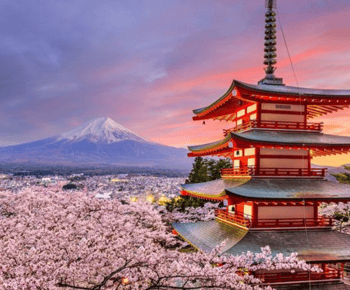
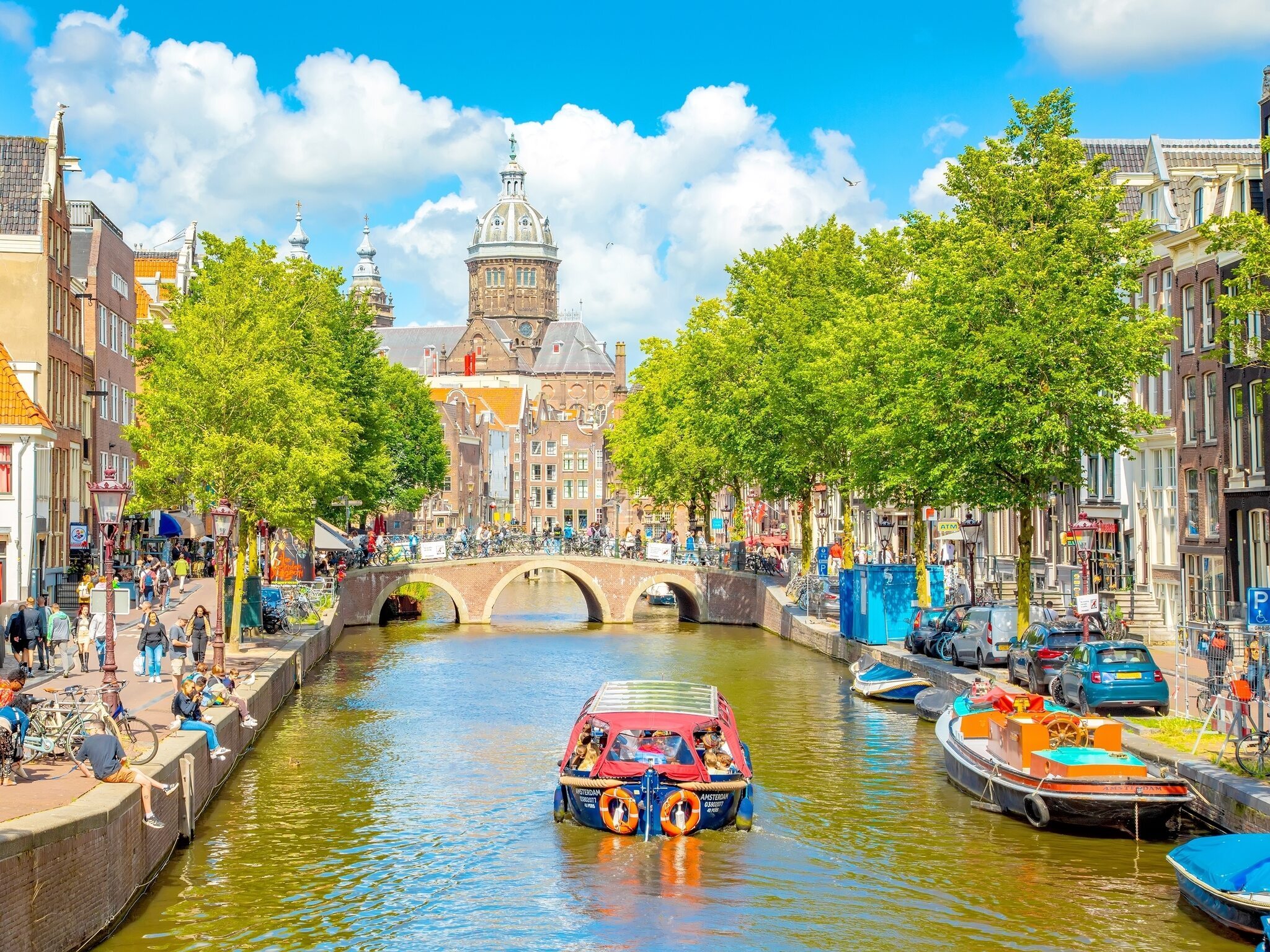
⚡ The TL;DR Verdict
Tokyo is the uncontested champion for culture vultures, foodies, and those seeking unparalleled safety and efficient exploration, with a daily budget typically ranging from $120-$200 USD. Amsterdam appeals more to those craving walkable charm, diverse nightlife, and a more relaxed pace, often costing $150-$250+ USD per day.
- Choose Tokyo: You're an adventurous eater, a tech enthusiast, value pristine cleanliness and safety above all, and don't mind navigating a hectic metropolis with excellent public transit. Budget for $120-$200 USD/day.
- Choose Amsterdam: You prefer charming, walkable cities, enjoy cycling, appreciate among the best art museums and historic canals, and are looking for a more relaxed, bohemian vibe. Budget for $150-$250+ USD/day.
- Choose Both: If you have ample time (3+ weeks) and budget, experience both for a truly global perspective. Start with Tokyo for its sensory overload, then unwind in Amsterdam's more laid-back atmosphere, allowing at least 7-10 days for each city.
Quick Comparison
| Category | Tokyo | Amsterdam | Winner |
|---|---|---|---|
| Culinary Scene | Unmatched diversity, Michelin stars, street food, themed cafes. A foodie's paradise. | Stroopwafels, cheese, Indonesian Rijsttafel, excellent international cuisine. Cozy cafes. | Tokyo |
| Nightlife & Entertainment | Neon-lit, diverse districts (Shibuya, Shinjuku), themed bars, karaoke, unique experiences. | Leidseplein, Rembrandtplein, Red Light District, brown cafes, techno clubs. Relaxed yet lively. | Tokyo |
| Culture & History | Ancient temples, imperial palaces, cutting-edge technology, traditional arts, anime. | Canal houses, elite-level museums (Rijksmuseum, Van Gogh), Anne Frank House, historical significance. | Tie |
| Cost of Travel | Generally more affordable than Western Europe, excellent value for quality. From $120-$200/day. | One of the pricier European capitals, high accommodation and dining costs. From $150-$250+/day. | Tokyo |
| Getting There (Flights) | Long-haul flights from most regions (11-14+ hrs), higher costs, limited direct options. | Well-connected to global hubs, shorter flights from North America/Europe, competitive fares. | Amsterdam |
| Getting Around | Internationally recognized subway/train system, incredibly efficient and extensive. Some walking. | Highly walkable, excellent cycling infrastructure, trams and canals for scenic travel. | Tie |
| Accommodation | Diverse options: capsule hotels, ryokans, business hotels, luxury. Compact but efficient. | Boutique hotels, canal houses, hostels, often smaller rooms. Higher price point. | Tokyo |
| Day Trips | Hakone (Mt. Fuji views), Nikko (shrines), Kamakura (Great Buddha), Disneyland/Sea. | Zaanse Schans (windmills), Keukenhof (tulips - seasonal), Utrecht, Haarlem, The Hague. | Tokyo |
| Safety & Solo Travel | Exceptionally safe, low crime rates, welcoming to solo travelers, great infrastructure. | Generally safe, but petty crime (pickpocketing) and scams exist. Lively, diverse atmosphere. | Tokyo |
| Shopping | Fashion (Shibuya 109, Ginza), electronics (Akihabara), unique souvenirs, vintage, luxury. | The Nine Streets (boutiques), Kalverstraat (chains), Albert Cuyp Market, cheese, tulips. | Tokyo |
🍣 Culinary Scene
Tokyo's food scene is in a league of its own, boasting more Michelin stars than any other city and an incredible range from humble ramen joints to exquisite multi-course kaiseki meals. You can grab a delicious bowl of Ichiran Ramen for around ¥900-¥1200 ($6-$8 USD), enjoy a high-quality sushi lunch for ¥2,500-¥5,000 ($17-$34 USD), or splurge on a fine dining experience for upwards of ¥15,000 ($100 USD) per person. Beyond the haute cuisine, the sheer variety of izakayas, yakitori stands, and convenience store delights like Lawson's fried chicken is astounding. Amsterdam offers its own charm with local favorites like stroopwafels (around €2-€4 or $2.20-$4.40 USD), herring stands (haring) for €4-€6 ($4.40-$6.60 USD), and the popular Indonesian Rijsttafel, which can cost €30-€50 ($33-$55 USD) per person. While Amsterdam has a strong international food presence, it simply can't compete with Tokyo's depth, innovation, and sheer scale. "Honestly, I thought I knew food until I went to Tokyo. Every meal was an adventure, even the convenience store stuff blew my mind." - r/traveler.
Winner takeaway
- Winner: Tokyo
- Why: Tokyo's culinary landscape is unparalleled in its diversity, quality, and innovation, offering an adventure for every palate and budget.
- Who this matters for: Foodies, adventurous eaters, those seeking a wide range of dining experiences from street food to Michelin-starred restaurants.
🌃 Nightlife & Entertainment
Tokyo's nightlife is an electrifying, multi-faceted beast that truly comes alive after dark. From the iconic neon glow of Shibuya Crossing to the tiny, themed bars of Shinjuku's Golden Gai where a drink might cost ¥800-¥1500 ($5.50-$10 USD), to the high-energy mega-clubs in Roppongi, there's options across budgets and interests. Karaoke is a national pastime, with private rooms starting around ¥1000 ($7 USD) per hour. The Robot Restaurant (currently closed but similar experiences exist) or themed cafes offer unique, quirky entertainment experiences that are distinctly Japanese. Amsterdam, while having a colorful nightlife, offers a different flavor. Areas like Leidseplein and Rembrandtplein are packed with bars and clubs, with beers typically costing €5-€8 ($5.50-$8.80 USD). The infamous Red Light District provides a unique, albeit controversial, spectacle, and the city is renowned for its 'brown cafes' (traditional pubs) and thriving techno scene. However, Tokyo's sheer scale, variety, and unique offerings give it an edge for travelers seeking truly standout nights. "You can go from a super chill jazz bar to a rave in a basement to an anime-themed cocktail lounge all in one night in Tokyo. It's wild." - r/TokyoTravel.
Winner takeaway
- Winner: Tokyo
- Why: Tokyo offers an unparalleled diversity of unique and immersive nightlife experiences, from quirky themed bars to mega-clubs and traditional izakayas.
- Who this matters for: Party-goers, those looking for unique cultural entertainment, karaoke enthusiasts, and anyone who thrives in a noisy nocturnal environment.
🏯 Culture & History
This category is a fascinating tie, as both cities offer incredibly rich yet vastly different cultural experiences. Tokyo blends the ancient with the ultra-modern seamlessly. You can explore the serene Senso-ji Temple in Asakusa (free entry), wander through the Imperial Palace East Garden (free), and then dive into the futuristic district of Akihabara with its anime and electronics stores. Traditional tea ceremonies (from ¥3,000 or $20 USD) and sumo wrestling tournaments (tickets from ¥3,000-¥15,000 or $20-$100 USD) offer deep dives into Japanese heritage. Amsterdam, on the other hand, is a living museum. Its iconic canal houses, dating back to the Golden Age, tell stories of trade and prosperity. The city is home to some of the world's most renowned art institutions: the Rijksmuseum (€22 or $24 USD), housing Rembrandt's 'The Night Watch,' and the Van Gogh Museum (€22 or $24 USD), an absolute worth prioritizing. The poignant Anne Frank House (€16 or $17.50 USD) offers a powerful historical experience. While Tokyo offers a stark contrast between old and new, Amsterdam provides a cohesive historical narrative accessible on foot. "Tokyo's history is beautiful, but Amsterdam's museums just hit different. You can spend days lost in them." - r/Amsterdam.
Winner takeaway
- Winner: Tie
- Why: Both cities offer incredibly rich and distinct cultural and historical experiences, catering to different interests and historical periods.
- Who this matters for: History buffs, art lovers, architecture enthusiasts (Amsterdam); tech enthusiasts, traditional arts admirers, pop culture fans (Tokyo).
💰 Cost of Travel
When comparing overall travel costs, Tokyo often surprises visitors with its relative affordability, especially for the quality of experience. A comfortable daily budget in Tokyo can range from ¥18,000-¥30,000 ($120-$200 USD). Public transport is incredibly efficient and reasonably priced (subway fares start around ¥170 or $1.15 USD). Delicious meals can be found for under ¥1,500 ($10 USD), and even mid-range hotels can be found for ¥8,000-¥15,000 ($55-$100 USD) per night. Amsterdam, however, sits firmly on the higher end of European city costs. A daily budget of €140-€230+ ($150-$250+ USD) is more realistic. Accommodation is a significant expense, with mid-range hotels often starting at €120-€200+ ($130-$220+ USD) per night. Meals in a decent restaurant can easily run €20-€40 ($22-$44 USD) per person, and public transport (GVB day pass €9 or $10 USD) adds up. While both cities have budget options, getting good value for money is generally easier in Tokyo across most categories. "I was shocked how much further my money went in Tokyo. I ate like a king for less than I'd spend on a mediocre dinner in Amsterdam." - r/solotravel.
Winner takeaway
- Winner: Tokyo
- Why: Tokyo generally offers better value for money across accommodation, food, and public transport compared to the higher prices typically found in Amsterdam.
- Who this matters for: Budget-conscious travelers, those looking to maximize their travel experience without breaking the bank.
✈️ Getting There (Flights)
Getting to Tokyo from most major international hubs, particularly from North America or Europe, involves a significant time commitment and cost. Direct flights from the US East Coast to Narita (NRT) or Haneda (HND) typically range from 13-14 hours, with prices often between $800-$1500+ USD return, depending on the season and origin. From Europe, flights are similar in duration and cost. Amsterdam, served by the extremely well-connected Schiphol Airport (AMS), generally offers shorter and often more competitive flights for travelers from North America and especially within Europe. Direct flights from the US East Coast are typically 7-8 hours, with fares ranging from $500-$900+ USD return. From London, it's a mere 1-hour flight and can cost as little as $50-$100 USD. Schiphol's accessibility and its role as a major European hub mean more frequent flights and often better deals, making the journey to Amsterdam considerably less arduous and more budget-friendly for many. "Flying to Amsterdam from the East Coast feels like a quick hop compared to the marathon flight to Tokyo. And usually way cheaper." - r/travel.
Winner takeaway
- Winner: Amsterdam
- Why: Amsterdam is significantly more accessible from major global hubs, particularly North America and Europe, with shorter flight times and often more competitive fares.
- Who this matters for: Travelers with limited time off, budget-conscious flyers, those prioritizing convenience and shorter travel durations.
🚇 Getting Around
Both cities excel in their respective ways of getting around, leading to a tie based on preference. Tokyo boasts one of the most efficient, clean, and extensive public transportation systems in the world. The Tokyo Metro and JR lines can get you virtually anywhere, with trains running punctually every few minutes. A day pass for the Tokyo Metro and Toei Subway costs ¥900-¥1,500 ($6-$10 USD). Navigating the system can be daunting at first due to its size, but signs are clear, and apps like Google Maps are indispensable. Amsterdam, by contrast, is a dream for walkers and cyclists. The city center is incredibly compact, and you can stroll from one major attraction to another with ease. Renting a bike (around €10-€15 or $11-$16.50 USD for 24 hours) is an iconic Amsterdam experience, with dedicated bike lanes making it safe and enjoyable. Trams provide excellent coverage for longer distances (single ride €3.40 or $3.70 USD). While Tokyo's system is a marvel of engineering, Amsterdam's intimate scale and emphasis on active transport offer a more charming and less overwhelming way to explore. "Honestly, the Tokyo subway is cleaner and more reliable than my own car, but nothing beats cycling through Amsterdam's canals." - r/JapanTravel.
Winner takeaway
- Winner: Tie
- Why: Both cities offer exceptional yet distinct modes of transport; Tokyo's metro is a marvel of efficiency, while Amsterdam's walkability and cycling culture are uniquely charming.
- Who this matters for: Those who prioritize hyper-efficient and extensive public transport (Tokyo); those who prefer walking, cycling, and a more relaxed pace (Amsterdam).
🏨 Accommodation
Tokyo offers an impressive range of accommodation, from unique budget-friendly options to luxurious stays, often providing excellent value. Capsule hotels (around ¥3,000-¥6,000 or $20-$40 USD) are a fun, practical experience. Business hotels like APA or Toyoko Inn offer clean, compact rooms for ¥8,000-¥15,000 ($55-$100 USD), while traditional ryokans provide a cultural immersion (starting from ¥15,000 or $100 USD). Luxury hotels are also abundant, offering among the best service. While rooms can be small by Western standards, they are usually meticulously clean and efficient. Amsterdam's accommodation scene, while charming, is generally pricier and can be harder to secure, especially during peak season. Mid-range hotels in the city center often start at €120-€200+ ($130-$220+ USD) per night for similar or smaller room sizes than Tokyo. Boutique hotels in historic canal houses offer character but come with a premium price tag. Hostels are available (dorms €30-€60 or $33-$66 USD), but private rooms can be expensive. The overall value and sheer diversity of options, particularly at the mid-range and budget level, make Tokyo the winner here. "Finding a decent, affordable hotel in Amsterdam felt like winning the lottery. In Tokyo, I could pick from cool capsules to fancy business hotels all within my budget." - r/travel.
Winner takeaway
- Winner: Tokyo
- Why: Tokyo provides a wider, more unique, and generally more affordable range of accommodation options, from capsule hotels to ryokans, offering great value for money.
- Who this matters for: Budget-conscious travelers, those seeking unique lodging experiences, and anyone looking for good value without sacrificing cleanliness or convenience.
🏞️ Day Trips
Tokyo offers an incredible array of diverse and easily accessible day trips that cater to a wide range of interests. A popular choice is Hakone, famous for its views of Mount Fuji, hot springs (onsen), and the Open-Air Museum, easily reached via the scenic Romancecar train (around ¥2,500 or $17 USD one-way). Nikko, a UNESCO World Heritage site with gorgeous shrines and temples, is another fantastic option (JR Pass covers it, otherwise ¥5,000 or $34 USD round-trip). For a more coastal, historical feel, Kamakura offers the Great Buddha and beautiful temples. And for families or theme park enthusiasts, Tokyo Disneyland and DisneySea are internationally recognized attractions. Amsterdam also has excellent day trip options. Zaanse Schans with its iconic windmills and clog-making demonstrations is a short, picturesque train ride away (around €8 or $8.80 USD round-trip). Keukenhof Gardens, the famous tulip fields, is a must-see in spring (entry €19 or $21 USD, bus extra). Utrecht and Haarlem offer charming Dutch city experiences. While Amsterdam's day trips are lovely, Tokyo's options feel more varied in terms of cultural significance, natural beauty, and unique experiences like an onsen town with Fuji views. "Hakone was just magical, seeing Fuji and soaking in an onsen. Amsterdam's windmills are cute, but it's hard to beat that kind of epic scenery." - r/JapanTravel.
Winner takeaway
- Winner: Tokyo
- Why: Tokyo's day trip options are more diverse, offering a broader range of cultural, historical, and natural experiences, including iconic views like Mount Fuji.
- Who this matters for: Travelers seeking a variety of excursions beyond the city, nature lovers, history enthusiasts, and theme park fans.
🛡️ Safety & Solo Travel
Tokyo consistently ranks as one of the safest major cities in the world, making it an absolute dream for solo travelers or anyone concerned about personal security. Violent crime is extremely rare, and even petty theft is uncommon. You can walk alone at night through busy districts like Shinjuku or quiet residential areas with little to no concern. Locals are generally respectful and helpful, even if language can sometimes be a barrier. The public transport system is safe and reliable at all hours. Amsterdam is also a generally safe city, especially in the main tourist areas, but it does have a higher incidence of petty crime, particularly pickpocketing in crowded areas like Dam Square or on trams. Tourist scams, particularly around the Red Light District, are also more common. While solo travelers will find Amsterdam very welcoming and easy to navigate, particularly with its friendly local vibe and English proficiency, Tokyo's near-zero crime rate and cultural emphasis on order and respect provide an unparalleled sense of security that is hard to beat. "I felt safer walking around Tokyo at 3 AM than I do in my own city during the day. It's just a different level of peace of mind." - r/solotravel.
Winner takeaway
- Winner: Tokyo
- Why: Tokyo offers an unparalleled sense of safety and security, with extremely low crime rates and a respectful culture that makes it ideal for solo travelers.
- Who this matters for: Solo travelers, families, first-time international travelers, and anyone prioritizing a worry-free and secure travel experience.
🛍️ Shopping
Tokyo is a shopper's paradise that caters to every conceivable taste and budget, from cutting-edge fashion to unique souvenirs and high-tech gadgets. Districts like Ginza offer luxury brands and department stores (think Mitsukoshi), while Shibuya is a hub for youth fashion with iconic spots like Shibuya 109. Akihabara Electric Town is legendary for electronics, anime, and manga, where you can find anything from a vintage game console to the latest camera gear. Don Quijote stores offer quirky souvenirs and everyday items at discount prices. The sheer variety, innovation, and quality of goods available are astounding. Amsterdam offers a charming shopping experience, particularly in The Nine Streets (De Negen Straatjes) with its independent boutiques, vintage shops, and art galleries. Kalverstraat and Leidsestraat are home to major international chain stores. The Albert Cuyp Market is great for local produce, street food, and souvenirs like cheese and tulip bulbs. While Amsterdam offers quaint, focused shopping, Tokyo's scale, specialized districts, and unique product offerings make it a far more exciting and diverse destination for shoppers. "I went to Tokyo thinking I'd just browse, and came back with three extra suitcases. The stuff you find there is just... different, in the best way. Plus, Akihabara is like a treasure hunt!" - r/travel.
Winner takeaway
- Winner: Tokyo
- Why: Tokyo provides an incredibly diverse, innovative, and vast shopping landscape, offering specialized districts for every interest from high fashion to electronics and quirky souvenirs.
- Who this matters for: Fashionistas, tech enthusiasts, collectors, souvenir hunters, and anyone looking for unique and varied retail therapy.
🎯 The Decision Framework
Choose Tokyo If…
- Crave Michelin-starred street food for under $10.
- Prioritize extreme personal safety, even when exploring alone late.
- Desire efficient, punctual public transport connecting every corner.
- Seek cutting-edge electronics and anime merchandise.
- Want to explore ancient temples directly alongside modern skyscrapers.
- Aim for a daily budget typically ranging $120-$200 USD.
- Enjoy themed robot performances and multi-story karaoke venues.
- Prefer spotless, compact accommodation with excellent service.
Choose Amsterdam If…
- Prefer cycling as your primary mode of transport.
- Seek a relaxed pace with canal-side cafes and bars.
- Want more direct and often cheaper flights from North America.
- Explore world-class art museums like the Rijksmuseum and Van Gogh Museum.
- Enjoy walking through historic cobblestone streets.
- Plan day trips to famous windmills and extensive tulip fields.
- Appreciate a diverse culinary scene with international flavors.
- Desire boutique hotels nestled in historic canal houses.
- Value a compact city layout that's easy to navigate on foot.
❓ Frequently Asked Questions
Which city is better for a first-time international traveler?
Tokyo offers unparalleled safety, incredibly efficient public transport, and a fascinating culture that's easy to navigate despite language barriers, making it an excellent choice for first-timers seeking adventure with peace of mind. Amsterdam is also a great choice due to widespread English, compact size, and familiar European charm, but Tokyo slightly edges it out on safety and unique immersion.
Is English widely spoken in Tokyo or Amsterdam?
English is widely spoken and understood in Amsterdam, especially in tourist areas, restaurants, and hotels, making communication very easy. In Tokyo, English proficiency is lower, particularly outside of major tourist hubs, but most signage on public transport is in English, and people are generally very helpful, so you can navigate well with Google Translate.
Which city is more walkable?
Amsterdam is far more walkable due to its compact city center and flat terrain, making it incredibly easy and pleasant to explore on foot or by bike. Tokyo is vast and requires extensive use of its subway system to get between districts, although specific neighborhoods like Shinjuku or Shibuya are very walkable once you're there.
What's the best time of year to visit each city?
For Tokyo, spring (late March to early May) for cherry blossoms or autumn (October to November) for neon-lit fall foliage offer pleasant weather. For Amsterdam, late spring (April to May) is ideal for tulips and mild temperatures, or early autumn (September to October) for fewer crowds and comfortable weather.
Are both cities good for families with children?
Yes, both cities are excellent for families. Tokyo offers unique attractions like Disneyland/DisneySea, interactive museums, and incredibly safe environments. Amsterdam has child-friendly museums (NEMO Science Museum), parks, and the novelty of canal cruises. Tokyo might have a slight edge due to its extensive amenities for children and lower crime rate.
How do the public transport systems compare?
Tokyo's public transport, primarily its subway and JR lines, is world-renowned for its efficiency, punctuality, and cleanliness, covering almost every corner of the city. Amsterdam's system, while also excellent, relies more on trams, buses, and ferries, and is more geared towards navigating a smaller, more centralized urban area. Both are top-tier.
Which city has better art museums?
Amsterdam takes the clear lead for traditional art museums, boasting institutions like the Rijksmuseum (Dutch Masters) and the Van Gogh Museum, which are among the best globally. Tokyo has fantastic museums focusing on traditional Japanese art, contemporary art, and interactive experiences like teamLab Planets, but Amsterdam's classic art collection is unparalleled.
Can I use my credit card everywhere in both cities?
Credit cards are widely accepted in Amsterdam, especially Visa and Mastercard, though some smaller shops or markets might prefer cash. In Tokyo, while major hotels and department stores accept cards, cash is still king at many smaller restaurants, shops, and some attractions, making it essential to carry some Japanese Yen.
Ready to plan your standout trip?
Get a free custom itinerary for Tokyo, Amsterdam, or both — built from real traveler insights and tailored to your unique preferences.
🎟️ Book Tours & Experiences
Hand-picked tours and activities for both destinations — book with free cancellation
Experiences via Viator — free cancellation on most tours