How we built this comparison
This page combines traveler discussion patterns, published price ranges, flight schedules, and seasonal data to help you decide between Tokyo and Barcelona.
- Reviewed 50+ Reddit threads from r/travel, r/solotravel, r/JapanTravel, r/Barcelona, and r/Tokyo.
- Verified costs for accommodation, food, and transport against current booking platforms and official city tourism sites (mid-2024 data).
- Cross-referenced seasonal patterns and weather data from meteorological sources to provide accurate climate expectations.
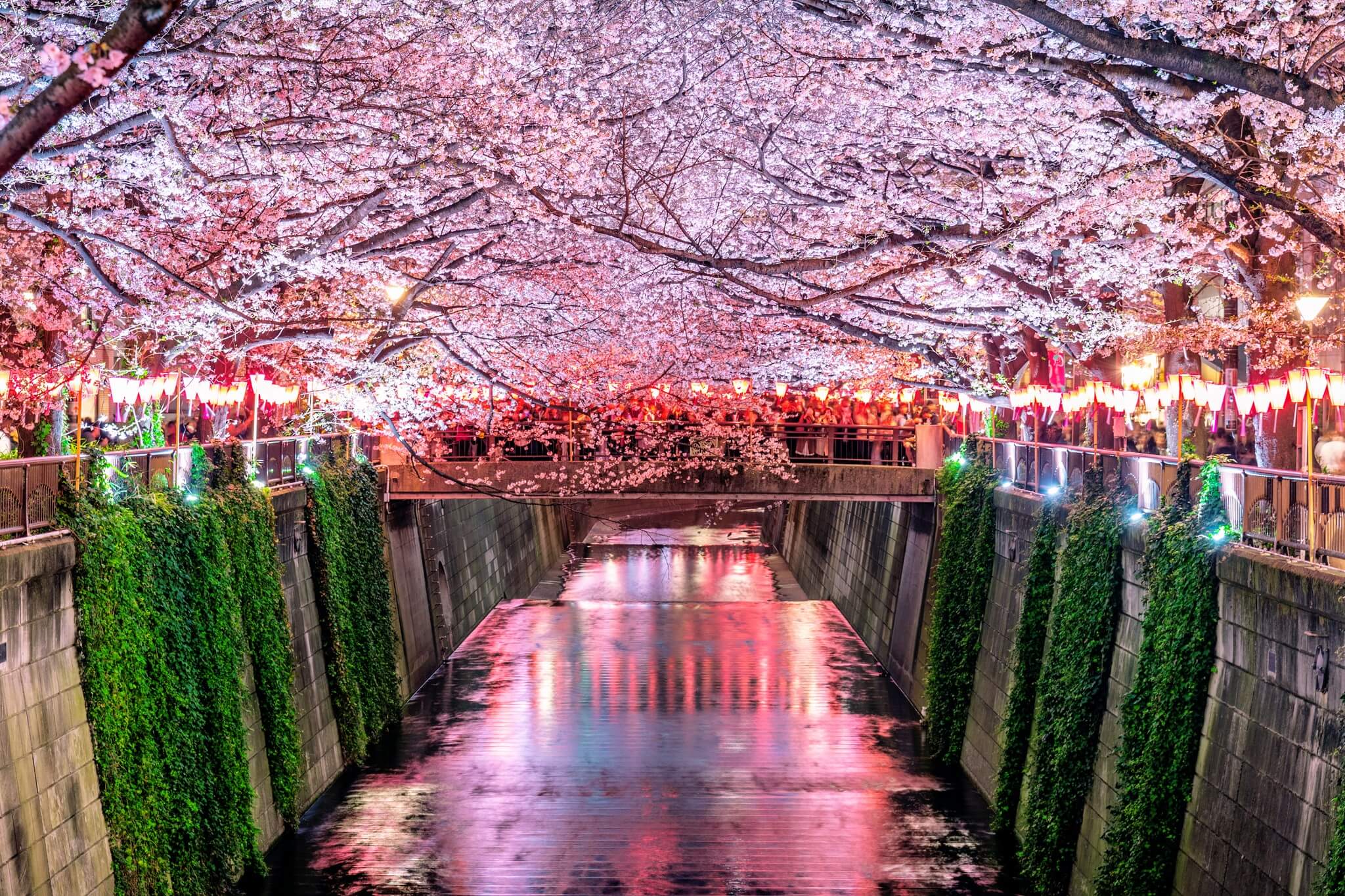
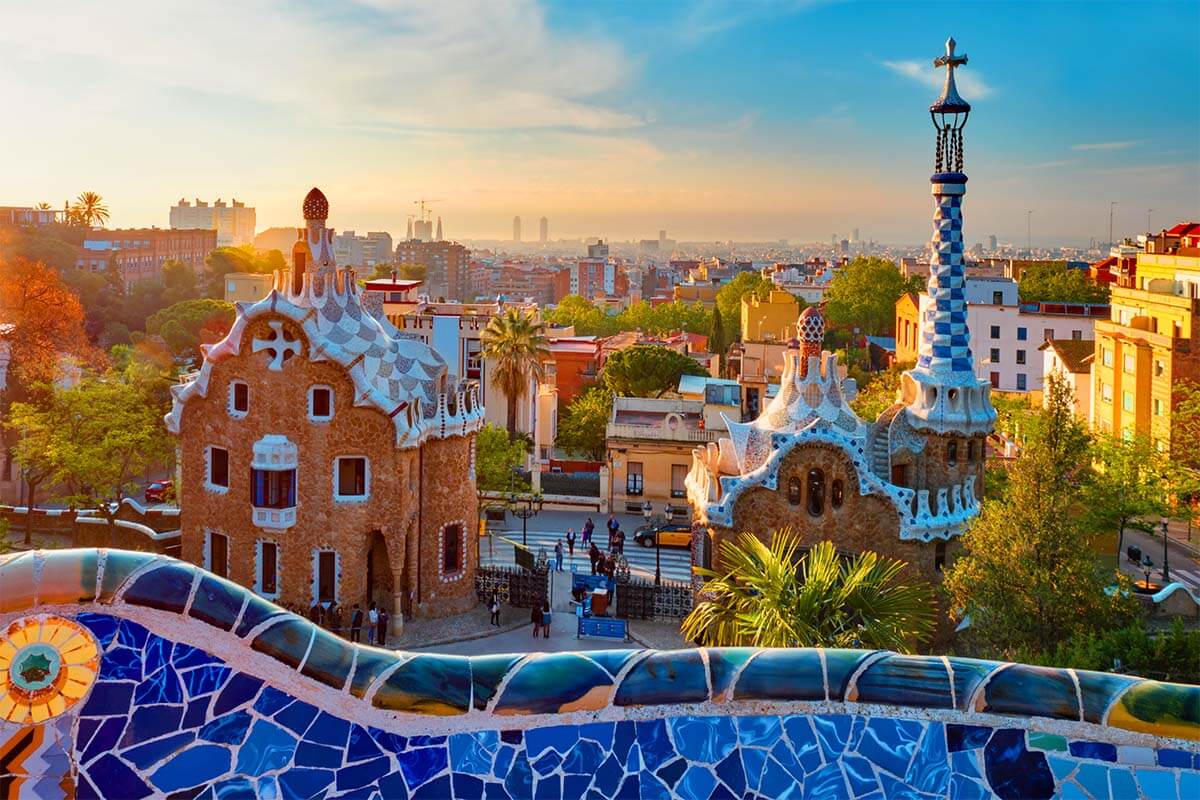
⚡ The TL;DR Verdict
For travelers craving unparalleled efficiency, unique cultural immersion, and cutting-edge experiences, Tokyo is your pick, budget around $100-180 USD/day. If laid-back Mediterranean vibes, world-class art, vibrant nightlife, and beach access are priorities, Barcelona awaits, costing roughly $80-150 USD/day.
- Choose Tokyo: Choose Tokyo if you're fascinated by ultra-modern cities, impeccable service, profound cultural depth, safety, and delicious, diverse food that can be surprisingly affordable if you know where to look. It's perfect for first-time solo travelers or those seeking a truly unique urban adventure.
- Choose Barcelona: Opt for Barcelona if you love European history, stunning architecture (Gaudi!), a lively beach scene, fantastic tapas, and a bustling nightlife that extends late into the Mediterranean nights. It's great for couples, friends, or anyone looking for a more relaxed, social, and sun-drenched trip.
- Choose Both: Consider doing both if you have at least 3 weeks and a generous budget, flying between continents. This allows you to experience two vastly different, yet equally captivating, global cities and truly expand your travel horizons.
Quick Comparison
| Category | Tokyo | Barcelona | Winner |
|---|---|---|---|
| Food Scene | Unmatched diversity, Michelin stars for days, hyper-specific cuisines, incredible street food, and surprisingly affordable quality. | Tapas culture, fresh seafood, Mediterranean flavors, vibrant markets, and late-night dining. | Tokyo |
| Nightlife | Hidden bars, themed cafes, karaoke boxes, bustling districts like Shinjuku Golden Gai and Shibuya. | Late-night clubs, beach bars, lively plazas, flamenco shows, and a vibrant street party atmosphere. | |
| Culture & History | Ancient temples, imperial palaces, traditional arts, unique pop culture, and a deep sense of respect and tradition. | Roman ruins, Gothic architecture, Gaudi's modernism, rich artistic heritage, and a vibrant Catalan identity. | Tokyo |
| Costs (Overall) | Can be expensive, but excellent value for quality. Public transport affordable, accommodation pricey, food can be cheap. | Mid-range European costs, accommodation can be high, food and transport reasonable, many free attractions. | Tie |
| Getting Around | World-class public transport, incredibly efficient, extensive subway and train networks, punctual. | Good metro, walkable historic centers, bus network, but can be crowded and subject to strikes. | Tokyo |
| Accommodation | Compact rooms, efficient use of space, high cleanliness, unique options like capsule hotels and ryokans. | Variety from hostels to luxury hotels, charming apartments, but often pricier for space. | Tokyo |
| Safety | Extremely safe, low crime rates, safe for solo travelers at any time. | Generally safe, but petty crime (pickpocketing) is a significant concern in tourist areas. | Tokyo |
| Day Trips | Hakone (Mt. Fuji views), Nikko (temples), Kamakura (Great Buddha), Ghibli Museum (requires booking). | Montserrat (mountain monastery), Girona (medieval city), Sitges (coastal town), Costa Brava beaches. | Tie |
| Weather & Seasons | Distinct four seasons, hot and humid summers, beautiful cherry blossoms in spring, vibrant autumn foliage. | Mediterranean climate, hot dry summers, mild winters, pleasant springs and autumns, plenty of sunshine. | |
| Shopping | Unique fashion districts, electronics, anime/manga, traditional crafts, excellent department stores. | High street fashion, independent boutiques, local markets, Spanish brands, souvenirs. | Tokyo |
🍜 Food Scene
Tokyo's food scene is in a league of its own. From ramen bowls for ¥800-1200 ($5.50-8) at places like Ichiran, to exquisite sushi omakase starting at ¥10,000 ($68) (but easily reaching ¥30,000+), the quality and variety are astounding. Convenience stores like 7-Eleven or Lawson offer gourmet-level snacks and meals for a few hundred yen. Izakayas provide a lively dining experience with small plates and drinks. Barcelona, on the other hand, excels in its social eating culture. Tapas bars like Ciudad Condal or El Xampanyet offer small dishes for €4-8 ($4.50-9) each, perfect for sharing. Paella can be found for €18-25 ($20-28), and the fresh produce at La Boqueria market is fantastic. While Barcelona's food is delicious and atmospheric, Tokyo's sheer depth, innovation, and pursuit of perfection across all price points make it the undisputed champion. "Honestly, Tokyo's food scene just broke my brain, I can't even look at sushi the same way anymore. Even the fried chicken from FamilyMart is legendary." - r/JapanTravel
Winner takeaway
- Winner: Tokyo
- Why: Tokyo offers an unparalleled depth, diversity, and quality of cuisine at every price point, from street food to Michelin-starred dining.
- Who this matters for: Serious foodies, budget travelers looking for high-value meals, and those seeking unique culinary experiences.
🍻 Nightlife
Barcelona's nightlife is legendary and built around a more spontaneous, social energy. Even on a Tuesday, you'll find locals out late, enjoying drinks in the Gothic Quarter or El Born. Clubs like Pacha Barcelona and Opium Barcelona on Barceloneta beach open late and stay packed until dawn, with entry fees typically €15-25 ($17-28) including a drink. Many bars don't get busy until 11 PM. Tokyo's nightlife is incredibly varied but often more compartmentalized and can be harder to navigate without local knowledge. Areas like Shinjuku Golden Gai offer tiny, themed bars for a more intimate experience (expect cover charges of ¥500-1000 and drinks from ¥800+). Shibuya and Roppongi have larger clubs, but they can feel a bit more exclusive or touristy. Karaoke is a massive part of Japanese nightlife, with rooms costing ¥1000-3000 ($7-20) per hour per person. Barcelona's energy is more infectious and accessible for casual late-night fun. "Barca's nightlife just hits different, man. No need for a plan, just follow the music and you'll find a party." - r/Barcelona
Winner takeaway
- Winner: Barcelona
- Why: Barcelona offers a more open, accessible, and energetic late-night scene with a strong social atmosphere that's easier for visitors to dive into.
- Who this matters for: Party-goers, social travelers, and those who enjoy dancing until the early morning hours.
🏯 Culture & History
Both cities boast rich cultures, but Tokyo's offers a more distinct and often contrasting blend of ancient tradition and hyper-modern innovation. You can visit the ancient Senso-ji Temple in Asakusa, explore the Imperial Palace East Garden, and then dive into the futuristic neon of Akihabara or the fashionable streets of Harajuku. The traditional arts, from sumo to kabuki, are deeply ingrained. Barcelona's cultural identity is heavily shaped by its Roman, Gothic, and especially Catalan heritage. Gaudi's masterpieces like the Sagrada Familia (entry ~€30-40, $33-45) and Park Güell (entry ~€10, $11) are unparalleled and offer a visual feast. The Gothic Quarter's labyrinthine streets reveal centuries of history. While Barcelona's art and architecture are spectacular, Tokyo's unique blend of tradition and relentless modernity, coupled with its profound social etiquette, offers a more alien and therefore more profoundly 'different' cultural immersion for Western travelers. "Tokyo's history isn't just in museums, it's woven into everyday life right alongside robots and neon. Mind-blowing contrast." - r/JapanTravel
Winner takeaway
- Winner: Tokyo
- Why: Tokyo's culture presents a more unique and striking blend of ancient traditions and futuristic innovation, offering a deeper sense of otherness and discovery.
- Who this matters for: Travelers seeking unique cultural immersion, history buffs interested in East Asian traditions, and those fascinated by urban evolution.
💰 Costs (Overall)
Comparing overall costs is tricky, as both cities can be done on a budget or with luxury. In Tokyo, a mid-range hotel might cost ¥15,000-25,000 ($100-170) per night. Food can range from ¥800 ($5.50) ramen to ¥5,000+ ($34+) for a nice dinner. A Tokyo Metro pass is around ¥600-900 ($4-6) for a day. Barcelona's mid-range hotels are often €120-200 ($130-220) per night, slightly higher on average. Tapas and a drink can be €15-25 ($17-28) per person for a casual dinner, while a decent sit-down meal is €30-50 ($33-55). A T-Casual transport ticket (10 rides) costs €12.15 ($13.50). While Barcelona might *feel* cheaper due to its more relaxed dining culture and ability to enjoy free outdoor spaces, Tokyo offers incredible value for its quality, especially in food and service. Neither is a budget destination like Southeast Asia, but both are manageable. "Honestly, you can eat like a king in Tokyo on a budget if you stick to ramen and convenience stores. Barcelona felt pricier for equivalent quality sometimes." - r/travel
Winner takeaway
- Winner: Tie
- Why: Both cities offer various price points and can be expensive or managed on a budget, offering similar value for their respective experiences.
- Who this matters for: Budget-conscious travelers, luxury seekers, and those who prioritize value for money.
🚇 Getting Around
Tokyo's public transportation system is simply the best in the world. The subway and JR train networks are incredibly extensive, efficient, clean, and punctual to the second. A Suica or Pasmo card makes navigating seamless, with individual rides costing ¥170-300 ($1.15-2). English signage is prevalent, and the system is so well-designed that even first-timers can get around easily. Barcelona's public transport is also very good, with a reliable metro, extensive bus network, and walkable central areas. A T-Casual ticket offers 10 rides for €12.15 ($13.50). However, it doesn't quite match Tokyo's legendary efficiency or cleanliness, and can get extremely crowded, especially during peak tourist season. While Barcelona's city center is very walkable, making it pleasant for exploring on foot, for sheer speed, coverage, and reliability, Tokyo is unmatched. "Tokyo's trains are like a ballet. Never late, always clean, and you can get literally anywhere without a car. Barcelona's metro is fine, but it's not *that* good." - r/solotravel
Winner takeaway
- Winner: Tokyo
- Why: Tokyo boasts the most efficient, punctual, and extensive public transportation system in the world, making navigation effortless.
- Who this matters for: Anyone who relies heavily on public transit, first-time international travelers, and those who value efficiency.
🏨 Accommodation
Tokyo's accommodation, while often compact, offers incredible value for cleanliness, service, and smart design. Budget travelers can find capsule hotels for ¥3,000-6,000 ($20-40) or business hotels like Toyoko Inn or APA Hotel for ¥8,000-15,000 ($55-100) per night, which are small but impeccably maintained. Mid-range options like the Park Hotel Tokyo or Shibuya Stream Excel Hotel Tokyu offer excellent locations and service for ¥20,000-35,000 ($135-240). Barcelona's accommodation market is competitive, especially during peak season. Hostels average €30-60 ($33-68) for a dorm bed, while mid-range hotels like Hotel Jazz or Hotel Neri can easily cost €150-250 ($165-280) per night for a standard room, often smaller than expected for the price. While Barcelona offers charming boutique hotels and apartment rentals, Tokyo consistently delivers higher standards of cleanliness and efficiency across its price points, even if rooms are smaller. The unique experience of a capsule hotel also adds to its appeal. "Honestly, I paid like $80 for a tiny business hotel in Tokyo, and it was cleaner and had better amenities than some $200 hotels I've stayed at in Europe." - r/travel
Winner takeaway
- Winner: Tokyo
- Why: Tokyo provides exceptionally clean, efficient, and well-designed accommodation options across all budgets, with a focus on maximizing utility and unique experiences.
- Who this matters for: Travelers prioritizing cleanliness and efficiency, budget-conscious travelers seeking good value, and those interested in unique lodging like capsule hotels.
🚨 Safety
Tokyo is consistently ranked as one of the safest major cities in the world. Crime rates are incredibly low, and it's common to see people walking alone at night, leaving bags unattended in cafes (though not recommended anywhere), and finding lost items returned. You can feel comfortable and secure exploring any neighborhood, day or night. Barcelona, while generally safe for violent crime, has a notorious problem with petty theft, particularly pickpocketing in crowded tourist areas like La Rambla, Sagrada Familia, and on public transport. Travelers need to be constantly vigilant, secure their belongings, and be aware of their surroundings. While this doesn't make Barcelona 'unsafe,' the constant need for awareness detracts from a completely relaxed experience. For peace of mind and genuine freedom to explore without constant worry, Tokyo is the clear winner. "In Tokyo, I accidentally left my wallet on a train, and someone turned it into the station master with everything still inside. Try doing that in most European cities." - r/solotravel
Winner takeaway
- Winner: Tokyo
- Why: Tokyo is one of the safest major cities globally, offering unparalleled peace of mind with extremely low crime rates, especially petty theft.
- Who this matters for: Solo travelers (especially solo female travelers), families, and anyone who prioritizes personal security and peace of mind.
🏞️ Day Trips
Both cities offer fantastic day trip opportunities, catering to different tastes. From Tokyo, popular excursions include Hakone, offering stunning views of Mount Fuji and hot springs, easily accessible via the Romancecar (around ¥2,500, $17 one-way). Nikko, a UNESCO World Heritage site with ornate temples and shrines, is another excellent option (Shinkansen + local train, ¥5,000-6,000, $34-40 one-way). Kamakura, with its Great Buddha and coastal vibe, is also very popular. From Barcelona, a visit to Montserrat, a spectacular mountain monastery with breathtaking views, is a must-do (train + cable car/funicular ~€30, $33 round trip). The charming medieval city of Girona, famous from 'Game of Thrones,' is a quick train ride away (around €10-15, $11-17 one-way). For beaches, Sitges or the Costa Brava towns offer beautiful coastal scenery and relaxation. Both cities provide a diverse range of easily accessible and rewarding escapes from the urban bustle, making this category a tie based on personal preference. "Both have great day trip options, just depends if you're into mountains and monasteries (Barca) or temples and big Buddhas (Tokyo). Can't go wrong either way." - r/travel
Winner takeaway
- Winner: Tie
- Why: Both Tokyo and Barcelona offer a diverse array of easily accessible, highly rewarding, and culturally rich day trip destinations catering to different interests.
- Who this matters for: Travelers who enjoy exploring beyond the main city, those seeking nature or historical sites, and photographers.
☀️ Weather & Seasons
Barcelona enjoys a classic Mediterranean climate, making it appealing for much of the year. Summers (June-August) are hot and dry, often reaching 30°C (86°F) and perfect for beach days. Spring (April-May) and autumn (September-October) are particularly pleasant, with mild temperatures (18-25°C / 64-77°F) and plenty of sunshine, ideal for sightseeing. Winters are mild, rarely dropping below 5°C (41°F). Tokyo also experiences four distinct seasons. Spring (late March-April) is famous for cherry blossoms, and autumn (October-November) for stunning fall foliage, both with pleasant temperatures (15-20°C / 59-68°F). However, Tokyo's summers (July-August) are notoriously hot and incredibly humid, often exceeding 35°C (95°F) with high humidity, making extended outdoor exploration uncomfortable. Winters can be quite cold, hovering around freezing. Barcelona's longer stretches of comfortable, sunny weather give it an edge for year-round appeal and general outdoor enjoyment. "I visited Tokyo in August once and swore never again – the humidity was brutal. Barcelona in May or September is just perfect every single day." - r/solotravel
Winner takeaway
- Winner: Barcelona
- Why: Barcelona's Mediterranean climate offers longer periods of pleasant weather with mild winters and warm, sunny springs and autumns, making it more appealing for year-round visits than Tokyo's extreme summer humidity.
- Who this matters for: Sun-seekers, those sensitive to extreme humidity, and travelers seeking comfortable outdoor exploration for most of the year.
🛍️ Shopping
Tokyo is a shopper's paradise, catering to virtually every niche and interest. Districts like Ginza offer high-end luxury brands and department stores like Mitsukoshi and Ginza Six. Harajuku and Shibuya are the epicenters for youth fashion and quirky trends. Akihabara is a haven for electronics, anime, and manga fanatics. Traditional crafts can be found in Asakusa. The sheer variety, innovation, and quality of goods, from unique streetwear to intricate artisanal items, are unparalleled. Barcelona offers a more European shopping experience, with major international brands on Passeig de Gràcia, independent boutiques in El Born, and the famous La Boqueria market for foodies. While you can find great fashion and local goods like espadrilles or ceramics, it doesn't quite match Tokyo's wild diversity or its ability to create new trends. For a truly unique and diverse shopping spree, Tokyo takes the prize. "Tokyo's shopping is next level. You can find everything from crazy Harajuku fashion to ancient samurai swords to the latest tech gadgets. Barcelona's good, but it's more standard Euro stuff." - r/JapanTravel
Winner takeaway
- Winner: Tokyo
- Why: Tokyo offers an incredibly diverse and unique shopping experience, ranging from cutting-edge fashion and electronics to traditional crafts and pop culture memorabilia.
- Who this matters for: Fashion enthusiasts, tech geeks, anime/manga fans, souvenir collectors, and anyone seeking unique items not found elsewhere.
❓ Frequently Asked Questions
Is English widely spoken in Tokyo and Barcelona?
In Tokyo, English proficiency is generally lower, especially outside major tourist areas and train stations, but staff in hotels and larger shops often speak some. In Barcelona, most people in the tourism industry speak English, but knowing basic Spanish or Catalan phrases is helpful and appreciated by locals.
Which city is better for solo female travelers?
Tokyo is overwhelmingly better for solo female travelers due to its extremely low crime rates and pervasive sense of safety. While Barcelona is generally safe, the prevalence of petty crime (pickpocketing) requires constant vigilance, which can be more tiring when traveling alone.
What's the best time of year to visit each city?
For Tokyo, spring (late March-April for cherry blossoms) and autumn (October-November for fall foliage) offer the most pleasant weather. For Barcelona, spring (April-May) and autumn (September-October) are ideal, with warm, sunny days perfect for exploring without the intense summer heat.
Are these cities suitable for travelers on a tight budget?
Both cities can be done on a budget, but it requires careful planning. In Tokyo, cheap eats like ramen and convenience store meals save money, while accommodation can be expensive. In Barcelona, tapas and free walking tours help, but tourist attractions often have entry fees. Neither is a super 'cheap' destination, but value can be found.
Which city has better art and architecture?
Barcelona is the clear winner for art and architecture, largely thanks to Antoni Gaudí's masterpieces like the Sagrada Família, Park Güell, and Casa Batlló. Its Gothic Quarter and Roman ruins also offer deep historical architectural layers. Tokyo has stunning modern architecture and traditional temples, but it doesn't have the same singular, world-renowned architectural identity.
How many days should I spend in each city?
For Tokyo, plan at least 5-7 full days to experience its diverse neighborhoods and potentially a day trip. For Barcelona, 4-5 full days are usually sufficient to see the main sights, enjoy the food, and soak in the atmosphere, with an extra day if you plan a day trip.
Is tipping customary in Tokyo or Barcelona?
Tipping is not customary and can even be considered rude in Tokyo; excellent service is expected and included. In Barcelona, tipping is not obligatory but appreciated for good service; rounding up the bill or leaving a few euros (5-10% for exceptional service) is common, but never expected.
Which city offers a better 'beach vacation' component?
Barcelona wins handily for a beach vacation component. Barceloneta Beach is right within the city, easily accessible, and offers a lively atmosphere, while nearby Sitges and Costa Brava provide more serene coastal escapes. Tokyo is not a beach destination, though it's possible to take a train to coastal areas, it's not the primary draw.
Ready to plan your unforgettable trip?
Get a free custom itinerary for Tokyo, Barcelona, or both — built from real traveler insights and expert advice.
🎟️ Book Tours & Experiences
Hand-picked tours and activities for both destinations — book with free cancellation
Experiences via Viator — free cancellation on most tours