How we built this comparison
This page combines traveler discussion patterns, published price ranges, flight schedules, and seasonal data to help you decide between Tokyo and Beijing.
- Reviewed 50+ Reddit threads from r/travel, r/solotravel, r/japantravel, r/chinatrip, and city-specific subreddits.
- Verified costs and logistics against current booking platforms (e.g., Google Flights, Booking.com, local transport sites).
- Cross-referenced seasonal patterns, weather data, and major festivals to determine optimal travel times.
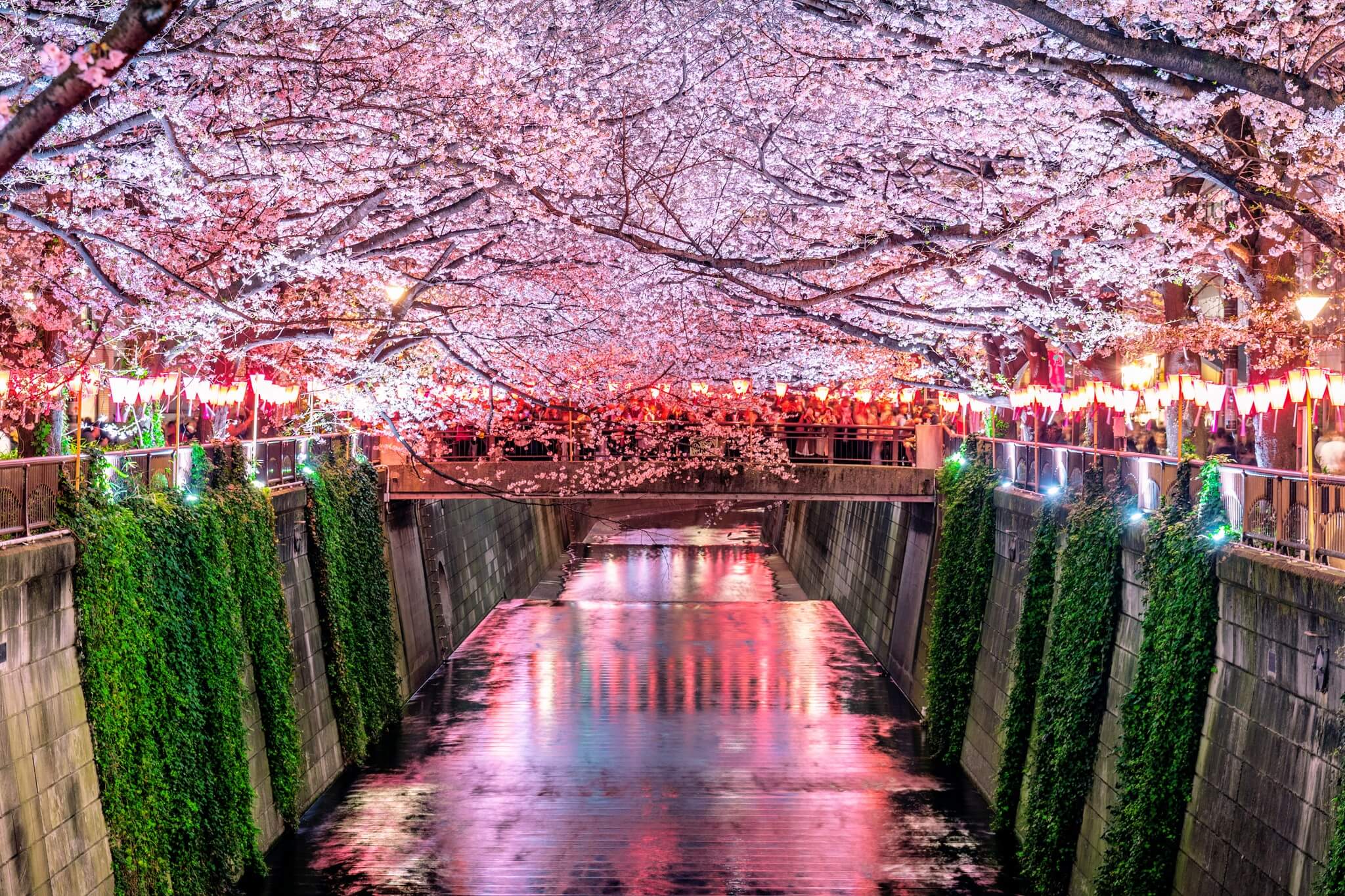
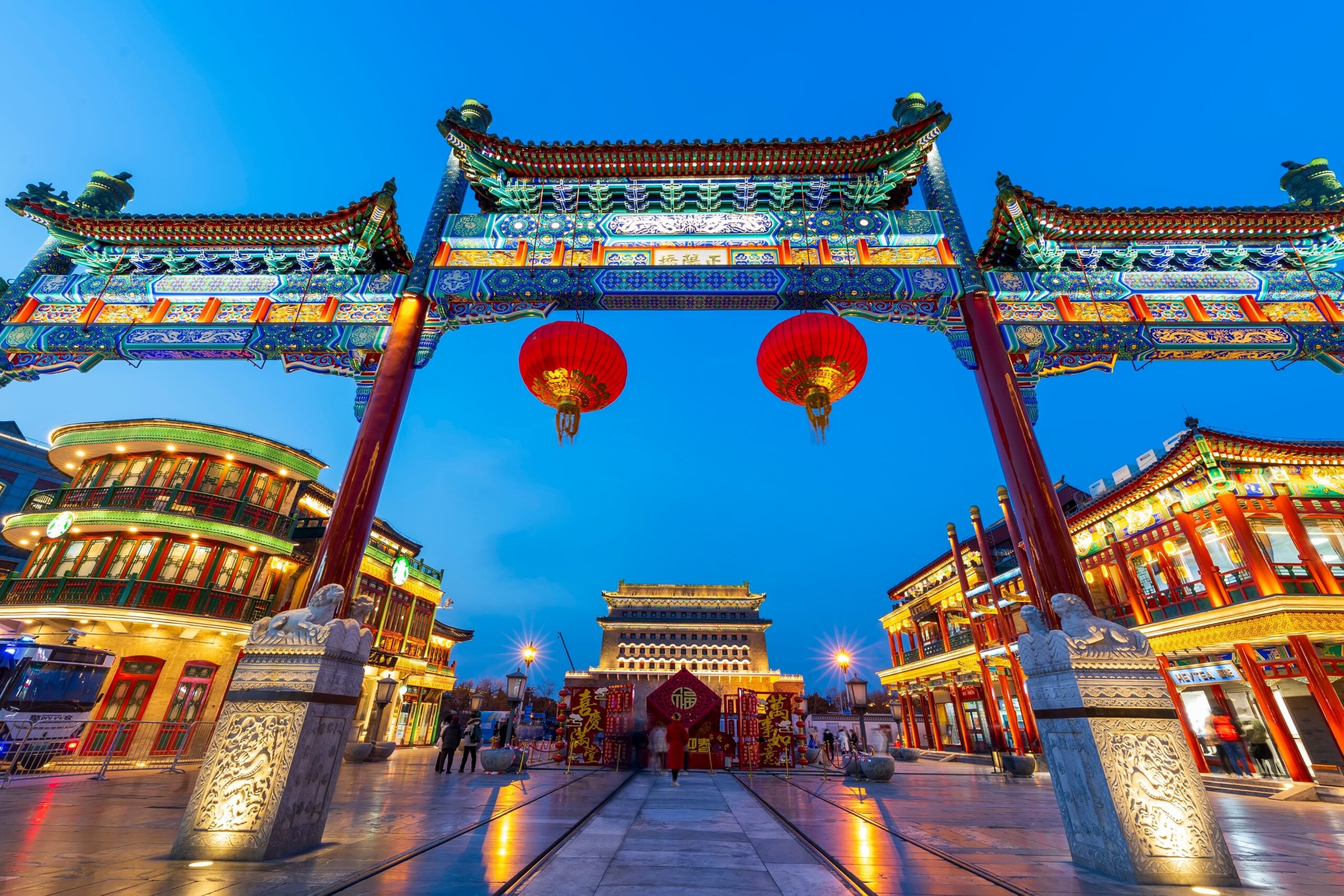
⚡ The TL;DR Verdict
Tokyo is your pick if you crave impeccable service, cutting-edge experiences, and effortless travel with a mid-range daily budget of ¥15,000-¥25,000 ($100-$170 USD). Beijing offers a deeper dive into ancient history and grand scale, often at a more accessible price point of ¥400-¥800 ($55-$110 USD) per day, but requires more planning due to visa and digital landscape challenges.
- Choose Tokyo: For first-time East Asia travelers, solo adventurers, and those who prioritize safety, efficiency, world-class dining, and a blend of traditional politeness with modern spectacle.
- Choose Beijing: For history buffs, culture explorers seeking grand imperial sights, budget-conscious travelers, and those comfortable with navigating a more challenging (but rewarding) travel environment.
- Choose Both: If you have 2-3 weeks, combining both offers a phenomenal contrast of East Asian cultures, showing both the hyper-modern and the deeply historical. Fly between them, it's a 3.5-hour flight.
Quick Comparison
| Category | Tokyo | Beijing | Winner |
|---|---|---|---|
| Costs & Budget | Generally more expensive, especially for accommodation and high-end dining. Mid-range daily budget: ¥15,000-¥25,000 ($100-$170 USD). | More budget-friendly, especially for food and public transport. Mid-range daily budget: ¥400-¥800 ($55-$110 USD). | Beijing |
| Getting There & Around | Excellent air connectivity (Narita, Haneda). Seamless, world-class public transport. Visa-free for many nationalities. | Excellent air connectivity (Capital, Daxing). Extensive subway, but requires a visa for most and navigating local apps (WeChat, Alipay). | Tokyo |
| Culture & History | A blend of ancient traditions (temples, shrines) and hyper-modern pop culture (anime, fashion, tech). Focus on politeness and efficiency. | Deeply historical with imperial palaces, ancient temples, and communist-era monuments. Focus on grand scale and profound historical narratives. | Beijing |
| Food Scene | World-renowned for Michelin stars, diverse regional Japanese cuisine, meticulous presentation, and high-quality ingredients. | Known for Northern Chinese cuisine, Peking Duck, street food, and imperial dishes. Authentic, bold flavors, often very affordable. | Tokyo |
| Nightlife & Entertainment | Vibrant, diverse, and safe. From neon-lit districts (Shinjuku, Shibuya) to themed bars, karaoke, and world-class live music. | More focused around expat areas (Sanlitun), with bars, clubs, and live music. Less diverse and generally closes earlier than Tokyo. | Tokyo |
| Accommodation | Wide range from capsule hotels to luxury, but generally pricier. Known for efficiency, cleanliness, and thoughtful design. | Diverse options from budget hostels to international chains and boutique hutong hotels. Generally more affordable. | Tie |
| Day Trips | Excellent day trip options via efficient trains: Hakone (Mt. Fuji views), Nikko (shrines), Kamakura (Great Buddha, temples). | Primary day trip is the Great Wall (multiple sections). Also Summer Palace, Ming Tombs. Can be more challenging to organize. | Tokyo |
| Safety & Ease of Travel | One of the safest cities globally. English signage in tourist areas. Seamless travel with IC cards. Highly reliable. | Generally safe, but requires more vigilance. Visa required for most. Digital payment challenges. Less English support. | Tokyo |
| Shopping | Fashion (Harajuku), electronics (Akihabara), anime/manga, traditional crafts, unique souvenirs. High-end department stores. | Traditional crafts (silk, tea, calligraphy), antique markets, modern malls, some unique local fashion. Bargaining common in markets. | Tokyo |
| Nature & Outdoors | Beautiful city parks, accessible mountains for hiking (Mt. Takao), lakes (Hakone), and coastal areas within day-trip distance. | The grandeur of the Great Wall, numerous city parks, and some scenic areas, but less diverse natural landscapes close to the city. | Tokyo |
💰 Costs & Budget
Let's be real, Tokyo can drain your wallet faster than you can say 'sushi.' A decent sit-down meal runs ¥1,500-¥3,000 ($10-$20 USD), while a simple ramen can still be ¥900-¥1,200 ($6-$8 USD). Public transport is efficient but adds up, about ¥200-¥300 ($1.30-$2 USD) per ride. Accommodation in a clean business hotel starts around ¥8,000-¥12,000 ($55-$80 USD) a night. On the flip side, Beijing is surprisingly affordable. You can feast on incredible street food like jianbing for ¥10-¥20 ($1.40-$2.80 USD) or enjoy a substantial local restaurant meal for ¥50-¥100 ($7-$14 USD). Subway rides are a steal at ¥3-¥8 ($0.40-$1.10 USD). Even a mid-range hotel in a good location like Dongcheng can be found for ¥350-¥600 ($48-$83 USD) a night. The biggest cost hurdle for Beijing often comes before you even arrive: the visa application fee, which can be around $185 USD for US citizens. "Yeah, Tokyo was amazing, but my bank account took a beating. Beijing felt like I was living large on a backpacker budget, honestly." While Tokyo offers incredible value for its price, Beijing just makes your money go further for everyday expenses.
Winner takeaway
- Winner: Beijing
- Why: Beijing offers significantly lower daily expenses for food, transport, and attractions, making it a better choice for budget-conscious travelers.
- Who this matters for: Budget travelers, long-term visitors, and those who prefer to spend less on basics to save for experiences.
✈️ Getting There & Around
Flying into Tokyo is straightforward, with Haneda (HND) being super close to the city center and Narita (NRT) well-connected by express trains. Many nationalities enjoy visa-free entry for up to 90 days. Once there, Tokyo's public transport is legendary: punctual, clean, extensive, and easy to navigate even with limited Japanese, thanks to clear English signage and IC cards (Suica/Pasmo). From Shinjuku to Shibuya, you're looking at a 10-15 minute train ride for about ¥200 ($1.30 USD). Beijing also boasts two major international airports, Beijing Capital (PEK) and Beijing Daxing (PKX), with excellent global connections. However, the elephant in the room is the Chinese visa process, which can be time-consuming and costly. Once in Beijing, the subway system is vast and efficient, with most rides costing ¥3-¥8 ($0.40-$1.10 USD). The real challenge for visitors is navigating the digital ecosystem: cash is almost obsolete, and you'll need to set up WeChat Pay or Alipay, which can be tricky without a local bank account. VPNs are also essential for accessing many international apps. "Tokyo's trains are like magic, you just tap and go. Beijing's subway is great too, but man, getting WeChat Pay to work as a foreigner was a whole quest."
Winner takeaway
- Winner: Tokyo
- Why: Tokyo's visa-free access for many, combined with its unparalleled, English-friendly public transportation system, makes arrival and navigation incredibly smooth.
- Who this matters for: First-time international travelers, those sensitive to visa complexities, and anyone prioritizing seamless, stress-free transit.
⛩️ Culture & History
Tokyo offers a fascinating cultural tapestry where ancient temples like Senso-ji in Asakusa sit beside neon-lit districts like Shinjuku. You can experience traditional tea ceremonies, visit serene gardens, or dive into the vibrant anime and manga scene in Akihabara. The culture emphasizes respect, harmony, and efficiency, making interactions incredibly polite and orderly. However, much of Tokyo's 'history' is Edo-era or post-WWII reconstruction. Beijing, on the other hand, is a living museum of imperial China. The Forbidden City, a UNESCO World Heritage site, is an awe-inspiring complex that served as the imperial palace for over 500 years, with entrance tickets around ¥60 ($8 USD). The Temple of Heaven, where emperors performed rituals, is another masterpiece of architecture and spiritual significance (entry around ¥35, or $5 USD). Add in the nearby Great Wall and the historical hutongs, and you have millennia of history literally at your fingertips. The scale and sheer volume of ancient, intact historical sites in Beijing are unparalleled. "Walking through the Forbidden City, you just feel the weight of history. Tokyo is cool for modern stuff, but Beijing's ancient sites are on a different level."
Winner takeaway
- Winner: Beijing
- Why: Beijing's profound imperial history, exemplified by sites like the Forbidden City and Great Wall, offers a deeper and more extensive dive into ancient culture.
- Who this matters for: History buffs, architecture enthusiasts, and those seeking to experience grand historical narratives firsthand.
🍣 Food Scene
Tokyo is a culinary paradise, holding more Michelin stars than any other city globally. From exquisite sushi at Sukiyabashi Jiro (reservations months in advance, hundreds of dollars) to a comforting bowl of Ichiran Ramen (around ¥980, or $6.50 USD), the diversity and quality are astounding. You'll find everything from delicate kaiseki to hearty tonkatsu, innovative izakayas, and international cuisine executed flawlessly. Presentation is key, and hygiene is impeccable. Exploring the food halls of department stores like Isetan is an experience in itself. Beijing's food scene is equally vibrant but with a different character. It's famous for its hearty Northern Chinese fare, most notably Peking Duck (a full duck for 2-3 people at a place like Quanjude or Siji Minfu can be ¥200-¥300, or $28-$42 USD). Street food is abundant and delicious, with jianbing (savory crepes) for breakfast or lamb skewers in the hutongs. You'll also find spicy Sichuan, flavorful Xinjiang, and excellent dumplings. While not as globally recognized for 'fine dining' in the Western sense, its authenticity and bold flavors are a treat. "Tokyo sushi is on another planet, period. You can't beat the freshness and craft. Beijing duck is iconic, but the sheer variety and consistent quality in Tokyo win out for me."
Winner takeaway
- Winner: Tokyo
- Why: Tokyo's unparalleled number of Michelin stars, incredible diversity of hyper-specialized Japanese cuisine, and meticulous attention to quality and presentation make it a global culinary leader.
- Who this matters for: Foodies, gourmands, those seeking diverse and refined dining experiences, and anyone who appreciates culinary artistry.
✨ Nightlife & Entertainment
Tokyo's nightlife is an absolute spectacle. Districts like Shinjuku's Kabukicho and Golden Gai offer everything from tiny, quirky themed bars where you pay a cover and drink with locals (drinks ¥800-¥1500, or $5-$10 USD) to massive, multi-story clubs. Shibuya's scramble crossing is just the start; explore its hidden alleys for lively izakayas, karaoke boxes open till dawn (per-person hourly rates from ¥500, or $3.50 USD), and live music venues. The city feels incredibly safe at any hour, allowing for worry-free exploration. Beijing's nightlife scene primarily centers around the Sanlitun area, popular with expats and younger locals. Here you'll find a range of Western-style bars, some clubs like Mix or Vics, and craft breweries. Houhai Lake offers a more relaxed vibe with bars featuring live folk music. However, it's generally less diverse, vibrant, and sprawling than Tokyo's offerings, and closing times are often earlier. "Tokyo's nightlife is just on another level. You can wander for hours, find a tiny bar with 5 seats, and have the best time. Beijing's is fine, but it just doesn't have that crazy variety or late-night buzz."
Winner takeaway
- Winner: Tokyo
- Why: Tokyo offers a significantly more diverse, vibrant, safer, and extensive nightlife scene, catering to every taste from quiet themed bars to massive clubs and round-the-clock karaoke.
- Who this matters for: Party-goers, social butterflies, music lovers, and anyone looking for safe, diverse, and late-night entertainment options.
🛌 Accommodation
Both cities offer a broad spectrum of accommodation, but with different characteristics. Tokyo is renowned for its ingenious use of space, from ultra-efficient capsule hotels (¥3,000-¥6,000, or $20-$40 USD) to immaculate business hotels like APA or Dormy Inn (¥8,000-¥15,000, or $55-$100 USD), and luxurious international brands like Park Hyatt Tokyo (¥50,000+, or $340+ USD). Expect smaller rooms but impeccable service and cleanliness. Booking in advance is key. Beijing's accommodation is more varied in style and generally more spacious for the price. You can find budget hostels in the Dongcheng district for ¥100-¥200 ($14-$28 USD) a night, mid-range hotels like Novotel or Holiday Inn Express for ¥350-¥600 ($48-$83 USD), and unique boutique hotels within traditional hutongs that offer a local charm for around ¥700-¥1,200 ($97-$166 USD). Luxury hotels are also plentiful. The main difference lies in value for money: Beijing tends to offer more space and amenities for less. "I loved my capsule hotel in Tokyo, super unique! But for a proper room, Beijing definitely gave me more bang for my buck with a nice hotel near the subway for half the price."
Winner takeaway
- Winner: Tie
- Why: Both cities excel in providing diverse, high-quality accommodation, but Tokyo offers unparalleled efficiency and unique experiences (like capsule hotels) while Beijing provides more space and value for money.
- Who this matters for: Tokyo for those prioritizing unique experiences and ultra-efficient, clean spaces; Beijing for travelers seeking more space and traditional charm at a better price point.
🏞️ Day Trips
Tokyo offers an incredible array of easily accessible day trips, all connected by Japan's world-class rail network. A classic is Hakone, about an hour-and-a-half by train (around ¥5,000, or $34 USD round-trip on the Romancecar), offering stunning views of Mount Fuji, hot springs, and scenic cruises on Lake Ashi. Nikko, another UNESCO World Heritage site with elaborate shrines and temples, is also a popular choice (around two hours, ¥5,000-¥6,000 round-trip). Kamakura, with its iconic Great Buddha and numerous temples, is just an hour away (around ¥1,000, or $7 USD). The ease of buying tickets and navigating these trips independently is a huge plus. Beijing's most famous day trip is, of course, the Great Wall. There are several sections to visit, each with its own character: Badaling is most popular and accessible, Mutianyu offers stunning views and a chairlift/toboggan, and Jinshanling/Simatai provide a more rugged, less crowded experience. Mutianyu is about 1.5-2 hours drive from central Beijing (private car around ¥600-¥800, or $83-$110 USD round trip, entrance ¥45, chairlift/toboggan ¥120). Organizing these trips often requires booking a tour or hiring a private driver, as public transport can be less direct and English-friendly. "Tokyo's day trips felt like an extension of the city's efficiency – hop on a train, and boom, you're hiking a mountain or exploring ancient shrines. Getting to the Great Wall was a bit more of an ordeal, but totally worth it."
Winner takeaway
- Winner: Tokyo
- Why: Tokyo's day trips are more diverse and incredibly easy to access independently via its efficient public transportation system, offering a broader range of experiences.
- Who this matters for: Independent travelers, those who prefer cultural and natural diversity in their day excursions, and anyone valuing ease of planning.
🚨 Safety & Ease of Travel
Tokyo is consistently ranked as one of the safest major cities in the world. Petty crime is rare, and you can generally feel comfortable walking alone at any hour. The infrastructure is designed for efficiency and convenience, with excellent English signage in major tourist areas, train stations, and airports. The public transport system is incredibly reliable and easy to navigate with an IC card. Japan's visa-free policy for many nationalities further simplifies entry. The biggest 'challenge' might be language outside of tourist hubs, but Japanese hospitality ensures you'll usually find help. Beijing is also generally safe for travelers, with serious crime being uncommon. However, petty theft can occur, and it's wise to be aware of scams, particularly around tourist sites. The primary hurdle for ease of travel is the mandatory visa requirement for most visitors. Once there, the lack of ubiquitous English signage outside of main tourist attractions and the necessity of using Chinese-specific apps for everything from payments (WeChat Pay/Alipay) to ride-hailing (Didi) and maps (Baidu Maps) can be a steep learning curve. Google services are blocked without a VPN. "I literally left my phone on a train in Tokyo, went back an hour later, and it was at the lost and found. Couldn't imagine that happening anywhere else. Beijing was safe, but definitely felt like I needed my wits about me more."
Winner takeaway
- Winner: Tokyo
- Why: Tokyo's exceptionally low crime rate, widespread English support in tourist areas, and seamless, visa-free travel experience make it significantly easier and safer for international visitors.
- Who this matters for: Solo travelers, first-time international travelers, families, and anyone prioritizing peace of mind and frictionless travel.
🛍️ Shopping
Tokyo is a shopper's paradise that caters to every niche imaginable. From the avant-garde fashion of Harajuku (boutiques and quirky finds) to the electronics mega-stores of Akihabara (Yodobashi Camera or Bic Camera for ¥50,000+ gaming consoles, or $340+ USD), the city has it all. Shibuya's iconic Shibuya 109 is a mecca for trendy clothes, while Ginza offers high-end luxury brands like Chanel and Louis Vuitton. Kappabashi Street is perfect for kitchenware and realistic food replicas. You can find unique souvenirs, anime merchandise, and traditional crafts in endless variety. The service is impeccable, and tax-free shopping is widely available for tourists. Beijing offers a different shopping experience. It's excellent for traditional Chinese goods like silk, tea (Maliandao Tea Street), calligraphy supplies, and antiques (Panjiayuan Antique Market, where you can haggle for items from ¥50 to ¥500, or $7-$70 USD). Modern shopping malls abound in areas like Sanlitun and Wangfujing, featuring international brands, but they don't have the unique cultural flavor of Tokyo's specialized districts. Bargaining is expected in markets, adding a different dynamic to the experience. "Tokyo's shopping is just insane. You can find anything, from a tiny weird gadget to a designer outfit. Beijing has cool traditional stuff, but it's not the same retail therapy experience."
Winner takeaway
- Winner: Tokyo
- Why: Tokyo's unparalleled diversity in specialized shopping districts, from cutting-edge fashion and electronics to unique pop culture and traditional crafts, offers a more exciting and varied retail experience.
- Who this matters for: Fashionistas, tech enthusiasts, anime/manga fans, and anyone seeking unique, high-quality souvenirs and endless retail therapy.
🌳 Nature & Outdoors
While Tokyo is a concrete jungle, it's surprisingly easy to escape into nature. Within the city, you have stunning, meticulously maintained parks like Shinjuku Gyoen National Garden (¥500, or $3.50 USD entry) and Yoyogi Park. For a quick nature fix, Mount Takao is just an hour away by train (around ¥400, or $2.70 USD each way), offering hiking trails, a cable car, and serene temples with great views. Beyond that, the Hakone region provides picturesque lakes, volcanic valleys, and the iconic Mount Fuji backdrop. The Izu Peninsula, a bit further, offers beautiful coastal scenery and hot springs. Japan's emphasis on nature integration is evident even in its urban planning. Beijing's most prominent 'natural' attraction is the Great Wall, which is undoubtedly spectacular and offers incredible hiking opportunities, blending historical grandeur with rugged landscapes. Sections like Mutianyu or Jinshanling provide breathtaking views and physical activity. Within the city, places like Beihai Park and the Summer Palace offer beautiful gardens and lakes, but these are more manicured historical sites rather than wild nature. True wilderness or diverse natural landscapes are less accessible and less varied than what Tokyo offers within a similar radius. "I loved hiking Takao-san from Tokyo, it felt like a real escape without going far. The Great Wall is epic, but it's more of a singular, grand experience, not diverse nature exploration."
Winner takeaway
- Winner: Tokyo
- Why: Tokyo offers more diverse and easily accessible natural escapes, from serene city gardens and nearby hiking mountains to picturesque lakes and coastal areas, providing a broader range of outdoor experiences.
- Who this matters for: Nature lovers, hikers, those seeking a balance of urban exploration and natural tranquility, and anyone who appreciates accessible green spaces.
❓ Frequently Asked Questions
Which city is better for a solo female traveler?
Tokyo is hands down better for solo female travelers due to its extremely low crime rate, respectful culture, and excellent public safety. Beijing is generally safe but requires more vigilance and can be more challenging to navigate independently, especially regarding language and digital payments.
What's the best time of year to visit Tokyo or Beijing?
For Tokyo, spring (March-May) for cherry blossoms and autumn (October-November) for vibrant foliage are ideal. Beijing also shines in spring and autumn, with pleasant temperatures. Avoid summer (hot, humid) and winter (cold, potentially smoggy) for both, though winter offers unique charm with fewer crowds.
Do I need a VPN in Beijing?
Yes, absolutely. A VPN (Virtual Private Network) is essential in Beijing to access many Western websites and apps like Google, Facebook, Instagram, WhatsApp, and most news sites. Download and test it before you arrive in China.
Is English widely spoken in Tokyo and Beijing?
In Tokyo, English is increasingly common in major tourist areas, hotels, and train stations, though not universally spoken. In Beijing, English proficiency is generally lower outside of international hotels and expat areas, making translation apps and patience invaluable.
How many days should I spend in each city?
For Tokyo, aim for at least 5-7 full days to experience its diverse neighborhoods and maybe one day trip. For Beijing, 4-5 full days are usually sufficient to cover the main historical sites, including a day trip to the Great Wall.
What are the main cultural differences a traveler should be aware of?
Tokyo emphasizes politeness, order, and quiet public spaces. Punctuality is key. Beijing is more bustling, with a greater emphasis on collective harmony and family, and public spaces can be louder. Be mindful of political sensitivities in Beijing.
Which city is better for families with young children?
Tokyo wins for families. It offers exceptional safety, clean facilities, numerous child-friendly attractions (DisneySea, Ghibli Museum), and incredibly efficient public transport with dedicated priority seating. Beijing's grand historical sites are impressive, but navigating with strollers can be challenging, and the language barrier is more pronounced.
Can I use my credit card everywhere in Tokyo and Beijing?
In Tokyo, credit cards are widely accepted in larger stores, hotels, and restaurants, but many smaller establishments and street vendors are cash-only. In Beijing, cash is almost obsolete; you'll need WeChat Pay or Alipay, which can be difficult for foreigners to set up without a Chinese bank account. Consider carrying some cash for very small purchases in Tokyo and be prepared for digital hurdles in Beijing.
Ready to plan your East Asia trip?
Get a free custom itinerary for Tokyo, Beijing, or both — built from real traveler insights.
🎟️ Book Tours & Experiences
Hand-picked tours and activities for both destinations — book with free cancellation
Experiences via Viator — free cancellation on most tours