How we built this comparison
This page combines traveler discussion patterns, published price ranges, flight schedules, and seasonal data to help you decide between Tokyo and Busan.
- Reviewed 50+ Reddit threads from r/travel, r/solotravel, r/JapanTravel, and r/KoreaTravel.
- Verified costs and logistics against current booking platforms (e.g., Google Flights, Booking.com, Klook).
- Cross-referenced seasonal patterns and weather data for optimal travel timing.
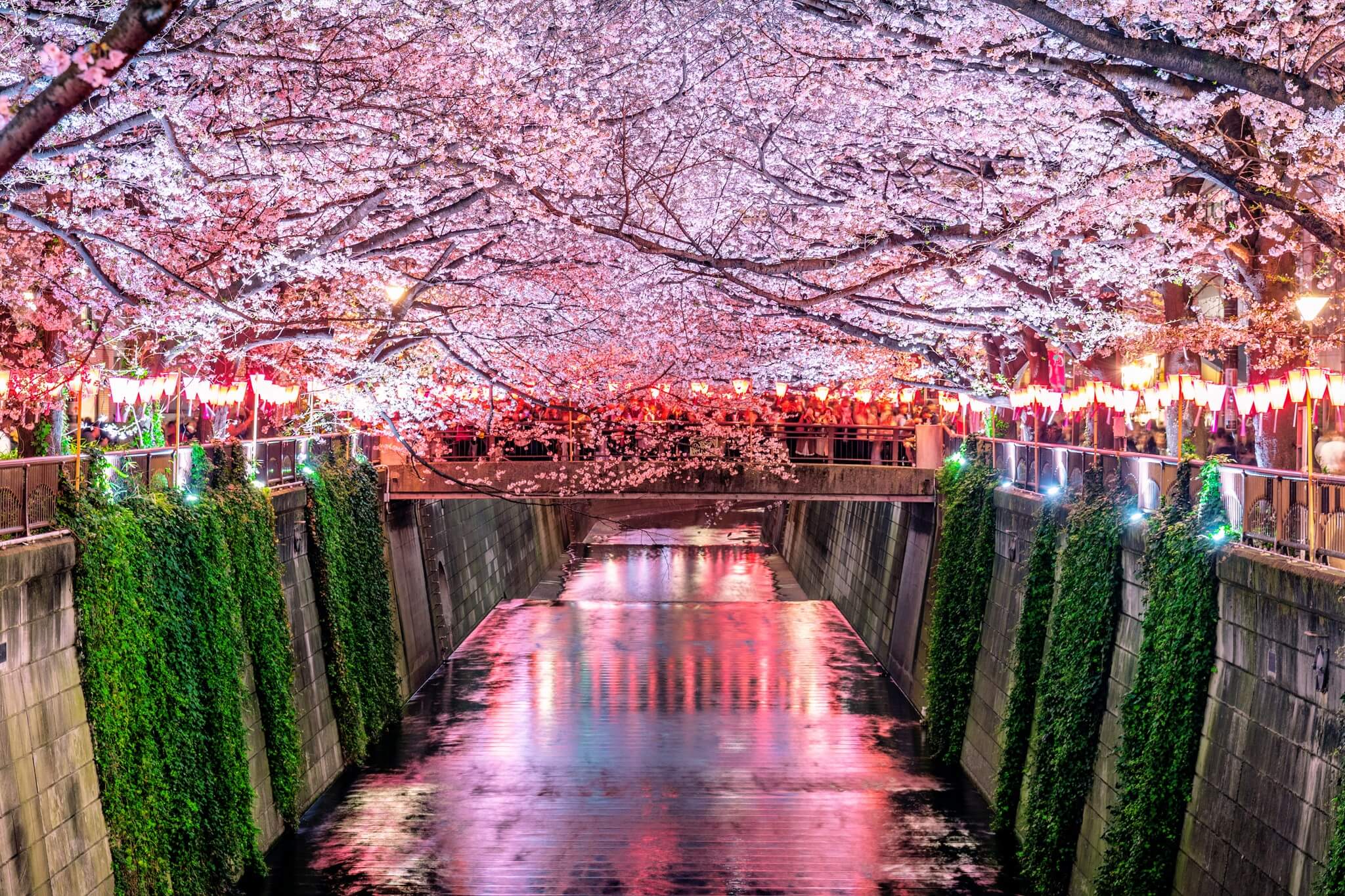
⚡ The TL;DR Verdict
Tokyo is the undisputed king for high-energy city breaks, unparalleled culture, and cutting-edge experiences, ideal for those with a mid-to-high budget (¥15,000-¥25,000 / $100-$170+ daily). Busan offers a more relaxed, budget-friendly Korean coastal adventure, perfect for foodies and beach lovers (₩70,000-₩120,000 / $50-$90 daily).
- Choose Tokyo: If you crave world-class museums, electric nightlife, endless shopping, and a truly unique blend of ancient tradition and futuristic innovation, and don't mind a higher price tag. Best for first-timers to Japan or those seeking an intense urban adventure.
- Choose Busan: If you're looking for a more laid-back vibe, stunning beaches, delicious seafood, a vibrant arts scene, and a taste of Korean culture without the Seoul rush, all at a more affordable price point. Great for second-time visitors to Korea or those prioritizing coastal charm.
- Choose Both: Combining them is absolutely doable, especially if you have 2+ weeks. Fly into Tokyo, spend 5-7 days, then take a budget flight (e.g., Peach, Jeju Air) from Narita to Busan (around 2-2.5 hours, $100-$200) for another 4-5 days. It offers a fantastic contrast between Japanese metropolitan grandeur and Korean seaside charm.
Quick Comparison
| Category | Tokyo | Busan | Winner |
|---|---|---|---|
| Costs & Budget | Significantly more expensive across the board, especially for accommodation and transport. Daily budget: $100-$170+. | More budget-friendly, good value for food and activities. Daily budget: $50-$90. | Busan |
| Food Scene | Unparalleled diversity from Michelin stars to street food, hyper-specific eateries, and unique dining experiences. | Fantastic fresh seafood, hearty stews, and a vibrant street food culture, particularly in areas like Jagalchi Market. | Tokyo |
| Nightlife & Entertainment | Legendary, diverse, and caters to every taste, from themed bars to mega-clubs and karaoke boxes. | Lively and energetic, with a strong focus on soju bars, pochas (tent pubs), and karaoke rooms, especially in Seomyeon and Gwangalli. | Tokyo |
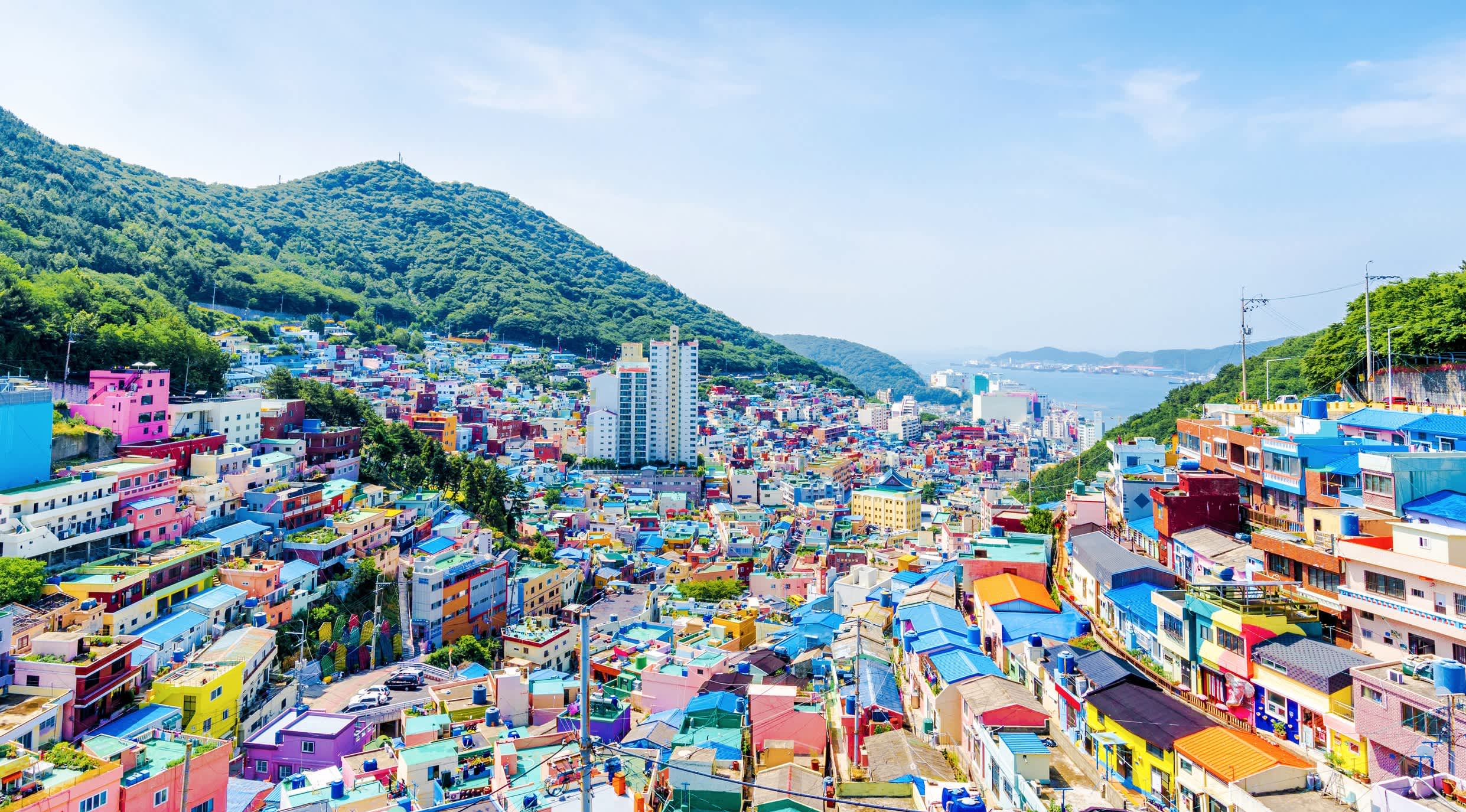
| Culture & History | Rich blend of ancient traditions (temples, shrines) and hyper-modern pop culture (anime, technology). | Strong maritime heritage, unique Korean coastal culture, and moving historical sites like Gamcheon Culture Village. | Tokyo |
| Nature & Outdoors | Limited within the city, but excellent day trips to mountains (Mt. Fuji) or coastal towns. | Beautiful urban beaches (Haeundae, Gwangalli), coastal walks, and nearby mountains and parks. | Busan |
| Shopping | World-class shopping from high fashion to unique subculture finds, electronics, and souvenirs. | Good for local fashion, cosmetics, and unique Korean souvenirs, especially in areas like Nampo-dong and Seomyeon. | Tokyo |
| Getting There & Around | Major international hubs (Narita, Haneda) with excellent domestic transport. Efficient but pricey. | Gimhae International Airport, well-connected domestically. Affordable and easy to navigate public transport. | Tie |
| Accommodation | Wide range from luxury hotels to capsule hotels and budget hostels, generally more expensive and compact. | Affordable guesthouses, boutique hotels, and some international chains, offering good value. | Busan |
| Day Trips | Abundant and diverse, including Hakone, Nikko, Kamakura, and even Kyoto (via Shinkansen). | Offers great local day trips like Gyeongju or Tongyeong, focusing on history and coastal beauty. | Tokyo |
| Solo Travel & Safety | Extremely safe, easy to navigate, and welcoming to solo travelers, with abundant solo dining and activities. | Very safe, friendly locals, good for solo exploration, especially with its relaxed atmosphere. | Tie |
💰 Costs & Budget
Tokyo is notoriously one of the most expensive cities globally, and while there are ways to save, expect to pay a premium. A budget hotel in Shinjuku might run you ¥10,000-¥15,000 ($65-$100) per night, a decent meal around ¥1,500-¥3,000 ($10-$20), and subway rides quickly add up (starting ¥180 / $1.20). Activities like the Tokyo Skytree can be ¥2,100 ($14). Busan, by contrast, offers much more bang for your buck. You can find guesthouses for ₩30,000-₩50,000 ($20-$35), lavish street food for ₩5,000-₩10,000 ($3.50-$7), and efficient subway rides from ₩1,300 ($0.90). A typical day might involve ₩70,000 ($50) covering meals, transport, and an attraction or two. "Honestly, after a week in Tokyo, Busan felt like a vacation for my wallet. I ate like a king for half the price," said one traveler on r/solotravel.
Winner takeaway
- Winner: Busan
- Why: Busan wins comfortably on cost-effectiveness, allowing travelers to stretch their budget further without compromising on experience.
- Who this matters for: Budget travelers, backpackers, and those planning longer trips.
🍜 Food Scene
Tokyo's food scene is in a league of its own. It boasts more Michelin stars than any other city and offers an incredible range of culinary experiences, from high-end omakase sushi (Sushi Saito, from ¥30,000 / $200+) to casual ramen joints (Ichiran, around ¥1,000 / $7), yakitori alleys (Omoide Yokocho), and unique themed cafes. Every district has its own specialties. Busan, however, is a seafood lover's paradise, famous for its proximity to the sea. Jagalchi Fish Market is an iconic spot where you can pick your fresh catch and have it prepared on the spot, often for ₩30,000-₩50,000 ($20-$35) for a shared meal. Signature dishes like Dwaeji Gukbap (pork soup with rice, ₩8,000 / $6) are a must-try, and the street food at Gukje Market is abundant and delicious. While Tokyo's breadth is unmatched, Busan's focus on fresh, local ingredients is a powerful draw. "Busan's seafood game is legendary. I still dream about the grilled eel from Jagalchi. Tokyo has everything, but Busan's local specialties hit different," a user commented on r/KoreaTravel.
Winner takeaway
- Winner: Tokyo
- Why: Tokyo's sheer scale, diversity, and innovation in gastronomy make it the world's culinary capital.
- Who this matters for: Serious foodies, those seeking diverse dining experiences, and travelers who appreciate culinary artistry.
🌃 Nightlife & Entertainment
Tokyo's nightlife is famously electrifying and incredibly varied. Districts like Shibuya, Shinjuku (especially Golden Gai for tiny, intimate bars or Kabukicho for flashier options), and Roppongi offer everything from massive dance clubs (AgeHa, from ¥3,000 / $20 entry) to themed izakayas, craft beer bars, and iconic karaoke boxes where you can sing your heart out for ¥500-¥1,000 ($3.50-$7) an hour. The city truly comes alive after dark, with countless hidden gems. Busan's nightlife is vibrant and authentic, centered around areas like Seomyeon, known for its numerous bars and clubs, and Gwangalli Beach, offering stunning bridge views with drinks. Expect to find many Korean-style pubs (Hof, Pocha) where soju (₩5,000 / $3.50 a bottle) and beer flow freely, along with popular karaoke (Noraebang) spots. While it has plenty of energy, it lacks the sheer scale, international variety, and unique quirky offerings of Tokyo. "Tokyo's nightlife is insane, you can find literally anything. Busan is fun, but it's more local soju and K-pop bars, which is great but not as diverse," a r/travel user noted.
Winner takeaway
- Winner: Tokyo
- Why: Tokyo's unparalleled scale, diversity, and iconic districts offer a nightlife experience that is truly world-class and caters to all preferences.
- Who this matters for: Party-goers, those seeking unique themed experiences, and anyone who loves a bustling city after dark.
⛩️ Culture & History
Tokyo excels in presenting a fascinating dichotomy: ancient traditions coexisting with a futuristic vision. You can explore the serene Senso-ji Temple in Asakusa, step back in time at the Imperial Palace East Garden, and then dive into the neon-soaked electronic district of Akihabara or the trendy fashion hub of Harajuku. Museums like the Tokyo National Museum (¥1,000 / $7) offer deep dives into Japanese art and history, while Ghibli Museum (¥1,000 / $7, book far in advance) caters to pop culture enthusiasts. Busan offers a distinct Korean cultural experience, especially with its maritime history. Gamcheon Culture Village, often called the 'Machu Picchu of Busan,' is a vibrant, colorful hillside village with unique art installations and cafes, offering a glimpse into a transformed past. Haedong Yonggungsa Temple, nestled by the sea, is stunningly picturesque and unique. While Busan's culture is rich and authentic, Tokyo's sheer volume of diverse cultural touchpoints, from traditional arts to global pop culture trends, gives it an edge. "Tokyo just has this incredible blend of old and new. One minute you're at a temple, the next you're in a robot restaurant. Busan is cool, but it's a different vibe entirely," a r/JapanTravel commenter shared.
Winner takeaway
- Winner: Tokyo
- Why: Tokyo offers an unmatched breadth of cultural experiences, seamlessly blending ancient heritage with cutting-edge pop culture and innovation.
- Who this matters for: Culture vultures, history buffs, anime fans, and those interested in diverse forms of artistic expression.
🏖️ Nature & Outdoors
Busan, as a coastal city, naturally shines in the nature and outdoors category. It boasts several stunning urban beaches like Haeundae Beach and Gwangalli Beach, perfect for relaxing, swimming, or enjoying watersports. The Igidae Coastal Walk offers breathtaking cliffside views and connects to Oryukdo Skywalk, where you can literally walk over the ocean. Taejongdae Park provides dramatic sea cliffs, a lighthouse, and forest trails, accessible via a small train (₩3,000 / $2). You can easily spend full days exploring these natural wonders within or just outside the city center. Tokyo, while a concrete jungle, does have beautiful parks like Shinjuku Gyoen National Garden (¥500 / $3.50) and Ueno Park. However, truly spectacular nature requires a day trip, such as to Hakone for views of Mt. Fuji (train + pass around ¥6,000 / $40) or Nikko for its shrines and waterfalls. For immediate, accessible natural beauty, Busan is the clear winner. "Busan's beaches and coastal walks were such a refreshing break from city life. Haeundae at sunset is just magical. Tokyo's parks are nice, but not the same as crashing waves," a r/solotravel user posted.
Winner takeaway
- Winner: Busan
- Why: Busan's stunning urban beaches, dramatic coastal walks, and accessible natural parks make it a paradise for outdoor enthusiasts.
- Who this matters for: Beach lovers, hikers, nature photographers, and those who want to blend city exploration with natural beauty.
🛍️ Shopping
Tokyo is a global shopping mecca, offering an unparalleled range of retail experiences. From luxury brands in Ginza (think department stores like Mitsukoshi and Ginza Six) to quirky fashion in Harajuku (Takeshita Street) and Shibuya 109, and the latest electronics in Akihabara (Yodobashi Akiba), there's something for every budget and taste. Don Quijote stores are a treasure trove of affordable souvenirs, snacks, and quirky goods. You could spend days just exploring the various shopping districts, each with its own distinct vibe. Busan offers a solid shopping scene, particularly for Korean fashion, skincare (e.g., in Seomyeon), and unique local crafts. Nampo-dong's Gukje Market is great for a traditional market experience, while Centum City houses Shinsegae Department Store, one of the world's largest. While Busan provides excellent value for Korean-specific products, it simply cannot compete with the sheer scale, diversity, and global brand presence of Tokyo's retail landscape. "Tokyo shopping is an experience in itself. You can find literally anything, from the most obscure anime merch to high fashion. Busan is good for K-beauty and local stuff, but Tokyo is another level entirely," remarked a r/travel user.
Winner takeaway
- Winner: Tokyo
- Why: Tokyo's vast, diverse, and specialized shopping districts offer an unmatched retail experience, catering to every imaginable preference.
- Who this matters for: Shopaholics, fashion enthusiasts, tech geeks, and anyone looking for unique souvenirs.
✈️ Getting There & Around
Getting to Tokyo is straightforward, with Narita (NRT) and Haneda (HND) serving as major international gateways. Haneda is closer to the city center, reachable by Keikyu Line or Limousine Bus (around ¥1,000-¥1,500 / $7-$10). Narita is further, but the Narita Express (N'EX) or Keisei Skyliner (around ¥3,000 / $20-$25) gets you there efficiently. Once in Tokyo, the subway and JR lines are incredibly efficient but can be confusing and costly without a pass. Busan is served by Gimhae International Airport (PUS), with direct flights from many Asian cities and easy connections from Seoul (e.g., KTX train takes 2.5-3 hours, ₩59,800 / $45). From Gimhae, the light rail connects directly to the Busan subway system (around ₩2,000 / $1.50). Busan's subway is simpler and more affordable than Tokyo's, making navigation a breeze. Both cities have excellent public transport, but Tokyo's sheer size makes it more complex and expensive to cover, while Busan feels more manageable. "Tokyo's trains are amazing, but figuring out passes and transfers can be a headache for a first-timer. Busan's subway was way easier, and I loved the KTX from Seoul," a r/KoreaTravel poster commented.
Winner takeaway
- Winner: Tie
- Why: Both cities offer world-class transportation, with Tokyo's extensive network balancing against Busan's simplicity and affordability.
- Who this matters for: Travelers prioritizing ease of access, efficient public transport, and inter-city connections.
🏨 Accommodation
Accommodation in Tokyo is excellent but often comes at a premium, especially in popular areas like Shinjuku, Shibuya, or Ginza. Even budget-friendly options like capsule hotels (¥3,000-¥6,000 / $20-$40) or business hotels (¥8,000-¥15,000 / $55-$100) can feel compact. Luxury hotels easily exceed ¥30,000 ($200) per night. Booking well in advance is essential for good deals and preferred locations. Busan offers significantly better value for accommodation. You can find stylish guesthouses near Haeundae Beach for ₩40,000-₩60,000 ($30-$45), comfortable boutique hotels in Seomyeon for ₩70,000-₩100,000 ($50-$75), and even higher-end options are more affordable than their Tokyo counterparts. Rooms tend to be more spacious, and you get more amenities for your money. "I was genuinely surprised how much nicer my hotel was in Busan for the same price I paid for a tiny shoebox in Tokyo. More space, better views, felt like a proper vacation," a traveler shared on r/travel.
Winner takeaway
- Winner: Busan
- Why: Busan offers superior value for accommodation, providing more spacious and affordable options across all budget ranges.
- Who this matters for: Budget-conscious travelers, families, and those who prioritize comfort and space without breaking the bank.
🏞️ Day Trips
Tokyo is an incredible base for day trips, thanks to Japan's hyper-efficient rail system. Within 1-2 hours, you can reach destinations like Hakone for stunning views of Mt. Fuji and relaxing onsen experiences (Odakyu Free Pass approx. ¥6,100 / $42). Nikko offers UNESCO World Heritage shrines and natural beauty (JR Nikko Pass approx. ¥4,000 / $27). Kamakura provides a glimpse into feudal Japan with its Great Buddha and temples (JR Yokosuka Line, approx. ¥920 / $6). Even Kyoto is a feasible (though long) day trip via Shinkansen (approx. ¥14,000 / $95 one-way). Busan's day trip options are also strong, though with a different flavor. The ancient capital of Gyeongju (KTX, 30 min, ₩11,000 / $8) is a must for its historical sites, while Tongyeong (bus, 1.5 hrs, ₩10,000 / $7) offers a charming coastal town experience with an aerial tramway. While Busan's day trips are rewarding, Tokyo's sheer variety and access to iconic, diverse locations give it the edge. "The flexibility for day trips from Tokyo is unmatched. From mountains to ancient temples, it's all so accessible. Busan has Gyeongju, which is amazing, but Tokyo just has more breadth," a r/JapanTravel user opined.
Winner takeaway
- Winner: Tokyo
- Why: Tokyo's strategic location and Japan's advanced rail network provide an unparalleled variety of iconic and diverse day trip destinations.
- Who this matters for: Explorers, history enthusiasts, and those who want to see a lot of a country from one base.
🚶♀️ Solo Travel & Safety
Both Tokyo and Busan are exceptionally safe cities, making them ideal destinations for solo travelers. Japan consistently ranks among the safest countries globally, and Tokyo embodies this with virtually non-existent street crime. Public transport is reliable 24/7, and solo dining is normalized everywhere, from ramen shops with individual booths to izakayas. There are countless activities tailored for one, from museums to themed cafes and shopping. Korea also boasts a very low crime rate, and Busan is no exception. Solo travelers will find it easy to navigate, with friendly locals generally willing to help. The city's more relaxed pace compared to Seoul can make it feel even more approachable for individual exploration, whether it's wandering Gamcheon Village or enjoying a quiet moment by the beach. Language can be a slight barrier in both if you venture off the main tourist paths, but general English proficiency is decent in tourist areas. "Honestly, I felt safer walking alone in Tokyo at 2 AM than I do in my hometown during the day. Busan was also super chill and friendly, never once felt uncomfortable," a r/solotravel post mentioned.
Winner takeaway
- Winner: Tie
- Why: Both cities offer exceptional levels of safety and ease of navigation, making them equally welcoming and comfortable for solo adventurers.
- Who this matters for: Solo travelers, first-time international travelers, and anyone prioritizing personal safety and comfort.
❓ Frequently Asked Questions
Which city is better for a first-time visitor to Asia?
Tokyo is often recommended for first-timers due to its excellent infrastructure, clearer signage (often English), and a broader range of globally recognizable attractions. It's a fantastic introduction to East Asian culture with a seamless blend of tradition and modernity, making it easier to navigate as a newcomer.
What's the best time of year to visit Tokyo or Busan?
Spring (March-May) and Autumn (September-November) are ideal for both. Spring brings cherry blossoms to both cities and pleasant temperatures. Autumn offers vibrant fall foliage and comfortable weather. Summers can be hot and humid, while winters are cold, especially in Busan by the coast.
Is there a significant language barrier in either city?
In major tourist areas and transport hubs of both Tokyo and Busan, you'll find English signage and staff with basic English proficiency. However, venturing off the beaten path might present more challenges. Google Translate and basic phrases in Japanese or Korean are always helpful, but don't expect fluent English everywhere.
Which city is more family-friendly?
Both cities are very family-friendly, but Tokyo offers a wider array of attractions specifically geared towards children, like Tokyo Disneyland/DisneySea, Ghibli Museum, and countless themed cafes. Busan's beaches and Gamcheon Culture Village are great for families, but Tokyo has more dedicated kid-centric entertainment options.
How long should I spend in each city?
For Tokyo, 5-7 full days allows you to cover the major districts and perhaps a day trip. For Busan, 3-4 full days is usually sufficient to explore its highlights and enjoy the coastal vibe. If combining them, allocate at least 10-12 days for a balanced experience.
Can I use the same currency in both countries?
No, Japan uses the Japanese Yen (JPY, ¥) and South Korea uses the Korean Won (KRW, ₩). You will need to exchange currency or use international credit cards in both countries. ATMs are widely available, especially at convenience stores like 7-Eleven or CU.
Which city has better public transportation?
Both cities boast incredibly efficient and extensive public transportation systems. Tokyo's network is vast and covers every corner but can be complex. Busan's system is simpler and easier to navigate for tourists. Both are clean, safe, and punctual, making getting around a breeze.
Are vegetarian or vegan options easy to find?
Finding vegetarian or vegan options can be challenging in both Japan and Korea, where meat and fish broths are common in many dishes. Tokyo has seen a growing number of dedicated vegan/vegetarian restaurants, especially in trendy areas. Busan has fewer dedicated spots but is improving, and temple food offers a good vegan option in Korea.
Ready to plan your East Asia trip?
Get a free custom itinerary for Tokyo, Busan, or both — built from real traveler insights.
🎟️ Book Tours & Experiences
Hand-picked tours and activities for both destinations — book with free cancellation
Experiences via Viator — free cancellation on most tours