How we built this comparison
This page combines traveler discussion patterns, published price ranges, flight schedules, and seasonal data to help you decide between Tokyo and Chengdu.
- Reviewed 50+ Reddit threads from r/travel, r/solotravel, r/japantravel, r/chinalife, etc.
- Verified costs and logistics against current booking platforms (e.g., Booking.com, Google Flights, local transport sites) in Q4 2023 / Q1 2024.
- Cross-referenced seasonal patterns and weather data from meteorological sources for accurate climate information.
⚡ The TL;DR Verdict
Tokyo is for those seeking unparalleled efficiency, cutting-edge culture, and a deeply immersive, albeit pricier, experience in a hyper-modern metropolis. Chengdu offers a more relaxed, budget-friendly dive into authentic Chinese culture, famous for its pandas and spicy food. Choose Tokyo for a polished, seamless adventure; Chengdu for a gritty, authentic, and affordable cultural deep dive.
- Choose Tokyo: If your budget allows for a truly unique blend of tradition and futurism, with world-class dining, shopping, and impeccable service. Ideal for first-time Asia travelers seeking ease and comfort.
- Choose Chengdu: If you're an adventurous traveler on a tighter budget, eager to explore authentic Chinese culture, sample incredible Sichuan cuisine, and get up close with giant pandas. Best for those comfortable with slight language barriers and a less 'polished' travel experience.
- Choose Both: For the ultimate East Asian cultural immersion, combine both cities. Allocate 5-7 days for Tokyo and 4-5 days for Chengdu, accepting that travel between them (e.g., flight to Shanghai/Beijing then connecting) will add significant time and cost.
Quick Comparison
| Category | Tokyo | Chengdu | Winner |
|---|---|---|---|
| Food & Drink | Unrivaled culinary excellence from Michelin stars to street food, with diverse regional Japanese specialties and a sophisticated bar scene. | The spicy, numbing heart of Sichuan cuisine, famous for hotpot, street snacks, and a vibrant, casual tea culture. | Tie |
| Culture & History | A fascinating blend of ancient traditions (temples, imperial palace) and hyper-modern pop culture (anime, Shibuya crossing). | Rich with ancient Shu kingdom history, UNESCO sites, traditional tea houses, and the unique culture surrounding giant pandas. | Tokyo |
| Costs | Generally expensive, especially accommodation and high-end dining, but budget options exist for savvy travelers. | Significantly more affordable across all categories, making it a great destination for budget-conscious explorers. | Chengdu |
| Getting There | Excellent global air connections to Narita (NRT) and Haneda (HND), generally easier visa process for many nationalities. | Well-connected internationally to Chengdu Tianfu (TFU) or Shuangliu (CTU), but requires a Chinese visa for most visitors. | Tokyo |
| Getting Around | World-class, efficient, and extensive public transportation (subways, JR trains) that is incredibly easy to navigate. | Modern and growing metro system, supplemented by affordable taxis and ride-sharing, but less English signage. | Tokyo |
| Accommodation | Diverse options from capsule hotels to luxury, but generally pricier and rooms can be smaller than Western standards. | Wide range of affordable choices, from budget hostels to comfortable hotels, often offering more space for the price. | Chengdu |
| Nightlife & Entertainment | Iconic, vibrant, and diverse nightlife spanning karaoke, themed bars, izakayas, and world-class clubs. | More relaxed, focused on tea houses, local bars, KTV (karaoke), and a growing craft beer scene. | Tokyo |
| Day Trips & Nature | Access to iconic natural beauty (Mt. Fuji views), traditional towns (Hakone), and serene coastal areas. | Home to adorable giant pandas, the majestic Leshan Giant Buddha, and scenic Emei Mountain. | Chengdu |
| Safety & Ease of Travel | Exceptionally safe, clean, and easy to navigate even for solo travelers, with high levels of public trust. | Generally safe, but requires more awareness of surroundings, potential language barriers, and different social norms. | Tokyo |
| Weather & Seasons | Distinct four seasons: mild springs/autumns, hot humid summers, and cold winters with occasional snow. | Mild, foggy winters, hot and humid summers, with pleasant springs and autumns, but generally less sunshine year-round. | Tokyo |
🍜 Food & Drink
This is genuinely a tough one, as both cities are culinary titans in their own right, just in vastly different ways. Tokyo boasts an incredible range of dining experiences, from ¥500 (~$3.50) ramen bowls at Ichiran or a conveyor belt sushi meal at Sushiro, to world-renowned Michelin-starred kaiseki meals that can easily top ¥30,000 (~$200) per person. You'll find every imaginable cuisine perfected, along with unique izakayas and high-end cocktail bars in areas like Shinjuku Golden Gai or Ginza. Chengdu, on the other hand, is the spiritual home of Sichuan cuisine. Prepare for mouth-numbing (mala) flavors! A massive hotpot experience at a place like Haidilao might cost ¥100-200 (~$14-28) per person, while street snacks like dandan noodles or mapo tofu at a local eatery are often just ¥15-30 (~$2-4). Tea houses are central to social life, offering a relaxed vibe for just ¥20-50 (~$3-7) for an afternoon. "Honestly, the food in Chengdu blew my mind, especially the street food. Tokyo's amazing, but sometimes I just craved that spicy kick you can only get in Sichuan." While Tokyo offers refinement and diversity, Chengdu offers an intense, authentic, and incredibly affordable flavor journey. It's a tie because your preference for either is purely subjective.
Winner takeaway
- Winner: Tie
- Why: Both cities offer world-class, distinct culinary experiences that cater to different palates and budgets.
- Who this matters for: Everyone, as food is often a central part of any travel experience.
⛩️ Culture & History
Tokyo offers a captivating dichotomy between its deep-rooted past and its futuristic present. You can spend a morning strolling through the serene Meiji Jingu Shrine or the historic grounds of the Imperial Palace, then immerse yourself in the vibrant, neon-lit chaos of Akihabara (electric town) or the fashion-forward streets of Harajuku in the afternoon. Museums like the Tokyo National Museum provide a glimpse into Japan's extensive artistic and historical heritage (entry around ¥1000, ~$7). Traditional kabuki theatre (tickets from ¥4,000, ~$27) offers a powerful cultural experience. Chengdu's culture is steeped in the ancient Shu Kingdom and a more relaxed, tea-drinking pace of life. The Jinli Ancient Street and Kuanzhai Alley (Wide and Narrow Alleys) offer reconstructed historical architecture, street performances, and local crafts. The Sichuan Provincial Museum (free entry) provides excellent insights into local history, and the Dujiangyan Irrigation System, a UNESCO site, showcases ancient engineering genius. However, for sheer variety and accessibility of both traditional and cutting-edge cultural experiences, Tokyo slightly edges out Chengdu. "Tokyo's history feels more integrated with its modern vibe; you can literally walk from a quiet temple into a crazy arcade within minutes. Chengdu is cool, but it felt a bit more focused on specific historical sites rather than this constant blend."
Winner takeaway
- Winner: Tokyo
- Why: Tokyo provides a more diverse and accessible range of experiences that seamlessly blend ancient traditions with groundbreaking modernity.
- Who this matters for: Travelers seeking a broad spectrum of cultural experiences, from serene temples to vibrant pop culture.
💸 Costs
This is where Chengdu really shines for budget travelers. A mid-range daily budget in Tokyo typically hovers around ¥15,000-25,000 (~$100-170) excluding major splurges like a fancy dinner or theme park entry. A decent hostel bed can be ¥4,000-6,000 (~$27-40), while a comfortable business hotel starts at ¥12,000-20,000 (~$80-135). Public transport is efficient but adds up, with metro rides from ¥180 (~$1.20). Meals can range from ¥1,000 for a quick lunch to ¥3,000+ for a casual dinner. In Chengdu, you can live very comfortably on ¥300-600 (~$40-80) a day. Hostels are often ¥50-100 (~$7-14), and a good 3-star hotel is ¥250-500 (~$35-70). Metro rides are incredibly cheap, typically ¥2-6 (~$0.30-0.80). Meals, even generous ones, rarely exceed ¥50 (~$7) at local eateries. The biggest cost in Chengdu will likely be the Giant Panda Breeding Research Base entry (¥55, ~$8) or a tour. "I stayed in Tokyo for a week and blew through my budget way faster than I expected, even eating convenience store food sometimes. Chengdu felt like I was living like a king on a backpacker budget." For those keeping a close eye on their wallets, Chengdu offers incredible value without compromising on experience.
Winner takeaway
- Winner: Chengdu
- Why: Chengdu offers a far more affordable travel experience across accommodation, food, and transport, making it highly accessible for budget travelers.
- Who this matters for: Budget travelers, backpackers, and anyone looking to maximize their travel duration without breaking the bank.
✈️ Getting There
For most international travelers, especially from North America or Europe, getting to Tokyo is generally simpler. Japan offers visa-free entry for short stays to citizens of over 60 countries, including the US, Canada, EU, and Australia. Direct flights from major hubs like Los Angeles (LAX) to NRT or HND average around 10-11 hours and cost anywhere from $800-1500 USD round trip, depending on the season and booking time. Haneda, in particular, offers fantastic proximity to the city center. Getting to Chengdu typically requires a Chinese visa, which can be a more involved process and an additional cost (e.g., ~$185 for US citizens). While Chengdu has international airports (TFU and CTU), direct flights might be less frequent and slightly more expensive than to Tokyo from some regions, often involving a layover in another major Asian city like Shanghai, Beijing, or Hong Kong. Flight times from LAX to CTU/TFU would be similar (14-16 hours including layover) and range from $900-1600. "The visa hassle for China definitely added a layer of planning I didn't have for Japan. Tokyo was just 'book flight, go'." The ease of entry and abundant direct flight options give Tokyo the edge here.
Winner takeaway
- Winner: Tokyo
- Why: Tokyo benefits from visa-free access for many nationalities and a vast network of direct, efficient international flights.
- Who this matters for: Travelers seeking a straightforward planning process and those from countries with easier visa access to Japan.
🚇 Getting Around
Tokyo's public transportation system is legendary – it's arguably the best in the world. The subway and JR train lines (like the Yamanote Line) are incredibly comprehensive, punctual to the second, clean, and safe. Navigating is easy with apps like Google Maps, abundant English signage, and the convenient Suica or Pasmo IC cards. A typical metro ride costs ¥180-300 (~$1.20-2). You can get virtually anywhere quickly and efficiently without needing a car. Chengdu's metro system is modern, clean, and rapidly expanding, connecting major attractions and districts. Rides are incredibly cheap, typically ¥2-6 (~$0.30-0.80). Taxis and ride-sharing apps (like Didi) are also very affordable and widely available. However, English signage is less prevalent than in Tokyo, and navigating can be more challenging without some basic Mandarin or a translation app. "Tokyo's trains are a dream. Never once got lost, always on time, and so clean. Chengdu's metro is good, but I definitely relied on Didi a lot more, especially in the evenings." While Chengdu's system is improving, Tokyo's established, hyper-efficient, and English-friendly network remains superior for ease of tourist travel.
Winner takeaway
- Winner: Tokyo
- Why: Tokyo's public transport system is unparalleled in efficiency, cleanliness, and ease of use for international travelers, thanks to extensive English signage.
- Who this matters for: All travelers, especially those who prioritize convenience, efficiency, and independent exploration via public transport.
🏨 Accommodation
Accommodation in Tokyo is excellent but comes at a premium. Budget travelers can find clean, efficient capsule hotels for ¥4,000-7,000 (~$27-47) or hostel beds for ¥3,000-6,000 (~$20-40). Mid-range hotels, while impeccably clean and serviced, often feature compact rooms starting from ¥12,000-25,000 (~$80-170) per night in popular areas like Shinjuku or Shibuya. Luxury options can easily exceed ¥40,000 (~$270). Chengdu offers significantly more bang for your buck. A clean and highly-rated hostel bed can be found for as little as ¥50-100 (~$7-14). Mid-range 3-4 star hotels, often with more spacious rooms and amenities, typically range from ¥250-500 (~$35-70) per night. Even boutique hotels or serviced apartments are considerably more affordable than their Tokyo counterparts. "I got a fantastic, modern hotel room in Chengdu for about $50 that would have cost me at least $150 in Tokyo, no contest. The value is just way better." While Tokyo offers unique experiences like capsule hotels, Chengdu wins for overall affordability and room size.
Winner takeaway
- Winner: Chengdu
- Why: Chengdu offers substantially better value for money and more spacious accommodations across all budget levels.
- Who this matters for: Budget-conscious travelers and those who prefer more space and amenities for their accommodation budget.
🌃 Nightlife & Entertainment
Tokyo's nightlife is legendary and incredibly diverse. From the neon-drenched alleys of Shinjuku Golden Gai with its tiny themed bars (drinks ¥800-1500, ~$5-10), to the high-energy Shibuya clubs like Womb or ageHa (cover ¥3,000-5,000, ~$20-35), and the unforgettable karaoke experiences like Karaoke Kan, there's something for every taste. Izakayas (Japanese pubs) are everywhere, offering delicious food and drinks until late. Areas like Roppongi cater to international crowds, while Ginza offers upscale cocktails. Chengdu's nightlife is more laid-back and local-focused. Tea houses often stay open late, providing a relaxed atmosphere for card games and conversation. KTV (karaoke) is extremely popular, with private rooms for groups (hourly rates from ¥100-300, ~$14-40). There are burgeoning bar districts, particularly around Lan Kwai Fong or along the Jin River, offering local craft beers and live music, but they lack the sheer scale and variety of Tokyo. "Tokyo's nightlife is just on another level. Golden Gai alone is an experience you can't get anywhere else, and the energy in Shibuya at night is insane. Chengdu's fine for a few drinks, but it's not the same buzz." For sheer scale, variety, and iconic experiences, Tokyo takes the crown.
Winner takeaway
- Winner: Tokyo
- Why: Tokyo offers an unparalleled and diverse nightlife scene, from unique themed bars to world-class clubs and vibrant karaoke experiences.
- Who this matters for: Travelers who love to explore after dark, seeking lively entertainment and unique nocturnal experiences.
🏞️ Day Trips & Nature
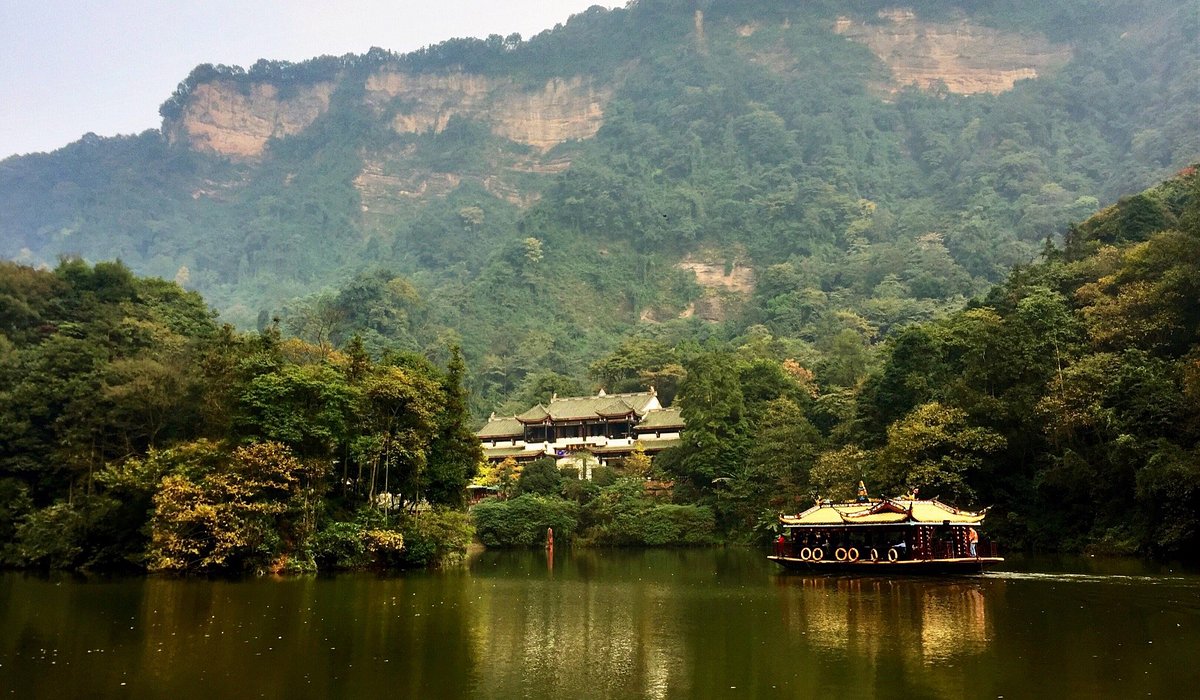
Both cities offer fantastic day trip opportunities, but Chengdu's unique offerings give it a slight edge. From Chengdu, the most famous excursion is the Giant Panda Breeding Research Base (entry ¥55, ~$8), where you can observe these iconic animals in a semi-natural habitat, an experience unparalleled globally. Further afield, the UNESCO World Heritage sites of Leshan Giant Buddha (entry ¥80, ~$11, 2-hour train ride) and Mount Emei (entry ¥110, ~$15, 2-hour train ride) offer breathtaking natural scenery, ancient temples, and significant cultural history. Leshan features a massive carved Buddha, while Emei is one of China's Four Sacred Buddhist Mountains. From Tokyo, popular day trips include Hakone, famous for its views of Mt. Fuji, hot springs, and open-air museum (Hakone Free Pass ~¥5,000-6,000, ~$35-40). Kamakura offers historical temples and a giant Buddha statue (train ~1 hour, ¥900, ~$6). Nikko, another UNESCO site, provides stunning shrines and natural beauty (train ~2 hours, ¥3,000+, ~$20+). "Seeing the pandas up close in Chengdu was a bucket-list item for me, and Leshan was just mind-blowing. Tokyo has great day trips, but nothing quite as unique as the pandas." While Tokyo's day trips are beautiful and culturally rich, Chengdu's exclusive access to giant pandas combined with its significant cultural and natural UNESCO sites makes it the winner.
Winner takeaway
- Winner: Chengdu
- Why: Chengdu offers truly unique, world-famous attractions like the Giant Panda Breeding Research Base and the awe-inspiring Leshan Giant Buddha.
- Who this matters for: Animal lovers, history enthusiasts, and those seeking iconic, once-in-a-lifetime natural and cultural experiences.
👮 Safety & Ease of Travel
Tokyo consistently ranks among the safest major cities in the world. Crime rates are incredibly low, and public order is exceptional. You can walk around late at night, even as a solo female traveler, with very little concern. The public transport system is not only efficient but also extremely safe. English proficiency is decent in tourist areas and major stations, and helpful locals are often willing to assist. Cleanliness is paramount everywhere. Chengdu is generally safe for tourists, but it's a large Chinese city, and travelers should exercise standard precautions against petty crime like pickpocketing in crowded areas. Traffic can be chaotic, making crossing streets an adventure. While major attractions may have some English signage, communication outside of tourist hotspots can be challenging without translation apps or basic Mandarin phrases. "Tokyo's safety and how easy it was to get around, even alone, was just incredible. I never felt worried. Chengdu felt safe enough, but I definitely needed to be more 'on' and aware of my surroundings, especially with the language barrier." Tokyo's unparalleled safety record and ease of navigation make it a clear winner for peace of mind and stress-free travel.
Winner takeaway
- Winner: Tokyo
- Why: Tokyo is one of the safest cities globally, offering an incredibly clean, orderly, and stress-free travel experience with excellent tourist infrastructure.
- Who this matters for: Solo travelers, families, first-time international travelers, and anyone prioritizing safety and seamless navigation.
☀️ Weather & Seasons
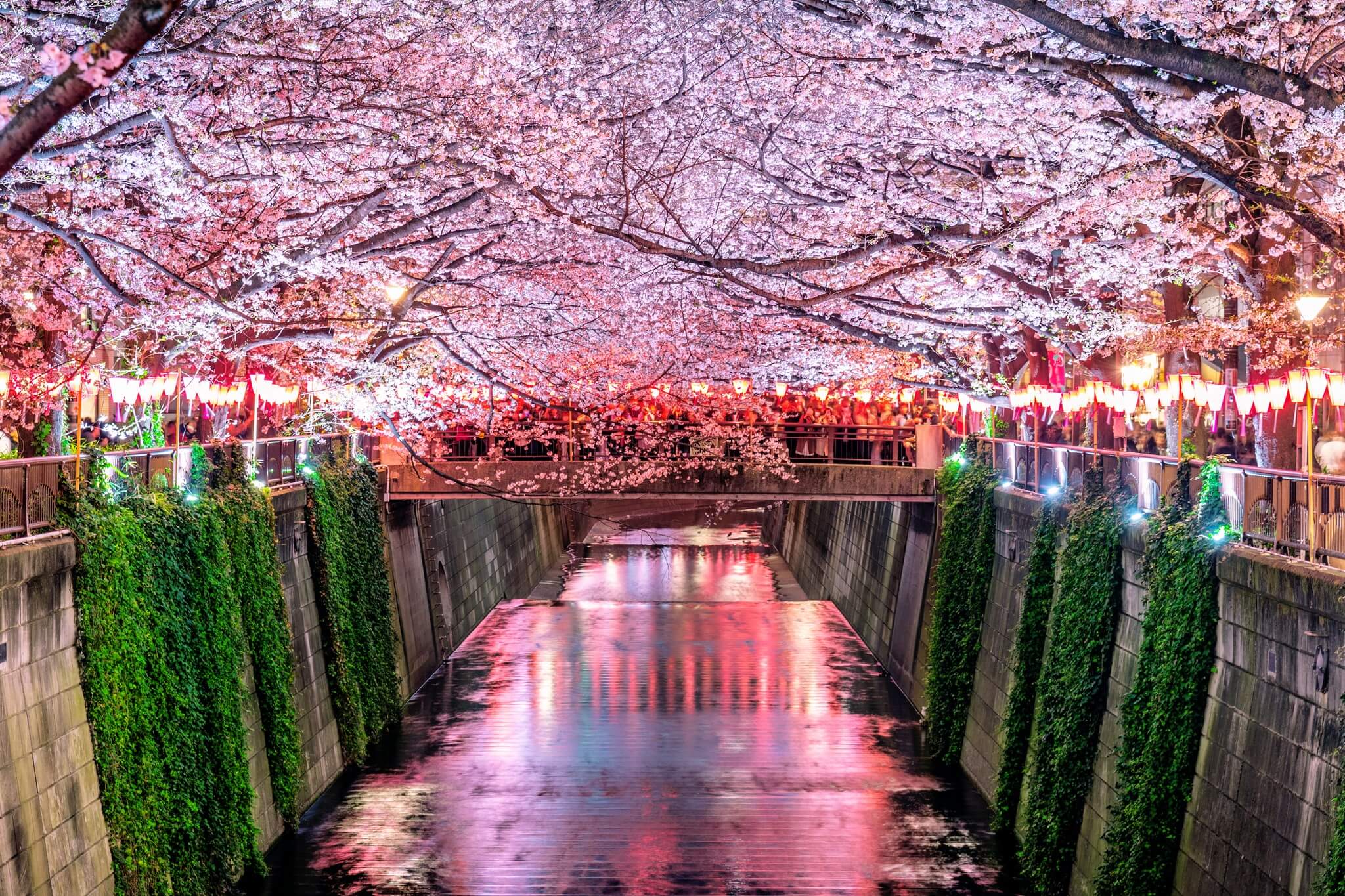
Tokyo experiences four distinct seasons, each with its charm. Spring (March-May) is famous for cherry blossoms and pleasant temperatures (10-20°C, 50-68°F), making it a prime travel time. Autumn (September-November) brings beautiful fall foliage and comfortable, crisp weather (15-25°C, 59-77°F). Summer (June-August) is hot and very humid (25-35°C, 77-95°F), with a rainy season in June/July. Winter (December-February) is cold but generally sunny (0-10°C, 32-50°F), with occasional light snow. Chengdu has a subtropical monsoon climate, characterized by mild, often foggy winters (5-10°C, 41-50°F) and hot, humid summers (25-35°C, 77-95°F). Spring (March-May) and autumn (September-November) are the most pleasant times to visit, with temperatures around 15-25°C (59-77°F). However, Chengdu is known for its relatively low sunshine hours year-round, with frequent overcast or foggy days, particularly in winter. "I visited Chengdu in winter, and while it wasn't freezing, the constant grey skies and dampness really got to me. Tokyo in autumn, though, was just perfect—clear skies and gorgeous leaves." While both have pleasant shoulder seasons, Tokyo generally offers more clear skies and a slightly more appealing range of seasonal experiences, especially for iconic events like cherry blossom viewing, making its weather slightly more predictable and tourist-friendly.
Winner takeaway
- Winner: Tokyo
- Why: Tokyo offers more distinct, often sunnier seasons, including iconic cherry blossom spring and vibrant autumn foliage, enhancing the overall travel experience.
- Who this matters for: Travelers who prefer clear skies, distinct seasonal beauty, and planning trips around specific weather-dependent events like cherry blossoms.
❓ Frequently Asked Questions
Which city is better for first-time international travelers?
Tokyo is generally better for first-time international travelers due to its exceptional safety, minimal language barriers in tourist areas, and incredibly efficient public transport. Everything is clearly signposted and organized, making navigation stress-free.
Is it easy to get around Tokyo without speaking Japanese?
Yes, absolutely. Tokyo's public transport system has extensive English signage, and most major attractions, hotels, and restaurants have English-speaking staff or menus. Google Maps is highly accurate for navigation. Basic Japanese phrases are always appreciated but not strictly necessary.
What's the best way to see the pandas in Chengdu?
The best way is to visit the Chengdu Research Base of Giant Panda Breeding. It's easily accessible by metro or taxi from the city center. Arrive early (before 9 AM) to see the pandas at their most active, especially during feeding times.
Do I need a visa for Japan or China?
Most Western nationalities (e.g., US, EU, Canada, Australia) can enter Japan visa-free for short tourist stays. For China, most nationalities, including those mentioned, require a visa in advance, which can be applied for at a Chinese embassy or consulate in your home country.
Which city has better shopping?
Tokyo offers a far superior and more diverse shopping experience, from high-end fashion in Ginza to quirky electronics in Akihabara and unique streetwear in Harajuku. Chengdu offers local handicrafts, tea, and Sichuan spices, but not on the same scale or variety as Tokyo's retail landscape.
Can I visit both Tokyo and Chengdu in one trip?
Yes, but it requires careful planning. You'd need a multi-entry Chinese visa or plan your itinerary to fit within China's 144-hour visa-free transit policy (if eligible and flying through a designated airport). It's a significant travel day between the two, typically involving a flight connection in another major Asian hub.
Is vegetarian food easy to find in either city?
Vegetarian food in Tokyo is becoming easier to find, especially with dedicated vegan/vegetarian restaurants and labeling. In Chengdu, it can be more challenging due to the prevalence of meat in Sichuan cuisine and the use of animal fats, though Buddhist temples offer options and you can request 'su cai' (vegetarian dishes).
What's a realistic budget for a week in each city?
For Tokyo, a mid-range traveler might spend $1000-1500 USD for a week (excluding flights), covering accommodation, food, and transport. For Chengdu, a similar experience could cost $400-700 USD for a week (excluding flights), highlighting Chengdu's significant affordability.
Ready to plan your East Asia trip?
Get a free custom itinerary for Tokyo, Chengdu, or both — built from real traveler insights.
🎟️ Book Tours & Experiences
Hand-picked tours and activities for both destinations — book with free cancellation
Experiences via Viator — free cancellation on most tours