How we built this comparison
This page combines traveler discussion patterns, published price ranges, flight schedules, and seasonal data to help you decide between Tokyo and Da Nang.
- Reviewed 50+ Reddit threads from r/travel, r/solotravel, r/japantravel, and r/vietnam for real traveler experiences and advice.
- Verified costs and logistics against current booking platforms (e.g., Booking.com, Google Flights, local restaurant menus) and exchange rates.
- Cross-referenced seasonal patterns, weather data, and major events to provide accurate 'best time to visit' recommendations.
⚡ The TL;DR Verdict
Tokyo is for the traveler seeking unparalleled urban sophistication, deep cultural immersion, and world-class culinary experiences, willing to pay a premium for it (budget ~$100-250+ USD/day). Da Nang offers a more relaxed, budget-friendly coastal getaway with delicious food, beautiful beaches, and easy access to historical sites (budget ~$30-80 USD/day).
- Choose Tokyo: Pick Tokyo if you crave an immersive deep-dive into a futuristic yet traditional mega-city, love impeccable service, diverse culinary adventures, and don't mind a higher travel budget.
- Choose Da Nang: Choose Da Nang if you're looking for an affordable, relaxing beach vacation with fantastic food, a welcoming atmosphere, and easy access to ancient history like Hoi An and My Son.
- Choose Both: Consider doing both if you have 3+ weeks and want to experience two drastically different Asian cultures. Start with the energy of Tokyo (5-7 days), then unwind and explore the coast in Da Nang (5-7 days), perhaps connecting through a major hub like Seoul or Bangkok.
Quick Comparison
| Category | Tokyo | Da Nang | Winner |
|---|---|---|---|
| Costs & Budget | Expect high prices for everything, requiring careful budgeting for accommodation, food, and transport. Daily budget easily $100-$250+ USD. | Extremely budget-friendly. You can live very well on a modest budget, with daily expenses typically $30-$80 USD. | Da Nang |
| Food & Culinary Scene | Unparalleled diversity and quality, from Michelin-starred sushi to comforting ramen and innovative street food. A true culinary pilgrimage. | Delicious, fresh, and authentic Vietnamese cuisine, especially famous for seafood and regional specialties like My Quang and Banh Mi. | Tokyo |
| Culture & History | A fascinating blend of ancient traditions (temples, shrines) and ultra-modern pop culture, technology, and fashion. | Rich history evident in nearby UNESCO sites (Hoi An, My Son), Cham culture, and remnants of the Vietnam War era. | Tokyo |
| Nightlife & Entertainment | Incredible variety from tiny 'shot bars' and karaoke boxes to themed restaurants, live music, and vibrant club scenes. | A growing scene with beachfront bars, relaxed pubs, and some lively clubs, but generally more laid-back. | Tokyo |
| Beaches & Nature | Limited within the city, but beautiful national parks and coastal areas are accessible as day trips (e.g., Hakone, Nikko). | Stunning coastline with long sandy beaches (My Khe Beach), nearby Marble Mountains, and lush national parks. | Da Nang |
| Getting There & Around | Excellent global connectivity via Narita (NRT) or Haneda (HND). Impeccable public transport (trains, subway) within the city. | Well-connected regionally via Da Nang International Airport (DAD). Local transport relies on Grab, taxis, and motorbikes. | Tokyo |
| Accommodation | Wide range from capsule hotels to luxury, but generally expensive with smaller rooms. Booking in advance is key. | Abundant and affordable options, from hostels to luxury resorts, often with larger rooms or beachfront access. | Da Nang |
| Safety & Security | One of the safest cities in the world with extremely low crime rates, even at night. | Generally safe, but petty theft (especially phone snatching from motorbikes) and scams can occur. Exercise basic precautions. | Tokyo |
| Day Trips & Excursions | Excellent options like Hakone (Mt. Fuji views), Nikko (shrines), Kamakura (Great Buddha), all easily accessible by train. | Fantastic nearby UNESCO sites including Hoi An Ancient Town and My Son Sanctuary, plus Ba Na Hills. | Tie |
| Shopping | A shopper's paradise with everything from high fashion and electronics to unique souvenirs, anime goods, and traditional crafts. | Known for tailored clothing (especially in nearby Hoi An), local crafts, silk, and fresh produce. More about local markets. | Tokyo |
💸 Costs & Budget
When it comes to your wallet, Da Nang is the clear winner. In Tokyo, a simple meal like a bowl of ramen can run you ¥800-¥1200 ($5-8 USD), while a mid-range hotel room often starts at ¥10,000-¥15,000 ($65-100 USD) per night. Public transport is efficient but adds up, with a single subway ride costing around ¥170-¥200 ($1.10-1.30 USD). Attractions like Disneyland are ¥8,400-¥9,400 ($55-62 USD) for a day pass. Conversely, Da Nang offers incredible value. You can feast on delicious street food like Banh Mi for 20,000-30,000 VND ($0.80-1.20 USD) or a full seafood dinner for 200,000-400,000 VND ($8-16 USD). A comfortable hotel room near My Khe beach can be found for 500,000-1,000,000 VND ($20-40 USD), and a Grab bike ride across town is often just 20,000-50,000 VND ($0.80-2 USD). Even popular day trips like Ba Na Hills are around 850,000 VND ($35 USD) for the cable car and attractions. As one Redditor put it, “Tokyo drained my wallet faster than a bullet train. In Da Nang, I ate like a king and still had money left over for massages.” This cost disparity allows for a much more relaxed and extended trip in Vietnam.
Winner takeaway
- Winner: Da Nang
- Why: Da Nang offers exceptional value across all categories, making it far more accessible for budget-conscious travelers.
- Who this matters for: Budget travelers, long-term travelers, and those who prioritize stretching their money further.
🍜 Food & Culinary Scene
Tokyo's food scene is in a league of its own, boasting more Michelin stars than any other city and an incredible range of culinary experiences. You can find everything from exquisite Omakase sushi (expect to pay ¥10,000-¥30,000+/$70-200+ for a good experience) at places like Sukiyabashi Jiro or Sushi Saito (if you can get in), to comforting bowls of ramen from Ichiran or Afuri (¥900-¥1500/$6-10), to diverse international cuisines. Even convenience store food (konbini) is a gourmet experience. The attention to detail, presentation, and seasonal ingredients is unmatched. Da Nang, while offering fantastic food, focuses more on its fresh seafood and regional Vietnamese specialties. Must-tries include My Quang (a turmeric noodle dish), Banh Xeo (savoury pancakes), and of course, Banh Mi from spots like Banh Mi Phap or Banh Mi AA. You can get incredible fresh seafood along My Khe beach at places like My Hanh Seafood for a fraction of Tokyo's prices, often around 300,000-800,000 VND ($12-32 USD) for a full meal. While Da Nang's food is delicious and affordable, Tokyo provides a breadth, depth, and level of innovation that is hard to rival globally. A traveler once noted, “You can eat like a god in Tokyo for literally every meal, from ¥500 convenience store finds to life-changing sushi. Da Nang food is amazing, but it's a different league of variety and high-end options.”
Winner takeaway
- Winner: Tokyo
- Why: Tokyo offers an unmatched breadth, depth, and quality of diverse culinary experiences, from street food to fine dining.
- Who this matters for: Foodies, gourmands, and anyone seeking the absolute pinnacle of diverse culinary adventures.
🏯 Culture & History
Tokyo masterfully blends its ancient past with a dazzling, futuristic present. You can spend your morning exploring the serene Meiji Jingu Shrine or the historic Sensō-ji Temple in Asakusa, witnessing traditional Shinto and Buddhist practices, then transition to the bustling, neon-lit streets of Shibuya Crossing, Akihabara's electronic wonderland, or Harajuku's eccentric fashion scene. The city is a living testament to continuous innovation while respecting its deep roots. Museums like the Tokyo National Museum offer insights into Japan's extensive history. Da Nang's cultural and historical appeal often lies just outside the city center. While Da Nang itself has sites like the Marble Mountains with their ancient pagodas and caves, and the Cham Museum showcasing the indigenous Cham culture (entrance ~40,000 VND/$1.60), its true historical gems are the nearby UNESCO World Heritage sites. The ancient town of Hoi An, with its well-preserved architecture and lantern-lit streets, is a mere 30-minute drive away, offering a deep dive into a historic trading port. The Mỹ Sơn Sanctuary, an ancient Hindu temple complex of the Cham kingdom, is also accessible. As a traveler mentioned, “Tokyo's history is woven into its modern fabric, you see it everywhere. Da Nang is a great base for history, but the real deep dives are in Hoi An and My Son.” Tokyo's ability to juxtapose millennia-old traditions with cutting-edge modernity within its city limits gives it the edge.
Winner takeaway
- Winner: Tokyo
- Why: Tokyo offers a more integrated and diverse cultural experience within the city itself, blending ancient traditions with a vibrant modern identity.
- Who this matters for: Travelers who love exploring both historical sites and modern urban culture, and those interested in unique cultural juxtapositions.
🌃 Nightlife & Entertainment
Tokyo truly comes alive after dark, offering an unparalleled array of nightlife options that cater to every taste. From the iconic neon-soaked streets of Shinjuku's Kabukicho, with its themed restaurants like the Robot Restaurant (¥8,500/$56), to the tiny, intimate 'shot bars' of Golden Gai (drinks typically ¥800-¥1500/$5-10), to high-energy nightclubs in Shibuya like Womb or AgeHa. Karaoke is a national pastime, with countless karaoke boxes (e.g., Karaoke Kan) where you can belt out tunes for hours (around ¥500-¥1000/$3-7 per hour). The sheer variety and unique experiences are staggering, and safety is rarely a concern. Da Nang's nightlife is much more understated but growing. You'll find a good selection of beachfront bars along My Khe, like the Sky36 Bar at Novotel for panoramic views (cocktails ~200,000 VND/$8), or more casual pubs and cafes. There are some emerging clubs, particularly around the Han River area, but they don't rival Tokyo's scale or diversity. The vibe is generally more relaxed, focused on enjoying a drink by the beach or river. As one seasoned traveler observed, “Tokyo's nightlife is an experience, Da Nang is more about chill vibes. If you want to party till dawn with a million options, it’s Tokyo, no question.” For sheer excitement and variety, Tokyo is the undisputed champion.
Winner takeaway
- Winner: Tokyo
- Why: Tokyo offers an incredibly diverse, vibrant, and safe nightlife scene with unique experiences ranging from intimate bars to mega-clubs.
- Who this matters for: Party-goers, social butterflies, and anyone looking for a dynamic and varied evening entertainment scene.
🏖️ Beaches & Nature
Da Nang is a coastal city, and its natural beauty, particularly its beaches, is a major draw. My Khe Beach, often listed among the world's most beautiful, offers miles of soft sand, clear warm waters, and plenty of space for relaxation, swimming, and water sports. You can rent a lounge chair for 50,000-100,000 VND ($2-4 USD) for the day. Further south, Non Nuoc Beach is equally appealing. The Marble Mountains, a cluster of five limestone and marble hills with caves, tunnels, and Buddhist shrines, offer fantastic views and a touch of adventure (entrance ~40,000 VND/$1.60). Son Tra Peninsula, home to the 'Monkey Mountain' and the giant Lady Buddha statue, provides lush greenery and scenic drives. Tokyo, on the other hand, is a concrete jungle. While it offers stunning urban parks like Shinjuku Gyoen National Garden or Ueno Park, you won't find beaches or significant natural landscapes within the city itself. To experience nature, you'll need to take day trips to places like Hakone for its volcanic landscapes and lake views (accessible via Hakone Free Pass for ~¥6,100/$40), or the hiking trails of Mount Takao (train ticket ~¥400/$2.60). These are beautiful, but require dedicated travel time. As one Redditor put it, “If you want beach time and easy access to mountains, Da Nang wins hands down. Tokyo's nature is outside the city, and it's a different kind of beauty.” For immediate, accessible natural beauty, Da Nang is the clear winner.
Winner takeaway
- Winner: Da Nang
- Why: Da Nang boasts expansive, beautiful beaches directly within and adjacent to the city, alongside accessible natural wonders like the Marble Mountains.
- Who this matters for: Beach lovers, sun-seekers, nature enthusiasts, and those looking for outdoor activities and relaxation.
✈️ Getting There & Around
Getting to and around Tokyo is a masterclass in efficiency. Tokyo is served by two major international airports, Narita (NRT) and Haneda (HND), with direct flights from virtually every major global hub. A common flight from the US West Coast (e.g., LAX-NRT) takes around 10-11 hours and can cost $800-1500 USD round trip. Once in Tokyo, the public transportation system (JR lines, subway, private railways) is world-renowned for its punctuality, cleanliness, and extensive network. A Suica or Pasmo card makes navigating seamless, with individual rides ranging from ¥170-¥400 ($1.10-2.60). Da Nang's Da Nang International Airport (DAD) is a regional hub, with direct flights from major Asian cities like Seoul, Bangkok, Kuala Lumpur, and Ho Chi Minh City. Flights from the US typically require at least one, often two, layovers, taking 18-24+ hours and costing $700-1300 USD. Within Da Nang, public transport is limited. Most travelers rely on ride-hailing apps like Grab (motorbike ~20,000 VND/$0.80, car ~50,000 VND/$2), traditional taxis (e.g., Mai Linh, Vinasun), or renting a motorbike (150,000-250,000 VND/$6-10 per day). While Da Nang offers affordable local transport, Tokyo's global accessibility and superior intra-city public transport network make it the winner. As one traveler noted, “Tokyo's trains are a marvel, you can get anywhere easily. In Da Nang, Grab is cheap, but it's not the same level of seamless connectivity.”
Winner takeaway
- Winner: Tokyo
- Why: Tokyo boasts superior global flight connectivity and an unparalleled, highly efficient, and extensive public transportation system within the city.
- Who this matters for: Efficiency-focused travelers, those on a strict schedule, and anyone prioritizing seamless, independent travel within the city.
🏨 Accommodation
Accommodation in Da Nang offers incredible value and variety, making it the clear winner. You can find stylish hostels for as little as 150,000-250,000 VND ($6-10 USD) per night, mid-range hotels near My Khe Beach with pools for 500,000-1,000,000 VND ($20-40 USD), and luxurious beachfront resorts for 2,000,000-5,000,000+ VND ($80-200+ USD) that would cost five times as much elsewhere. Many hotels offer spacious rooms, often with balconies and sea views. Tokyo's accommodation, while diverse, comes at a premium and generally offers smaller spaces. Capsule hotels are a unique, budget-friendly option at ¥3,000-¥5,000 ($20-35 USD), but privacy is minimal. Business hotels, a popular mid-range choice like APA Hotel or Dormy Inn, typically start at ¥10,000-¥18,000 ($65-120 USD) for a compact room. Luxury hotels can easily exceed ¥30,000 ($200 USD) per night. While quality and service are often impeccable in Tokyo, you get significantly more space, amenities, and often better locations (like beachfront) for your money in Da Nang. A traveler aptly put it: “I stayed in a gorgeous Da Nang hotel for what a shoebox capsule cost me in Tokyo. No contest if you want space and luxury without breaking the bank.”
Winner takeaway
- Winner: Da Nang
- Why: Da Nang provides significantly more value for money, offering a wider range of affordable and spacious accommodations, often with better amenities and locations.
- Who this matters for: Budget-conscious travelers, families, and those who prioritize comfort, space, and luxury for less.
🚨 Safety & Security
Tokyo is consistently ranked as one of the safest major cities globally, offering an unparalleled sense of security for travelers. Crime rates are remarkably low, and it's common to see people out late at night, including solo women, without incident. You can feel comfortable walking through bustling districts like Shibuya or Shinjuku at 2 AM, and lost items are often returned. The pervasive sense of respect and order contributes to this secure environment. Da Nang is also generally considered safe for tourists, especially compared to some other cities in Southeast Asia. However, it's not without its minor concerns. Petty theft, particularly phone snatching by individuals on motorbikes, can occur, especially in crowded areas or near popular tourist spots. Scams involving taxi fares or street vendors, while not rampant, are also more common than in Tokyo. Exercise basic precautions: keep valuables out of sight, be aware of your surroundings, and use reputable Grab or taxi services. As one Reddit user commented, “In Tokyo, I never once worried about my bag. In Da Nang, I was always a bit more cautious, especially with my phone while walking near the road.” For peace of mind and an almost zero-crime environment, Tokyo is the clear victor.
Winner takeaway
- Winner: Tokyo
- Why: Tokyo is renowned globally for its exceptionally low crime rates and high level of public safety, offering complete peace of mind to travelers.
- Who this matters for: Solo travelers (especially women), families with children, and anyone who prioritizes safety and security above all else.
🗺️ Day Trips & Excursions
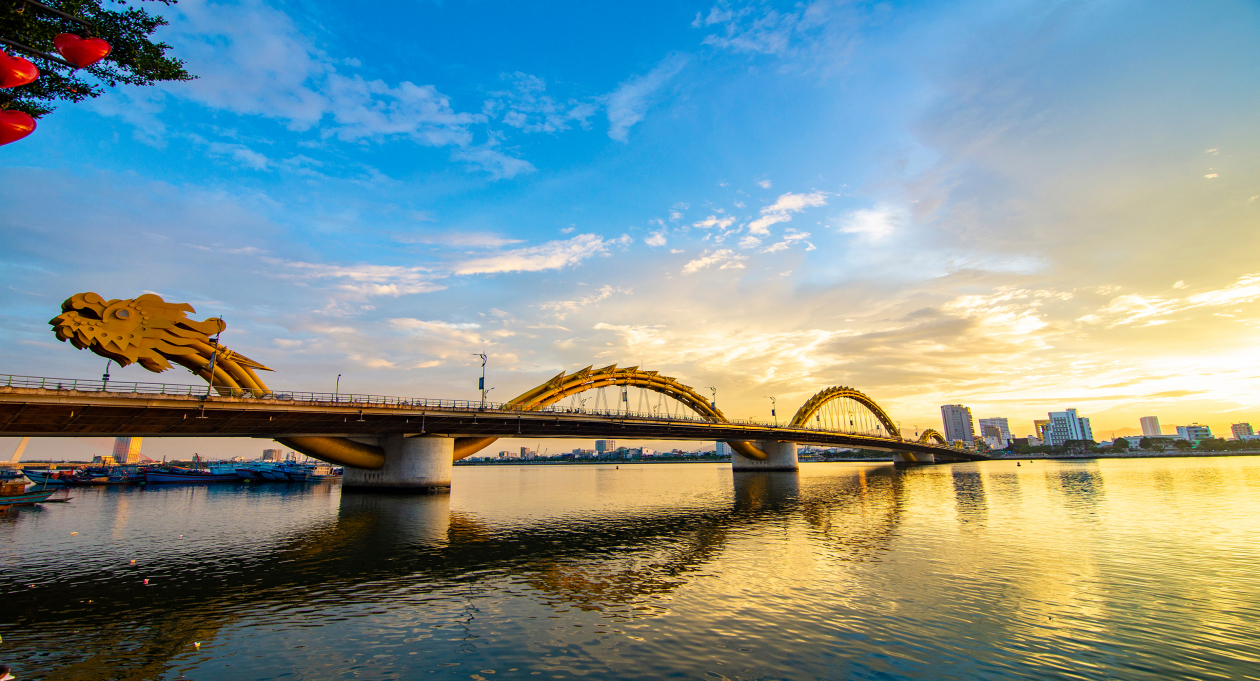
Both Tokyo and Da Nang offer exceptional day trip opportunities, appealing to different interests, making this a tie. From Tokyo, you can easily access the scenic beauty of Hakone, famous for its views of Mount Fuji, hot springs, and Lake Ashi (Hakone Free Pass for around ¥6,100/$40). Nikko, a UNESCO World Heritage site with stunning shrines and temples like Toshogu Shrine, is also a popular choice (2-hour train, ~¥5,000/$33 round trip). Kamakura, with its iconic Great Buddha (entrance ¥300/$2) and numerous temples, offers a dose of ancient history just an hour away by train (~¥1,000/$7 round trip). Da Nang serves as an incredible base for exploring Central Vietnam's rich heritage. The most popular day trip is to Hoi An Ancient Town, a UNESCO site with charming lantern-lit streets, tailor shops, and historic architecture (30-minute taxi/Grab, ~300,000 VND/$12 round trip). Another must-see is the My Son Sanctuary, an ancient Hindu temple complex of the Cham civilization (1.5-hour drive, entrance ~150,000 VND/$6). For something completely different, Ba Na Hills offers the Golden Bridge and a French village theme park via a record-breaking cable car (entrance ~850,000 VND/$35). As one traveler summed it up, “Tokyo has amazing natural and historical day trips by train, but Da Nang's proximity to Hoi An and My Son is unbeatable for cultural immersion.” Both cities excel in providing diverse and memorable excursions.
Winner takeaway
- Winner: Tie
- Why: Both destinations offer a fantastic array of unique and easily accessible day trips, catering to diverse interests from nature and ancient history to unique cultural experiences.
- Who this matters for: Travelers who enjoy exploring beyond the city limits and appreciate a variety of historical, cultural, and natural excursions.
🛍️ Shopping
Tokyo is a global shopping mecca, offering an astonishing range of goods that cater to every possible interest and budget, making it the clear winner. From the high-end luxury boutiques of Ginza and Omotesando (think Louis Vuitton, Chanel, etc.) to the trendy, quirky fashion of Harajuku's Takeshita Street. Akihabara is the go-to district for electronics, anime, manga, and gaming, where you can find unique collectibles and gadgets. Department stores like Isetan and Mitsukoshi offer an incredible selection of everything imaginable, often with gourmet food halls in the basement. Don Quijote stores provide discount goods and souvenirs 24/7. Even convenience stores have unique snacks and drinks. Da Nang's shopping scene is more focused on local crafts, tailored clothing, and everyday goods. While there are modern malls like Vincom Plaza and Big C, the real charm lies in places like Han Market or Con Market, where you can haggle for local produce, dried goods, silk, and souvenirs. Nearby Hoi An is famous for its custom tailors, where you can get a suit or dress made in 24-48 hours for a fraction of Western prices (e.g., a custom suit for $150-300 USD). A traveler observed, “Tokyo is where you go to spend money on cool stuff you can't find anywhere else. Da Nang is great for cheap tailors and local trinkets, but it's not the same retail therapy.” For sheer variety, innovation, and global brands, Tokyo dominates.
Winner takeaway
- Winner: Tokyo
- Why: Tokyo offers an unparalleled and diverse shopping experience, from high fashion and cutting-edge electronics to unique pop culture goods and traditional crafts.
- Who this matters for: Shopaholics, fashion enthusiasts, tech geeks, collectors, and anyone looking for unique souvenirs and high-quality goods.
❓ Frequently Asked Questions
Which city is better for a solo traveler?
Both cities are excellent for solo travelers, but for different reasons. Tokyo offers unparalleled safety, efficiency, and endless activities to do independently, though it can feel expensive and sometimes isolating. Da Nang is more budget-friendly, social (especially in hostels), and easier to meet other travelers, offering a more relaxed solo experience.
What's the best time of year to visit each city?
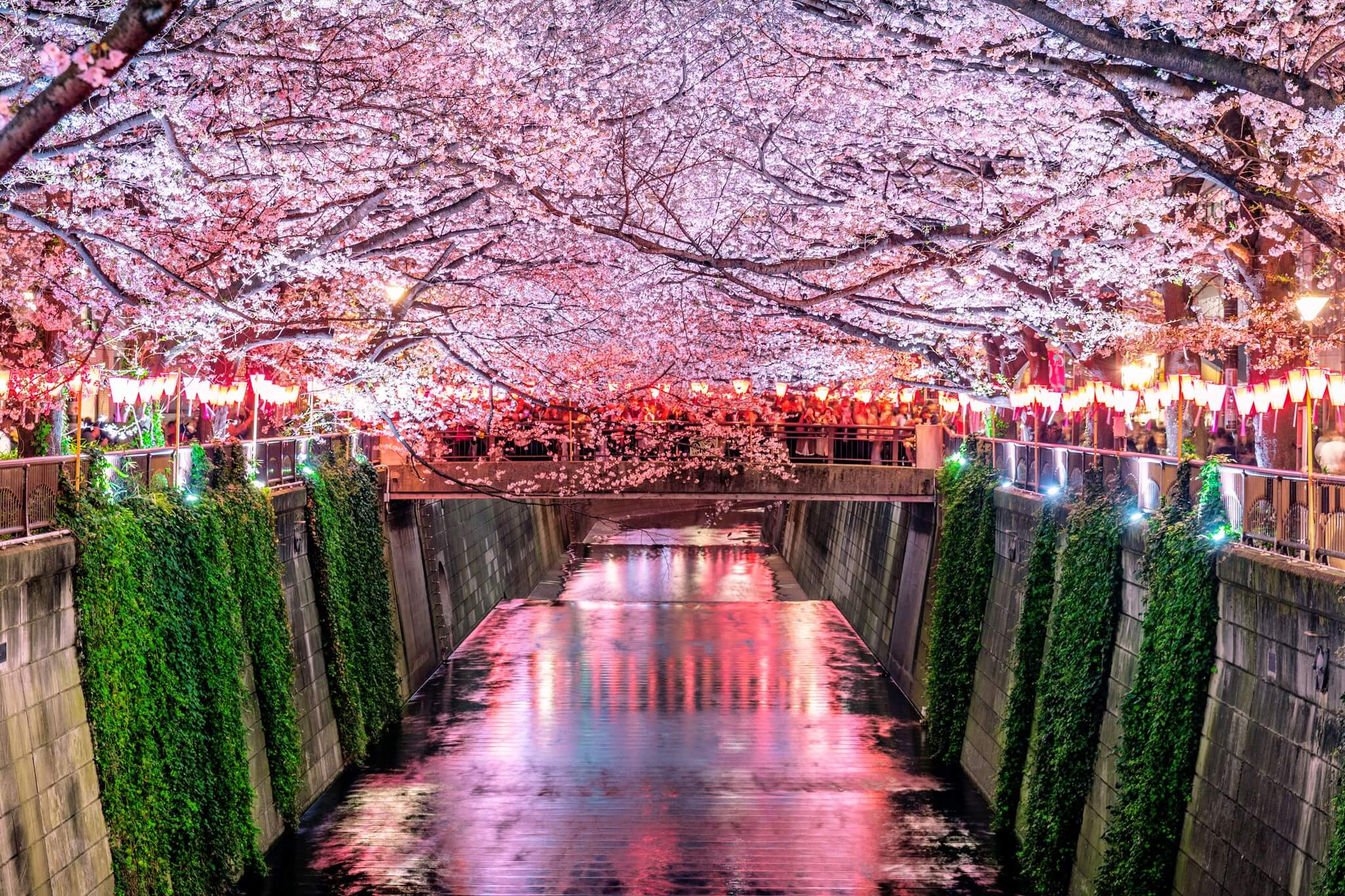
For Tokyo, spring (March-May) for cherry blossoms or autumn (October-November) for vibrant foliage offer pleasant temperatures. Summer (June-August) is hot and humid. For Da Nang, the dry season from February to May is ideal, with sunny skies and comfortable temperatures. September to January is the rainy season, with potential typhoons.
Can I get by with English in both Tokyo and Da Nang?
In Tokyo, English proficiency can be limited outside of major tourist hubs, train stations, and international hotels, so having a translation app is highly recommended. In Da Nang, English is more widely spoken in tourist areas, hotels, and restaurants, especially among younger generations, making communication generally easier.
Are there any cultural etiquette differences I should be aware of?
In Japan, bowing is common, avoid tipping, always remove shoes indoors, and be mindful of noise levels on public transport. In Vietnam, dress modestly when visiting temples, use both hands when giving or receiving, and avoid public displays of affection. Haggling is common in markets in Da Nang, but not expected in Tokyo.
Which city is more family-friendly?
Tokyo offers a fantastic array of family-friendly attractions like Disneyland, DisneySea, Ghibli Museum, and numerous interactive museums, all with excellent infrastructure and safety. Da Nang offers beautiful beaches, water parks, and the fun of Ba Na Hills, but the infrastructure and diverse family activities might not match Tokyo's sheer volume and polish.
How do the coffee cultures compare?
Tokyo has a sophisticated and diverse coffee scene, from artisanal third-wave coffee shops to themed cafes and traditional kissaten (coffee houses). Quality is high. Da Nang, like much of Vietnam, has a strong and unique coffee culture centered around robusta beans, often served with condensed milk (cà phê sữa đá). It's more about traditional, strong, and sweet iced coffees, though modern cafes are emerging.
Which city has better hiking or outdoor adventure opportunities?
Da Nang offers more immediate and accessible outdoor adventures, with the Marble Mountains for light hiking/caving, Son Tra Peninsula for scenic drives and views, and easy access to national parks. While Tokyo has excellent day trips for hiking (e.g., Mount Takao), the immediate urban environment is less geared towards adventure sports.
What's the visa situation for common nationalities like US/EU citizens?
For Tokyo (Japan), many nationalities, including US and EU citizens, can enter visa-free for up to 90 days for tourism. For Da Nang (Vietnam), visa requirements vary. US citizens typically need a visa in advance, or an e-visa. Many EU citizens are eligible for 15-45 day visa exemptions, but this should always be verified with the latest government regulations prior to travel.
Ready to plan your unforgettable trip?
Get a free custom itinerary for Tokyo, Da Nang, or both — built from real traveler insights.
🎟️ Book Tours & Experiences
Hand-picked tours and activities for both destinations — book with free cancellation
Experiences via Viator — free cancellation on most tours