How we built this comparison
This page combines traveler discussion patterns, published price ranges, flight schedules, and seasonal data to help you decide between Tokyo and Hakone.
- Reviewed 500+ Reddit threads from r/travel, r/solotravel, r/JapanTravel, etc.
- Verified costs and logistics against current booking platforms like Booking.com, Odakyu, and local attraction websites.
- Cross-referenced seasonal patterns and weather data from the Japan Meteorological Agency.
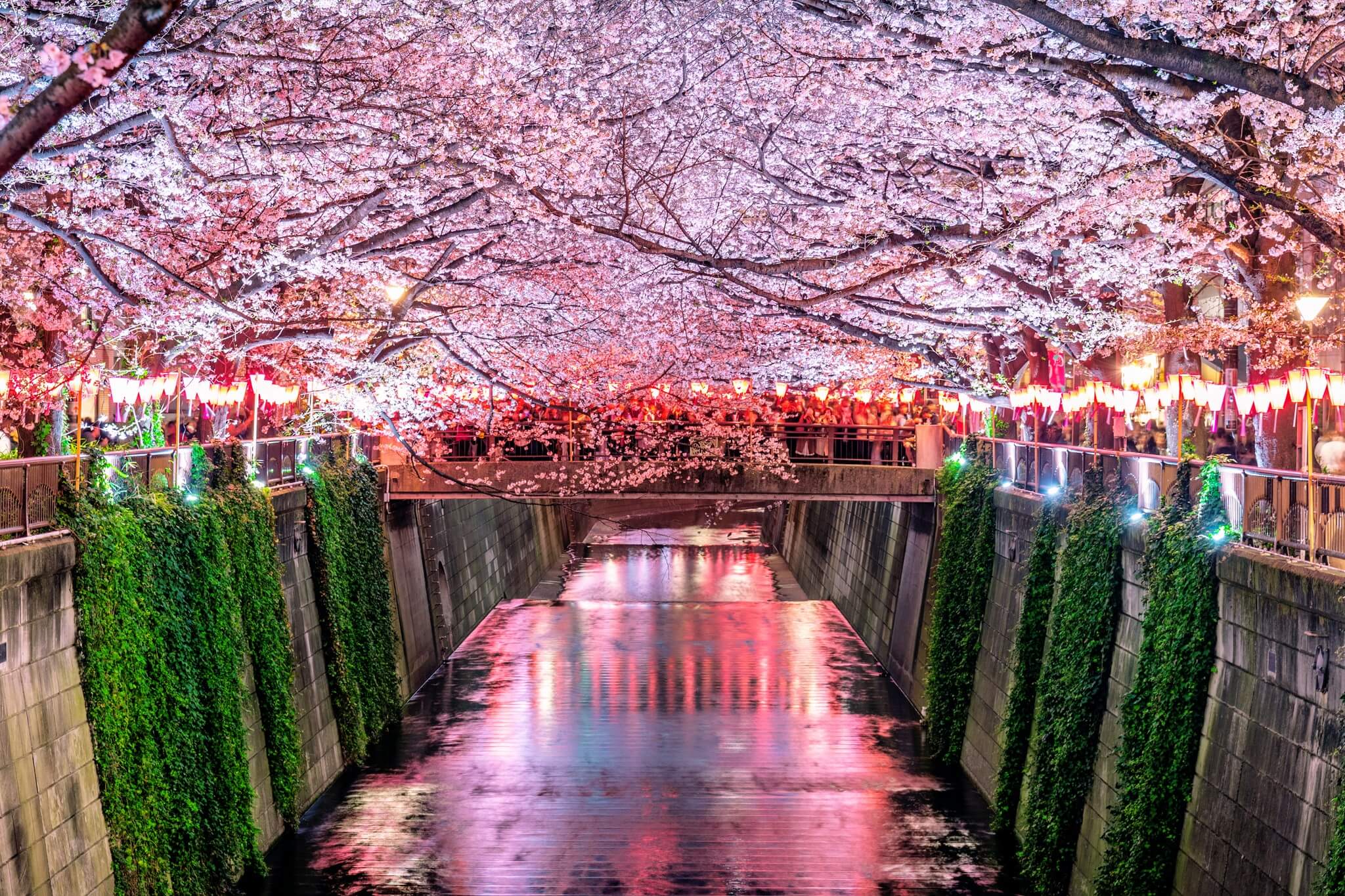
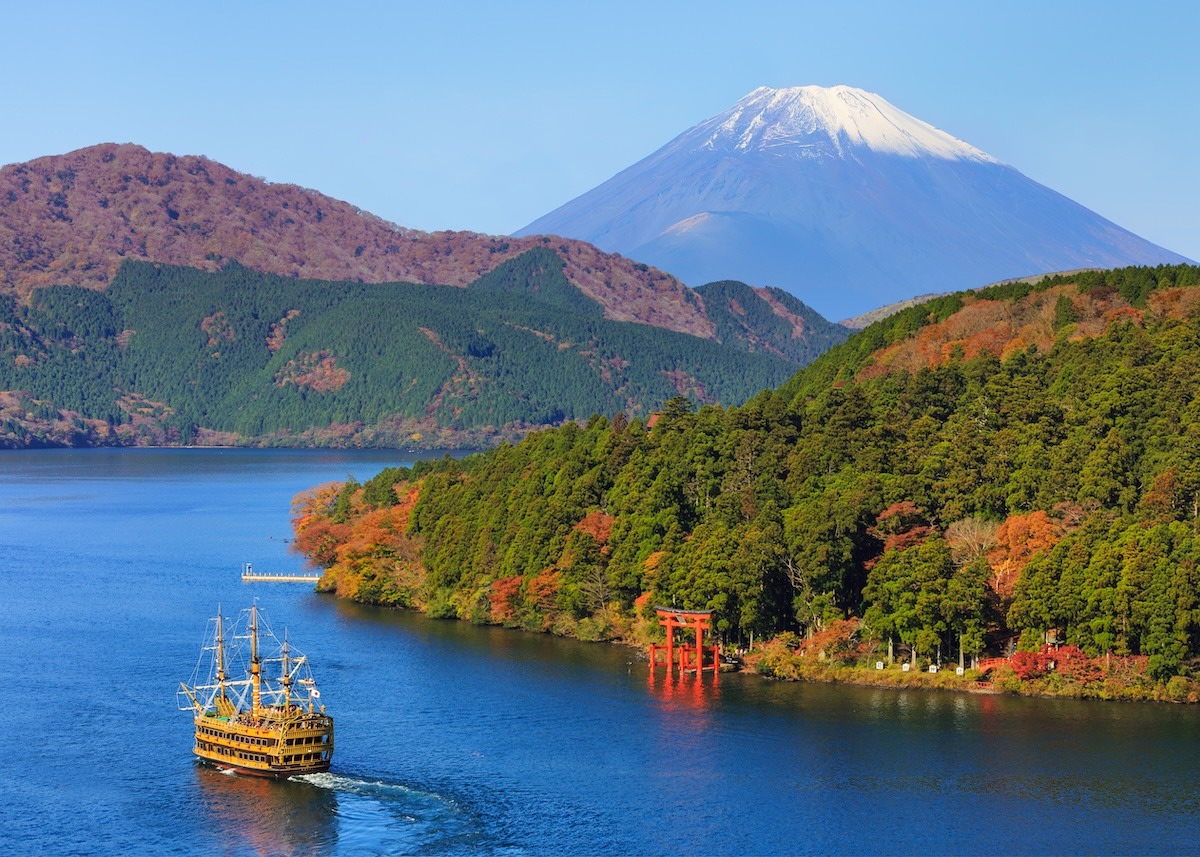
⚡ The TL;DR Verdict
Choose Tokyo if you crave endless urban exploration, world-class dining, and vibrant nightlife, budgeting around ¥15,000-¥30,000 ($100-$200) daily. Opt for Hakone for tranquil nature, hot springs, and iconic Mt. Fuji views, with a daily budget of ¥20,000-¥40,000 ($135-$270) due to ryokan costs. Both offer unique, essential Japanese experiences.
- Choose Tokyo: You're a city explorer, food lover, or nightlife enthusiast seeking constant stimulation, cutting-edge trends, and deep cultural dives into modern Japan. Perfect for solo travelers and groups who thrive on energy.
- Choose Hakone: You prioritize relaxation, natural beauty, traditional Japanese experiences like onsen and ryokans, and breathtaking scenic views. Ideal for couples, families, or anyone needing a peaceful escape from city buzz.
- Choose Both: If you have 7+ days, combining Tokyo's dynamism with Hakone's tranquility offers a perfectly balanced Japanese itinerary. Spend 4-5 days immersing yourself in Tokyo, then 2-3 days unwinding in Hakone, easily accessible by direct train.
Quick Comparison
| Category | Tokyo | Hakone | Winner |
|---|---|---|---|
| Food & Dining | Unrivaled culinary diversity, from Michelin-starred kaiseki to street food, ramen, and themed cafes. | Focus on traditional ryokan meals (kaiseki), local soba, and unique onsen-boiled specialties. | Tokyo |
| Nightlife & Entertainment | Vibrant and diverse nightlife, from themed bars and karaoke to mega-clubs and intimate izakayas. | Extremely quiet evenings, focused on relaxation at your ryokan; very limited public nightlife options. | Tokyo |
| Culture & History | Mix of ancient temples (Senso-ji) and modern art, pop culture, and futuristic experiences. | Rich in traditional art, shrines, onsen culture, and historical landmarks amidst natural beauty. | Tie |
| Costs & Budget | Generally higher accommodation costs, but very reasonable food and transport options. | Ryokan stays are a significant expense; Hakone Free Pass offers good value for sightseeing. | Tie |
| Nature & Scenery | Limited natural green spaces within the urban sprawl, mostly city parks. | Stunning natural beauty, volcanic landscapes, lake views, and iconic Mt. Fuji vistas. | Hakone |
| Getting Around | Extensive, efficient, and reliable subway and train network; easy with a Suica/Pasmo card. | Requires using a 'loop' of various transport modes (train, bus, ropeway, boat), best with a Hakone Free Pass. | Tokyo |
| Accommodation | Wide range from capsule hotels to luxury high-rises, business hotels, and unique themed stays. | Dominated by traditional ryokans with onsen access; fewer Western hotel chains. | Tokyo |
| Shopping | World-class shopping from luxury brands and department stores to unique niche markets and electronics. | Limited to local crafts, souvenirs, and specialty foods; not a shopping destination. | Tokyo |
| Pace of Travel | Fast-paced, high-energy, constantly stimulating; demands a lot of walking and quick transitions. | Relaxed, tranquil, slow-paced; perfect for unwinding and leisurely appreciation of scenery. | Hakone |
| Family Friendliness | Offers diverse attractions like Disney, Ghibli Museum, science centers, and large parks. | Appeals with lake cruises, ropeways, and outdoor museums; nature-focused and less overwhelming. | Tokyo |
🍣 Food & Dining
Tokyo is a global culinary titan, offering an astounding array of dining experiences unmatched anywhere. You can indulge in a Michelin-starred sushi omakase for ¥30,000-¥50,000 ($200-$340) per person, slurp a delicious bowl of ramen at Ichiran or Afuri for ¥1,000-¥1,500 ($7-$10), or explore the endless izakayas in Shinjuku Golden Gai or Shibuya. Don't forget the vibrant food halls in department stores like Isetan or the fresh seafood at Tsukiji Outer Market. Hakone, by contrast, shines with its traditional ryokan dining, often featuring multi-course kaiseki meals included with your stay, highlighting local seasonal ingredients for ¥8,000-¥20,000 ($55-$135) per person if dining à la carte. Beyond that, options are more limited to local soba shops or cafes. You'll find unique regional snacks like 'black eggs' (onsen tamago) in Owakudani, but it simply can't compete with Tokyo's sheer volume and variety. "Honestly, I spent like ¥8000 on ramen in Tokyo over three days, no regrets. Don't skimp!" a Reddit user once advised.
Winner takeaway
- Winner: Tokyo
- Why: Tokyo offers an unparalleled spectrum of dining, from budget-friendly street eats to world-class fine dining.
- Who this matters for: Foodies, gourmands, and anyone looking for diverse and exciting culinary adventures.
🌃 Nightlife & Entertainment
Tokyo truly comes alive after dark, offering an electrifying nightlife scene that caters to every taste. You can sing your heart out at a karaoke box like Big Echo or Karaoke Kan for ¥2,000-¥5,000 ($13-$34) for a few hours, explore the tiny, quirky bars of Shinjuku Golden Gai (many have a cover charge of ¥500-¥2,000 or $3-$13), or dance until dawn at mega-clubs in Shibuya like Womb or ageHa, where entry can be ¥3,000-¥5,000 ($20-$34). Themed restaurants like the Robot Restaurant (though touristy, it's an experience for ¥8,500 or $58) add to the spectacle. Hakone, on the other hand, is the antithesis of this. Evenings are almost exclusively spent relaxing at your ryokan, enjoying an onsen, or perhaps a quiet drink at a hotel bar. Public nightlife is virtually nonexistent; the focus is on peace and tranquility after a day of sightseeing. "Golden Gai is an experience, but be prepared for small bars and maybe a cover. We hit one with a ¥1000 cover and stayed for hours and it was great," noted a traveler.
Winner takeaway
- Winner: Tokyo
- Why: Tokyo's nightlife is an endless playground of diverse options, while Hakone offers almost none.
- Who this matters for: Party-goers, social butterflies, and anyone who enjoys lively evenings out.
⛩️ Culture & History
Both Tokyo and Hakone offer profound cultural experiences, albeit of different kinds. Tokyo provides a fascinating blend of old and new: you can explore the ancient Senso-ji Temple in Asakusa (free entry), wander the Imperial Palace East Garden (free), delve into the Edo-Tokyo Museum (¥600, $4), or immerse yourself in cutting-edge digital art at teamLab Planets TOKYO (¥3,200, $22). The city is a living museum of modern Japanese pop culture. Hakone, conversely, offers a more traditional and nature-integrated cultural experience. Key sites include the stunning Hakone Shrine on Lake Ashi, the Hakone Open-Air Museum (¥1,600, $11) with its impressive sculptures against mountain backdrops, and the numerous traditional ryokans that embody Japanese hospitality and onsen culture. The region itself, with its volcanic activity and spiritual sites, feels steeped in history. "The Open-Air Museum in Hakone was surprisingly incredible, didn't expect to love it as much as I did with the views," shared a traveler online. While Tokyo offers breadth and modernity, Hakone provides depth and tradition in a serene setting, making them complementary rather than competitive in this category.
Winner takeaway
- Winner: Tie
- Why: Both offer distinct yet equally rich cultural and historical experiences, one urban and modern, the other traditional and natural.
- Who this matters for: Everyone, as cultural preferences vary greatly from ancient traditions to modern art.
💰 Costs & Budget
Comparing costs requires nuance. Tokyo can be surprisingly affordable or incredibly expensive, depending on your choices. Budget travelers can find capsule hotels for ¥4,000-¥7,000 ($27-$48) a night, business hotels for ¥10,000-¥20,000 ($68-$135), and meals for ¥1,000-¥2,000 ($7-$13). Transport is efficient with a Suica/Pasmo card, costing a few hundred yen per ride. A comfortable daily budget for Tokyo is ¥15,000-¥30,000 ($100-$200). Hakone's main cost driver is accommodation, specifically traditional ryokans with onsen access and kaiseki meals, which can easily range from ¥25,000-¥80,000+ ($170-$540+) per person per night. Food outside of ryokan meals is moderately priced, with local eateries offering dishes for ¥1,200-¥2,500 ($8-$17). However, the Hakone Free Pass (¥6,100 for 2 days, $41) is excellent value, covering all major transport modes for sightseeing. "The Hakone Free Pass is a no-brainer if you're doing the loop. Saved us a ton compared to individual tickets for the ropeway and boat," a Redditor advised. So, while Tokyo's base costs are lower, Hakone's unique experiences often come with a higher price tag for lodging, balancing the overall daily spend if you opt for a premium ryokan.
Winner takeaway
- Winner: Tie
- Why: Tokyo offers more budget-friendly options overall, but Hakone provides good value through its Free Pass for unique, higher-cost experiences.
- Who this matters for: Budget-conscious travelers vs. those prioritizing unique, luxurious experiences like ryokan stays.
🏞️ Nature & Scenery
This category is a clear win for Hakone. While Tokyo boasts beautiful urban green spaces like Shinjuku Gyoen National Garden (¥500, $3.40) and Yoyogi Park, they are curated pockets of nature amidst a concrete jungle. Hakone, however, is a natural wonderland. Its volcanic landscape features the active sulfuric vents of Owakudani, accessible via the Hakone Ropeway (¥1,500 for a round trip, $10). Lake Ashi offers serene boat cruises (included in the Free Pass) with breathtaking views of Mt. Fuji on clear days, framed by torii gates of Hakone Shrine. The lush forests, hot springs, and mountainous terrain provide endless opportunities for hiking and tranquil contemplation. "If you're looking for peace and quiet, Tokyo ain't it. Hakone was perfect for unwinding after the Shibuya crowds, and the Fuji views were insane on a clear day," a traveler recounted. Hakone's entire appeal is centered around its pristine natural environment and the iconic views it affords, making it a sanctuary for nature lovers.
Winner takeaway
- Winner: Hakone
- Why: Hakone is a dedicated natural retreat, offering iconic landscapes and views that Tokyo simply cannot replicate.
- Who this matters for: Nature lovers, photographers, and those seeking tranquility and scenic beauty.
🚆 Getting Around
Tokyo's public transportation system is legendary for its efficiency, punctuality, and comprehensiveness. The vast network of JR lines and subway lines can get you anywhere you need to go quickly and reliably. Using a Suica or Pasmo IC card makes tapping in and out effortless, with individual rides typically costing ¥170-¥300 ($1.15-$2). English signage is prevalent, and navigation apps like Google Maps are indispensable. Hakone's transportation, while unique and part of the experience, is more complex and less intuitive than Tokyo's. The 'Hakone Round Course' involves a combination of the Hakone Tozan Railway, Hakone Tozan Cable Car, Hakone Ropeway, and sightseeing cruise on Lake Ashi. While scenic, it requires more planning and transfers. The Hakone Free Pass (¥6,100 for 2 days, $41) is almost essential for cost-effectiveness and convenience, allowing unlimited rides. "Tokyo's subway feels like a puzzle at first, but once you get the hang of it, it's seriously the best way to get anywhere, super fast," a user shared. Tokyo wins for sheer ease, speed, and simplicity.
Winner takeaway
- Winner: Tokyo
- Why: Tokyo's public transport is unmatched in its efficiency, coverage, and user-friendliness for navigating a large city.
- Who this matters for: Travelers prioritizing seamless navigation and minimal travel time within their destination.
🏨 Accommodation
Tokyo offers an astounding variety of accommodation options to suit every budget and style. You can experience a futuristic stay in a capsule hotel for ¥4,000-¥7,000 ($27-$48), opt for a clean and efficient business hotel like APA or Dormy Inn for ¥10,000-¥20,000 ($68-$135), splurge on a luxury hotel in Shinjuku or Ginza (e.g., Park Hyatt, Mandarin Oriental for ¥40,000+, $270+), or try a quirky themed hotel. The sheer volume ensures competitive pricing and availability. Hakone's accommodation scene is largely defined by its traditional ryokans, many featuring private or communal onsen (hot springs) and exquisite kaiseki dining. These can range from charming family-run inns to opulent resorts, often starting around ¥25,000-¥80,000+ ($170-$540+) per person per night, making them a significant investment but a quintessential Japanese experience. Western-style hotels are fewer and further between. "We booked a ryokan with a private onsen in Hakone, totally splurged but it was the highlight. Worth every yen, seriously. But for variety, Tokyo wins," commented a traveler. While Hakone offers a unique, iconic stay, Tokyo's diversity and competitive pricing make it more accessible and flexible.
Winner takeaway
- Winner: Tokyo
- Why: Tokyo provides a much broader range of accommodation types and price points, offering greater flexibility for travelers.
- Who this matters for: Budget travelers, those seeking specific hotel styles, or anyone wanting many options.
🛍️ Shopping
Tokyo is a global shopping mecca, a paradise for consumers of all kinds. From the high-end luxury boutiques of Ginza, where designer items can cost hundreds of thousands of yen, to the trendy fashion districts of Shibuya (Shibuya 109) and Harajuku, you'll find everything. Akihabara caters to electronics, anime, and manga enthusiasts, while Kappabashi Street offers kitchenware. Don Quijote stores are ubiquitous for discount goods and souvenirs. You can easily spend days just browsing. Hakone, in stark contrast, is not a shopping destination. Shopping here is primarily focused on local specialties and souvenirs, such as onsen manju (steamed buns), traditional crafts, and items related to the Hakone Open-Air Museum. You might find a unique piece of Hakone marquetry (yosegi zaiku), but you won't be doing any serious retail therapy. "Tokyo's shopping is insane, I blew so much on clothes and anime figures in Akihabara. Hakone was just little souvenir shops," a visitor admitted. If shopping is a priority, Tokyo wins hands down with its unparalleled variety and scale.
Winner takeaway
- Winner: Tokyo
- Why: Tokyo offers an unrivaled shopping experience, catering to every taste, budget, and interest, from luxury to quirky souvenirs.
- Who this matters for: Fashion enthusiasts, tech geeks, souvenir hunters, and anyone who enjoys retail therapy.
🧘 Pace of Travel
Tokyo is a city that never stops, and its pace of travel reflects that. Days are packed with exploring bustling districts, navigating crowded train stations, and walking miles between attractions. It's an exhilarating, high-energy experience perfect for those who thrive on constant stimulation and want to see and do as much as possible. You'll often be on your feet for 10-12 hours a day, constantly moving from one exciting spot to the next. Hakone, on the other hand, is the epitome of a relaxed pace. Days are spent leisurely cruising on Lake Ashi, soaking in onsen, exploring museums at your own speed, or simply enjoying the views from your ryokan. There's no rush, no pressure to see everything. It's a place designed for unwinding and slow travel, allowing you to truly decompress. "After a week in Tokyo, Hakone felt like a necessary exhale. We just chilled, soaked in the onsen, and watched Fuji, it was perfect," a traveler shared. For those seeking a break from the hustle, Hakone offers a much-needed slower rhythm.
Winner takeaway
- Winner: Hakone
- Why: Hakone provides a serene and slower pace, ideal for relaxation and escaping the rush of daily life.
- Who this matters for: Travelers seeking relaxation, a break from urban chaos, and a tranquil escape.
👨👩👧👦 Family Friendliness
Tokyo offers an incredible array of family-friendly attractions that can keep kids of all ages entertained. You have the magic of Tokyo Disneyland and DisneySea (tickets around ¥8,900-¥10,900, $60-$74), the enchanting Ghibli Museum (requires advance booking, ¥1,000, $7), interactive science museums like the National Museum of Emerging Science and Innovation (Miraikan, ¥620, $4.20), and vast parks like Ueno Park with its zoo. The excellent public transport means even with strollers, getting around is manageable, and convenience stores make snacks easy. Hakone, while beautiful, has a more niche appeal for families. The Hakone Round Course itself, with its various modes of transport – the scenic boat ride on Lake Ashi, the ropeway over volcanic vents – can be exciting for children. The Hakone Open-Air Museum is also engaging for kids with its interactive sculptures. However, beyond these, the focus shifts to adult-oriented activities like onsen and quiet contemplation. "Our kids loved Disney and the Ghibli Museum in Tokyo, definitely the highlight for them. Hakone was pretty but more for us adults," a parent recounted. For sheer volume and variety of kid-focused entertainment, Tokyo is hard to beat.
Winner takeaway
- Winner: Tokyo
- Why: Tokyo boasts a wider and more diverse range of attractions specifically designed to entertain children and families.
- Who this matters for: Families with young children or teenagers looking for dedicated entertainment options.
❓ Frequently Asked Questions
How many days should I allocate for Tokyo and Hakone?
For Tokyo, aim for at least 4-5 full days to cover major districts and attractions without rushing. For Hakone, 1-2 full days are usually sufficient to complete the scenic loop and enjoy a ryokan stay. If combining both, a 7-day trip (5 Tokyo, 2 Hakone) is ideal.
When is the best time to visit Tokyo and Hakone?
Spring (March-May) for cherry blossoms and Autumn (October-November) for vibrant fall foliage offer the most pleasant weather and stunning scenery in both locations. Summer can be hot and humid, while winter is cold but often brings clear views of Mt. Fuji.
Can I see Mt. Fuji clearly from Hakone?
Yes, on clear days, you can get spectacular views of Mt. Fuji from various points in Hakone, especially from Lake Ashi during a cruise or from the Hakone Ropeway. However, cloud cover is common, so clear views are never guaranteed and require some luck.
Is Hakone worth a day trip from Tokyo?
While doable as a long day trip, Hakone is best experienced with an overnight stay to fully enjoy the ryokan and onsen experience without feeling rushed. A day trip allows you to see the main sights but misses the evening tranquility.
Do I need a JR Pass for travel between Tokyo and Hakone?
The Hakone Free Pass is more relevant for Hakone itself. For travel between Tokyo and Hakone, the Odakyu Romancecar is convenient and not covered by the JR Pass. If you're only visiting Tokyo and Hakone, a JR Pass is unlikely to pay off; individual tickets are usually cheaper.
What's the easiest way to travel from Tokyo to Hakone?
The easiest way is to take the Odakyu Romancecar from Shinjuku Station in Tokyo directly to Hakone-Yumoto Station. The journey takes about 85-95 minutes and costs around ¥2,330 ($16) for a one-way ticket, often bundled with the Hakone Free Pass.
Are there vegetarian or vegan food options available in both locations?
Tokyo has increasingly more vegetarian and vegan-friendly restaurants, especially in popular tourist areas, though it still requires some research. Hakone's options are more limited, primarily found in larger hotels or by requesting dietary accommodations at ryokans in advance.
What's the main difference in atmosphere?
Tokyo offers an electrifying, sensory-overload atmosphere with constant motion and innovation. Hakone provides a serene, introspective atmosphere, focused on natural beauty, relaxation, and traditional Japanese tranquility. They are truly two different worlds.
Ready to plan your Japan trip?
Get a free custom itinerary for Tokyo, Hakone, or both — built from real traveler insights.
🎟️ Book Tours & Experiences
Hand-picked tours and activities for both destinations — book with free cancellation
Experiences via Viator — free cancellation on most tours