How we built this comparison
This page combines traveler discussion patterns, published price ranges, flight schedules, and seasonal data to help you decide between Tokyo and Hanoi.
- Reviewed 100+ Reddit threads from r/travel, r/solotravel, r/JapanTravel, r/Vietnam, and specific city subreddits.
- Verified costs and logistics against current booking platforms (Booking.com, Skyscanner, Google Flights, Grab) and official tourism sites.
- Cross-referenced seasonal patterns, weather data, and major festival dates for optimal travel times.
⚡ The TL;DR Verdict
Tokyo is for those craving cutting-edge experiences, unparalleled efficiency, and a deep dive into Japanese culture, albeit with a higher price tag (expect $100-250+/day). Hanoi offers an immersive, budget-friendly (think $30-80/day) adventure through history, incredible food, and vibrant street life for travelers who embrace the beautiful chaos of Southeast Asia.
- Choose Tokyo: If you prioritize spotless efficiency, diverse culinary excellence from Michelin stars to ramen stalls, world-class shopping, anime culture, and don't mind a higher budget. Perfect for a clean, safe, and exciting city break with incredible public transport.
- Choose Hanoi: For the adventurous, budget-conscious traveler seeking rich history, incredible street food, bustling markets, and a truly authentic Southeast Asian experience. Ideal for those who enjoy a bit of sensory overload and are looking to stretch their dollar further.
- Choose Both: If you have 3+ weeks and a decent travel budget, combining these two offers a fantastic East vs. Southeast Asia contrast. Start with Tokyo for a week of futurism and culture, then fly to Hanoi for a more grounded, historical, and culinary adventure for another week or more. The cultural shock and delights will be immense.
Quick Comparison
| Category | Tokyo | Hanoi | Winner |
|---|---|---|---|
| Costs & Budget | Significantly higher daily expenses, especially for accommodation and transport. Food can be reasonable if you stick to local eats. | Extremely budget-friendly for all aspects of travel, offering excellent value for money. | Hanoi |
| Food & Dining | Unrivaled culinary diversity, from Michelin-starred kaiseki to world-famous ramen, sushi, and izakaya. Emphasis on precision and quality ingredients. | A street food paradise with an incredible array of flavorful, fresh, and cheap dishes. Famous for pho, bun cha, banh mi, and egg coffee. | Tie |
| Culture & History | A fascinating blend of ancient traditions (temples, shrines) and ultra-modern pop culture. Emphasis on harmony, respect, and meticulousness. | Deeply historical city with a rich past, evident in its French colonial architecture, ancient temples, and museums detailing its struggles and triumphs. | Hanoi |
| Nightlife & Entertainment | Diverse and vibrant nightlife, from themed izakayas and karaoke boxes to chic cocktail bars and high-energy clubs in areas like Shibuya and Shinjuku. | Lively but more relaxed nightlife, centered around bia hoi corners, casual bars in the Old Quarter, and a few growing club scenes. | Tokyo |
| Getting There & Flights | Excellent global connectivity to Narita (NRT) and Haneda (HND), with many direct flights. Flight costs can be high. | Well-connected to Noi Bai International Airport (HAN), with increasing direct flights, especially from within Asia. Generally more affordable flights. | Hanoi |
| Getting Around & Transport | World-class, incredibly efficient, punctual, and clean public transport system (trains, subways). English signage is prevalent. | Chaotic but charming street-level transport dominated by motorbikes, cheap Grab rides, and taxis. Public buses are an option. | Tokyo |
| Accommodation | Wide range from capsule hotels and business hotels to luxury options. Space is at a premium, so rooms can be small but are always impeccably clean. | Excellent value for money across all categories, from hostels and budget guesthouses to charming boutique hotels and luxury resorts. | Hanoi |
| Safety & Vibe | Extremely safe, low crime rates, and a very orderly, respectful atmosphere. Can feel a bit overwhelming with crowds but generally calm. | Generally safe for tourists, but petty theft can occur. The vibe is bustling, energetic, and a bit chaotic, but friendly. | Tokyo |
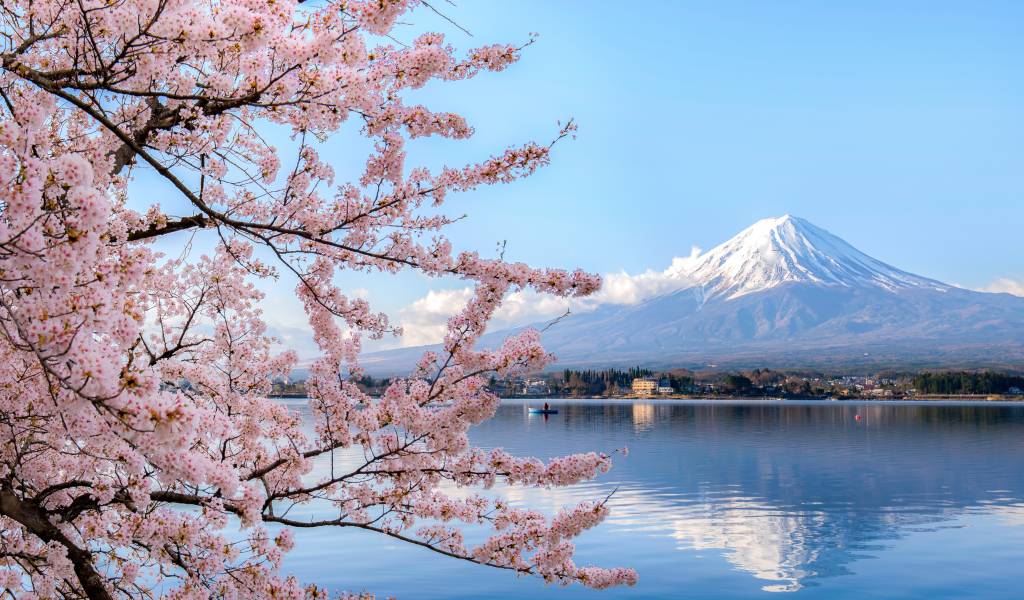
| Day Trips & Nature | Access to stunning natural beauty and cultural sites like Mt. Fuji, Hakone, and Nikko, all easily reachable by train. | Gateway to iconic natural wonders like Halong Bay and cultural gems like Ninh Binh, requiring more organized tours or longer travel. | Tokyo |
| Shopping | A global shopping mecca offering everything from high fashion and electronics to unique Japanese crafts, anime goods, and quirky souvenirs. | Vibrant markets for local crafts, textiles, and tailor-made clothing. Haggling is expected, offering good value for money. | Tokyo |
💰 Costs & Budget
Let's be blunt: Tokyo will drain your wallet faster than a bullet train. A decent hotel room in Tokyo starts around ¥10,000-¥15,000 ($65-100 USD) per night, while you can find fantastic guesthouses or even boutique hotels in Hanoi for ₫500,000-₫1,000,000 ($20-40 USD). Food can be managed in Tokyo with ramen (¥800-¥1200 / $5-8), convenience store meals, and standing sushi bars, but a nice dinner can easily hit ¥5,000+ ($35+). In Hanoi, street food dishes are often ₫30,000-₫70,000 ($1.20-3), and even a sit-down meal at a good restaurant rarely exceeds ₫300,000 ($12). Transport in Tokyo adds up with individual train tickets (¥150-¥300 per ride), whereas Grab rides in Hanoi are incredibly cheap. 'Honestly, after a week in Tokyo, I felt like I was bleeding money, but Hanoi felt like I was living like royalty on a backpacker budget.' You'll need at least $100-250+ per day for Tokyo, while Hanoi can be comfortably explored on $30-80 per day.
Winner takeaway
- Winner: Hanoi
- Why: Hanoi offers an incredible travel experience for a fraction of Tokyo's cost, making it accessible to a wider range of budgets.
- Who this matters for: Budget travelers, long-term travelers, and anyone looking to maximize their travel dollar.
🍜 Food & Dining
This is the toughest call, as both cities are absolute food meccas, just in different ways. Tokyo boasts more Michelin stars than any other city, offering everything from exquisite sushi at Sukiyabashi Jiro (reservations years in advance, thousands of dollars) to budget-friendly, yet phenomenal, ramen at Ichiran or Tsukemen. The department store food halls (depachika) are a gourmet wonderland, and izakayas offer a fantastic social dining experience. Hanoi, on the other hand, is the undisputed king of street food. Imagine grabbing a bowl of Bun Cha at Bún chả Hương Liên (where Obama ate) for ₫70,000 ($3), or a freshly made Banh Mi 25 for ₫40,000 ($1.60). The flavors are bold, fresh, and incredibly diverse, from pho to spring rolls to the unique Egg Coffee at Cafe Giang. 'Tokyo is refined art, Hanoi is raw, delicious soul. You can't compare apples and oranges, you just eat both until you burst.' Both cities offer unforgettable culinary journeys; it just depends on whether you prefer meticulous presentation and diverse high-end options or an immersive, chaotic, and incredibly flavorful street food scene.
Winner takeaway
- Winner: Tie
- Why: Both cities offer world-class, distinct culinary experiences that cater to different tastes and budgets, making it impossible to pick a single winner.
- Who this matters for: Foodies, gourmands, and anyone whose travel revolves around eating delicious things.
⛩️ Culture & History
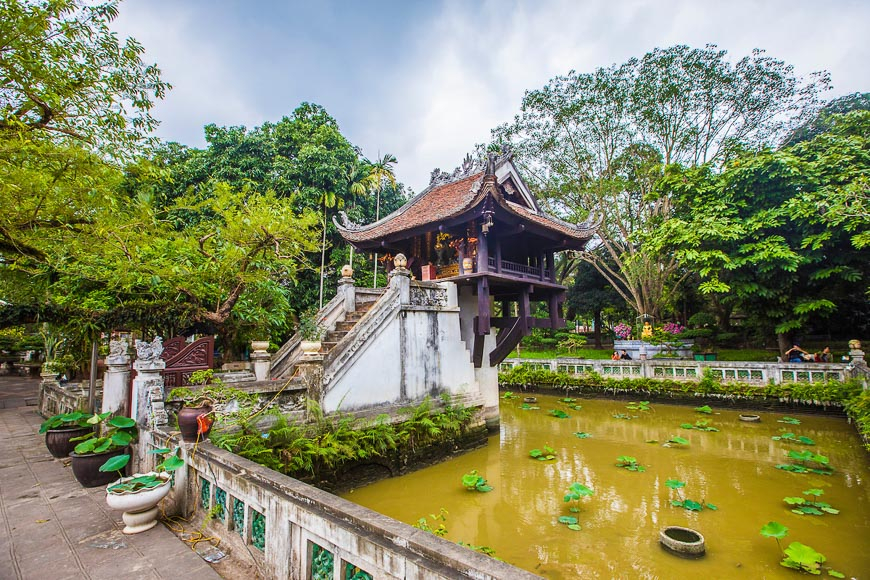
Tokyo offers a compelling mix of the old and new. You can visit the ancient Senso-ji Temple in Asakusa, wander through the serene Imperial Palace East Garden, or explore the Meiji Jingu Shrine. Yet, just a train ride away, you're immersed in the futuristic neon glow of Shibuya Crossing, the quirky fashion of Harajuku, or the anime haven of Akihabara. It's a culture of politeness, efficiency, and quiet dignity. Hanoi, however, feels like history seeping from every brick. The Old Quarter, with its narrow streets and tube houses, has been a commercial hub for centuries. The French Quarter boasts stunning colonial architecture, like the Hanoi Opera House. Must-sees include the Temple of Literature, Hoan Kiem Lake, and the sobering Hoa Lo Prison (Hanoi Hilton). The city's recent history of war and resilience is palpable. 'Hanoi just oozes history and character from every street corner, you can literally feel the centuries. Tokyo is amazing, but it's more about modern culture blending with pockets of tradition.' The weight and continuity of Hanoi's history, combined with its unique blend of influences, gives it the edge.
Winner takeaway
- Winner: Hanoi
- Why: Hanoi's tangible, omnipresent history and unique blend of East Asian and French colonial influences create a profoundly immersive cultural experience.
- Who this matters for: History buffs, architecture enthusiasts, and those seeking a deep dive into traditional and colonial heritage.
🌃 Nightlife & Entertainment
Tokyo's nightlife is legendary and incredibly diverse. Whether you want to sing your heart out in a private karaoke room in Shinjuku Golden Gai, sip craft cocktails in a hidden bar in Ginza, or dance until dawn in a Shibuya club like Womb or ageHa, Tokyo has it all. The themed bars (robot restaurants, themed cafes) offer unique, if sometimes touristy, experiences. Exploring the tiny, atmospheric bars of Golden Gai is an essential Tokyo experience, with drinks typically ¥800-¥1500 ($5-10). Hanoi's nightlife is much more laid-back but still very enjoyable. It revolves heavily around the Old Quarter, especially 'Beer Street' (Ta Hien Street), where you can sit on tiny plastic stools and enjoy cheap bia hoi (fresh beer) for as little as ₫10,000-₫20,000 ($0.40-0.80) a glass. There are increasingly stylish cocktail bars like Tadioto, and a few clubs like 1900 Le Theatre, but it lacks the sheer variety and scale of Tokyo. 'Tokyo's nightlife is next level, you can find literally anything you want, from chill jazz bars to insane themed places. Hanoi is fun for cheap beer and people-watching, but it's not the same energy.' Tokyo offers a more sophisticated, varied, and wild nightlife experience.
Winner takeaway
- Winner: Tokyo
- Why: Tokyo offers an unparalleled diversity of nightlife experiences, from high-energy clubs to unique themed bars and intimate izakayas, catering to every preference.
- Who this matters for: Party-goers, social butterflies, and anyone looking for unforgettable after-dark adventures.
✈️ Getting There & Flights
Both Tokyo and Hanoi are well-served by international airports. Tokyo has two major hubs, Narita (NRT) and Haneda (HND), both with excellent connectivity to major cities worldwide. Haneda is closer to the city center and often preferred. A direct flight from the US West Coast to Tokyo can take 9-11 hours, from the East Coast 13-15 hours. Round-trip flights often range from $800-1500+. Hanoi's Noi Bai International Airport (HAN) is also a significant hub, especially for flights within Asia, and has growing direct routes from Europe and North America. Flights from the US West Coast to Hanoi typically involve one stop and take 15-20 hours, with prices ranging from $600-1200+. From Europe, flights are usually 10-14 hours. While Tokyo might have more direct options from certain major cities, the overall flight cost to Hanoi is generally lower, and the flight time difference isn't prohibitive enough to offset the cost savings for many. 'Found a crazy deal for Hanoi round trip from LAX for like $700, Tokyo was double that. Worth the extra layover time for sure.' For most travelers, the more accessible pricing to Hanoi makes it the winner here, even with potentially longer travel times.
Winner takeaway
- Winner: Hanoi
- Why: Hanoi generally offers more affordable flight options from various global origins, making it more accessible budget-wise despite potentially longer travel times.
- Who this matters for: Budget-conscious travelers and those whose primary concern is the total trip cost.
🚇 Getting Around & Transport
Tokyo's public transportation system is a marvel of modern engineering. The JR train lines and Tokyo Metro subway are incredibly extensive, punctual to the second, clean, and surprisingly easy to navigate with an IC card (Suica or Pasmo) and Google Maps. Getting anywhere in the city is a breeze, though individual rides can add up. A day pass might be ¥600-¥1000 depending on the line. Navigating Hanoi's streets, on the other hand, is an experience in itself. Pedestrians weave through a constant, swirling river of motorbikes. While there are public buses, most tourists rely on Grab (ride-hailing app for cars and motorbikes) which is incredibly cheap (e.g., ₫30,000-₫70,000 / $1.20-3 for a cross-city ride). Taxis are also plentiful but confirm the meter or agree on a price. 'Tokyo's subway system is pure magic. You can get anywhere, it's never late, and it's spotless. Hanoi, bless its heart, is a beautiful mess; just download Grab and embrace the chaos.' For sheer efficiency, ease, and stress-free travel, Tokyo is in a league of its own.
Winner takeaway
- Winner: Tokyo
- Why: Tokyo's public transportation system is a global benchmark for efficiency, punctuality, and cleanliness, making getting around seamless and stress-free.
- Who this matters for: First-time international travelers, those who prefer comfort and efficiency, and anyone intimidated by chaotic traffic.
🏨 Accommodation
Accommodation in Tokyo is generally more expensive and often smaller. A standard business hotel like a Dormy Inn or APA Hotel will cost ¥10,000-¥20,000 ($65-130 USD) per night for a compact room. Capsule hotels (¥3,000-¥6,000 / $20-40) offer a unique experience for budget travelers. Luxury hotels can easily be ¥30,000+ ($200+). While quality is always high, space is a luxury. Hanoi, however, excels in offering incredible value. You can find well-regarded hostels with dorms for ₫100,000-₫200,000 ($4-8), and private rooms in charming guesthouses for ₫300,000-₫700,000 ($12-28). Boutique hotels in the Old Quarter, like La Siesta Classic Ma May, offer luxury experiences for ₫1,500,000-₫3,000,000 ($60-120), which would be considered mid-range in Tokyo. 'I stayed in a gorgeous boutique hotel in Hanoi for $50 a night with breakfast and a pool. The equivalent in Tokyo would be at least $200 and half the size.' For comfort, charm, and space at an unbeatable price point, Hanoi is the clear winner.
Winner takeaway
- Winner: Hanoi
- Why: Hanoi offers exceptional value and a wider range of high-quality, spacious accommodation options across all budget levels.
- Who this matters for: Travelers seeking good value, those on a tighter budget, and anyone who appreciates more space and amenities for their money.
🚨 Safety & Vibe
Tokyo is renowned as one of the safest major cities in the world. Lost and found items are routinely returned, and violent crime is incredibly rare. You can walk alone at night, even in bustling areas, with absolute peace of mind. The vibe is one of efficiency, politeness, and respect, though the sheer number of people can be overwhelming in places like Shibuya Crossing. Hanoi is generally safe for tourists, but it's a bustling Southeast Asian city, so common sense applies. Be mindful of your belongings, especially on busy streets or while crossing the road (bag snatching from motorbikes is not unheard of). Scams, though not rampant, can occur (e.g., inflated taxi fares). The vibe is energetic, lively, and very social, with people often gathering on sidewalks. 'I left my phone on a train in Tokyo, came back an hour later, and it was at the lost and found. Couldn't imagine that happening anywhere else!' While Hanoi offers a vibrant, friendly atmosphere, Tokyo's near-perfect safety record and orderly nature give it the decisive edge.
Winner takeaway
- Winner: Tokyo
- Why: Tokyo is one of the safest major cities globally, offering an unparalleled sense of security and order for travelers.
- Who this matters for: Solo female travelers, families, and anyone who prioritizes safety and a stress-free environment above all else.
🏞️ Day Trips & Nature
Tokyo offers an incredible array of accessible day trips. Within 1-2 hours by train, you can be soaking in an onsen with views of Mt. Fuji in Hakone, exploring the ancient shrines and temples of Nikko (a UNESCO World Heritage site), or visiting the historic capital of Kamakura with its giant Buddha. These destinations are easily reachable via Japan's efficient train network (e.g., Odakyu Romancecar to Hakone, JR trains to Nikko/Kamakura), making self-guided exploration simple and enjoyable. Hanoi is the jumping-off point for some of Vietnam's most iconic natural landscapes, most notably Halong Bay. A two-day, one-night cruise on Halong Bay (expect to pay $150-300+ depending on luxury) is a must-do, but it's a significant time and financial commitment, often involving a 3-4 hour bus transfer each way. Ninh Binh, with its 'Halong Bay on land' karst landscapes and ancient temples, is another popular option (a day trip usually costs $40-80). 'Tokyo's day trips are just so damn easy and varied. You can literally just hop on a train and be in a completely different, beautiful world in an hour. Halong Bay is amazing, but it's a whole production.' While Halong Bay is breathtaking, the sheer ease and variety of day trips from Tokyo give it the win.
Winner takeaway
- Winner: Tokyo
- Why: Tokyo provides exceptionally easy and diverse access to world-class natural and historical sites, perfect for stress-free day trips.
- Who this matters for: Travelers who love exploring outside the main city, nature lovers, and those who appreciate efficient, self-guided excursions.
🛍️ Shopping
Tokyo is a shopper's paradise, offering an unparalleled range of retail therapy. Ginza is home to luxury brands and department stores like Ginza Six. Shibuya and Shinjuku boast trendy fashion, electronics (Bic Camera, Yodobashi Camera), and massive department stores like Isetan. Akihabara is the mecca for electronics, anime, manga, and gaming. Harajuku is the place for unique street fashion and quirky souvenirs. You can find everything from exquisite traditional crafts (e.g., at Tokyo Hands or LOFT) to niche items. Prices reflect quality and brand, but the sheer choice is staggering. Hanoi offers a different, more traditional shopping experience. The Old Quarter is filled with '36 Streets' specializing in various goods, from silk (Hang Gai Street) to silver. Dong Xuan Market is a chaotic, authentic local market experience. You can get tailored clothing made affordably and quickly. Souvenirs like lacquerware, conical hats (nón lá), and coffee are popular. 'Tokyo's shopping is just insane. You can literally spend days just browsing, and find stuff you never even knew you needed. Hanoi is great for souvenirs and custom stuff, but it's not the same scale.' For variety, quality, and sheer choice, Tokyo is unmatched.
Winner takeaway
- Winner: Tokyo
- Why: Tokyo offers an unmatched diversity of shopping experiences, catering to every taste and budget, from luxury fashion to unique subculture goods.
- Who this matters for: Fashionistas, tech enthusiasts, anime fans, and anyone looking for a wide range of high-quality or unique retail options.
❓ Frequently Asked Questions
Which city is better for solo travelers?
Both cities are excellent for solo travelers, but for different reasons. Tokyo is incredibly safe, easy to navigate, and full of unique solo dining experiences. Hanoi is more social, with many hostels and tour groups where it's easy to meet other travelers, and its budget-friendly nature is ideal for solo adventurers. Your preference depends on whether you seek efficiency and quiet comfort (Tokyo) or social interaction and raw adventure (Hanoi).
What's the best time of year to visit Tokyo vs Hanoi?
For Tokyo, spring (March-April) for cherry blossoms and autumn (October-November) for fall foliage are ideal, offering mild weather. Summer is hot and humid, winter is cold but clear. For Hanoi, autumn (September-November) is best with pleasant temperatures and less rain. Spring (March-April) is also nice. Summer (May-August) is hot and rainy, while winter (December-February) can be cool and damp.
Is English widely spoken in Tokyo or Hanoi?
In Tokyo, English proficiency is improving, especially in tourist areas, major stations, and hotels, but it's not universally spoken. Having a translation app and basic Japanese phrases helps. In Hanoi, English is more commonly spoken in tourist-facing businesses, hotels, and among younger generations, but less so with older locals. Communication can be challenging in both, but you'll generally manage in tourist zones.
Which city is more family-friendly?
Tokyo is arguably more family-friendly due to its exceptional safety, cleanliness, efficient public transport, and numerous attractions catering to all ages, from theme parks (DisneySea) to interactive museums. While Hanoi offers cultural experiences, the chaotic traffic and less developed infrastructure can be more challenging with young children. Both offer engaging experiences, but Tokyo provides more ease and convenience for families.
How many days should I spend in each city?
For Tokyo, ideally 5-7 full days to cover major districts and a day trip or two without feeling rushed. For Hanoi, 3-4 full days is usually sufficient to explore the Old Quarter, historical sites, and enjoy the food scene. If planning day trips to Halong Bay or Ninh Binh, add another 2-3 days minimum for Hanoi.
What are the visa requirements for each country?
For Japan (Tokyo), many nationalities (including US, UK, EU, Australia) can enter visa-free for up to 90 days for tourism. For Vietnam (Hanoi), visa requirements vary significantly by nationality. US citizens typically need an e-visa or visa on arrival (with pre-approval letter), while some Southeast Asian and European nationalities may be exempt for shorter stays. Always check the latest requirements for your specific nationality well in advance.
Which city offers a more 'authentic' cultural experience?
This is subjective, but Hanoi often feels more 'authentic' in the sense of raw, everyday life unfolding on the streets, with less of a polished tourist veneer. Its deep history and bustling street culture offer an immediate immersion. Tokyo's authenticity lies in its unique blend of ancient traditions (temples, tea ceremonies) with hyper-modern urban life, often presented with meticulous precision. Both are authentic, just different types.
Can I use my credit card everywhere?
In Tokyo, credit cards are widely accepted in department stores, larger restaurants, and hotels. However, many smaller shops, ramen stalls, and some izakayas still prefer or only accept cash, so always carry Yen. In Hanoi, credit cards are accepted in hotels and larger restaurants, but cash (Vietnamese Dong) is king for street food, market vendors, small shops, and local transport. Always have small denominations ready in both cities.
Ready to plan your unforgettable Asia trip?
Get a free custom itinerary for Tokyo, Hanoi, or both — built from real traveler insights and tailored to your interests.
🎟️ Book Tours & Experiences
Hand-picked tours and activities for both destinations — book with free cancellation
Experiences via Viator — free cancellation on most tours