How we built this comparison
This page combines traveler discussion patterns, published price ranges, flight schedules, and seasonal data to help you decide between Tokyo and Ho Chi Minh City.
- Reviewed 50+ Reddit threads from r/travel, r/solotravel, r/JapanTravel, r/Vietnam, etc. for authentic traveler insights.
- Verified costs, flight routes, and logistics against current booking platforms (Google Flights, Booking.com, Grab).
- Cross-referenced seasonal patterns and weather data from meteorological sources for accurate climate information.
⚡ The TL;DR Verdict
For those craving impeccable service, order, and a truly unique culture where every detail matters, Tokyo is your pick, budget around $100-170/day. If you're after incredible value, bustling street life, and a more raw, sensory adventure, Ho Chi Minh City wins, with daily budgets easily hitting $30-65/day.
- Choose Tokyo: If you prioritize safety, efficiency, unparalleled service, pristine public transport, and unique cultural experiences like cherry blossoms or futuristic tech, and don't mind a higher budget.
- Choose Ho Chi Minh City: If you're seeking a high-energy, affordable destination with incredible street food, historical depth, vibrant nightlife, and don't mind a bit of organized chaos and assertive street vendors.
- Choose Both: For the adventurous traveler with 3+ weeks, combining these offers a mind-blowing contrast. Start in Tokyo for a cultural immersion, then head to HCMC for a budget-friendly sensory overload – direct flights are available, typically 5-6 hours.
Quick Comparison
| Category | Tokyo | Ho Chi Minh City | Winner |
|---|---|---|---|
| Costs & Budget | Significantly higher cost of living and travel, but excellent value for quality. | Extremely budget-friendly, offering incredible value for accommodation, food, and transport. | Ho Chi Minh City |
| Food Scene | World-renowned for precision, quality, and diverse culinary experiences from Michelin-starred to street food. | A vibrant, sensory explosion of street food, fresh ingredients, and unique Vietnamese flavors. | Tokyo |
| Culture & History | A fascinating blend of ancient traditions and hyper-modernity, with unique etiquette and deep spiritual roots. | Rich, tumultuous history marked by war and resilience, vibrant post-colonial architecture, and strong Buddhist traditions. | Tokyo |
| Nightlife | Diverse options from high-energy clubs and themed bars to cozy izakayas and karaoke boxes. | Bustling and lively, centered around street bars, rooftop lounges, and backpacker areas, with a raw, energetic vibe. | Tie |
| Accommodation | Ranges from efficient capsule hotels to luxurious ryokans, generally higher priced but impeccable quality. | Wide array of budget hostels, charming boutique hotels, and serviced apartments, offering great value. | Ho Chi Minh City |
| Getting Around | World-class, highly efficient, and punctual public transportation system (trains/subways). | Dominated by motorbikes and ride-sharing apps (Grab), offering a chaotic but efficient way to navigate. | Tokyo |
| Safety | One of the safest major cities in the world, with extremely low crime rates and high personal safety. | Generally safe for tourists, but petty theft (especially phone snatching) and scams are common concerns. | Tokyo |
| Day Trips & Nature | Offers a mix of scenic natural beauty, historical sites, and cultural experiences easily accessible by train. | Focuses on historical war sites and unique delta landscapes, with less emphasis on traditional nature hikes. | Tokyo |
| Shopping | Diverse range from high-fashion luxury and unique gadgets to quirky souvenirs and traditional crafts. | Known for bustling markets, custom tailoring, unique local crafts, and surprisingly good bargains. | Tokyo |
| Weather & Seasons | Four distinct seasons with pleasant springs and autumns, hot humid summers, and cold dry winters. | Tropical climate with distinct wet and dry seasons, consistently hot and humid year-round. | Tokyo |
💰 Costs & Budget
Tokyo is notoriously expensive, but the quality matches the price. A decent hostel bed can run ¥3,000-¥5,000 (~$20-35), while a mid-range business hotel like an APA Hotel or Toyoko Inn is ¥8,000-¥15,000 (~$55-100). Food can range from ¥1,000 (~$7) for a ramen bowl to ¥5,000+ (~$35+) for a nicer sit-down meal. Public transport is efficient but adds up, around ¥500-¥1,000 ($3.50-7) per day. Ho Chi Minh City, by contrast, is a budget traveler's dream. A good hostel in District 1 is ₫150,000-₫300,000 (~$6-12), and boutique hotels are often ₫500,000-₫1,000,000 (~$20-40). Street food is a steal at ₫30,000-₫60,000 (~$1.20-2.50) per dish, and even a nice restaurant won't break ₫300,000 (~$12). Grab bikes are incredibly cheap, a typical ride costs ₫20,000-₫50,000 (~$0.80-2). "Honestly, after spending a week in Tokyo, HCMC felt like everything was on sale. My daily budget pretty much halved."
Winner takeaway
- Winner: Ho Chi Minh City
- Why: Ho Chi Minh City offers incredible value across all categories, making it far more accessible for budget-conscious travelers.
- Who this matters for: Budget travelers, backpackers, long-term travelers, and anyone looking for maximum bang for their buck.
🍜 Food Scene
Both cities are food paradises, but Tokyo's culinary scene is a league of its own. It boasts the most Michelin stars globally, but you don't need a reservation to eat incredibly well. From slurp-worthy ramen at Ichiran, fresh sushi at Tsukiji Outer Market, to sizzling yakitori in an izakaya in Shinjuku Golden Gai, every meal is an experience in meticulous preparation and quality. Expect to pay ¥1,000-¥2,000 (~$7-14) for a quality ramen or donburi. Ho Chi Minh City excels in its energetic street food culture. Think fragrant pho at Pho Hoa Pasteur (₫60,000 / ~$2.50), crispy banh mi at Banh Mi Huynh Hoa (₫35,000 / ~$1.50), and countless unique dishes like Bún Thịt Nướng or Bánh Xèo found on every corner. While amazing, the hygiene can be variable, and the flavors are more robust and less refined than Tokyo's delicate balance. "Tokyo ramen just hits different, man. The broth, the noodles, the perfect egg... it’s art. HCMC's street food is wild and delicious, but Tokyo takes the crown for sheer perfection."
Winner takeaway
- Winner: Tokyo
- Why: Tokyo's unparalleled quality, diversity, and dedication to culinary perfection, from street stalls to fine dining, give it the edge.
- Who this matters for: Foodies, culinary enthusiasts, those who appreciate precision, presentation, and a wide range of global cuisines executed flawlessly.
🏯 Culture & History
Tokyo offers a seamless blend of ancient traditions and futuristic innovation. You can start your day with a serene visit to Senso-ji Temple in Asakusa, wander through the tranquil Meiji Jingu Shrine amidst a bustling metropolis, and then find yourself immersed in the digital art wonders of teamLab Planets or the neon-lit chaos of Shibuya Crossing. Japanese culture emphasizes respect, order, and intricate rituals, offering a truly unique and often humbling experience. Ho Chi Minh City's history is more recent and tumultuous, heavily influenced by its colonial past and the Vietnam War. Must-visits include the poignant War Remnants Museum, the grand Reunification Palace, and the French-built Notre Dame Cathedral and Central Post Office. The city's energy often feels like a phoenix rising from the ashes, with a resilient spirit. While HCMC offers compelling historical sites, Tokyo's cultural depth feels more pervasive and deeply woven into daily life, from tea ceremonies to sumo wrestling. "Visiting Senso-ji then walking through Shibuya just makes you realize how uniquely Tokyo balances old and new. HCMC's history is powerful, but Tokyo's culture feels more alive and present everywhere you look."
Winner takeaway
- Winner: Tokyo
- Why: Tokyo's ability to juxtapose ancient traditions with cutting-edge modernity, alongside its profound cultural etiquette, provides a richer, more diverse cultural experience.
- Who this matters for: Culture seekers, history buffs interested in East Asian traditions, architecture enthusiasts, and those looking for unique cultural immersion.
🌃 Nightlife
Both cities offer incredible nightlife, just different flavors. Tokyo's nightlife is incredibly diverse and often segmented by district. Shinjuku's Golden Gai offers tiny, unique themed bars, while Kabukicho boasts neon-lit entertainment. Shibuya is home to mega-clubs like Womb and Sound Museum Vision, and Roppongi caters to a more international crowd. Expect to pay ¥1,000-¥2,000 (~$7-14) for a cocktail. Ho Chi Minh City's nightlife is centered around the frenetic Bui Vien Walking Street in District 1, packed with 'beer hoi' street bars, loud music, and a constant party atmosphere. Beyond Bui Vien, there are sophisticated rooftop bars like Chill Skybar or Saigon Skydeck (drinks ₫200,000-₫350,000 / ~$8-14) and hidden speakeasies. The energy in HCMC is more spontaneous and outward, while Tokyo's can be more niche and curated. "Tokyo's Golden Gai is an experience you can't find anywhere else – tiny bars with huge character. But HCMC's Bui Vien is just pure, unadulterated chaos and fun, especially if you're on a budget. Both are amazing for a night out, depends on your mood."
Winner takeaway
- Winner: Tie
- Why: Both cities excel in providing unique and memorable nightlife experiences, catering to different preferences and budgets.
- Who this matters for: Party-goers, social butterflies, those looking for unique bar experiences, and anyone who loves to explore after dark.
🏨 Accommodation
Tokyo's accommodation is characterized by efficiency, cleanliness, and often compact spaces. Capsule hotels are a unique and affordable option (¥3,000-¥5,000 / ~$20-35), while business hotels like APA or Toyoko Inn (¥8,000-¥15,000 / ~$55-100) are pristine and well-located. Traditional ryokans offer a cultural experience but come at a premium. Booking well in advance is crucial, especially during peak seasons. In Ho Chi Minh City, you get significantly more for your money. Clean, social hostels in District 1 (e.g., The Dorm Saigon) are often just ₫150,000-₫300,000 (~$6-12). Mid-range boutique hotels (e.g., The Myst Dong Khoi) can be found for ₫1,500,000-₫3,000,000 (~$60-120), offering excellent amenities and stylish designs that would cost triple in Tokyo. Serviced apartments are also popular for longer stays. The range and affordability in HCMC simply make it easier to find comfortable lodging without breaking the bank. "I stayed in a really nice boutique hotel in HCMC for less than a capsule in Tokyo. The value difference is insane, especially if you like a bit of luxury on a budget."
Winner takeaway
- Winner: Ho Chi Minh City
- Why: Ho Chi Minh City offers a greater range of comfortable and stylish accommodation options at significantly more affordable prices.
- Who this matters for: Budget travelers, those seeking luxury on a budget, long-term travelers, and anyone who values spacious and affordable lodging.
🚇 Getting Around
Tokyo's public transportation system is legendary. The subway and JR train lines (like the Yamanote Line) are incredibly comprehensive, punctual, clean, and safe. A Suica or Pasmo card makes tap-and-go travel effortless. English signage is prevalent, and staff are always helpful. While it can feel overwhelming at first, it's the most efficient way to get anywhere in the city. A single ride is typically ¥170-¥300 (~$1.20-2). Ho Chi Minh City's primary mode of transport is the motorbike. The sheer volume of bikes is astounding, creating a constant buzz and a unique urban spectacle. Grab (for motorbikes or cars) is the essential app for visitors, offering incredibly cheap and convenient rides (₫20,000-₫50,000 / ~$0.80-2 for most inner-city trips). Walking is possible but challenging due to heat, humidity, and chaotic traffic. While HCMC's Grab system is effective for its environment, Tokyo's system is simply superior in terms of comfort, ease of use, and overall efficiency. "Tokyo's trains are a dream, so fast and clean you barely notice the crowds. HCMC's Grab bikes are an adventure, but crossing the street is a near-death experience sometimes. No contest for stress-free travel."
Winner takeaway
- Winner: Tokyo
- Why: Tokyo's public transportation is unmatched globally for its efficiency, punctuality, cleanliness, and extensive network, making exploration effortless.
- Who this matters for: First-time international travelers, those who prioritize ease and comfort of movement, and anyone who appreciates perfect punctuality.
🚨 Safety
Tokyo is consistently ranked as one of the safest cities globally. Crime rates are remarkably low, even late at night, and incidents of violent crime against tourists are exceedingly rare. You can comfortably walk alone at any hour, leave your bag unattended for a moment (though not advised anywhere), and rely on the honesty of locals if you forget something. This sense of security is truly liberating for travelers. Ho Chi Minh City is generally safe for tourists during the day, but it requires more vigilance. Petty theft, particularly phone snatching by motorcyclists in busy areas, is a real concern, especially around Bui Vien, Ben Thanh Market, and tourist hotspots. Scamming, often involving inflated taxi fares or aggressive street vendors, also occurs. While not dangerous in a violent sense, the constant need for situational awareness can be draining. "In Tokyo, I once left my phone on a train and it was at the lost and found the next day, untouched. In HCMC, I saw a guy snatch a phone right out of someone's hand on a Grab bike. The difference in safety is night and day."
Winner takeaway
- Winner: Tokyo
- Why: Tokyo's exceptional safety record provides an unparalleled sense of security and peace of mind for travelers.
- Who this matters for: Solo travelers (especially women), families with children, first-time international travelers, and anyone who prioritizes personal security.
🏞️ Day Trips & Nature
Tokyo offers an impressive array of diverse and easily accessible day trips. You can escape the city's hustle for the serene mountain landscapes of Hakone, famous for its views of Mount Fuji, hot springs (onsen), and the Hakone Open-Air Museum. Alternatively, delve into ancient history at Nikko, a UNESCO World Heritage site with stunning shrines and temples, or explore the coastal charm and giant Buddha of Kamakura. All are reachable by efficient train services, usually within 1-2 hours. Ho Chi Minh City's day trips lean heavily into its wartime past and the unique Mekong Delta. The Cu Chi Tunnels provide a sobering and immersive look into the Vietnam War, while a Mekong Delta tour offers a glimpse into rural life, floating markets, and lush waterways. While culturally significant, these experiences are less about traditional 'nature' and more about historical education and cultural observation. "Getting to Hakone from Tokyo was so easy, and seeing Fuji-san and relaxing in an onsen felt like a totally different world. HCMC's Cu Chi Tunnels were powerful, but not really the 'escape into nature' vibe I sometimes crave."
Winner takeaway
- Winner: Tokyo
- Why: Tokyo offers a wider variety of scenic natural beauty, historical sites, and cultural experiences that are effortlessly accessible for day trips.
- Who this matters for: Nature lovers, history enthusiasts interested in ancient Japan, those seeking relaxation in hot springs, and photographers.
🛍️ Shopping
Tokyo is a shopper's paradise, catering to every taste and budget. Ginza is home to luxury brands and department stores like Mitsukoshi and Ginza Six. Shibuya is famous for trendy youth fashion (Shibuya 109) and quirky streetwear. Akihabara is the mecca for electronics, anime, and manga. Don't forget the unique souvenir shops and specialty stores selling traditional crafts or obscure pop culture items. The sheer variety and quality are astounding, though prices can be high. Ho Chi Minh City offers a more market-centric and artisan-focused shopping experience. Ben Thanh Market is iconic for souvenirs, clothes, and local goods (be prepared to haggle!). Saigon Centre and Vincom Center offer modern mall experiences with international brands. The city is also famous for custom tailoring, where you can get bespoke suits or dresses made quickly and affordably. While HCMC offers great bargains and unique local finds, Tokyo's scale, diversity, and sheer innovation in retail are unmatched. "I spent hours in Akihabara just browsing gadgets and anime figures, it's a completely different retail universe. HCMC markets are cool for haggling, but Tokyo's shopping is an experience in itself."
Winner takeaway
- Winner: Tokyo
- Why: Tokyo's unparalleled diversity, scale, quality, and unique retail experiences, from high fashion to unique subcultures, make it a superior shopping destination.
- Who this matters for: Fashionistas, tech enthusiasts, anime/manga fans, luxury shoppers, and anyone seeking unique and high-quality souvenirs.
☀️ Weather & Seasons
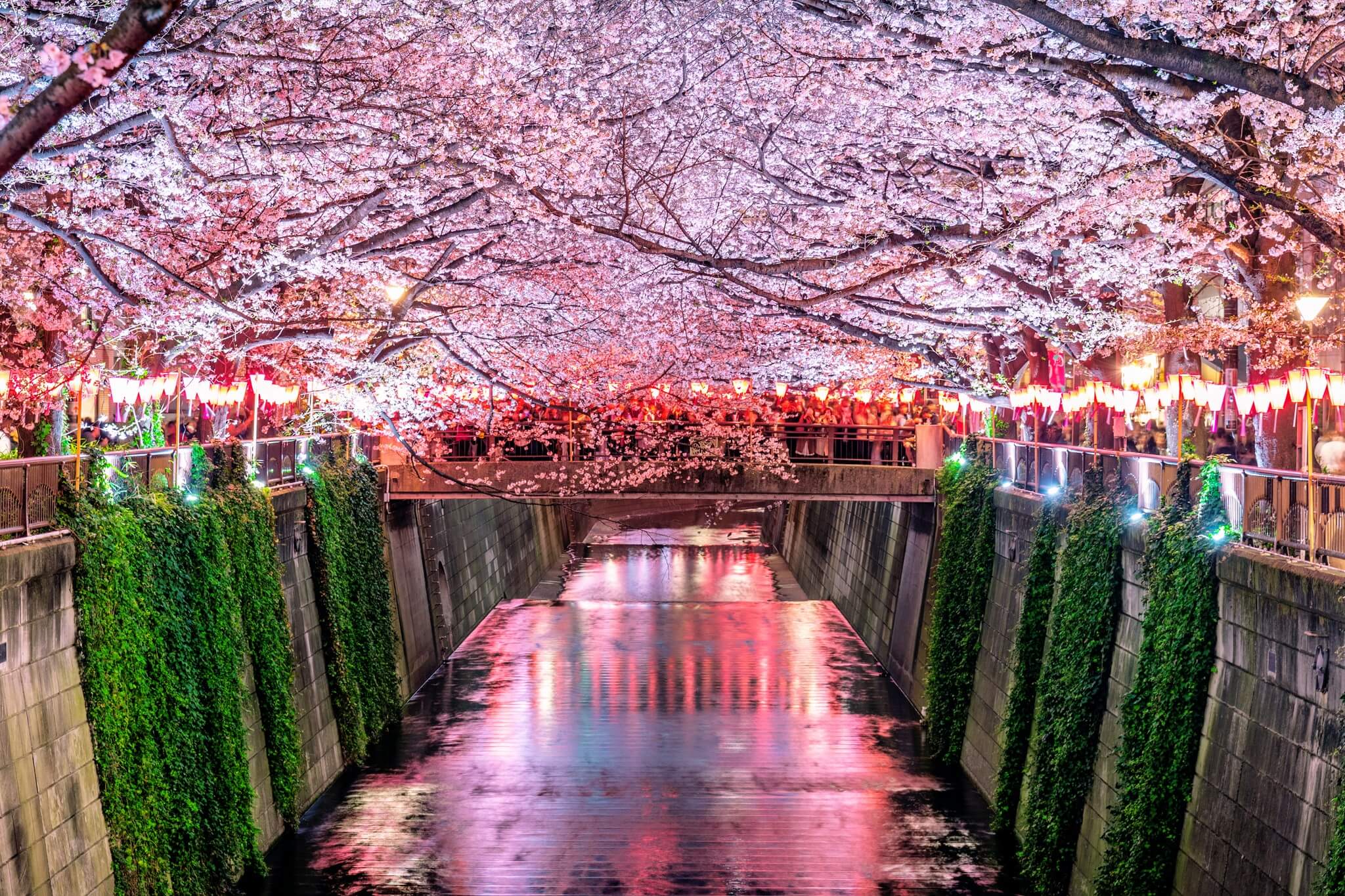
Tokyo experiences four distinct seasons, each offering a different charm. Spring (March-May) is famous for cherry blossoms and mild temperatures (10-20°C / 50-68°F). Autumn (September-November) brings vibrant foliage and pleasant, crisp weather (15-25°C / 59-77°F). Summer (June-August) is hot and very humid (25-35°C / 77-95°F) with a rainy season. Winter (December-February) is cold and dry (0-10°C / 32-50°F) with occasional light snow. This variety allows travelers to choose their preferred climate. Ho Chi Minh City has a tropical climate with two main seasons: dry (December-April) and wet (May-November). It's consistently hot and humid throughout the year, with average temperatures around 28-35°C (82-95°F). The wet season brings heavy but usually short-lived afternoon downpours. While some prefer constant warmth, the relentless humidity and lack of seasonal variation can be challenging for those not accustomed to it. "I loved seeing Tokyo in spring with the cherry blossoms, and then again in autumn with the amazing fall colors. HCMC is great, but that constant humidity really gets to you after a while, I missed a cool breeze."
Winner takeaway
- Winner: Tokyo
- Why: Tokyo's distinct four seasons offer more climatic variety and comfortable travel periods (spring and autumn) compared to HCMC's relentless tropical heat and humidity.
- Who this matters for: Travelers sensitive to extreme heat/humidity, those who appreciate seasonal changes like cherry blossoms or autumn foliage, and photographers.
❓ Frequently Asked Questions
Which city is better for a solo female traveler?
Tokyo is overwhelmingly safer for solo female travelers due to its extremely low crime rates and respectful culture. You'll feel comfortable walking alone at any hour. Ho Chi Minh City is generally safe, but requires more vigilance against petty theft and scams, which can be more taxing for solo travelers.
What's the typical flight time and cost from North America to these cities?
Flights from major North American cities to Tokyo (NRT/HND) are typically 10-12 hours, costing $800-1500+ roundtrip. To Ho Chi Minh City (SGN), it's usually 18-24 hours with layovers, costing $700-1200+ roundtrip. Direct flights to Vietnam are less common than to Japan.
Is it easy to get by with English in both cities?
In Tokyo, English proficiency varies; major tourist areas and train stations usually have English signage and staff, but basic Japanese phrases are very helpful. In Ho Chi Minh City, English is more widely spoken in tourist areas, hotels, and with Grab drivers, making communication generally easier for travelers.
Which city is better for digital nomads?
Ho Chi Minh City offers a significantly lower cost of living, vibrant cafe culture, decent internet speeds, and a large expat community, making it a stronger contender for digital nomads. Tokyo's high cost of living and strict visa rules make it less ideal for long-term remote work, despite excellent infrastructure.
What's the public transport experience like for tourists?
Tokyo's public transport is world-class: incredibly efficient, punctual, and easy to navigate with a Suica/Pasmo card. Ho Chi Minh City's public transport is less developed for tourists; Grab (ride-sharing motorbikes/cars) is the primary and most convenient mode, offering cheap and ubiquitous rides.
Which city is more suitable for families with young children?
Tokyo is generally more family-friendly due to its exceptional safety, cleanliness, efficient transport, and numerous child-focused attractions like Disneyland/DisneySea and Ghibli Museum. Ho Chi Minh City's chaotic traffic and constant need for vigilance might be more stressful for families with young kids.
Are there any specific cultural etiquette tips for each city?
In Tokyo, bowing is common, avoid eating or talking loudly on public transport, and always take off your shoes indoors. In Ho Chi Minh City, avoid touching people's heads, dress modestly when visiting temples, and try to haggle politely in markets.
Which city offers a more 'authentic' cultural experience?
Both offer authentic experiences, but in different ways. Tokyo's authenticity lies in its deeply ingrained traditions, unique subcultures, and impeccable service. Ho Chi Minh City's authenticity is found in its raw street life, vibrant markets, resilience, and sensory overload – it feels less curated and more 'real' in its everyday chaos.
Ready to plan your Southeast Asian adventure or Japanese escapade?
Get a free custom itinerary for Tokyo, Ho Chi Minh City, or both — built from real traveler insights.
🎟️ Book Tours & Experiences
Hand-picked tours and activities for both destinations — book with free cancellation
Experiences via Viator — free cancellation on most tours