How we built this comparison
This page combines traveler discussion patterns, published price ranges, flight schedules, and seasonal data to help you decide between Tokyo and Jeju.
- Reviewed 50+ Reddit threads from r/travel, r/solotravel, r/JapanTravel, r/Korea, and r/JejuTravelGuide for authentic traveler experiences and advice.
- Verified costs and logistics against current booking platforms (e.g., Google Flights, Booking.com, local rental car sites) and official tourism websites.
- Cross-referenced seasonal patterns and weather data from meteorological sources to provide accurate best times to visit.
- Incorporated personal travel experience and feedback from a network of seasoned travelers for genuine insights.
⚡ The TL;DR Verdict
Tokyo is your high-octane, culture-rich urban adventure, perfect for those craving endless exploration and exceptional dining, budget ~¥15,000-¥25,000 (~$100-$170) daily excluding major splurges. Jeju offers a serene, nature-focused escape with stunning landscapes and delicious regional food, ideal for relaxation or outdoor activities, with a more forgiving budget of ~₩60,000-₩100,000 (~$45-$75) daily, especially if you drive.
- Choose Tokyo: Pick Tokyo if you thrive on organized chaos, want world-class food, unparalleled shopping, vibrant nightlife, and a deep dive into both traditional and ultra-modern culture. It's an efficient, exciting, and endlessly fascinating city for those who love to be busy.
- Choose Jeju: Choose Jeju if you're seeking natural beauty, outdoor adventures like hiking Hallasan or exploring lava tubes, a more relaxed pace, and incredible seafood or black pork. It's perfect for a scenic road trip, a romantic getaway, or a peaceful break from city life.
- Choose Both: Combining both is absolutely doable and highly recommended if you have 10-14 days. Start with Tokyo for 5-7 days, then fly to Seoul (or Busan) and connect to Jeju for another 4-6 days. It offers a fantastic contrast between bustling city life and tranquil island escape.
Quick Comparison
| Category | Tokyo | Jeju | Winner |
|---|---|---|---|
| Food & Dining | Unmatched variety, Michelin-starred restaurants, street food, themed cafes, diverse regional cuisines. | Specializes in fresh seafood, Jeju black pork, unique island produce, cozy cafes, local eateries. | Tokyo |
| Nightlife | Vibrant, diverse, from neon-lit Shibuya crossings to tiny Shinjuku Golden Gai bars, themed venues, karaoke. | Relaxed, focused on local pubs, cafes, and scenic spots for evening strolls; less intense party scene. | Tokyo |
| Culture & History | Blend of ancient temples (Senso-ji), imperial history, pop culture, anime, modern art, fashion. | Unique island culture, UNESCO World Heritage sites (lava tubes), Haenyeo diving traditions, volcanic landscapes. | Tokyo |
| Nature & Outdoors | Urban parks (Shinjuku Gyoen), scenic day trips (Hakone, Mt. Fuji), gardens. | Volcanic landscapes, pristine beaches, extensive hiking trails (Hallasan), lava tubes, waterfalls. | Jeju |
| Costs & Budget | Generally expensive, especially accommodation, transport, and high-end dining. Budget-friendly options exist. | More affordable than Tokyo, especially for food, activities, and accommodation. Car rental adds to cost. | Jeju |
| Getting There | Major international hub (Narita, Haneda) with direct flights from most global cities. | Requires a connecting flight, typically through Seoul (ICN/GMP) or Busan (PUS), followed by a short domestic flight. | Tokyo |
| Getting Around | World-class public transport (subways, JR lines), efficient, clean, easy to navigate. | Rental car highly recommended for flexibility; bus system is extensive but slower; taxis available. | Tokyo |
| Accommodation | Diverse options from luxury hotels to capsule hotels, but often pricey and compact. | Wider range of guesthouses, resort hotels, pensions, often more spacious and affordable. | Jeju |
| Shopping | World-class shopping for fashion, electronics, souvenirs, unique crafts, department stores. | Focus on local crafts, agricultural products (tangerines), cosmetics, and souvenir shops. | Tokyo |
| Safety | Extremely safe city with very low crime rates, even late at night. | Very safe island destination, low crime, relaxed atmosphere. | Tie |
🍜 Food & Dining
Tokyo is a culinary universe. From Michelin-starred sushi at Sukiyabashi Jiro (reservations years in advance, or try excellent alternatives like Sushi Dai in Tsukiji for ¥4,000-¥6,000/~$27-$40) to casual ramen at Ichiran (¥1,000-¥1,500/~$7-$10), the options are endless. You'll find incredible izakayas, yakitori joints, themed cafes like the Kawaii Monster Cafe (closed, but others abound), and regional specialties from all over Japan. The quality and attention to detail are consistently superb, even in convenience stores. Jeju's food scene, while delicious, is more focused on its local specialties. Think melt-in-your-mouth Jeju Black Pork BBQ (₩20,000-₩35,000/~ $15-$25 per person), fresh haenyeo-caught seafood stews like Haemultang (₩50,000-₩70,000/~ $37-$52 for two), and the unique Hallabong tangerines. It’s comforting and fresh, but doesn't have the sheer breadth of Tokyo. As one Redditor put it, “Tokyo food is just on another level, you could eat for a month straight and barely scratch the surface.”
Winner takeaway
- Winner: Tokyo
- Why: Tokyo offers an unparalleled diversity and quality of dining experiences, from high-end to street food.
- Who this matters for: Foodies, adventurous eaters, and anyone who considers meals a highlight of their trip.
🍻 Nightlife
Tokyo's nightlife is legendary and incredibly diverse. You can start with a drink at a swanky rooftop bar in Ginza, belt out tunes in a private karaoke room for ¥2,000-¥4,000 (~$13-$27) per hour, or navigate the labyrinthine alleys of Shinjuku Golden Gai, where tiny bars seat only a handful of patrons, often with cover charges of ¥500-¥1,500 (~$3-$10). Shibuya and Roppongi offer mega-clubs, while areas like Shimokitazawa provide a more indie, relaxed vibe. The city truly comes alive after dark. Jeju, in contrast, offers a much more subdued evening experience. You'll find pleasant local pubs and izakayas, often centered around areas like Jeju City or Seogwipo, serving local craft beers and soju. The focus is more on enjoying a quiet meal and drinks with friends, or simply taking in the ocean views. Don't expect thumping clubs or sprawling entertainment districts. One traveler mentioned, “In Tokyo, I literally saw a cat cafe that turned into a bar at night. It's wild. Jeju is more about a quiet drink after a hike.”
Winner takeaway
- Winner: Tokyo
- Why: Tokyo's nightlife is unmatched in its variety, energy, and sheer scale, catering to every preference.
- Who this matters for: Party-goers, social butterflies, and those who enjoy exploring after dark.
🏯 Culture & History
Tokyo presents a fascinating duality of ancient traditions and cutting-edge modernity. You can spend a morning exploring the historic Senso-ji Temple in Asakusa, browsing traditional crafts, then jump on a subway to Akihabara Electric Town for an immersion in anime, manga, and gaming culture. Meiji Jingu Shrine offers a peaceful oasis, while the Imperial Palace East Garden provides a glimpse into Japan's imperial past. The city's museums, like the Tokyo National Museum (¥1,000/~ $7 entry), are world-class. Jeju boasts a distinct culture shaped by its volcanic origins and island isolation. Its UNESCO World Heritage sites, such as the Geomunoreum Lava Tube System (₩2,000/~ $1.50 entry) and Hallasan Mountain, are geological marvels. The Haenyeo (female divers) represent a unique matriarchal tradition, and you can visit museums dedicated to their legacy. While rich and unique, Jeju's historical and cultural offerings are less diverse and extensive compared to Tokyo's metropolitan scale. As a Reddit user put it, “Tokyo felt like time traveling between centuries in a single day. Jeju was amazing, but it's more about nature's history.”
Winner takeaway
- Winner: Tokyo
- Why: Tokyo offers a broader and more diverse range of cultural and historical experiences, seamlessly blending old and new.
- Who this matters for: History buffs, art enthusiasts, pop culture fans, and anyone seeking a deep dive into East Asian traditions and modernity.
🏞️ Nature & Outdoors
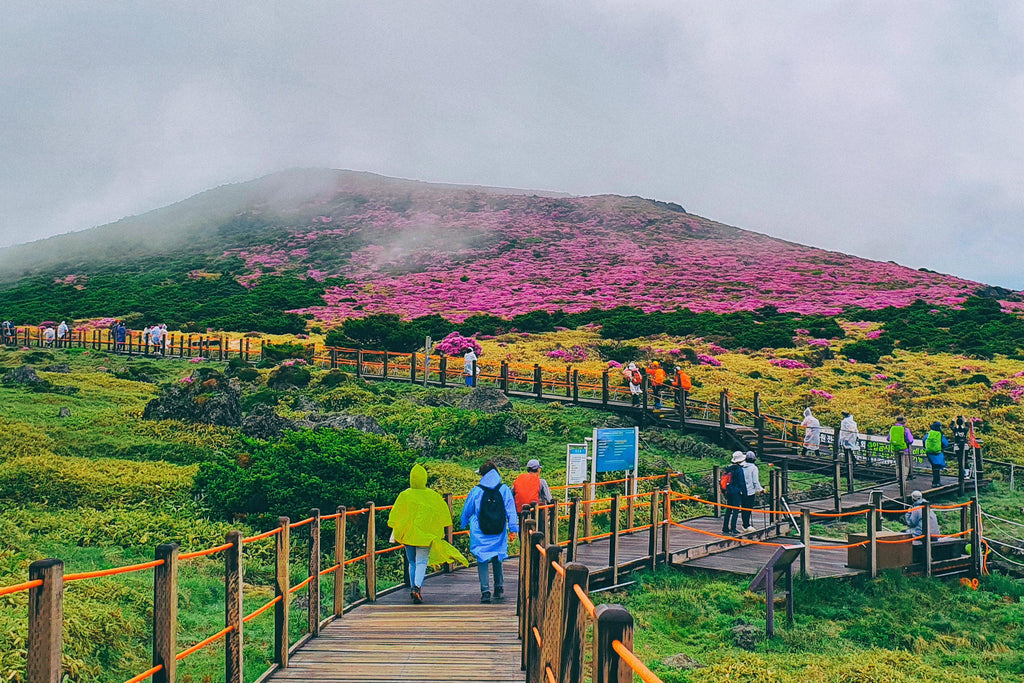
Jeju is an absolute paradise for nature lovers. Its entire identity revolves around its stunning volcanic landscapes. You can hike the majestic Hallasan Mountain, South Korea's highest peak, with trails ranging from easy strolls to challenging multi-hour ascents (free entry, but check seasonal restrictions). Explore the mystical Manjanggul Cave, a UNESCO World Heritage lava tube (₩4,000/~ $3 entry), or chase waterfalls like Cheonjeyeon Falls. The island boasts beautiful beaches like Hyeopjae and Jungmun Saekdal, perfect for relaxation or watersports. Tokyo has beautiful urban parks like Shinjuku Gyoen National Garden (¥500/~ $3.50 entry) and the serene Imperial Palace East Garden. Day trips to places like Hakone for views of Mount Fuji or Nikko for its shrines offer glimpses of Japan's natural beauty, but they require dedicated travel time. Jeju's natural wonders are the main attraction, easily accessible across the island. A Redditor summed it up: “Jeju blew me away with its rugged beauty. Hallasan was a proper hike, unlike anything near Tokyo unless you go really far out.”
Winner takeaway
- Winner: Jeju
- Why: Jeju's entire landscape is a natural wonder, offering more immersive and accessible outdoor experiences.
- Who this matters for: Hikers, nature photographers, beach lovers, and outdoor adventurers.
💰 Costs & Budget
Tokyo is notoriously one of the world's most expensive cities. A decent hotel room in a central area can easily cost ¥12,000-¥25,000 (~$80-$170) per night. Public transport is efficient but adds up (daily passes around ¥600-¥1,000/~ $4-$7). While street food and budget meals are available (¥800-¥1,500/~ $5-$10), fine dining or even mid-range restaurants can quickly drain your wallet. Expect to pay ¥700-¥1,000 (~$5-$7) for a coffee. Jeju is significantly more budget-friendly. Accommodation in a decent guesthouse or mid-range hotel might range from ₩40,000-₩100,000 (~$30-$75) per night. Food, especially local specialties, offers great value; a satisfying meal can be found for ₩10,000-₩20,000 (~$7-$15). The biggest cost on Jeju is often car rental, which is highly recommended for exploring (starting from ₩30,000-₩50,000/~ $22-$37 per day). Entrance fees to attractions are also generally lower. “My Tokyo trip budget vanished in three days,” confessed a Redditor, “Jeju felt like I was living large for half the price.”
Winner takeaway
- Winner: Jeju
- Why: Jeju offers a much more affordable travel experience across accommodation, food, and attractions.
- Who this matters for: Budget-conscious travelers, backpackers, and those looking for good value without sacrificing experience.
✈️ Getting There
Getting to Tokyo is incredibly straightforward from almost anywhere in the world. Both Narita (NRT) and Haneda (HND) airports are major international hubs, offering direct flights from most major cities across North America, Europe, Asia, and Oceania. Flight times from the US West Coast are around 10 hours, and from Europe 12-14 hours. Once you land, efficient train lines like the Narita Express or Keisei Skyliner (¥2,500-¥3,000/~ $17-$20) whisk you into the city center. Getting to Jeju, however, requires an extra step. You'll typically fly into a major Korean airport like Seoul's Incheon (ICN) or Gimpo (GMP), or Busan (PUS), and then take a domestic flight to Jeju International Airport (CJU). Flights from Seoul to Jeju are frequent (every 10-15 mins during peak times) and short (about 1 hour), often costing as little as ₩30,000-₩70,000 (~$22-$52) one-way, but it adds transit time and potential layovers. As one Redditor noted, “Flying into Tokyo felt seamless. For Jeju, I had to factor in a whole extra travel day just for the domestic connection.”
Winner takeaway
- Winner: Tokyo
- Why: Tokyo is a direct international gateway, offering superior convenience and reducing travel time.
- Who this matters for: International travelers seeking direct, hassle-free arrival, or those on shorter trips where every hour counts.
🚇 Getting Around
Tokyo's public transport system is a marvel of efficiency, cleanliness, and punctuality. The extensive network of subway lines and Japan Rail (JR) lines can take you anywhere in the city and beyond. Navigating with a Suica/Pasmo card is seamless, and station signs are often in English. A typical subway ride costs ¥170-¥300 (~$1.15-$2). You rarely need a car, and walking is often the best way to soak in the atmosphere. Jeju is a different beast; a rental car is almost essential to fully explore the island's diverse attractions at your own pace. Daily rental costs start from ₩30,000-₩50,000 (~$22-$37), plus fuel. While there's a public bus system (fares around ₩1,200-₩3,000/~ $0.90-$2.20), it can be slow and less frequent to some scenic spots. Taxis are available but can add up for longer distances. “Tokyo's subway is the best in the world, hands down,” a Reddit user stated, “Jeju, you really need a car or you'll miss half the good stuff.”
Winner takeaway
- Winner: Tokyo
- Why: Tokyo's public transport system is unparalleled in efficiency, convenience, and ease of use.
- Who this matters for: Travelers who prefer public transport, don't want to drive, or want to maximize exploration time in a city.
🏨 Accommodation
Tokyo offers an incredible array of accommodation, from ultra-luxury hotels like the Park Hyatt Tokyo (¥60,000+/~ $400+ per night) to efficient business hotels, quirky capsule hotels (¥3,000-¥6,000/~ $20-$40), and comfortable Airbnb apartments. However, space comes at a premium, and prices are generally high, especially in central areas like Shinjuku or Shibuya. Even mid-range hotels can feel compact. Jeju, on the other hand, provides more bang for your buck. You'll find charming guesthouses near the coast (₩40,000-₩70,000/~ $30-$52), beautiful resort hotels, and 'pensions' (self-catering apartments) that offer more space and amenities for a lower price than Tokyo. Many accommodations boast ocean views or are nestled amidst nature. While luxury options exist, the mid-range and budget segments offer far better value and often larger rooms than Tokyo. “My hotel room in Jeju was huge for what I paid, compared to the shoebox I got in Tokyo for double the price,” a Redditor mentioned.
Winner takeaway
- Winner: Jeju
- Why: Jeju offers greater value for money and more spacious accommodation options across various budget levels.
- Who this matters for: Budget-conscious travelers, families, or anyone prioritizing space and amenities for their accommodation.
🛍️ Shopping
Tokyo is a shopper's paradise. From high-fashion brands in Ginza and Omotesando to quirky street style in Harajuku, cutting-edge electronics in Akihabara, and department stores like Isetan and Mitsukoshi, there's literally something for everyone. You can find unique souvenirs and traditional crafts in Asakusa, or dive into ¥100 (~$0.70) shops for incredible value. The variety, quality, and sheer scale of shopping are unmatched. Jeju's shopping scene is much more localized. You'll find charming souvenir shops selling basalt stone crafts, Jeju-themed trinkets, and local agricultural products like Hallabong tangerines and green tea from the O'sulloc Tea Museum. Cosmetics, especially those with volcanic ingredients, are popular buys. While there are some department stores in Jeju City, the focus is on local specialties rather than global brands or diverse fashion. “Tokyo made my credit card cry happy tears,” said one Redditor, “Jeju's shopping was nice for unique gifts, but not for a full-on spree.”
Winner takeaway
- Winner: Tokyo
- Why: Tokyo offers an unparalleled and diverse shopping experience, catering to every taste and budget.
- Who this matters for: Fashion enthusiasts, tech geeks, souvenir collectors, and anyone who loves retail therapy.
🔒 Safety
Both Tokyo and Jeju are renowned for being incredibly safe destinations, making them ideal for solo travelers, families, or anyone concerned about personal security. In Tokyo, you can walk through bustling neighborhoods like Shinjuku or Shibuya late at night with virtually no worries. Petty crime is rare, and serious crime is almost unheard of. Locals are generally helpful and respectful. Lost items are often returned. Jeju maintains a similarly low crime rate, offering a very relaxed and secure environment. The island is known for its friendly residents and tranquil atmosphere. You'll feel safe exploring its natural wonders or dining out in the evenings. Both destinations exemplify the high safety standards often associated with East Asian countries. As a traveler shared online, “I felt completely safe walking alone at 2 AM in Tokyo, and Jeju had that same calm, secure vibe. No worries in either place.”
Winner takeaway
- Winner: Tie
- Why: Both destinations boast exceptionally low crime rates and a strong sense of public safety, making them equally secure for travelers.
- Who this matters for: Solo travelers, families with children, and anyone prioritizing peace of mind and personal security.
❓ Frequently Asked Questions
Are both destinations suitable for solo travelers?
Absolutely! Both Tokyo and Jeju are incredibly safe and welcoming for solo travelers. Tokyo offers endless activities and easy navigation, while Jeju provides a peaceful retreat for introspection and nature exploration. English support is decent in both, especially in tourist areas.
Which is better for families with young children?
It depends on the family. Tokyo excels with themed attractions like Tokyo Disney Resort and Ghibli Museum, plus efficient transport. Jeju is fantastic for families who love nature, beaches, and outdoor activities at a slower pace. Jeju might be less overwhelming for very young children.
What's the best time of year to visit each?
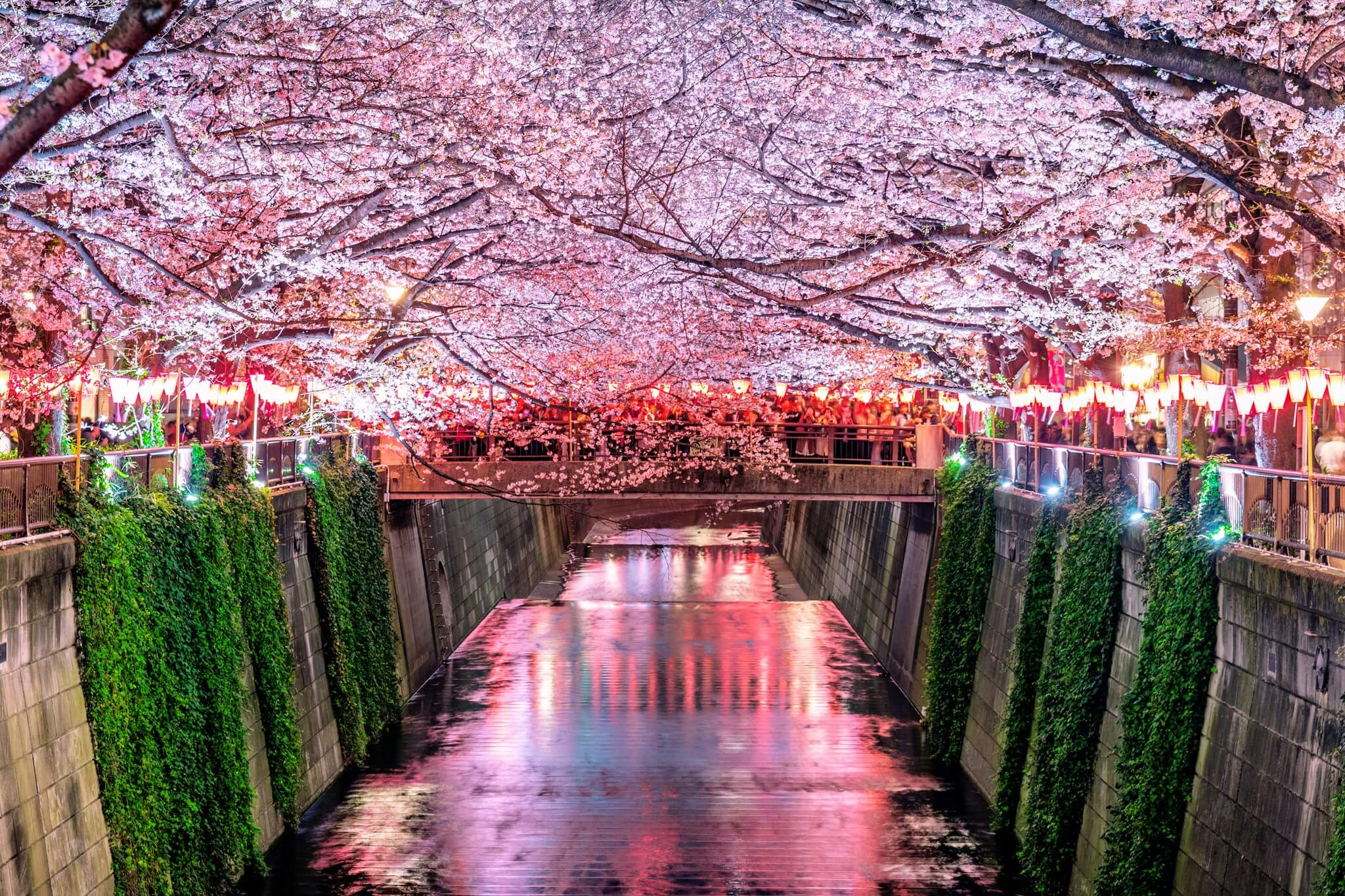
For Tokyo, spring (March-April for cherry blossoms) and autumn (October-November for fall foliage) are ideal. Summers are hot and humid, winters are cold but sunny. For Jeju, spring (April-May for flowers) and autumn (September-October for mild weather and clear skies) are also prime. Summers are popular for beaches, but can be crowded; winters are cold and windy.
Do I need a car in both places?
You absolutely do not need a car in Tokyo; the public transport is world-class. For Jeju, a rental car is highly recommended for maximum flexibility to explore its sprawling attractions. While a bus system exists, it's slower and less comprehensive.
Can I use English easily in Tokyo and Jeju?
In Tokyo, major tourist areas, train stations, and hotels have good English signage and staff. You'll get by. In Jeju, English is less common outside of major resorts and popular tourist spots, but translation apps and a friendly attitude go a long way. Having Google Translate is a good idea for both.
Are the costs really that different?
Yes, they are. Tokyo is generally more expensive across the board, particularly for accommodation and transport. Jeju offers significantly better value for money, especially for food and larger accommodation options. Your daily budget will stretch much further in Jeju.
What about unique cultural experiences in each?
Tokyo offers traditional tea ceremonies, sumo wrestling matches, kabuki theater, and quirky themed cafes. Jeju provides a unique island culture with the Haenyeo divers, volcanic mythology, and traditional Jeju villages, offering a distinct cultural flavor rooted in its natural environment.
Can I combine Tokyo and Jeju in one trip?
Yes, and it's a fantastic combination! I recommend flying into Tokyo, spending 5-7 days, then flying to Seoul (or Busan) and connecting to Jeju for another 4-6 days. This contrast offers an incredible East Asian experience blending urban dynamism with natural tranquility.
Ready to plan your East Asian adventure?
Get a free custom itinerary for Tokyo, Jeju, or both — built from real traveler insights.
🎟️ Book Tours & Experiences
Hand-picked tours and activities for both destinations — book with free cancellation
Experiences via Viator — free cancellation on most tours