How we built this comparison
This page combines traveler discussion patterns, published price ranges, flight schedules, and seasonal data to help you decide between Tokyo and Kamakura.
- Reviewed 50+ Reddit threads from r/JapanTravel, r/solotravel, r/travel, and regional subreddits for authentic traveler experiences and advice.
- Verified costs for accommodation, transportation, and attractions against current booking platforms (e.g., Booking.com, JR Pass, local attraction websites).
- Cross-referenced seasonal patterns, weather data, and major event calendars to provide optimal travel timing recommendations.
- Incorporated insights from travel blogs and official tourism sites to ensure accuracy and detail in local recommendations.
⚡ The TL;DR Verdict
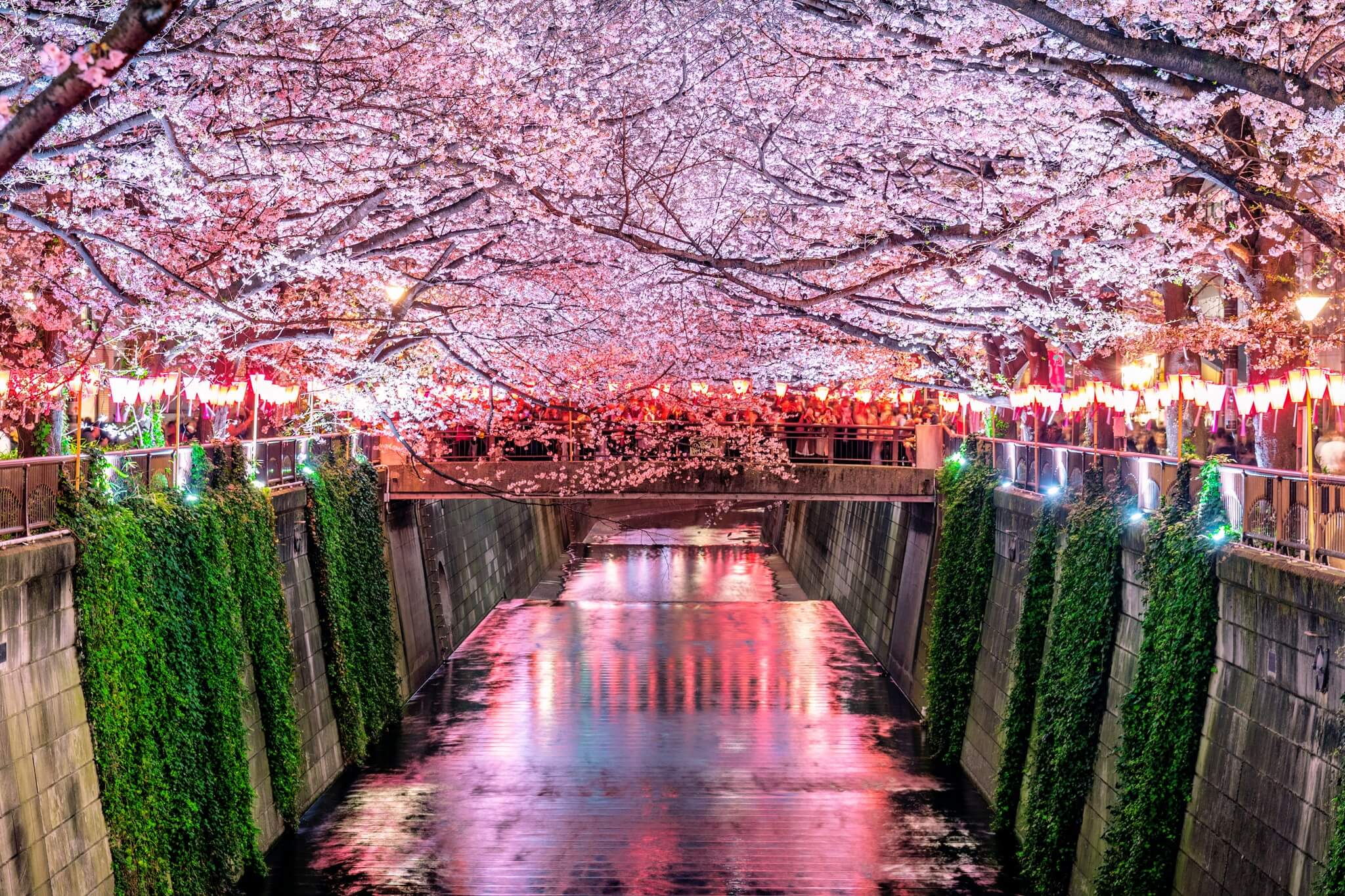
Tokyo is for the vibrant, high-energy traveler seeking endless entertainment, world-class dining, and cutting-edge culture, with a daily budget of ¥10,000-25,000 ($68-$170) excluding accommodation. Kamakura suits those craving spiritual serenity, historical exploration, and a slower pace amidst natural beauty, ideal for a more modest daily spend of ¥7,000-15,000 ($48-$102).
- Choose Tokyo: Pick Tokyo if you thrive on urban excitement, want a vast array of food and nightlife options, and are ready for constant stimulation from morning till late night. It's perfect for first-timers to Japan who want to see it all.
- Choose Kamakura: Choose Kamakura for a reflective, cultural deep-dive focused on ancient temples, serene gardens, and coastal charm. It's ideal for those seeking a peaceful escape from city crowds, history buffs, and nature lovers.
- Choose Both: Absolutely do both if you have 7+ days in the Kanto region. Kamakura is an easy and rewarding day trip from Tokyo, allowing you to contrast the futuristic with the traditional without excessive travel, taking 2-3 days for Tokyo and 1-2 days for Kamakura (including travel).
Quick Comparison
| Category | Tokyo | Kamakura | Winner |
|---|---|---|---|
| Culture & History | Modern pop culture, historical shrines like Senso-ji, Imperial Palace, Meiji Jingu. Focus on contemporary trends and Edo-era remnants. | Ancient samurai capital, iconic Great Buddha, numerous Zen temples, rich medieval history, UNESCO sites. | Kamakura |
| Food & Drink | Global culinary capital, Michelin-starred restaurants, diverse international cuisines, vibrant izakayas, street food, themed cafes. | Local seafood specialties (shirasu-don), traditional Japanese cuisine, charming cafes, fewer high-end options, focus on fresh, regional ingredients. | Tokyo |
| Nightlife & Entertainment | World-renowned nightlife districts (Shinjuku, Shibuya), karaoke, themed bars, clubs, late-night dining, diverse entertainment. | Quiet, relaxed evenings, local izakayas, early closing times, focus on tranquil ambiance over bustling activity. | Tokyo |
| Costs & Budget | Generally higher cost of living, accommodation, and entertainment, though budget options exist. | More budget-friendly, especially for accommodation and dining, with many free historical sites. | Kamakura |
| Getting Around | Extensive, efficient, but complex subway and JR network. Walking in specific districts. | Highly walkable, charming Enoden train line connects coastal areas, local buses for further distances. | Kamakura |
| Nature & Outdoors | Urban parks (Yoyogi, Shinjuku Gyoen), gardens, river cruises, some proximity to mountains (Mt. Takao). | Stunning beaches (Yuigahama), scenic hiking trails (Daibutsu, Tenen), lush temple grounds, coastal views, close to Enoshima island. | Kamakura |
| Shopping | World-class shopping districts (Ginza, Shinjuku, Shibuya), electronics (Akihabara), fashion, luxury goods, unique subculture items. | Souvenirs, traditional crafts, local food products, small boutiques, more unique artisan goods. | Tokyo |
| Accommodation | Vast range from luxury hotels to budget hostels and capsule hotels. Central districts are popular but can be pricey. | Smaller selection, charming ryokans, guesthouses, more traditional lodging. Generally lower prices than Tokyo. | Tokyo |
| Day Trips | Excellent base for diverse day trips: Hakone (Mt. Fuji views), Nikko (UNESCO shrines), Fuji Five Lakes, Yokohama. | Primarily Enoshima Island (aquarium, caves), a compact area. Some might combine with Yokohama but less extensive. | Tokyo |
| Pace & Vibe | Fast-paced, high-energy, constantly evolving, bustling, modern, diverse, 24/7 city life. | Relaxed, spiritual, traditional, calm, scenic, slower pace, blending history with nature. | Kamakura |
⛩️ Culture & History
Tokyo offers a fascinating blend, from the ancient Edo history showcased at Senso-ji Temple in Asakusa to the imperial grandeur of the East Garden of the Imperial Palace. However, its historical sites are often interspersed with modern development. For sheer historical density and spiritual ambiance, Kamakura is unmatched. Visiting Kotoku-in's Great Buddha (Daibutsu) for ¥300 ($2) and the stunning Hasedera Temple with its Kannon statue and ocean views for ¥400 ($2.70) transports you directly into Japan's feudal past. The Tsurugaoka Hachimangu Shrine, the city's most important Shinto shrine, stands as a grand testament to the city's samurai heritage. Every corner feels like a step back in time. "Kamakura's temples aren't just old, they *feel* ancient, like you're walking through centuries of prayers," one Redditor noted. Tokyo's historical gems are great, but Kamakura truly immerses you in the past.
Winner takeaway
- Winner: Kamakura
- Why: Kamakura provides a more concentrated and atmospheric historical experience, offering a deeper dive into Japan's ancient past.
- Who this matters for: History buffs, spiritual seekers, and those looking for a tranquil, culturally rich environment.
🍣 Food & Drink
Tokyo's food scene is unparalleled globally. From the multi-Michelin-starred sushi joints in Ginza to the bustling ramen stalls in Shibuya, the options are limitless. You can enjoy a high-quality bowl of ramen for ¥1,000-1,500 ($7-10), or splurge on an omakase sushi experience for ¥15,000-30,000+ ($100-200+). The sheer diversity, from yakitori alleys in Shinjuku Golden Gai to themed cafes in Harajuku, caters to every palate and budget. Kamakura offers delightful local flavors, particularly its famous shirasu-don (whitebait rice bowl), which you can find for around ¥1,200-1,800 ($8-12) at restaurants near Yuigahama Beach, and charming traditional cafes. The quality is excellent, but the sheer variety and innovation of Tokyo's culinary landscape, from obscure regional dishes to world-class fusion, simply cannot be matched. "Tokyo's food scene is a black hole for my wallet, but my stomach's never been happier. Kamakura was good, but Tokyo is another level," a traveler commented.
Winner takeaway
- Winner: Tokyo
- Why: Tokyo's immense scale and global status offer an unrivaled diversity and quantity of world-class culinary experiences.
- Who this matters for: Foodies, adventurous eaters, and anyone who sees dining as a major part of their travel experience.
🎉 Nightlife & Entertainment
Tokyo is famous for its vibrant nightlife, offering something for everyone. Shinjuku's Golden Gai district is packed with tiny, atmospheric bars where you can grab a drink for ¥800-1,500 ($5-10), while Shibuya's clubs like Womb and Sound Museum Vision host international DJs with entry fees typically ¥3,000-5,000 ($20-34). Karaoke boxes are ubiquitous, offering private rooms for groups at around ¥2,000-4,000 ($14-27) per hour. The city truly comes alive after dark, with endless options for entertainment and late-night dining. Kamakura, on the other hand, embraces a much more subdued evening atmosphere. Most shops and restaurants close relatively early, by 8 or 9 PM. You can find a few cozy izakayas or bars near Kamakura Station for a quiet drink and some local snacks, but don't expect thumping clubs or sprawling entertainment complexes. "After a full day of temple hopping in Kamakura, I was ready for an early night. In Tokyo, I felt like I was just getting started at 10 PM!" a Redditor shared. It's a stark contrast.
Winner takeaway
- Winner: Tokyo
- Why: Tokyo's extensive and diverse nightlife scene, from quiet bars to loud clubs, is unmatched.
- Who this matters for: Party-goers, social butterflies, and those who enjoy staying out late.
💰 Costs & Budget
While Japan generally isn't 'cheap,' Kamakura offers a noticeably more budget-friendly experience compared to Tokyo. A decent meal in Kamakura can be found for ¥1,000-1,800 ($7-12), and accommodation in a guesthouse or small ryokan might start from ¥7,000-12,000 ($48-82) per night. Many of its main attractions, like walking Komachi-dori or exploring the beaches, are free, with temple entry typically ¥300-500 ($2-3.50). Tokyo, while offering budget options like capsule hotels for ¥3,000-6,000 ($20-40), typically sees mid-range hotel prices from ¥12,000-25,000 ($82-170). Transportation is extensive but adds up, with individual subway rides costing ¥180-250 ($1.20-1.70). Dining out, especially in popular areas, can easily push meals into the ¥2,500-5,000 ($17-34) range. The sheer volume of tempting shops and entertainment in Tokyo also encourages more spending. "My wallet breathes a sigh of relief when I leave Tokyo for places like Kamakura. Same good quality, just less sticker shock," a traveler admitted. Kamakura's smaller scale naturally lends itself to lower overall expenses.
Winner takeaway
- Winner: Kamakura
- Why: Kamakura generally offers lower costs for accommodation, dining, and attractions, making it more accessible for budget travelers.
- Who this matters for: Budget-conscious travelers, backpackers, and those looking to stretch their yen further.
🚆 Getting Around
Tokyo's public transport system is a marvel of efficiency and coverage, with the JR lines and numerous subway lines connecting every corner of the vast metropolis. It's incredibly fast, but navigating the intricate network, understanding transfers, and deciphering station names can be daunting for first-timers. A Suica/Pasmo card is essential, with single rides costing ¥180-250 ($1.20-1.70). Kamakura offers a refreshingly simpler and more scenic approach. Most major temples and attractions in the city center are easily walkable from Kamakura Station. For coastal sights like the Great Buddha, Hasedera, and Enoshima, the iconic Enoden Line (a retro tram-like train) provides a picturesque journey, often running right by the beach. A single ride on the Enoden is around ¥220-300 ($1.50-2.00), and a day pass is ¥700 ($4.70). "Kamakura's Enoden train is half transport, half tourist attraction. So much more relaxing than deciphering Tokyo's subway map every five minutes," a traveler remarked. The ease and charm of Kamakura's transport make it a clear winner for stress-free exploration.
Winner takeaway
- Winner: Kamakura
- Why: Kamakura offers a simpler, more scenic, and highly walkable experience, making navigation stress-free.
- Who this matters for: Travelers who prefer walking, enjoy scenic transit, and dislike complex urban transport systems.
🌳 Nature & Outdoors
Tokyo has beautiful urban green spaces like Yoyogi Park and Shinjuku Gyoen National Garden (entry ¥500 / $3.50), offering a tranquil escape within the city. Mount Takao is also a popular day trip for hiking. However, Kamakura truly shines for its natural beauty. It boasts several scenic beaches like Yuigahama and Zaimokuza, perfect for a stroll or watching the sunset, offering a refreshing contrast to temple visits. The city is also surrounded by lush hills, featuring fantastic hiking trails like the Daibutsu Hiking Course and the Tenen Hiking Course, which connect various temples and offer panoramic views of the city and Sagami Bay. Exploring these trails is free and provides a wonderful blend of nature and culture. The proximity to Enoshima Island, with its caves, shrines, and botanical gardens, further enhances its outdoor appeal. "I loved the parks in Tokyo, but nothing beats hiking through the forests in Kamakura and suddenly seeing the ocean," an online comment read. Kamakura integrates nature seamlessly into its cultural landscape.
Winner takeaway
- Winner: Kamakura
- Why: Kamakura offers a richer variety of natural landscapes, including beaches and extensive hiking trails, integrated with its cultural sites.
- Who this matters for: Nature lovers, hikers, beach enthusiasts, and those seeking outdoor activities alongside cultural exploration.
🛍️ Shopping
Tokyo is a global shopping mecca. Ginza offers high-end luxury brands, department stores like Mitsukoshi and Ginza Six, and designer boutiques. Shibuya and Shinjuku cater to fashion-forward youth with massive department stores (Shibuya 109) and trendy boutiques. Akihabara is the go-to for electronics, anime, manga, and gaming, with multi-story stores like Yodobashi Akiba and Animate. You can find everything from ¥100 ($0.70) discount items to multi-million yen watches. Kamakura's shopping scene is charming but much smaller in scale. Komachi-dori, the main street leading from Kamakura Station to Tsurugaoka Hachimangu Shrine, is lined with souvenir shops, local craft stores, and eateries. Here, you'll find traditional Japanese sweets, handmade pottery, and unique regional souvenirs, often in the ¥500-5,000 ($3.50-34) range. It's perfect for gifts and local mementos, but it cannot compete with the sheer volume, variety, and specialized shopping experiences Tokyo offers. "For serious shopping, Tokyo is unmatched. Kamakura is great for unique gifts and local snacks, but if I need a new drone or the latest streetwear, I'm in Shibuya," a traveler commented.
Winner takeaway
- Winner: Tokyo
- Why: Tokyo's unparalleled scale offers every imaginable shopping experience, from luxury to subculture, making it a global shopping destination.
- Who this matters for: Serious shoppers, fashionistas, tech enthusiasts, and collectors of unique niche items.
🏨 Accommodation
Tokyo offers an astounding array of accommodation options to suit every budget and preference. You can find futuristic capsule hotels for ¥3,000-6,000 ($20-40) per night, stylish budget hostels in areas like Asakusa for ¥4,000-8,000 ($27-54), mid-range business hotels (e.g., APA, Dormy Inn) from ¥12,000-25,000 ($82-170) in central hubs like Shinjuku or Shibuya, and opulent luxury hotels starting from ¥40,000+ ($270+). The sheer number of choices ensures competition and availability, even during peak seasons. Kamakura's accommodation scene is more intimate and focused on traditional experiences. You'll find lovely ryokans (traditional inns) starting from ¥10,000-20,000 ($68-135) per night, often including breakfast. There are also smaller guesthouses and boutique hotels, generally at a lower price point than comparable quality in Tokyo, around ¥7,000-15,000 ($48-102). While charming, the options are fewer and book up quickly. "Tokyo has an insane number of hotels; I always find something that fits my budget and style. Kamakura's places are beautiful, but you need to book way ahead," a Redditor observed. The sheer volume and diversity of choice give Tokyo the edge.
Winner takeaway
- Winner: Tokyo
- Why: Tokyo offers a far greater variety and quantity of accommodation types and price points, catering to all travelers.
- Who this matters for: Travelers with specific budget needs, those seeking modern amenities, or anyone who values a wide selection of lodging options.
🗺️ Day Trips
Tokyo serves as an unparalleled hub for exploring the wider Kanto region. From Tokyo, you can easily reach iconic destinations like Hakone, famous for its views of Mount Fuji, hot springs, and open-air museum (about 1.5-2 hours, ~$30-50 round trip by train). Nikko, with its stunning UNESCO World Heritage shrines and temples, is another popular choice (2 hours, ~$50-70 round trip). You can also visit the Fuji Five Lakes area for closer Fuji views or explore the modern city of Yokohama. Kamakura's primary and most natural day trip is to the charming Enoshima Island, connected by a bridge. Enoshima offers an aquarium, caves, a lighthouse, and stunning coastal views, easily accessible via the Enoden Line. While you can technically visit Yokohama from Kamakura, Tokyo offers a more strategic and diverse starting point for a wider array of distinct experiences, ranging from natural beauty to ancient historical sites. "Tokyo's day trip options are fantastic. I did Hakone one day, Nikko another. Kamakura is cool for Enoshima, but that's about it," a traveler noted. The variety from Tokyo is simply superior.
Winner takeaway
- Winner: Tokyo
- Why: Tokyo offers a significantly broader and more diverse range of accessible and iconic day trip destinations.
- Who this matters for: Travelers who enjoy exploring surrounding regions and want a variety of experiences beyond the main city.
🧘♀️ Pace & Vibe
Tokyo's vibe is one of relentless energy and constant motion. It's a city that never sleeps, with neon lights, crowded intersections (like Shibuya Crossing), and a palpable sense of innovation. The pace is exhilarating, offering endless stimulation and new discoveries at every turn. It's a place where you're constantly on the go, soaking in the sights and sounds of a hyper-modern metropolis. Kamakura, by contrast, offers a profoundly peaceful and reflective atmosphere. The pace is significantly slower, encouraging leisurely strolls through temple grounds, quiet contemplation, and enjoying the natural surroundings. The blend of ancient history, lush greenery, and the calming presence of the ocean creates a serene and spiritual environment. It's a place where you can truly unwind and disconnect from the urban hustle. "After a week in Tokyo, Kamakura felt like a warm hug. The quiet streets and temple bells were exactly what I needed," a Redditor shared, perfectly capturing the contrast. For a truly relaxed and traditional Japanese experience, Kamakura's tranquil vibe is unparalleled.
Winner takeaway
- Winner: Kamakura
- Why: Kamakura offers a distinctly slower, more peaceful, and spiritual atmosphere, ideal for relaxation and cultural immersion.
- Who this matters for: Travelers seeking relaxation, spiritual introspection, a break from urban intensity, and a traditional Japanese ambiance.
❓ Frequently Asked Questions
How long should I spend in Tokyo vs Kamakura?
For Tokyo, aim for a minimum of 3-5 full days to experience its main districts and a few key attractions without feeling rushed. For Kamakura, 1 full day is usually sufficient to see the major temples and perhaps enjoy the beach or a short hike, though a relaxed 2-day stay allows for deeper exploration and enjoying the local atmosphere without rushing.
Is Kamakura a good day trip from Tokyo?
Yes, Kamakura is an excellent day trip from Tokyo! It's easily accessible by direct train (JR Yokosuka Line from Tokyo Station, about an hour, ¥940 / $6.40). You can visit the Great Buddha, Hasedera Temple, Tsurugaoka Hachimangu Shrine, and stroll Komachi-dori, returning to Tokyo in the evening.
Which city is better for families with young children?
Kamakura might be slightly better for families with young children due to its more relaxed pace, walkable attractions, and beautiful nature (beaches, parks). Tokyo can be overwhelming with crowds and extensive walking/subway use, though it offers attractions like Disney parks and Ueno Zoo. Kamakura provides a calmer, more manageable experience for little ones.
What's the best time of year to visit both?
Spring (March-May) for cherry blossoms and pleasant weather, or Autumn (October-November) for vibrant fall foliage and comfortable temperatures, are ideal for both cities. Summers can be hot and humid, especially in Kamakura, while winters are generally cold but sunny.
Do I need to speak Japanese in either city?
No, you don't need to speak Japanese, especially in Tokyo, where English is widely understood in tourist areas, major stations, and hotels. Kamakura, being a popular tourist destination, also has English signage and staff at main attractions. Learning a few basic phrases like 'hello' and 'thank you' is always appreciated, however.
Are there any specific passes that cover travel between them?
If you have a Japan Rail Pass, it covers the JR Yokosuka Line trains between Tokyo and Kamakura. Otherwise, for local transport within Kamakura and to Enoshima, the Enoshima-Kamakura Free Pass (¥800-1,500 depending on starting point from Shinjuku) is great value, covering unlimited rides on the Enoden Line and Odakyu Line.
Which city is better for solo travelers?
Tokyo offers an incredible experience for solo travelers with its safety, efficient public transport, endless activities, and diverse accommodation options (hostels, capsule hotels). Kamakura is also safe and easy to navigate solo, offering a more reflective experience. Tokyo edges it out for sheer variety and ease of meeting other travelers.
Can I see Mount Fuji from Kamakura?
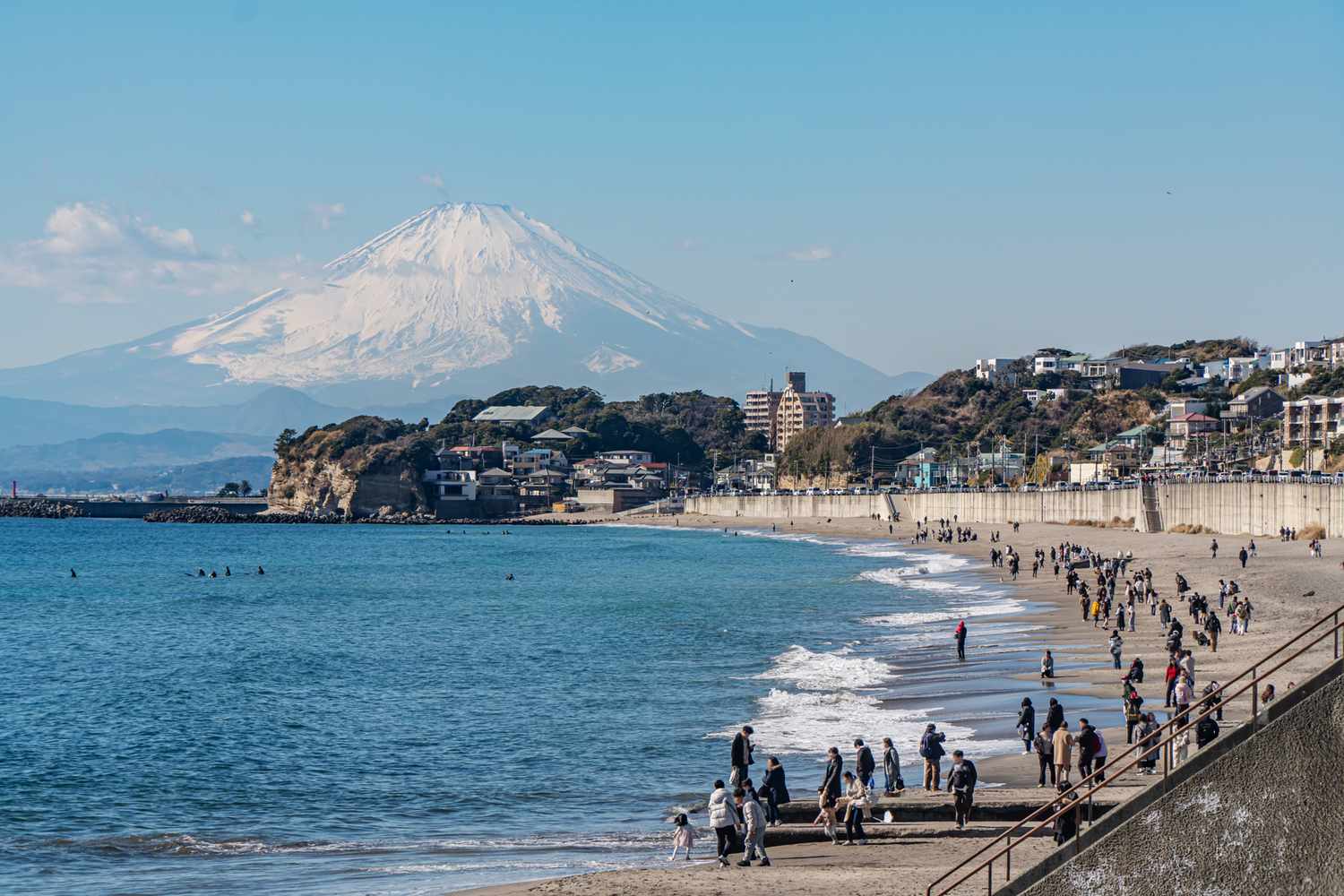
Yes, on clear days, you can often see Mount Fuji from various points in Kamakura, especially from the coastline (like Yuigahama Beach or Inamuragasaki Park) and some temple viewpoints, particularly in the cooler, drier months of winter. It's a beautiful, distant view across Sagami Bay.
Ready to plan your Japan trip?
Get a free custom itinerary for Tokyo, Kamakura, or both — built from real traveler insights.
🎟️ Book Tours & Experiences
Hand-picked tours and activities for both destinations — book with free cancellation
Experiences via Viator — free cancellation on most tours