How we built this comparison
This page combines traveler discussion patterns, published price ranges, flight schedules, and seasonal data to help you decide between Tokyo and Kanazawa.
- Reviewed 50+ Reddit threads from r/JapanTravel, r/solotravel, r/travel, and r/Japan for authentic traveler experiences and advice.
- Verified costs and logistics against current booking platforms (e.g., Google Flights, JR Pass, various hotel sites) and official tourism boards.
- Cross-referenced seasonal patterns and weather data from meteorological agencies to provide accurate climate expectations.
⚡ The TL;DR Verdict
Tokyo is your pick if you crave modern thrills, endless dining, and vibrant nightlife, with a daily budget typically ranging from ¥15,000-¥25,000 (~$100-$170 USD). Kanazawa calls to those seeking authentic traditional Japan, exquisite gardens, and superb seafood without the crowds, often achievable for ¥10,000-¥18,000 (~$68-$125 USD) per day.
- Choose Tokyo: For first-time visitors to Japan, urban explorers, foodies, and those who thrive on bustling city energy, cutting-edge trends, and endless entertainment options.
- Choose Kanazawa: For travelers seeking a deeper dive into traditional Japanese culture, exquisite gardens, historic districts, fresh seafood, and a more relaxed pace away from the major tourist hubs.
- Choose Both: If you have at least 7-10 days, combine them! Start with 4-5 days in Tokyo for the city buzz, then take the Shinkansen (approx. 2.5-3 hours) to Kanazawa for 2-3 days of cultural immersion and relaxation. It's a fantastic contrast.
Quick Comparison
| Category | Tokyo | Kanazawa | Winner |
|---|---|---|---|
| Food & Drink | Unparalleled culinary diversity, from Michelin-starred dining to quirky themed cafes and street food. Global flavors and endless options. | Renowned for fresh seafood from the Sea of Japan, local specialties like jibu-ni, and beautiful tea house districts. | Tokyo |
| Culture & History | Mix of ancient traditions (Senso-ji Temple) and hyper-modern pop culture (Harajuku, Akihabara). A dynamic, evolving cultural landscape. | Rich Edo-period history, well-preserved samurai and geisha districts, and one of Japan's most beautiful traditional gardens. | Kanazawa |
| Costs & Budget | Generally more expensive for accommodation, dining, and entertainment, but offers a vast range of budget options. | More budget-friendly across the board, especially for food and some accommodations, offering good value for traditional experiences. | Kanazawa |
| Getting There & Around | Served by two major international airports (Narita, Haneda) and an incredibly efficient, extensive subway and train network. | Accessible via Komatsu Airport or Shinkansen; walkable city center with a convenient loop bus for main attractions. | Tokyo |
| Nightlife & Entertainment | World-famous for its vibrant, diverse nightlife, from neon-lit districts to unique themed bars and sophisticated lounges. | Quieter, with a focus on traditional izakayas, sake bars, and a few relaxed pubs; not a 'party' destination. | Tokyo |
| Accommodation | Vast selection of hotels (business, capsule, luxury), hostels, and Airbnb, often at higher prices but with great efficiency. | Good range of traditional ryokans, charming guesthouses, and modern hotels, generally at more affordable rates. | Tie |
| Nature & Scenery | Limited green spaces within the city, but excellent access to national parks and scenic areas via day trips (e.g., Hakone, Mt. Fuji). | Features one of Japan's most famous gardens (Kenrokuen) within the city, with easy access to the Noto Peninsula and Japanese Alps. | Kanazawa |
| Shopping | A global shopping mecca, from luxury brands in Ginza to quirky fashion in Harajuku and electronics in Akihabara. | Focuses on traditional crafts, local delicacies, and regional specialties, with fewer international brands. | Tokyo |
| Day Trips & Excursions | Numerous iconic day trip options including Hakone, Nikko, Kamakura, and Mt. Fuji region, easily accessible by train. | Great base for exploring the Japanese Alps (Shirakawa-go, Gokayama) and the scenic Noto Peninsula. | Tie |
| Best Seasons / Weather | Distinct four seasons, famous for cherry blossoms (spring) and autumn foliage. Summers are hot and humid, winters are mild. | Cooler summers and significant snowfall in winter, with beautiful spring and autumn. Offers a different seasonal experience. | Tie |
🍣 Food & Drink
Tokyo's food scene is simply unmatched globally. You can find literally anything here: ramen joints in Shinjuku like Ramen Nagi, world-class sushi at Sukiyabashi Jiro (if you can get a reservation!), trendy izakayas in Shibuya, or even delicious street food at Ameya-Yokochō market. A casual ramen lunch might set you back ¥1,000-¥1,500 (~$7-$10), while a nice dinner at an izakaya could be ¥4,000-¥8,000 (~$27-$55) per person. Kanazawa, while smaller, boasts incredible seafood, especially at Omicho Market where you can get fresh sashimi or kaisendon (seafood rice bowls) for around ¥2,000-¥3,500 (~$14-$24). Their local specialty, jibu-ni (duck stew), is a must-try. You'll find many charming traditional restaurants in the Chaya districts. "Honestly, the sheer variety in Tokyo is wild, I ate something new and amazing every single meal, from a vending machine ramen to a crazy themed cafe. Kanazawa's seafood was top-tier though, Omicho market was a highlight." The cost of a really good meal in Tokyo can easily exceed Kanazawa, but the breadth of choice and price points makes Tokyo the winner for sheer culinary adventure.
Winner takeaway
- Winner: Tokyo
- Why: Tokyo offers an astounding, unparalleled diversity of culinary experiences for every budget and taste imaginable.
- Who this matters for: Foodies, adventurous eaters, and those who want Michelin-star experiences or unique themed cafes.
🏯 Culture & History
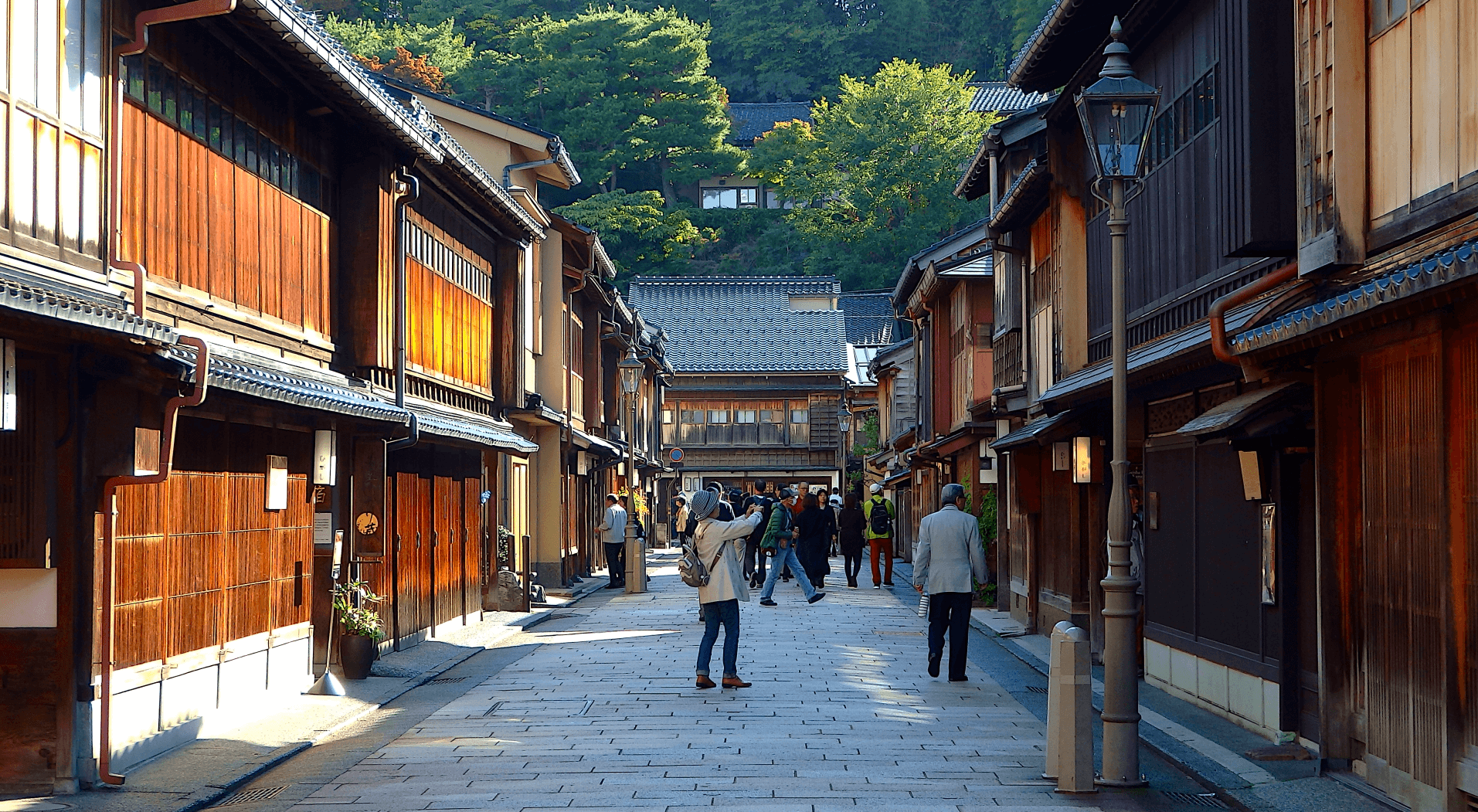
Kanazawa truly shines for its deep dive into traditional Japanese culture. The city avoided major bombing during WWII, preserving much of its historical charm. Kenrokuen Garden, considered one of Japan's 'Three Great Gardens,' is a masterpiece of landscape design, with entrance fees around ¥320 (~$2). The Nagamachi Samurai District offers a glimpse into samurai life, with homes like the Nomura-ke House (entrance ¥550 / ~$3.70). The Higashi Chaya District, one of three historic geisha districts, feels like stepping back in time, with opportunities to visit a tea house like Shima Teahouse (entrance ¥500 / ~$3.40). Tokyo certainly has its historical spots like the Asakusa Senso-ji Temple and the Imperial Palace East Garden, but they are often dwarfed by the surrounding modernity. "Kanazawa felt like stepping into a postcard, every corner was beautiful and so much history. Tokyo's temples are cool but they're surrounded by skyscrapers, which kinda breaks the spell." Kanazawa offers a more cohesive, immersive traditional experience.
Winner takeaway
- Winner: Kanazawa
- Why: Kanazawa offers a more cohesive, beautifully preserved, and immersive traditional Japanese cultural and historical experience.
- Who this matters for: History buffs, garden enthusiasts, and those seeking a quieter, more reflective cultural experience.
💸 Costs & Budget
When comparing the two, Kanazawa typically offers better value for money. A decent business hotel in Tokyo like a Dormy Inn might cost ¥10,000-¥18,000 (~$68-$125) per night, while a similar quality hotel or even a charming ryokan in Kanazawa, like a stay at Ryokan Yamamuro, could be ¥8,000-¥15,000 (~$55-$100). Food is also generally cheaper outside of the big city – a superb kaisendon in Kanazawa is often less than a mid-range sushi set in Tokyo. Transport within Tokyo is efficient but adds up, with metro rides costing ¥170-¥320 (~$1.15-$2.20) per trip. Kanazawa's loop bus is a flat ¥200 (~$1.35) or a ¥600 (~$4) day pass, making local travel very affordable. Attractions are also similarly priced, with Tokyo's Skytree observatory at ¥2,100 (~$14) versus Kenrokuen Garden at ¥320 (~$2). "My budget stretched way further in Kanazawa. I felt like I got so much more for my money, especially with the food and hotel." While both cities can be done on a budget, Kanazawa provides a higher quality experience for a lower price point on average.
Winner takeaway
- Winner: Kanazawa
- Why: Kanazawa consistently offers more value for money across accommodation, dining, and local transportation.
- Who this matters for: Budget-conscious travelers, backpackers, and those looking to maximize their travel funds without sacrificing quality.
🚆 Getting There & Around
Tokyo's connectivity is unparalleled. It's served by Narita (NRT) and Haneda (HND) International Airports, with excellent connections to the city center via Narita Express (N'EX, approx. ¥3,070 / ~$21 to Shinjuku) or Keikyu Line/Limousine Bus from Haneda (approx. ¥700-¥1,500 / ~$5-$10). Once there, the Tokyo Metro and JR lines are a marvel of efficiency, covering every corner of the city, though it can be overwhelming for first-timers. Getting to Kanazawa involves either a domestic flight to Komatsu Airport (KMQ) from Haneda (approx. 1 hour, ¥10,000-¥20,000 / ~$68-$135) or the Hokuriku Shinkansen from Tokyo Station (approx. 2.5-3 hours, ¥14,000-¥15,000 / ~$95-$100). Within Kanazawa, the main tourist areas are relatively compact and walkable, and the Kanazawa Loop Bus makes navigating easy and cheap (¥200 / ~$1.35 per ride or ¥600 / ~$4 day pass). "Tokyo's trains are insane, overwhelming at first but you can get anywhere so fast. Kanazawa's bus was chill but getting there was a bit of a journey." For overall ease of international arrival and intra-city movement, Tokyo takes the crown.
Winner takeaway
- Winner: Tokyo
- Why: Tokyo offers superior international access and an incredibly extensive, efficient, and frequent public transportation network.
- Who this matters for: First-time Japan visitors, those flying internationally, and travelers who prefer minimal transit hassle within a city.
🥂 Nightlife & Entertainment
Tokyo's nightlife is legendary and truly never sleeps. Districts like Shinjuku's Golden Gai (tiny, quirky bars), Kabukicho (entertainment district), Shibuya's myriad clubs (e.g., Womb, Contact Tokyo), Roppongi's international pubs and clubs, and Ginza's high-end cocktail bars offer something for every taste and energy level. You can find anything from a ¥500 (~$3.40) beer at a convenience store to a ¥2,000 (~$14) craft cocktail, or spend ¥3,000-¥5,000 (~$20-$34) on a club entry fee. Kanazawa, on the other hand, offers a much more subdued evening experience. The nightlife centers around traditional izakayas in Korinbo or Katamachi, where you can enjoy local sake and fresh seafood in a cozy atmosphere. Expect to pay ¥3,000-¥6,000 (~$20-$40) for a good meal with drinks. There are a few pubs, but no major club scene. "If you want to party, Tokyo is it. Kanazawa is more about a quiet drink and good food, which is nice, but not a crazy night out." Tokyo is the undisputed champion for evening entertainment.
Winner takeaway
- Winner: Tokyo
- Why: Tokyo boasts an unparalleled, diverse, and world-class nightlife scene that caters to every preference imaginable.
- Who this matters for: Party-goers, social butterflies, and anyone looking for vibrant evening entertainment options.
🏨 Accommodation
Both cities offer excellent accommodation options, though the style and price points differ. Tokyo has an enormous inventory, from efficient capsule hotels like Nine Hours (¥3,000-¥5,000 / ~$20-$34) to mid-range business hotels like APA or Dormy Inn (¥10,000-¥18,000 / ~$68-$125) and ultra-luxury options like the Park Hyatt Tokyo (¥50,000+ / ~$340+). Finding availability, especially for specific budgets, is rarely an issue, but prices are generally higher. Kanazawa provides a more intimate selection, with a strong emphasis on traditional ryokans (e.g., Ryokan Kohrogi, starting around ¥15,000 / ~$100) and charming guesthouses like Guest House Pongyi (¥4,000-¥7,000 / ~$27-$48). You can often get more space or a more unique experience for your money compared to Tokyo. Modern hotels like the Kanazawa Tokyu Hotel are also available for ¥10,000-¥20,000 (~$68-$135). "Tokyo has everything but it's expensive and can feel impersonal. Kanazawa had some really lovely, unique guesthouses that felt like a real local experience without breaking the bank. Both have their pros depending on what you're after." It's a tie because Tokyo offers sheer volume and range, while Kanazawa offers better value and unique traditional stays.
Winner takeaway
- Winner: Tie
- Why: Tokyo offers an unmatched volume and variety across all price points, while Kanazawa excels in value and traditional experiences.
- Who this matters for: Travelers seeking specific hotel chains or luxury will prefer Tokyo; those wanting value, charm, or ryokans will lean towards Kanazawa.
🏞️ Nature & Scenery
Kanazawa stands out for its immediate access to natural beauty. Kenrokuen Garden, right in the city center (entrance ¥320 / ~$2), is a stunning example of Japanese landscape architecture and offers serene beauty in all seasons. Beyond the city, the Noto Peninsula, easily accessible by car or bus (e.g., to Wajima Morning Market, approx. 1.5-2 hours, ¥2,500 / ~$17 one way), offers rugged coastlines, pristine beaches, and traditional fishing villages. The city is also a gateway to the Japanese Alps, with destinations like Shirakawa-go (bus approx. 1 hour, ¥2,600 / ~$18 one way) offering breathtaking mountainous scenery. Tokyo's green spaces are mostly urban parks like Yoyogi Park or Shinjuku Gyoen (entrance ¥500 / ~$3.40), which are beautiful but still very much within a concrete jungle. To experience significant nature from Tokyo, you usually need a day trip to Hakone or Nikko (approx. 1.5-2 hours by train, ¥2,000-¥6,000 / ~$14-$40 one way, depending on pass), which adds travel time and cost. "Kenrokuen alone is worth it, it's so peaceful. And being able to pop out to the coast or mountains so easily from Kanazawa was a huge plus for me. Tokyo's parks are nice, but they're not 'nature'." Kanazawa wins for more immediate and diverse natural beauty.
Winner takeaway
- Winner: Kanazawa
- Why: Kanazawa offers iconic natural beauty directly within the city and very easy access to stunning coastal and mountain landscapes.
- Who this matters for: Nature lovers, garden enthusiasts, and those seeking serene landscapes without extensive travel.
🛍️ Shopping
Tokyo is a shopper's paradise, offering an overwhelming variety of goods. Ginza is home to high-end department stores like Mitsukoshi and luxury boutiques, where a designer item can easily run ¥50,000+ (~$340+). Shibuya and Harajuku cater to trendy fashion and youth culture, with stores like Shibuya 109 and countless independent boutiques, where a stylish outfit might cost ¥5,000-¥15,000 (~$34-$100). Akihabara is the go-to for electronics and anime goods. You can spend days just browsing. Kanazawa's shopping scene is far more specialized, focusing on its rich artisan heritage. Omicho Market is fantastic for fresh seafood and local produce. The Higashi Chaya District and Korinbo areas offer beautiful traditional crafts like Kaga Yuzen silk, Kutani pottery, and gold leaf products (e.g., a small gold leaf craft might be ¥2,000-¥5,000 / ~$14-$34). There are modern department stores like Forus for general goods, but they lack the scale and unique offerings of Tokyo. "If you want anything specific or just love window shopping for hours, Tokyo's got it all. Kanazawa is great for unique souvenirs but it's a different kind of shopping." Tokyo's sheer scale, variety, and trend-setting nature make it the clear winner.
Winner takeaway
- Winner: Tokyo
- Why: Tokyo provides an unparalleled, diverse, and world-leading shopping experience for every interest and budget.
- Who this matters for: Fashionistas, tech enthusiasts, souvenir collectors, and anyone who loves extensive retail therapy.
🚗 Day Trips & Excursions
Both cities serve as excellent bases for day trips, offering different but equally compelling excursions. From Tokyo, popular choices include Hakone (for views of Mt. Fuji, hot springs, and art museums, approx. 1.5-2 hours by Odakyu Romancecar, ¥2,500-¥3,000 / ~$17-$20 one way), Nikko (UNESCO World Heritage shrines and temples, approx. 2 hours by Tobu Limited Express, ¥2,800 / ~$19 one way), and Kamakura (historic temples and the Great Buddha, approx. 1 hour by JR train, ¥940 / ~$6.50 one way). Kanazawa offers direct bus access to the UNESCO World Heritage villages of Shirakawa-go and Gokayama (approx. 1 hour, ¥2,600 / ~$18 one way), famous for their unique gassho-zukuri farmhouses. The Noto Peninsula also makes for a fantastic scenic drive or bus trip, with stunning coastlines and traditional culture. "I loved the variety of day trips from Tokyo, especially seeing Fuji. But Shirakawa-go from Kanazawa was absolutely magical, felt like stepping into a different world." It's a tie because both offer iconic, distinct, and easily accessible day trip experiences that are world-class in their own right.
Winner takeaway
- Winner: Tie
- Why: Both cities offer exceptional and iconic day trip opportunities, catering to different interests, from natural wonders to historical villages.
- Who this matters for: Travelers who want to explore beyond the main city and experience different facets of Japanese culture and nature.
☀️ Best Seasons / Weather
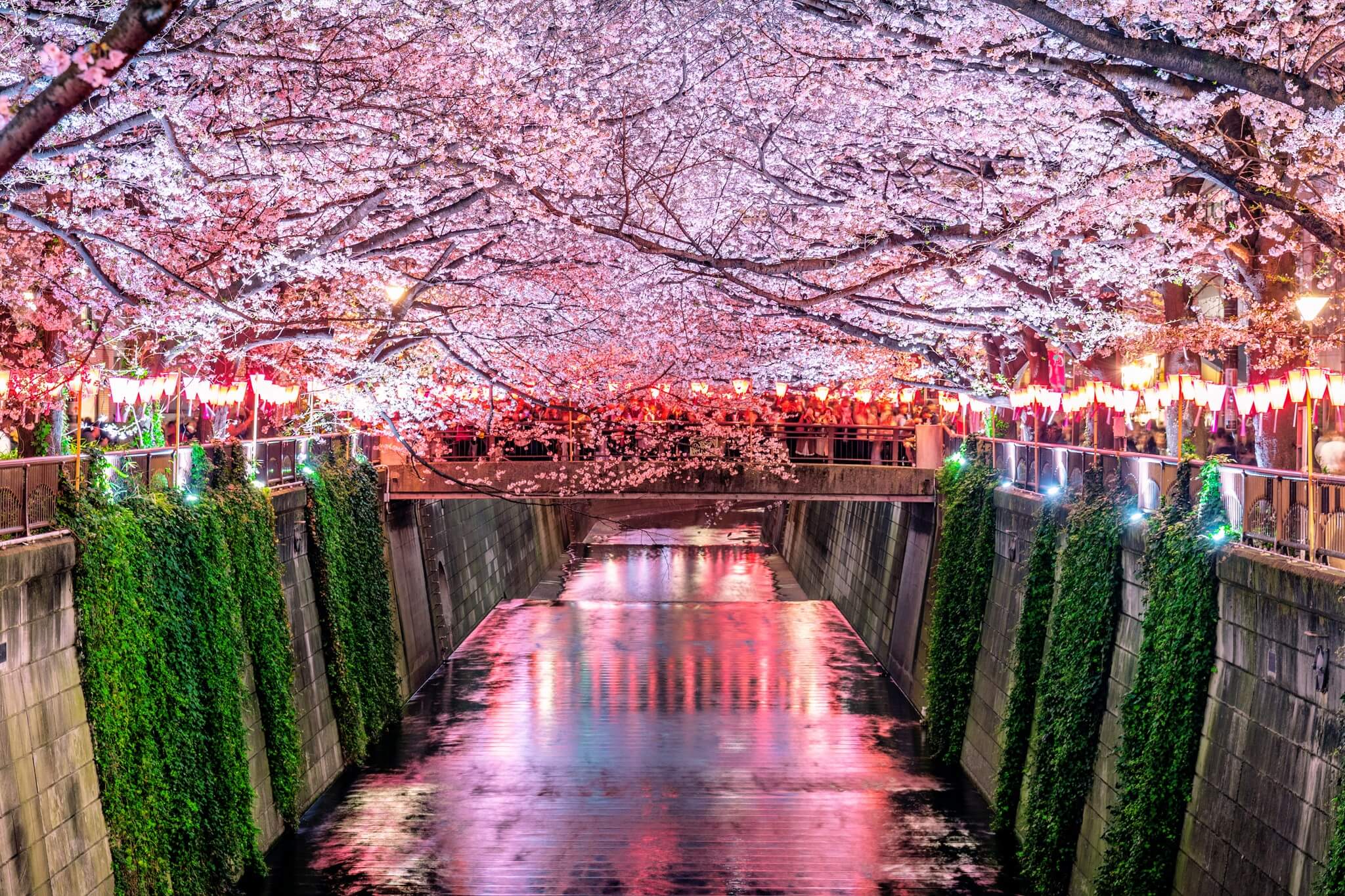
Tokyo experiences distinct four seasons. Spring (March-May) brings beautiful cherry blossoms, with average temperatures around 10-20°C (50-68°F), making it a peak travel time. Autumn (October-November) offers stunning foliage, similar temperatures, and clear skies. Summer (June-September) is hot and very humid, often reaching 30-35°C (86-95°F), with a rainy season in June. Winter (December-February) is generally mild and dry, around 5-10°C (41-50°F), with occasional light snow. Kanazawa's weather patterns are similar but with some notable differences due to its location on the Sea of Japan. Summers are slightly cooler than Tokyo, making it a more comfortable escape from the heat, averaging 25-30°C (77-86°F). Winters, however, see significant snowfall, transforming the city and Kenrokuen Garden into a magical winter wonderland, with temperatures around 0-5°C (32-41°F). Spring and autumn are equally beautiful, with cherry blossoms slightly later than Tokyo. "Tokyo's cherry blossoms are legendary, but seeing Kenrokuen in the snow in Kanazawa was genuinely breathtaking and so unique." It's a tie because each city offers unique and compelling seasonal attractions, catering to different preferences for weather and scenery.
Winner takeaway
- Winner: Tie
- Why: Both cities offer distinct and beautiful seasonal experiences, making the 'best' season highly dependent on personal preference.
- Who this matters for: Travelers with specific seasonal preferences, such as cherry blossom enthusiasts, snow lovers, or those avoiding extreme heat.
❓ Frequently Asked Questions
Is Kanazawa worth visiting instead of Kyoto?
Kanazawa is often called 'Little Kyoto' due to its preserved traditional districts and gardens, but it's far less crowded and generally more affordable. If you prefer a more relaxed, authentic traditional experience without the tourist throngs, Kanazawa is an excellent alternative or a superb complement to Kyoto.
Can I do a day trip from Tokyo to Kanazawa?
While technically possible via the Hokuriku Shinkansen (approx. 2.5-3 hours one way), it makes for a very long day, with 5-6 hours spent just on travel. It's highly recommended to spend at least one night in Kanazawa to fully appreciate its charm and avoid rushing through its beautiful sights.
Which city is better for first-time visitors to Japan?
Tokyo is generally better for first-time visitors due to its easier international access, extensive English signage, and a wider range of experiences that encapsulate both modern and traditional Japan in one vibrant package. Kanazawa is wonderful but might be a better fit after gaining some familiarity with Japan.
Is English widely spoken in Tokyo or Kanazawa?
English is more widely understood and spoken in Tokyo, especially in major tourist areas, hotels, and train stations. Kanazawa has made strides, but you'll encounter fewer English speakers, especially in smaller shops or restaurants. A translation app is always helpful for both.
What's the main attraction in Kanazawa?
The undisputed main attraction in Kanazawa is Kenrokuen Garden, considered one of Japan's 'Three Great Gardens.' It's a stunning, meticulously maintained traditional landscape garden that changes beautifully with the seasons.
How much does the Shinkansen cost between Tokyo and Kanazawa?
A one-way ticket on the Hokuriku Shinkansen (Kagayaki or Hakutaka services) from Tokyo Station to Kanazawa Station typically costs around ¥14,000-¥15,000 (~$95-$100 USD) for a reserved seat. It's covered by the Japan Rail Pass if you have one.
Which city is better for families with young children?
Tokyo offers more child-friendly attractions like Disney Resort, Ghibli Museum, Ueno Zoo, and vast parks. Its efficient public transport is also stroller-friendly. Kanazawa is quieter, but might have fewer direct entertainment options for very young kids beyond its gardens and museums.
Are there good walking tours in either city?
Yes, both cities offer excellent walking tours. Tokyo has numerous themed tours, from food tours in Tsukiji to historical walks in Asakusa. Kanazawa is particularly well-suited for walking tours to explore its samurai, geisha, and garden districts, with many local guides available.
Ready to plan your Japan trip?
Get a free custom itinerary for Tokyo, Kanazawa, or both — built from real traveler insights.
🎟️ Book Tours & Experiences
Hand-picked tours and activities for both destinations — book with free cancellation
Experiences via Viator — free cancellation on most tours